
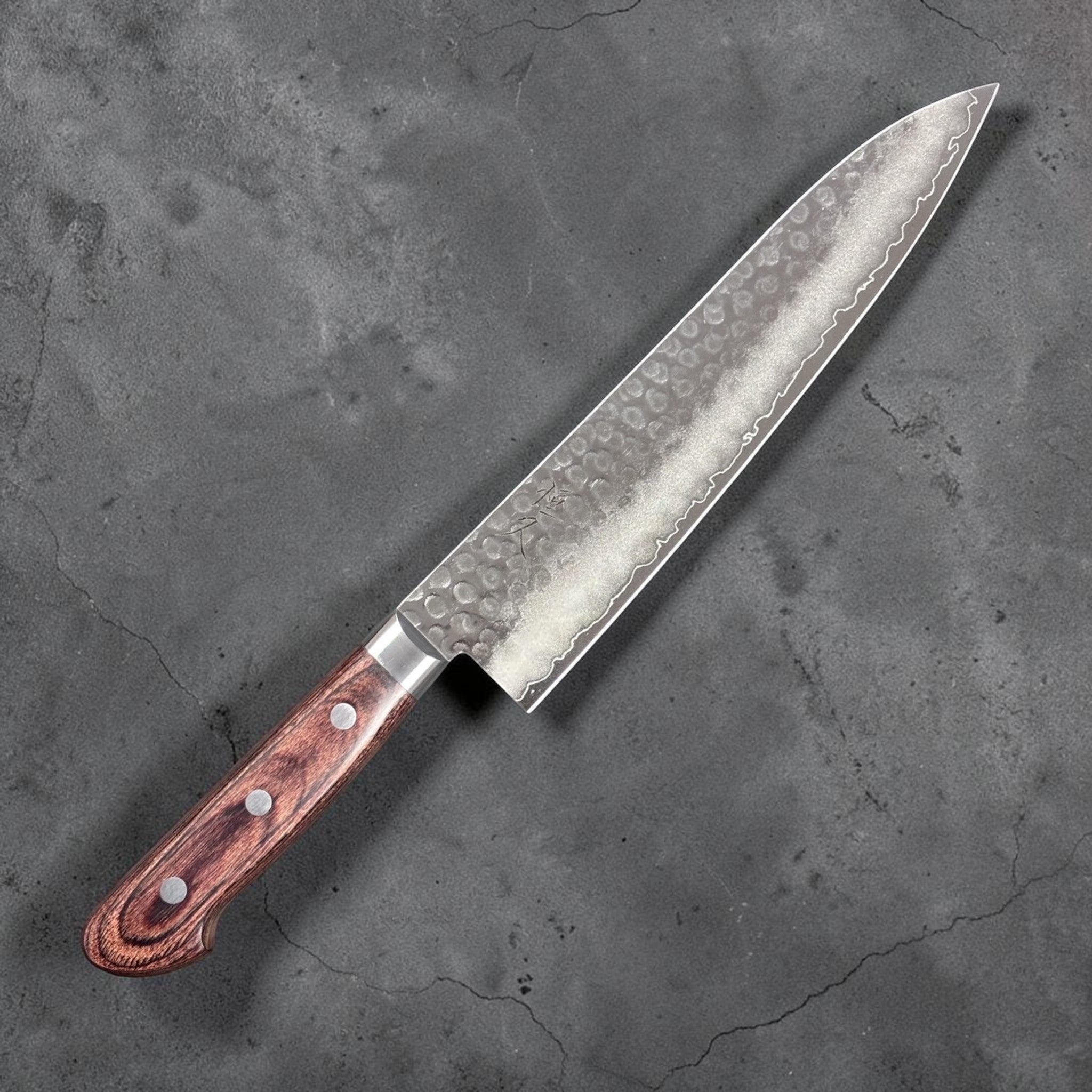
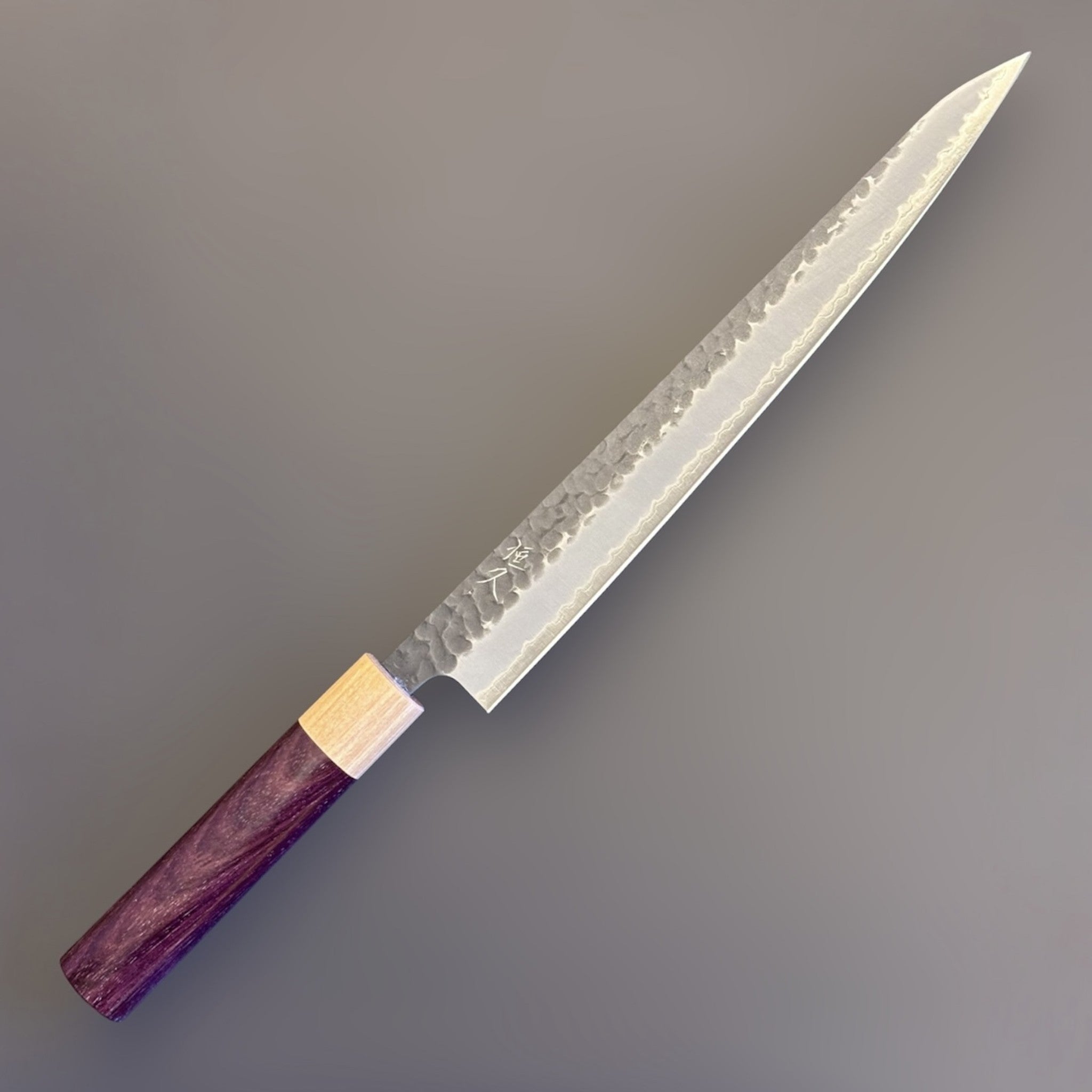
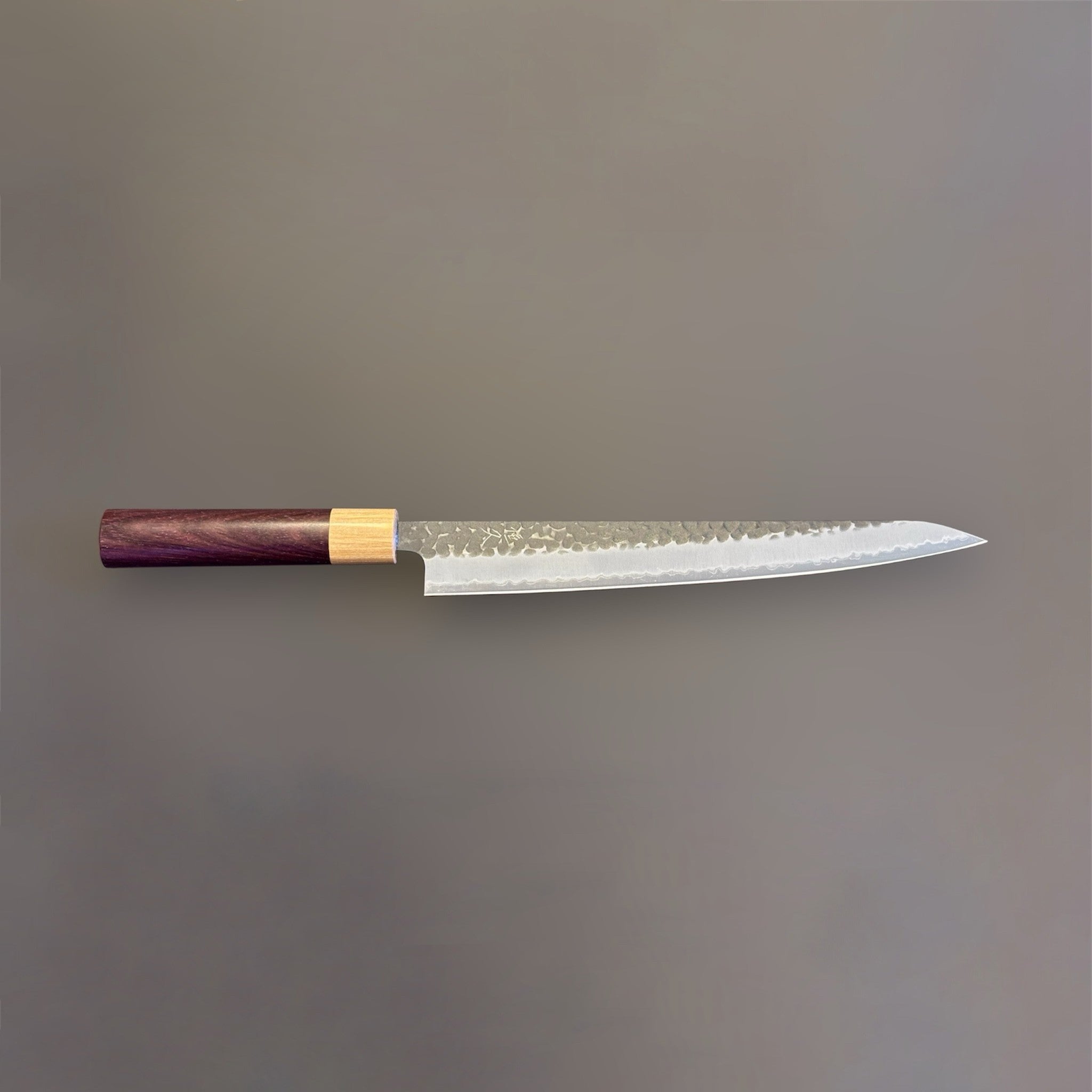
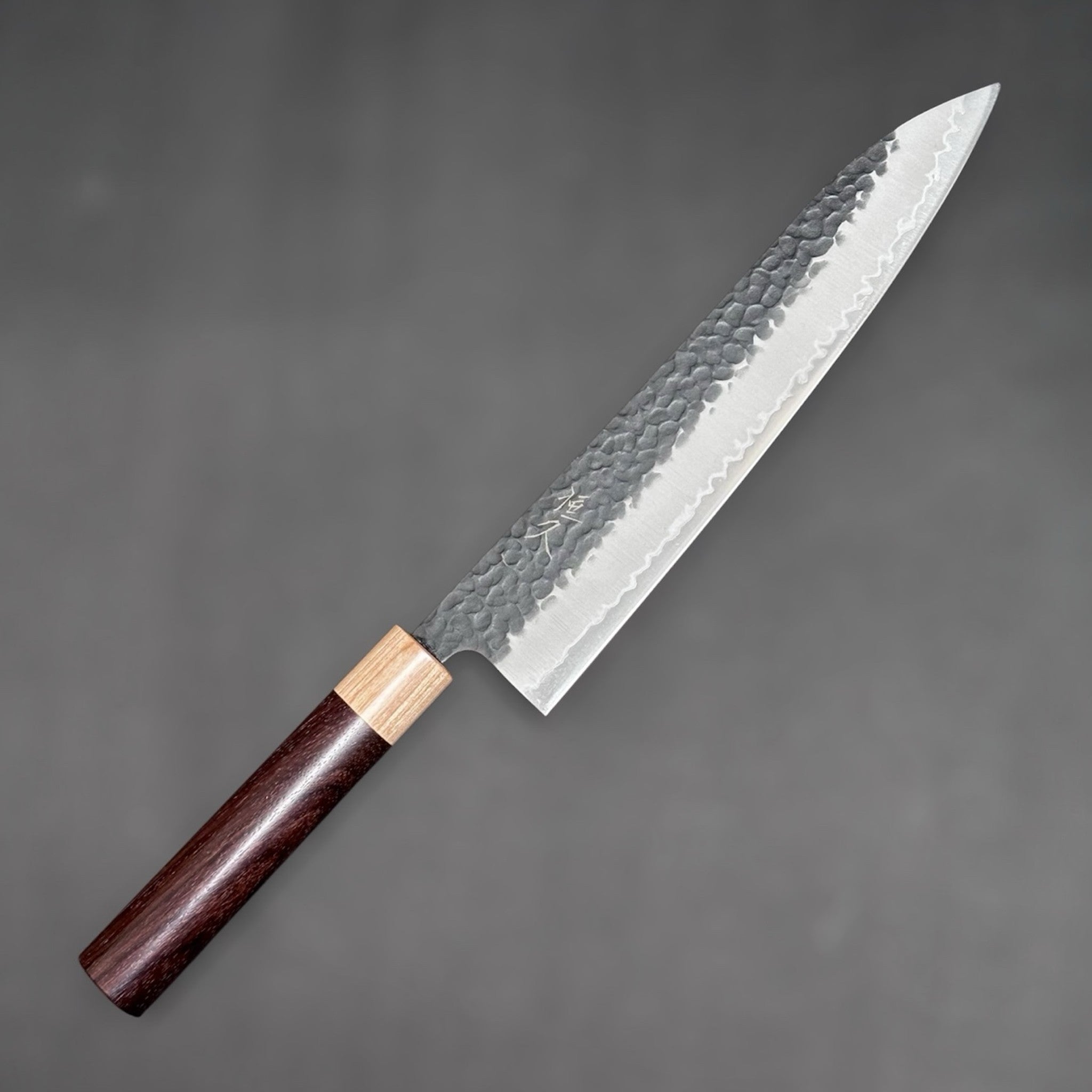
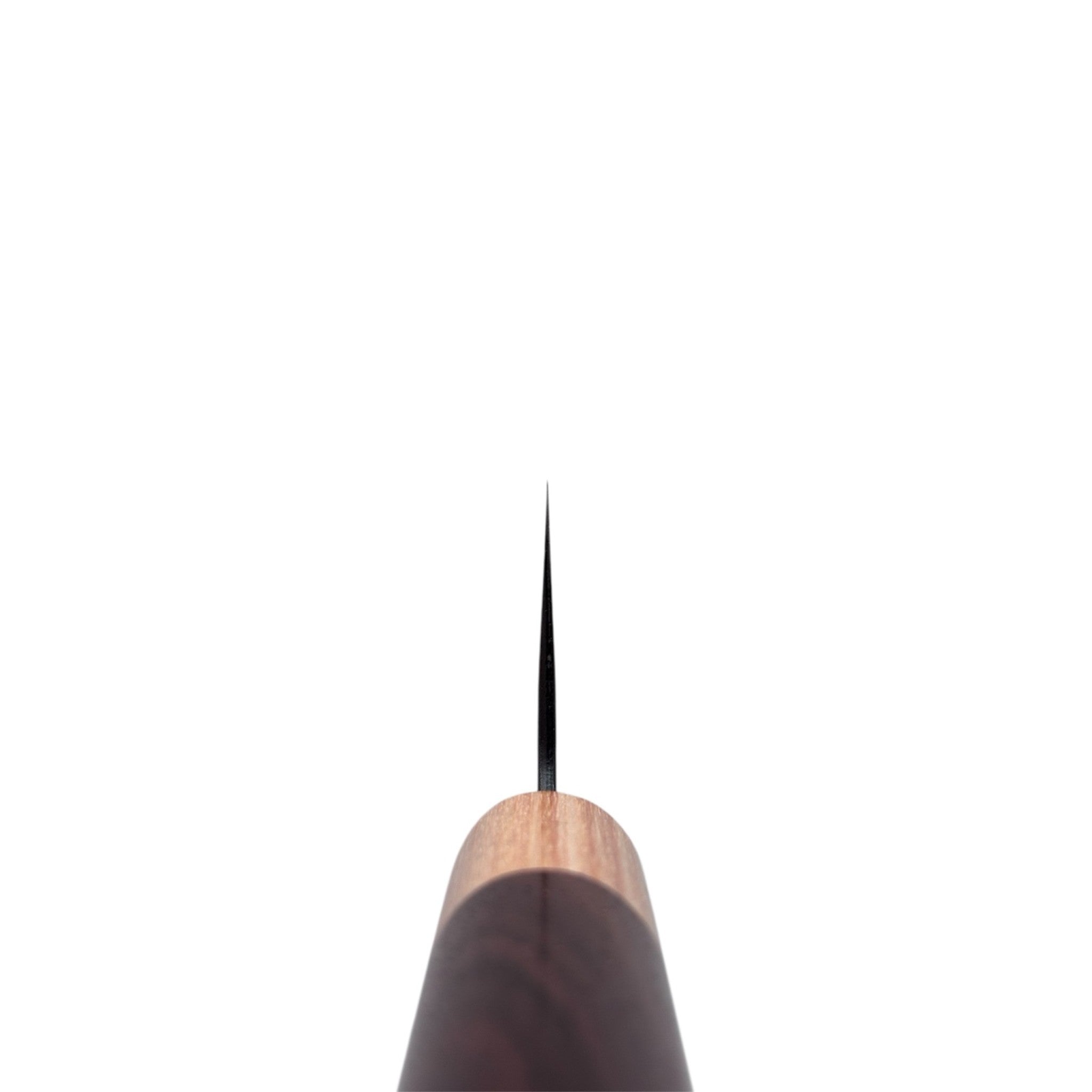
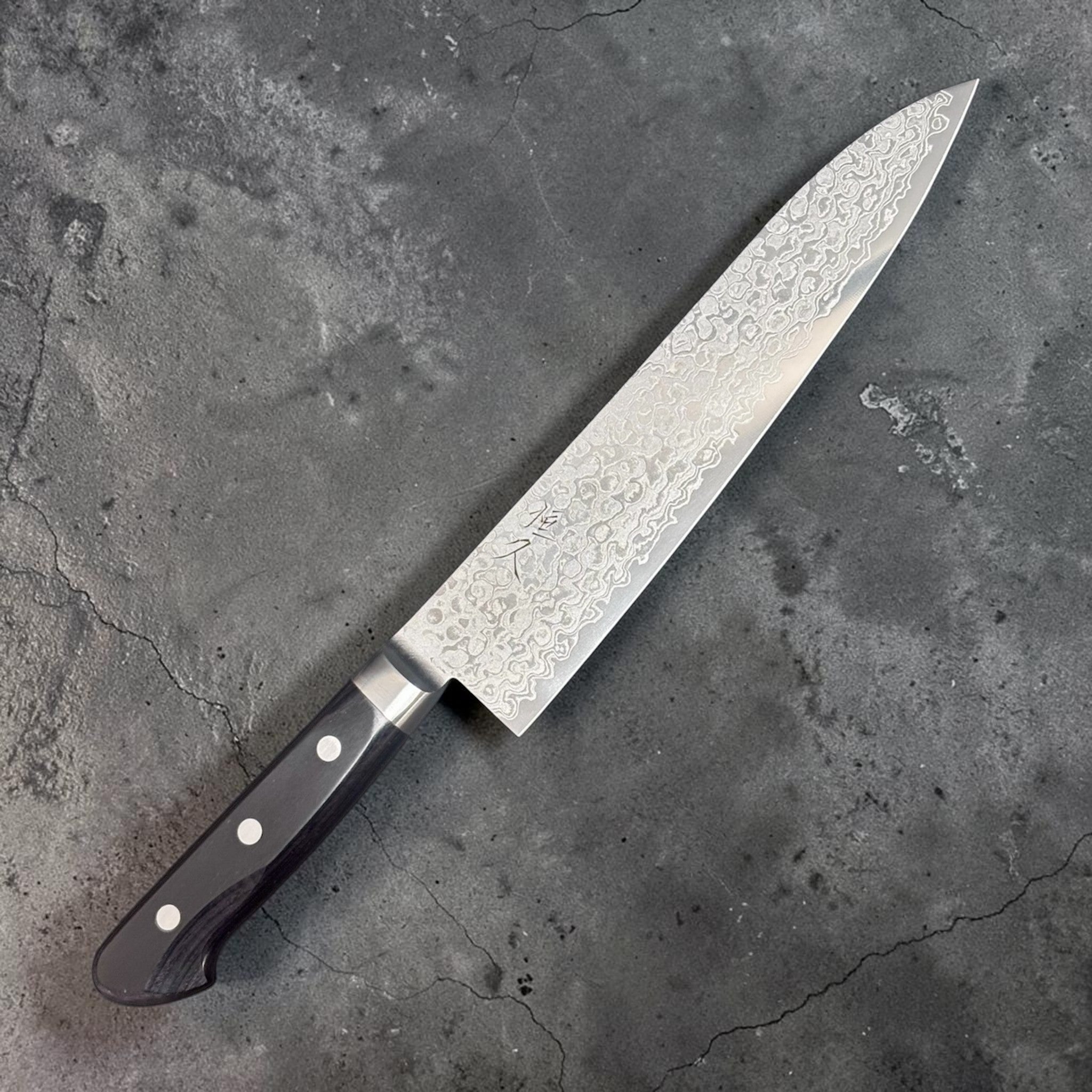
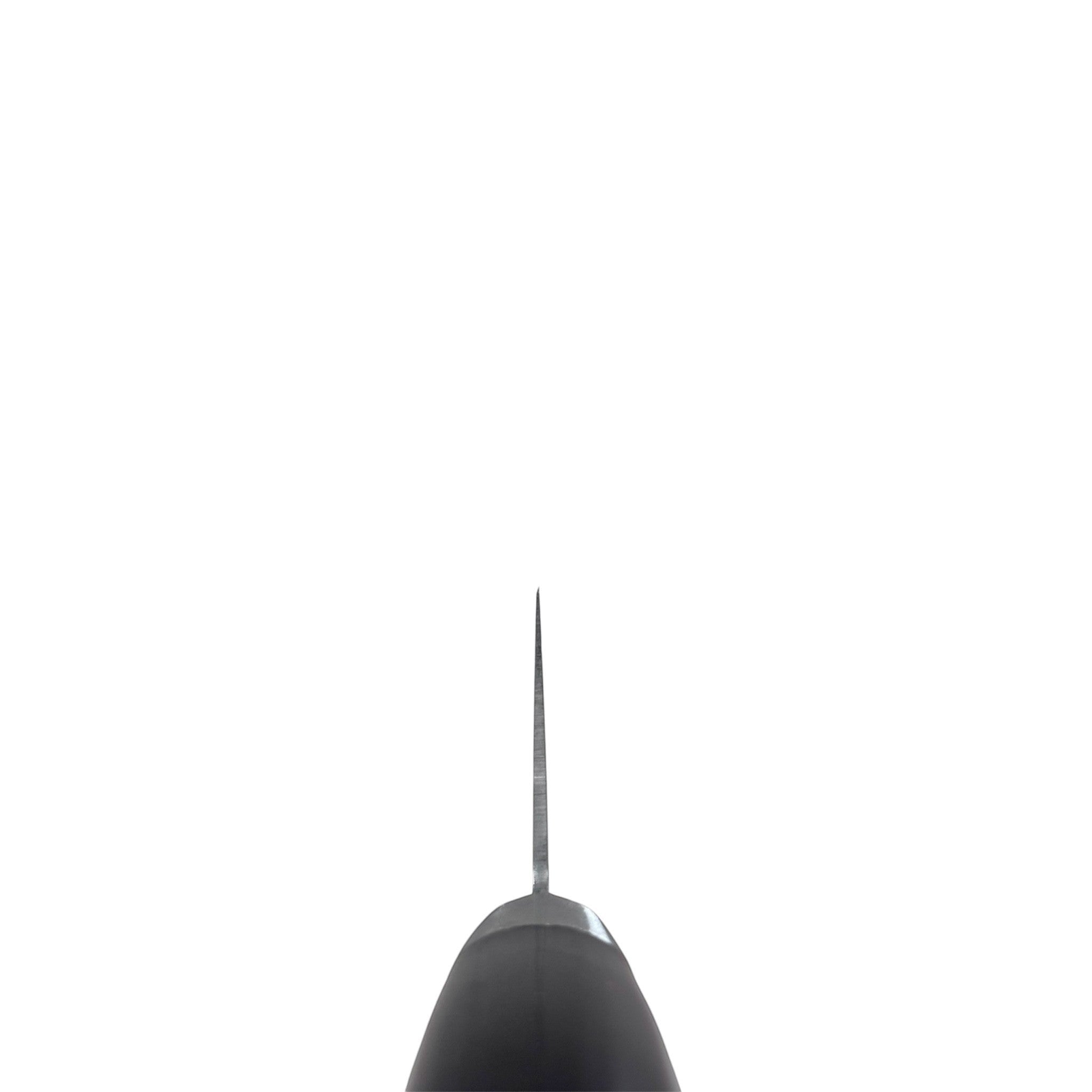
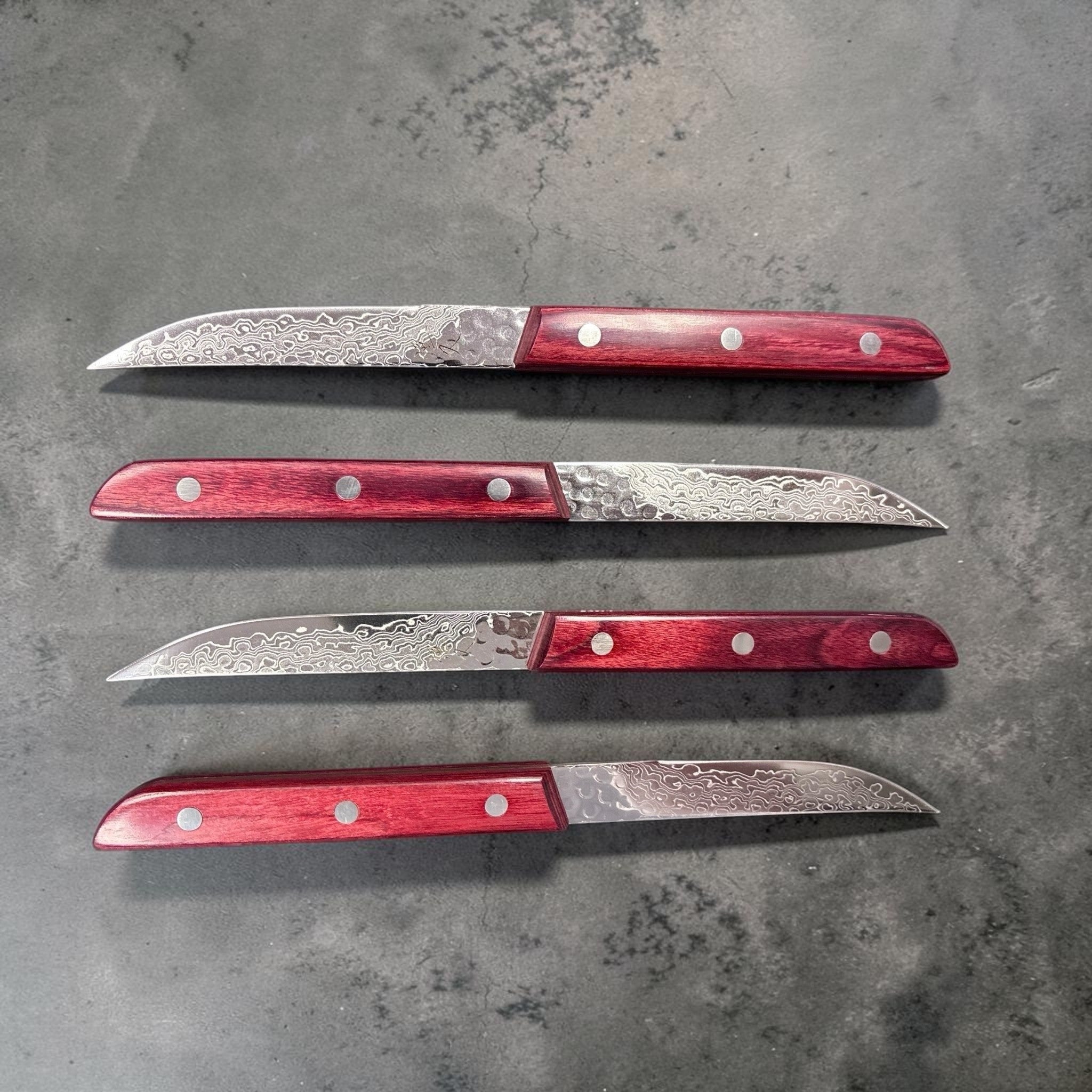
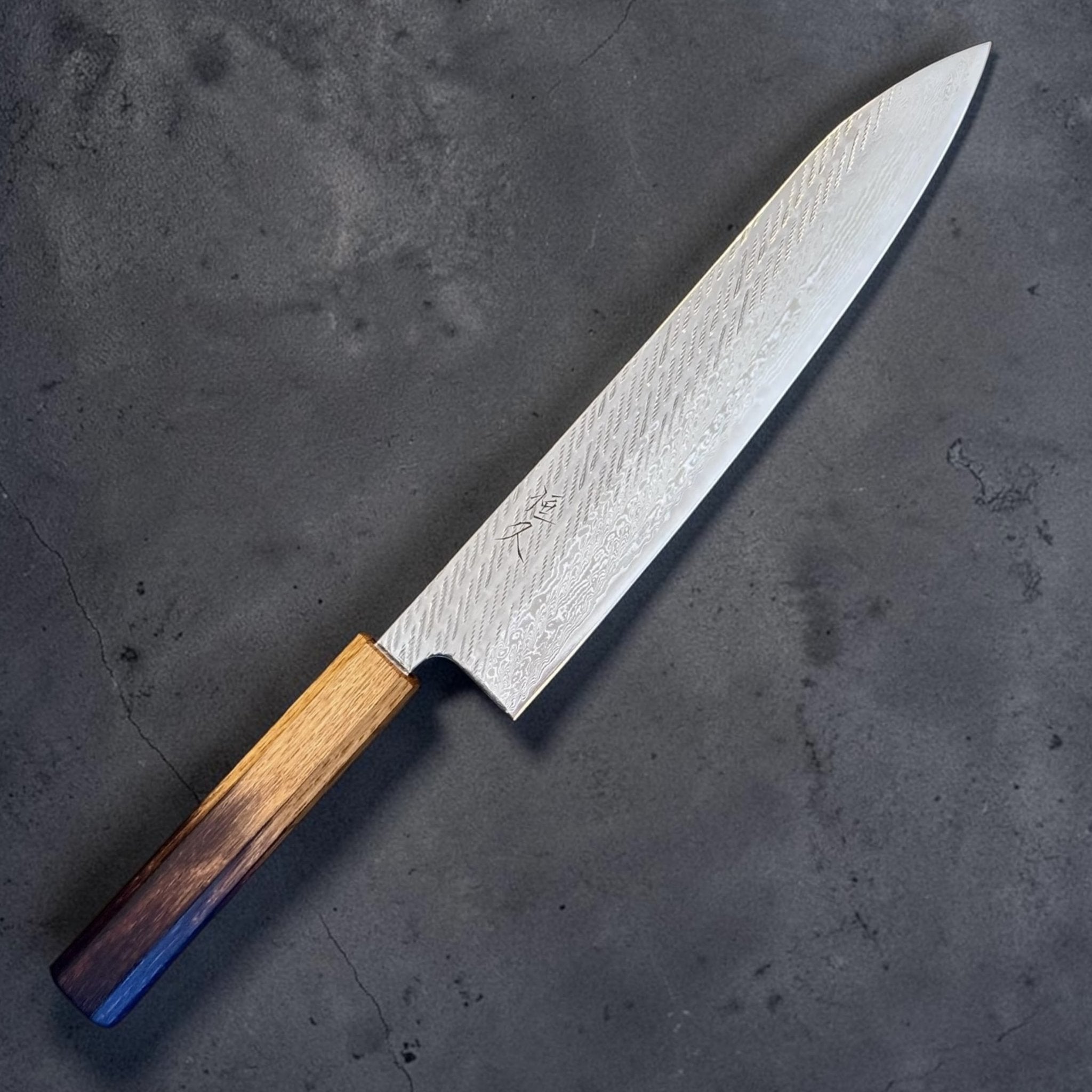
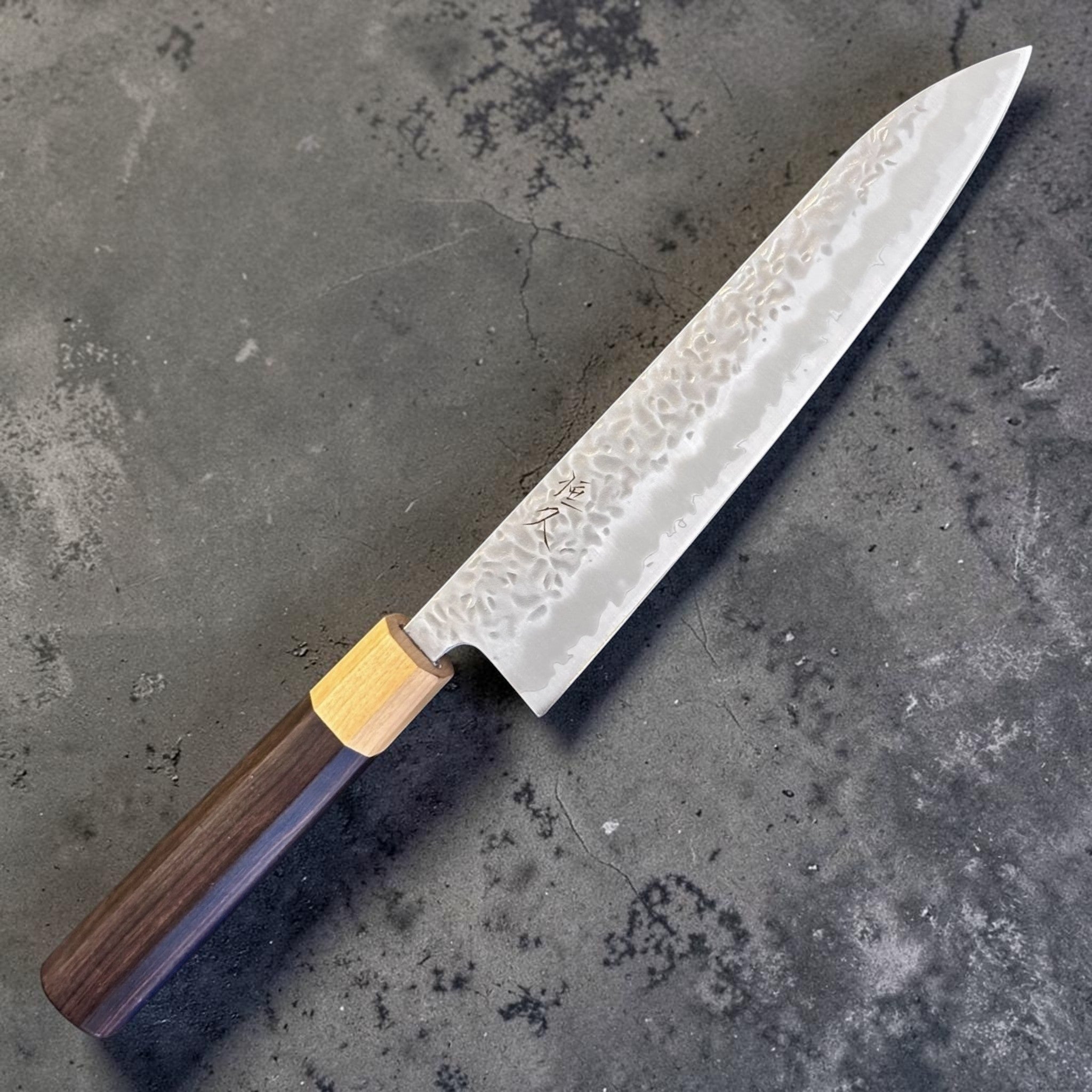
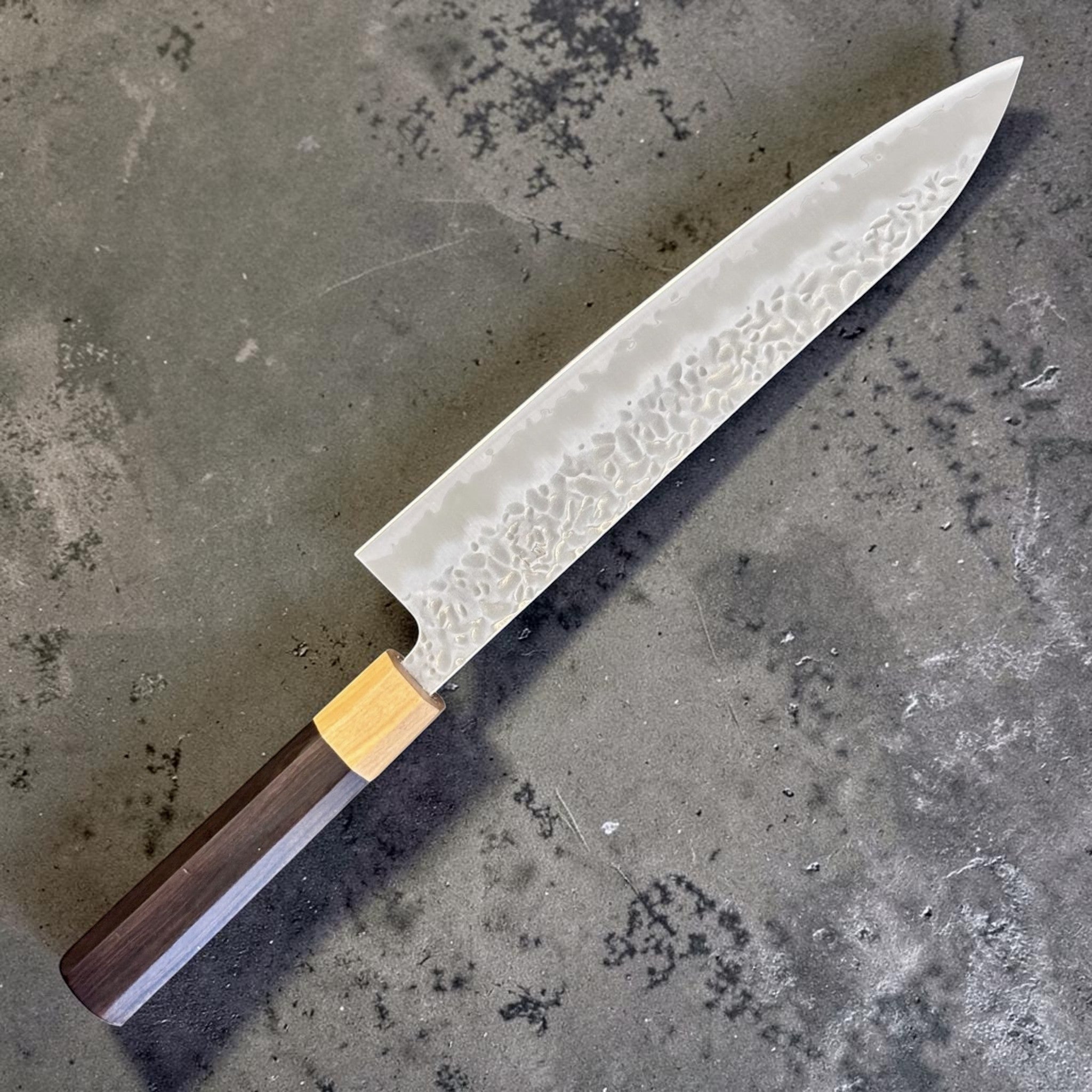
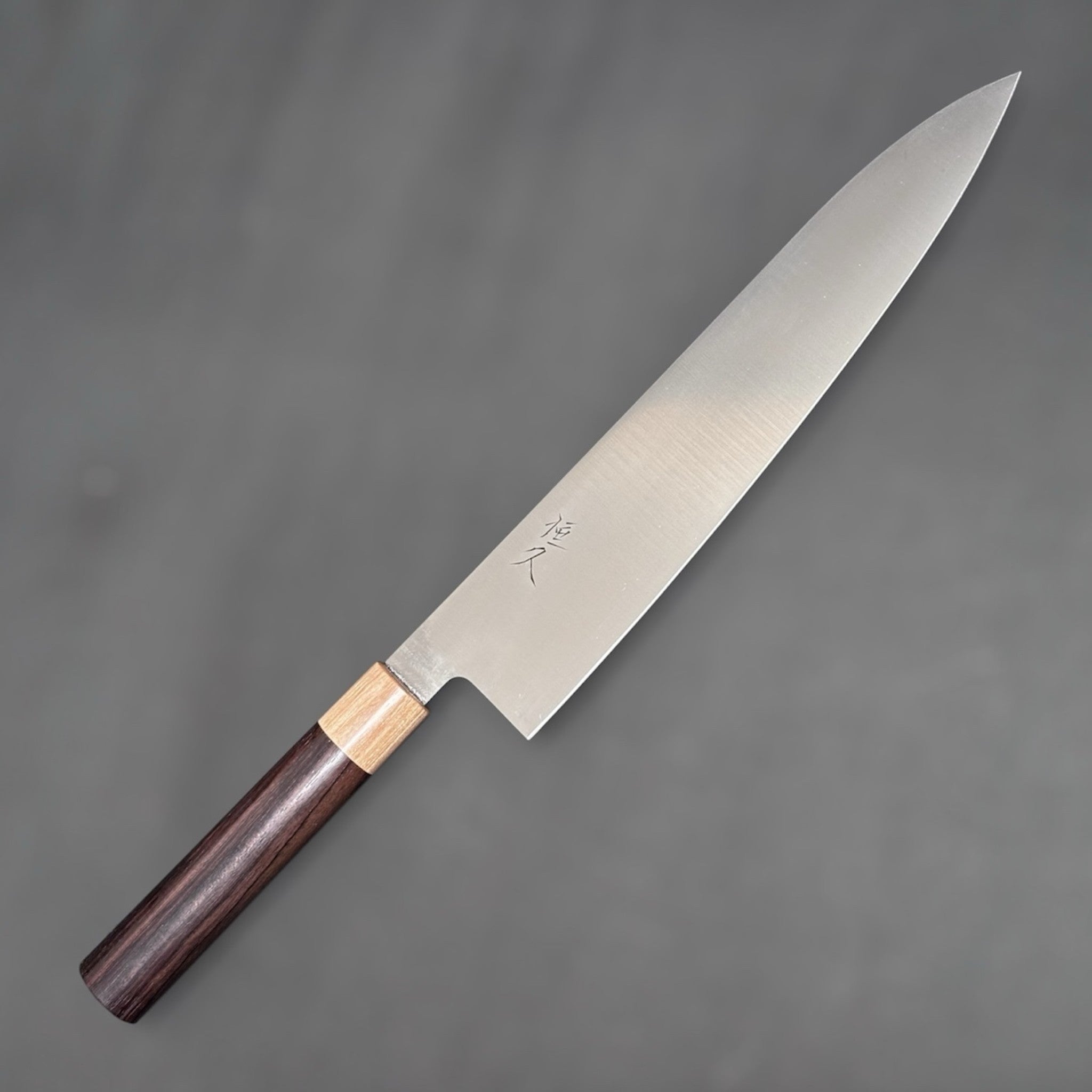
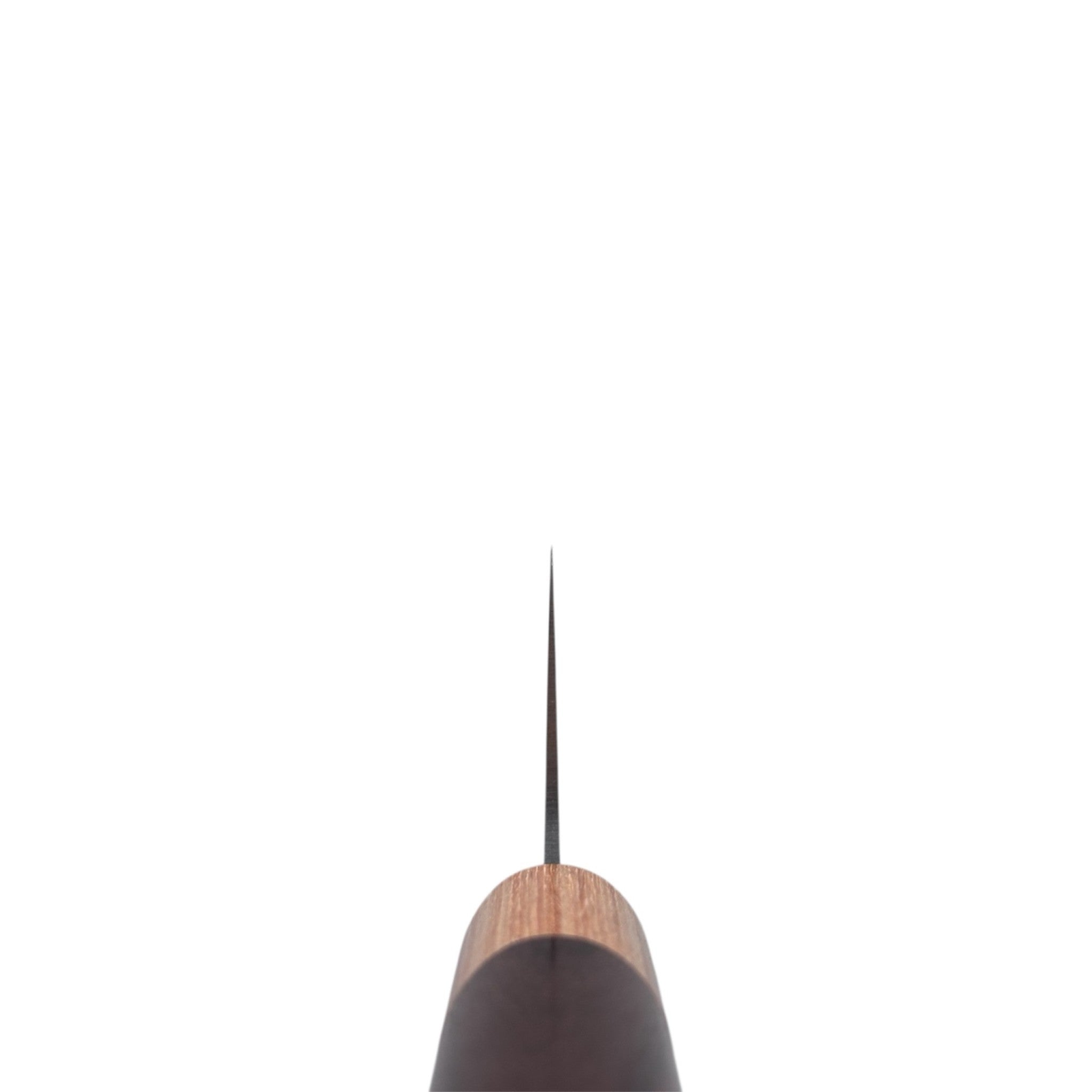


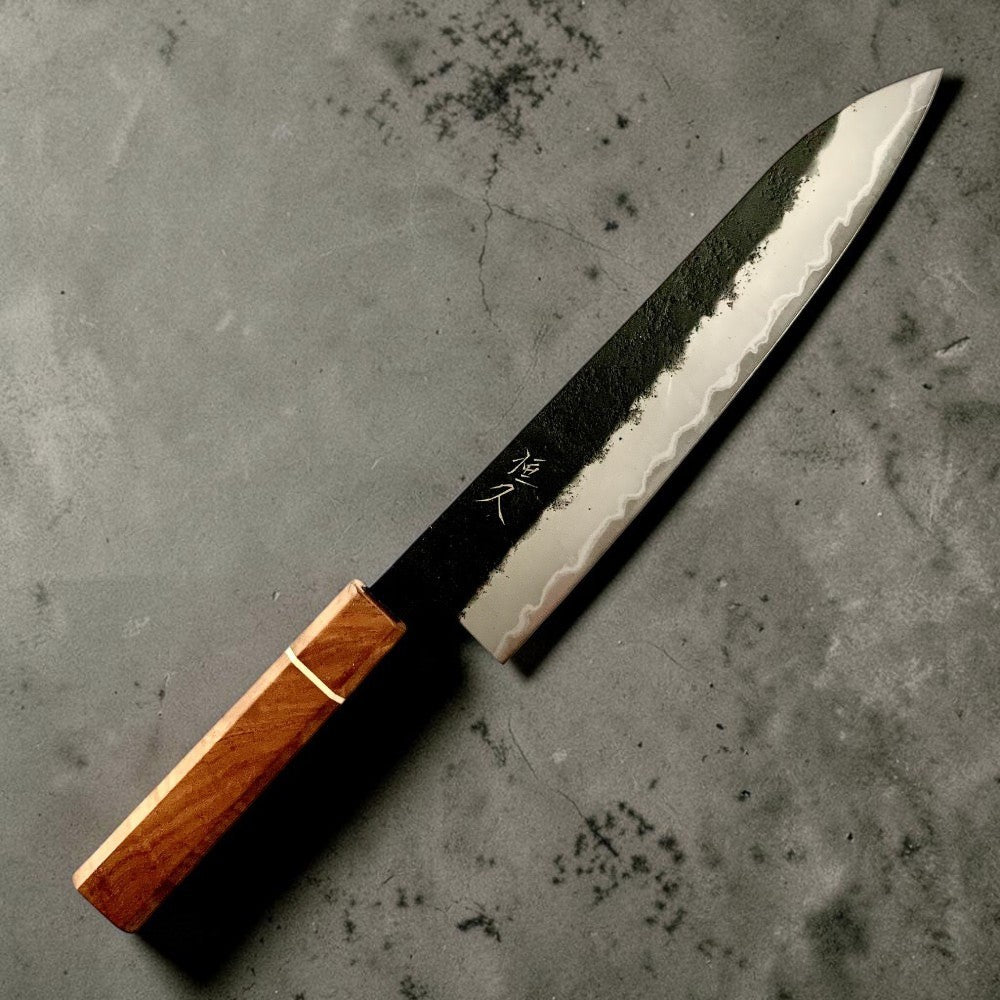
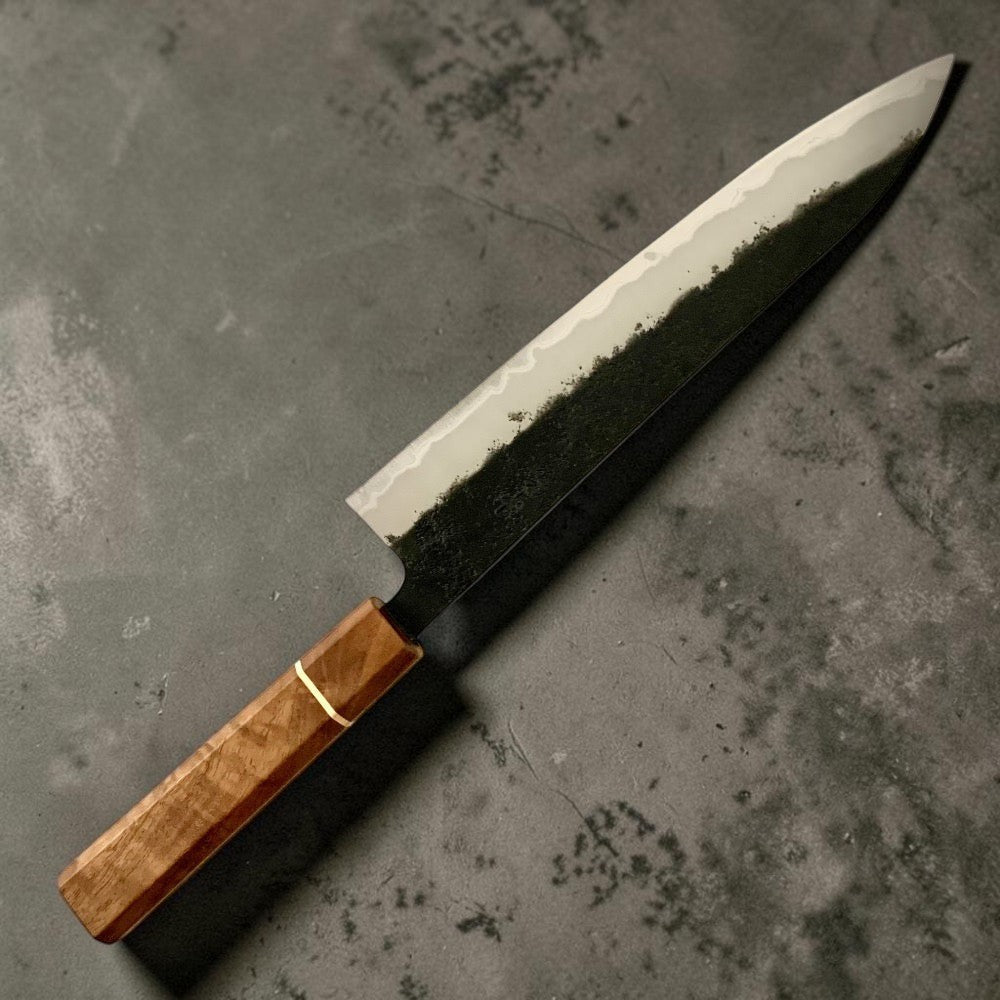
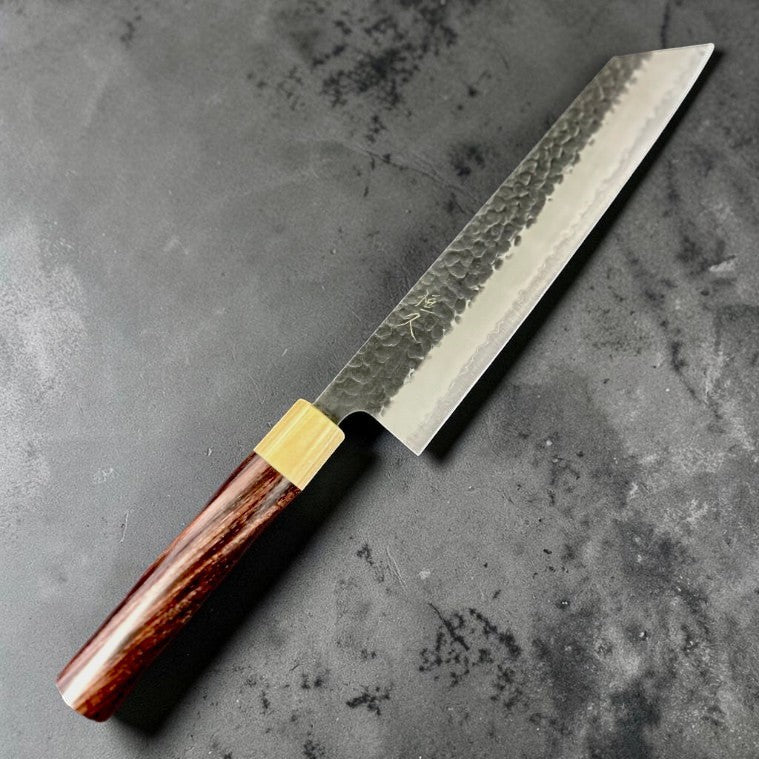
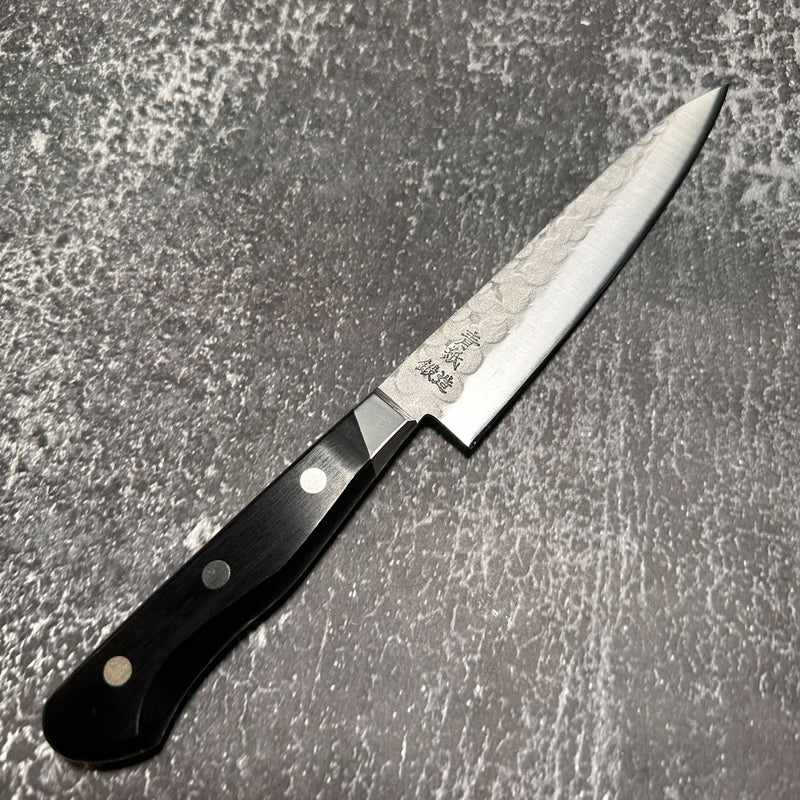
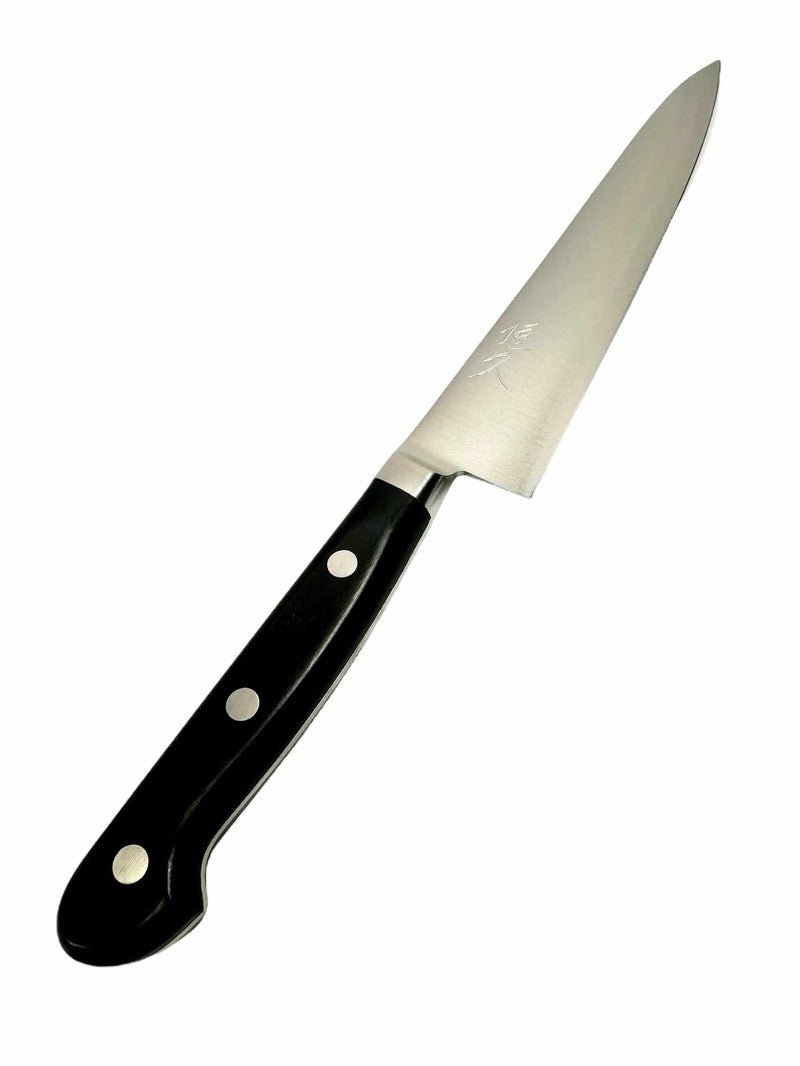
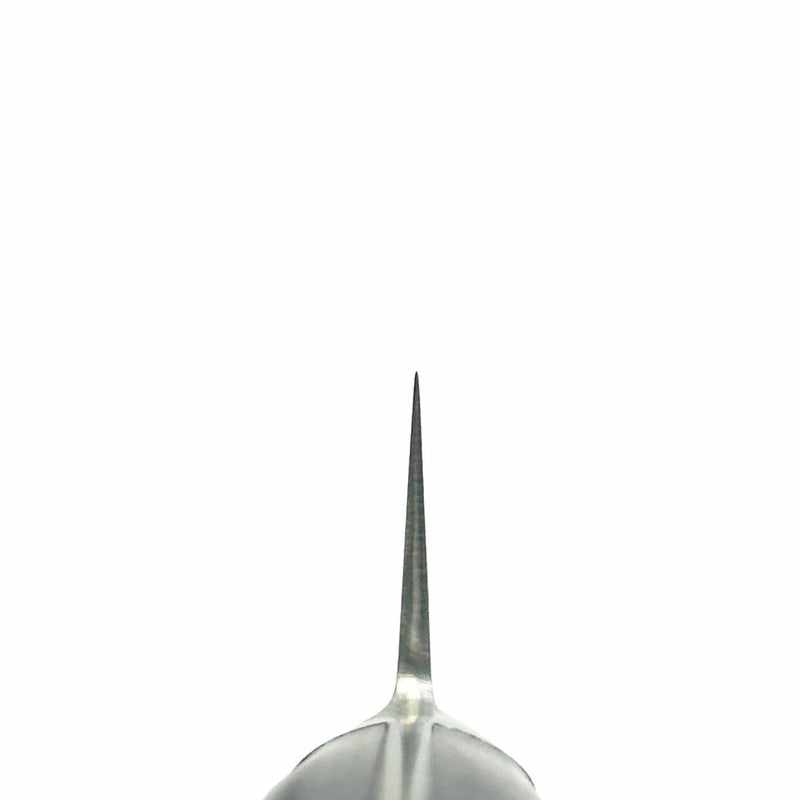
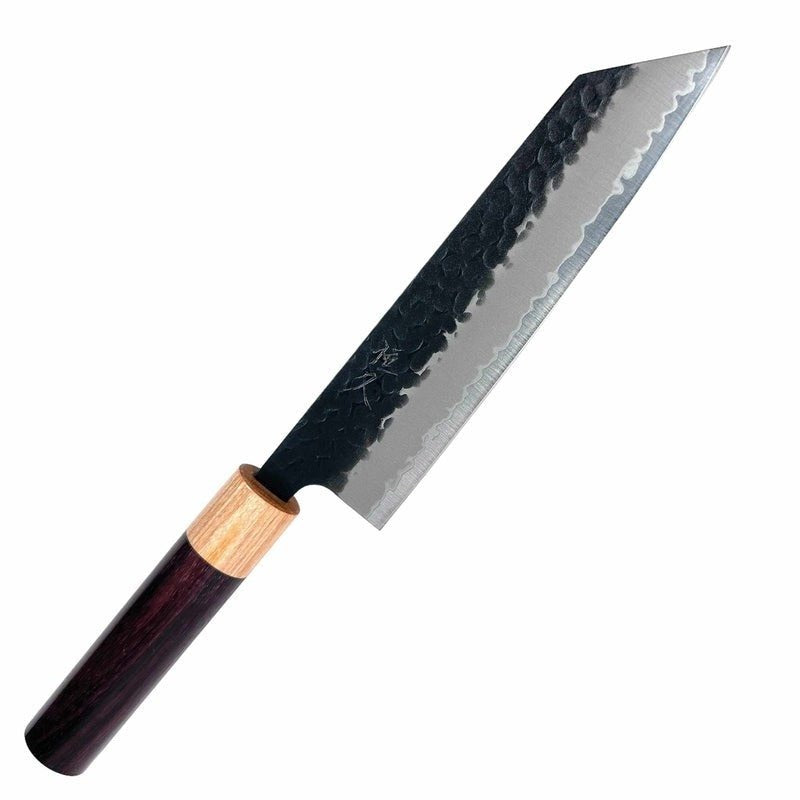
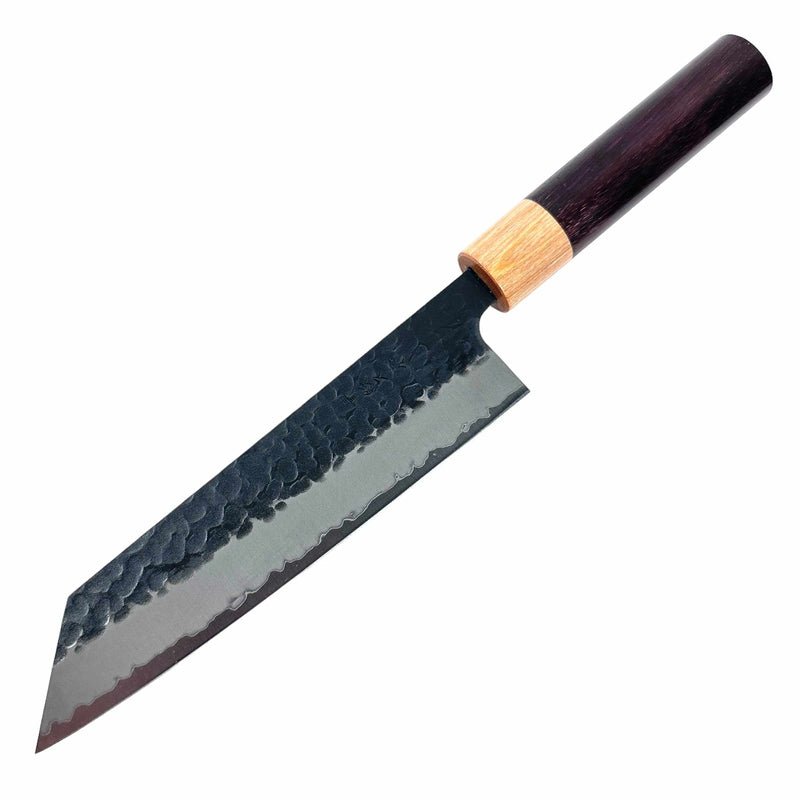
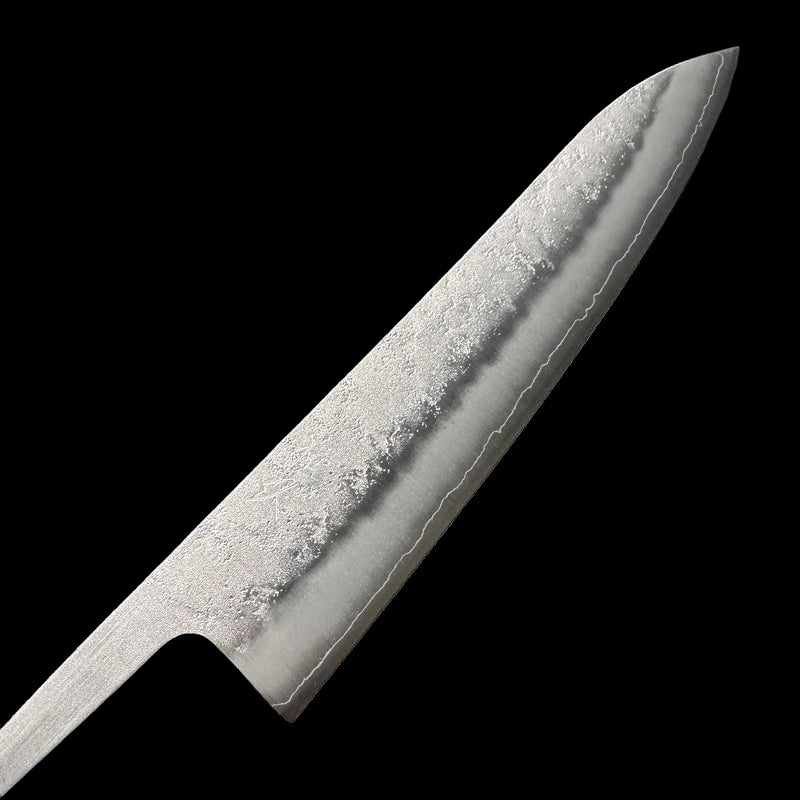

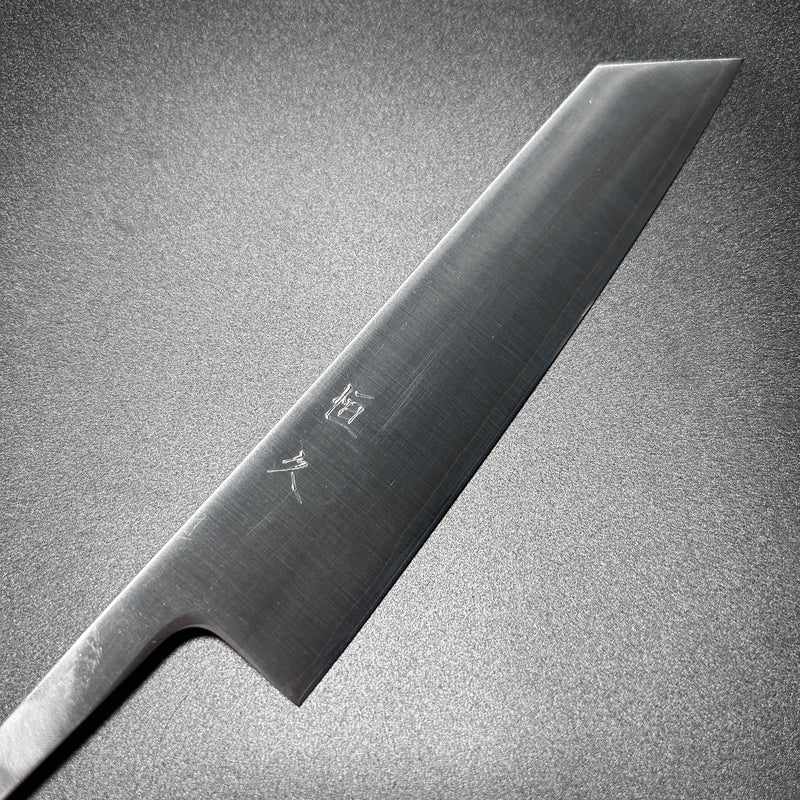
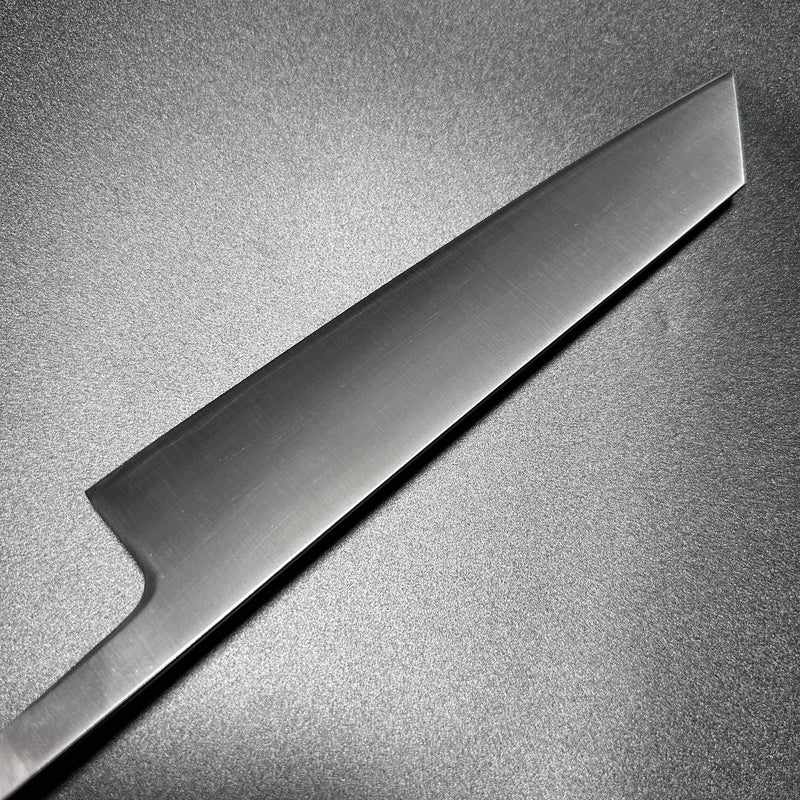
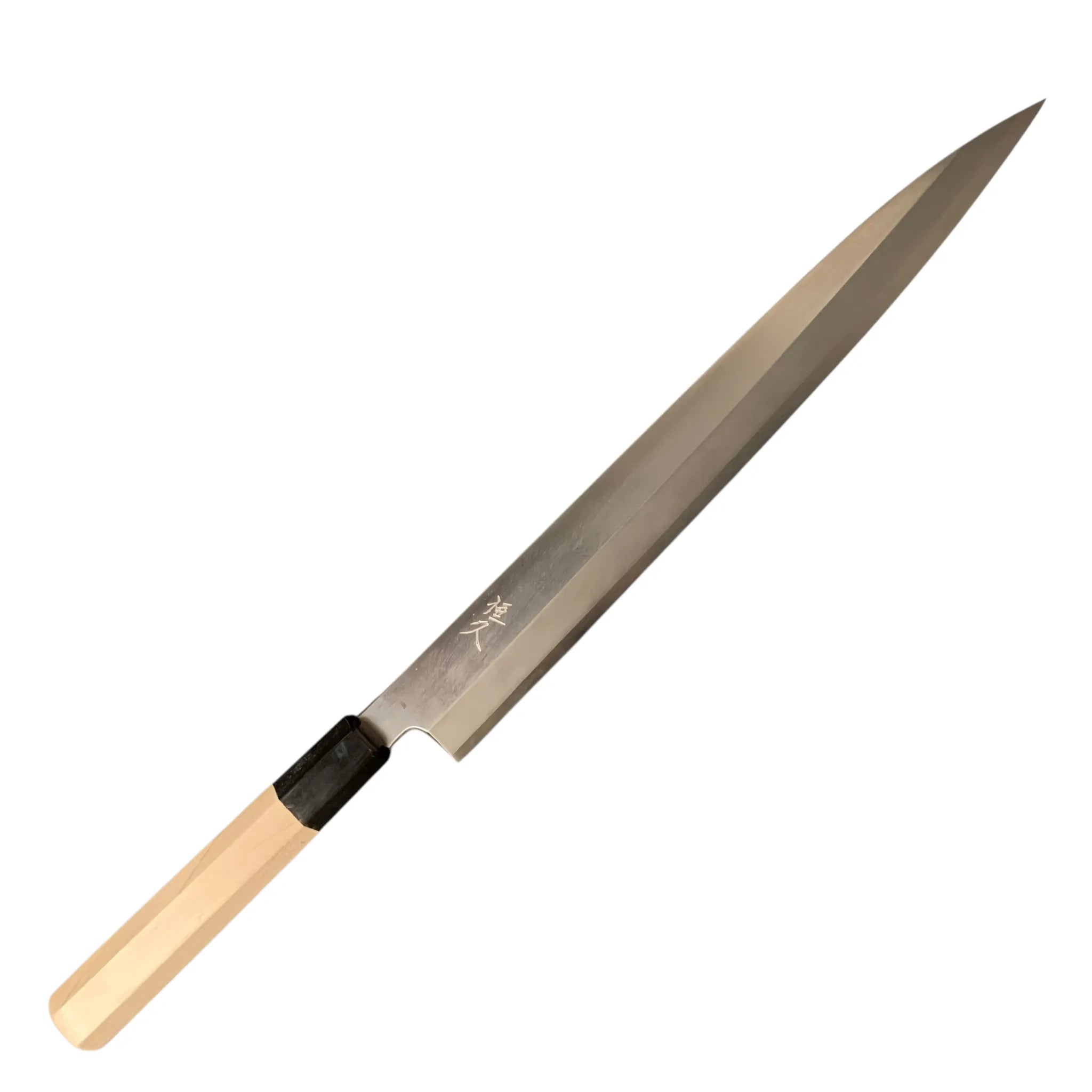
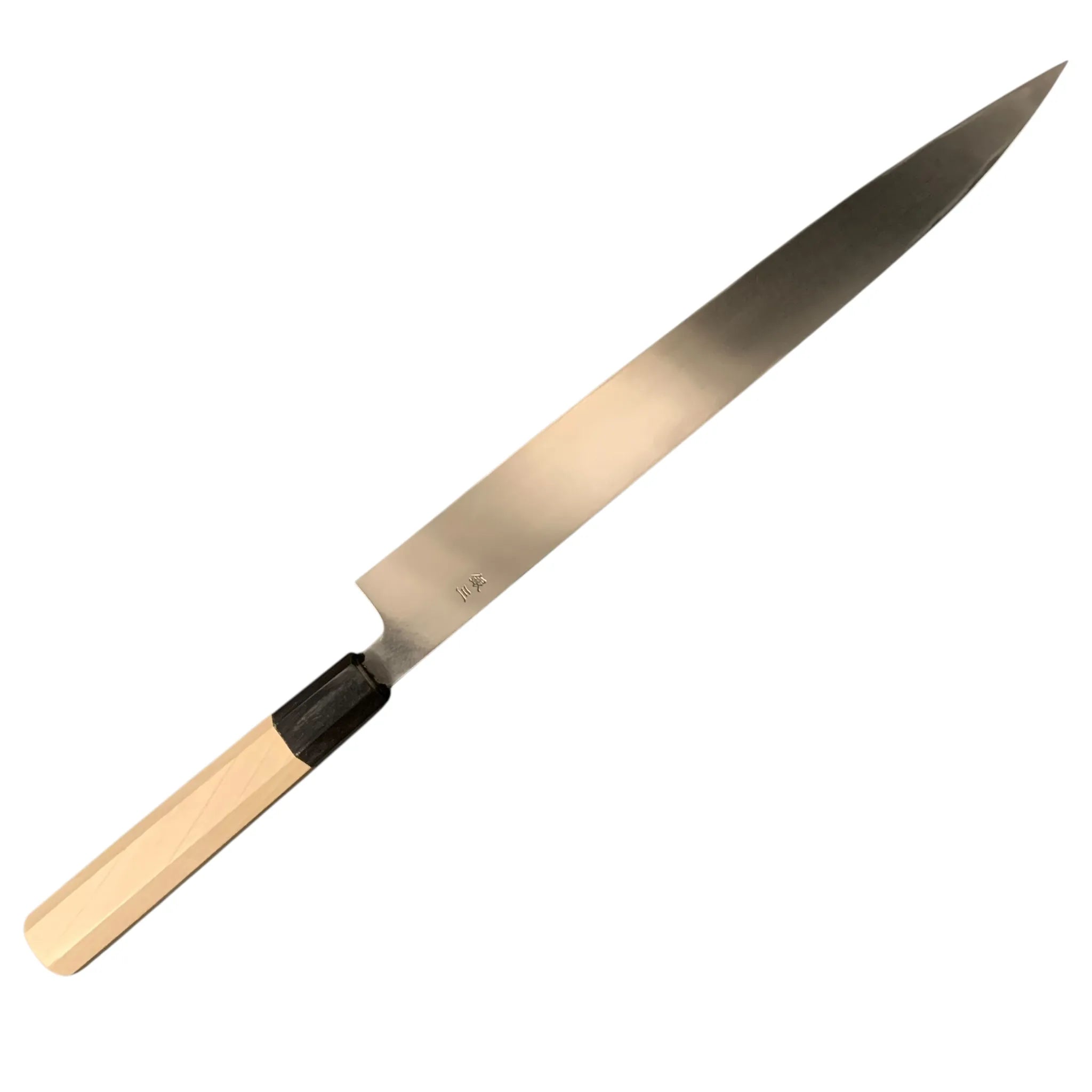
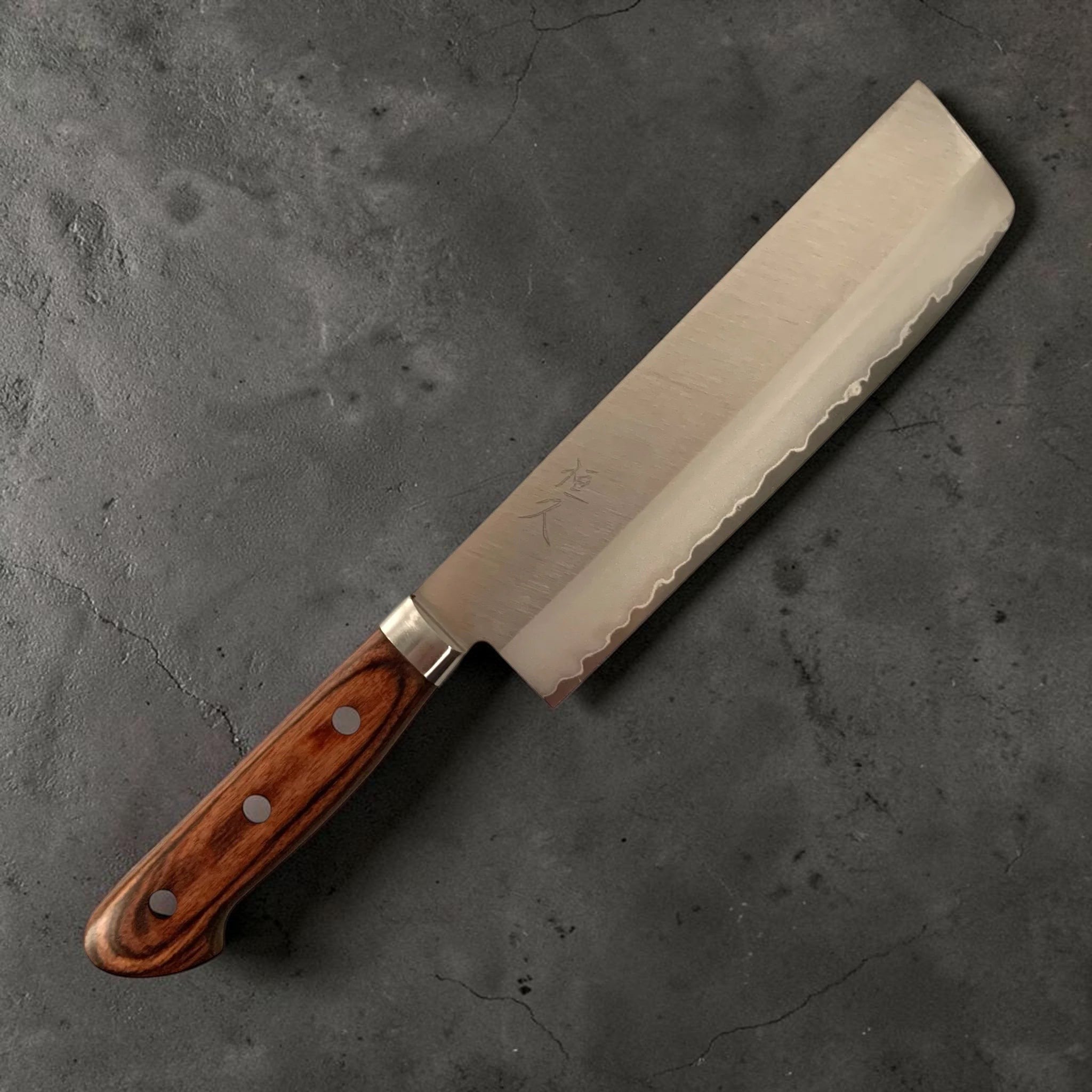
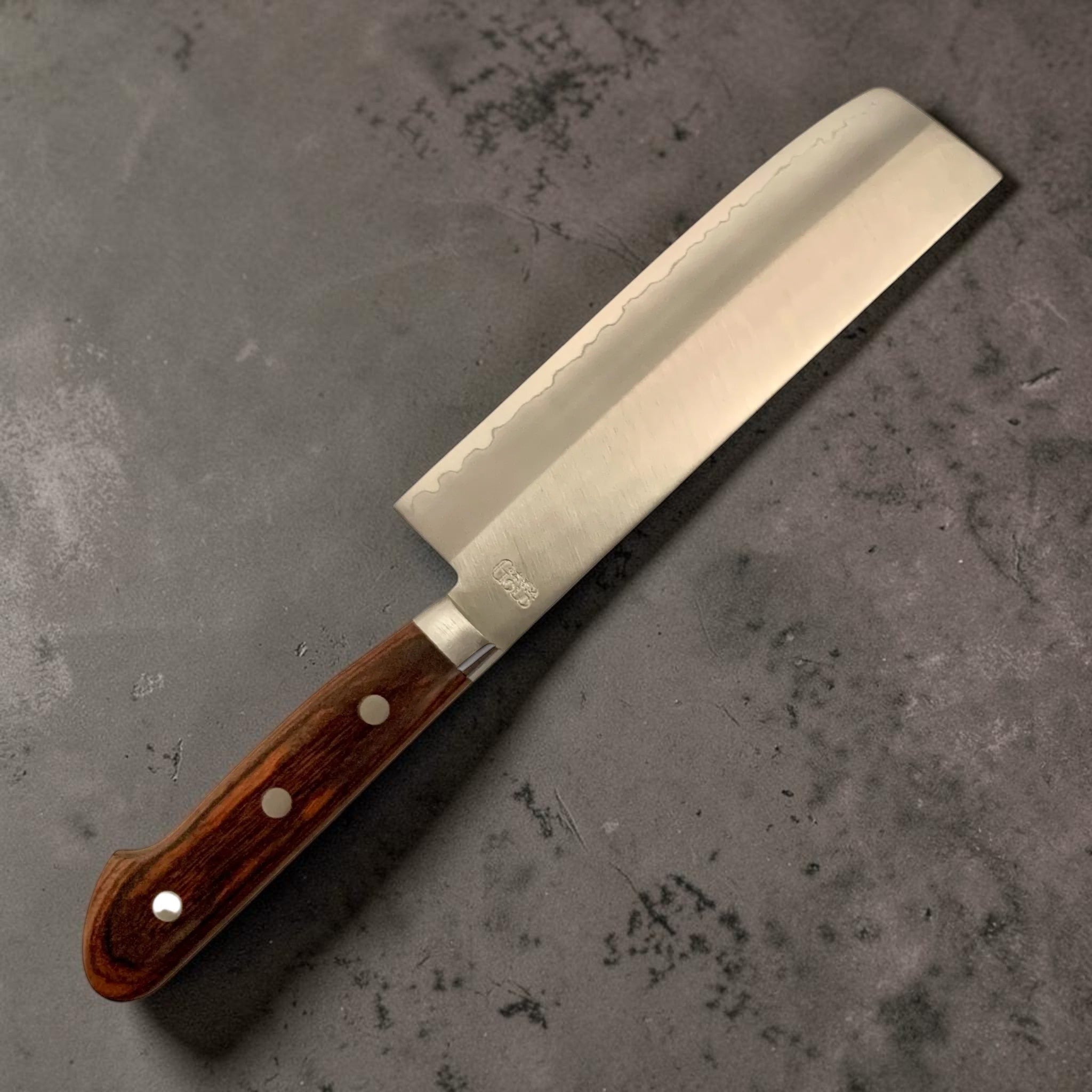
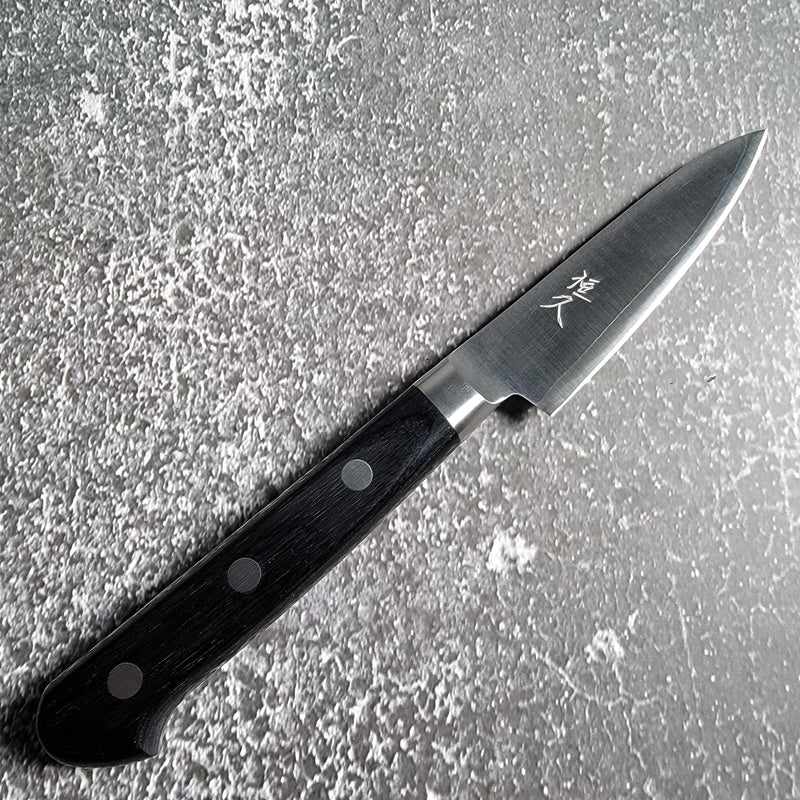
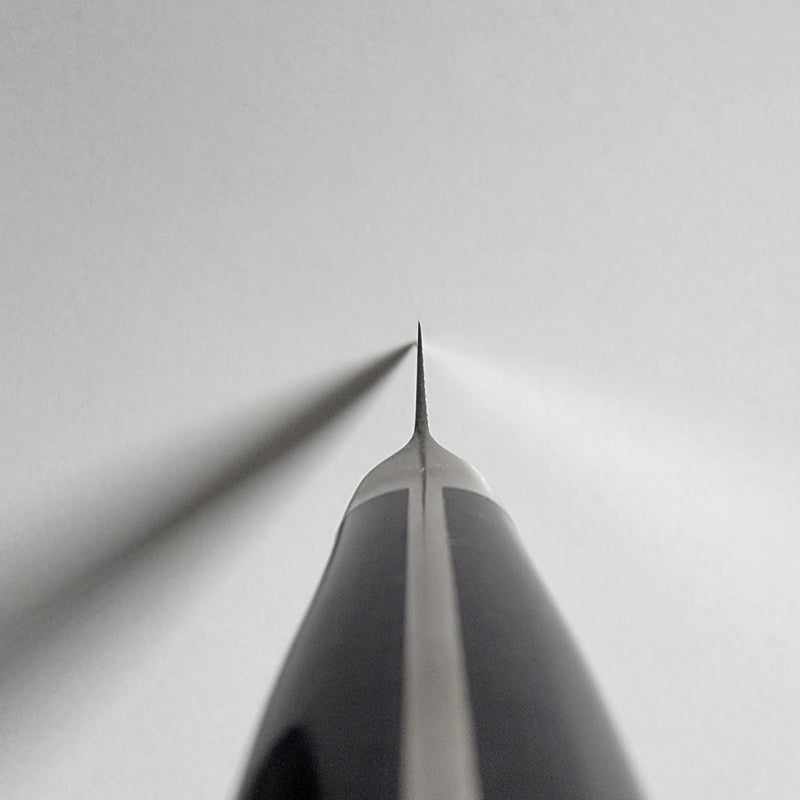
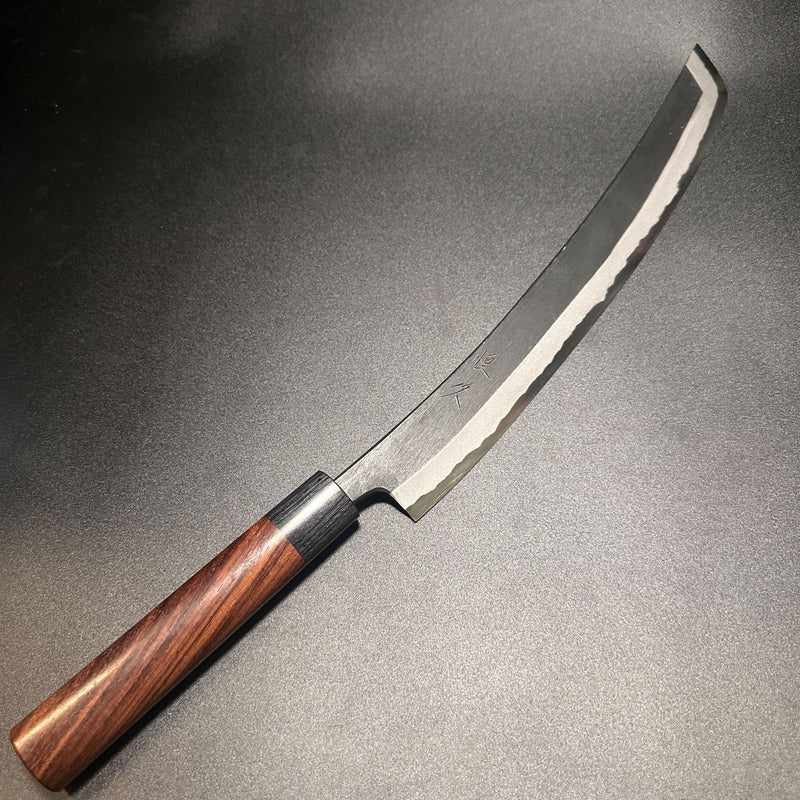
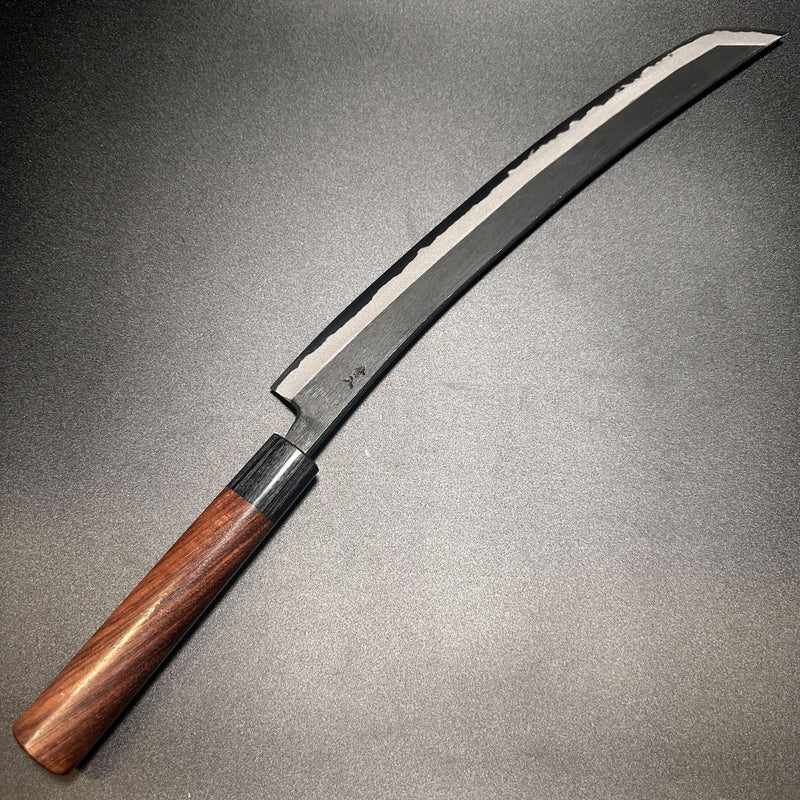
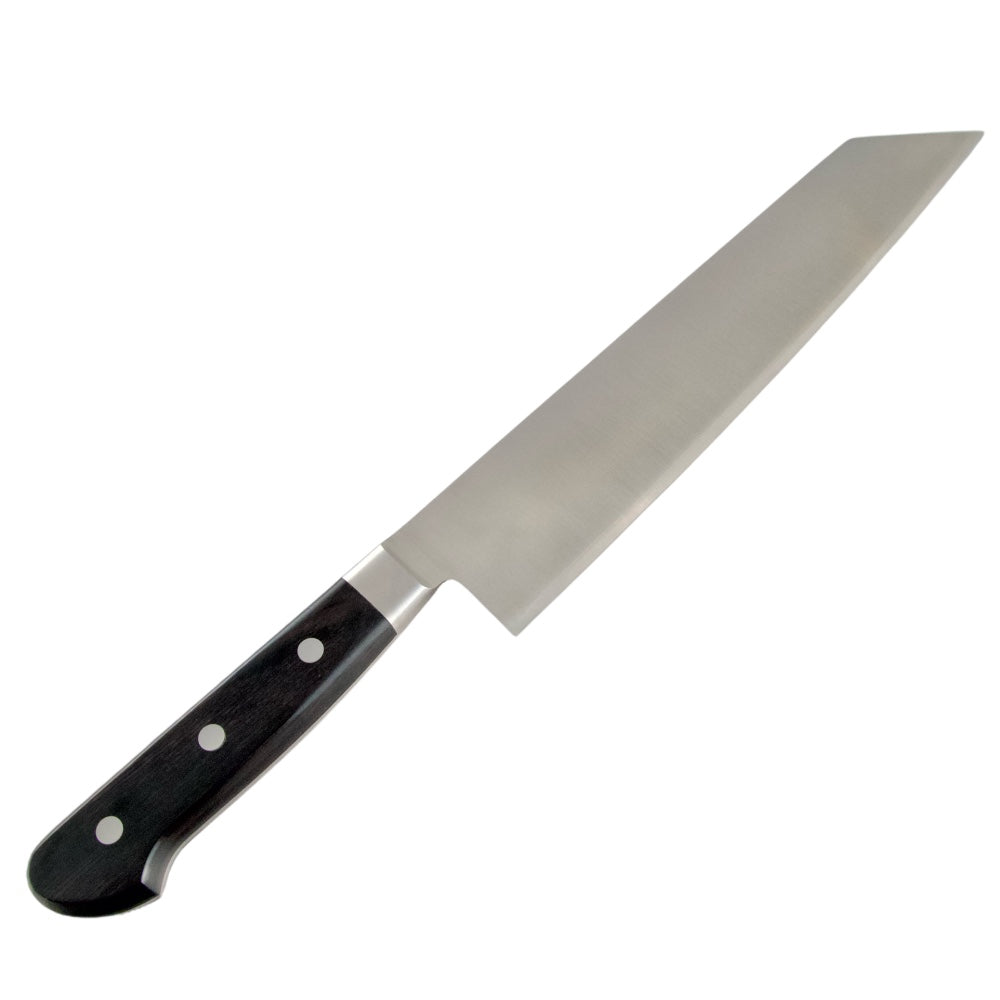
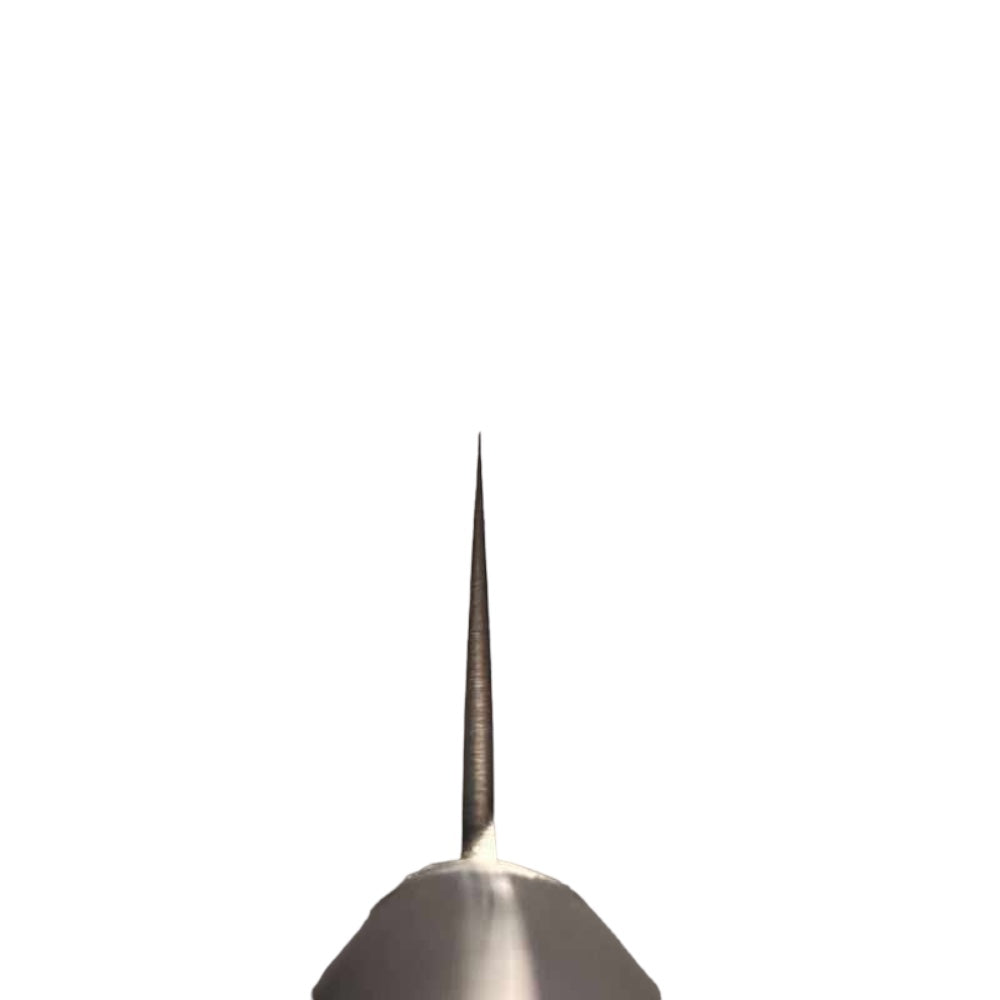
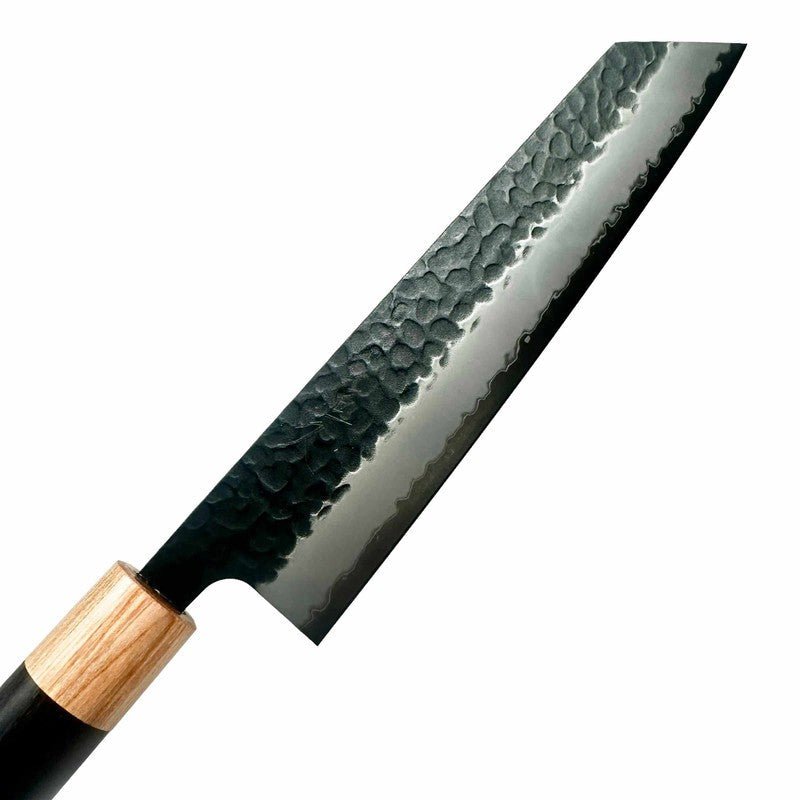
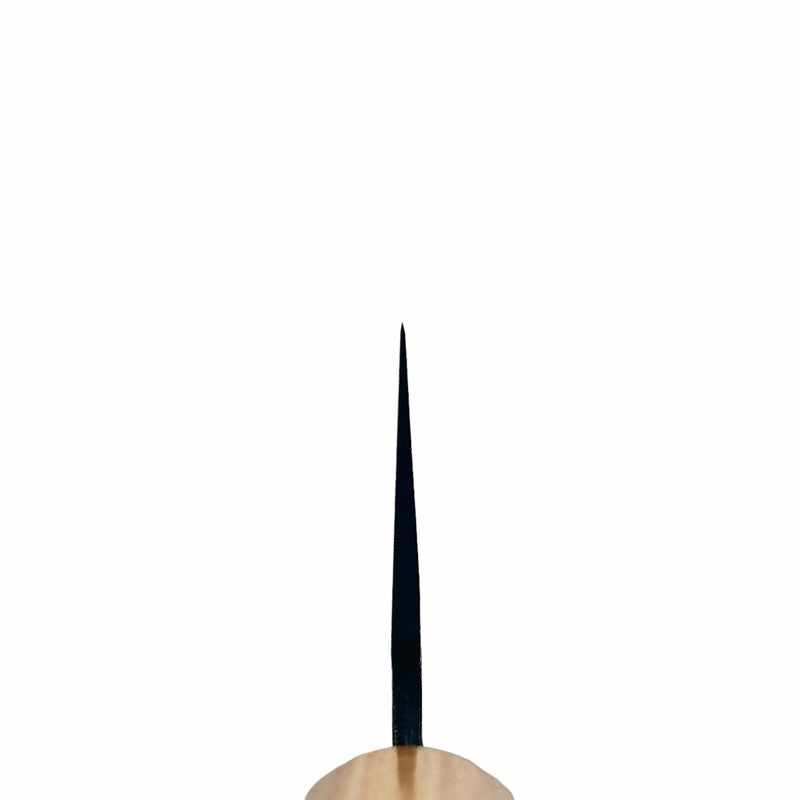
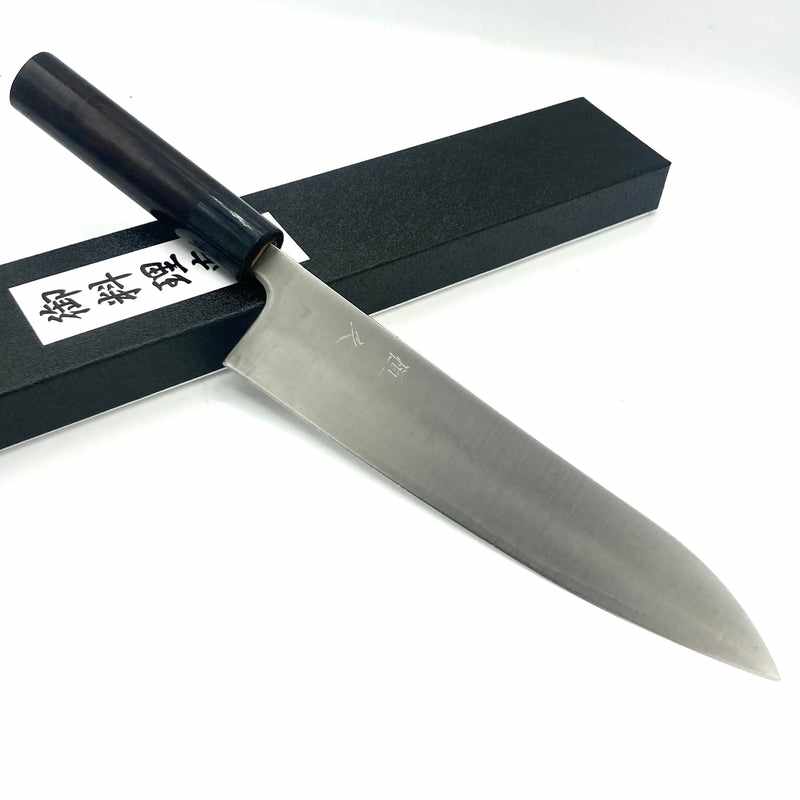
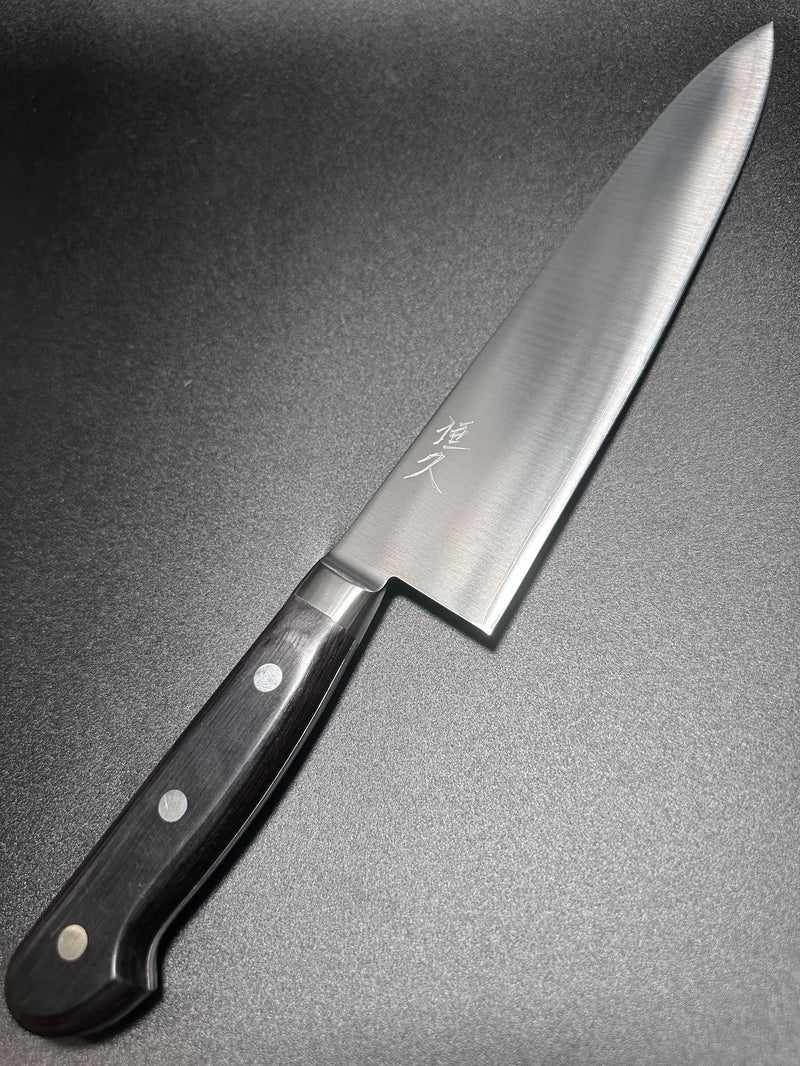
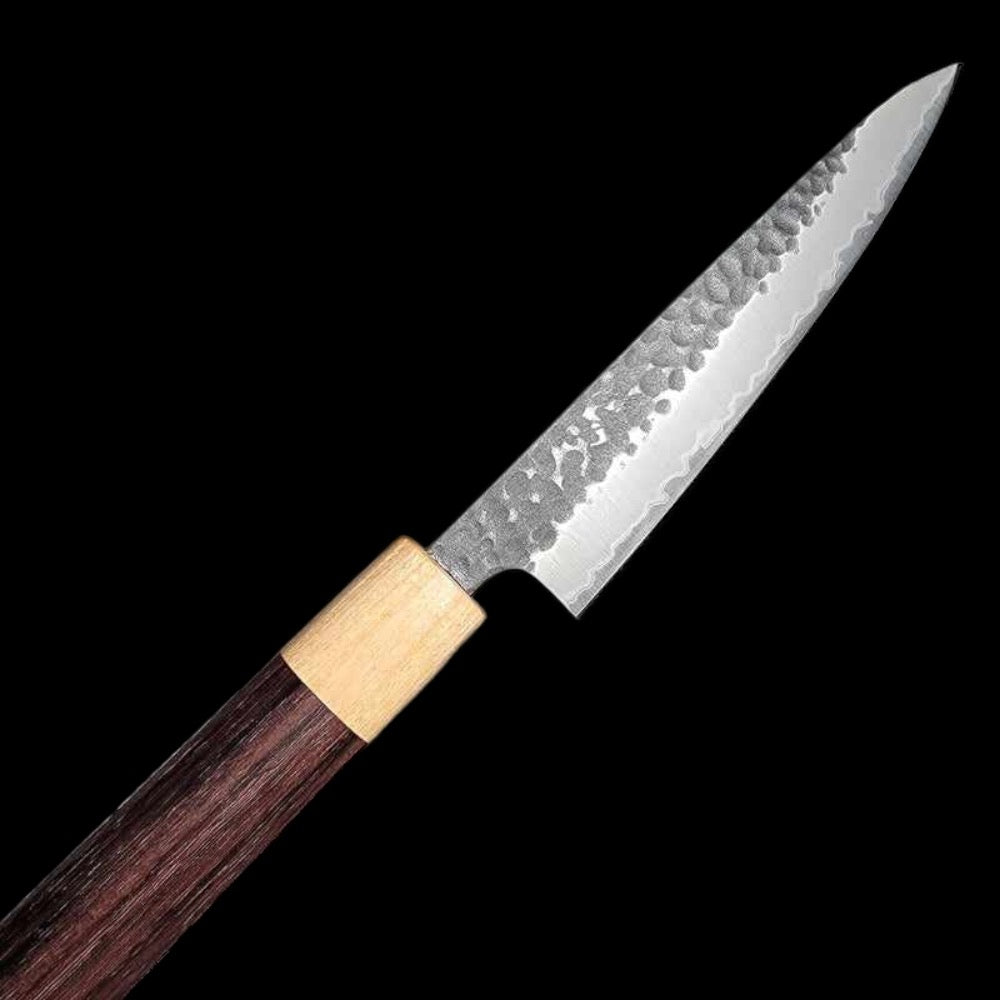
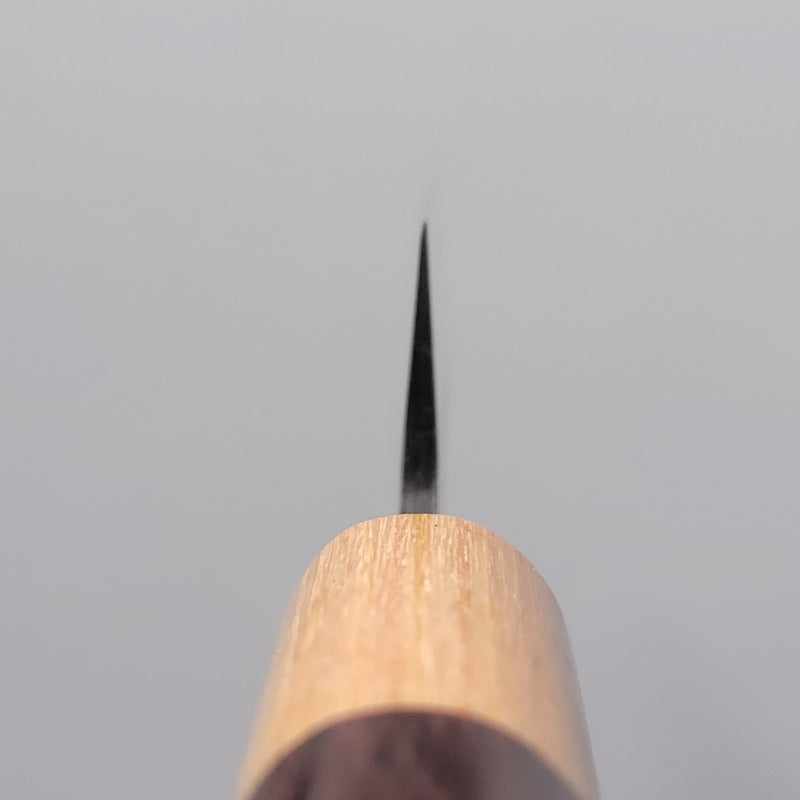
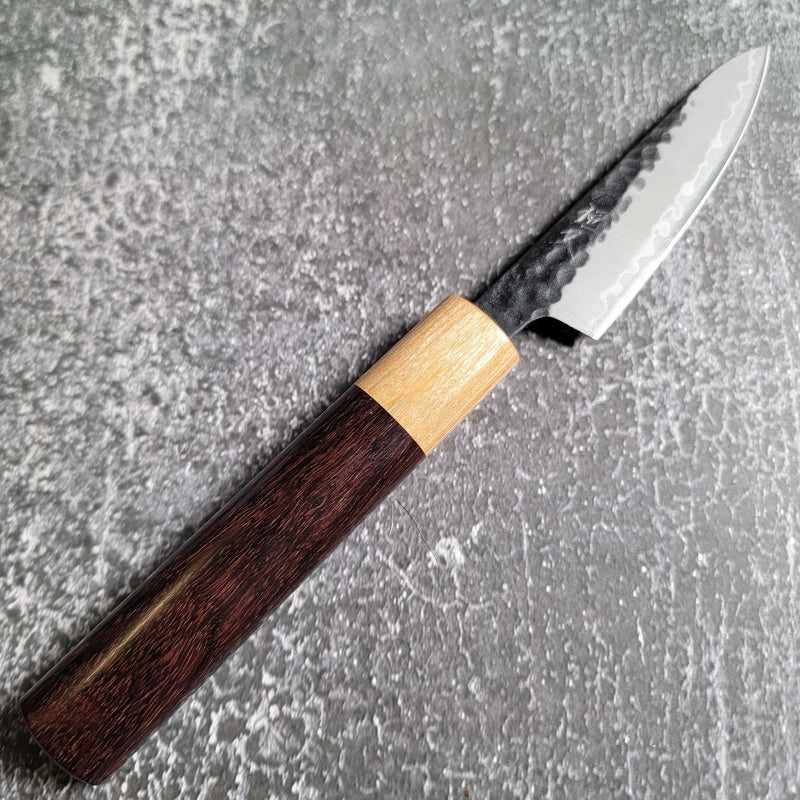
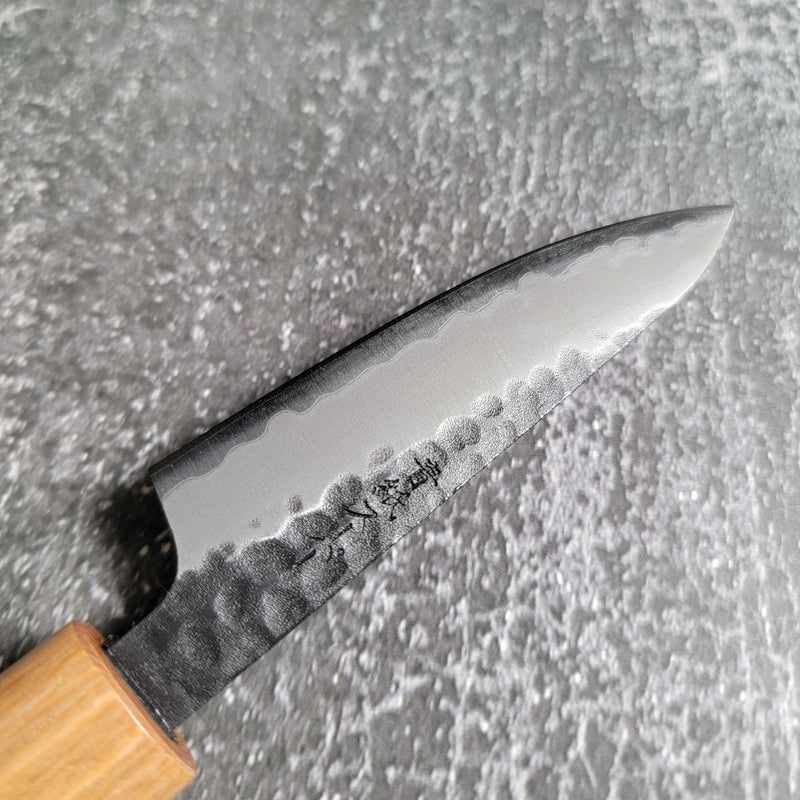
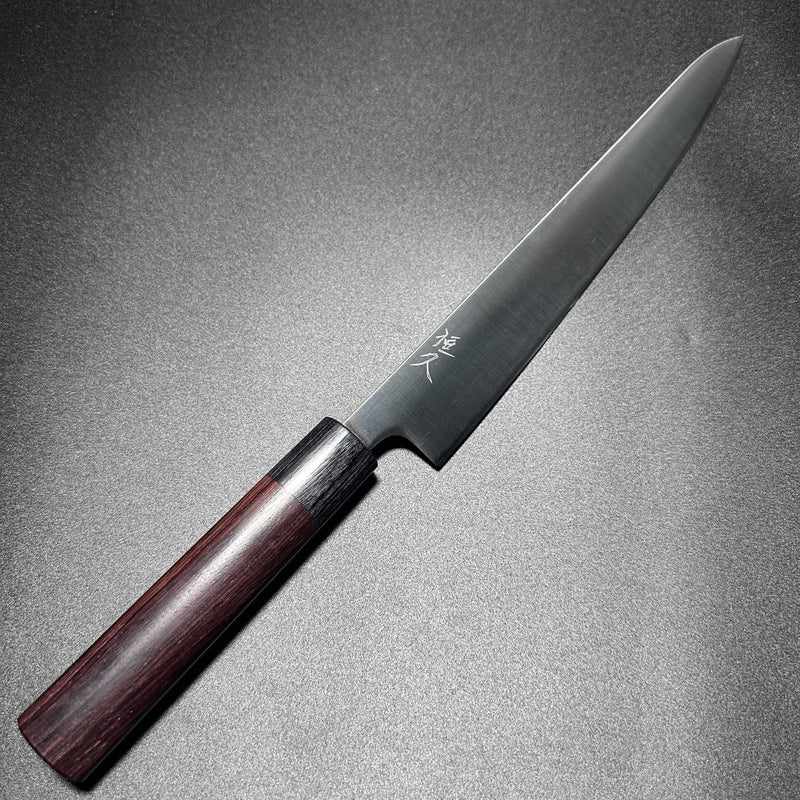
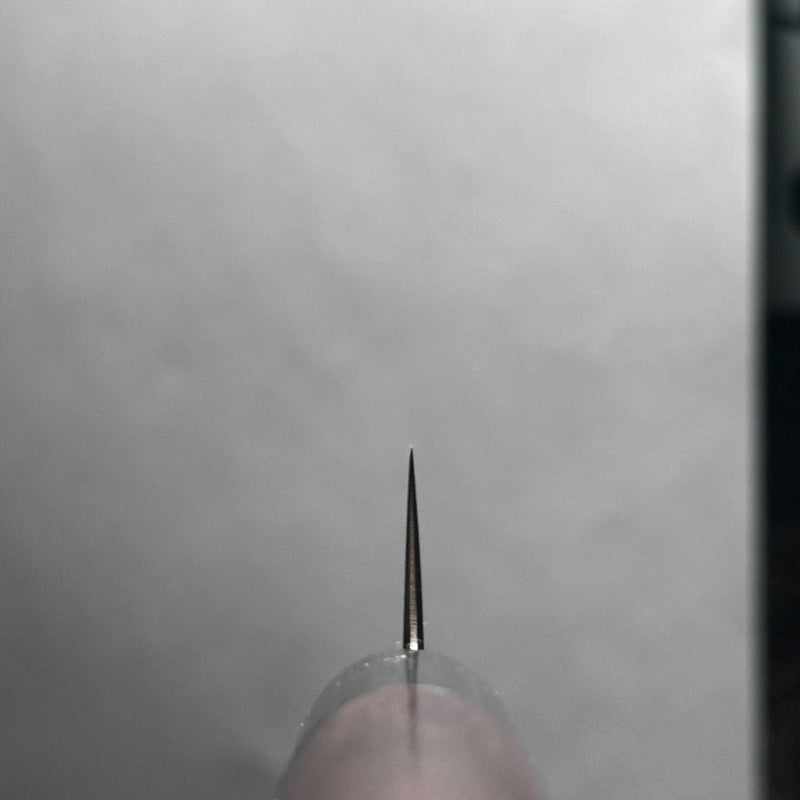


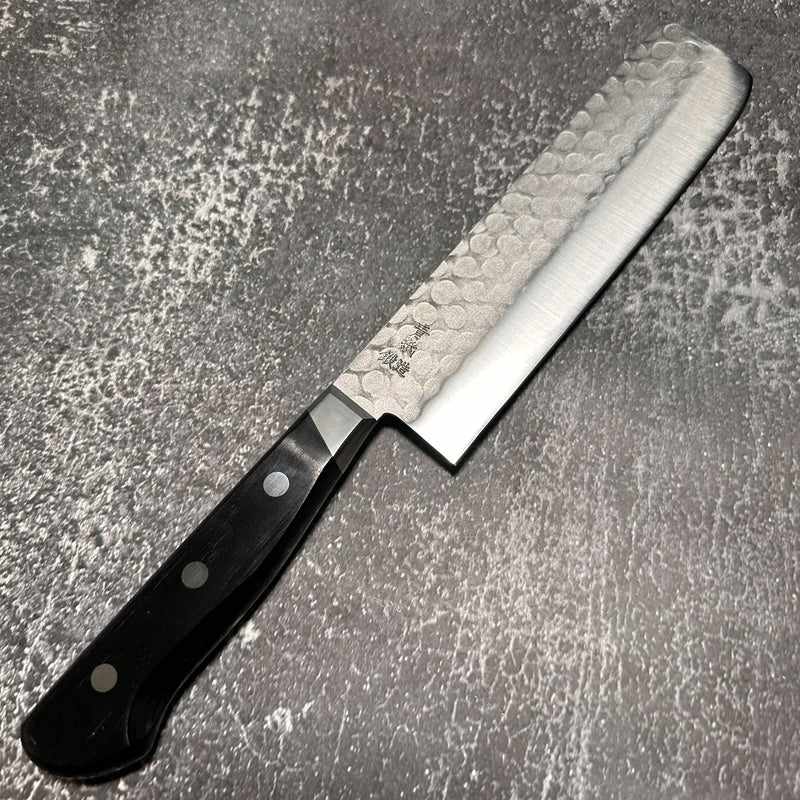
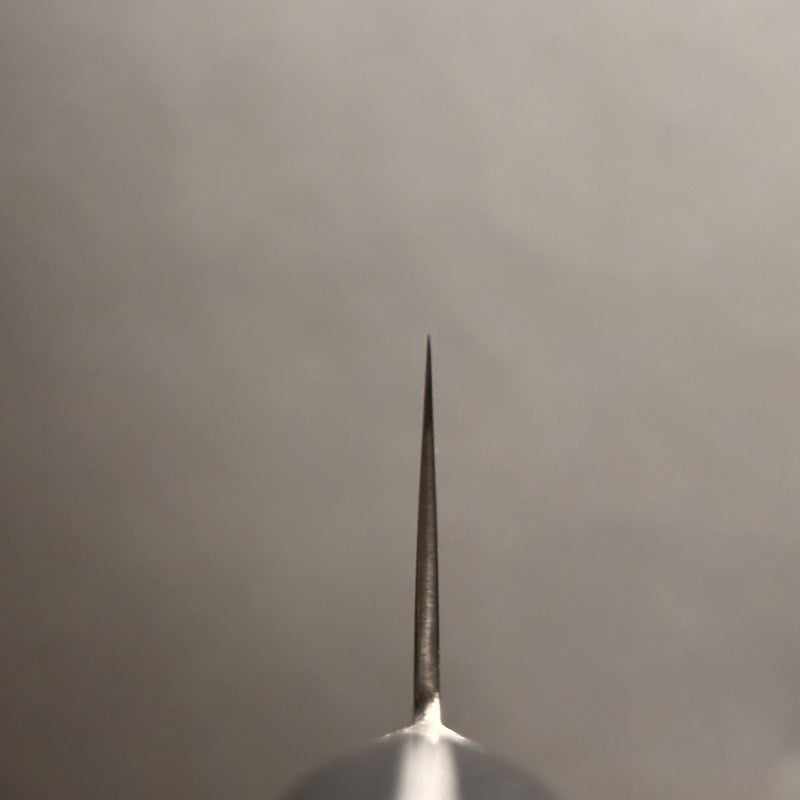
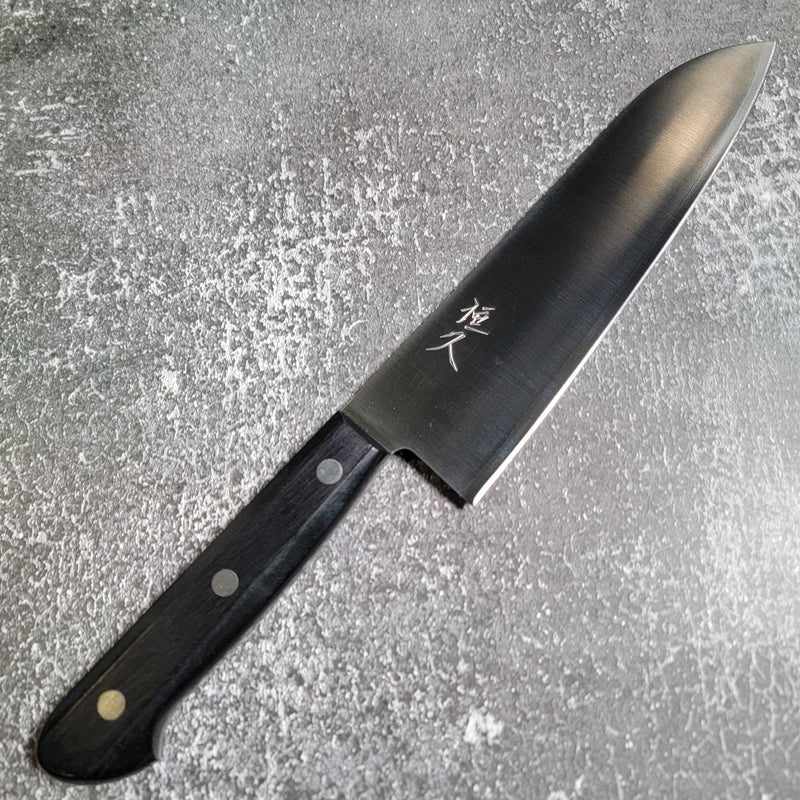
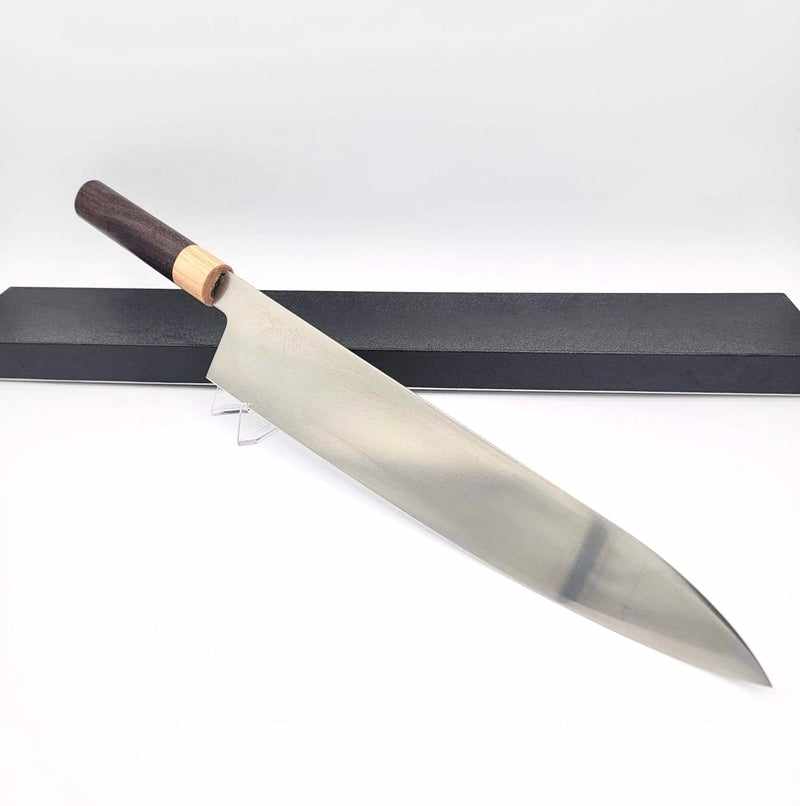
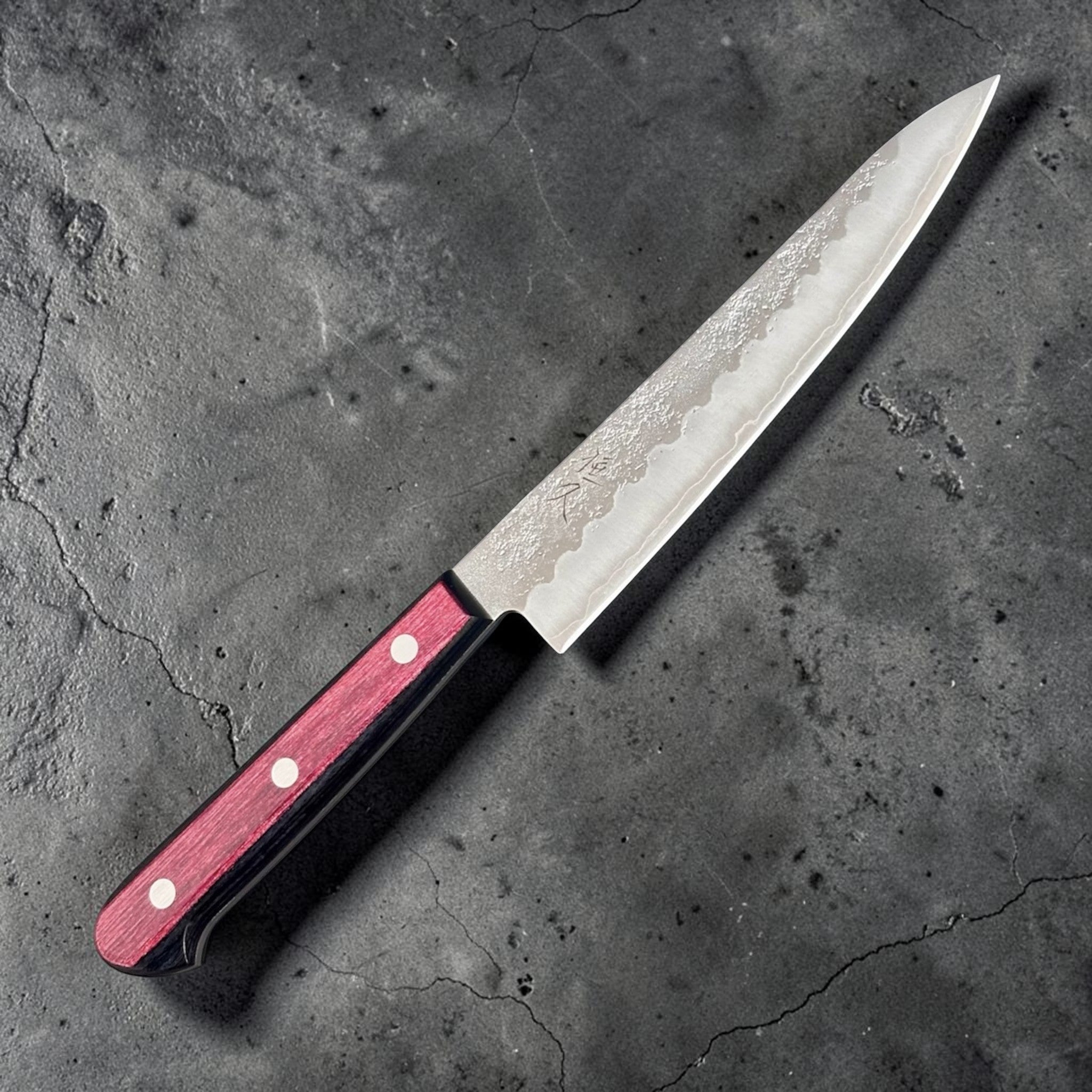
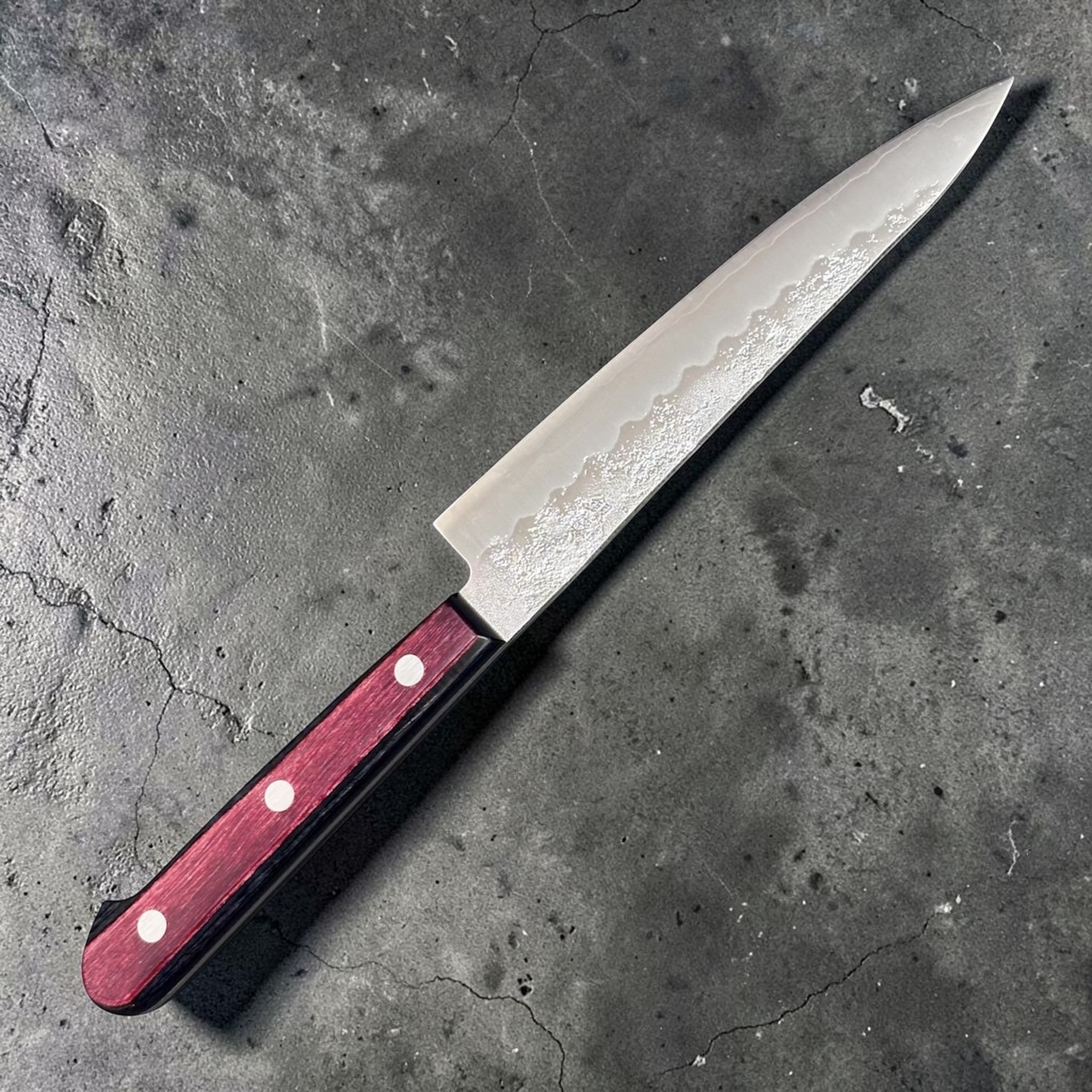
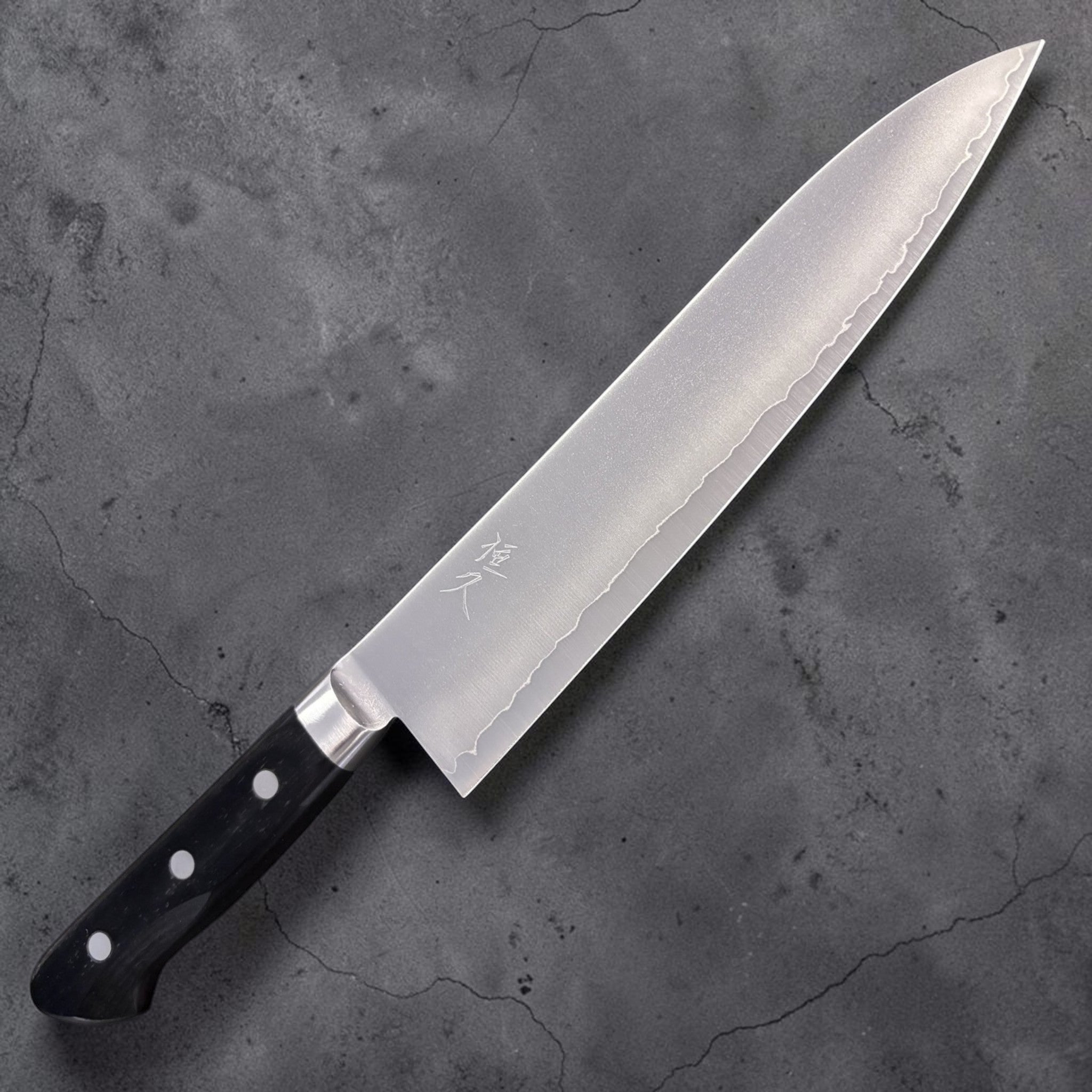
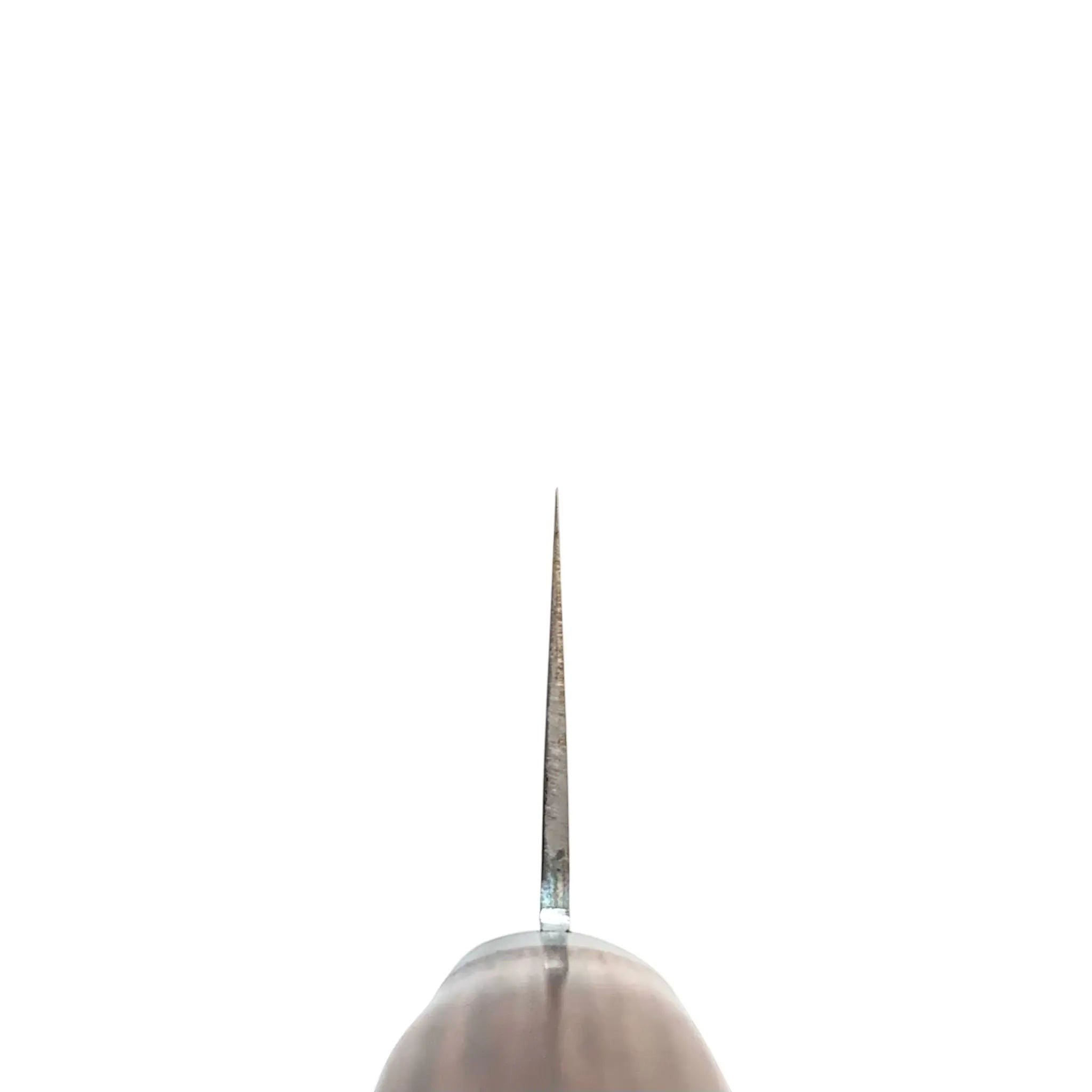
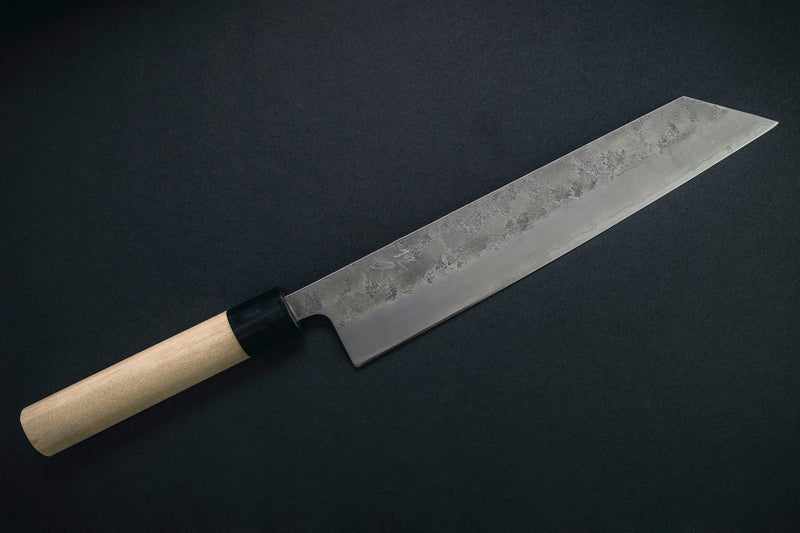
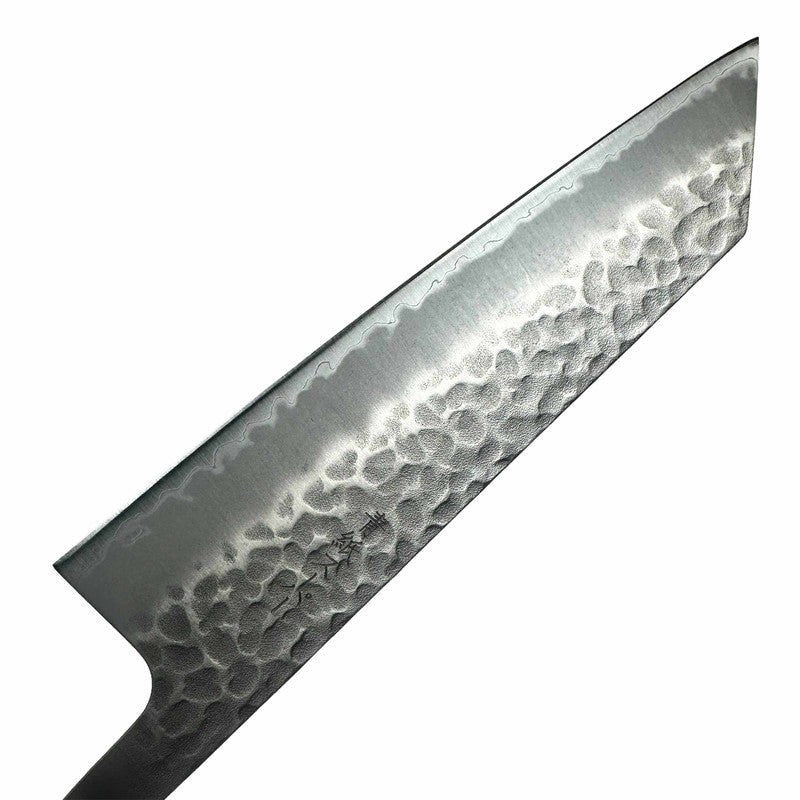
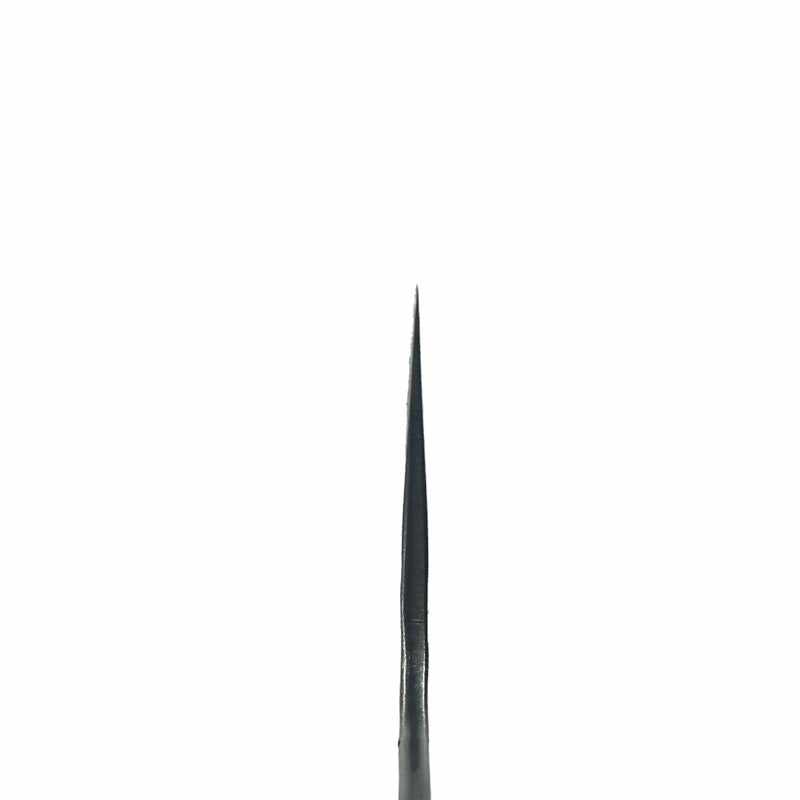
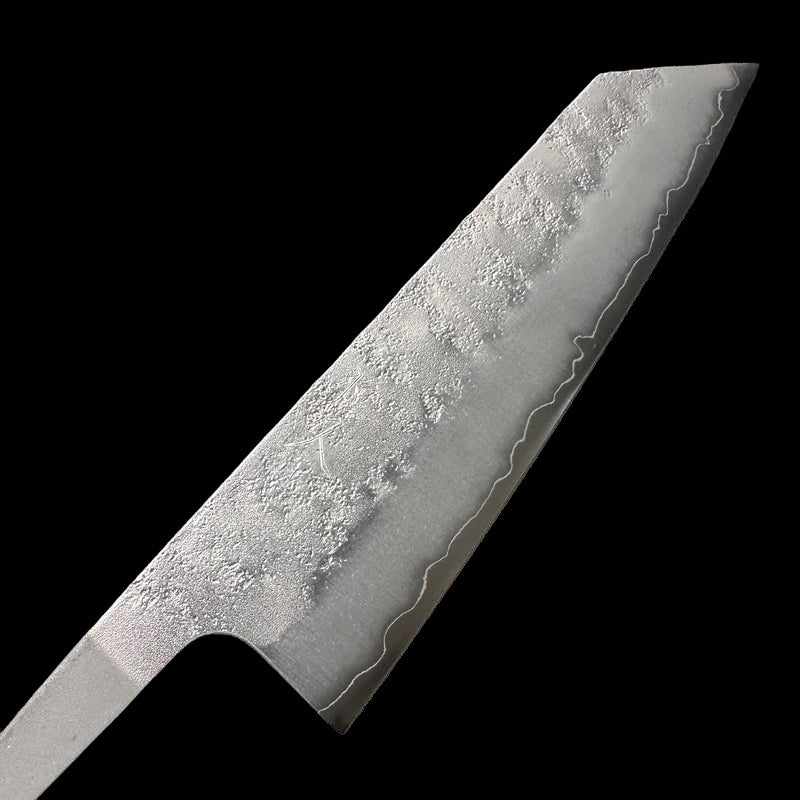
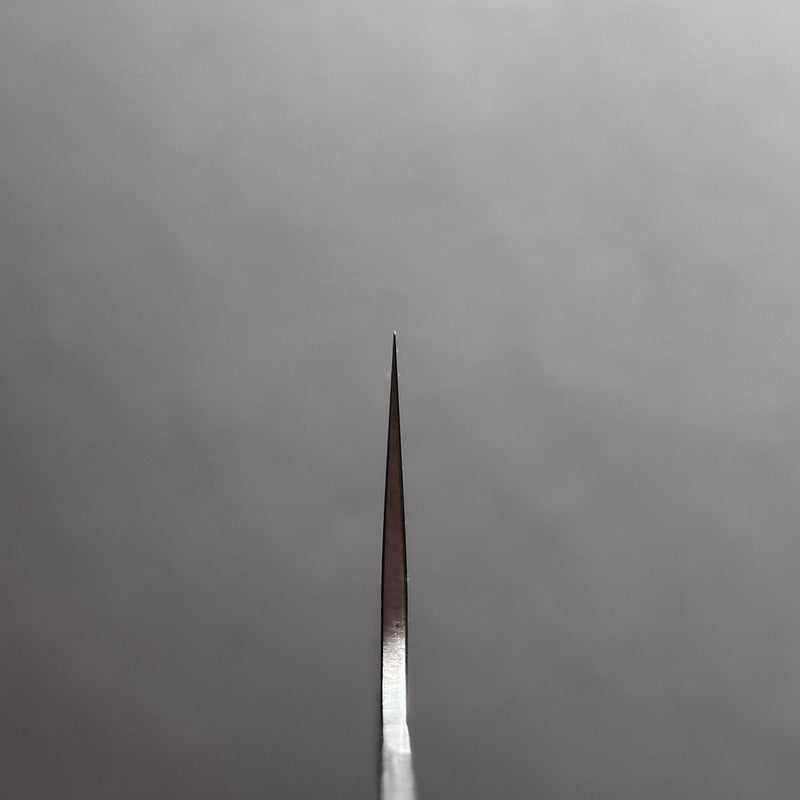
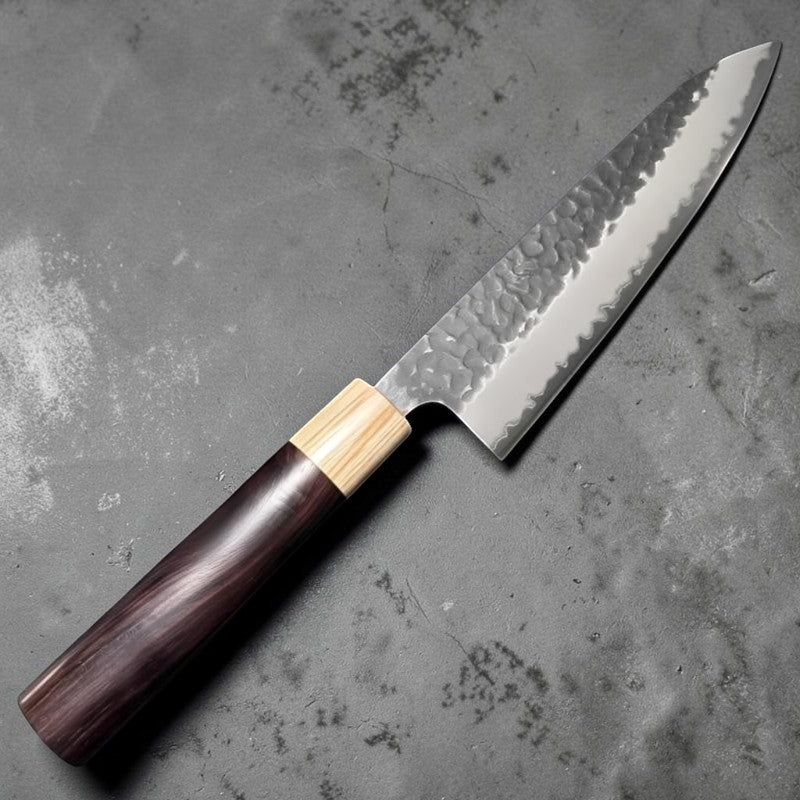
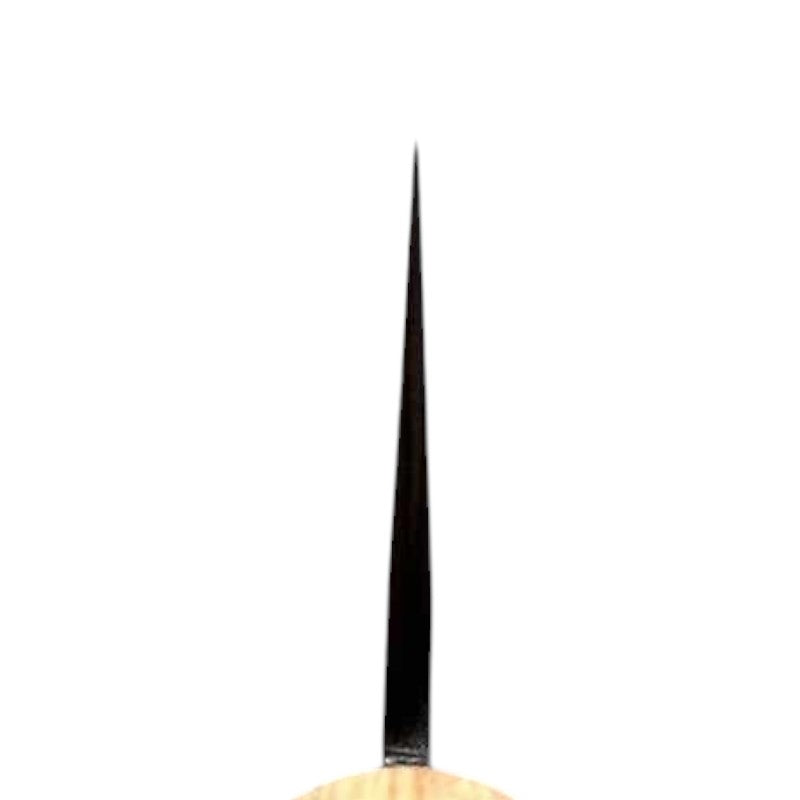
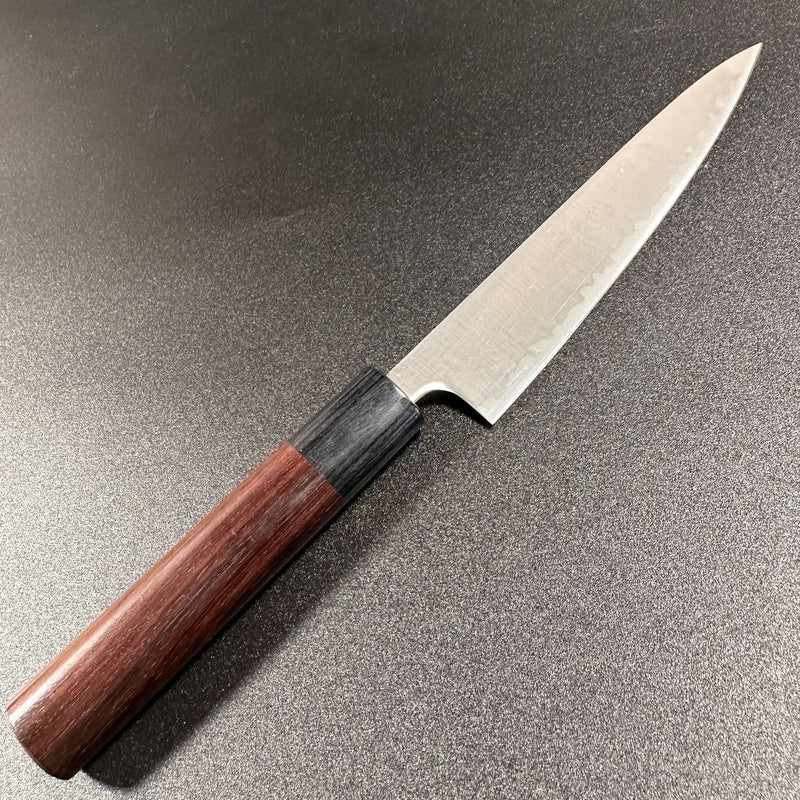
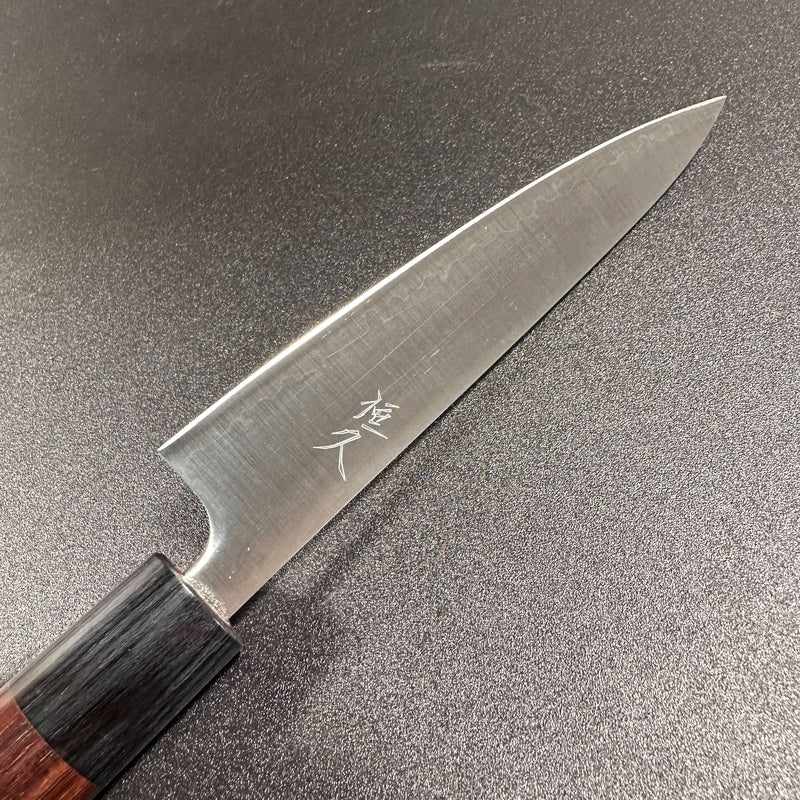


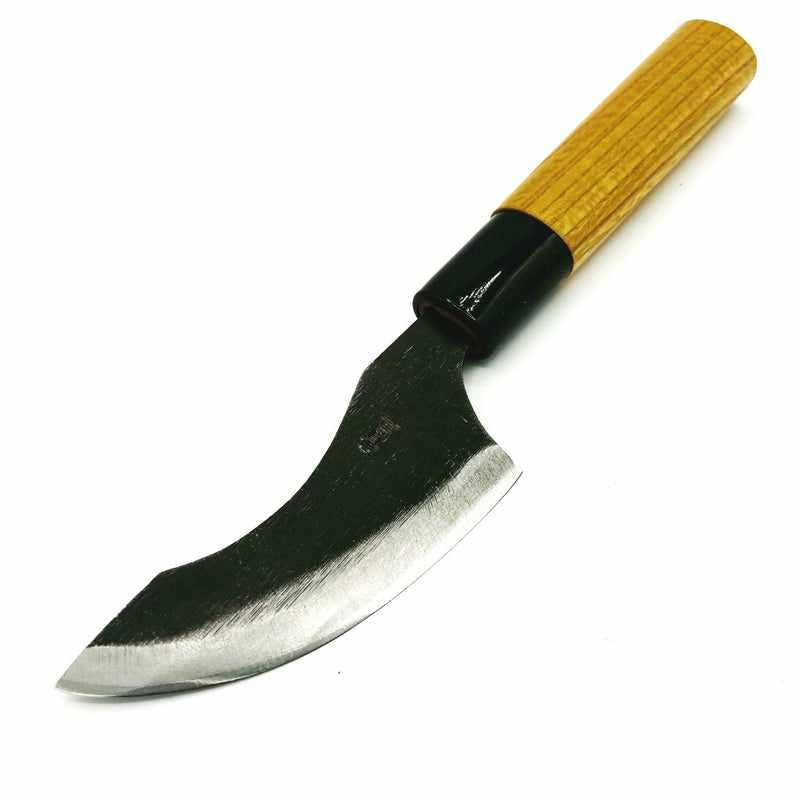
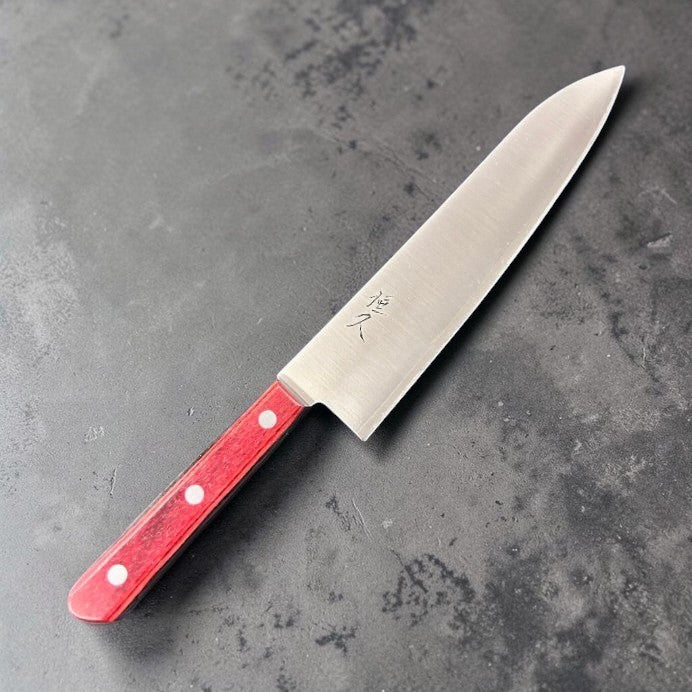
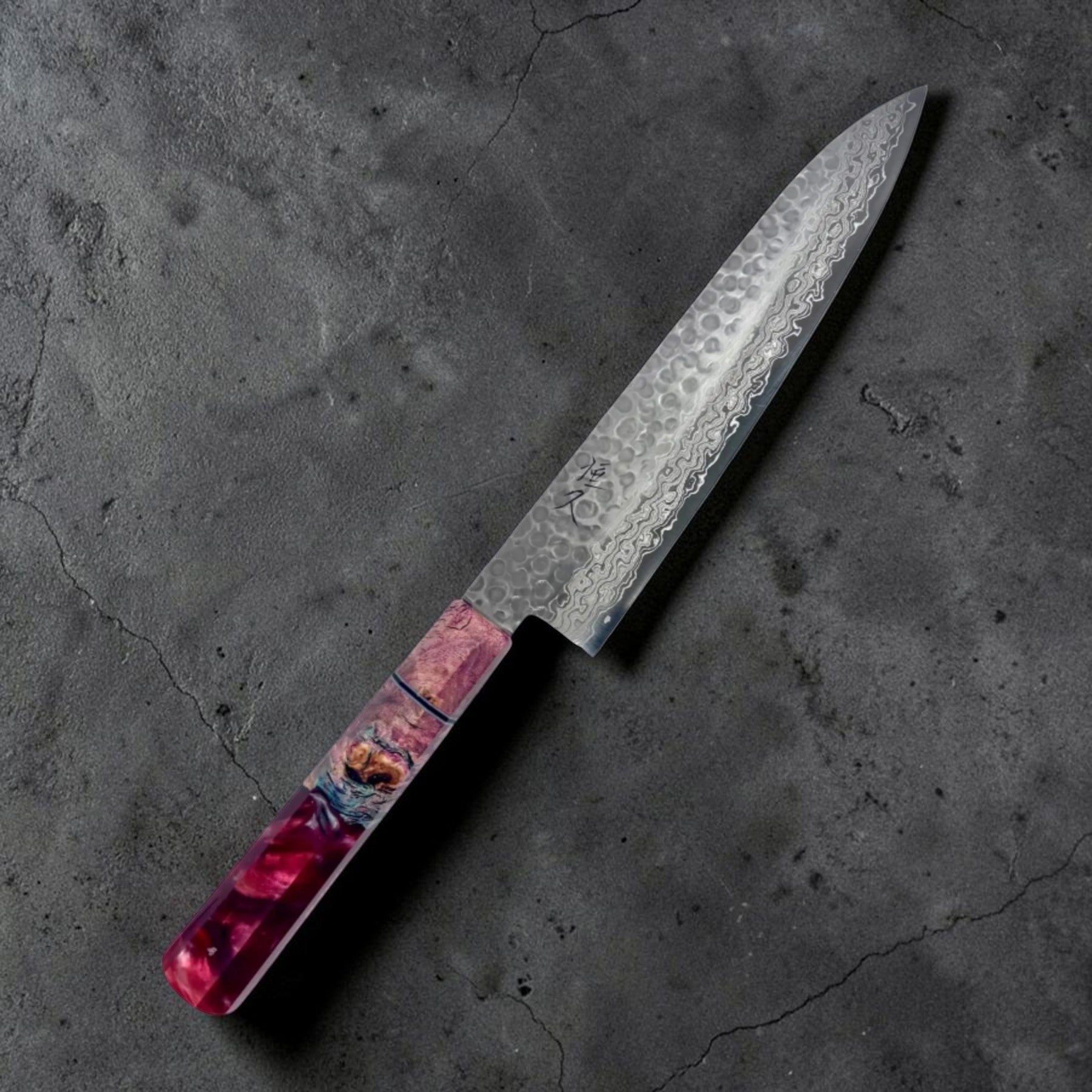
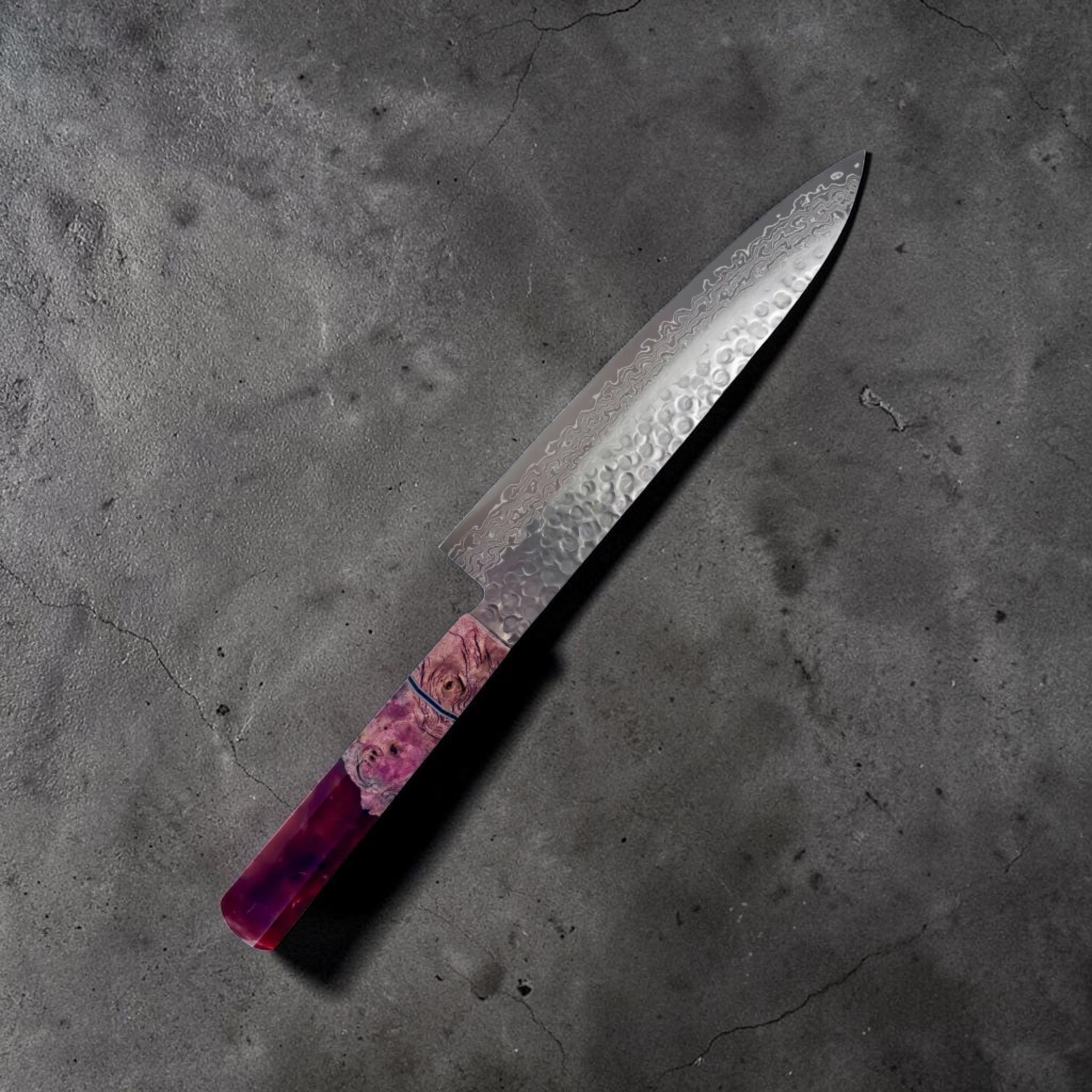
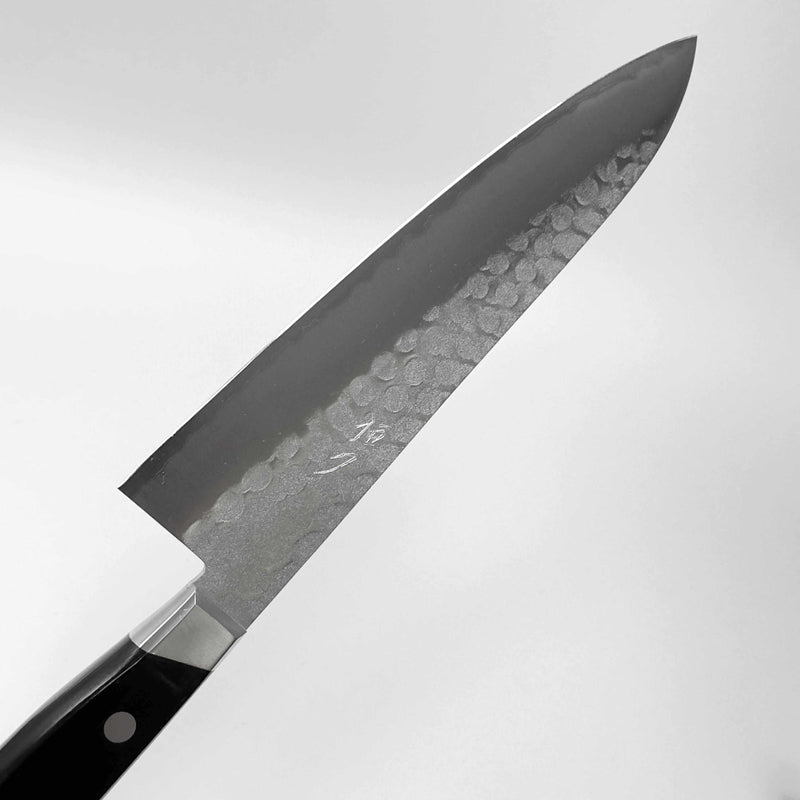
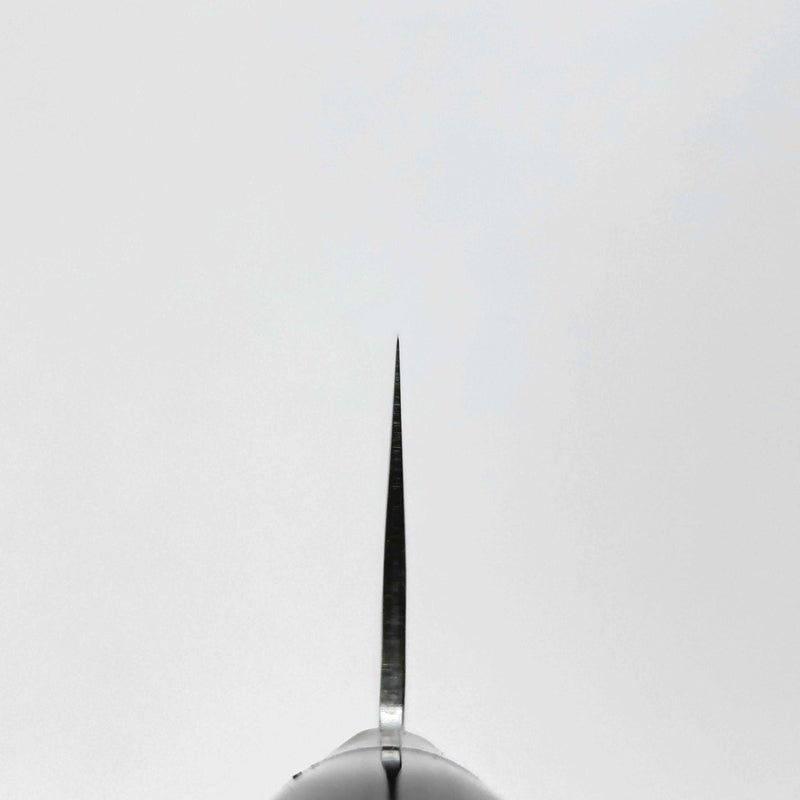
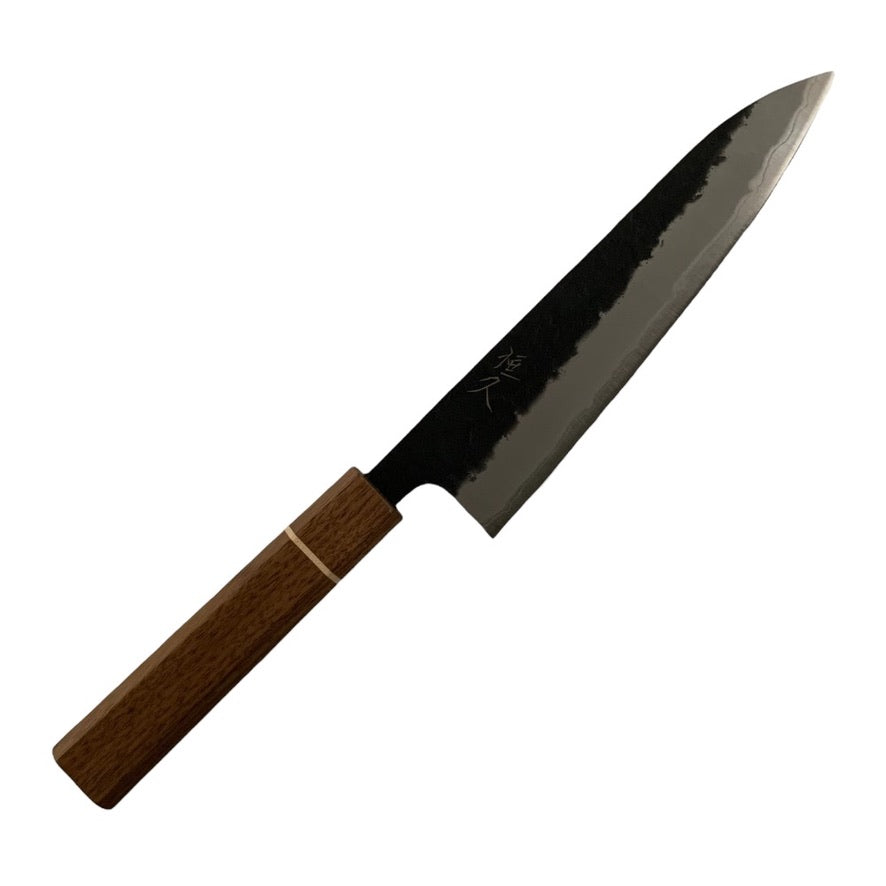
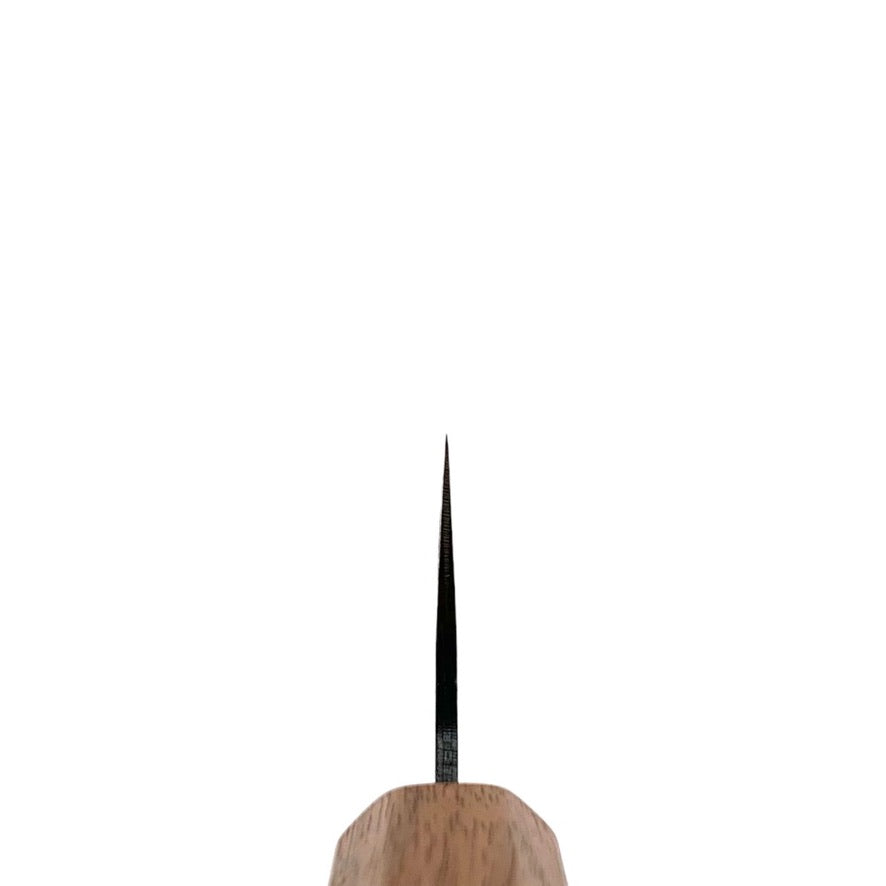
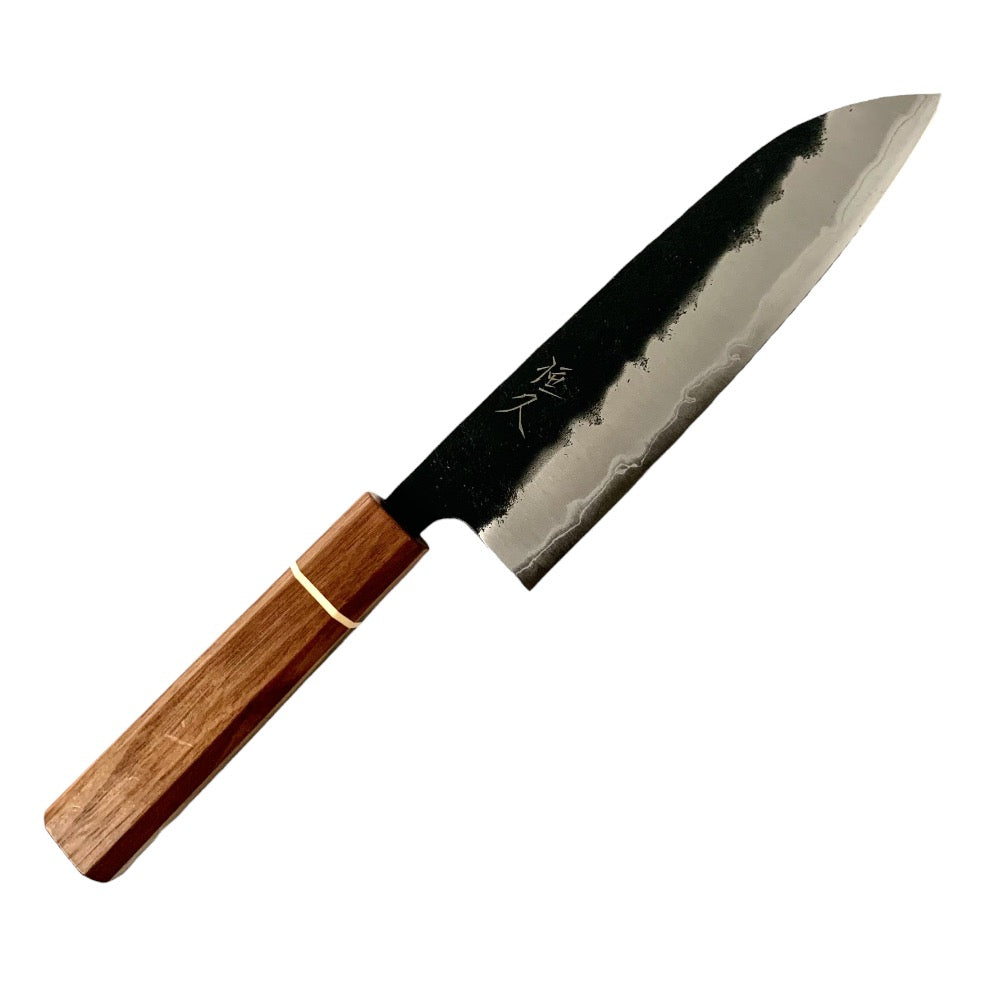
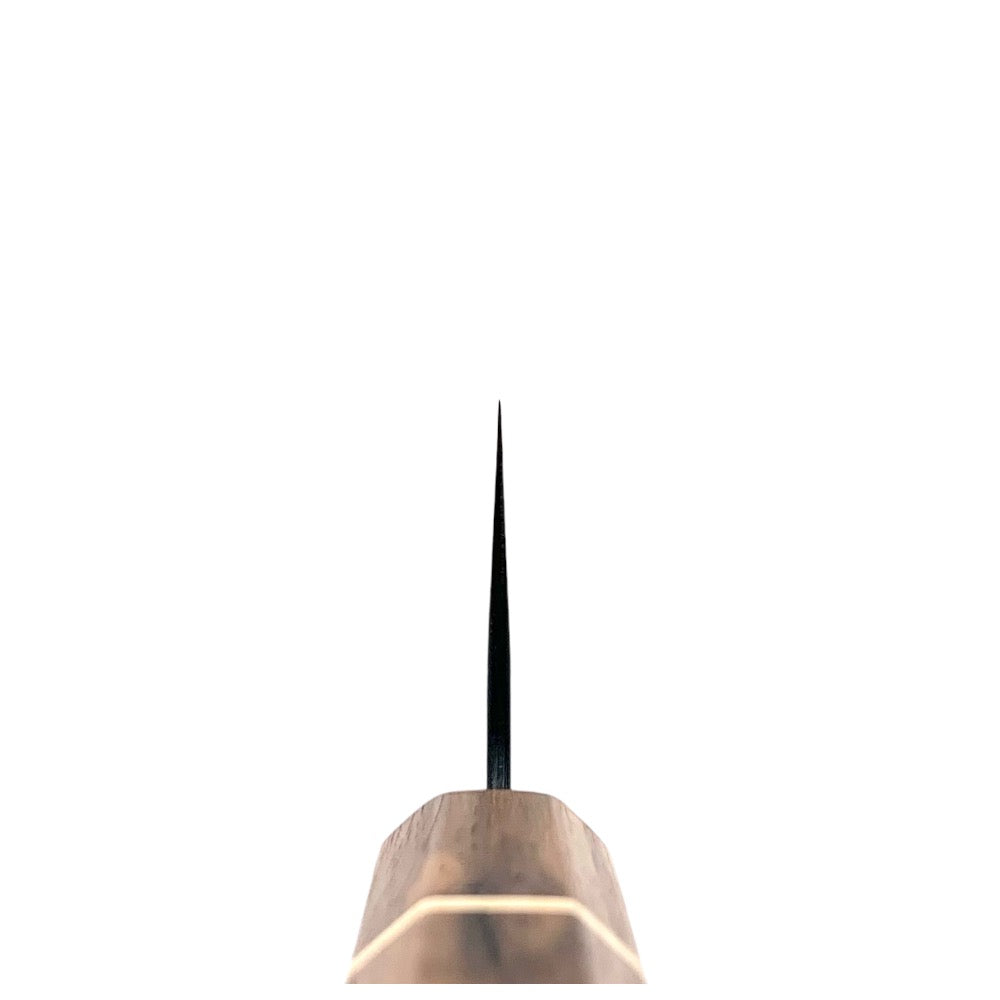
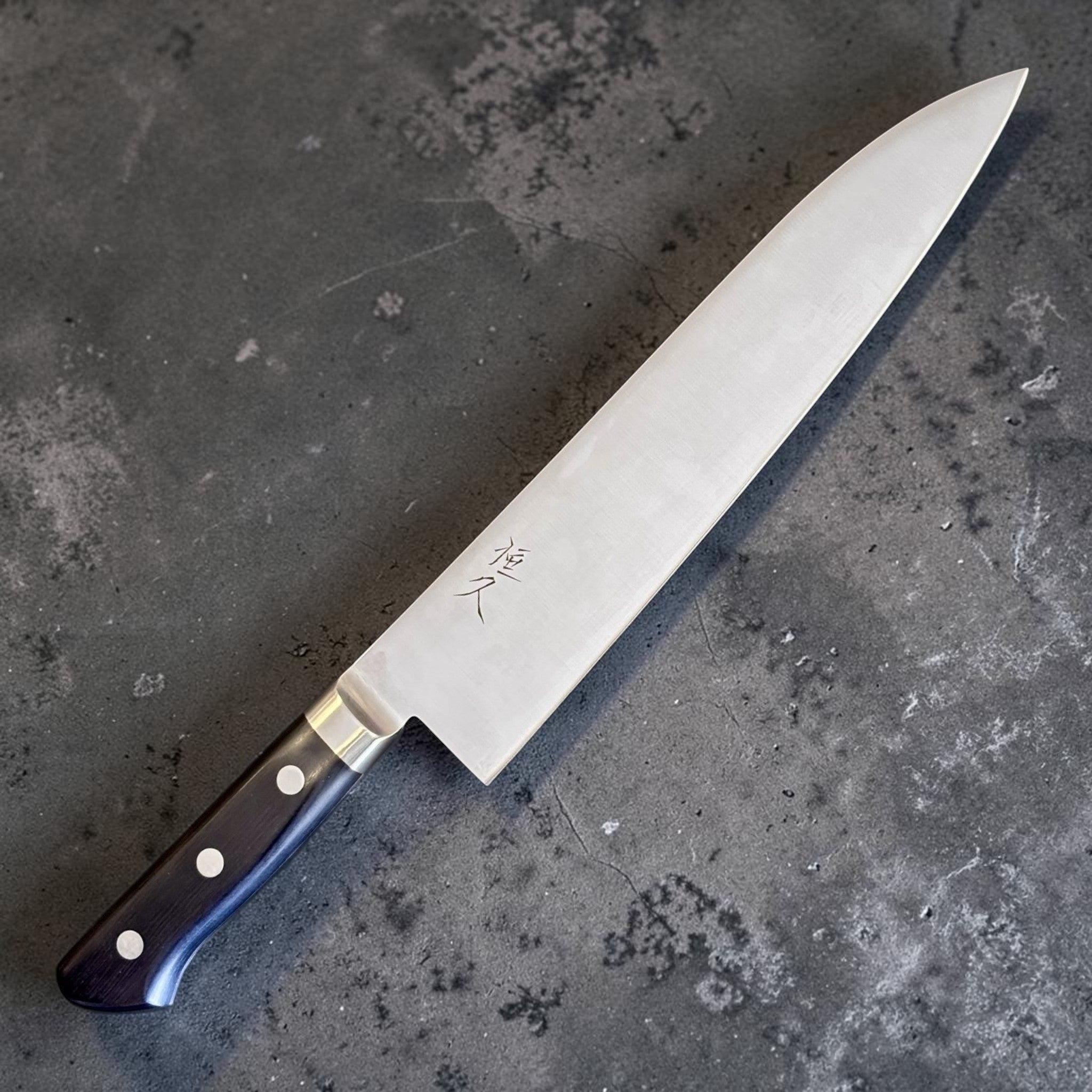
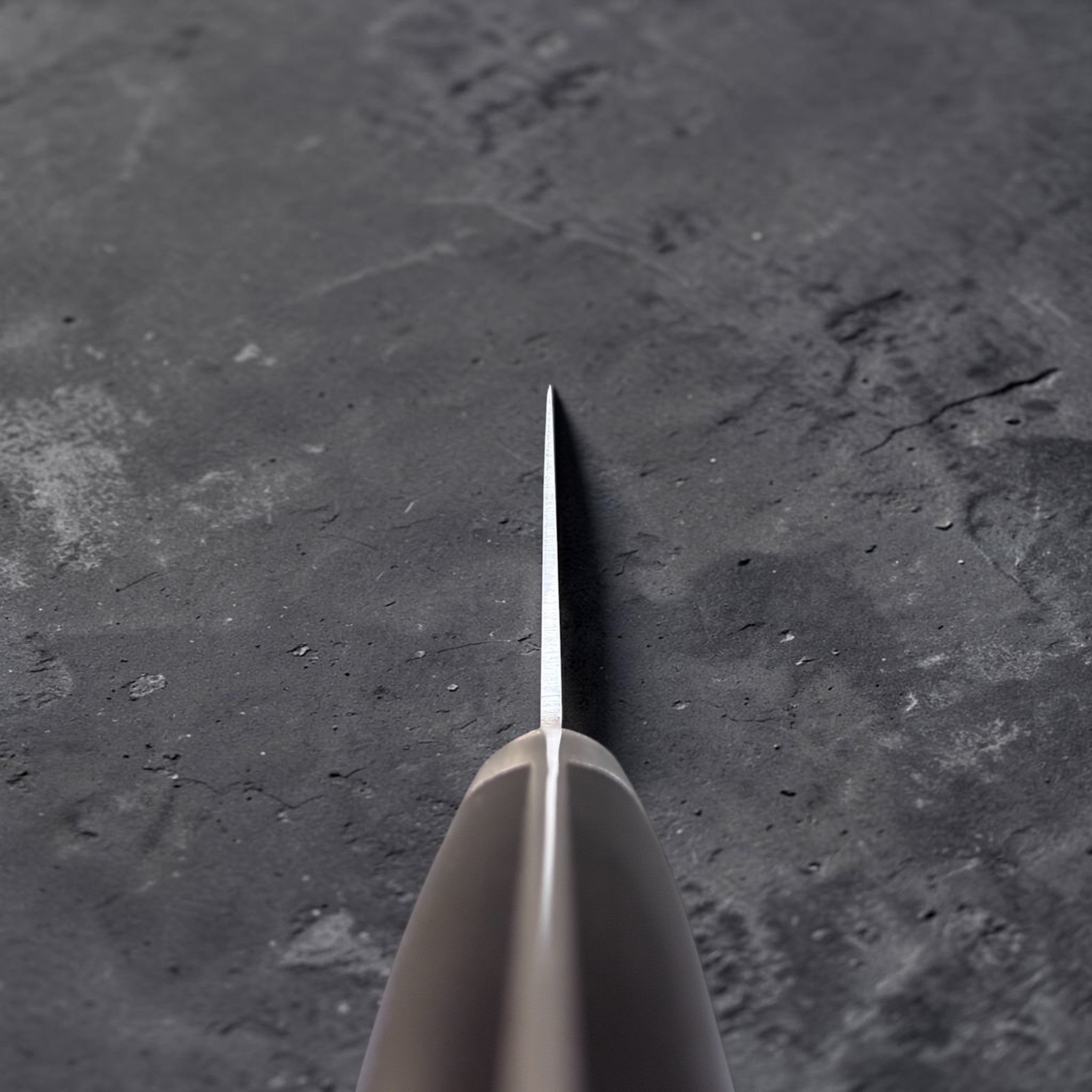
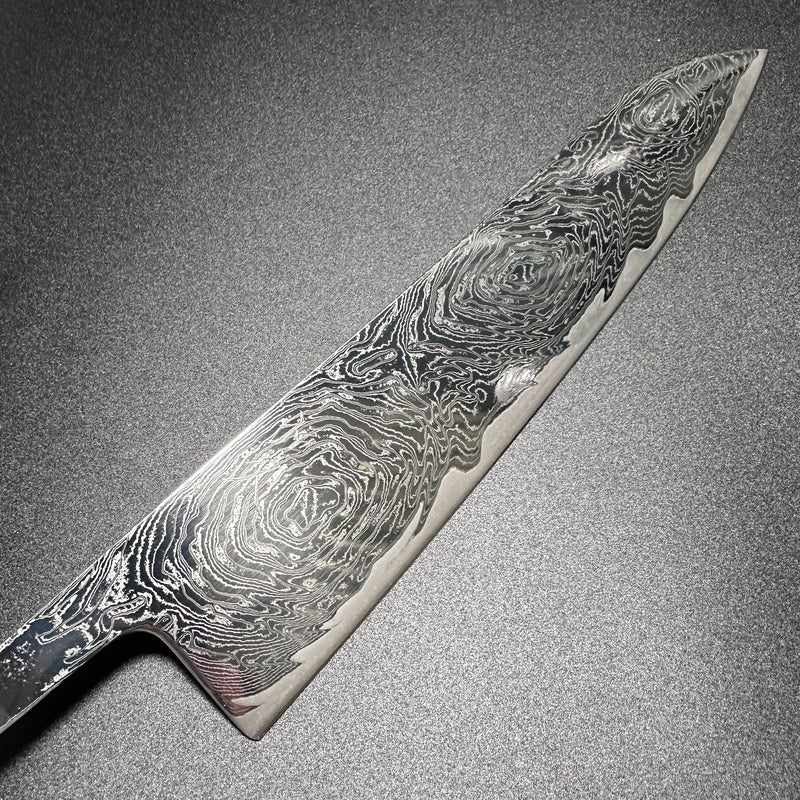
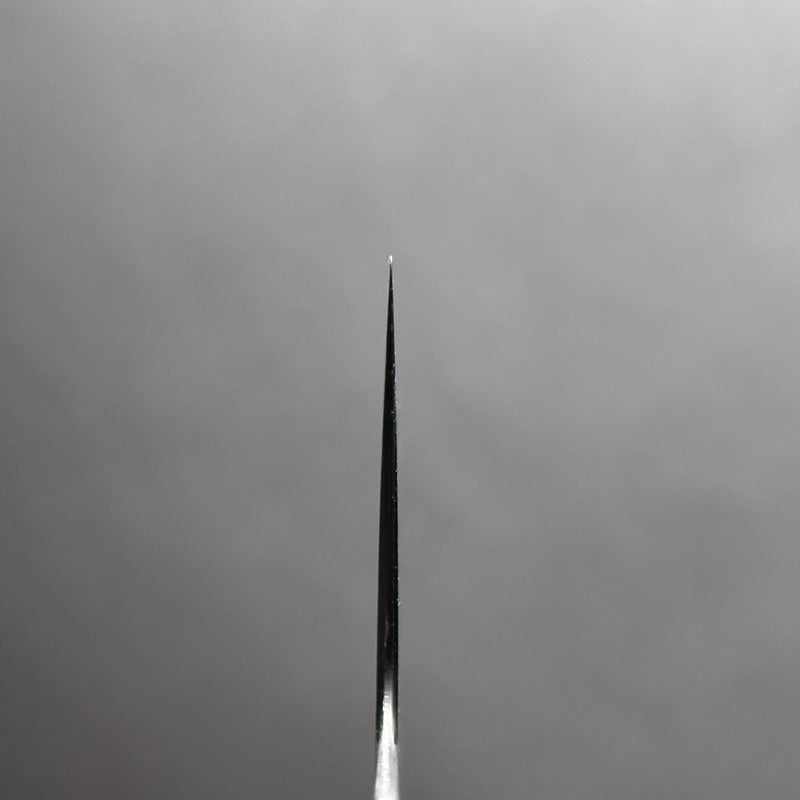
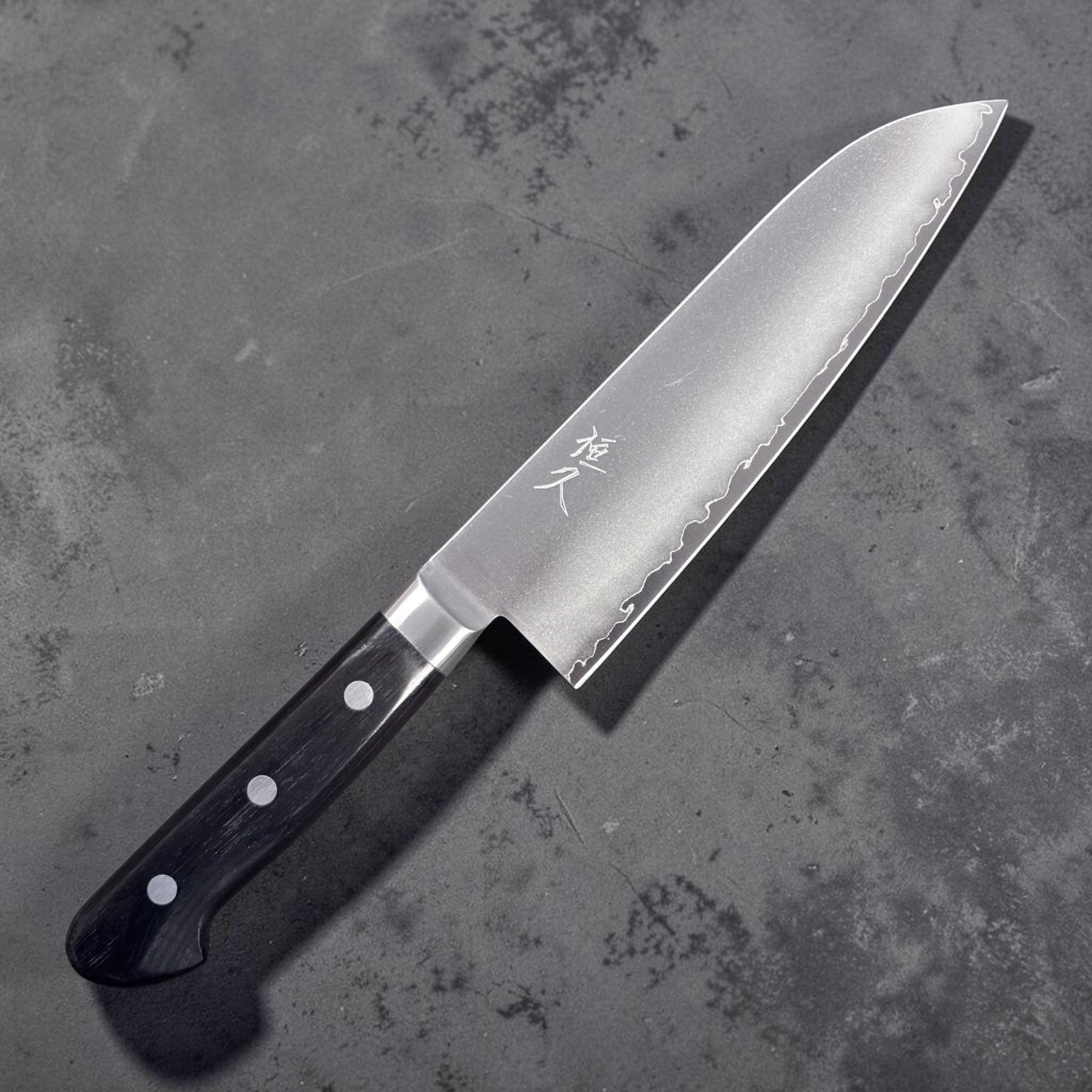
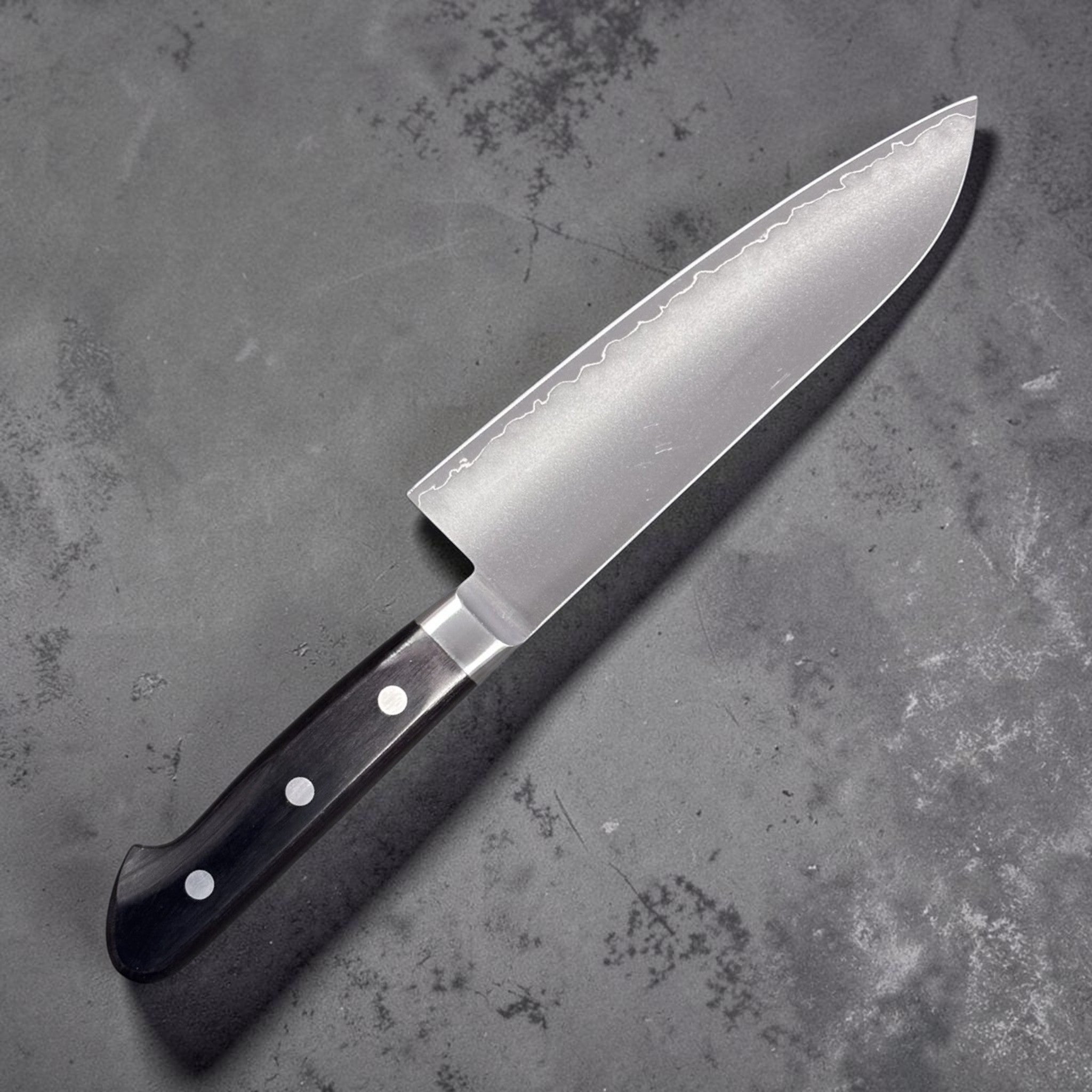
Tsunehisa knives offer one of the broadest and most approachable introductions to Japanese kitchen knives. The collection spans easy-care stainless steels, high-performance carbon steels, traditional and modern finishes, Western handles, wa handles, and blade-only options for custom builds.
Tsunehisa is an original brand of Takayuki Shibata and Ironclad Ltd. The name means “permanence,” reflecting the goal of selecting and inspecting knives worthy of a lasting place in the kitchen. Rather than representing a single blacksmith or factory, Tsunehisa brings together skilled Japanese producers and carefully selected lines covering many steels, shapes, and price points.
Why choose a Tsunehisa knife?
Tsunehisa is especially strong for cooks who want genuine Japanese cutting performance without immediately moving into collector-level pricing. The range makes it possible to choose the maintenance level, edge feel, finish, handle, and blade shape that best fit the way you cook.
- Wide steel selection: Ginsan #3, Aogami Super, SRS13, AUS-10, VG-1, VG-10, White steel, and other proven Japanese cutlery steels.
- Useful blade shapes: Gyuto, santoku, bunka, nakiri, petty, kiritsuke, sujihiki, yanagiba, and specialty profiles.
- Strong value: Reliable Japanese construction and capable heat treatment at accessible prices.
- Custom options: Selected blades are available without handles or with Tokushu-installed wa handles.
Choosing the right Tsunehisa steel
Ginsan #3 is an excellent starting point for buyers who want stainless convenience with a fine edge, straightforward sharpening, and a more traditional sharpening feel than many highly alloyed stainless steels.
Tsunehisa Aogami Super knives are designed for cooks who prioritize edge retention, crisp cutting feedback, and carbon-steel performance. Many are stainless clad, so only the exposed core and cutting edge require carbon-steel care.
SRS13, AUS-10, VG-1, and VG-10 provide progressively different balances of corrosion resistance, edge retention, sharpening ease, and price. The specifications on each product page identify the core steel, cladding, finish, dimensions, weight, and handle configuration so that you can compare models accurately.
Popular Tsunehisa knife shapes
A gyuto is the most versatile choice for general prep, while a santoku or bunka offers a shorter, agile profile for vegetables, proteins, and everyday home cooking. Nakiri knives specialize in vegetable preparation; petty knives handle detail work and small ingredients; sujihiki knives are built for long, clean slicing cuts.
Why buy Tsunehisa from Tokushu Knife?
Tokushu Knife combines detailed measurements and real product photography with knowledgeable support and custom-handle experience. We inspect knives, package every order carefully, and fully insure shipments. Qualifying U.S. orders ship free, and our team can help compare steels, profiles, and handle options before purchase.
Tsunehisa knife FAQ
Where are Tsunehisa knives made?
Tsunehisa knives are made in Japan. The brand works across different Japanese production regions and makers, so construction methods and finishing details vary by series.
Are Tsunehisa knives handmade?
Production varies by line. Many series combine regional forging, grinding, sharpening, and finishing expertise with modern production methods. Each product listing identifies the known steel, construction, finish, and specifications.
Which Tsunehisa steel is best for a first Japanese knife?
Ginsan #3 is a particularly friendly choice because it is stainless, takes a keen edge, and is relatively easy to sharpen. AUS-10, VG-1, and VG-10 are also practical low-maintenance choices. Aogami Super is ideal when edge performance matters more than fully stainless care.