


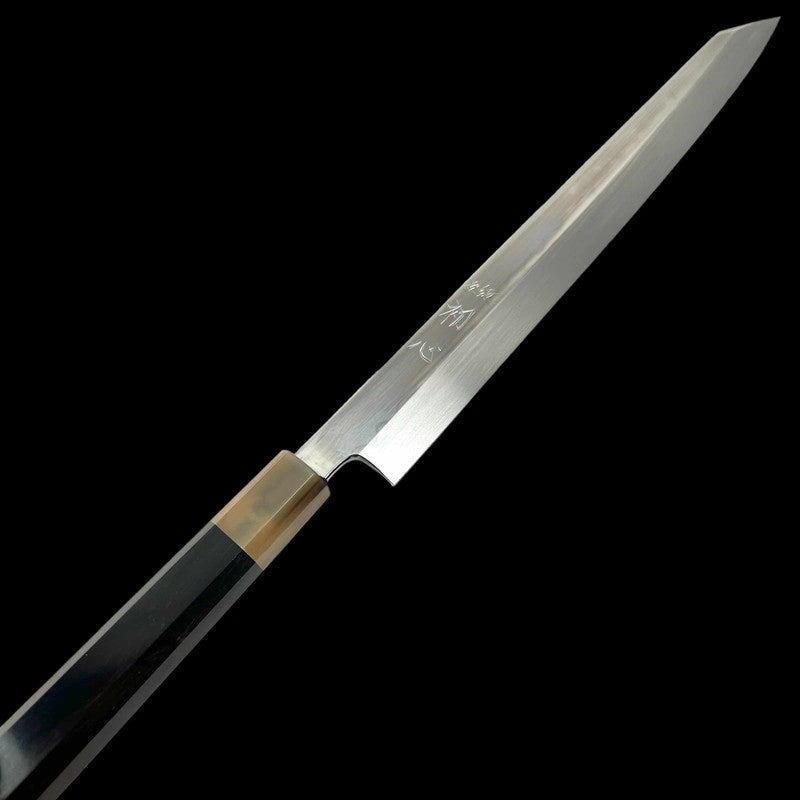
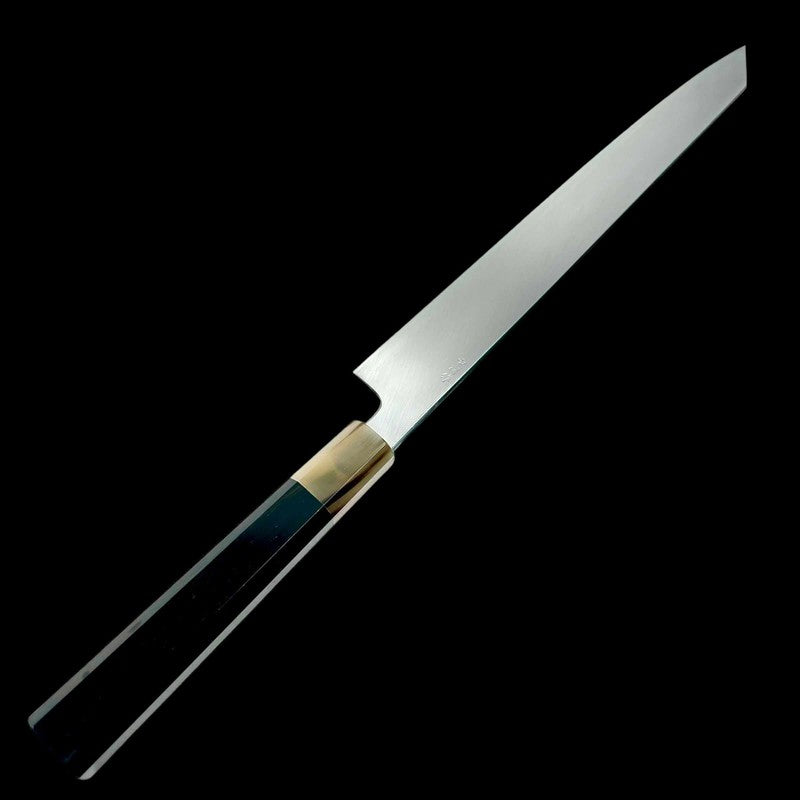
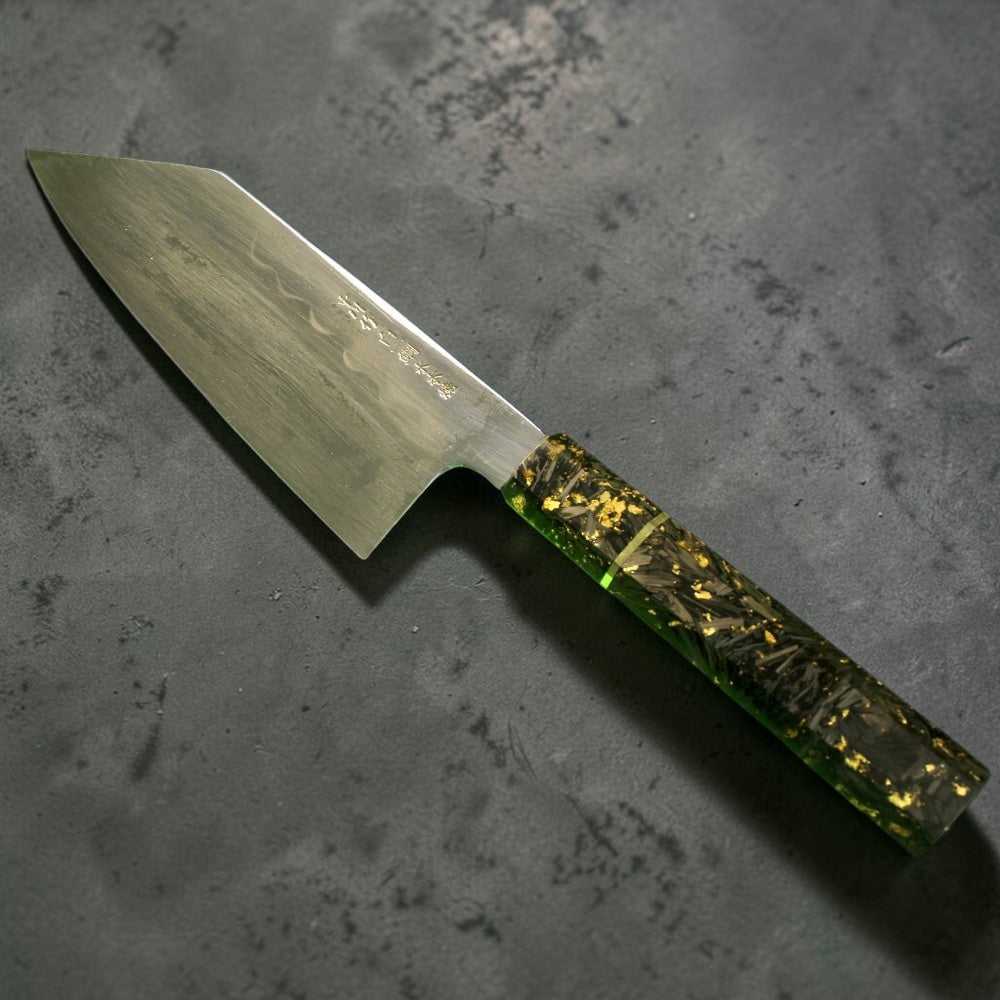


Shop Satoshi Nakagawa Japanese Knives
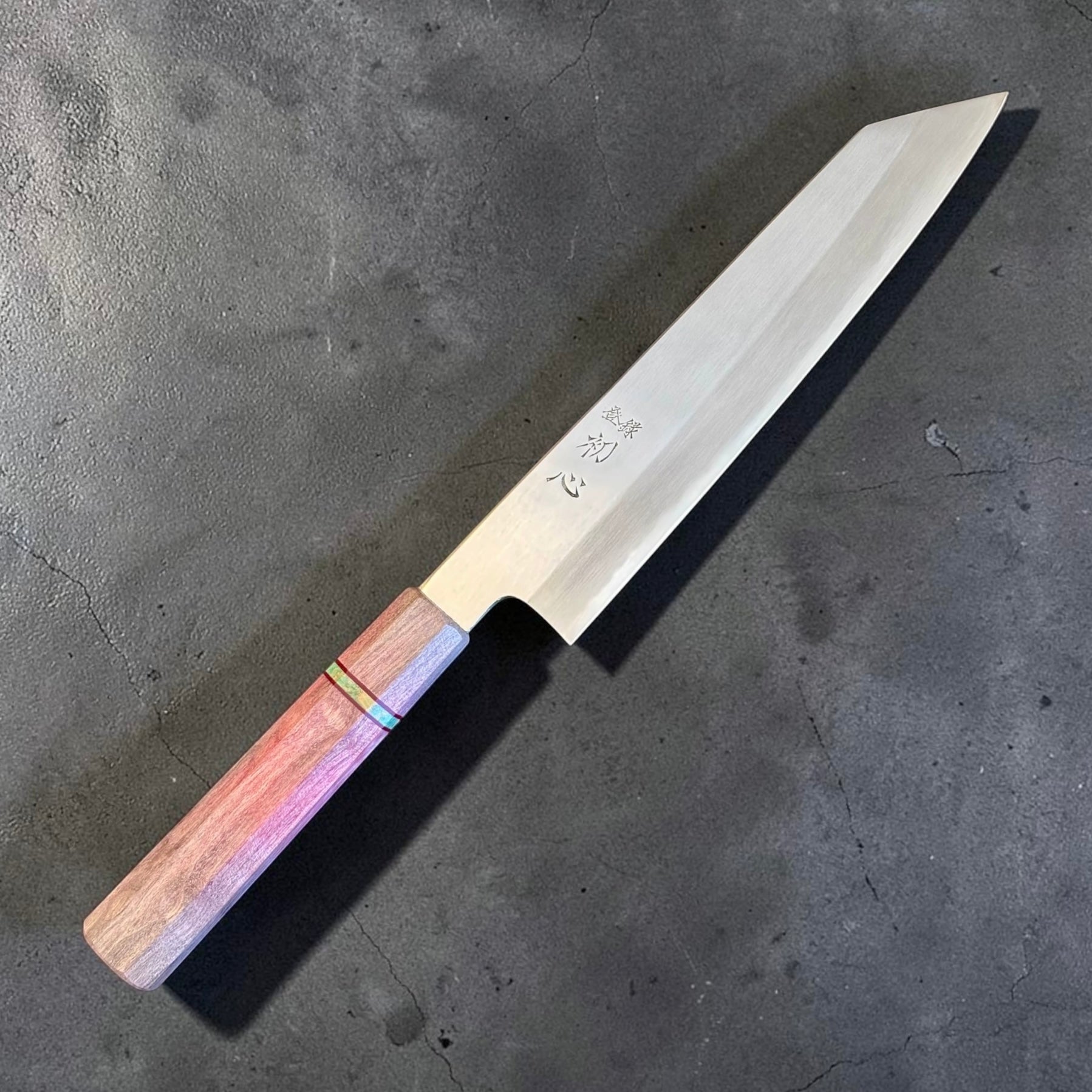
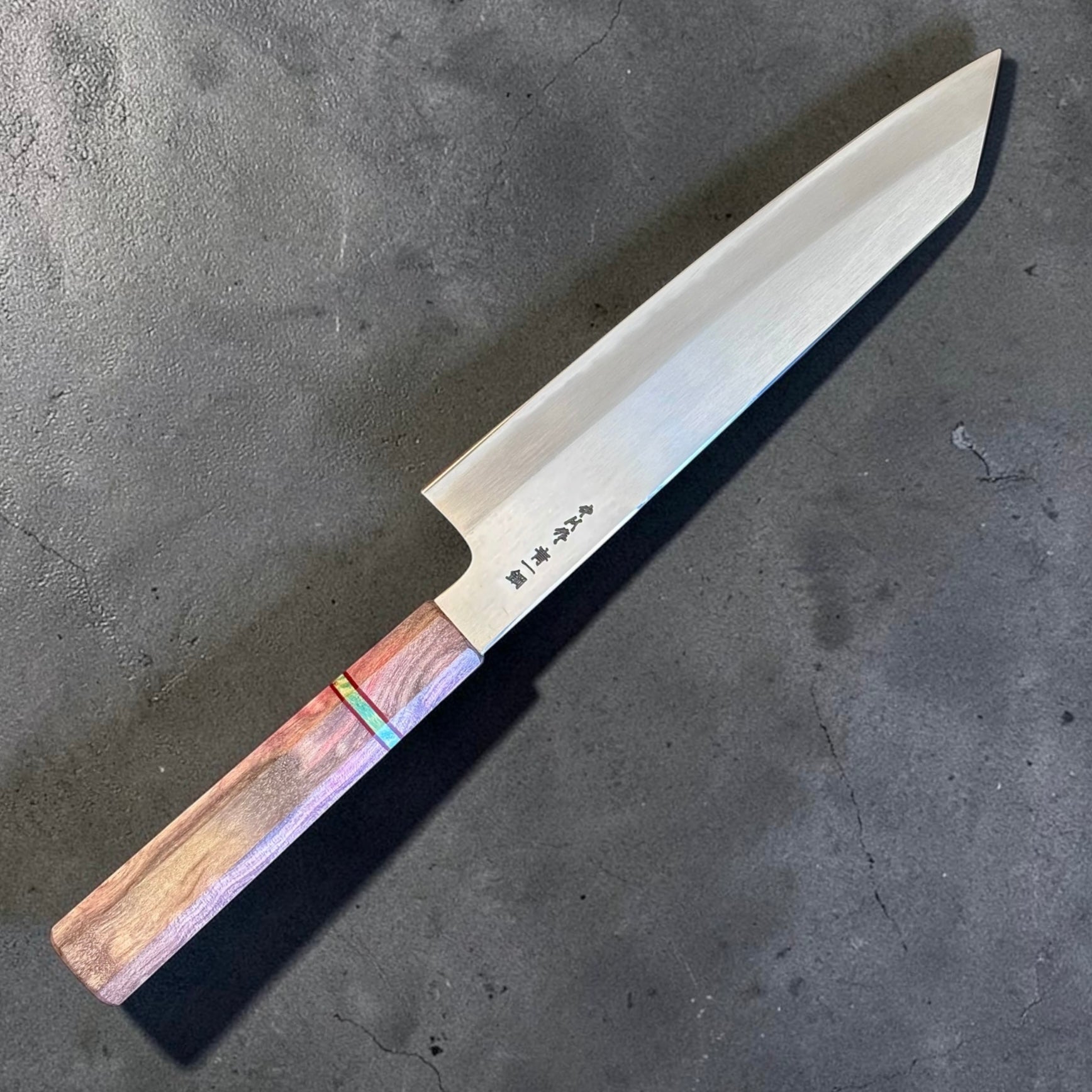
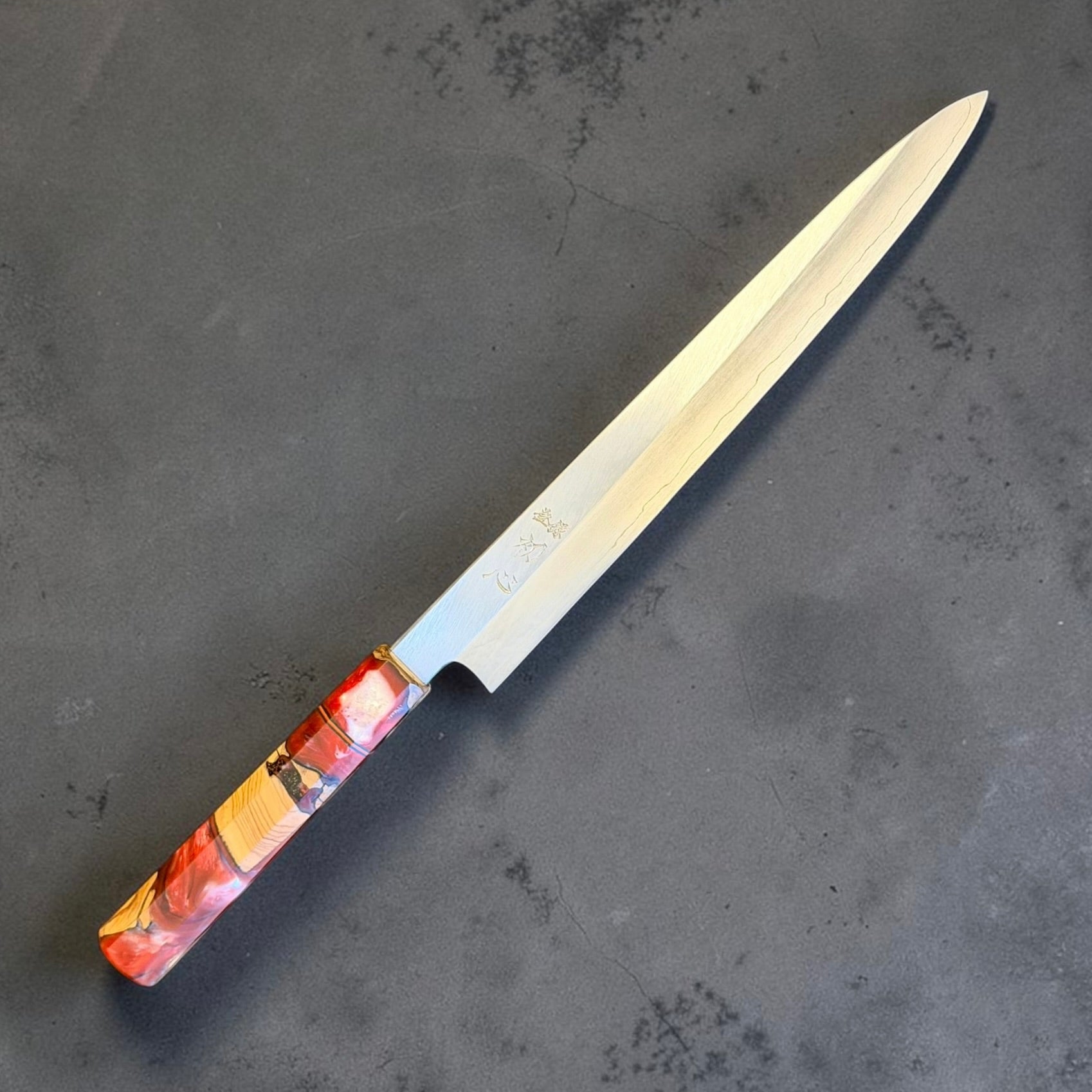
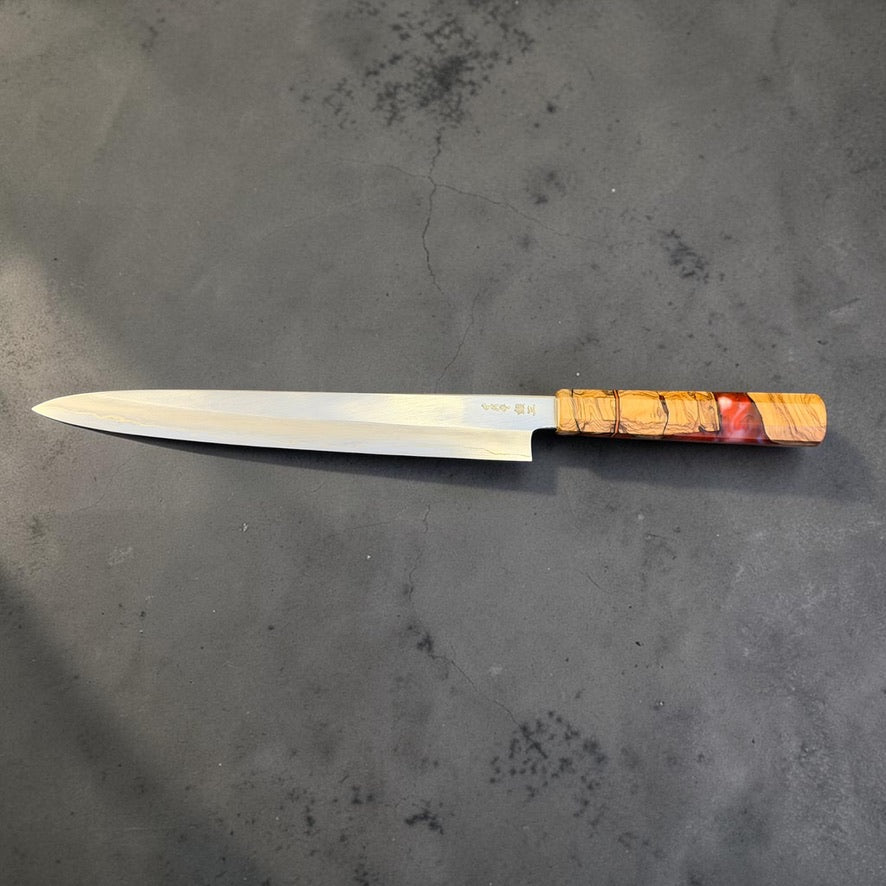
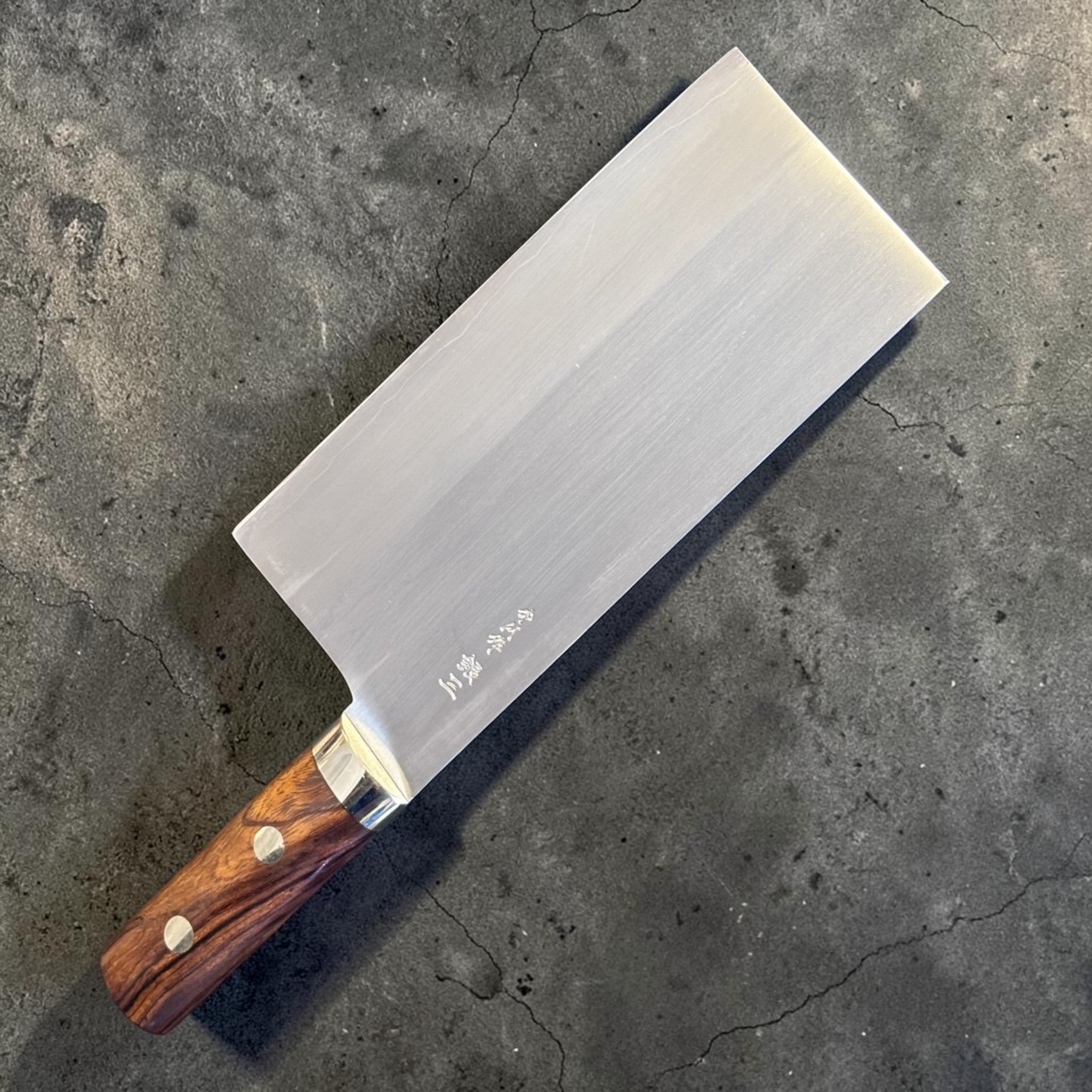
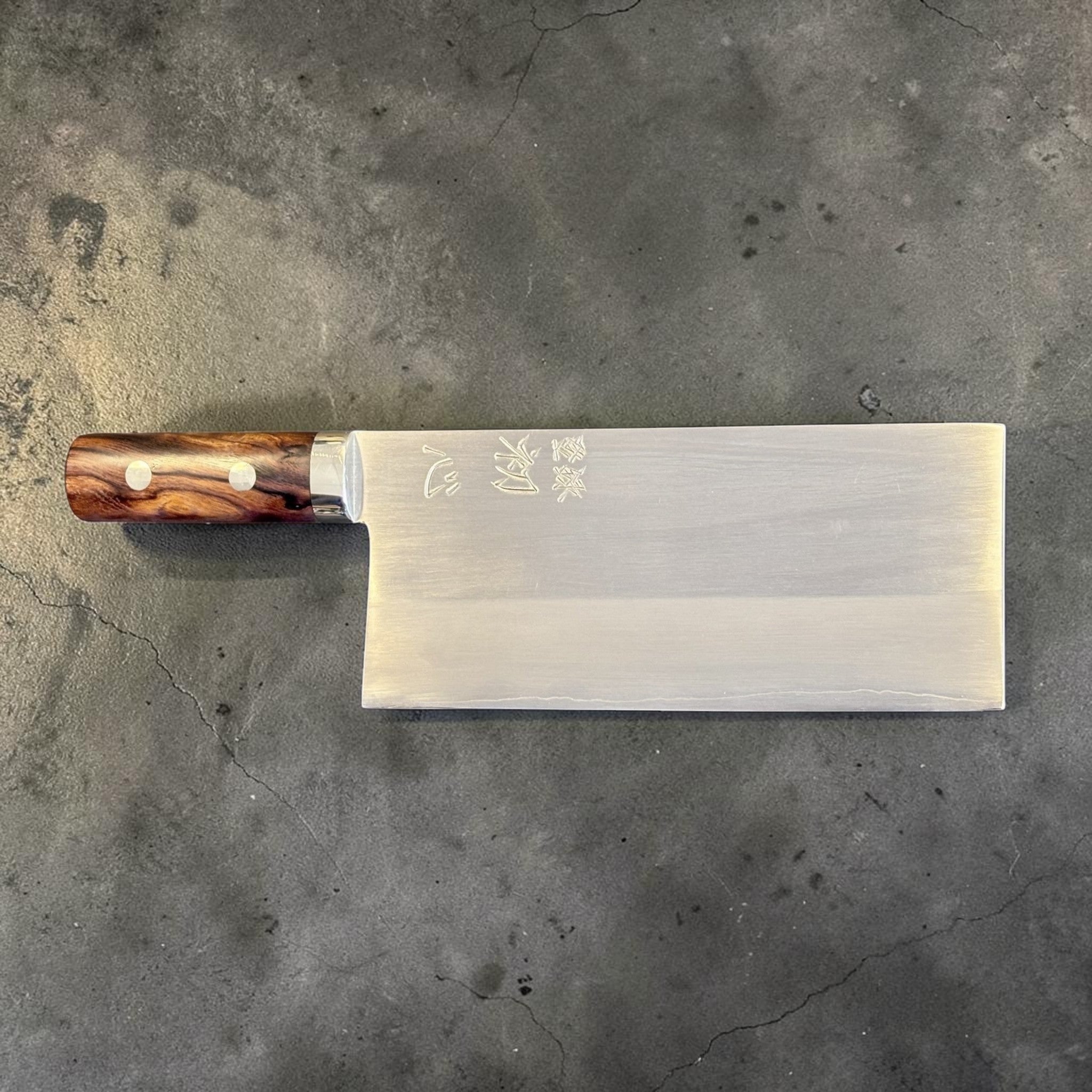
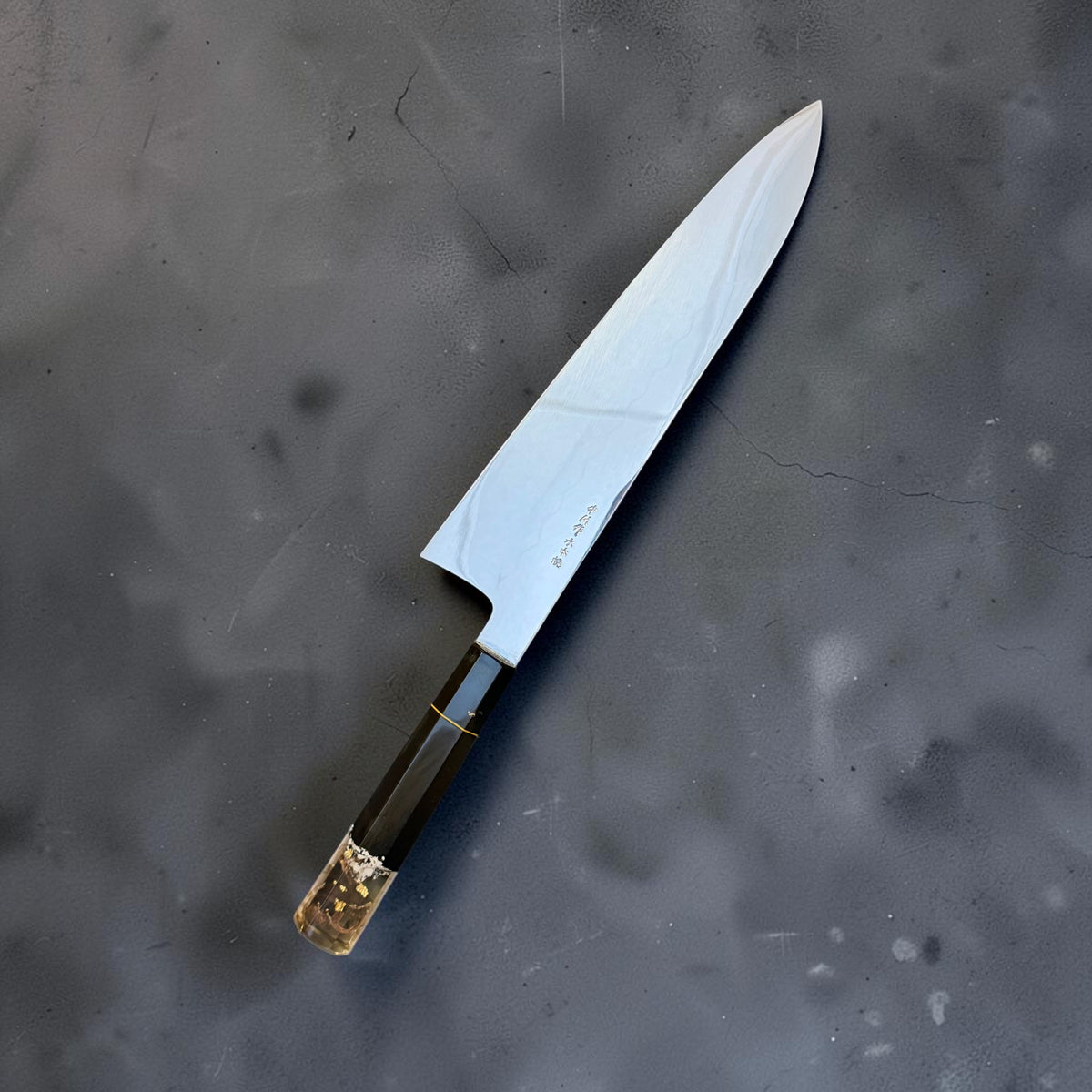
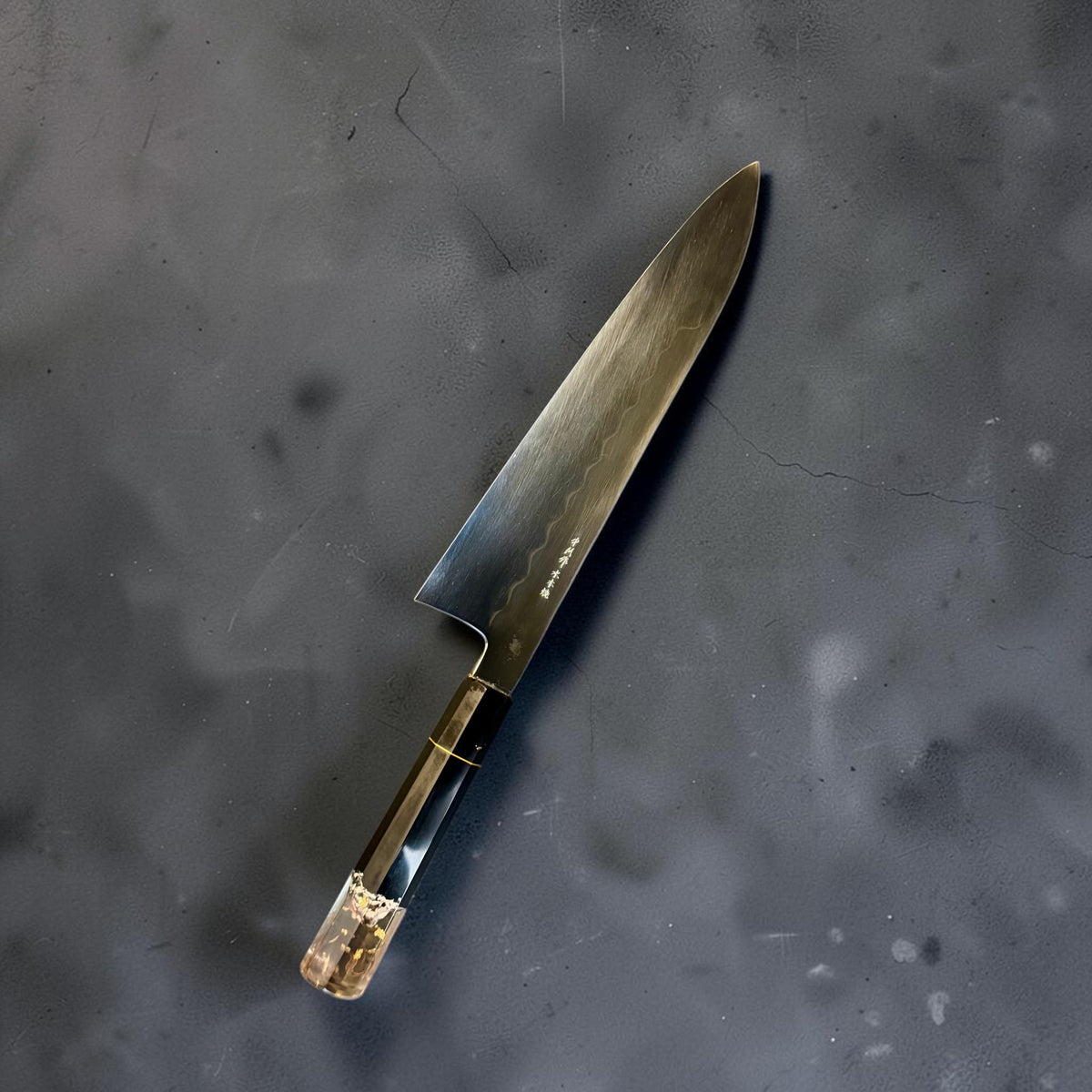
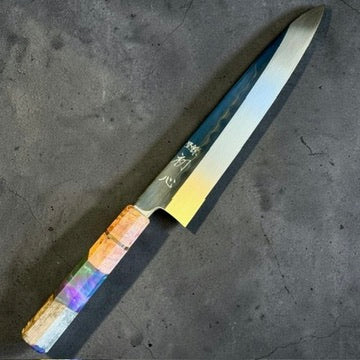
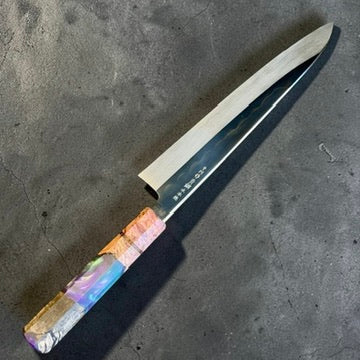
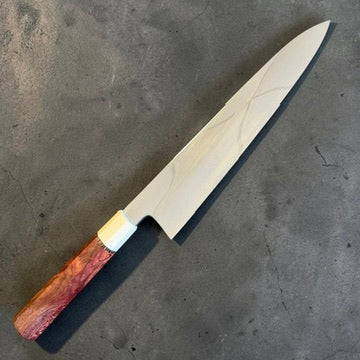
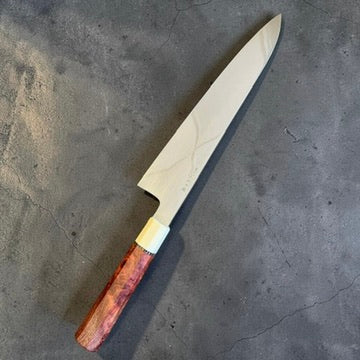
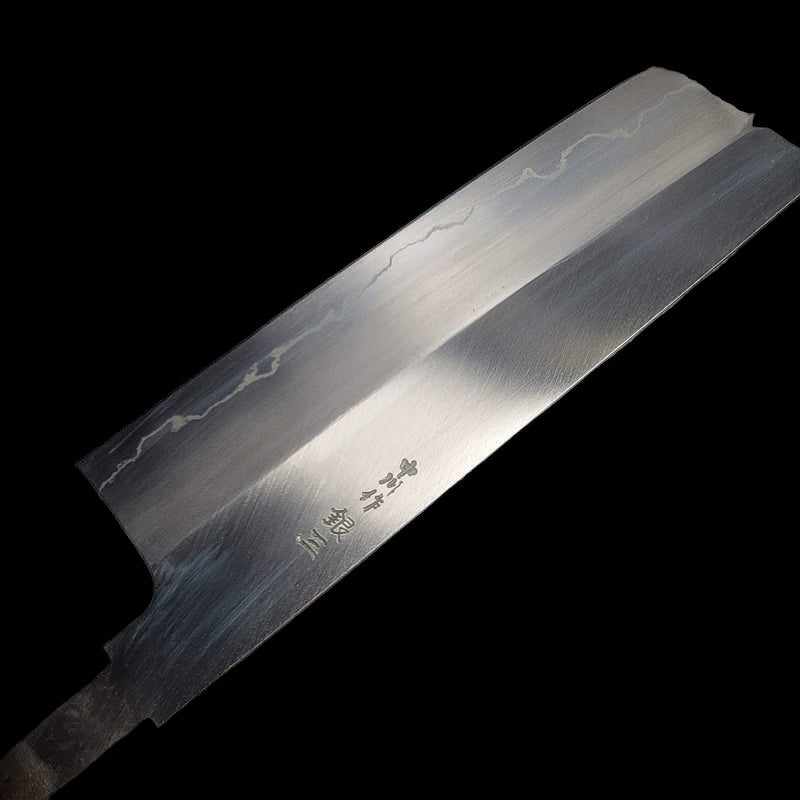
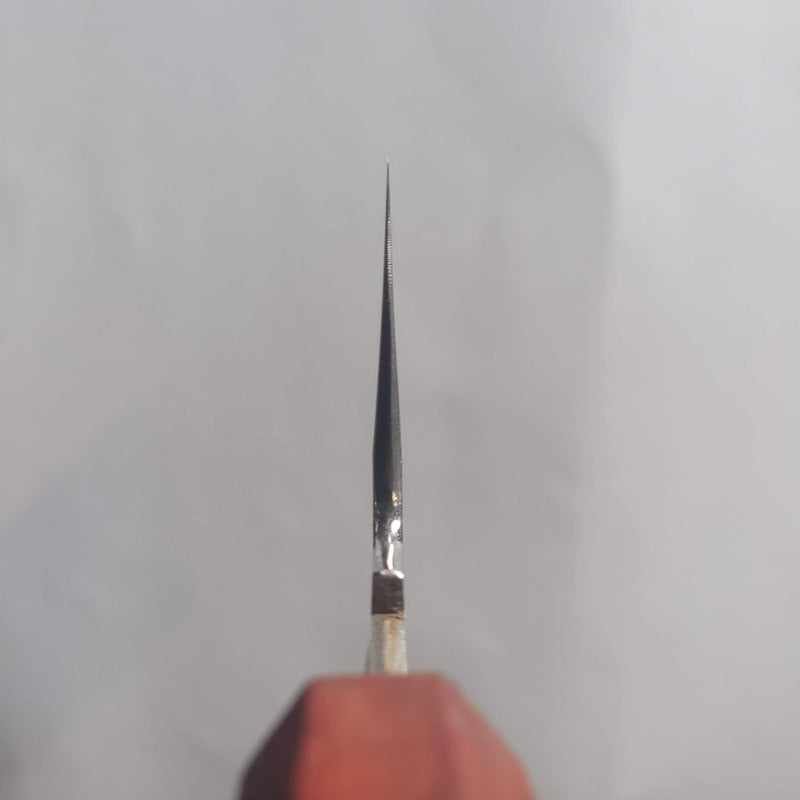
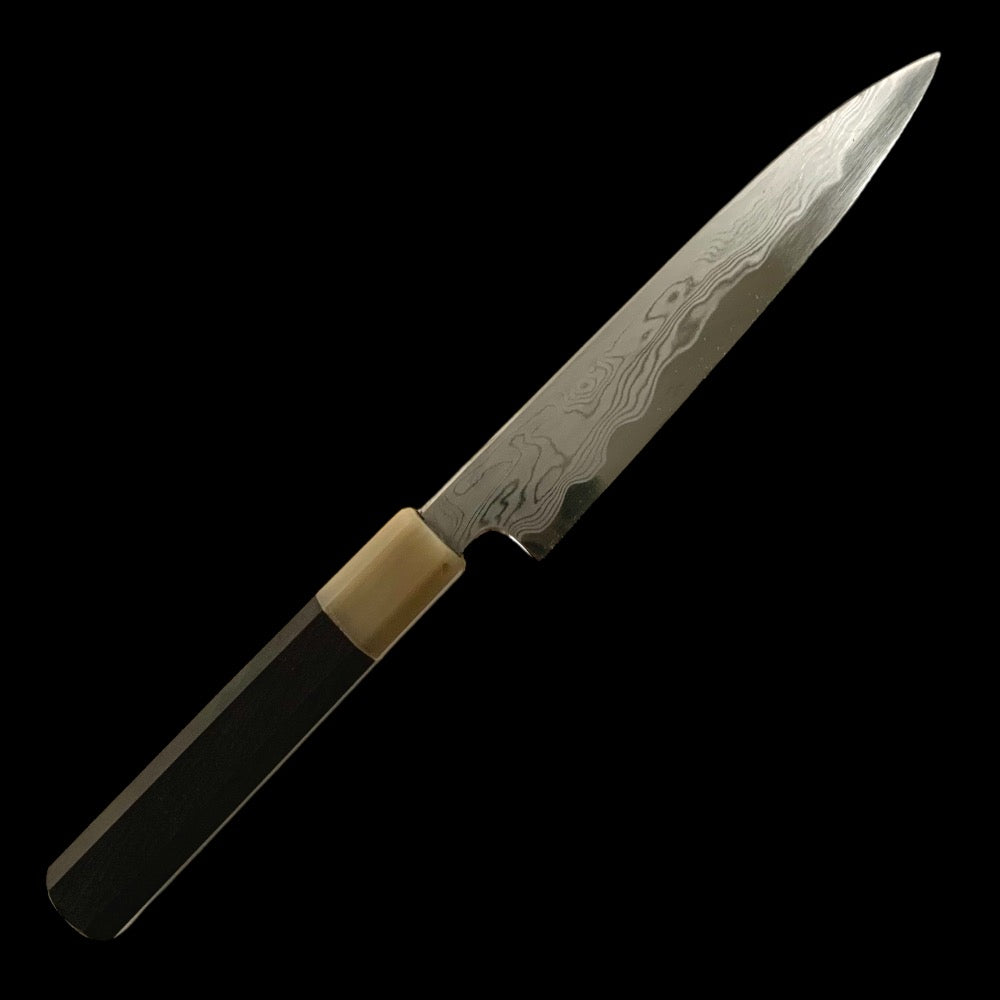
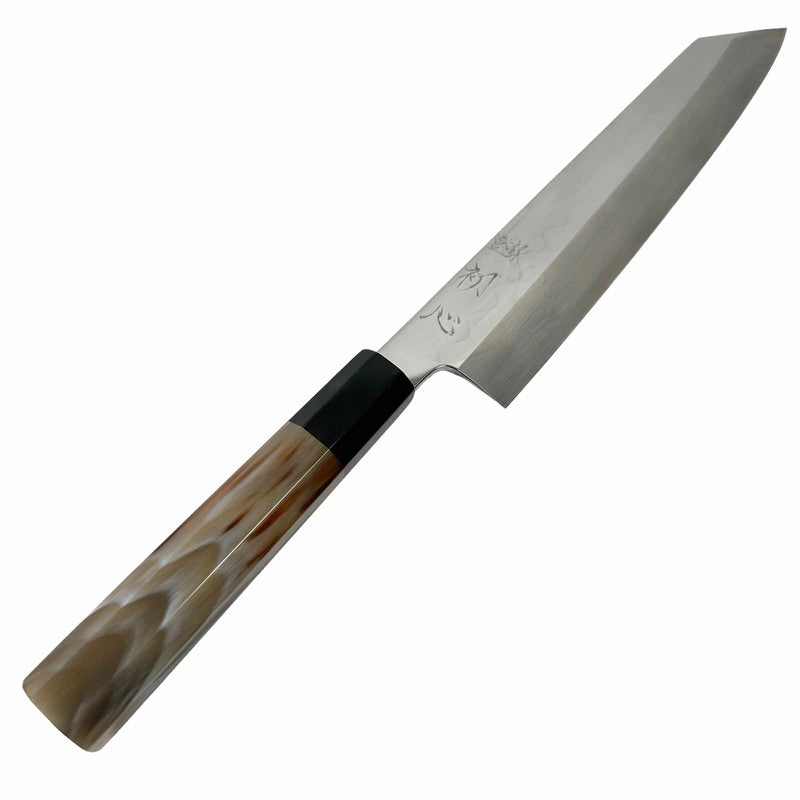
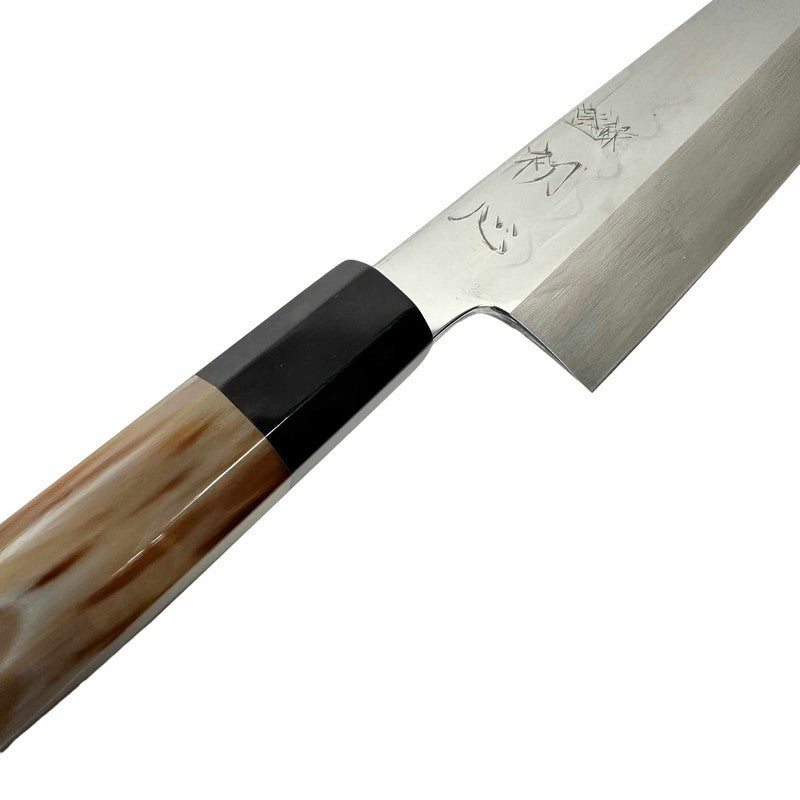
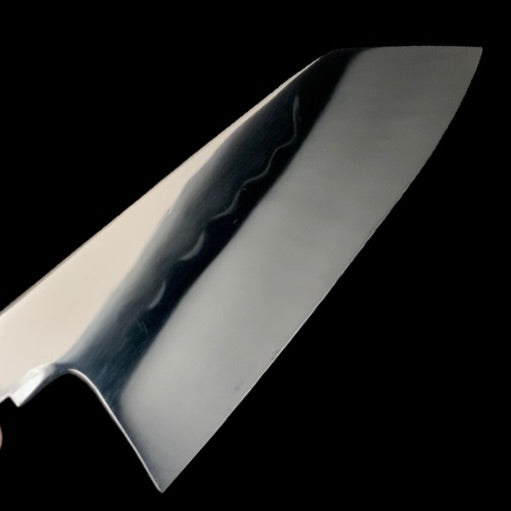
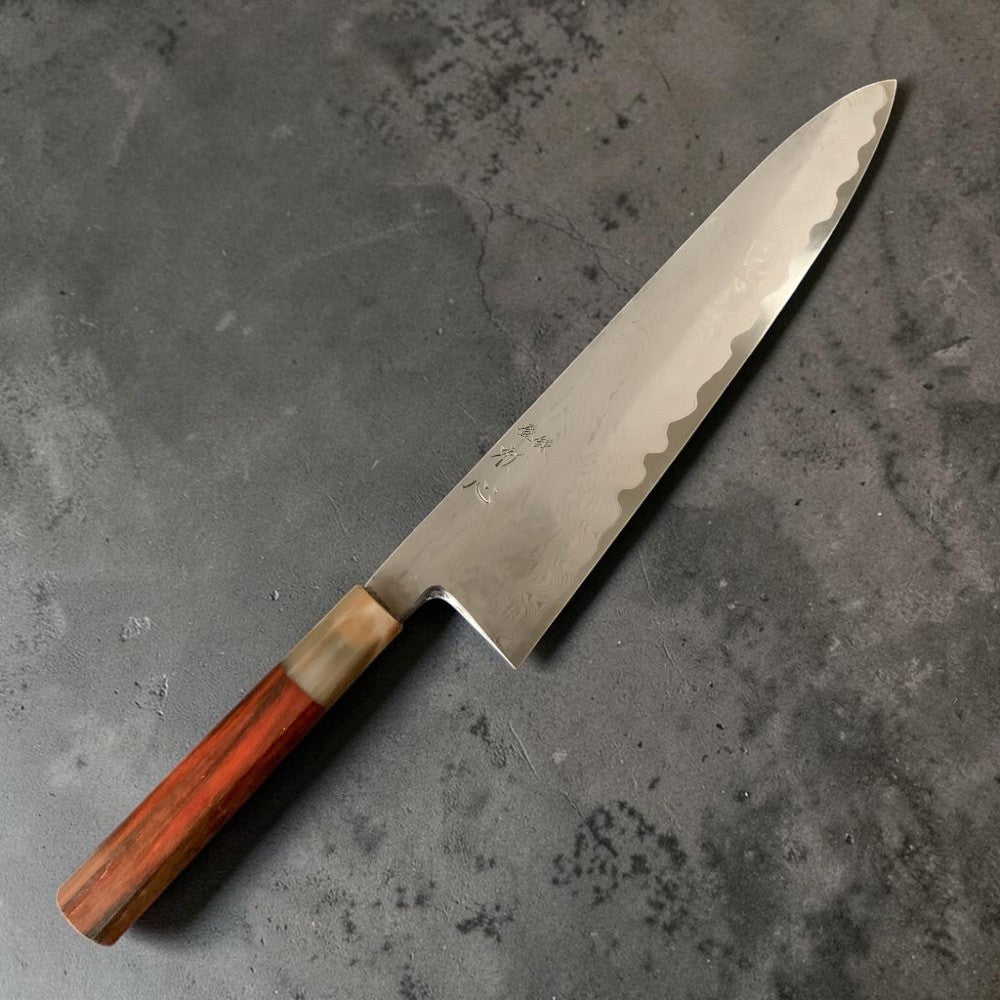
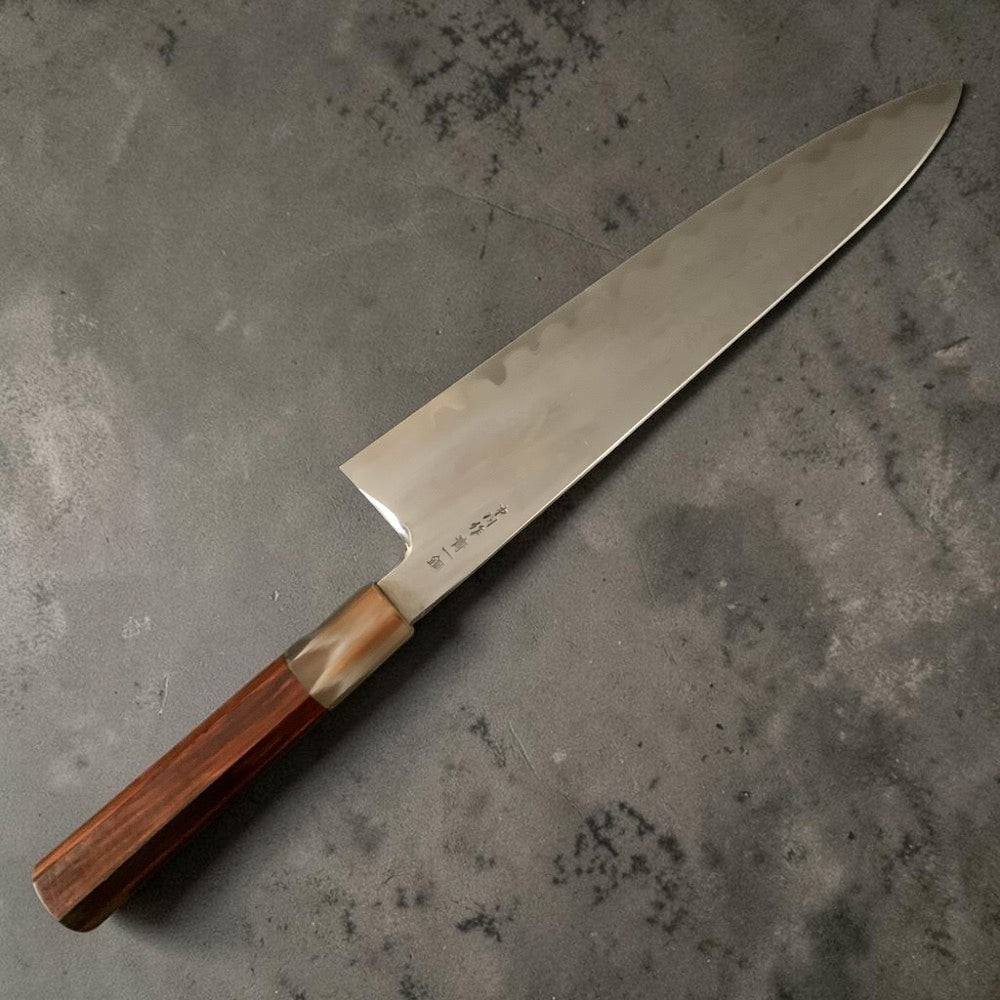
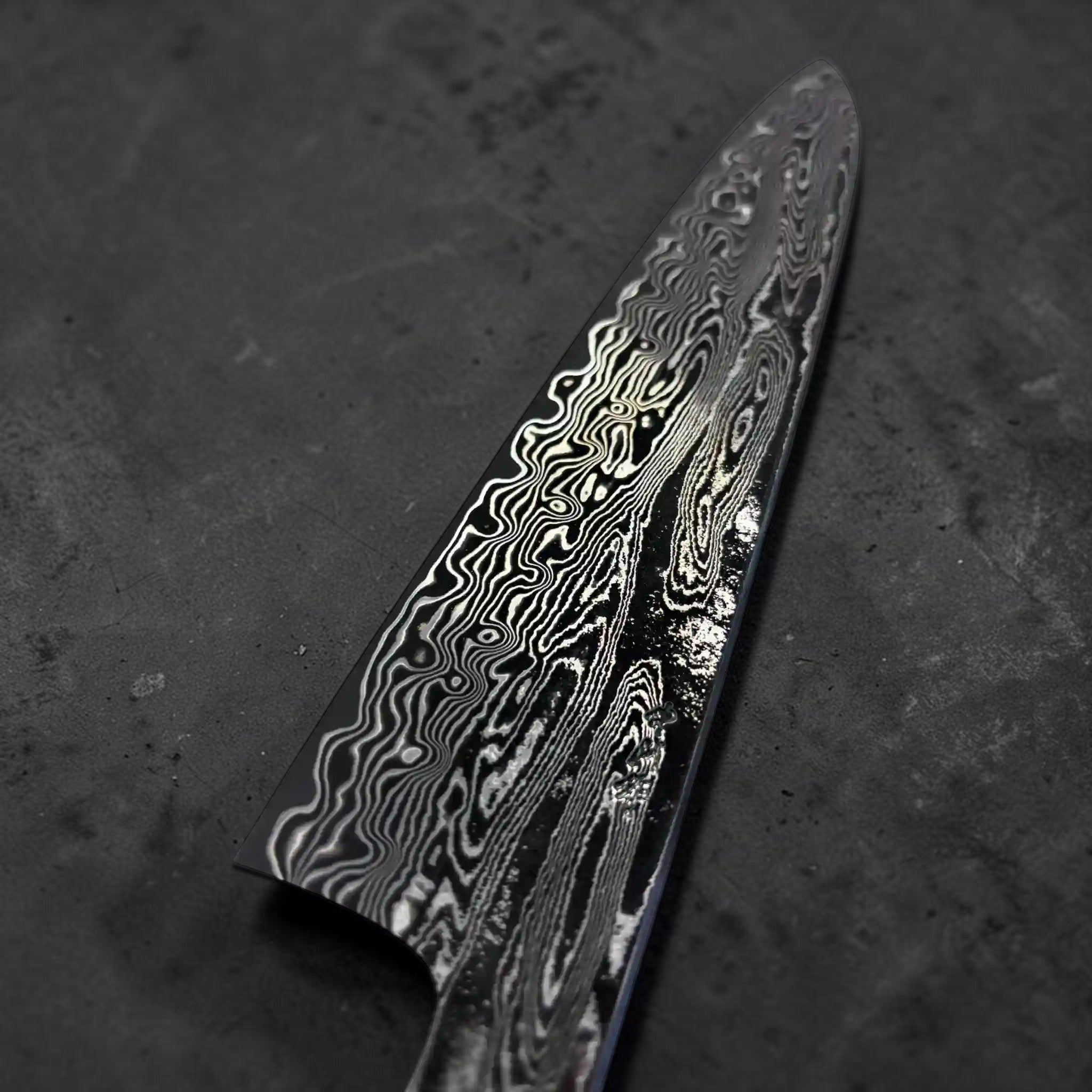
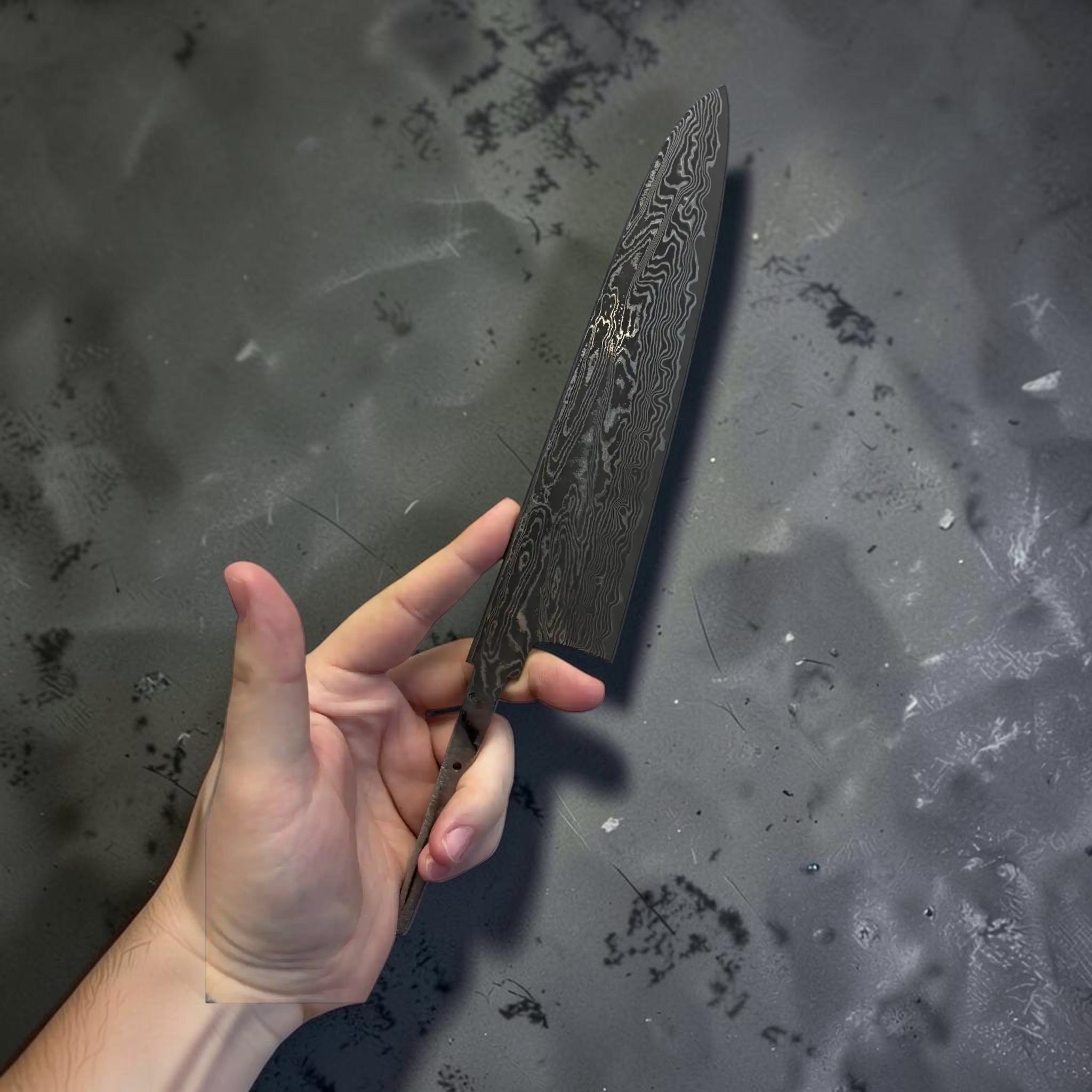
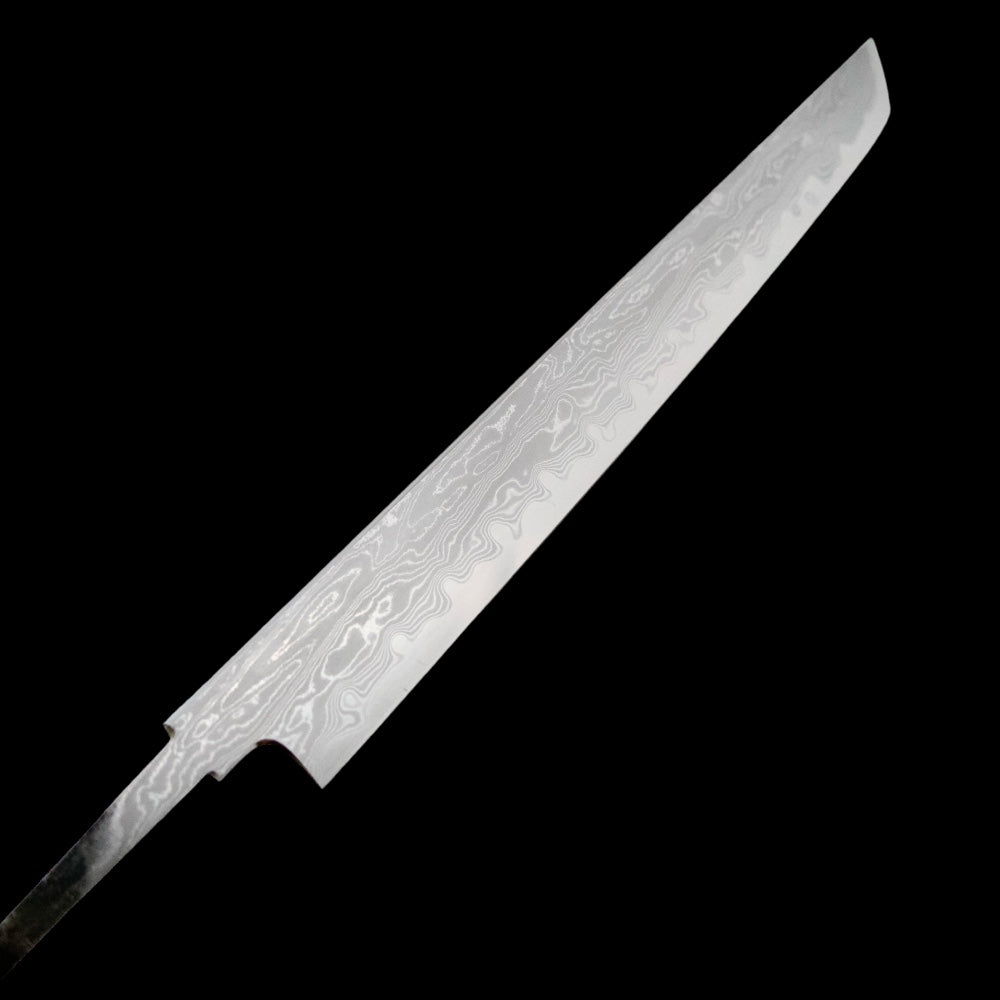
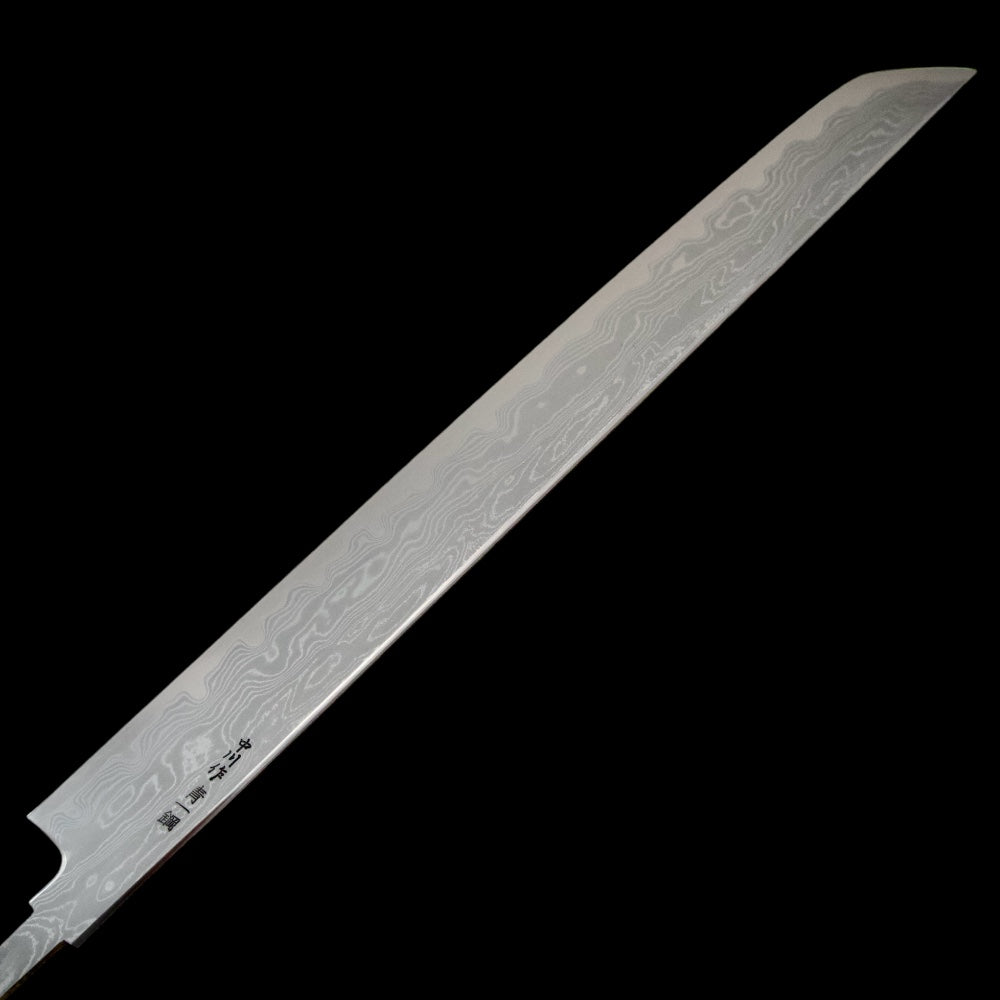
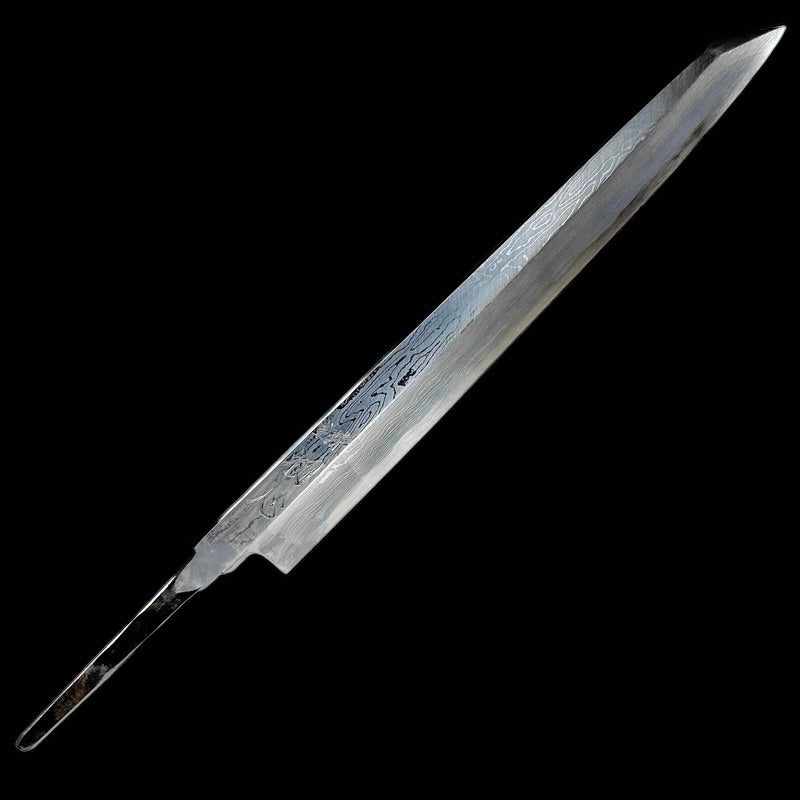
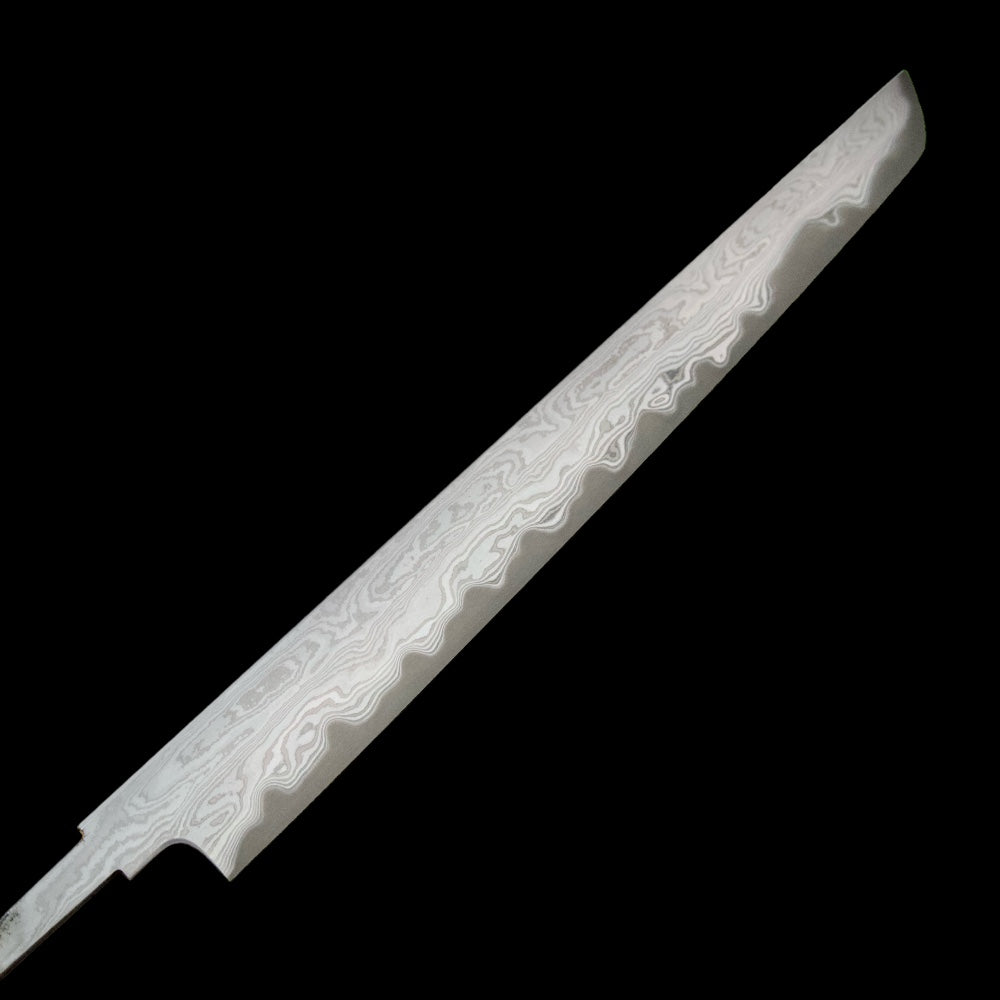
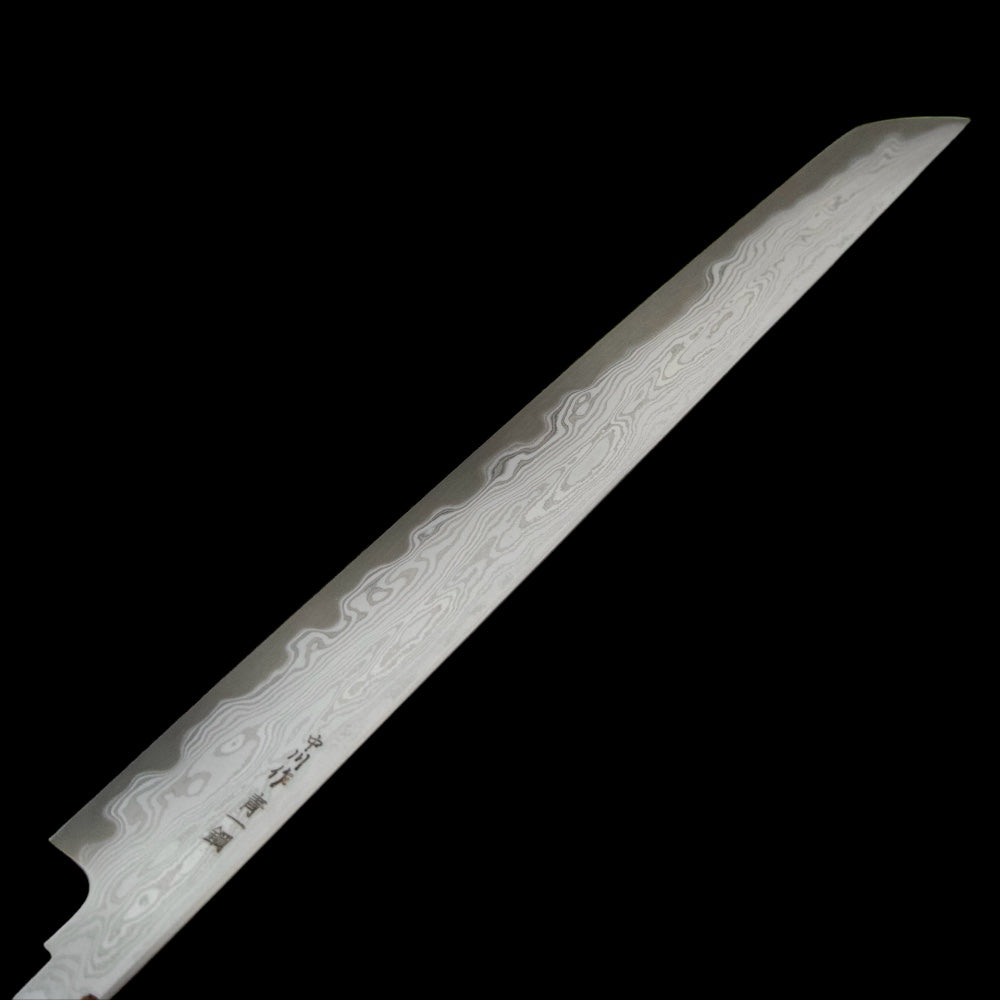
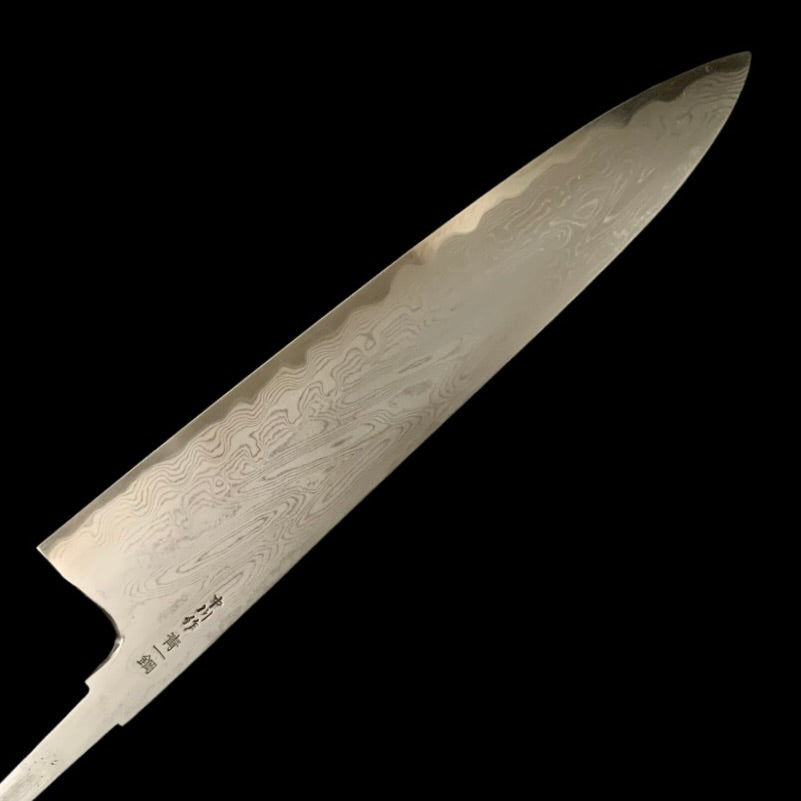
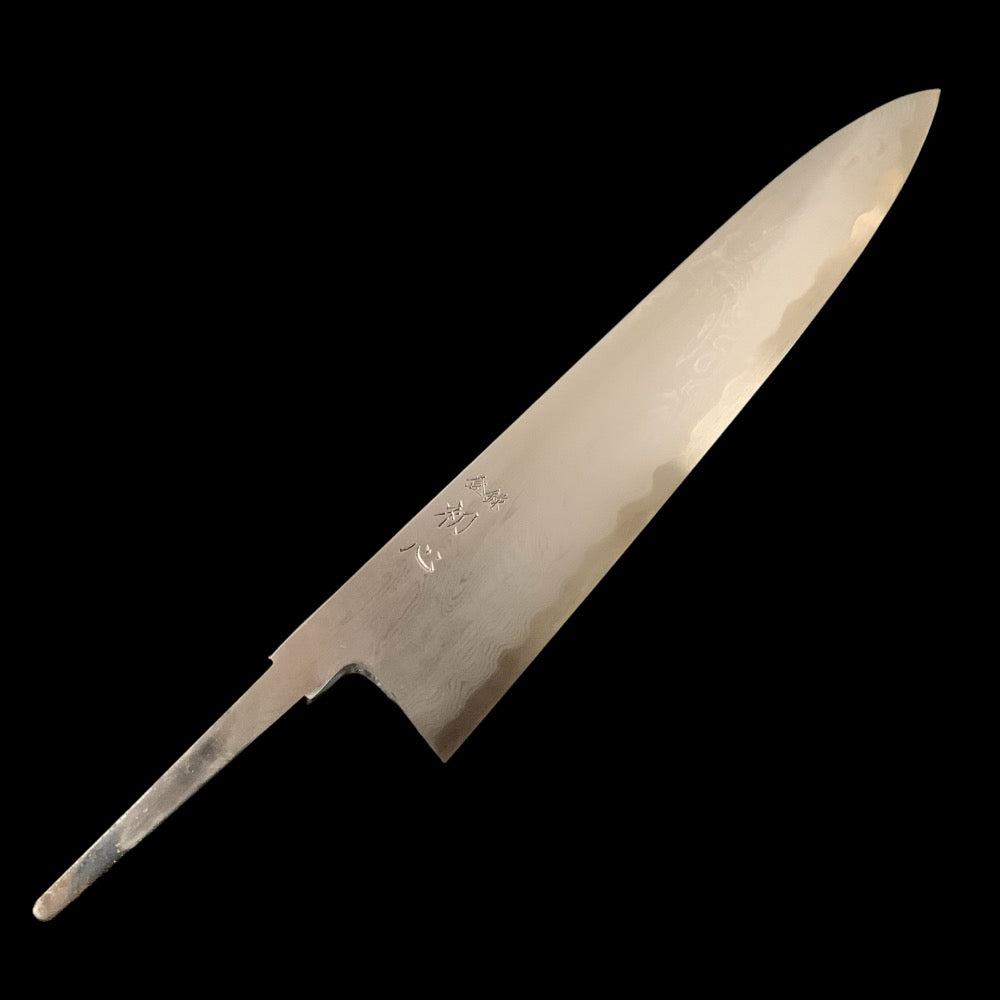
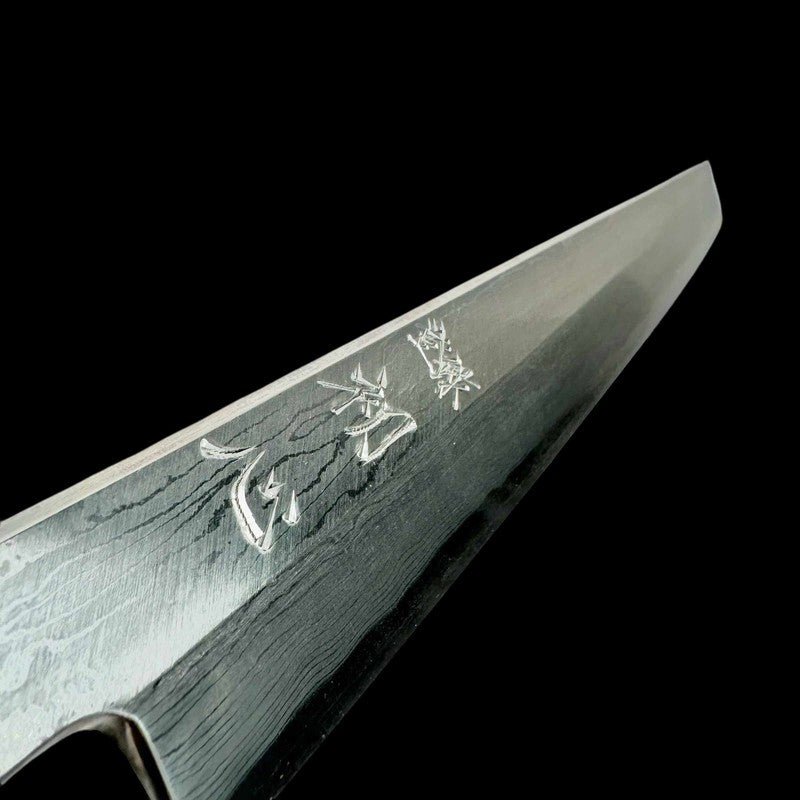
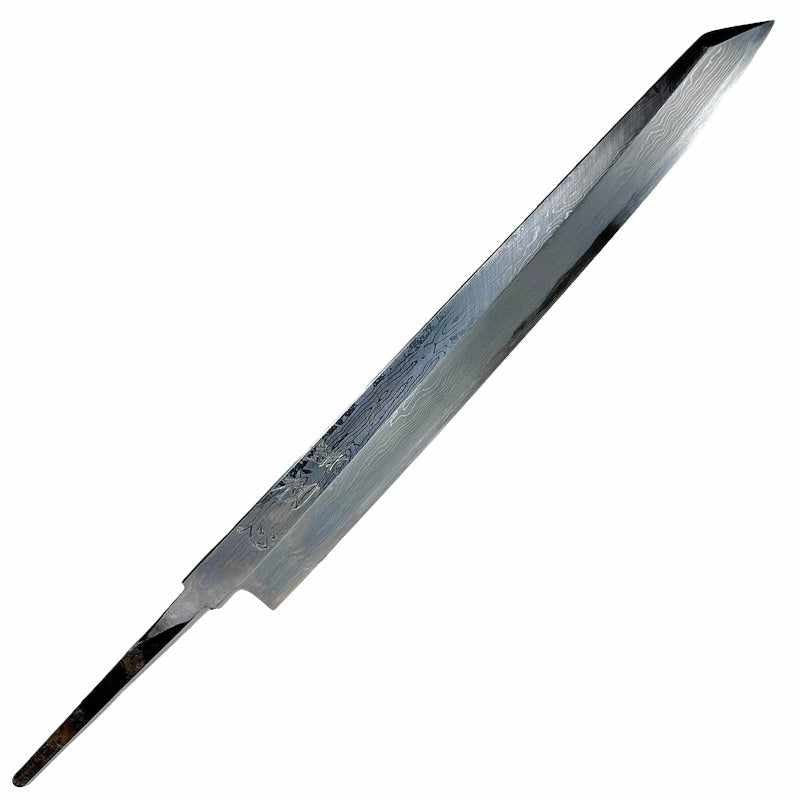
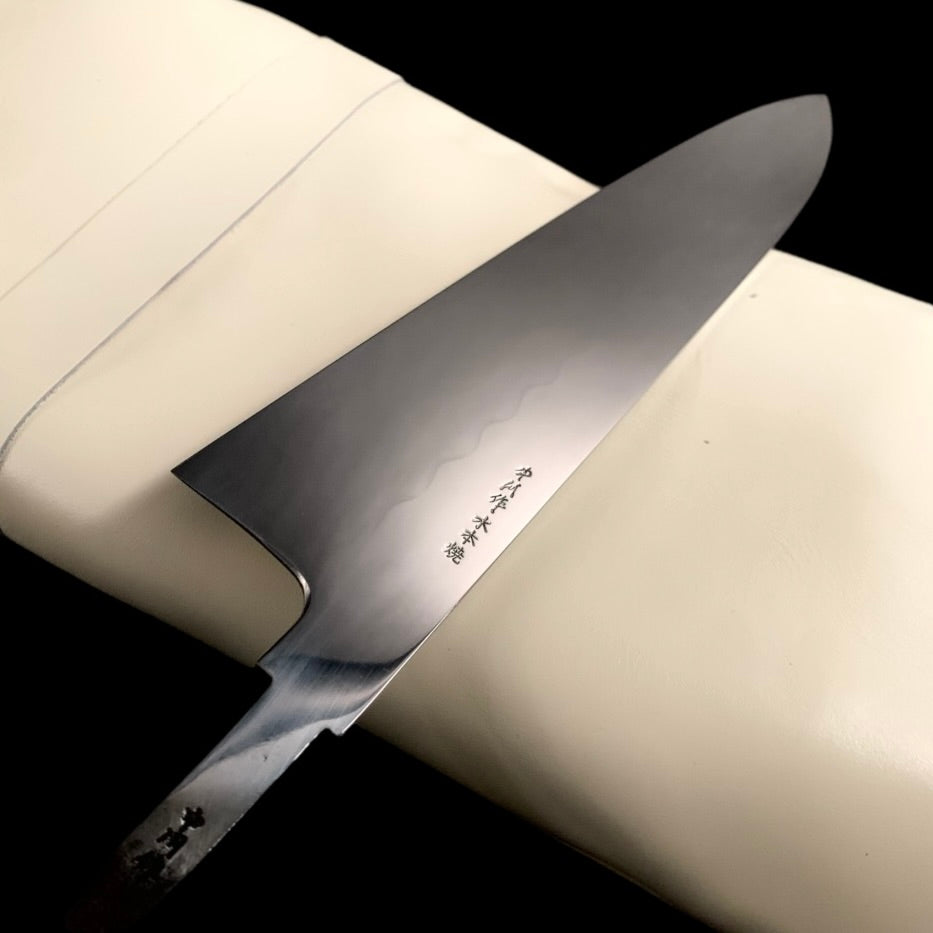
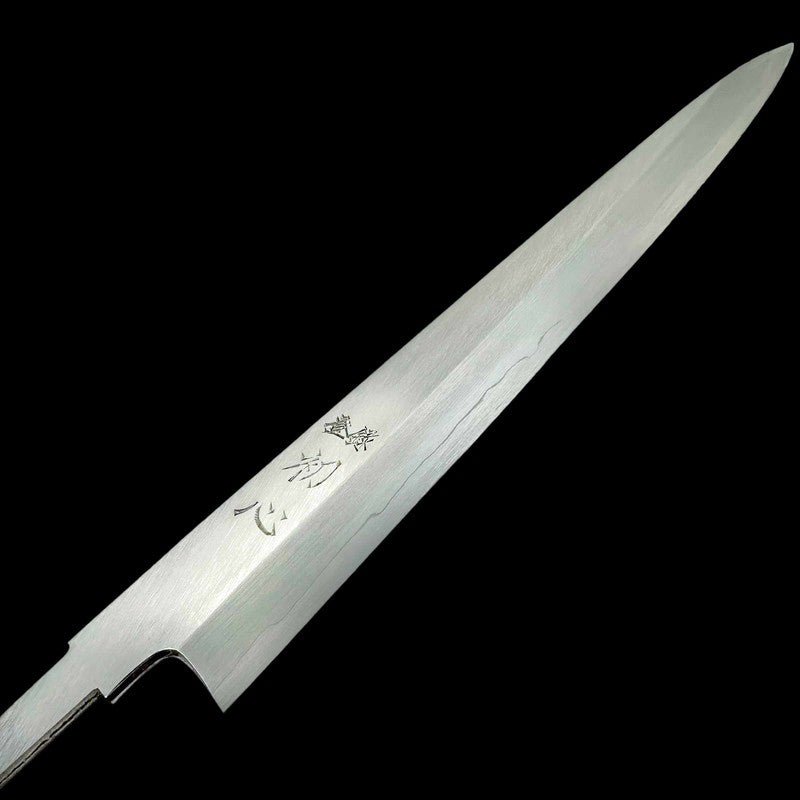
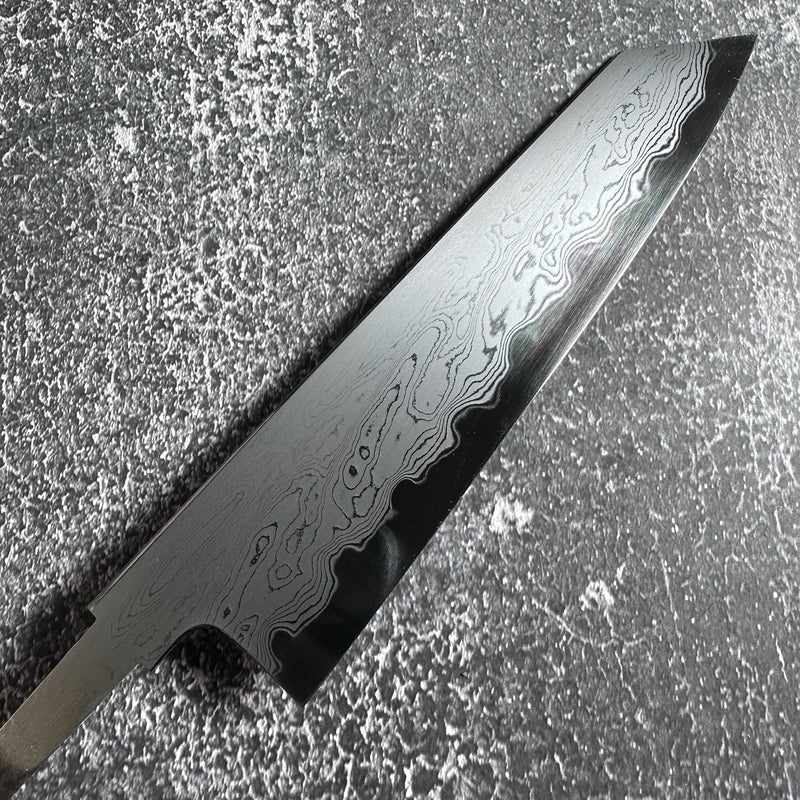
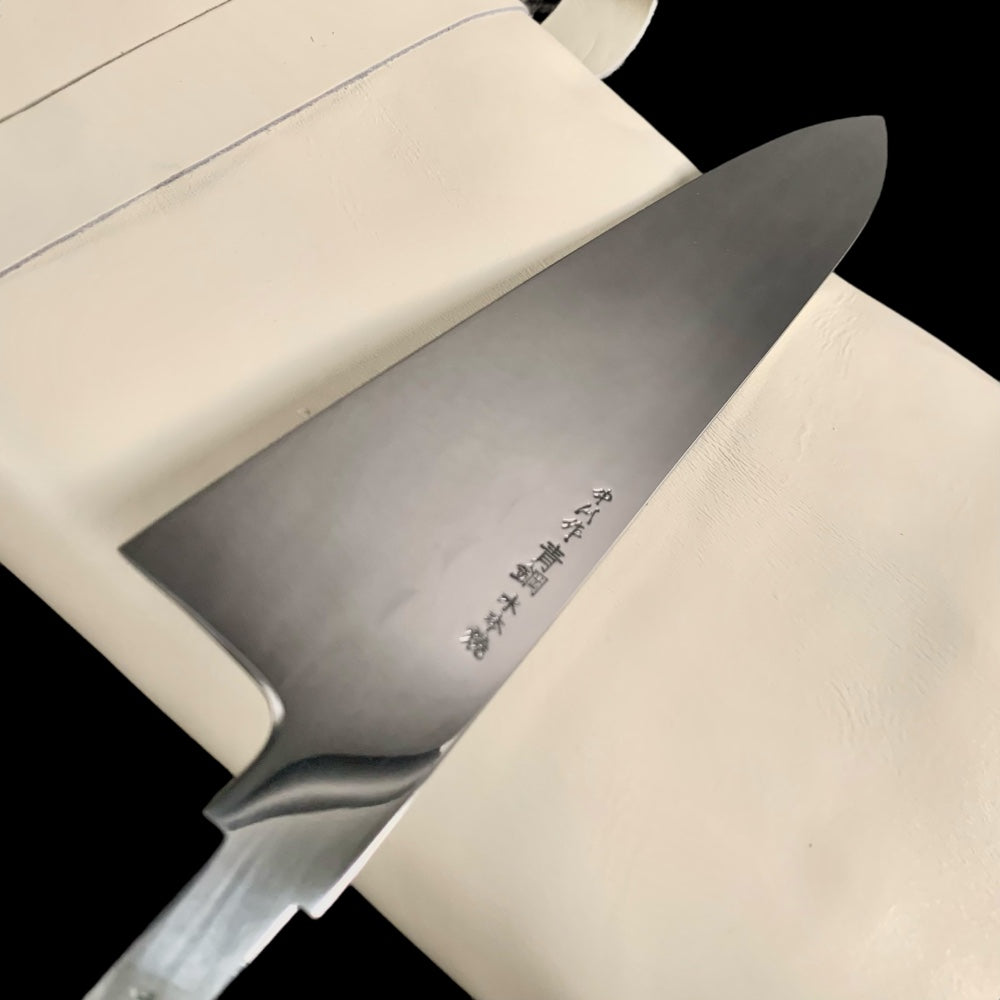
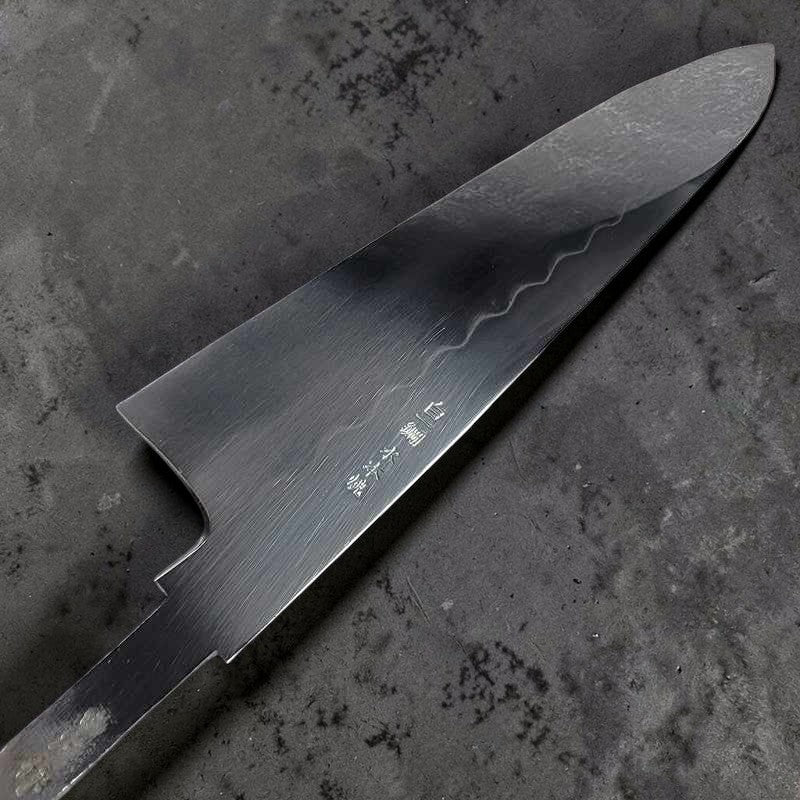
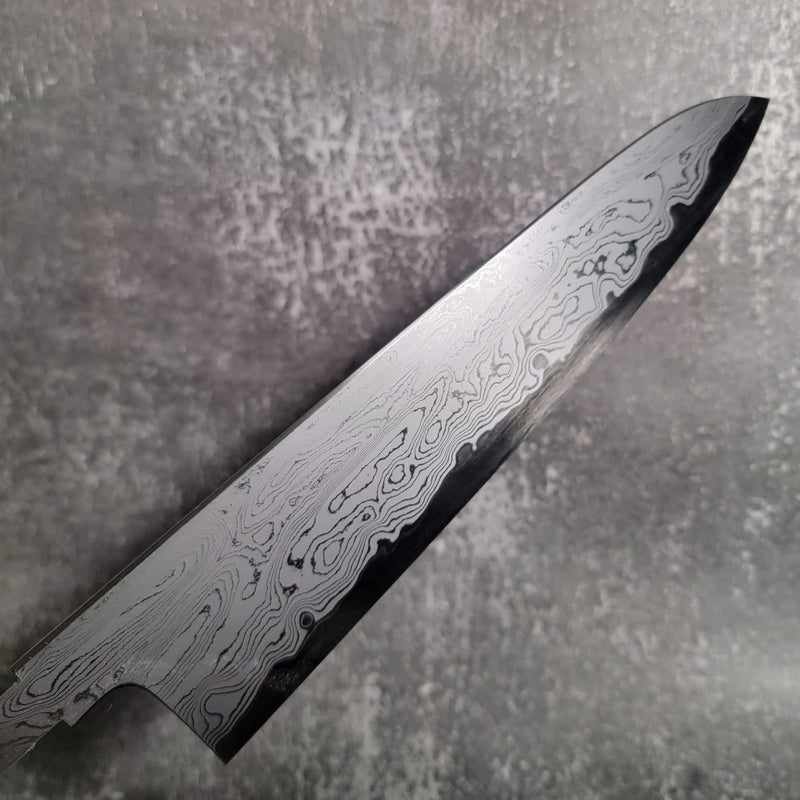
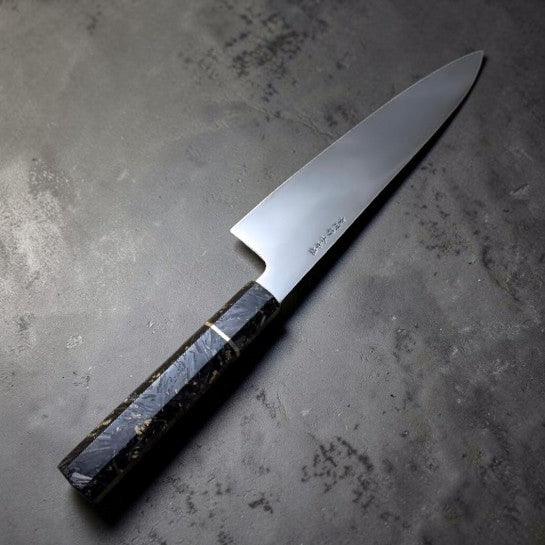
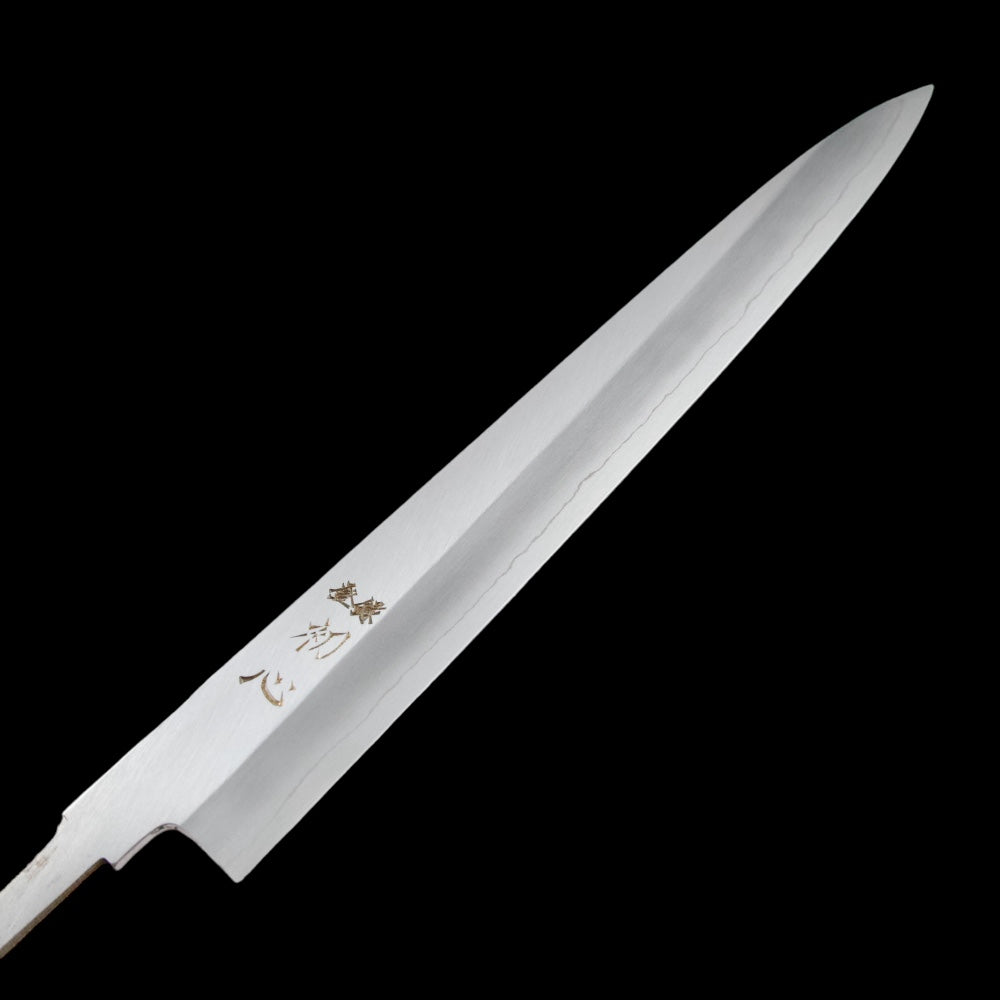
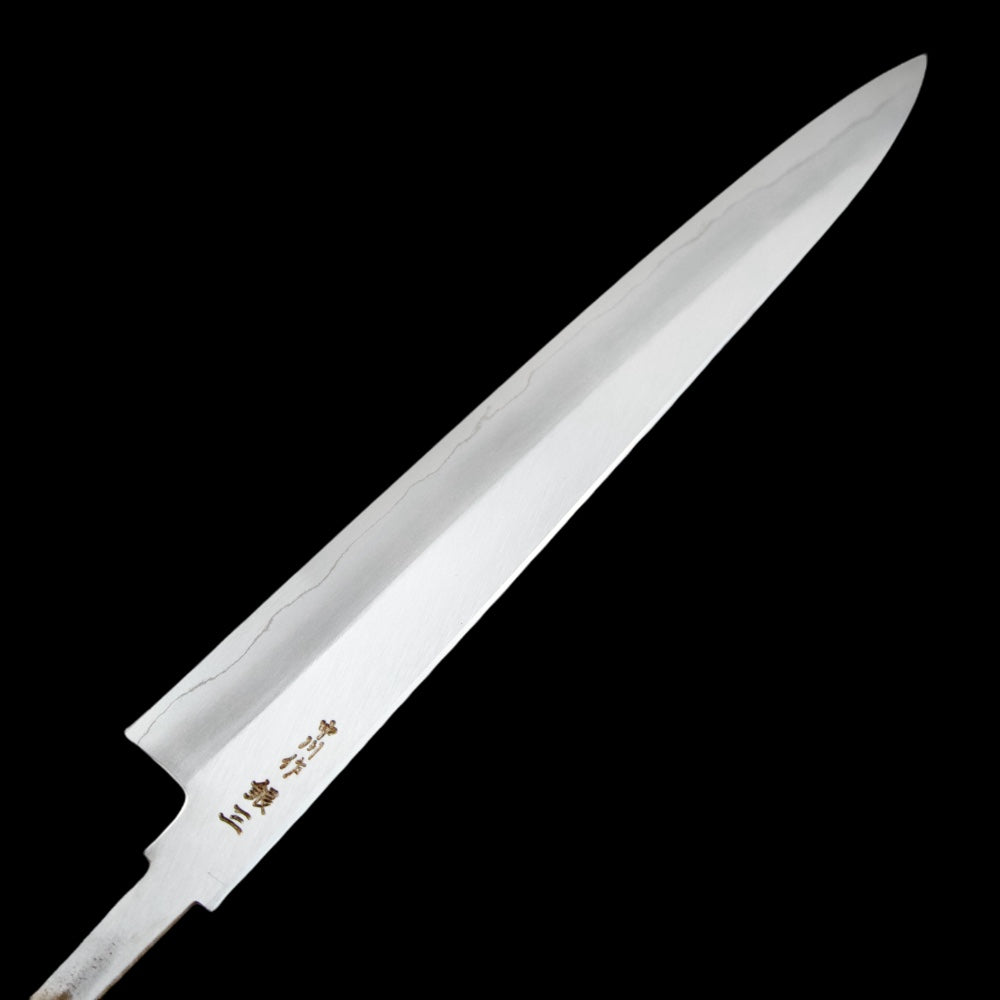
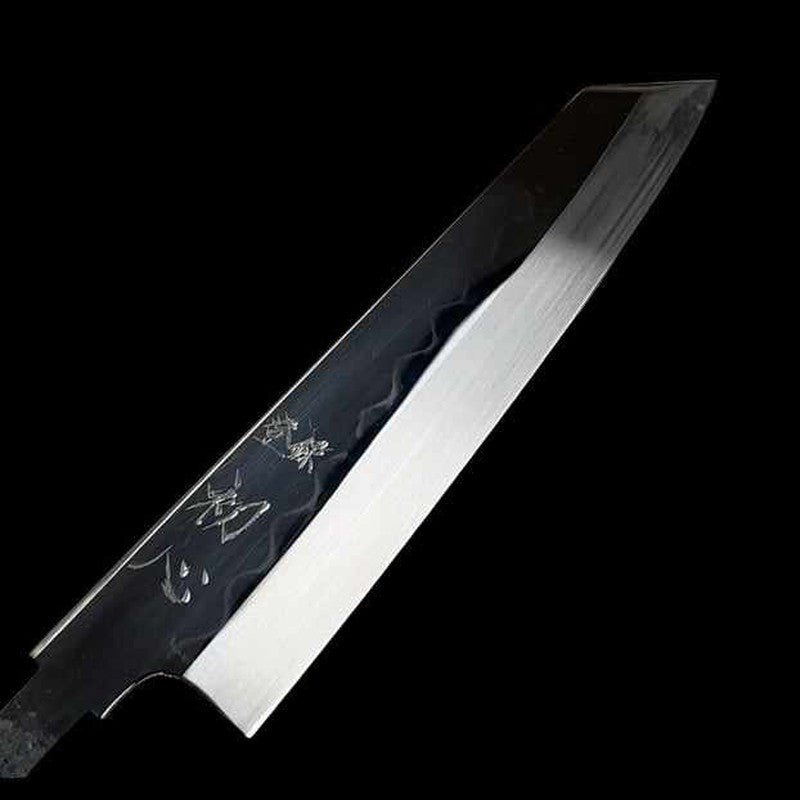
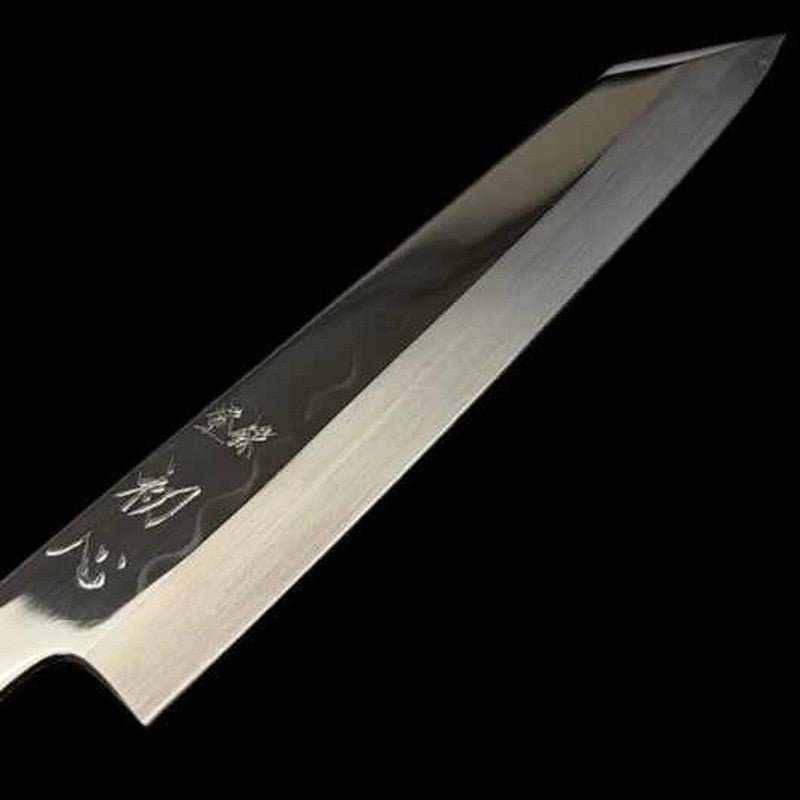
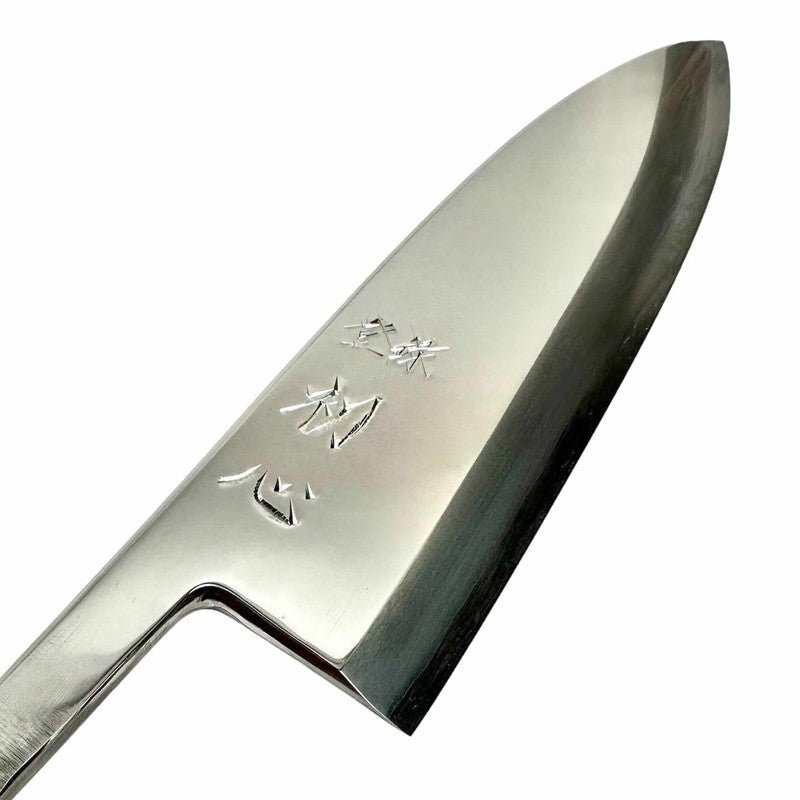
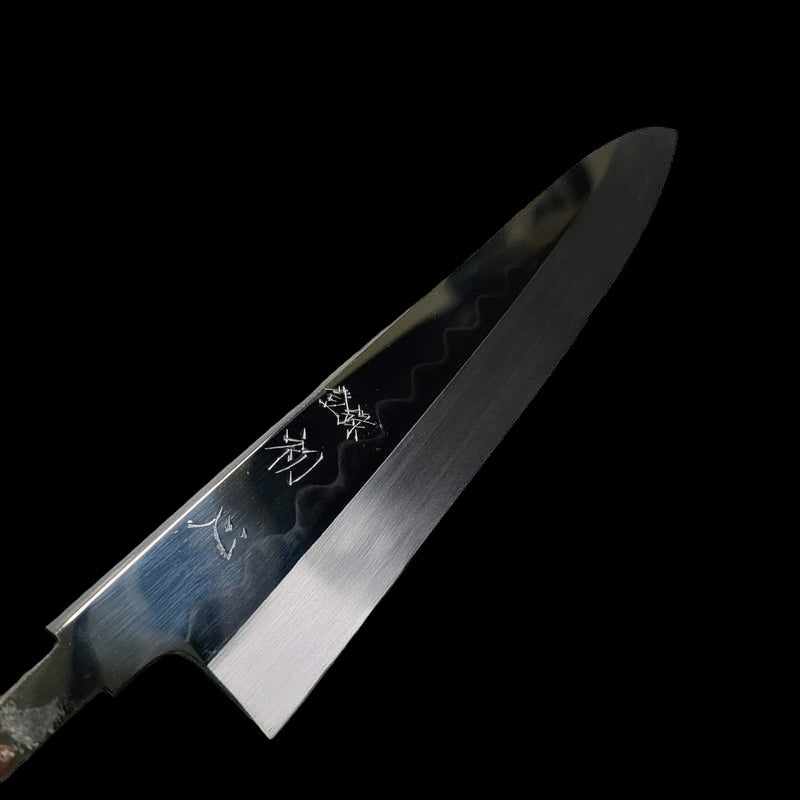
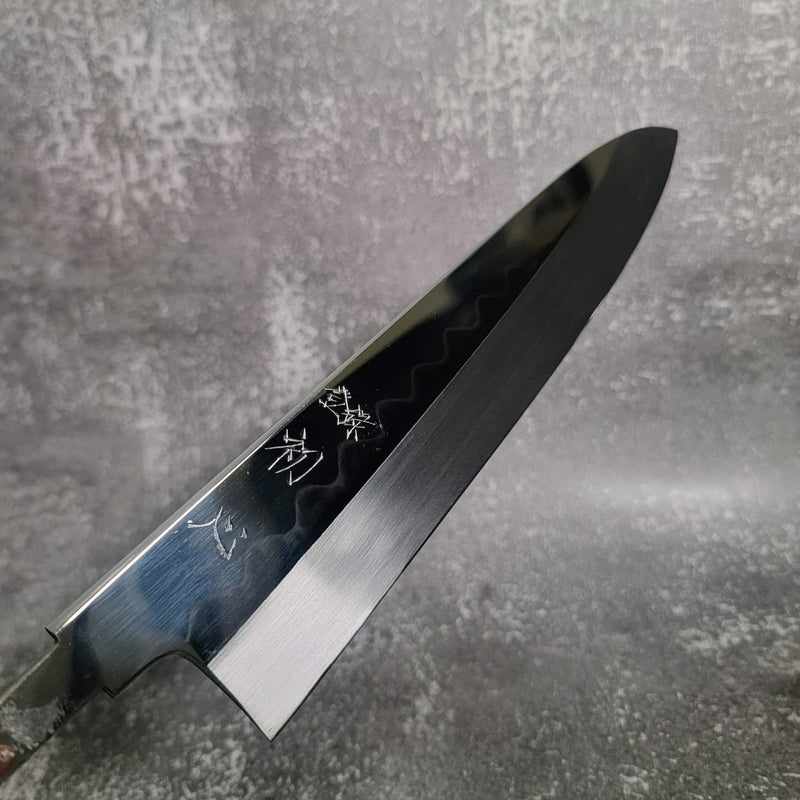
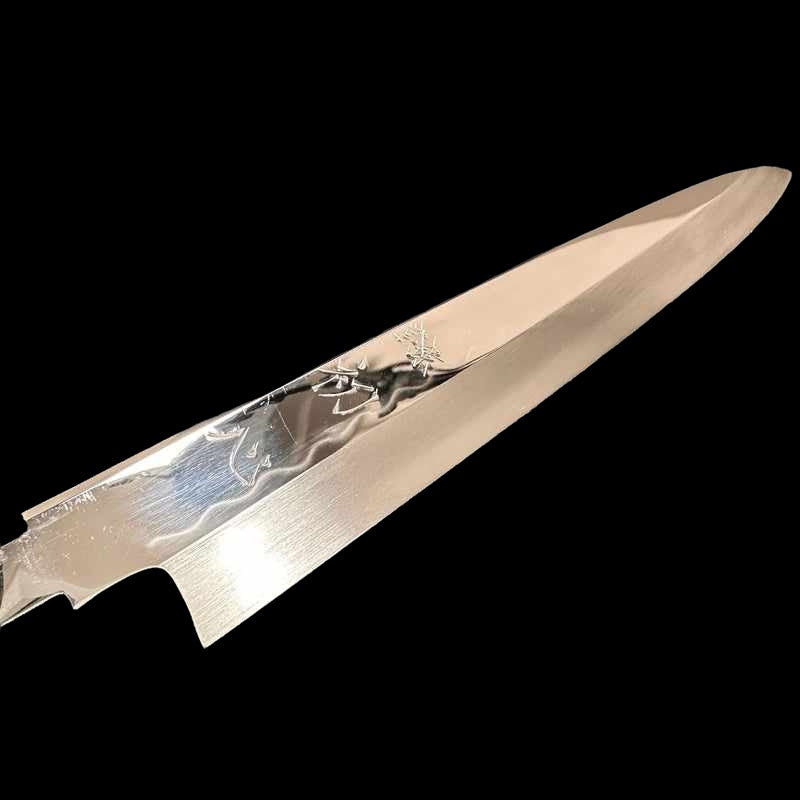
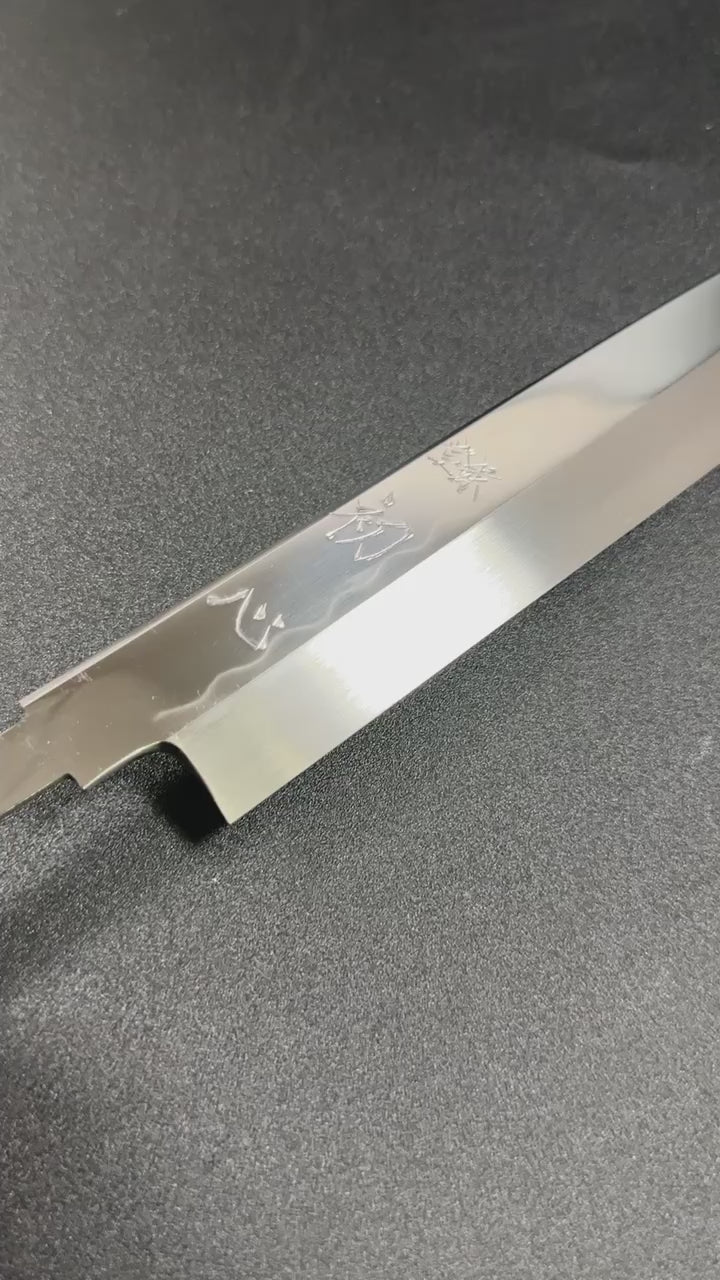
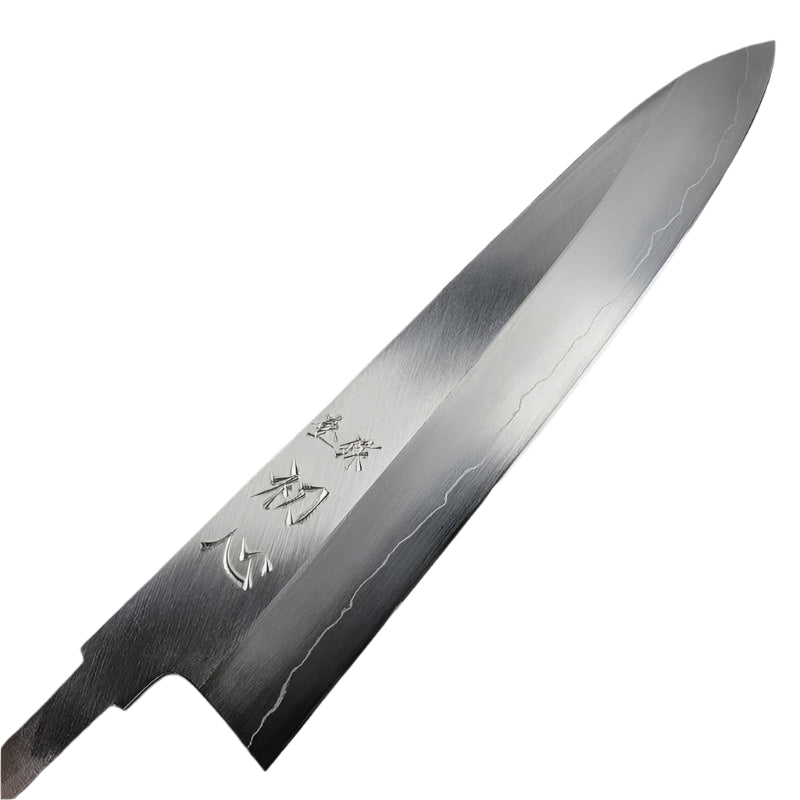
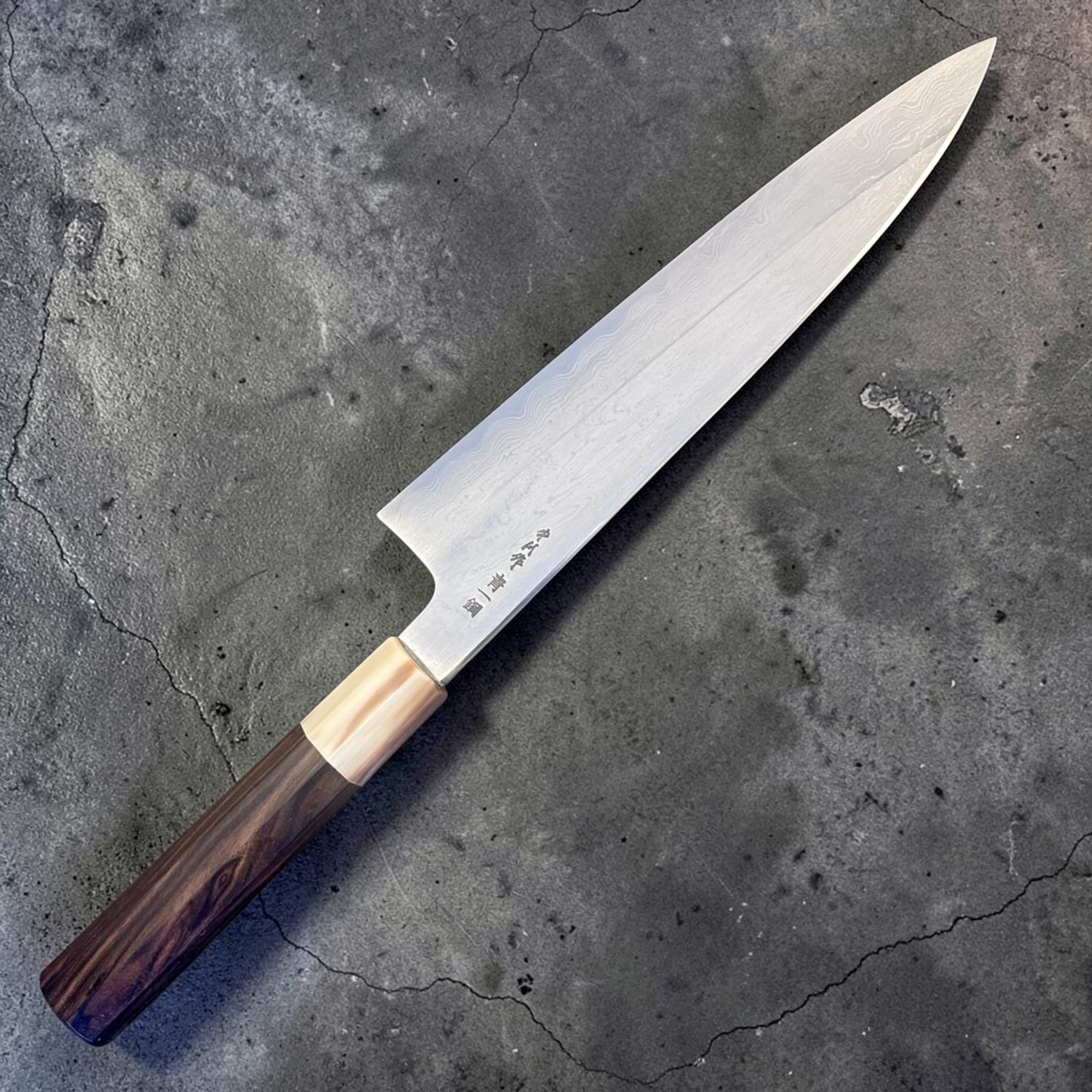
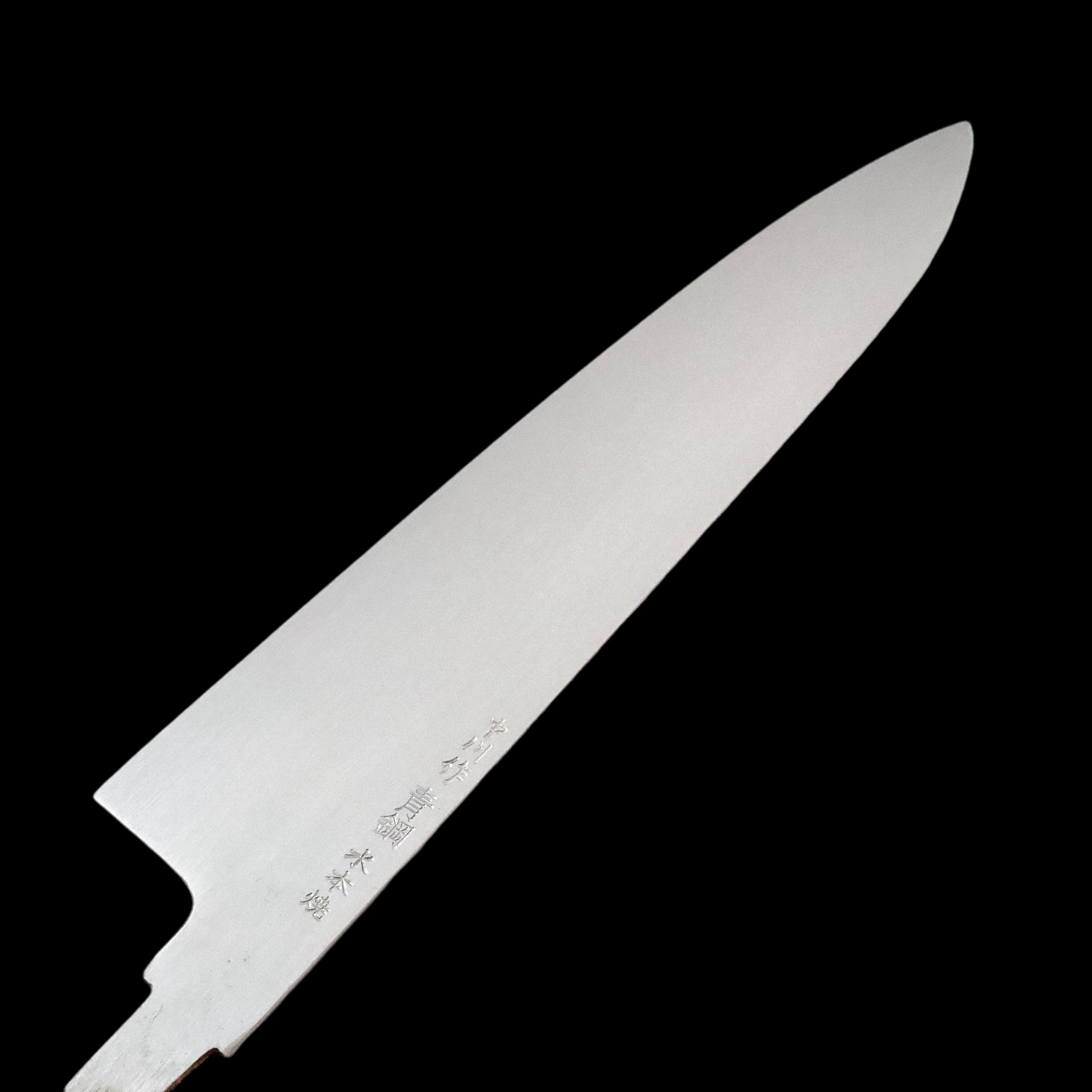
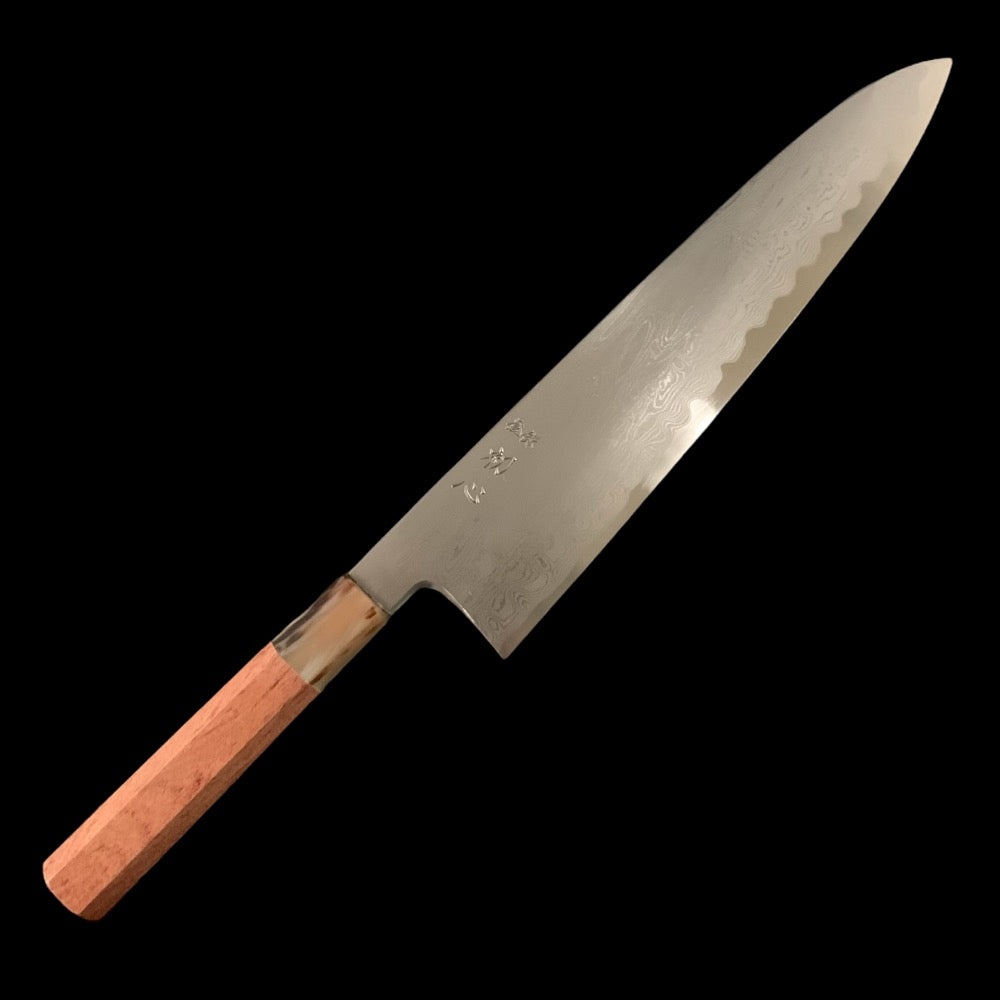
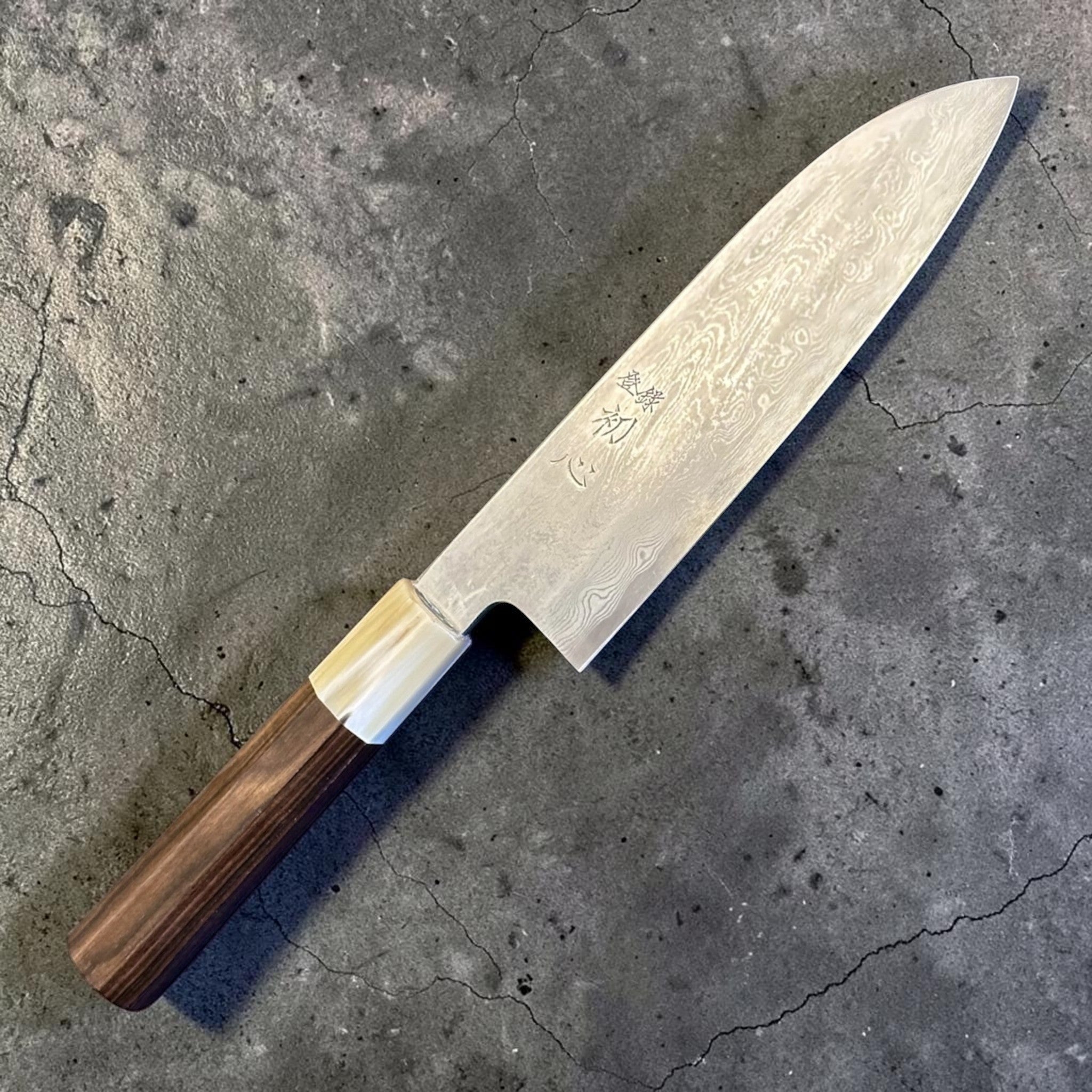
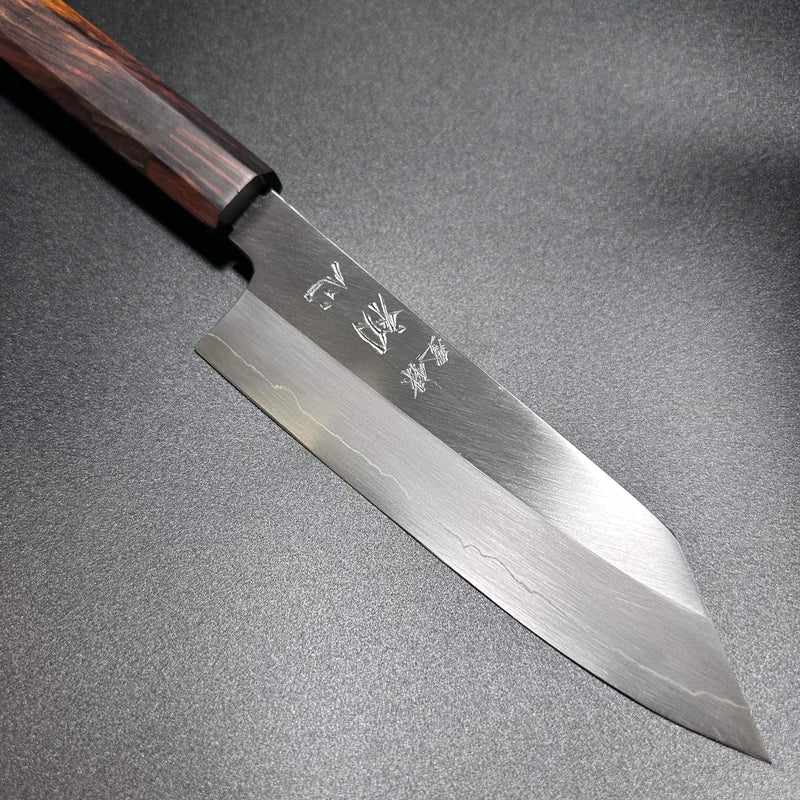
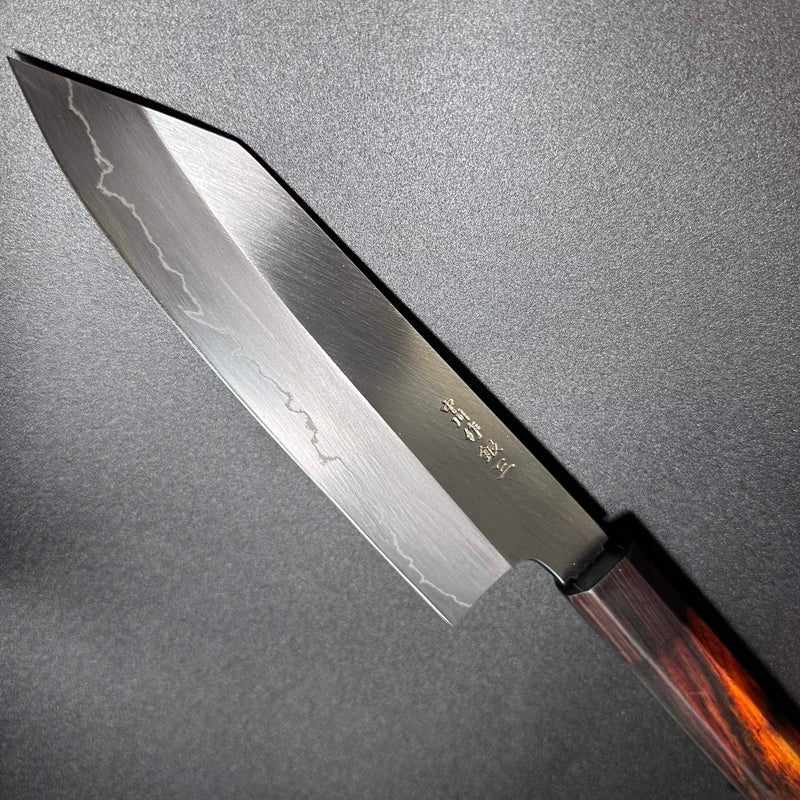
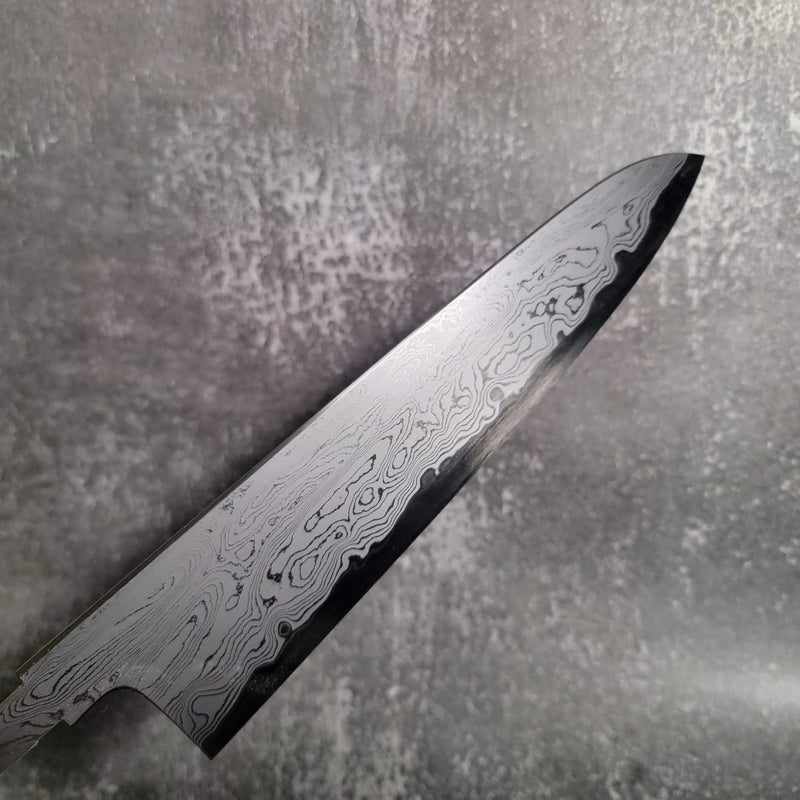
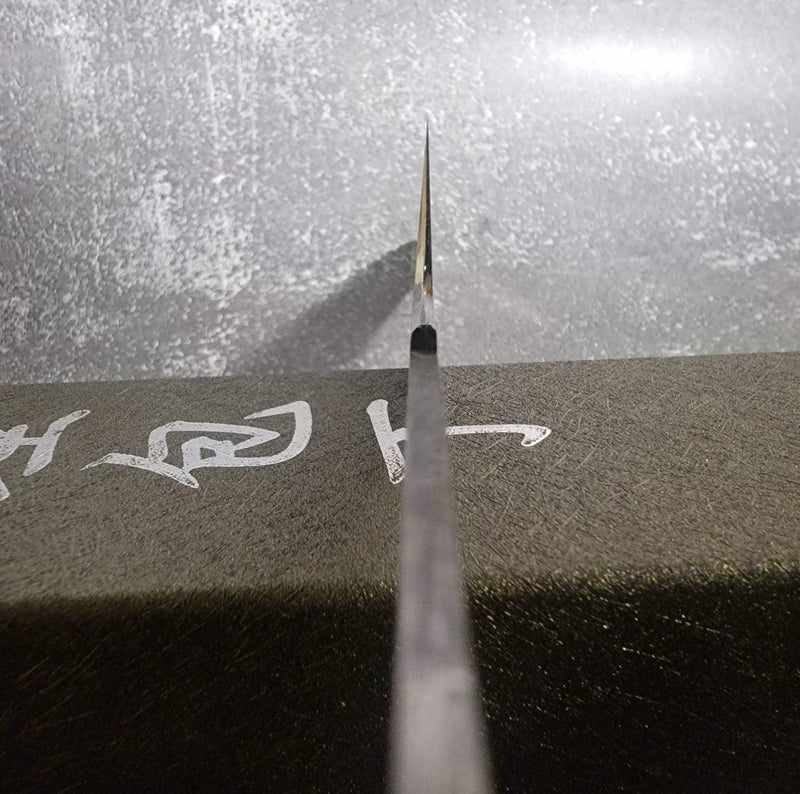
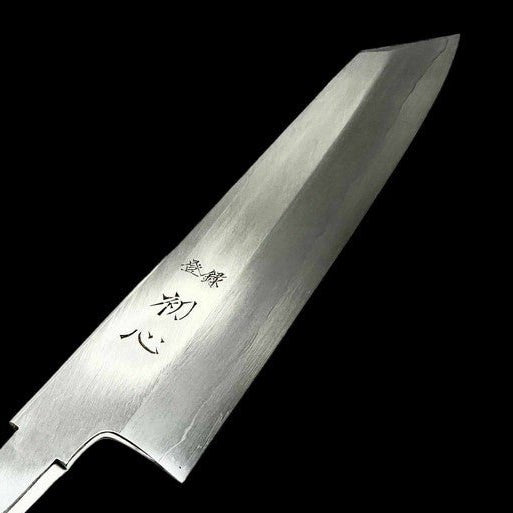
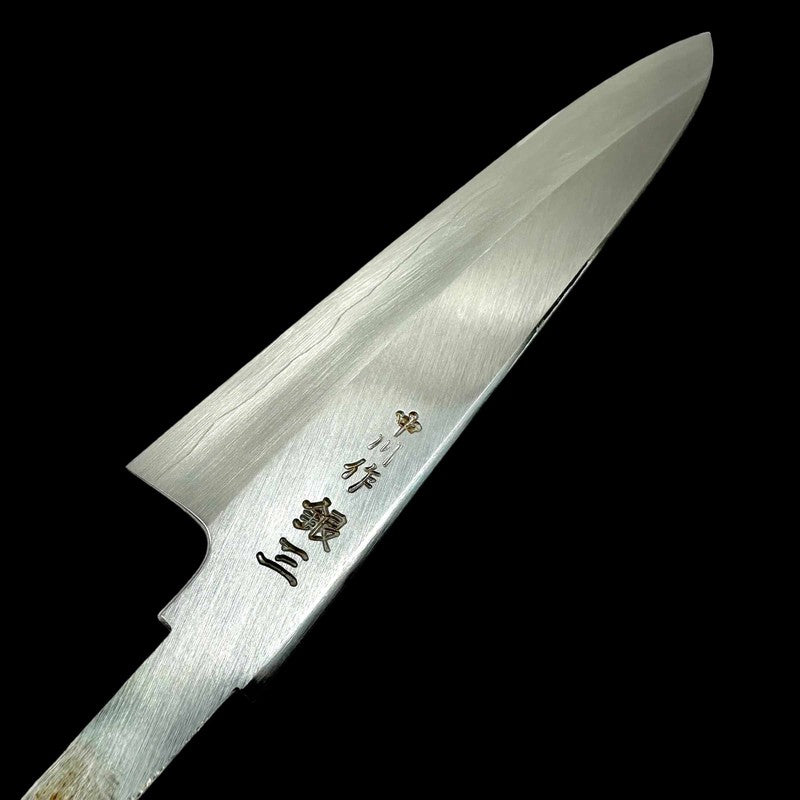
Explore Japanese kitchen knives hand-forged by Satoshi Nakagawa in Sakai, Japan. Nakagawa trained under legendary blacksmith Kenichi Shiraki and is respected for his precise forging, careful heat treatment, and ability to work with both stainless and high-carbon steels. This collection includes everyday chef knives, specialized traditional blades, rare Honyaki pieces, custom-handled knives, and blades sold without handles for a personalized build.
Why Choose a Satoshi Nakagawa Knife?
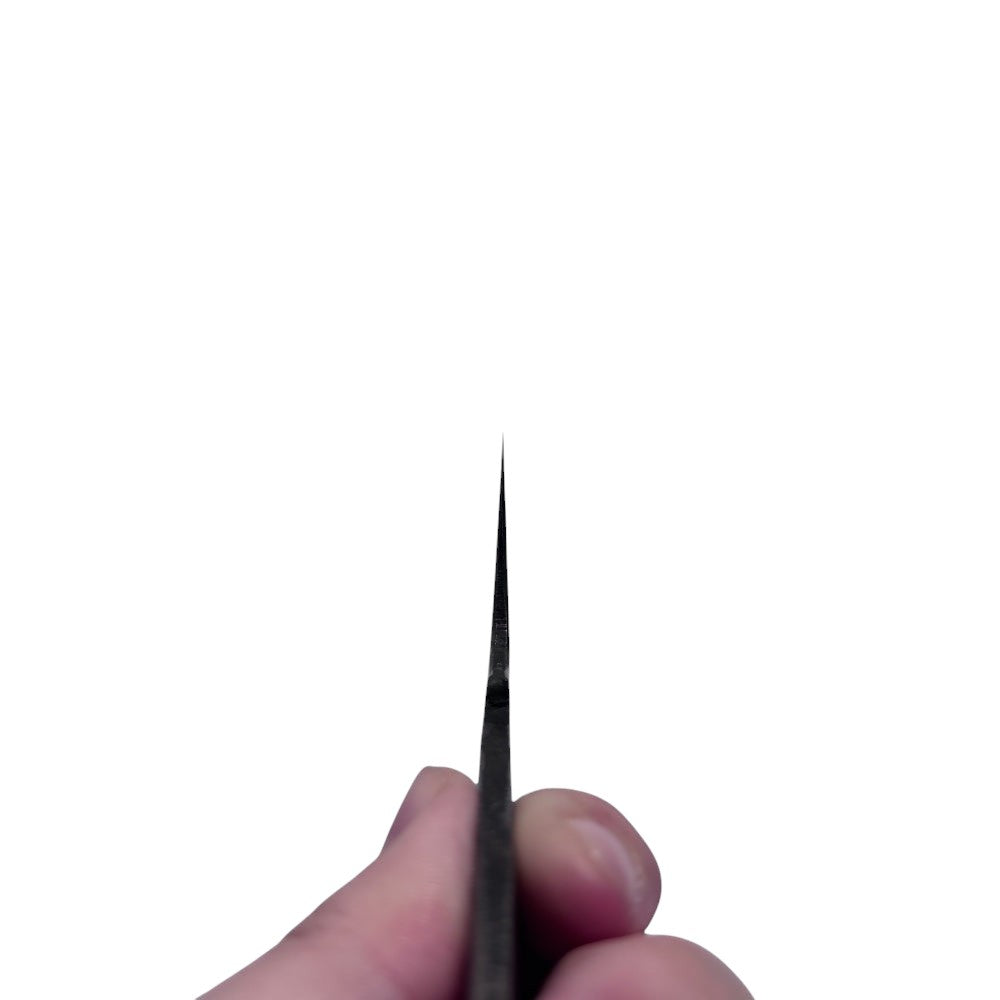
Satoshi Nakagawa knives combine traditional Sakai craftsmanship with a wide range of steels, finishes, blade shapes, and sharpeners. The exact cutting feel varies by series, but each knife begins with Nakagawa’s forging and heat treatment. Review the specifications on each product page to compare the sharpener, steel, blade dimensions, weight, and handle configuration.
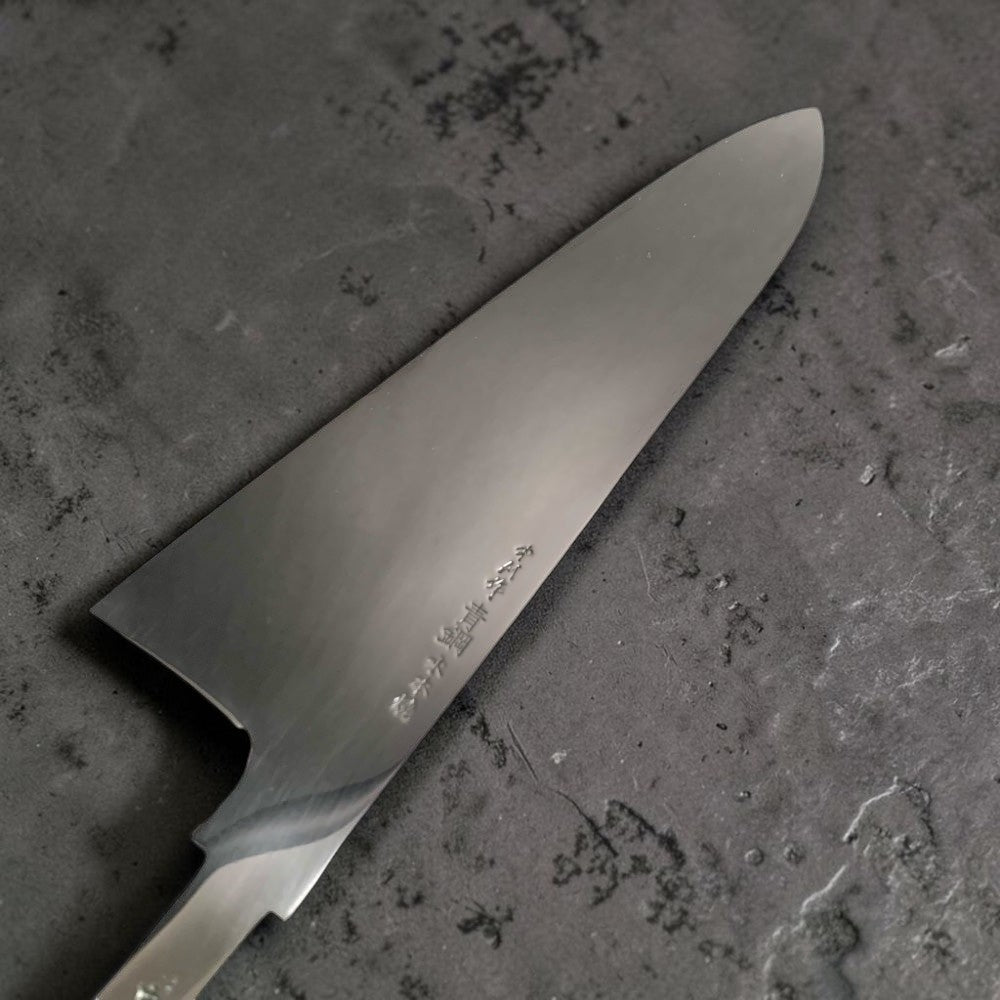
- Ginsan #3: A fine-grained stainless steel that offers strong edge performance with easier maintenance.
- Blue #1 and Blue #2: High-carbon steels selected for excellent edge retention and keen sharpening potential. These steels can develop a patina and should be kept clean and dry.
- White #1, White #2, and White #3: Traditional carbon steels valued for purity, sharpness, and responsive sharpening.
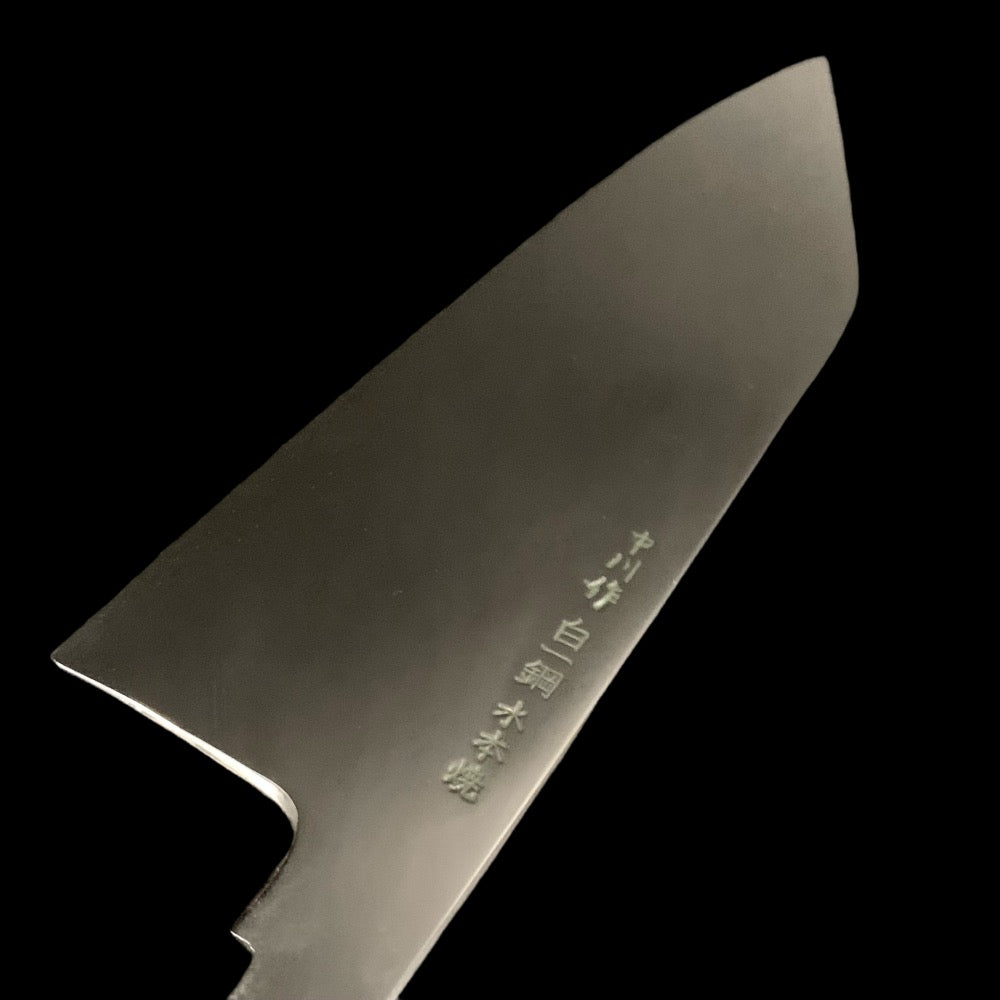
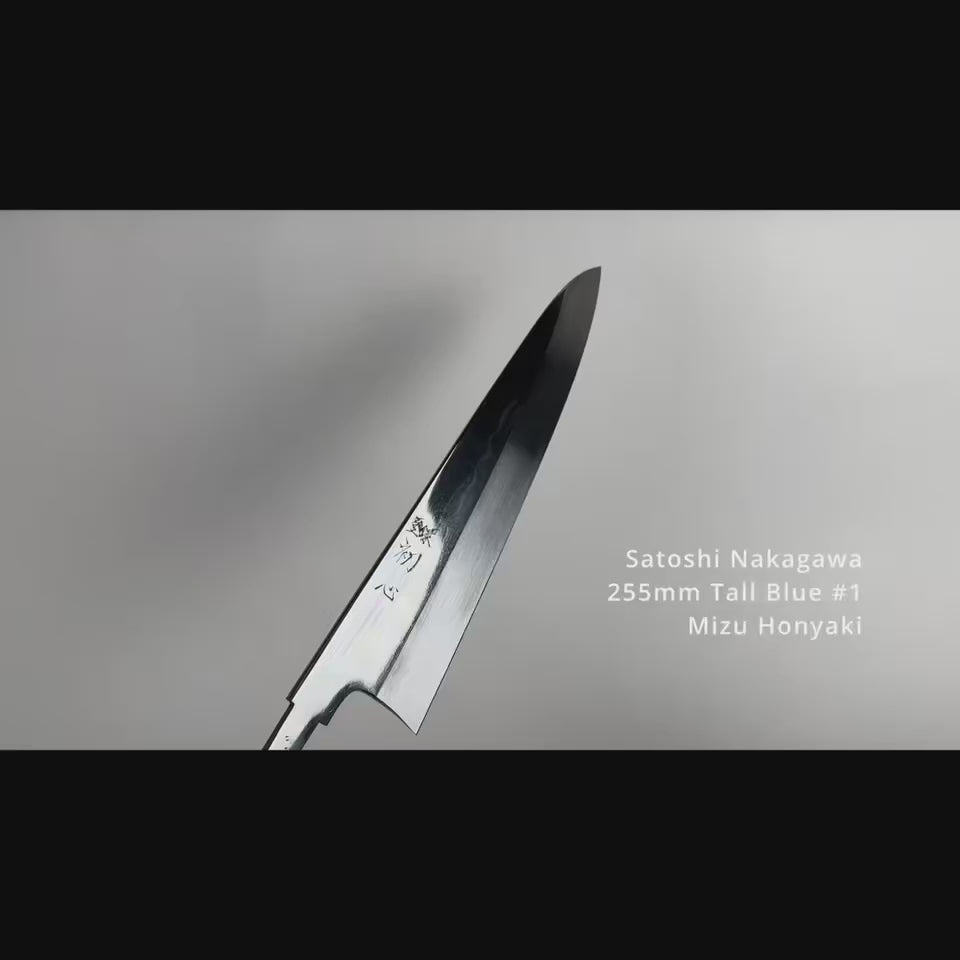
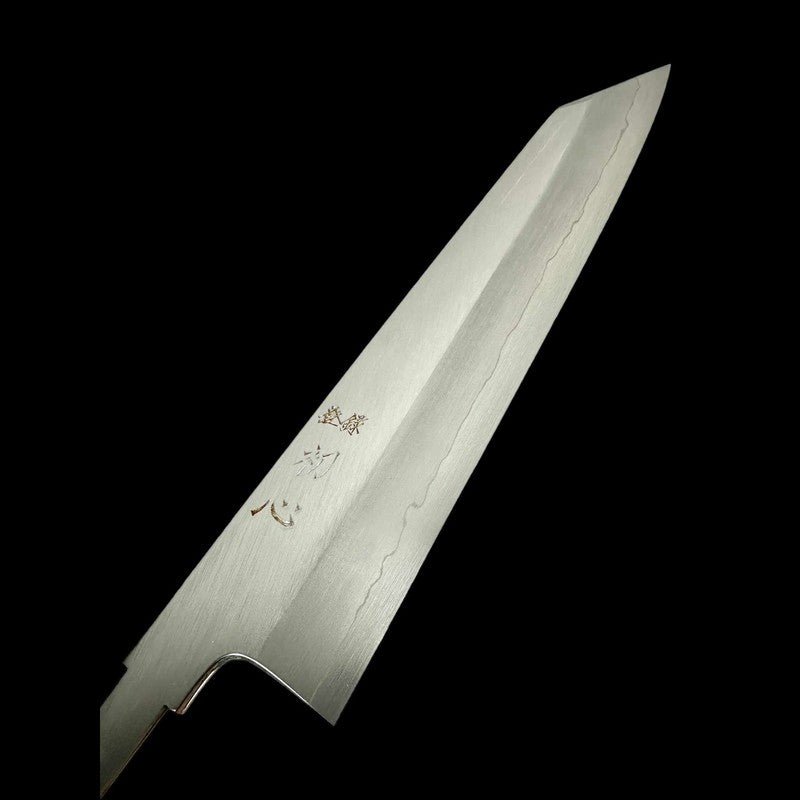
- Honyaki: Rare, traditionally heat-treated single-steel knives that showcase an exceptional level of forging skill. Browse our Honyaki knife collection for more.
Which Satoshi Nakagawa Knife Should I Choose?
Choose a gyuto for an all-purpose Japanese chef knife suited to slicing proteins and preparing vegetables. A bunka or santoku is a compact, versatile choice for home kitchens. Nakagawa’s yanagiba, deba, kiritsuke, petty knives, nakiri, and Chinese cleavers serve more specialized cutting styles. If you prefer lower maintenance, start with Ginsan #3. Choose Blue or White carbon steel when maximum sharpening response and traditional character matter most.
Who Sharpens Satoshi Nakagawa Knives?
Depending on the series, Nakagawa-forged blades may be sharpened and finished by respected Sakai craftsmen and workshops such as Naohito Myojin and Morihiro Hamono. The sharpener influences the grind, cutting feel, and final appearance, so check each listing for the specific collaboration.
Common Questions About Satoshi Nakagawa Knives
Are Satoshi Nakagawa knives stainless? Some are. Ginsan #3 is stainless and comparatively easy to maintain. Blue and White steels are reactive carbon steels that should be washed, dried immediately, and never left wet.
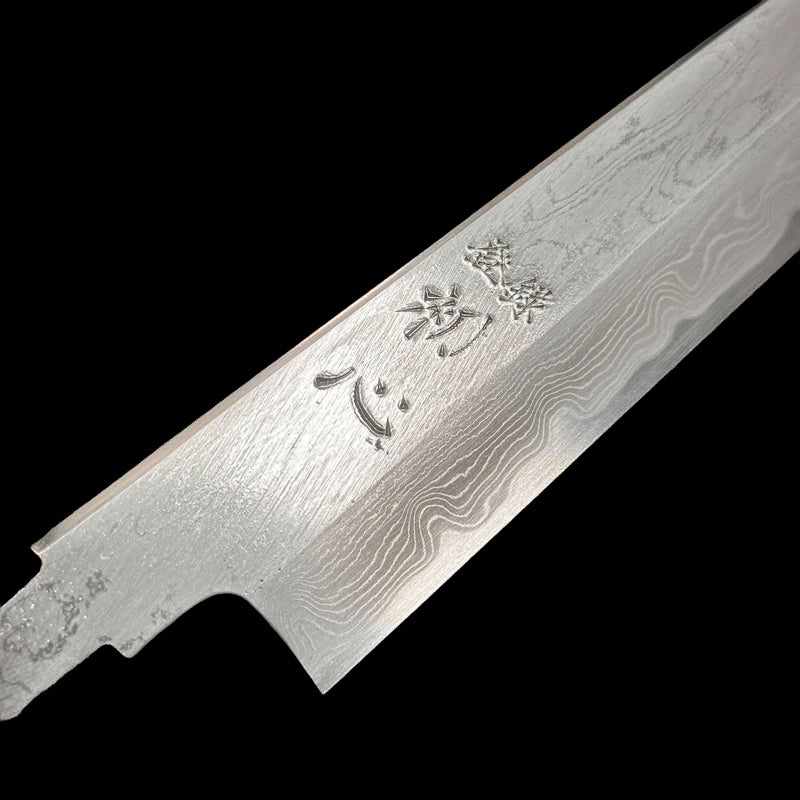
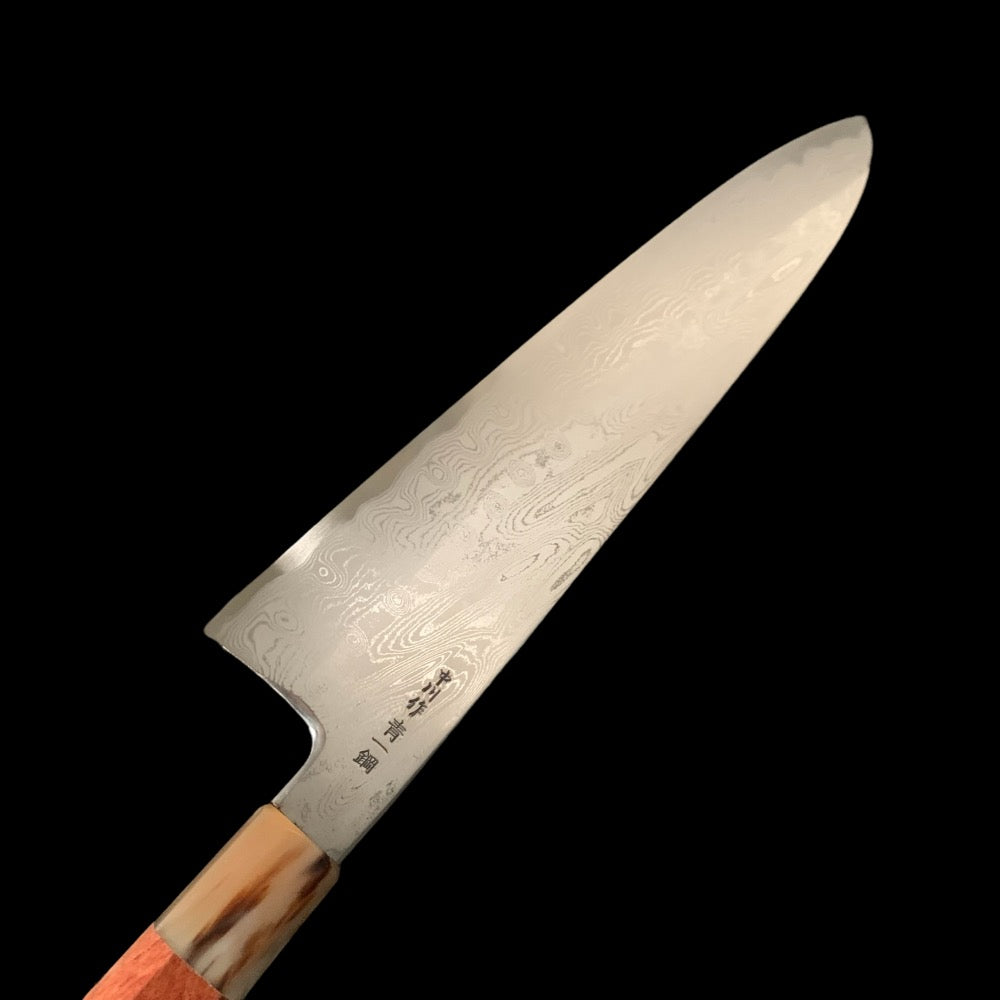
What is Satoshi Nakagawa best known for? He is particularly well known for Sakai-forged Ginsan knives, carbon-steel Damascus work, and rare Honyaki blades. He is among the small group of blacksmiths capable of producing demanding Mizu-Honyaki knives.
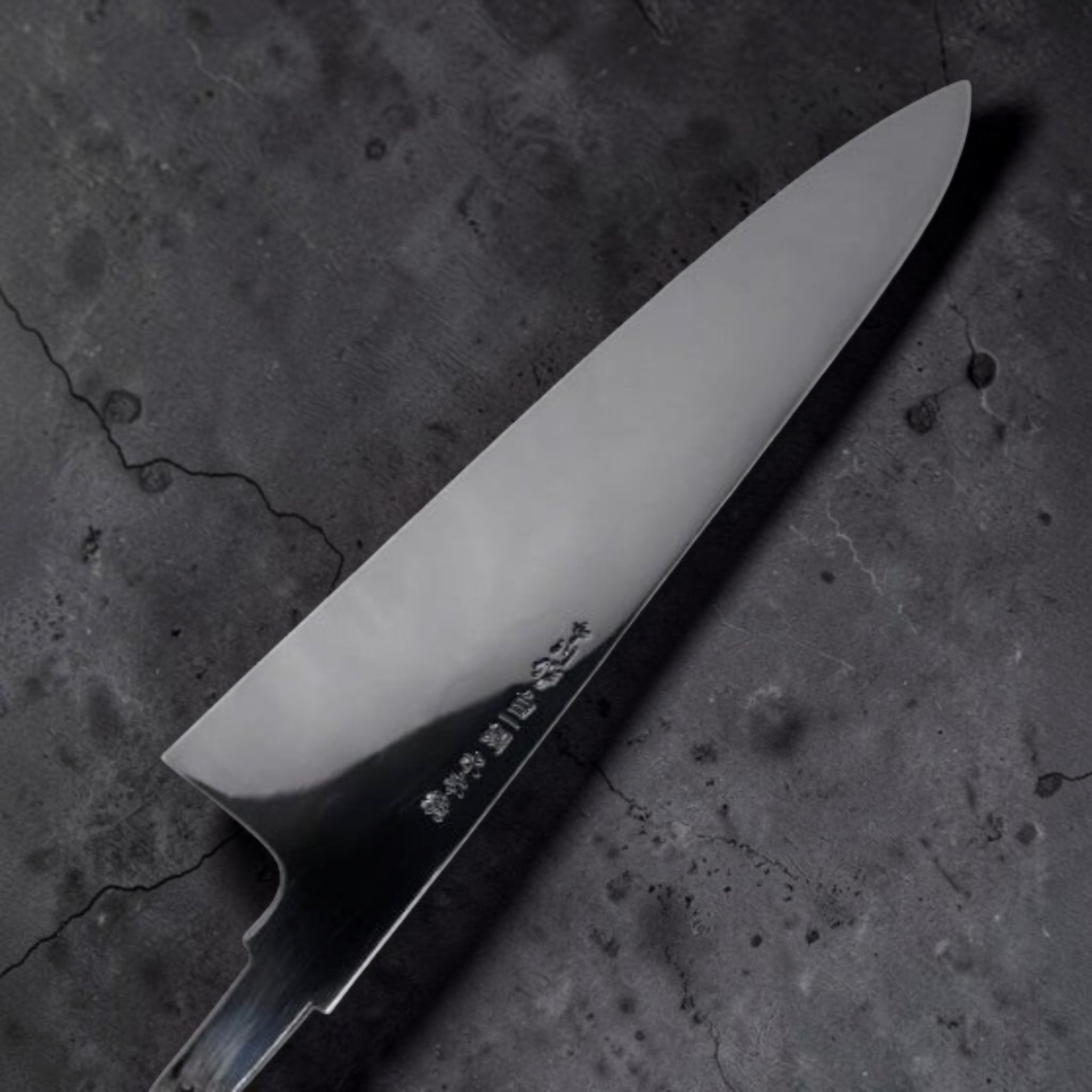
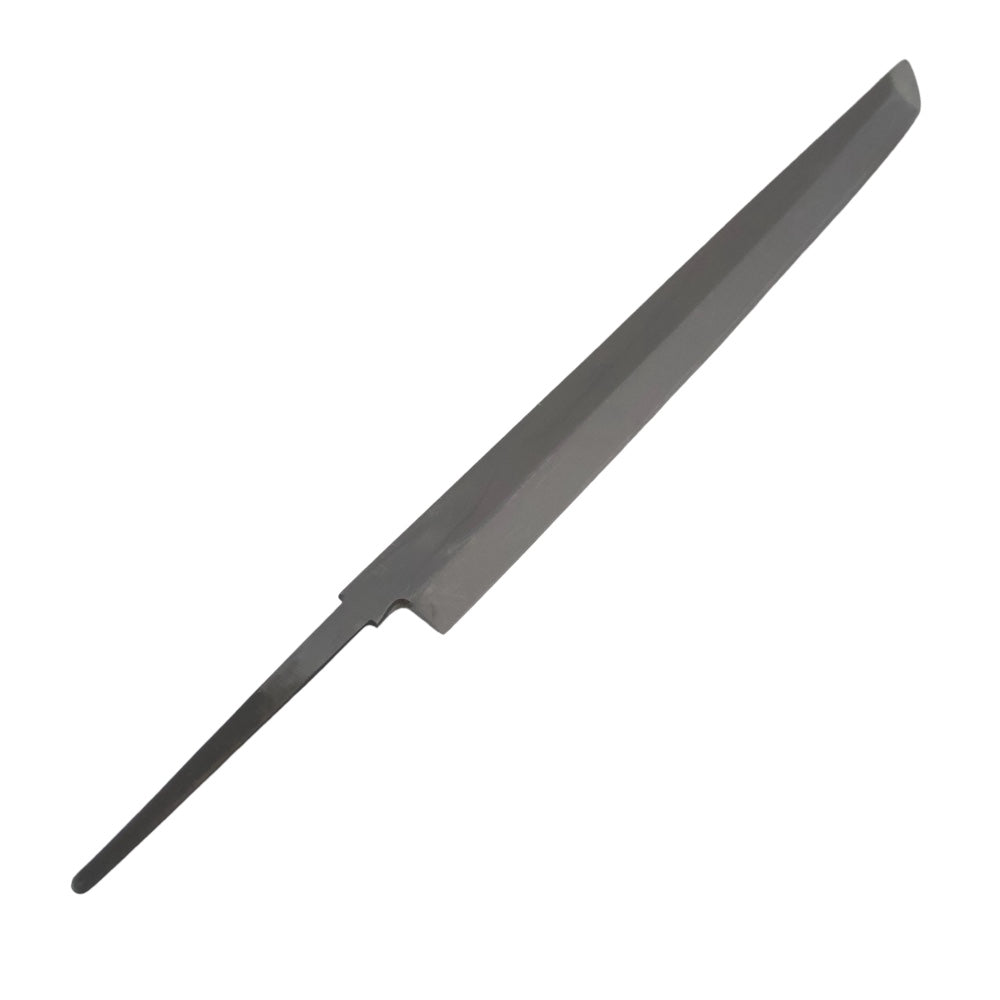
Can I buy a Satoshi Nakagawa knife without a handle? Yes. Many knives in this collection are available as blade-only options, while others include premium or custom Wa handles. Availability varies by listing.
Browse the available Satoshi Nakagawa knives below and use the filters to compare steel type, blade length, price, and current availability.