
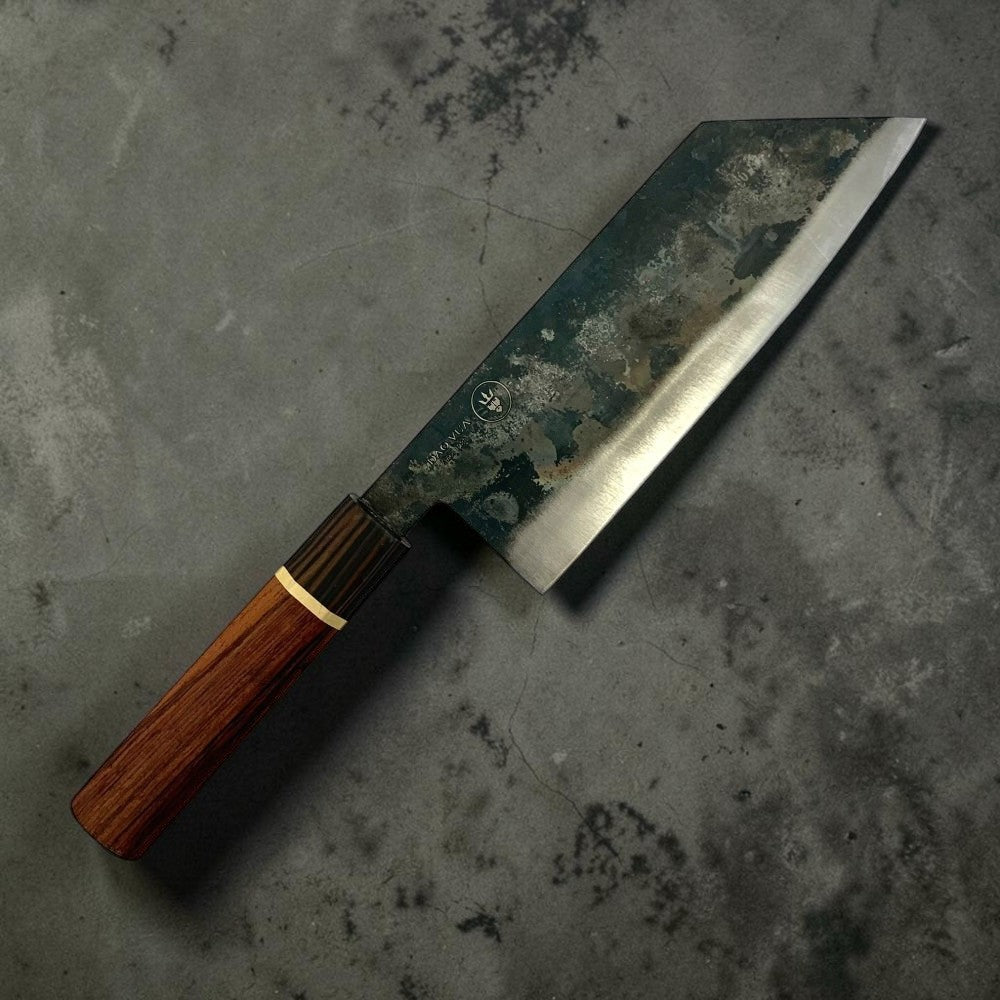
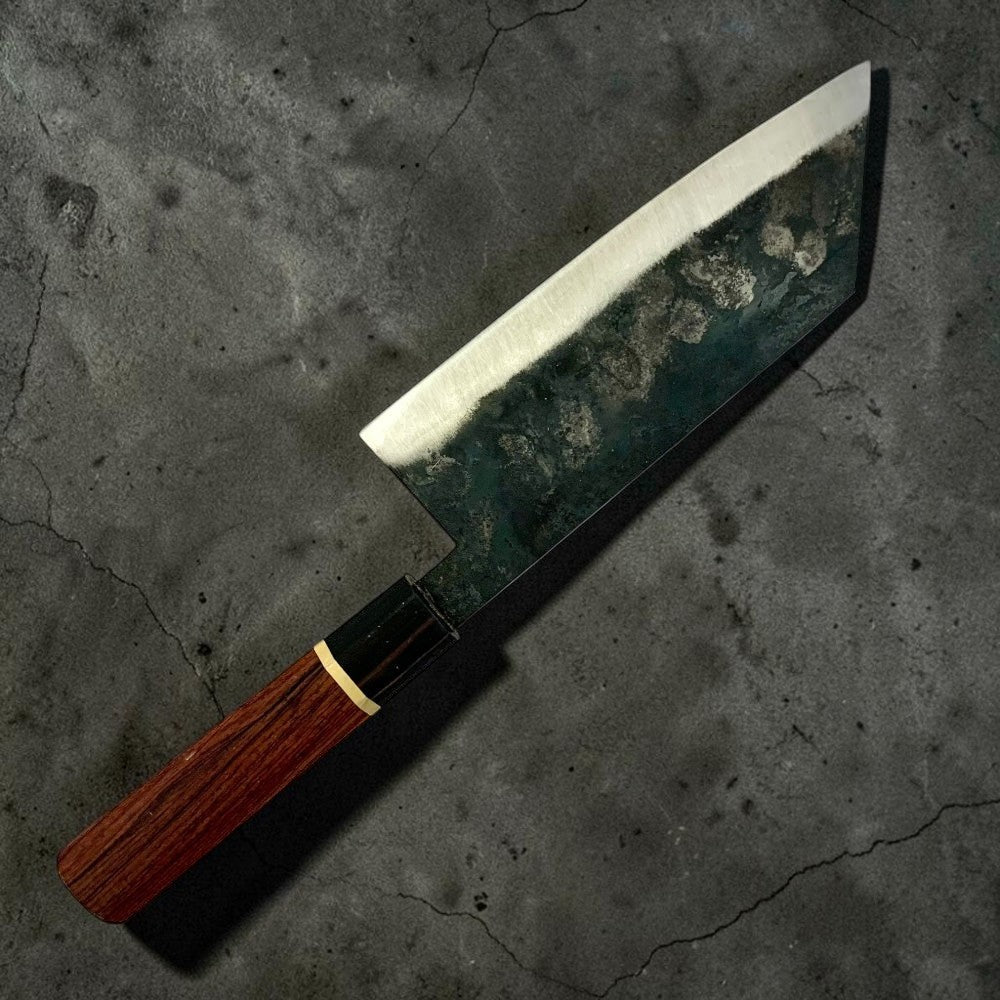
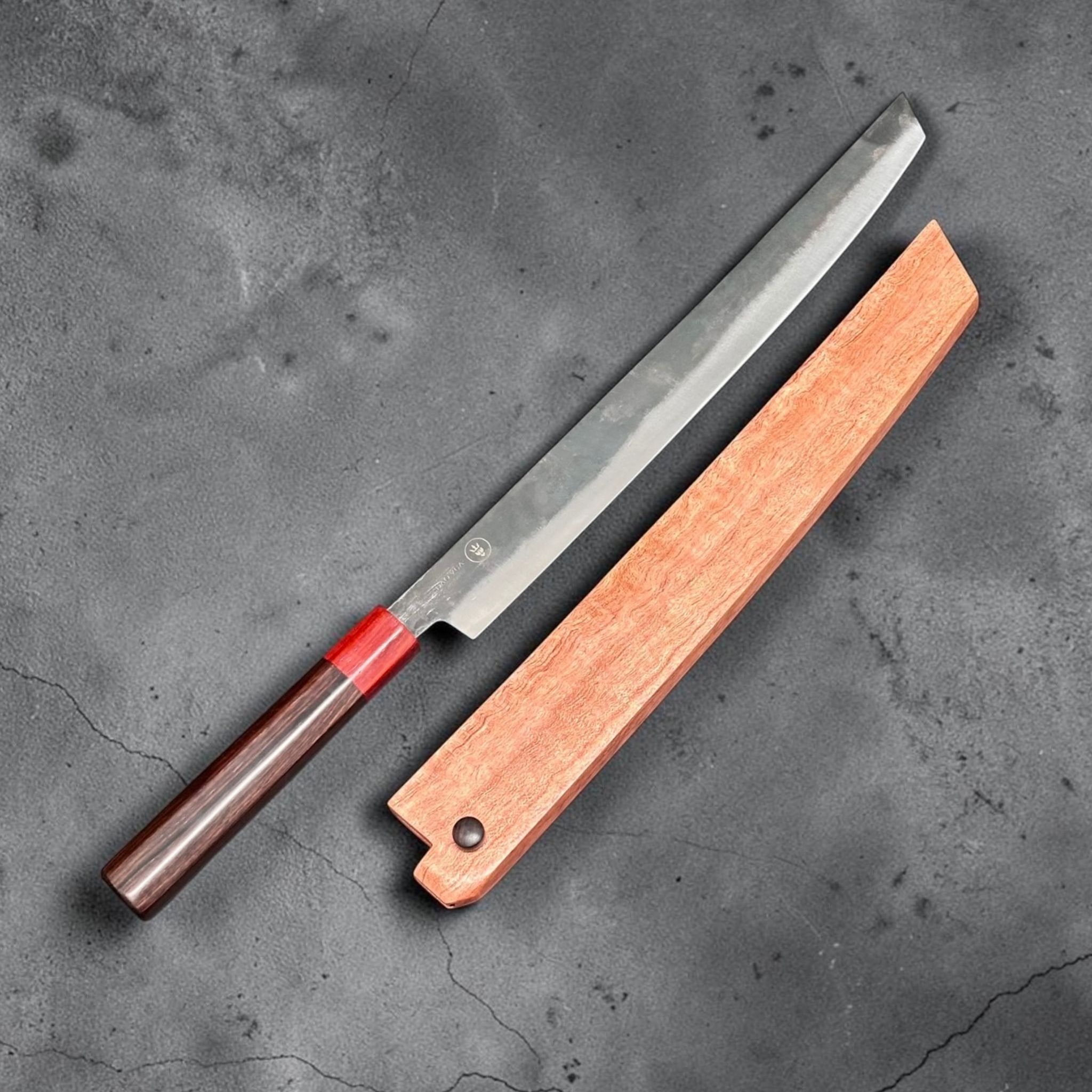
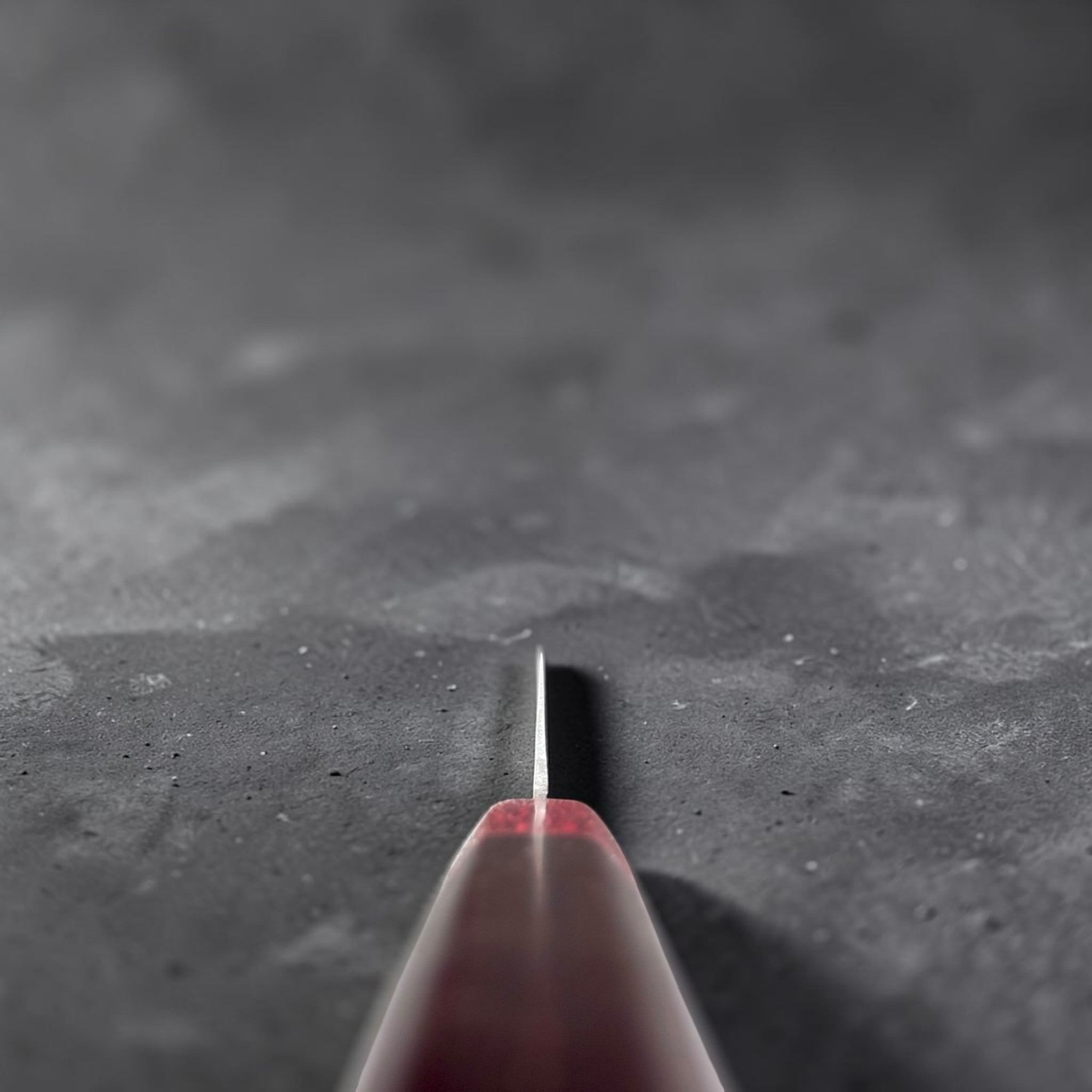




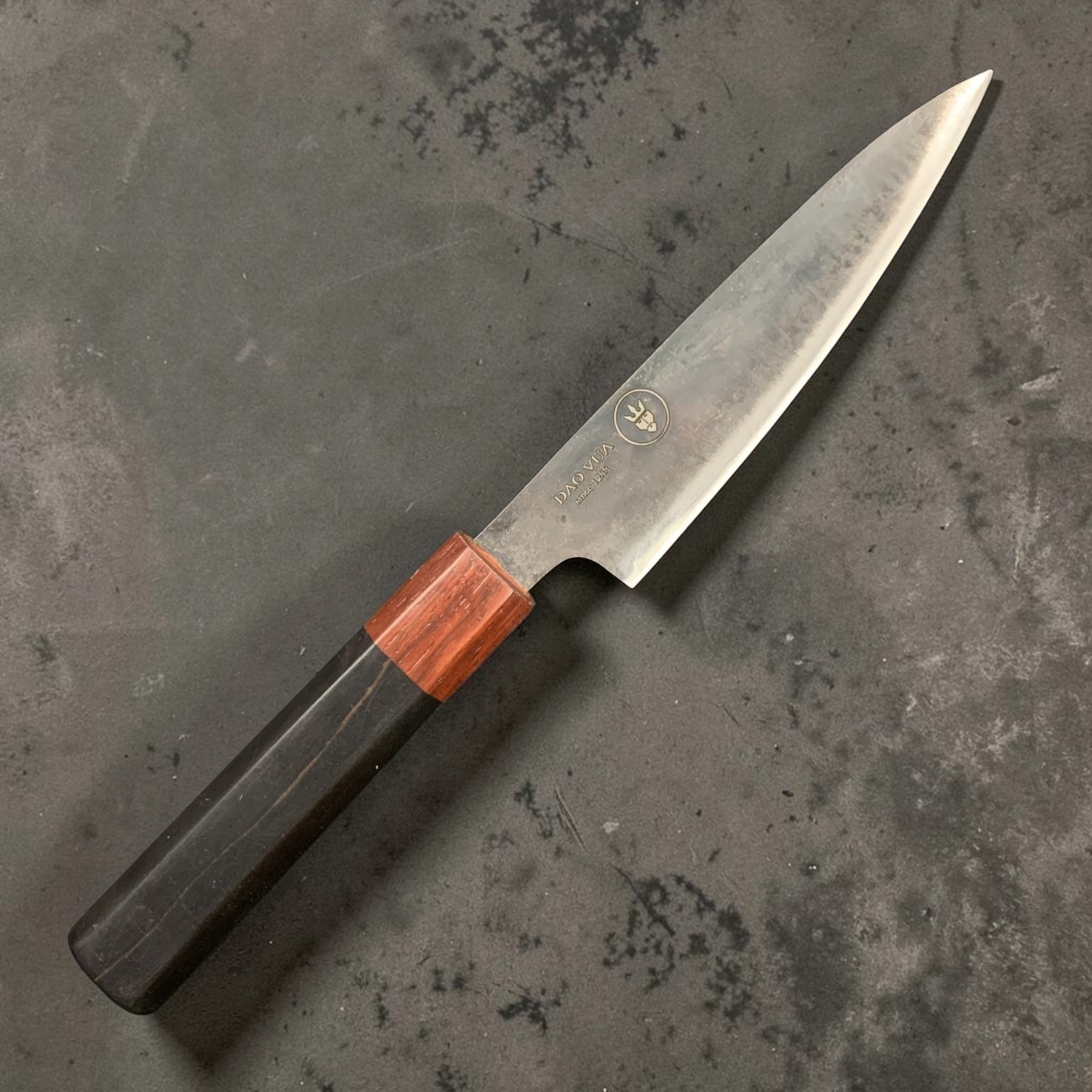
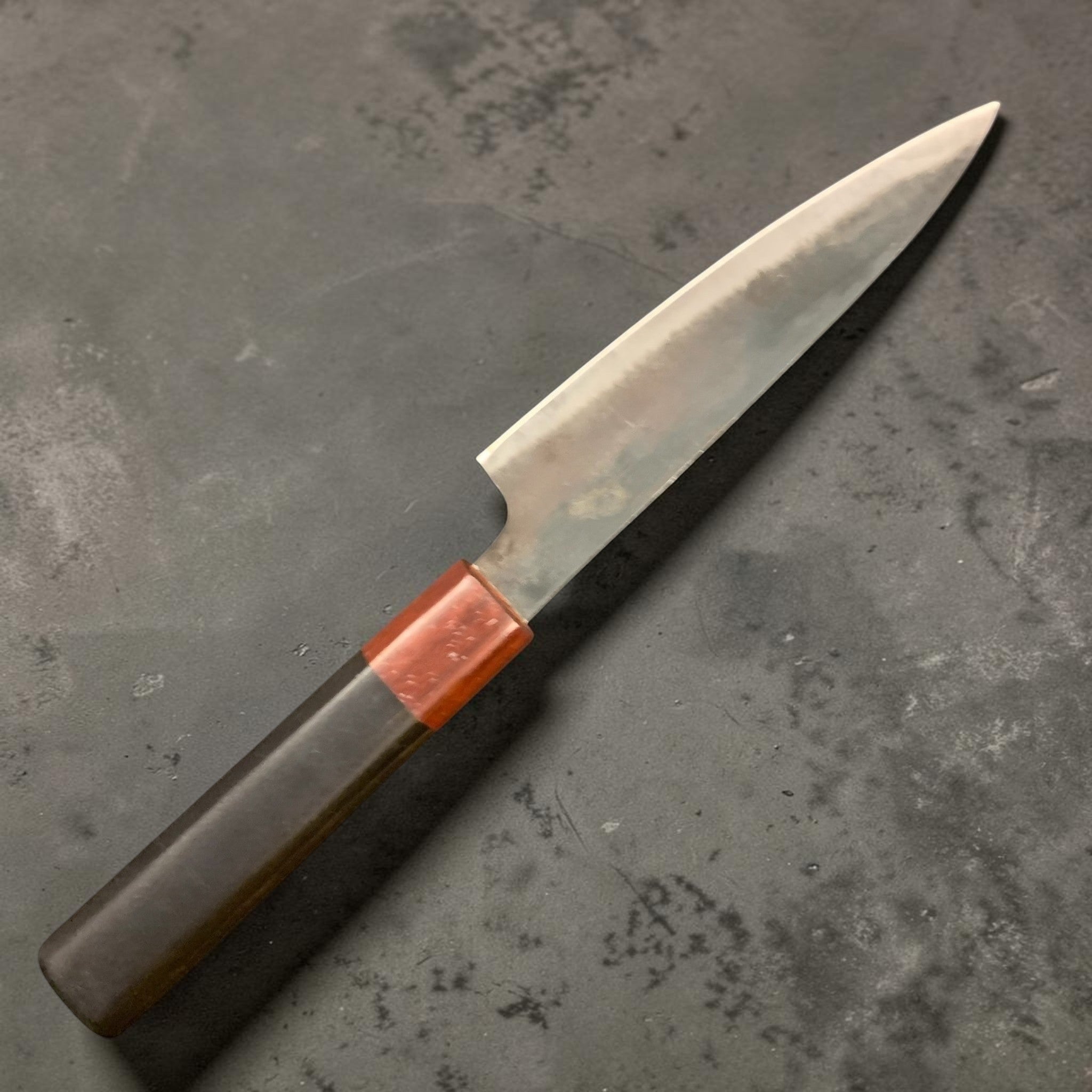






Dao Vua V3 Knives: A First-Hand Buyer’s Guide
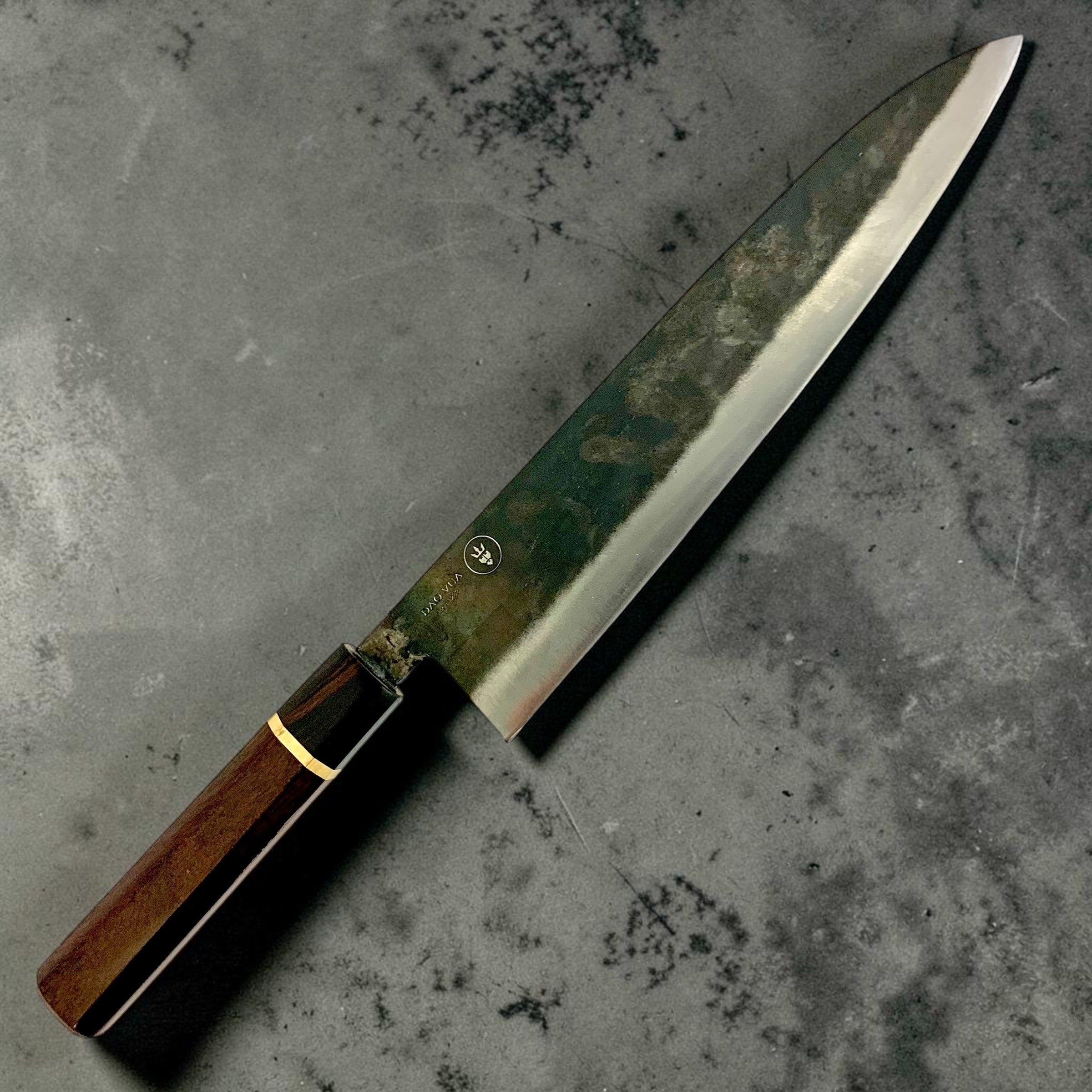
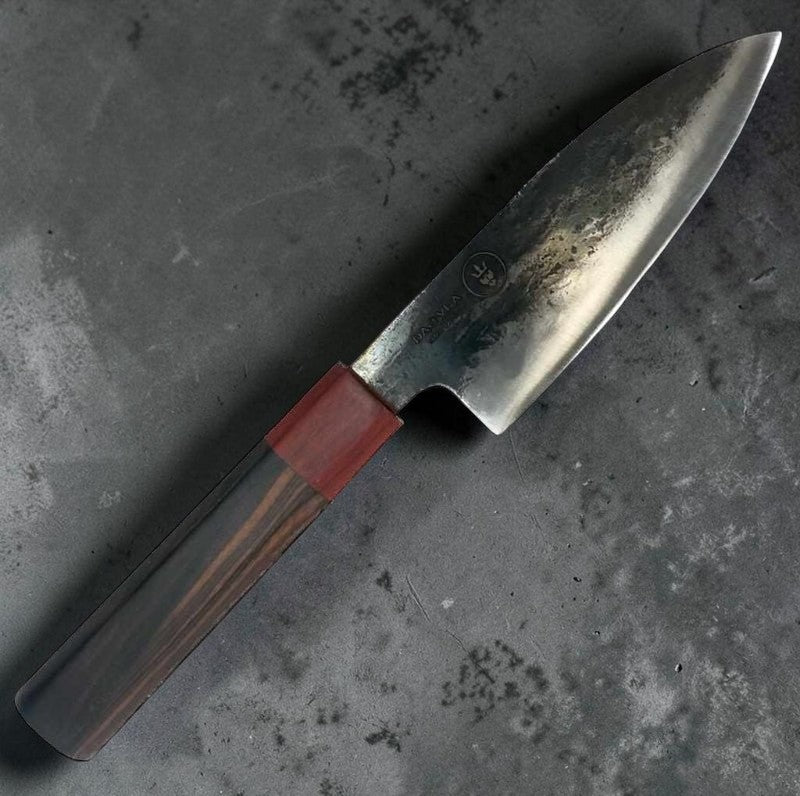
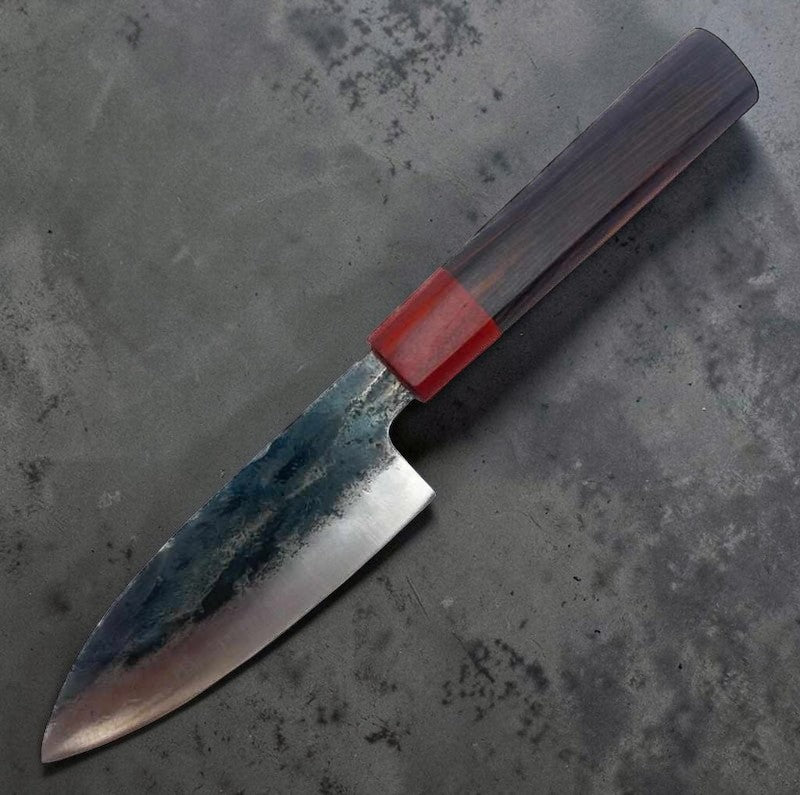
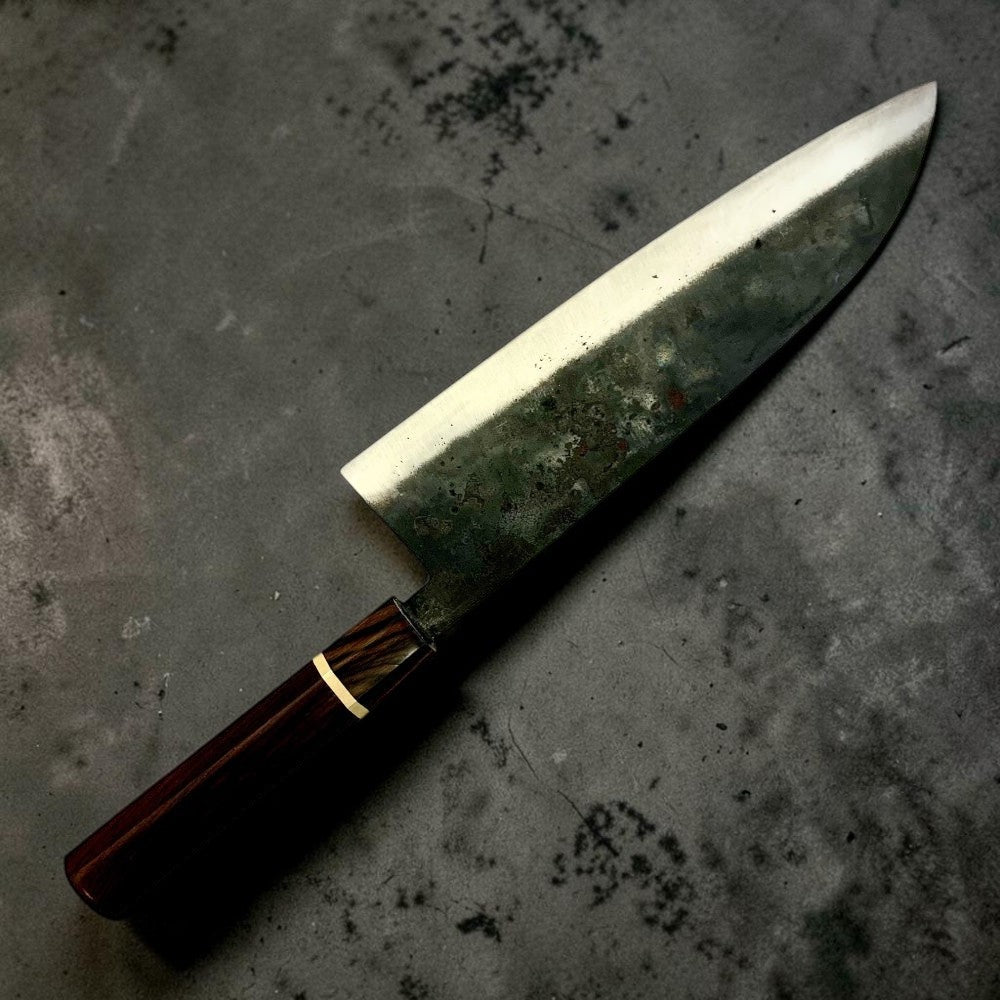
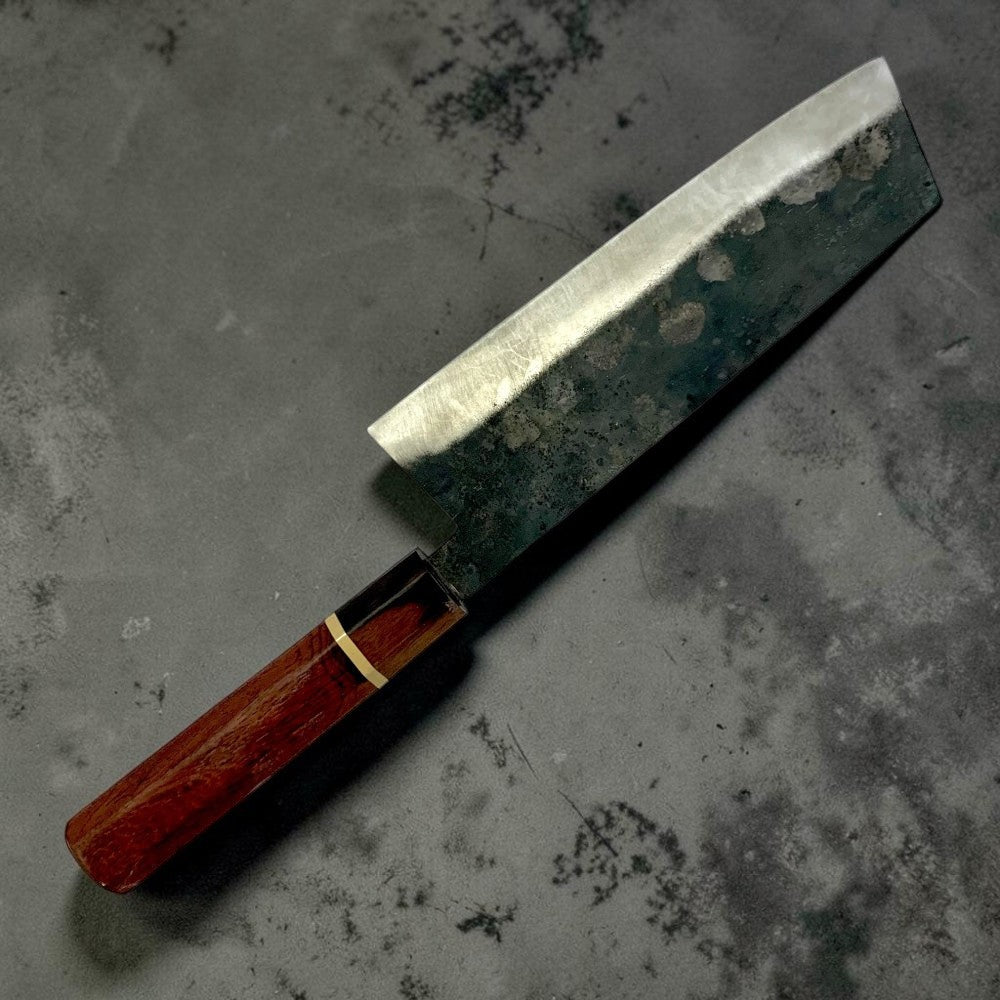
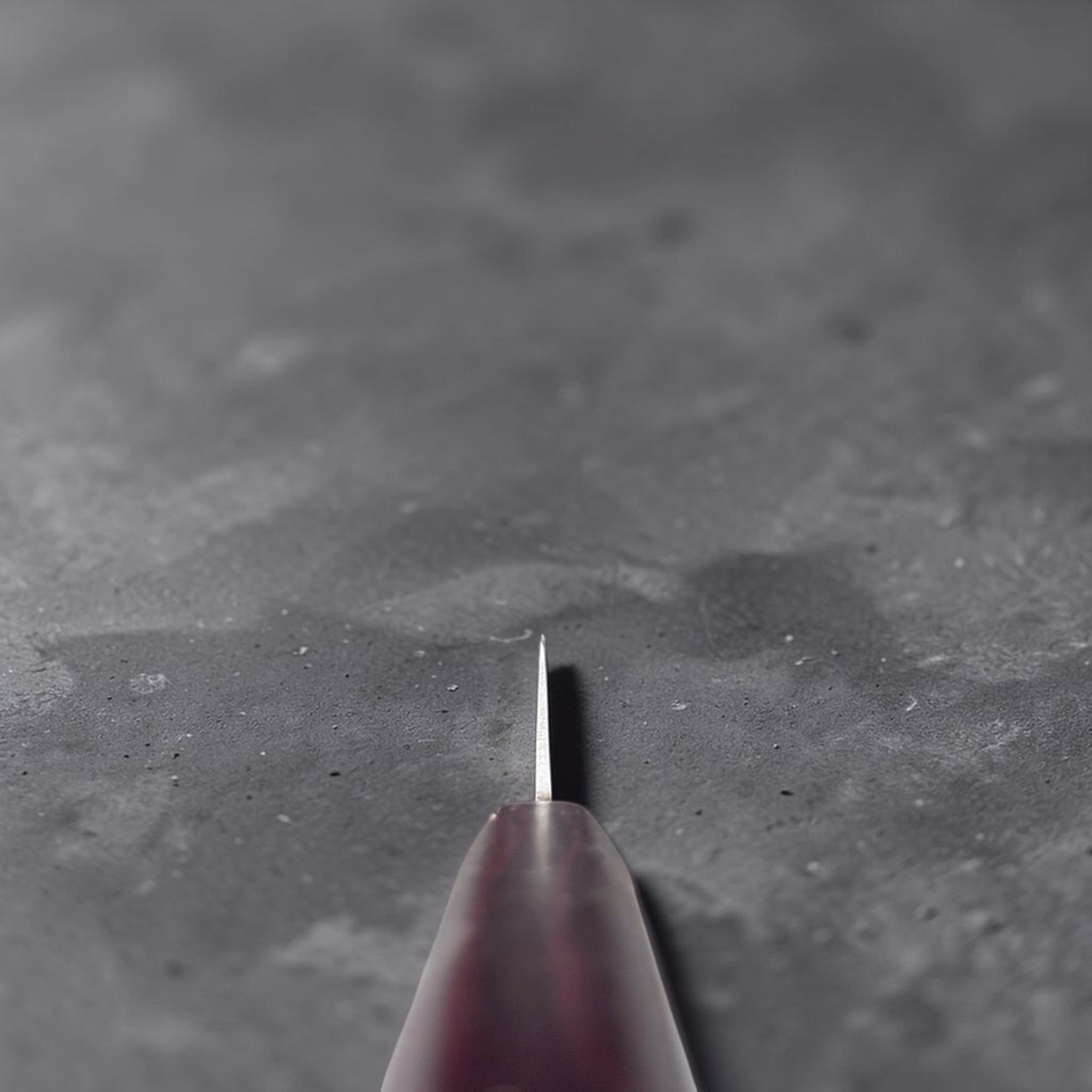
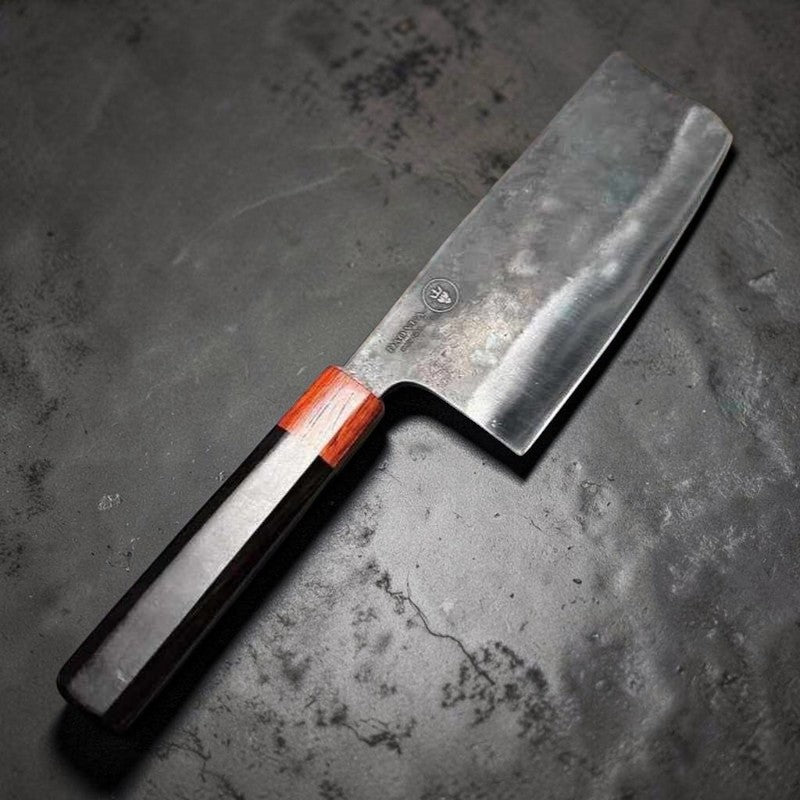
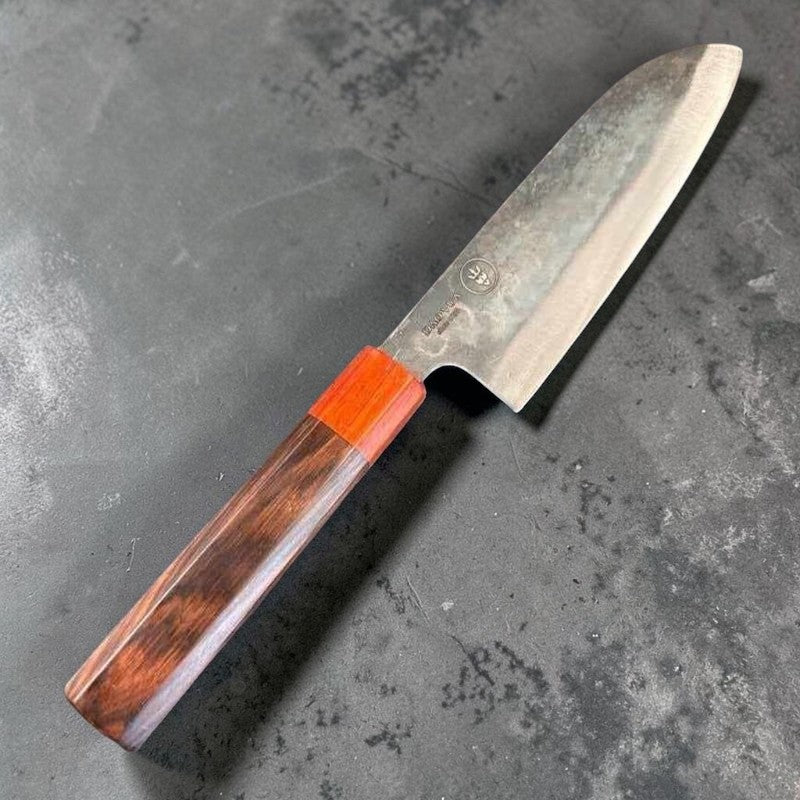
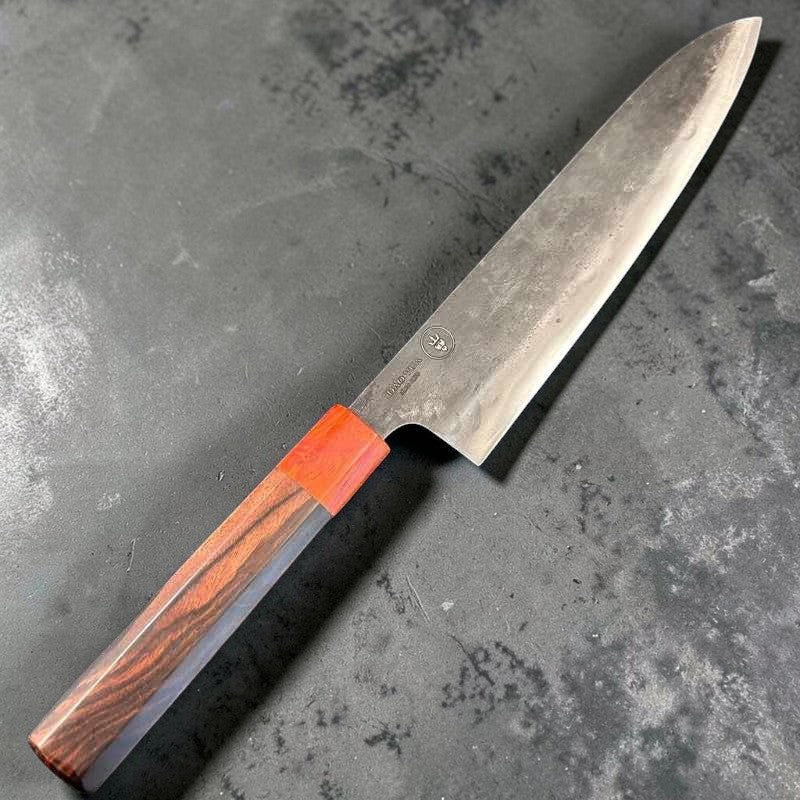
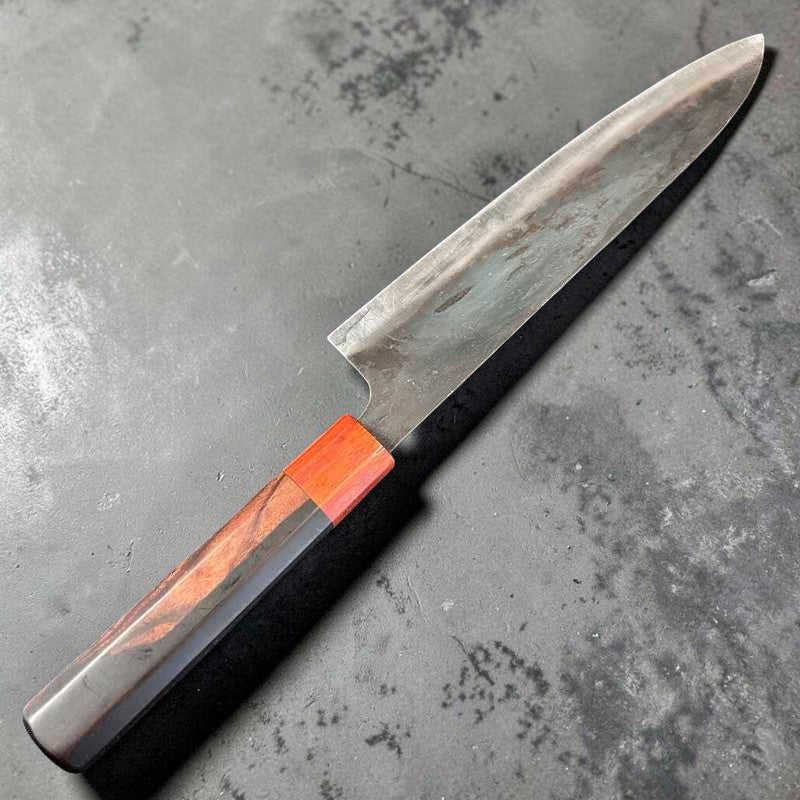
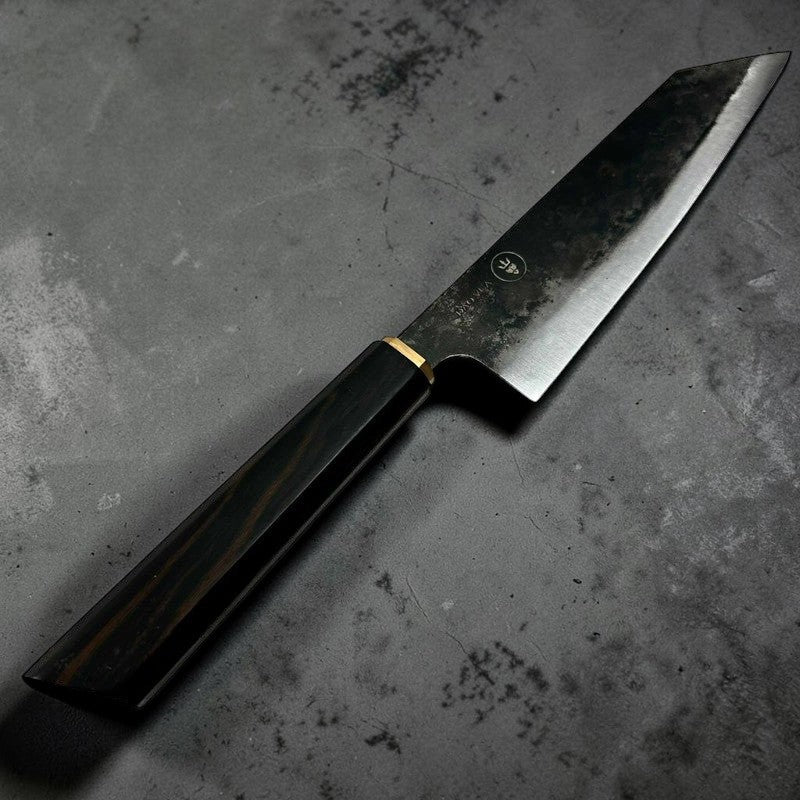
Tokushu Knife’s current Dao Vua collection focuses on V3 kitchen knives made with 52100 carbon steel. This guide combines current product-record specifications with first-hand observations and original photographs from our October 2023 visit to Dao Vua’s workshop and forge in Vietnam.
Founder’s Note: Why Dao Vua Matters to Tokushu Knife
Since founding Tokushu Knife, I’ve had the privilege of working closely with remarkable craftspeople and blacksmiths from around the world. One of those relationships is with Dao Vua’s founder. Years of friendship and seeing the knives develop culminated in October 2023, when I had the opportunity to visit the workshop and forge in person.
Through that relationship, I came to recognize a shared belief: a knife can be more than a tool. It can help home cooks and knife enthusiasts work with greater confidence while supporting the people and community behind its making. During our visit, I met the people who make and fit the handles, felt the heat of the forge, watched blades being hammered, and shared laughs, smiles, and meals with the team whose work I have long been proud to represent.
The visit connected the tangible details—the heat of the forge and the ring of the hammer—to something larger: craftspeople, communities, and kitchens connected across the world. I’m proud to continue bringing Dao Vua knives to our customers and to keep growing alongside the people who make them.
Inside the Dao Vua Workshop


That first-hand context informs how we select these knives and help customers choose a profile. It also lets us describe the workshop from direct observation rather than repeating unsupported marketing language. Learn more about Anthony and Tokushu Knife on Our Story.
What “V3” Means on This Page
Online discussions about Dao Vua may describe earlier generations. The active knives in this collection are current V3 models, and their product records identify 52100 carbon steel. Use the specifications on each product page rather than assuming that every Dao Vua generation shares the same materials, dimensions, or finish.
Which Dao Vua Knife Should You Choose?
The right profile depends on how you cook, your board space, and the knife you already use.
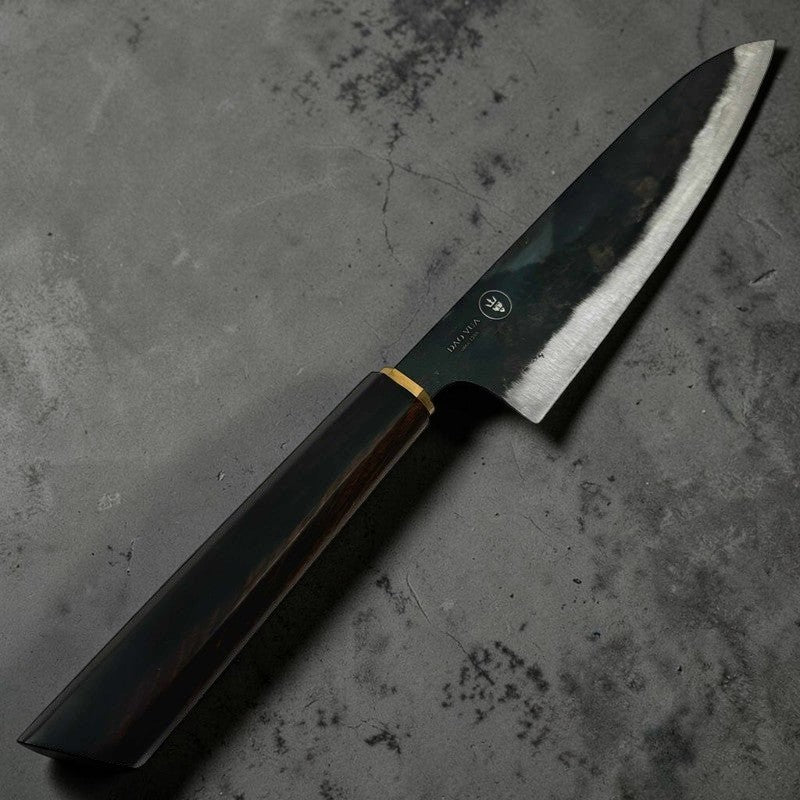
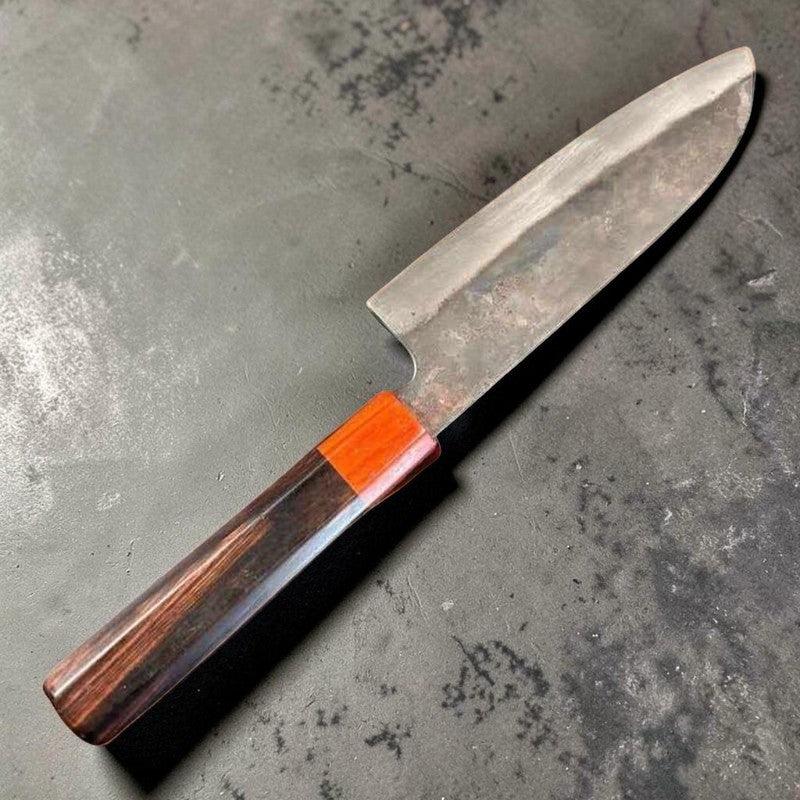
- Gyuto: a general-purpose chef’s knife for vegetables, proteins, and everyday board work.
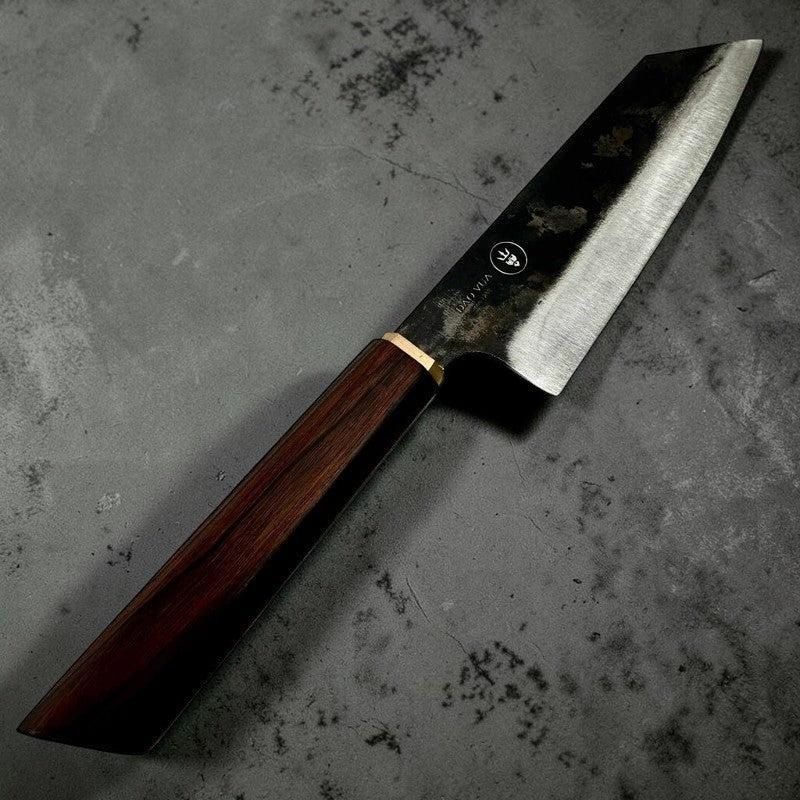
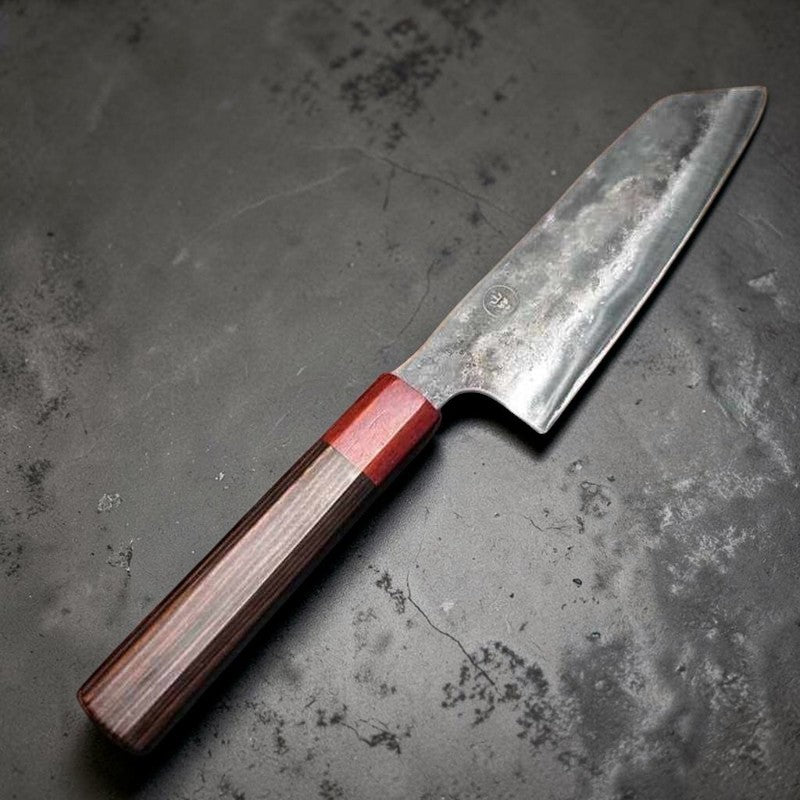
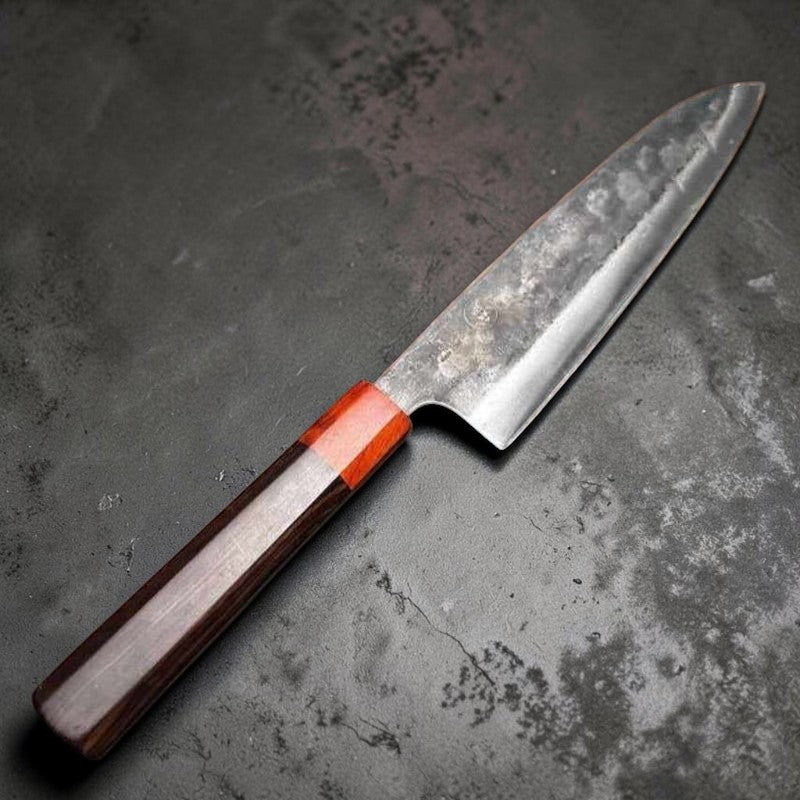
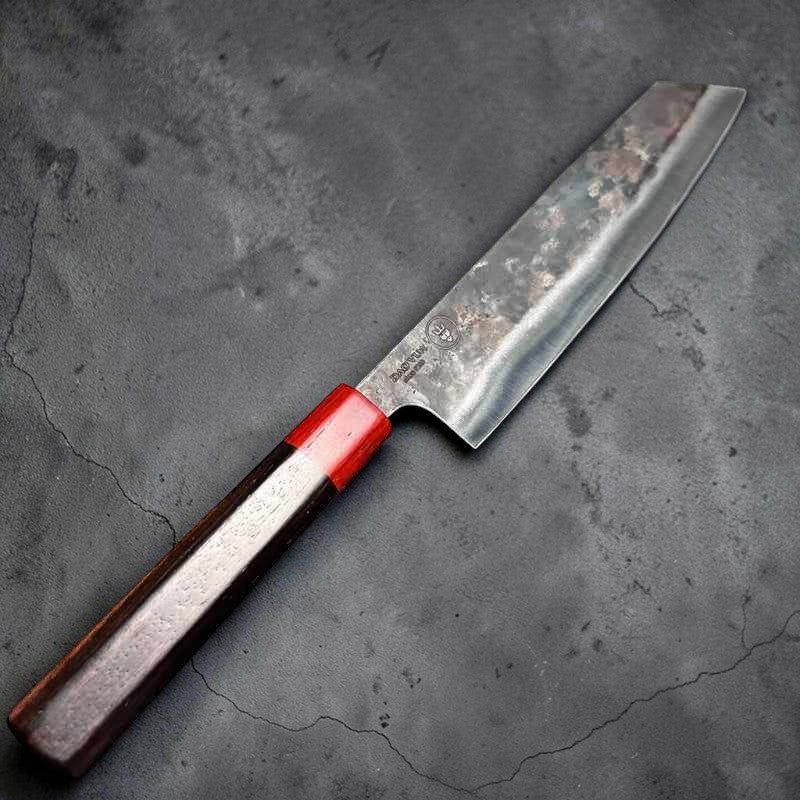
- Bunka: a compact all-purpose profile with an angled tip for detail work.
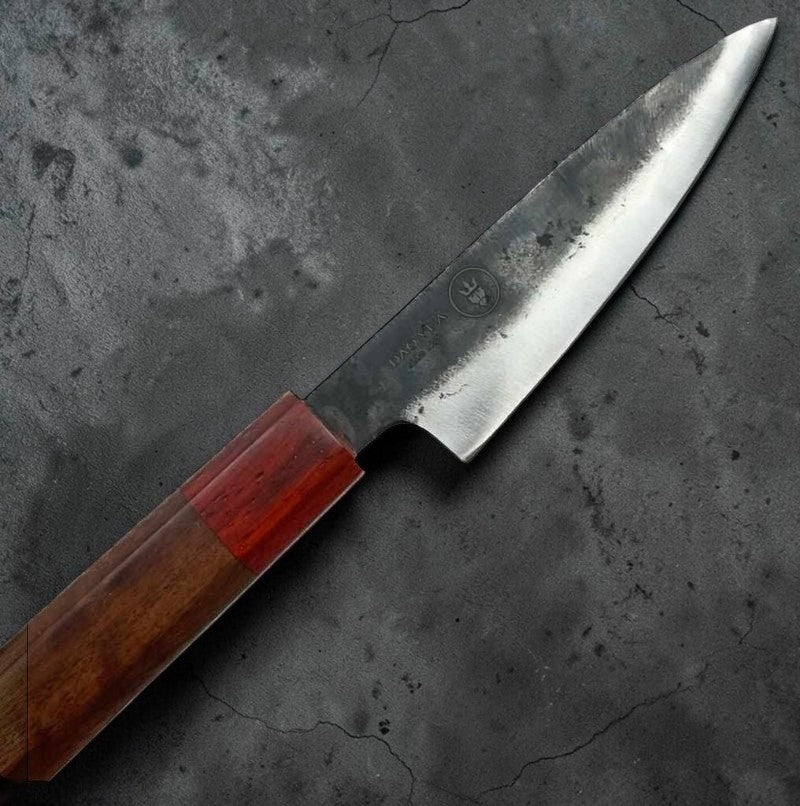
- Petty: a smaller utility knife for trimming, smaller ingredients, and close-control tasks.
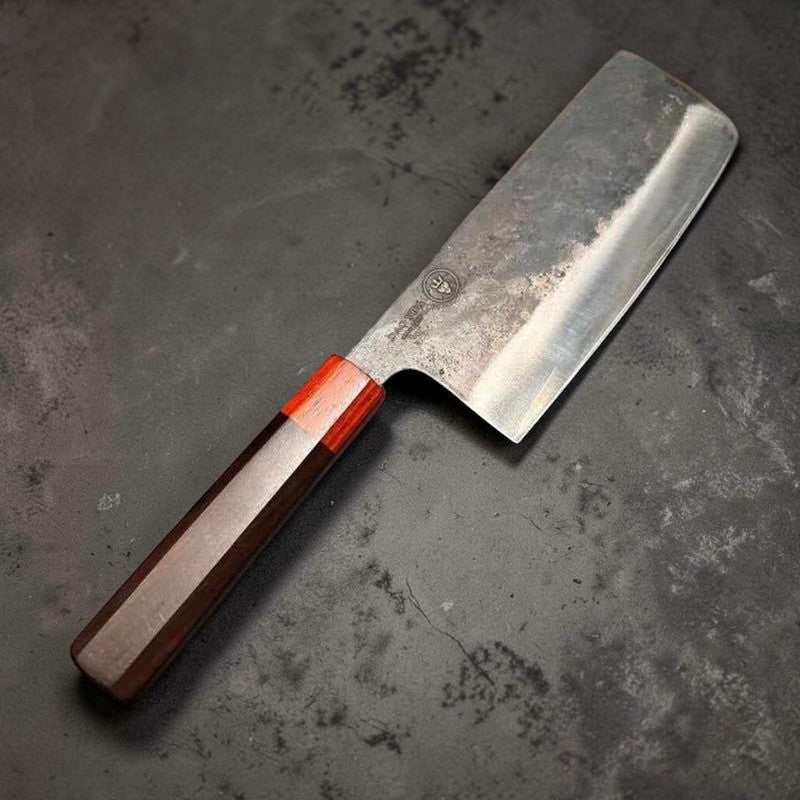
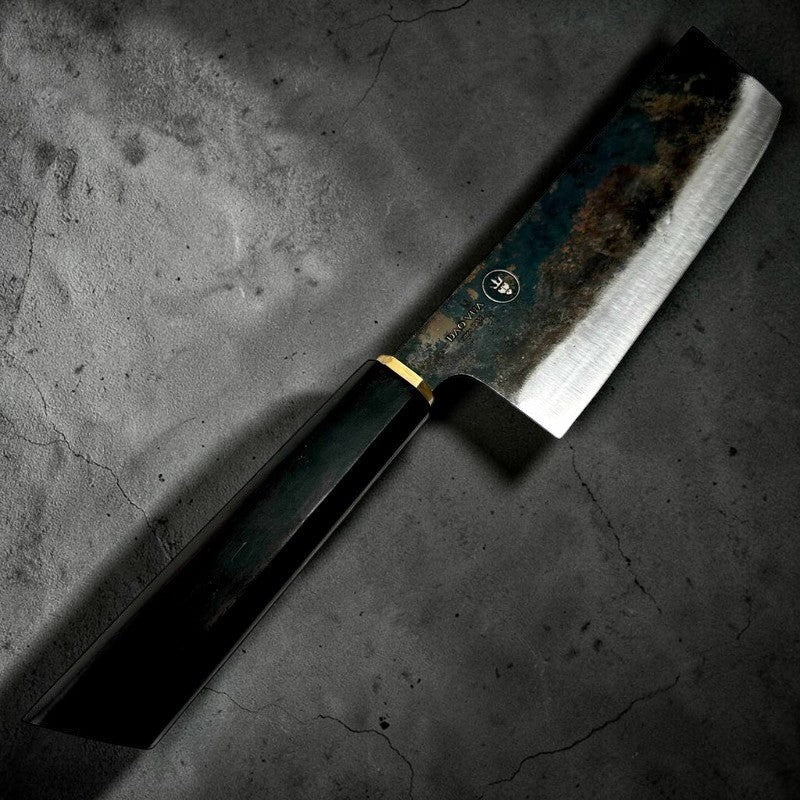
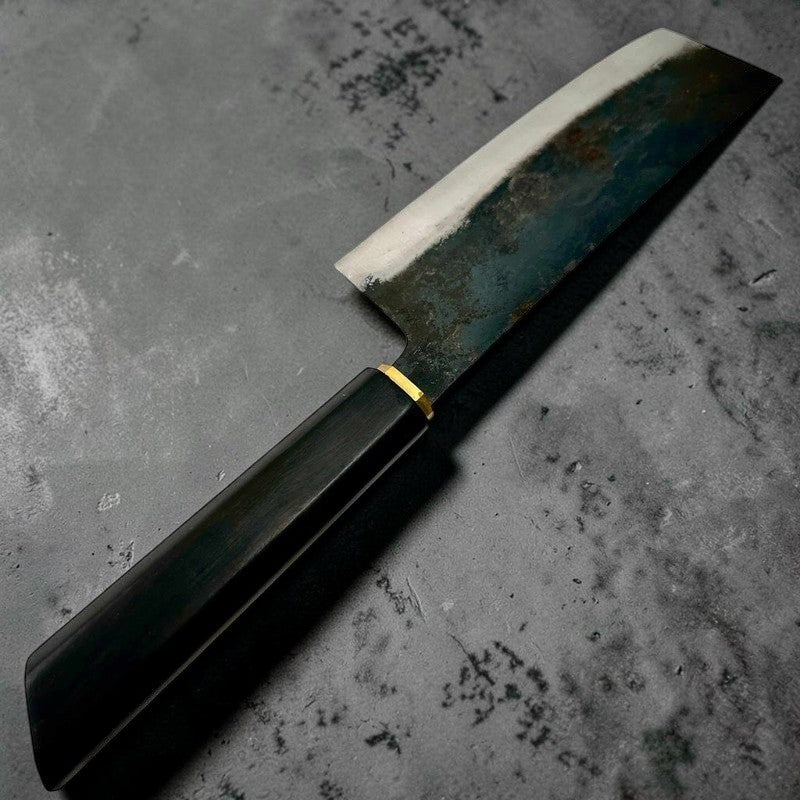
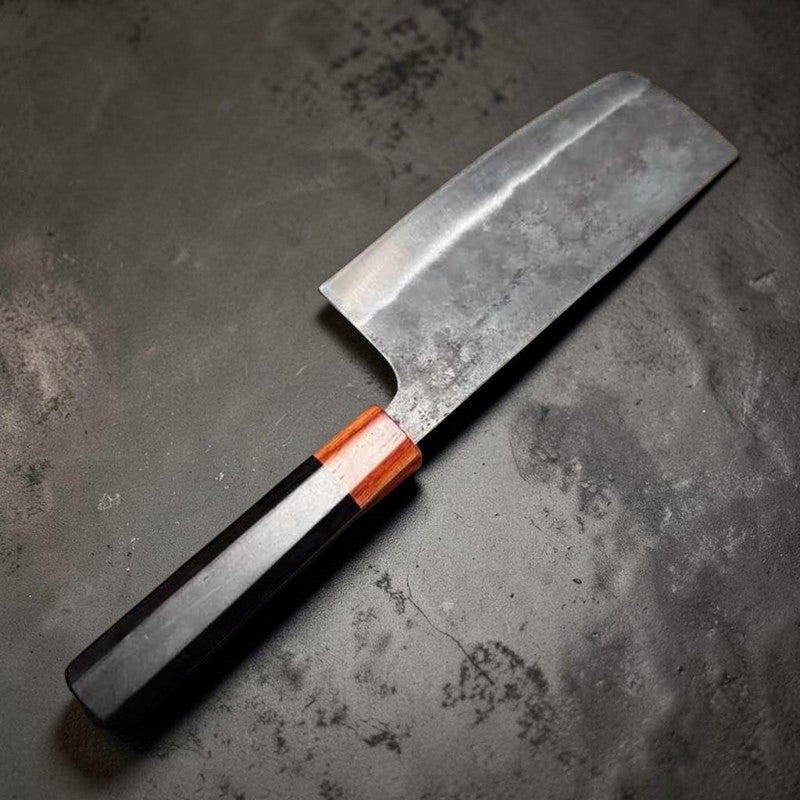
- Nakiri or Kiri cleaver: tall, vegetable-focused profiles suited to push cutting and transferring prepared ingredients.
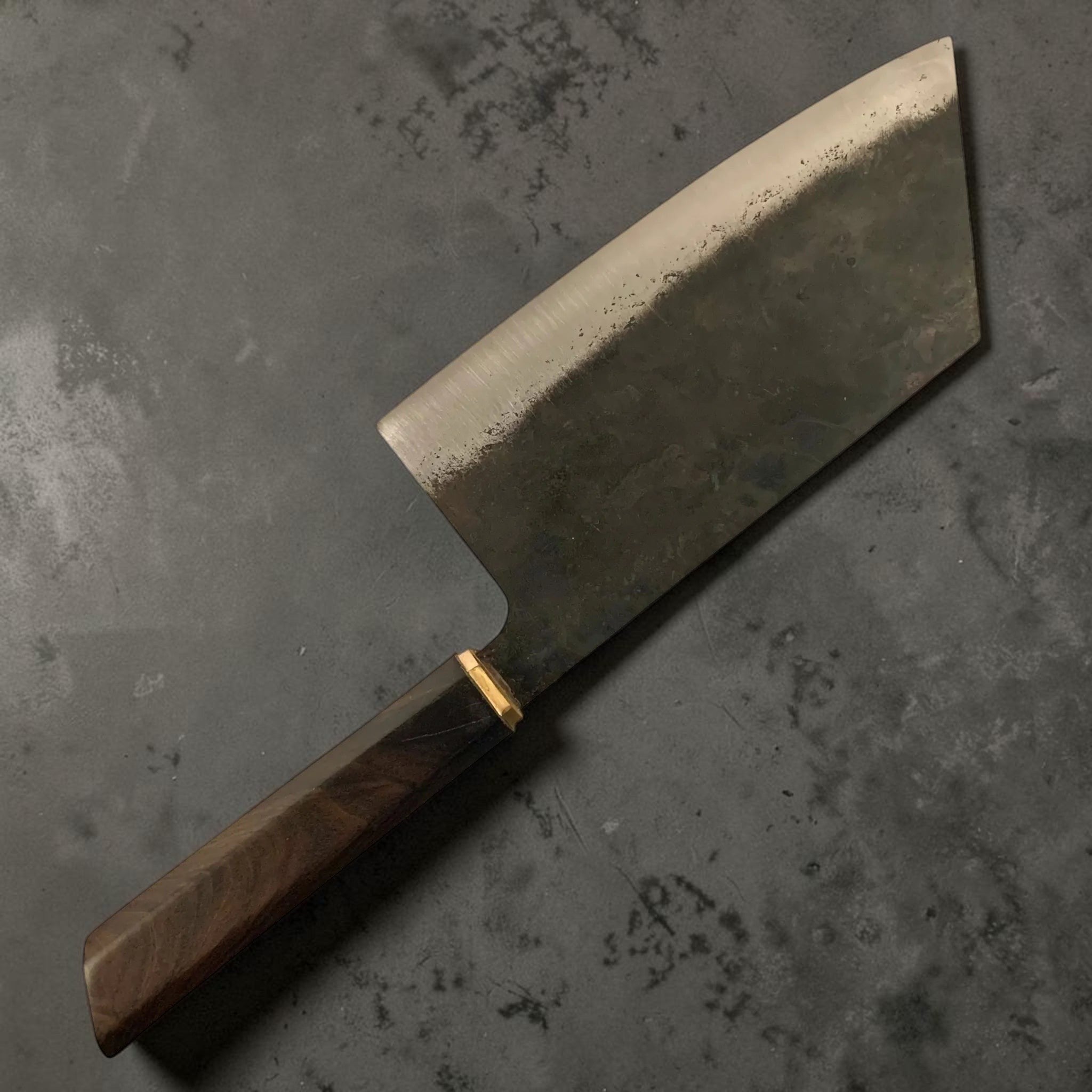
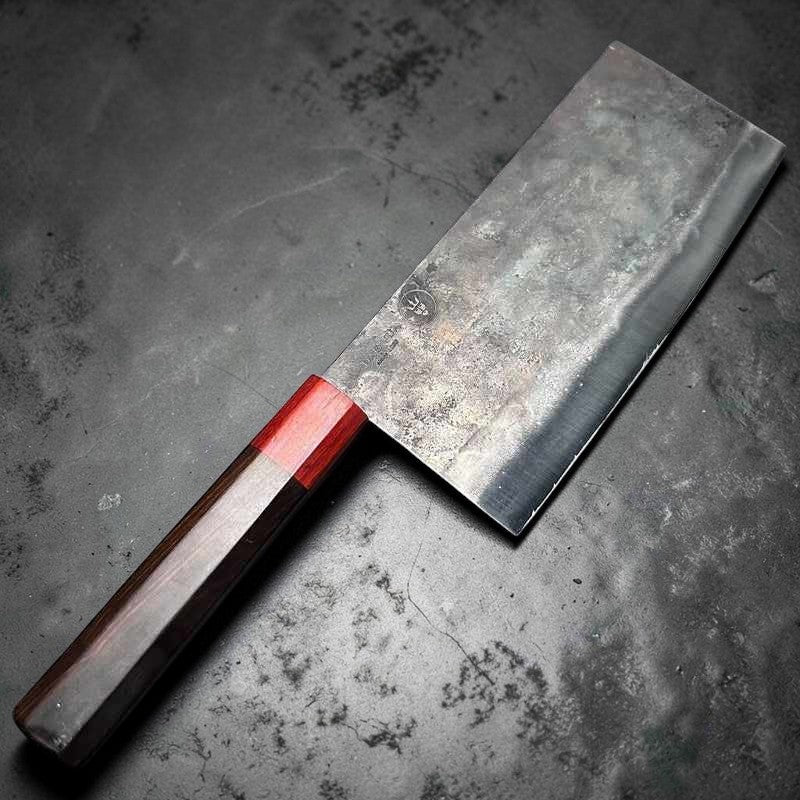
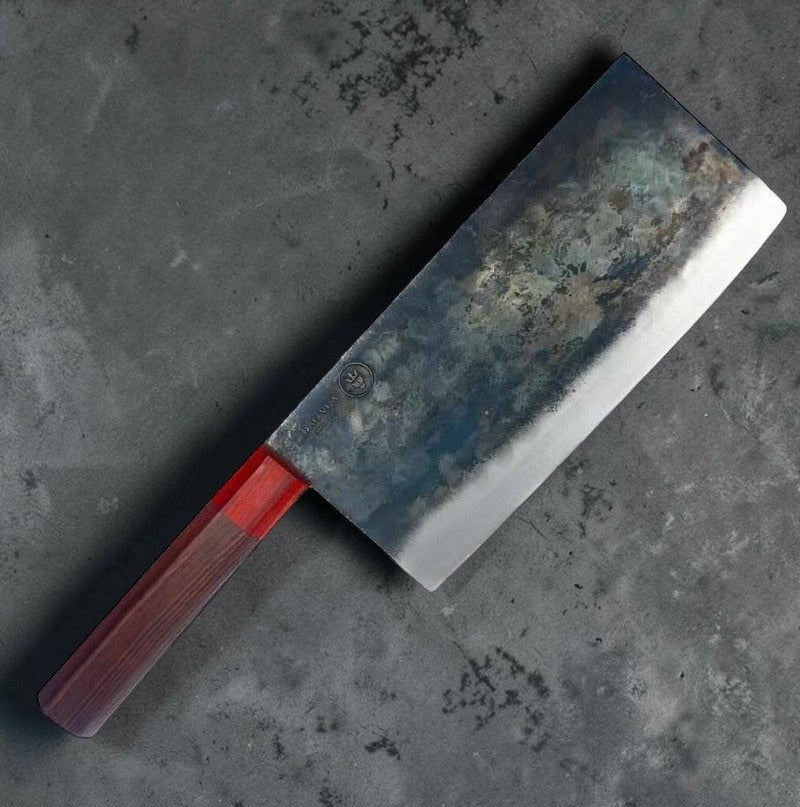
- Chinese cleaver: a tall blade for general food preparation and scooping ingredients. Do not treat it as a bone cleaver unless the individual product page expressly says it is built for that use.
- Honesuki: intended for poultry preparation and working around joints, not heavy bone chopping.
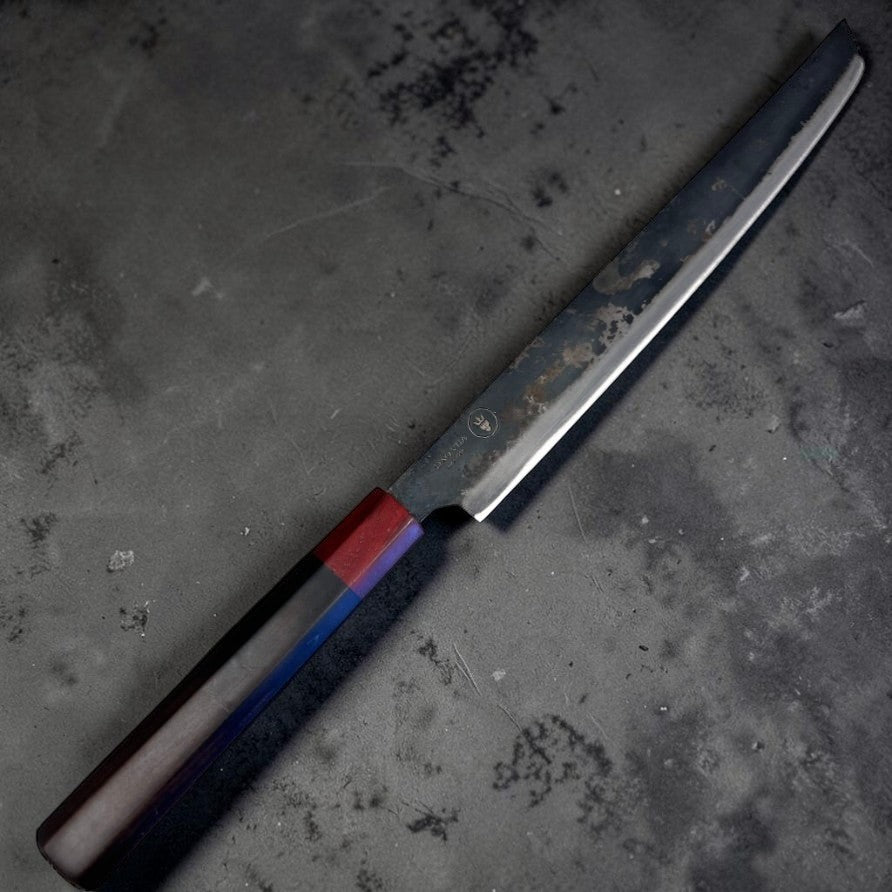
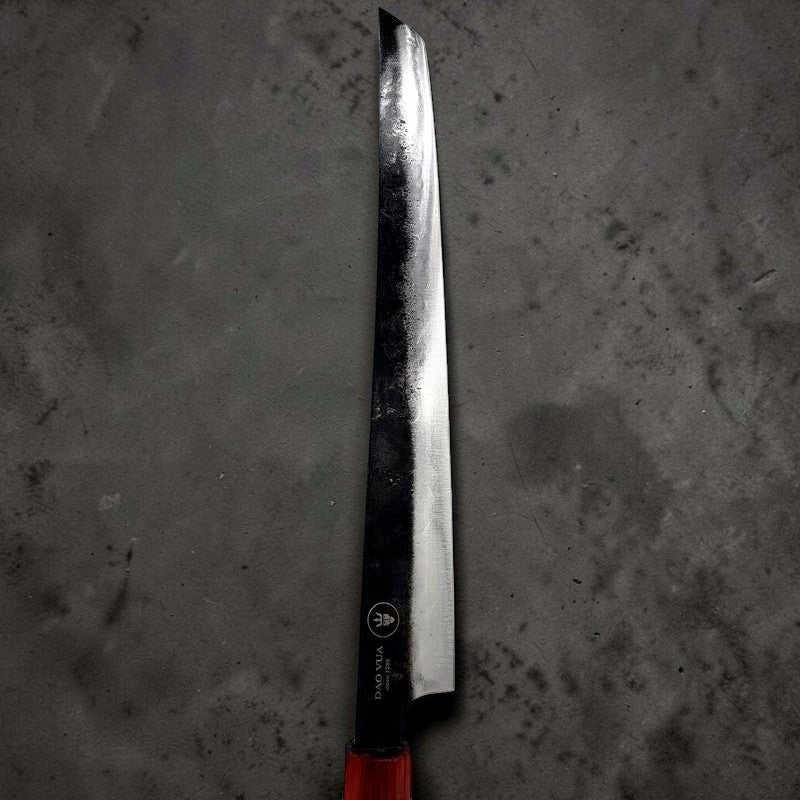
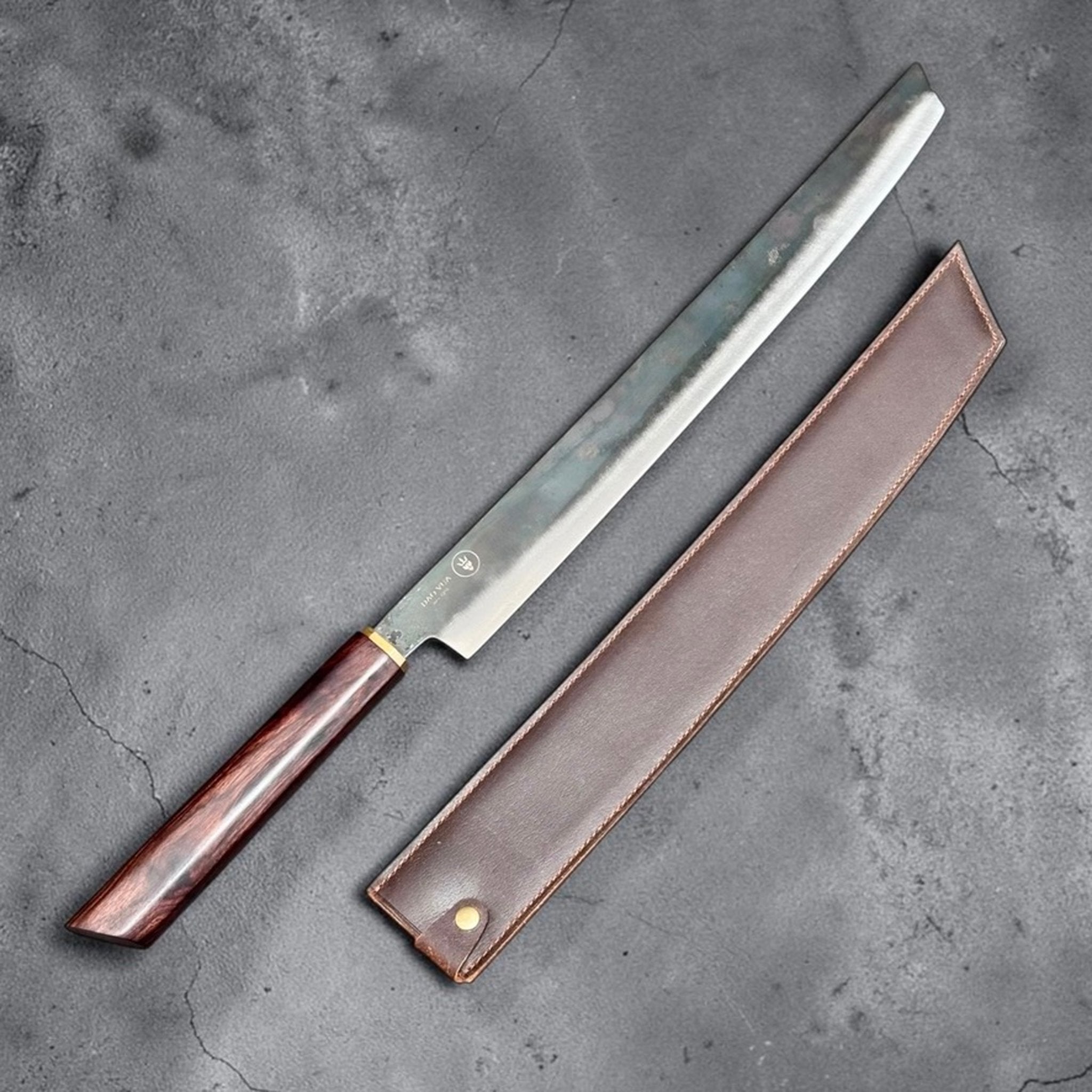
- Sujihiki or Sakimaru slicer: long profiles for smooth slicing strokes through boneless proteins and other larger foods.
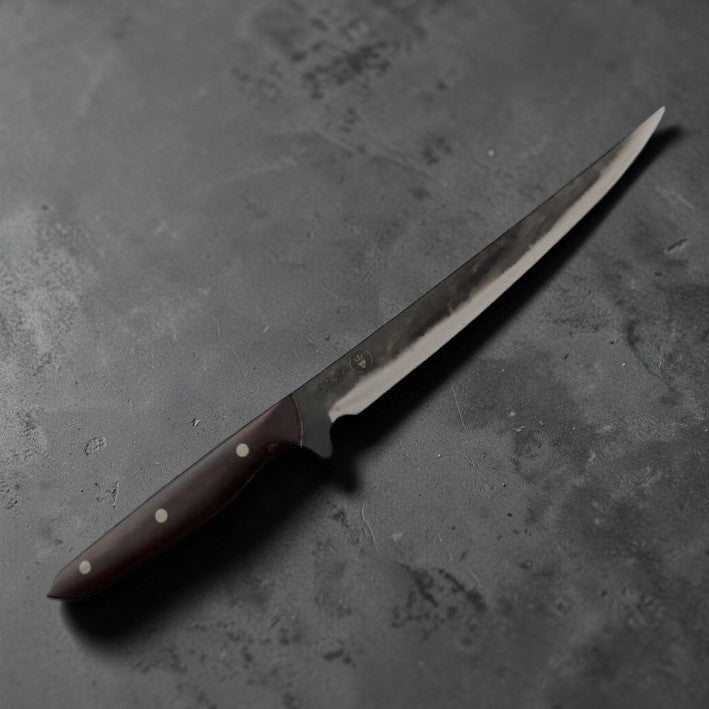
- Filet knife: a narrower profile for trimming and filleting tasks.
Check each product page for its exact blade length, dimensions, handle, included accessories, and availability. If you are deciding between two profiles, contact Tokushu Knife and tell us what you cook and what knife you currently enjoy using.
What to Expect from a Workshop-Made Knife
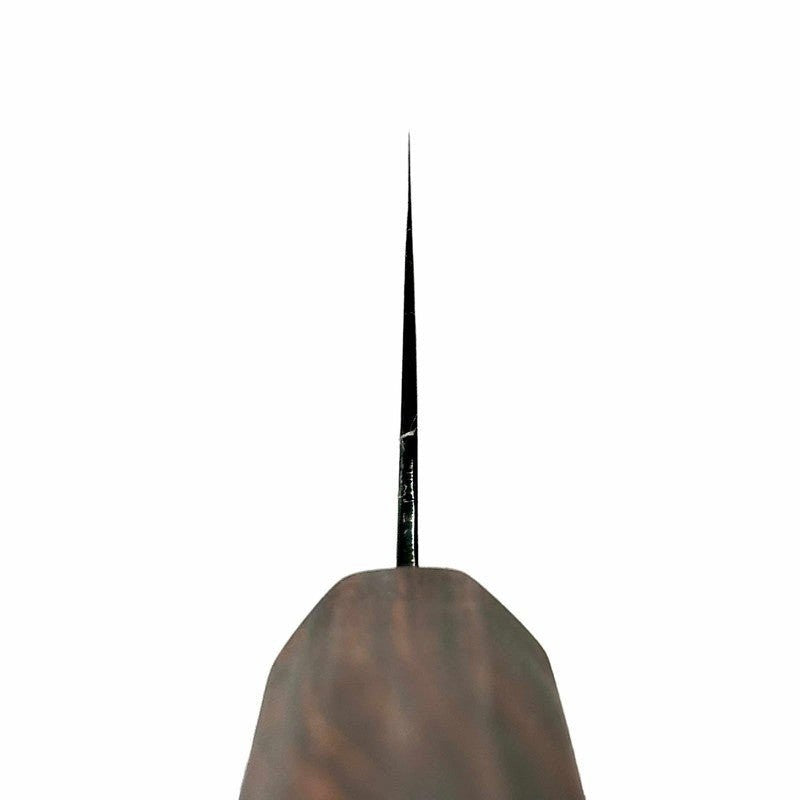
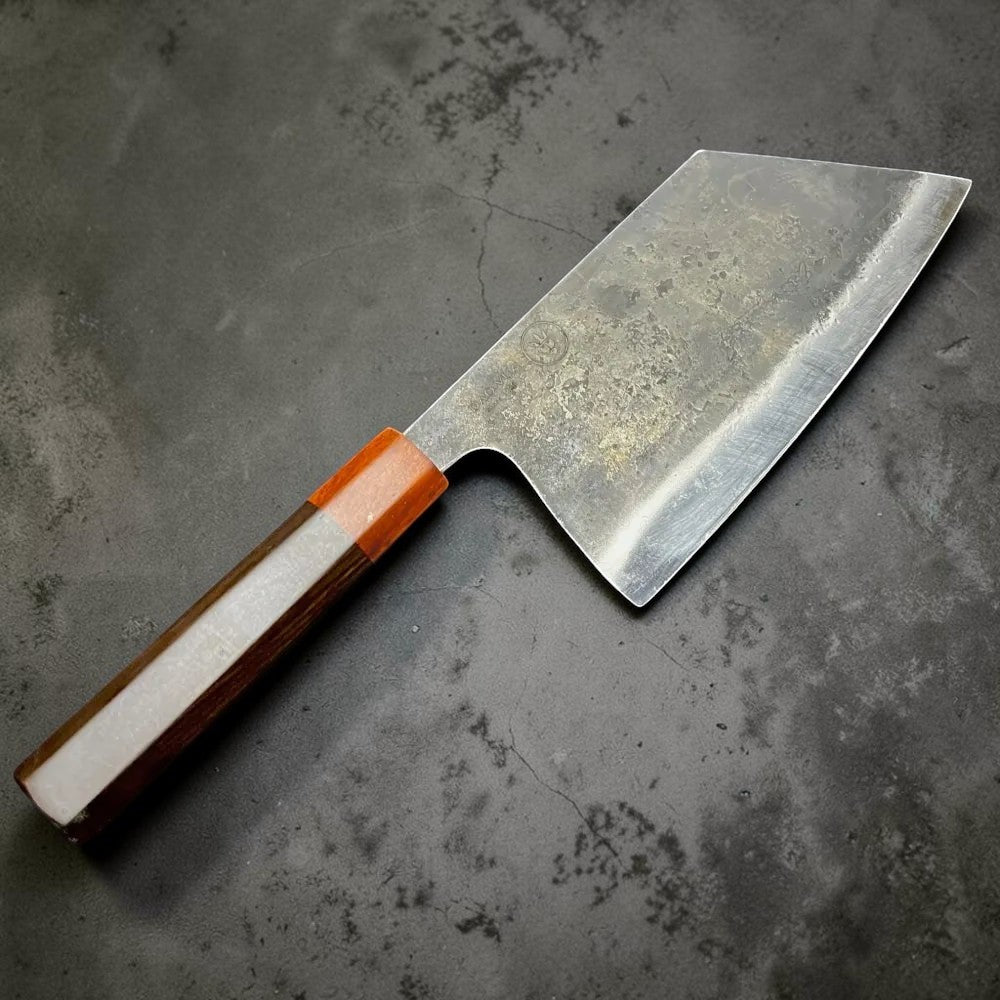
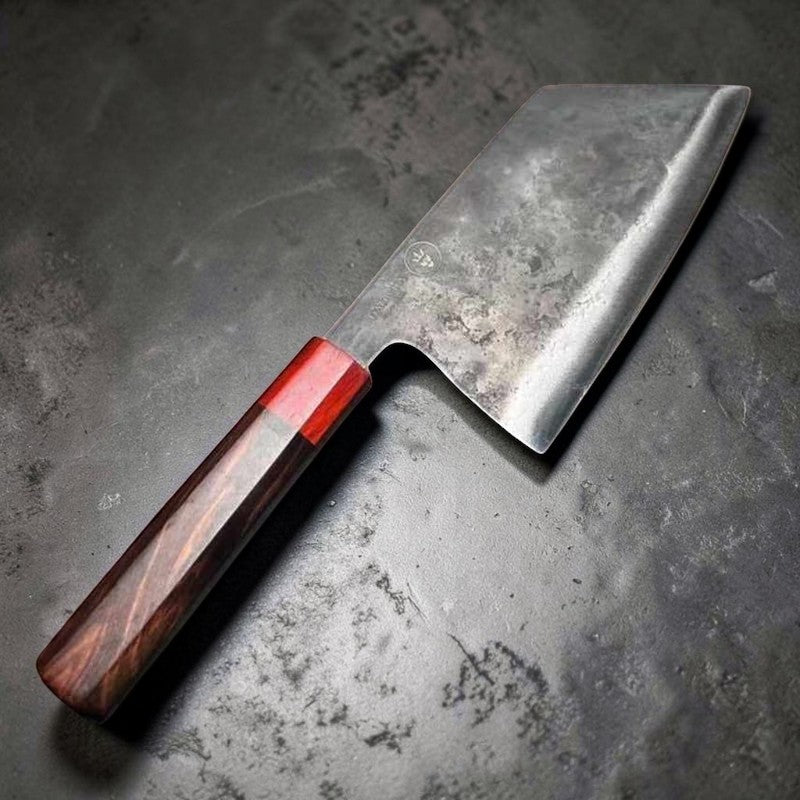
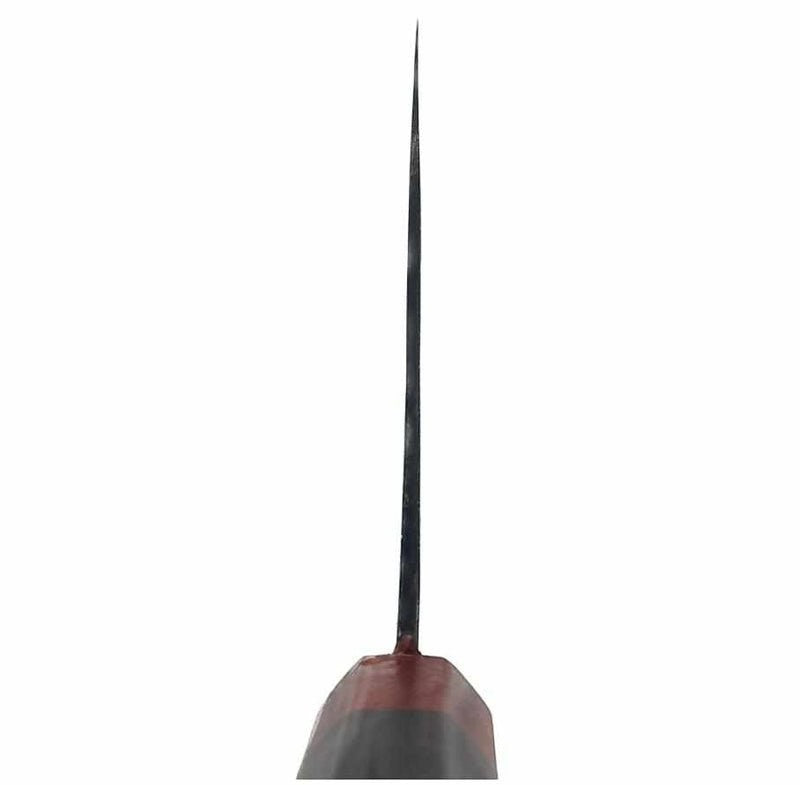
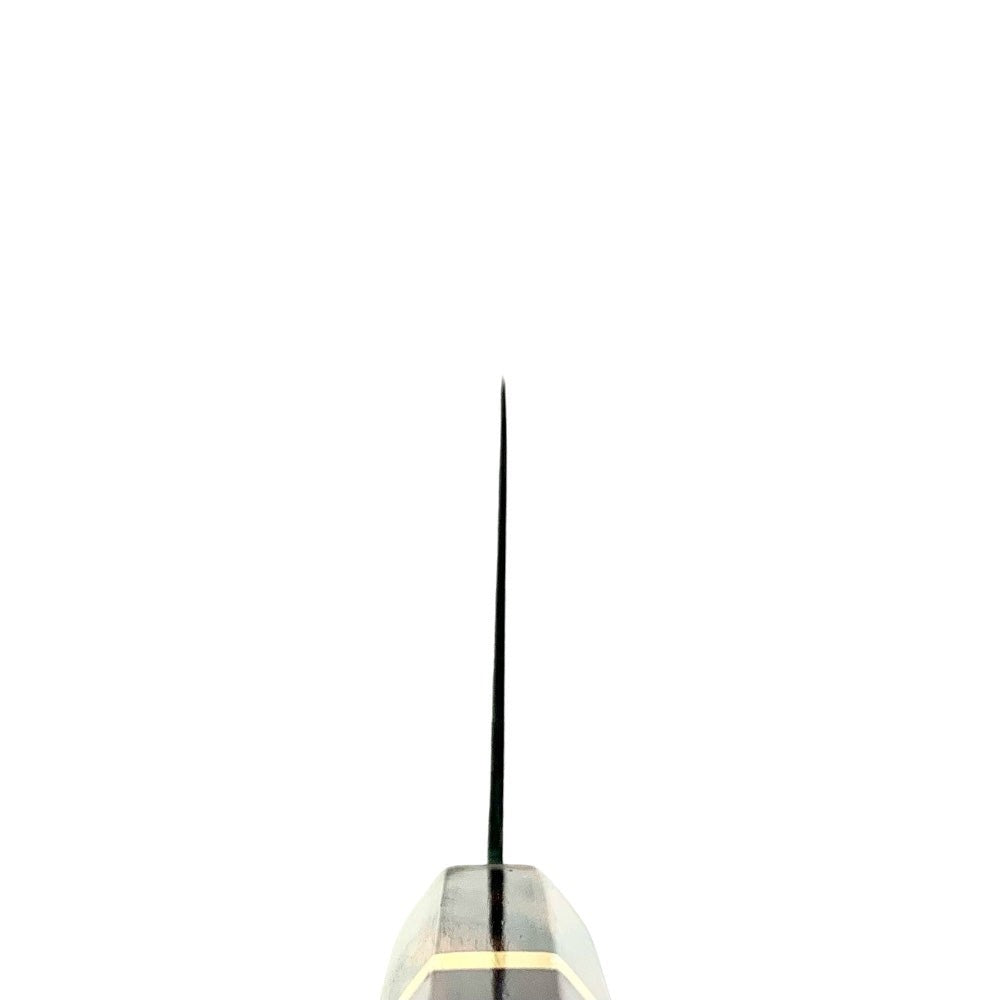
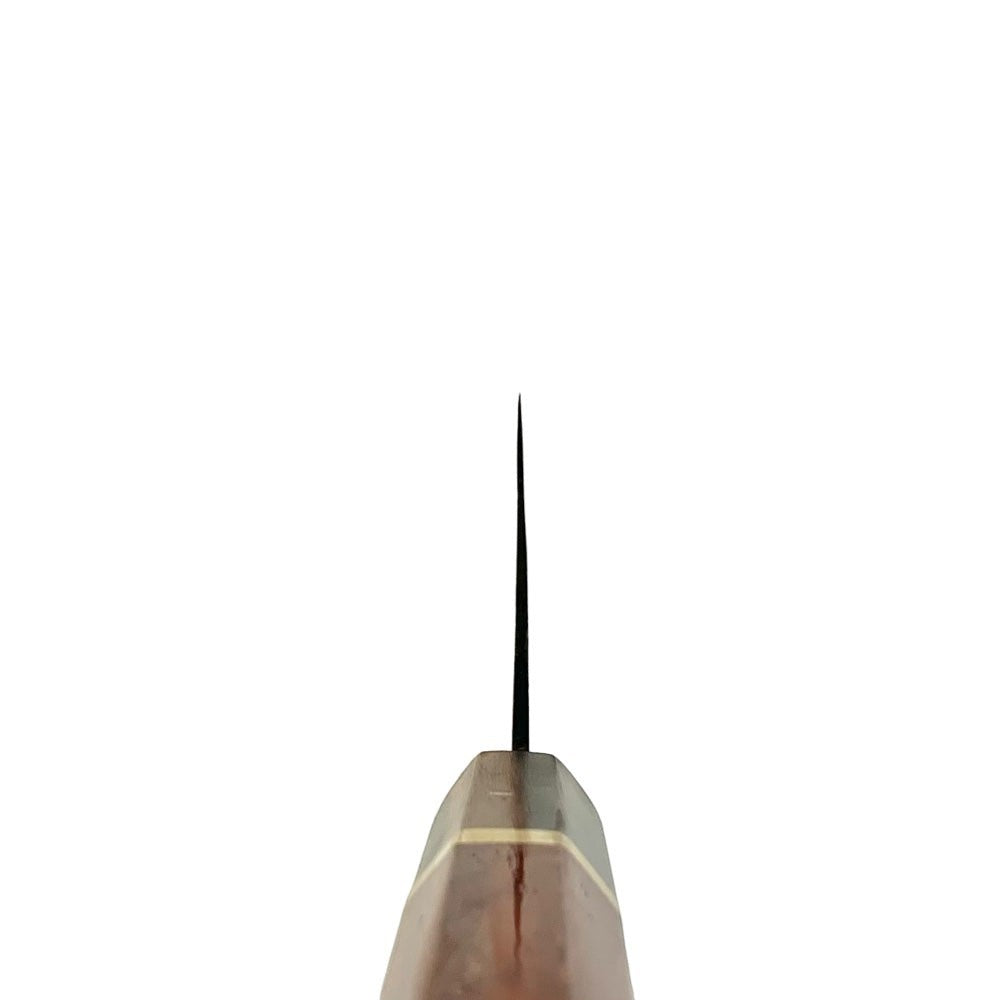
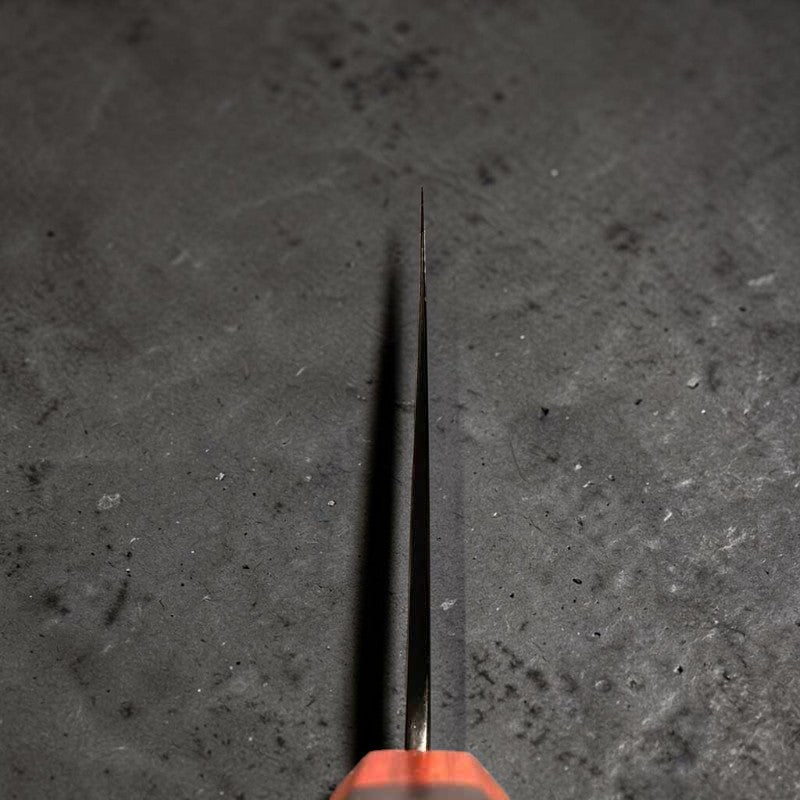
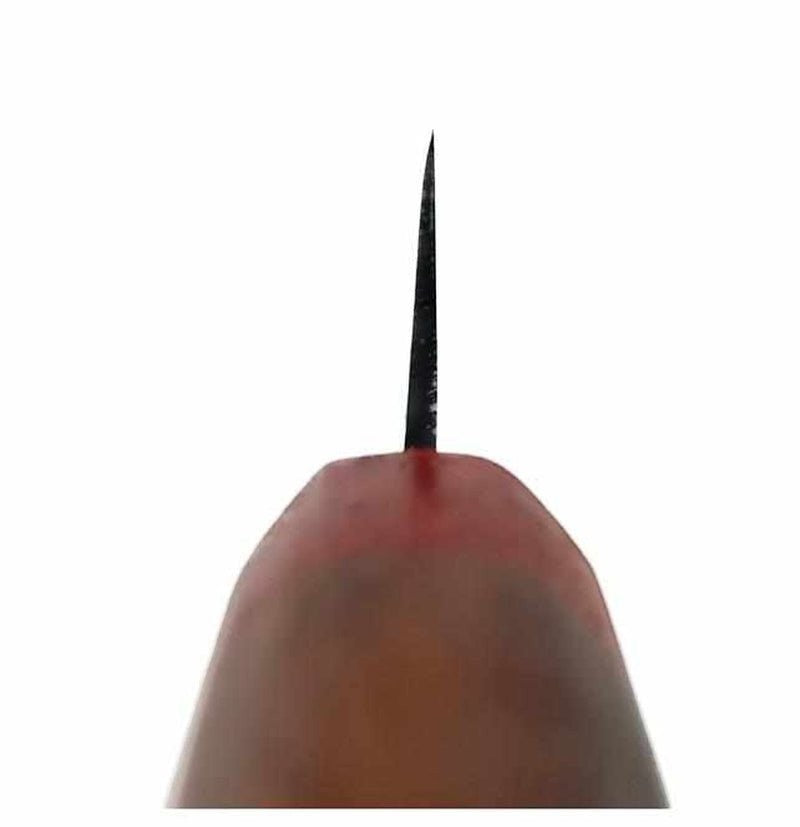
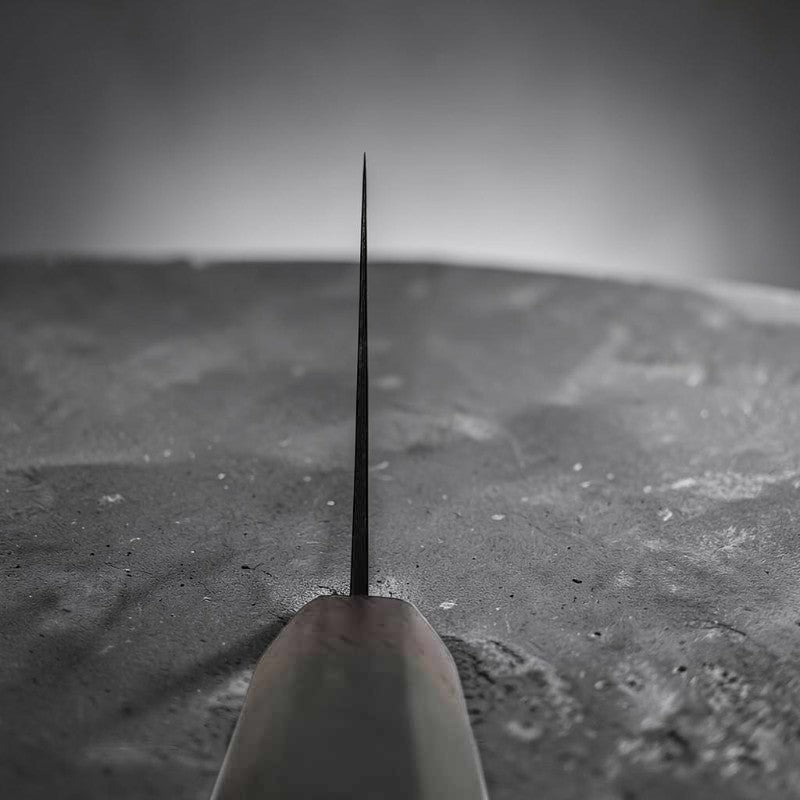
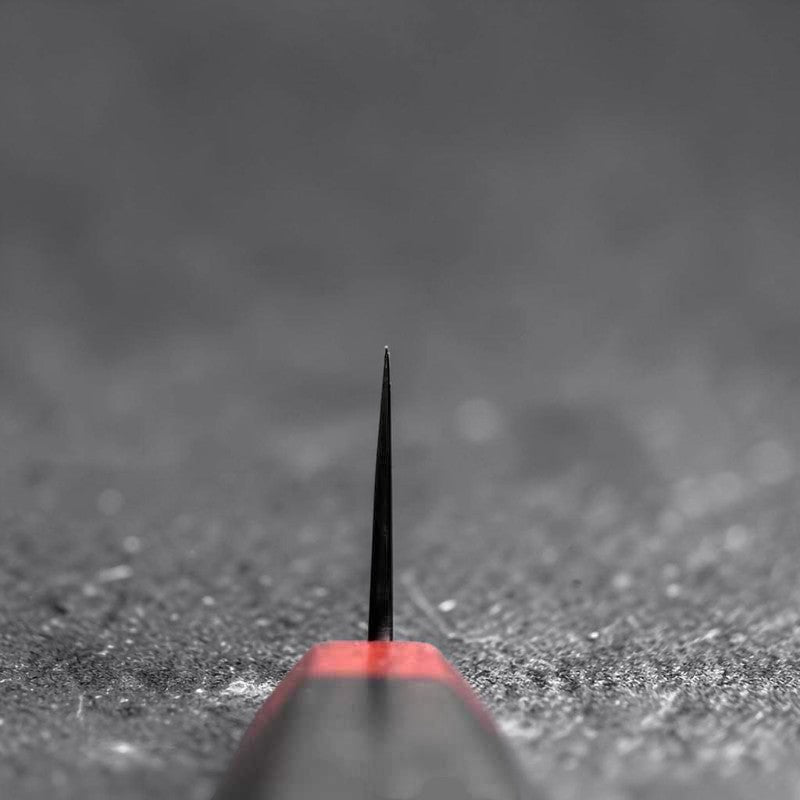
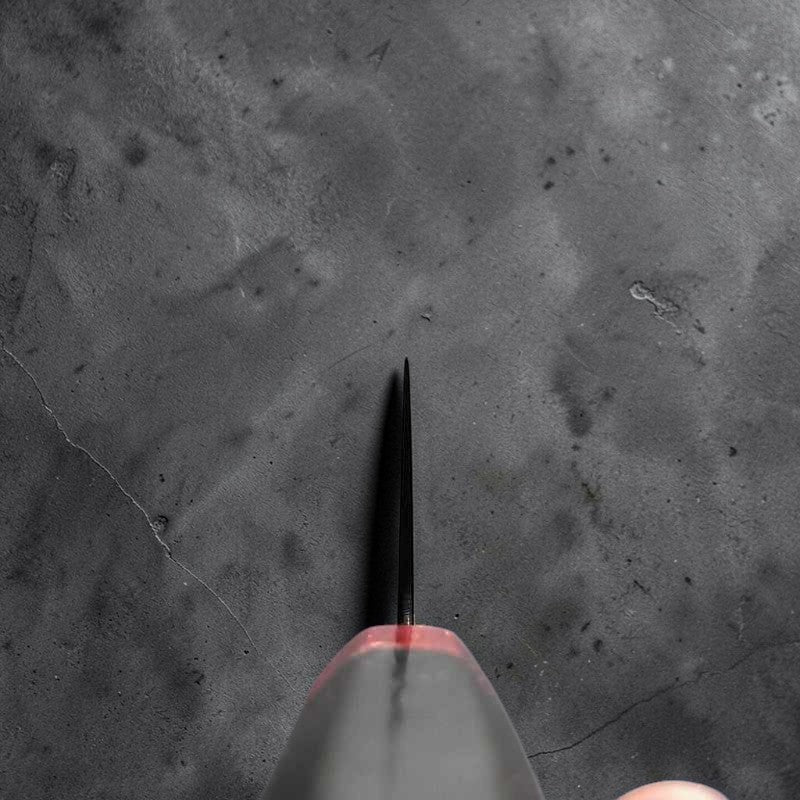
Substantial hand work means that minor cosmetic variation can occur from one knife to another. Kurouchi finish, hammer texture, dimensions, and natural handle grain may differ slightly from representative photographs. If the appearance of a specific piece matters to you, contact us before ordering and ask about the knife currently available.
52100 Carbon Steel Care
52100 carbon steel is reactive rather than stainless. It can develop a patina with use and may rust if moisture or food residue remains on the blade.
- Hand-wash and dry the knife immediately after use.
- Never place it in a dishwasher or leave it soaking.
- Wipe the blade during longer prep sessions, especially after acidic foods.
- Avoid frozen food, hard bones, prying, and twisting the edge through dense ingredients.
- For longer storage, apply a very light coat of food-safe protective oil to a clean, dry blade.
Optional Professional Sharpening
Professional sharpening is available as a paid add-on. Add Tokushu Knife’s professional knife sharpening service to the same order if you would like the edge refined before first use. Otherwise, the knife ships with its standard factory edge.
Quick Answers
Are the current Dao Vua V3 knives stainless?
No. The knives currently listed here use reactive 52100 carbon steel and require prompt washing and drying.
Will every knife look exactly like the photographs?
Not necessarily. Hand work and natural wood create minor differences in finish, dimensions, grain, and color.
What is the simplest first Dao Vua knife?
For most cooks, a Gyuto or Bunka is the most versatile starting point. Choose a Nakiri or Kiri cleaver for vegetable-focused work, a Petty for compact tasks, or a Sujihiki-style profile for long slicing strokes.
First-hand source: Anthony Maciejewski, Founder and Director, Tokushu Knife. Workshop visit: October 2023. Page reviewed: August 22, 2026. Product specifications can change; the individual product page is the source for the exact knife offered.