
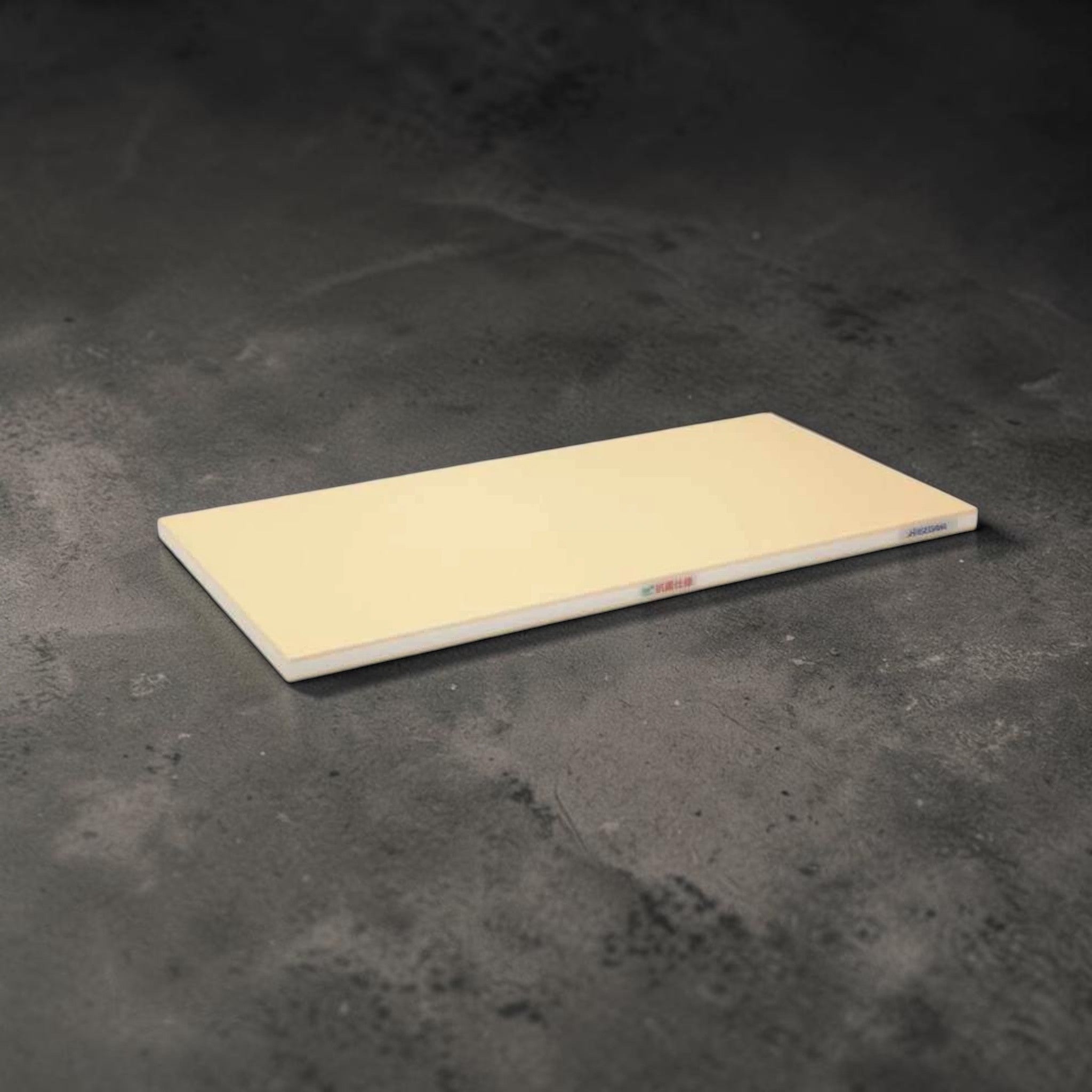
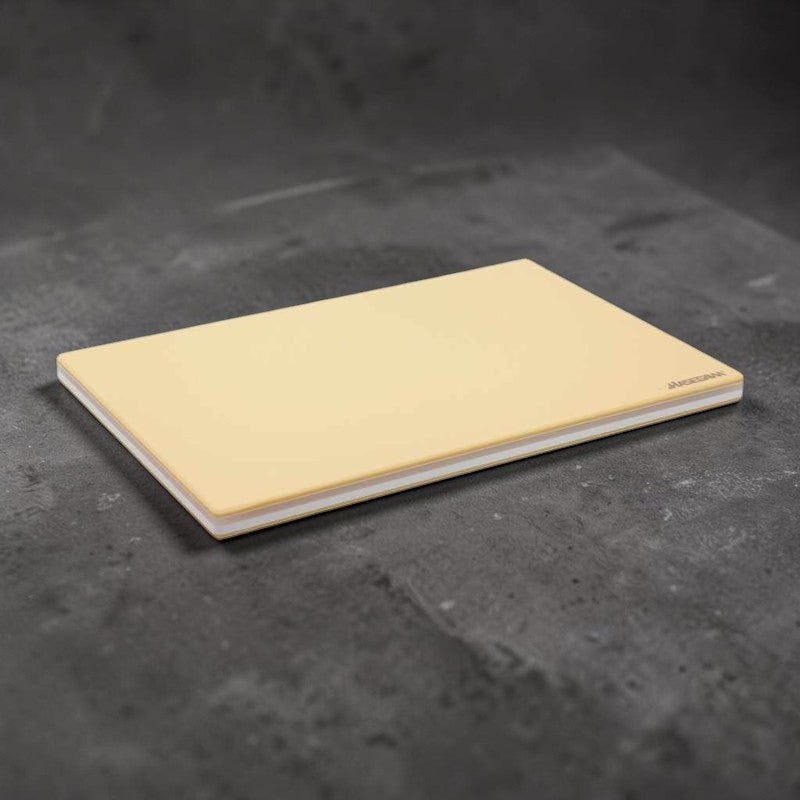
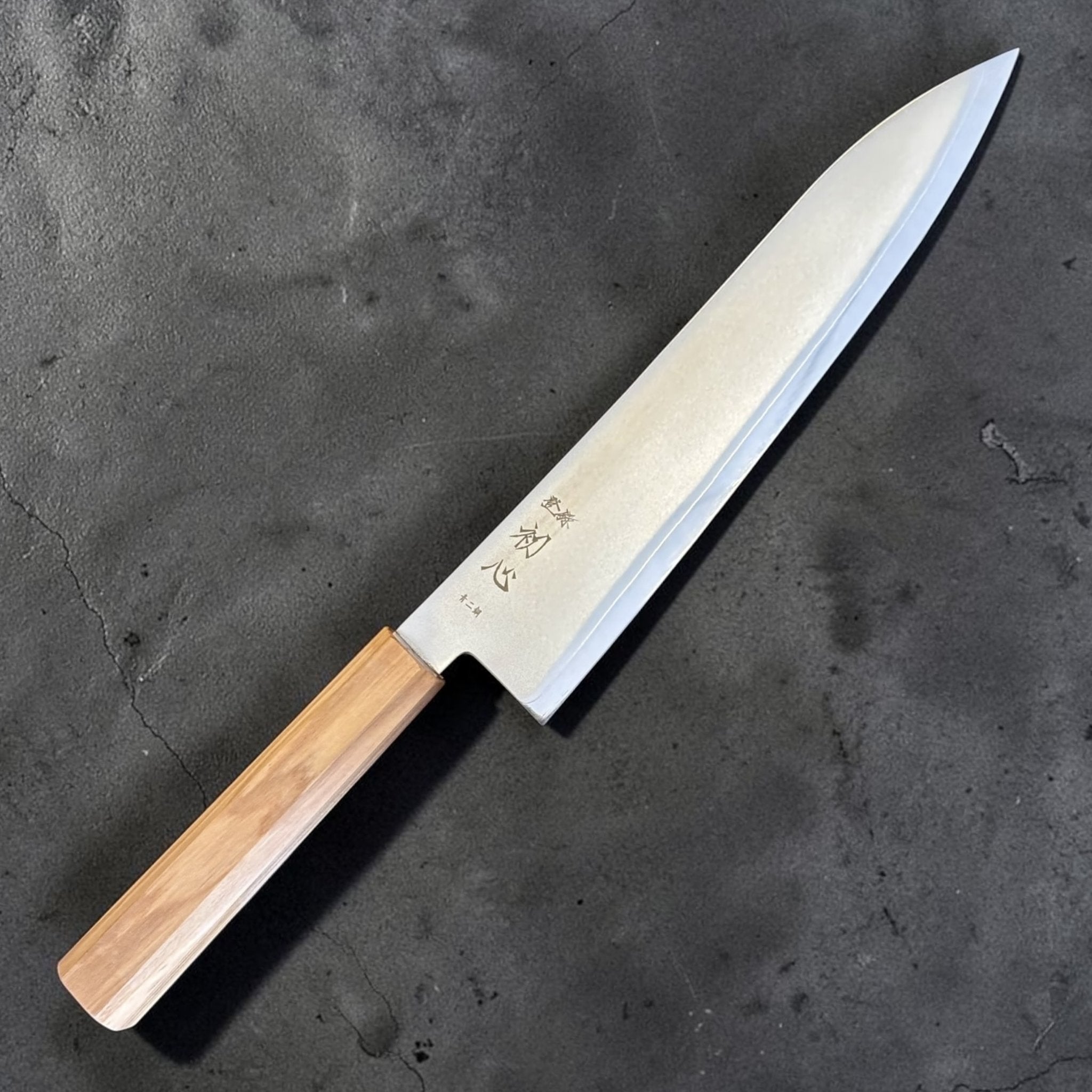
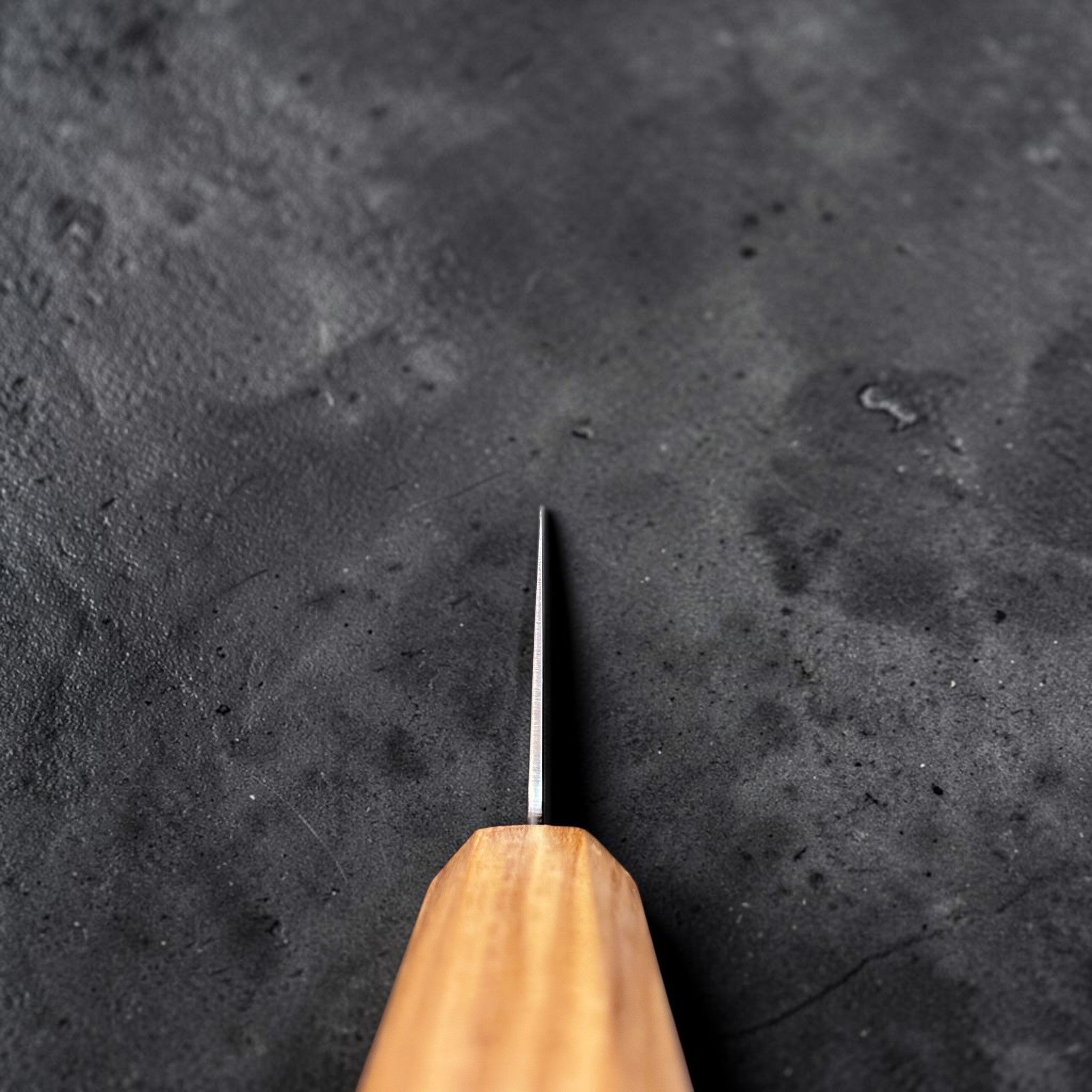
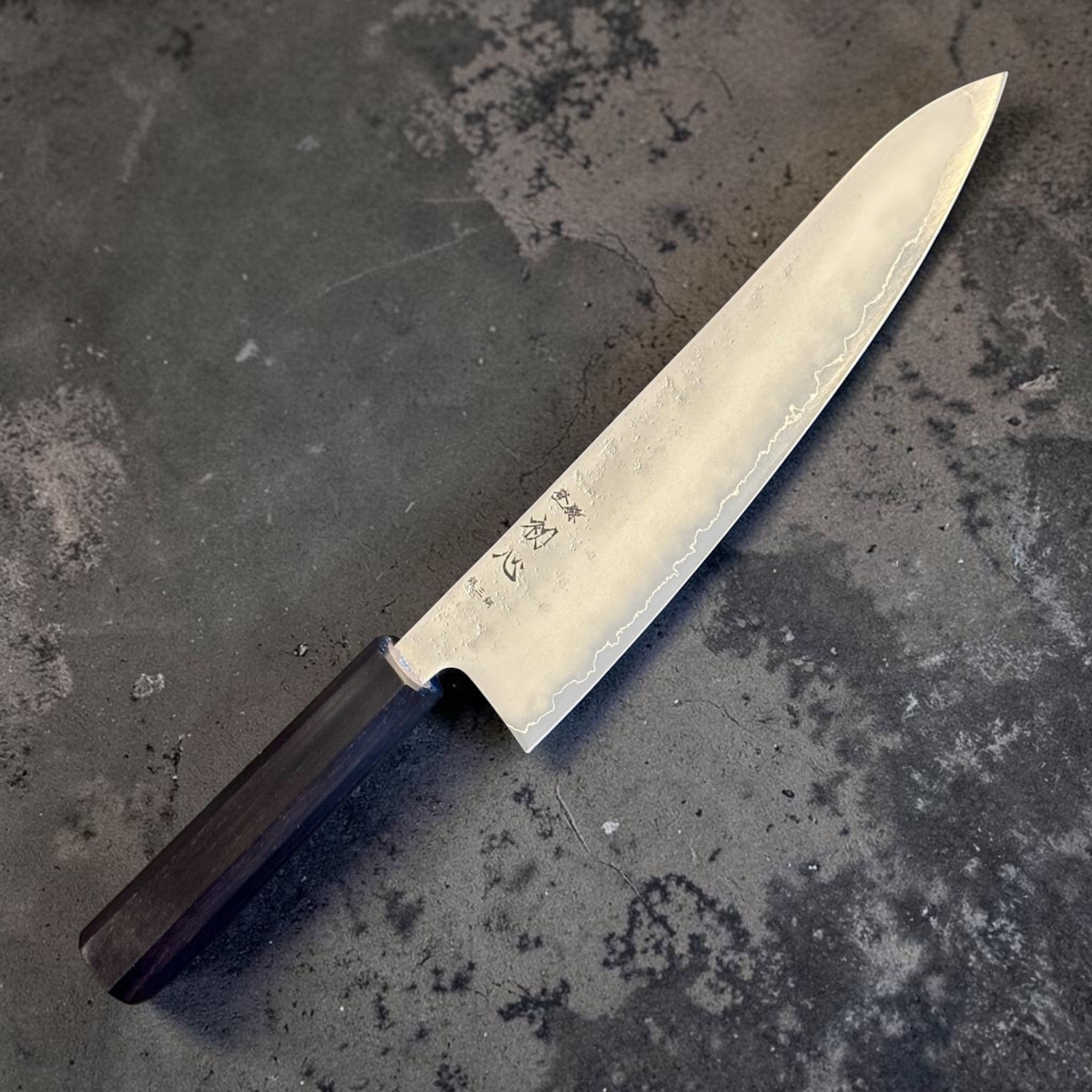
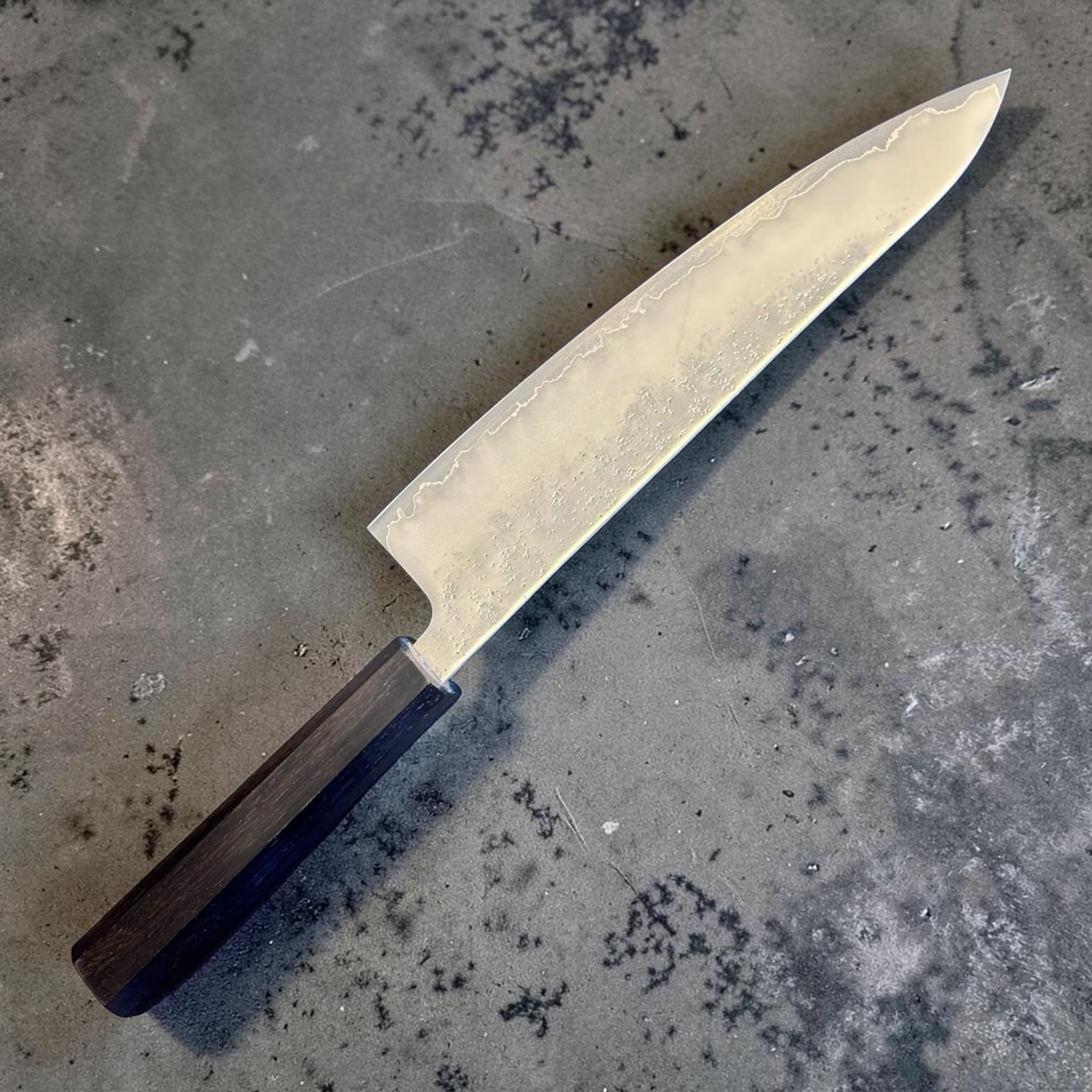
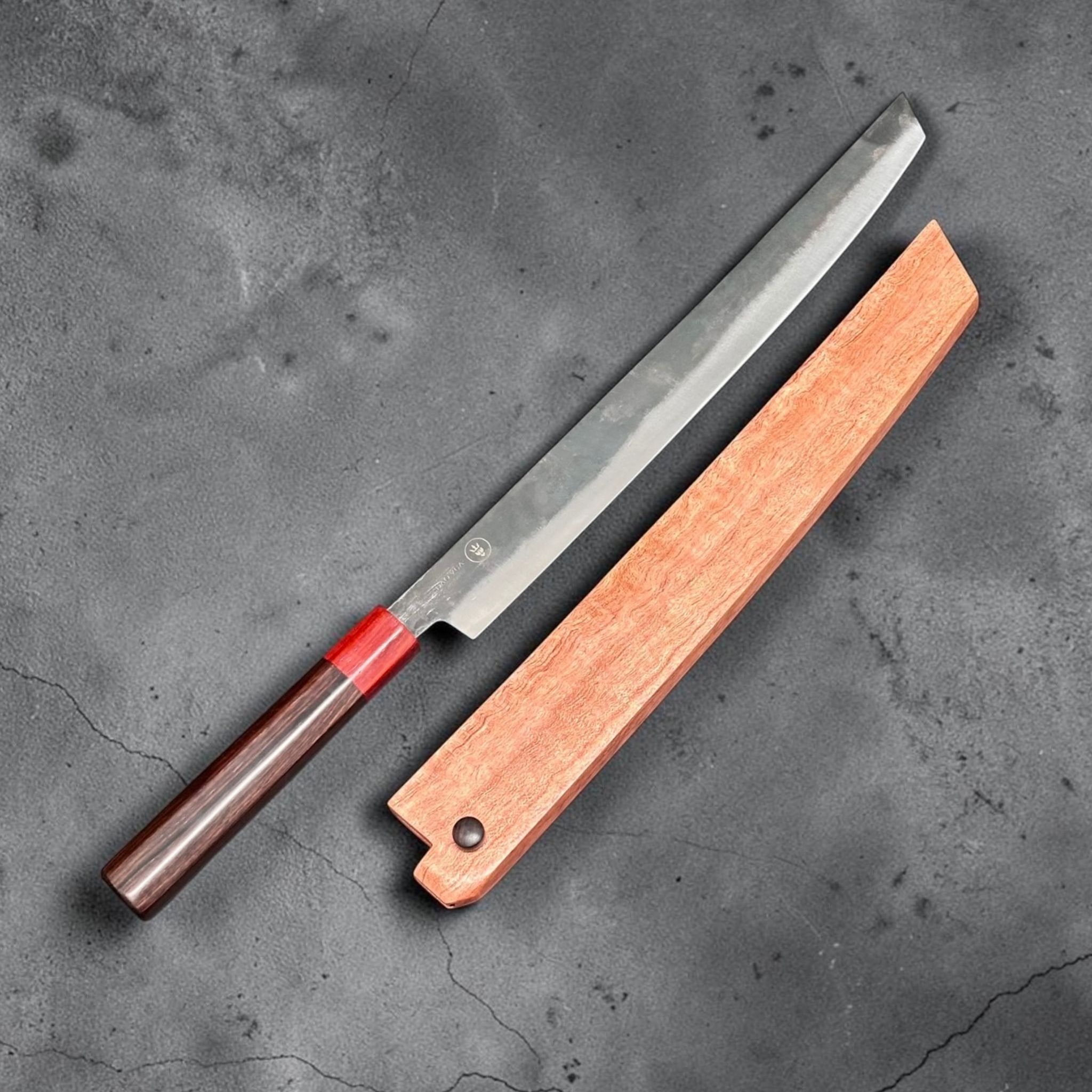
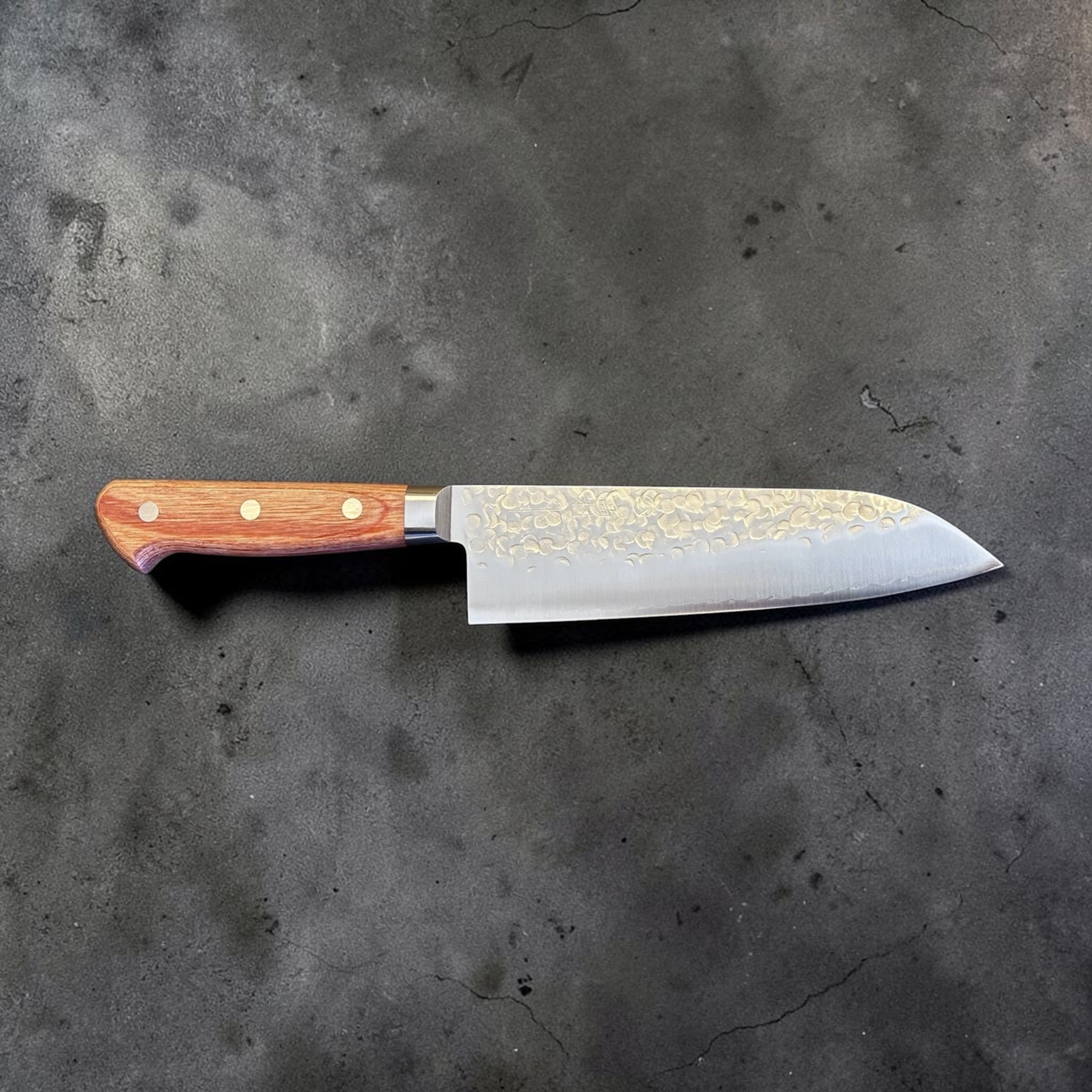
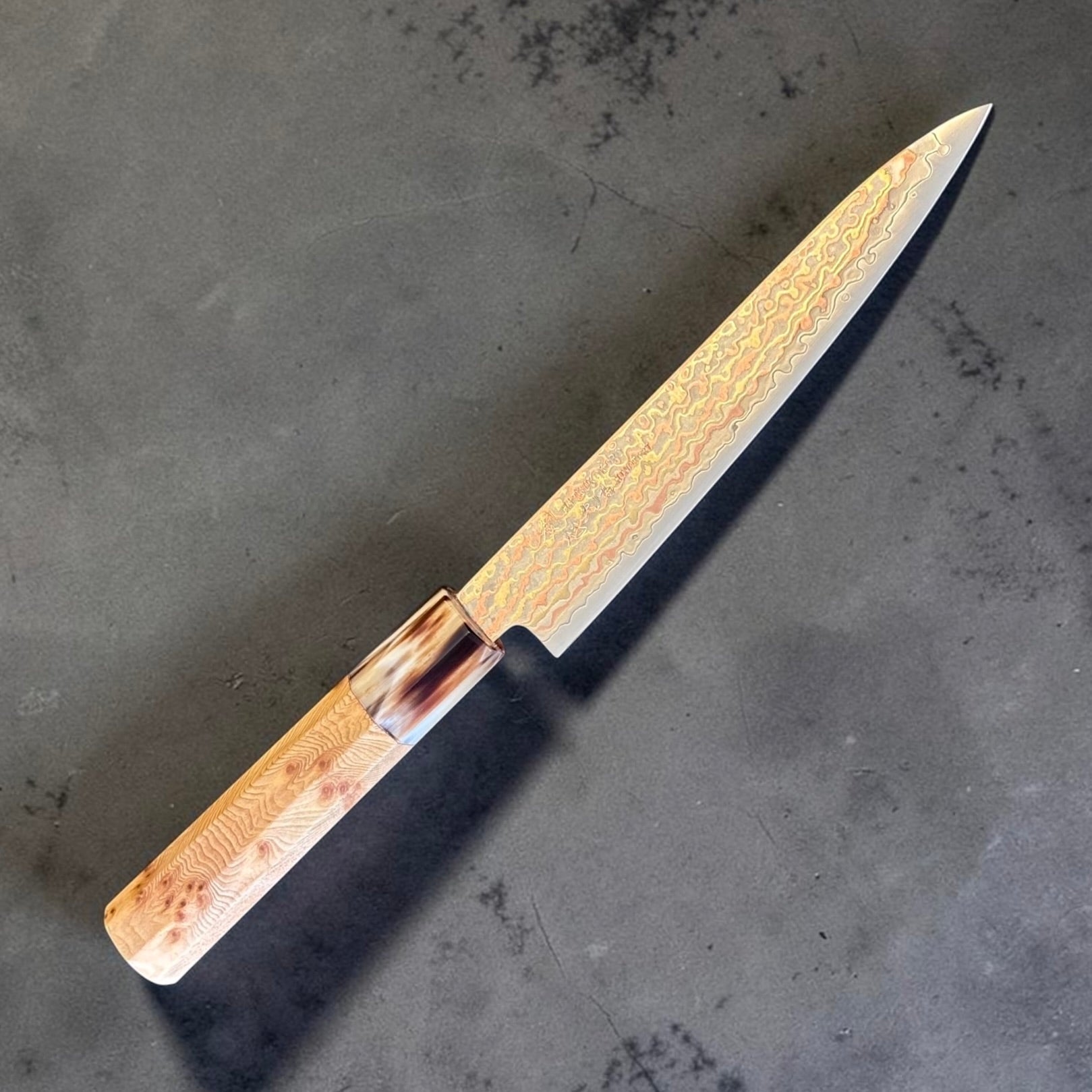
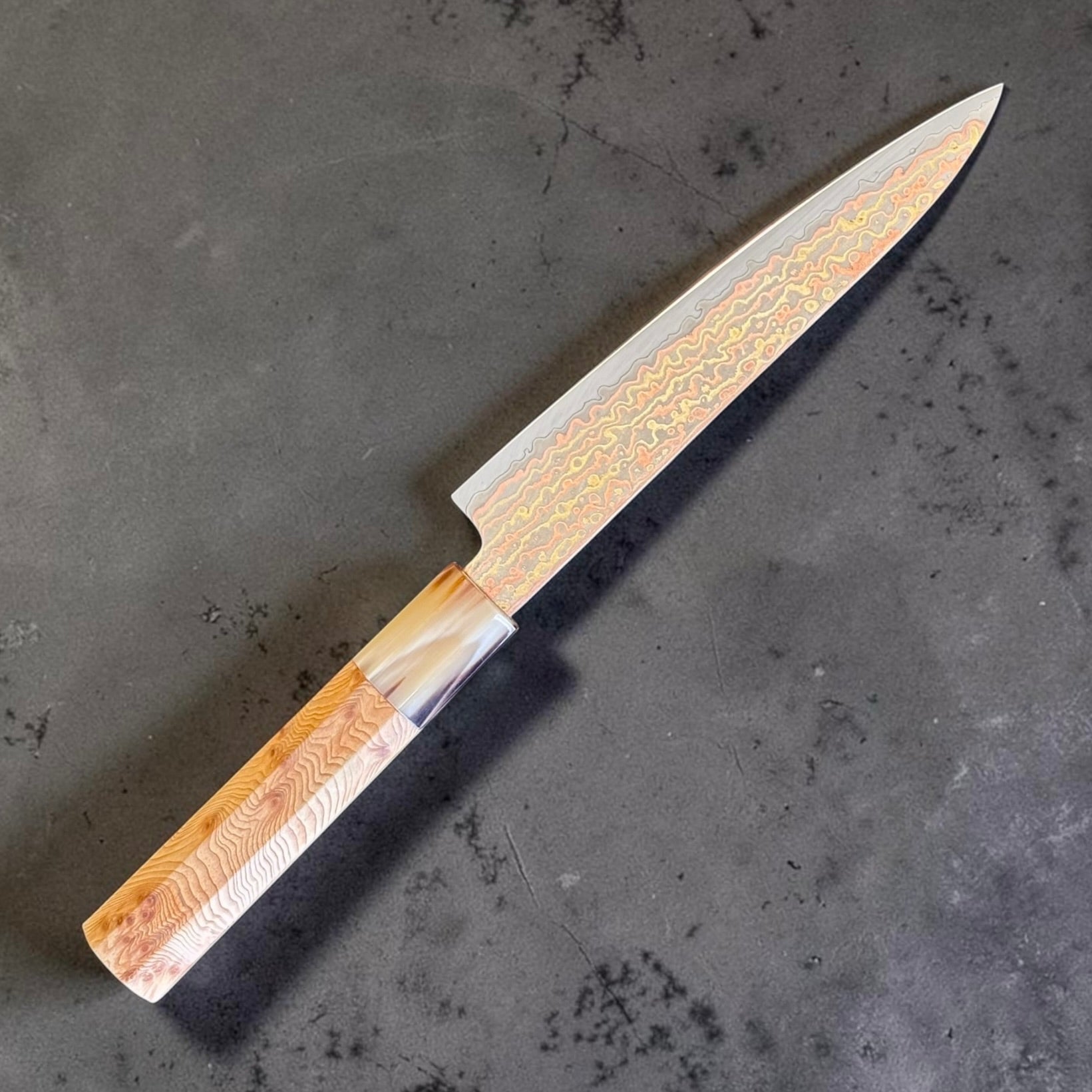
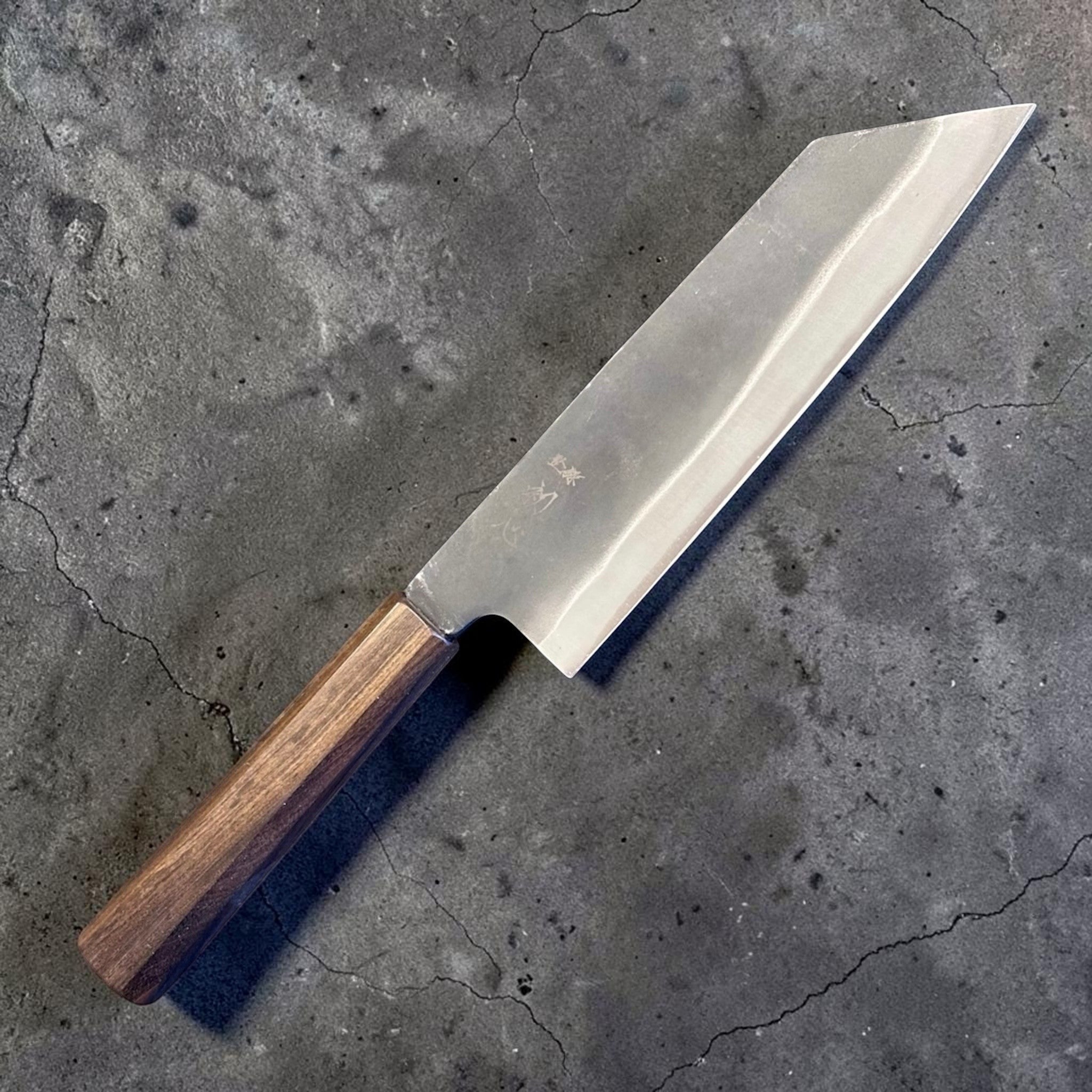
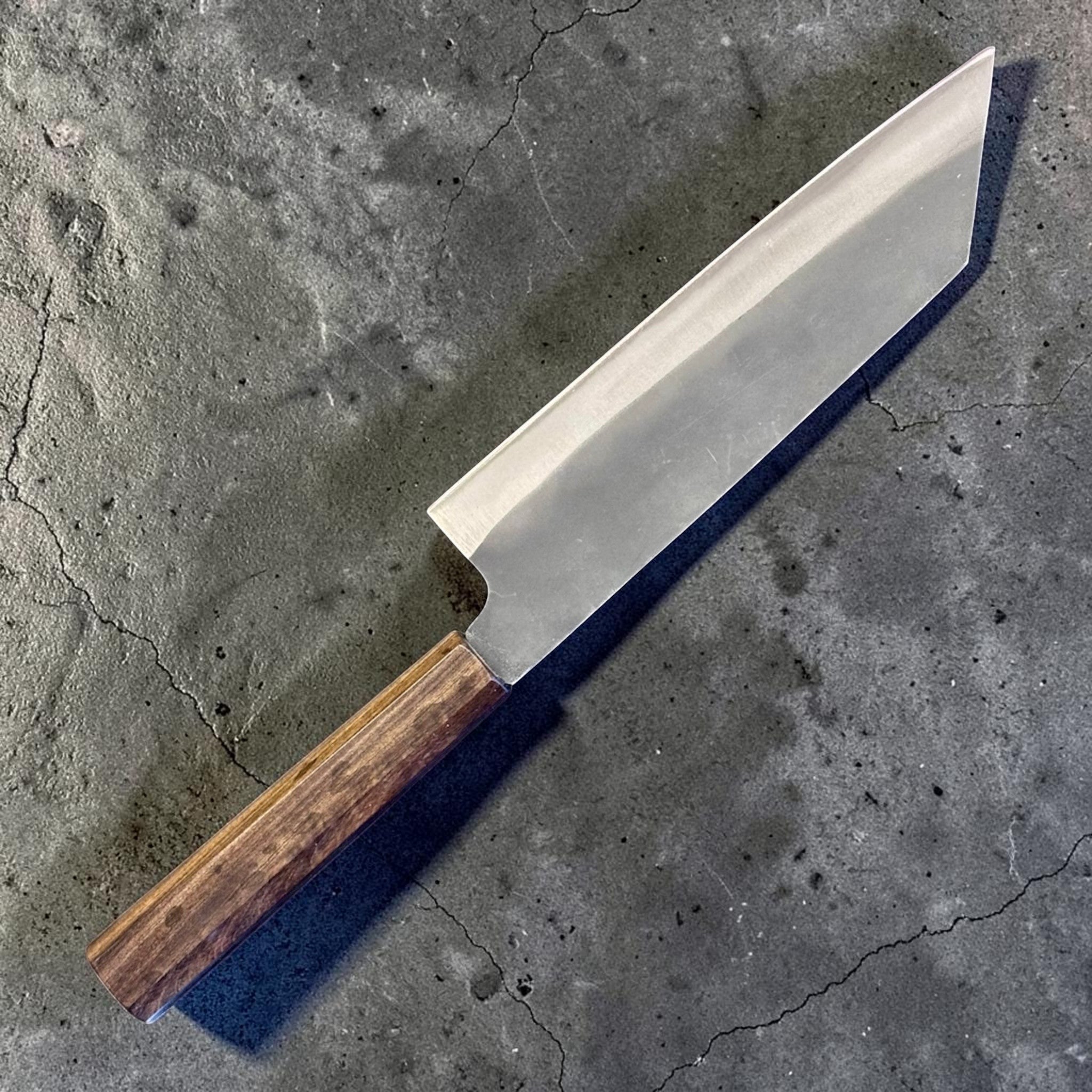
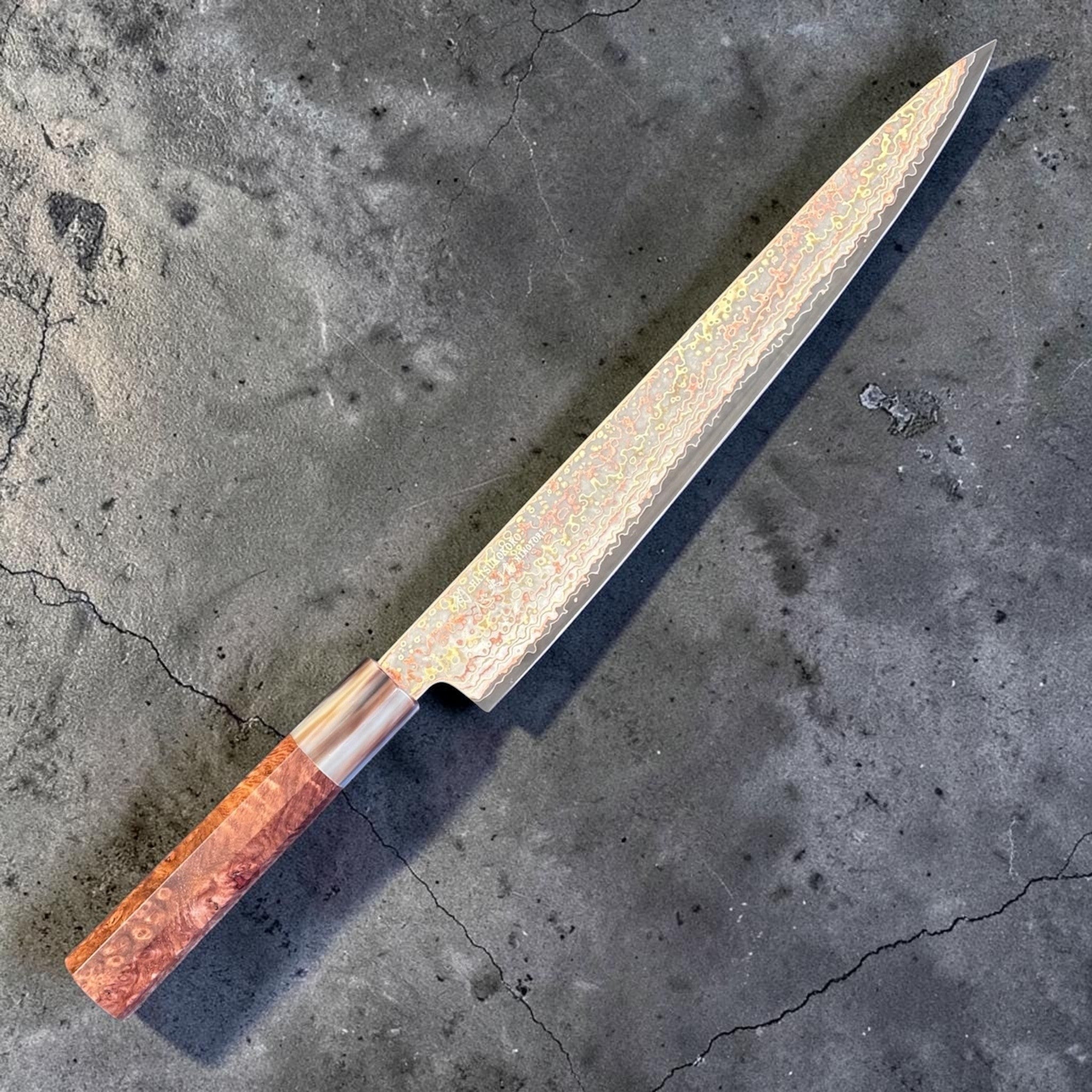
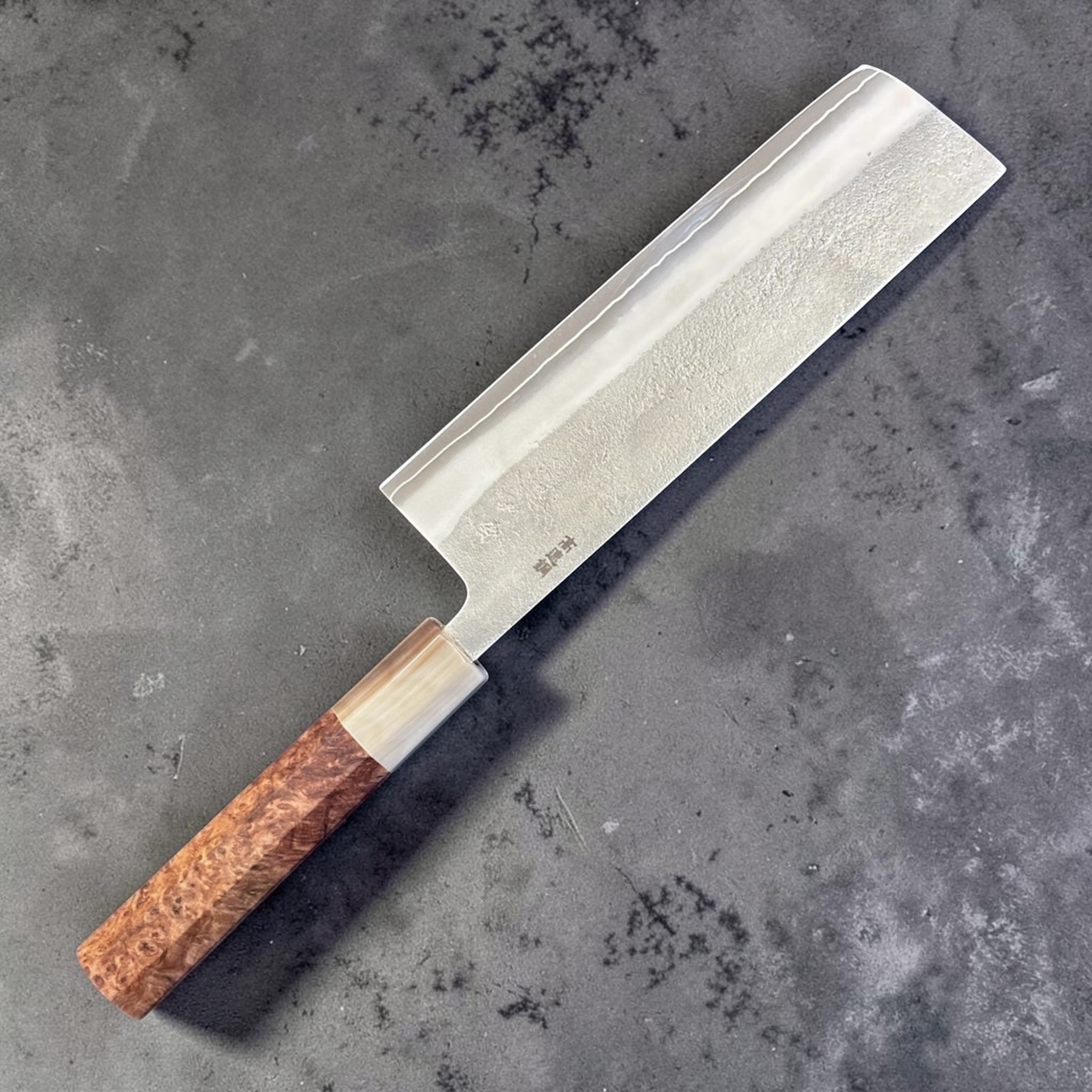
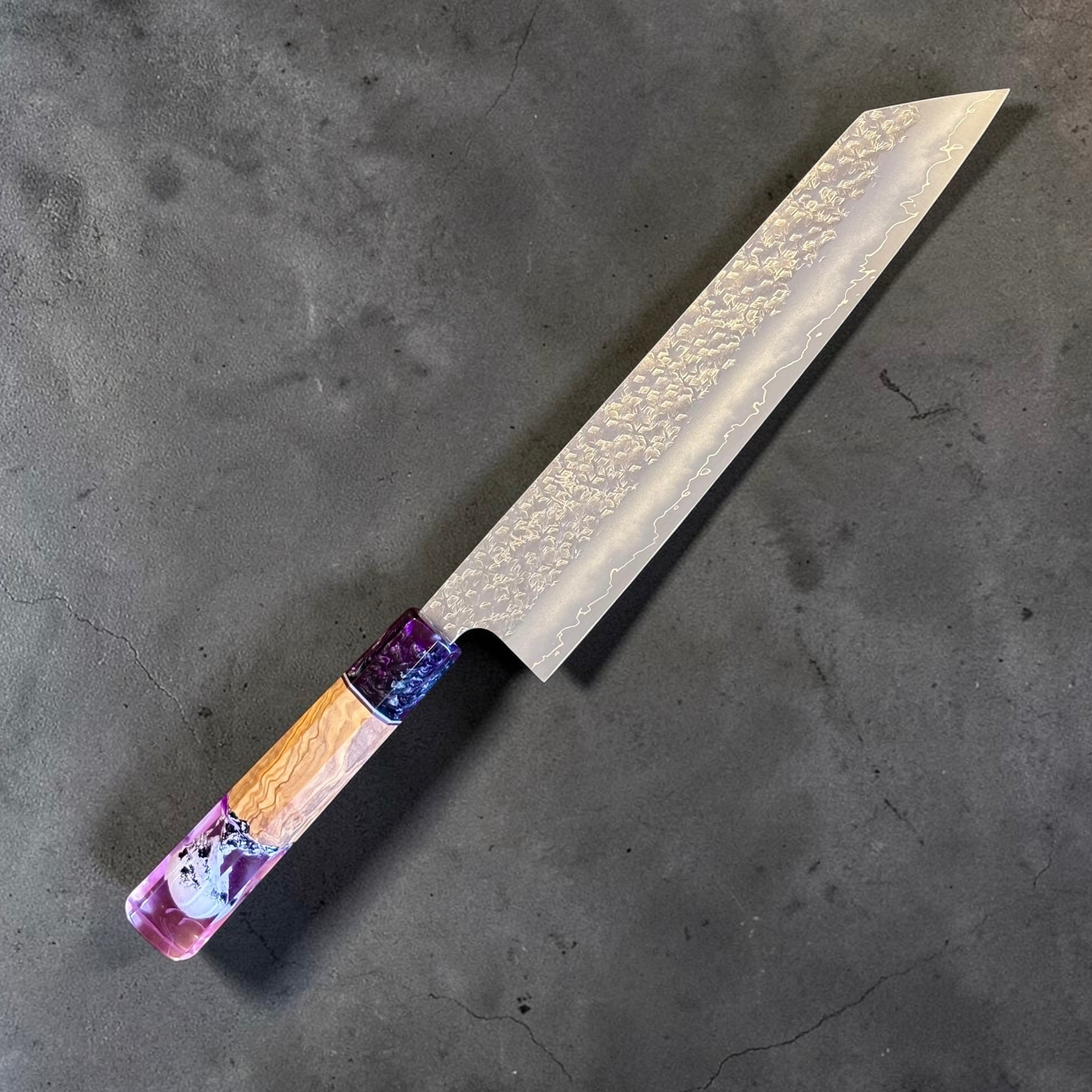
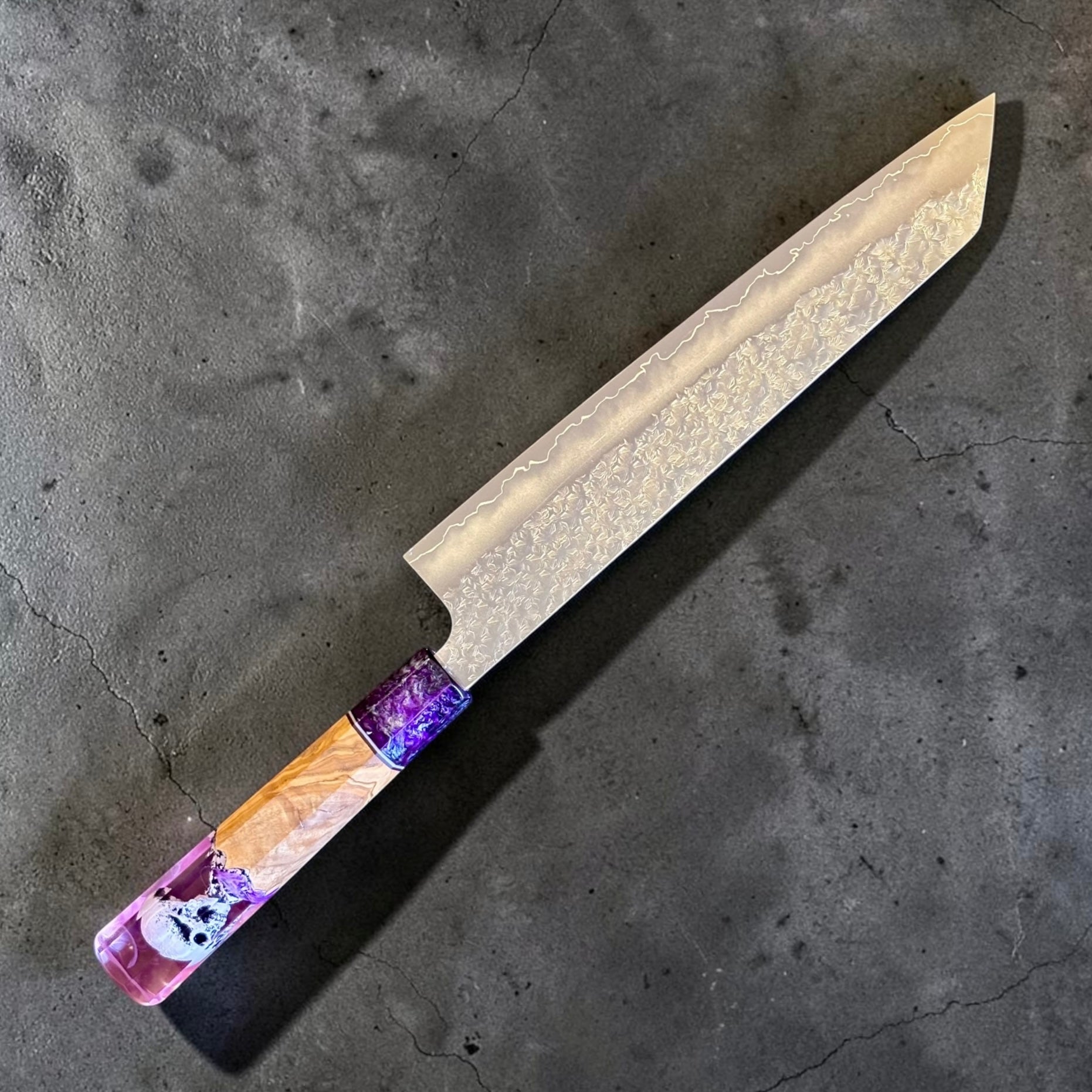
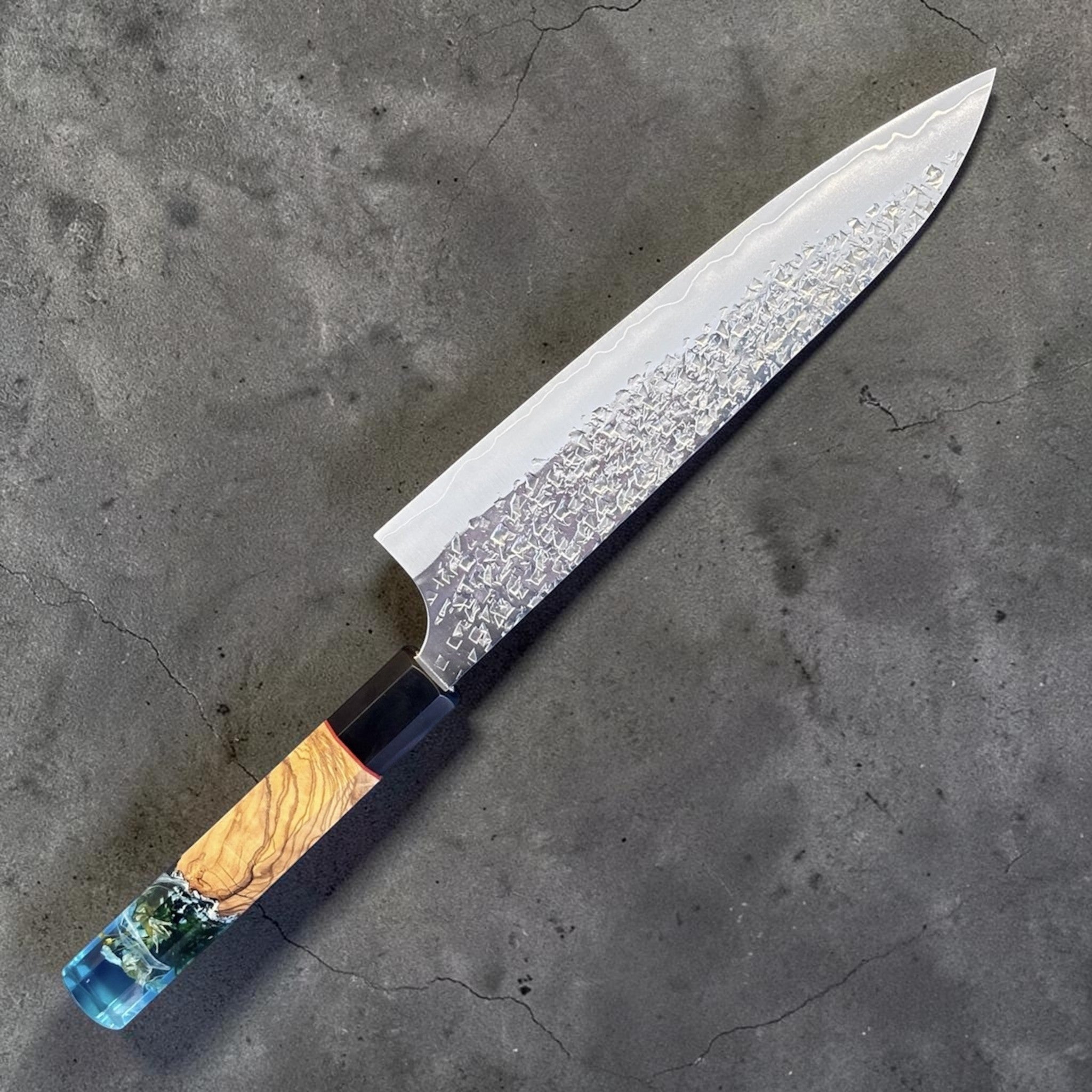
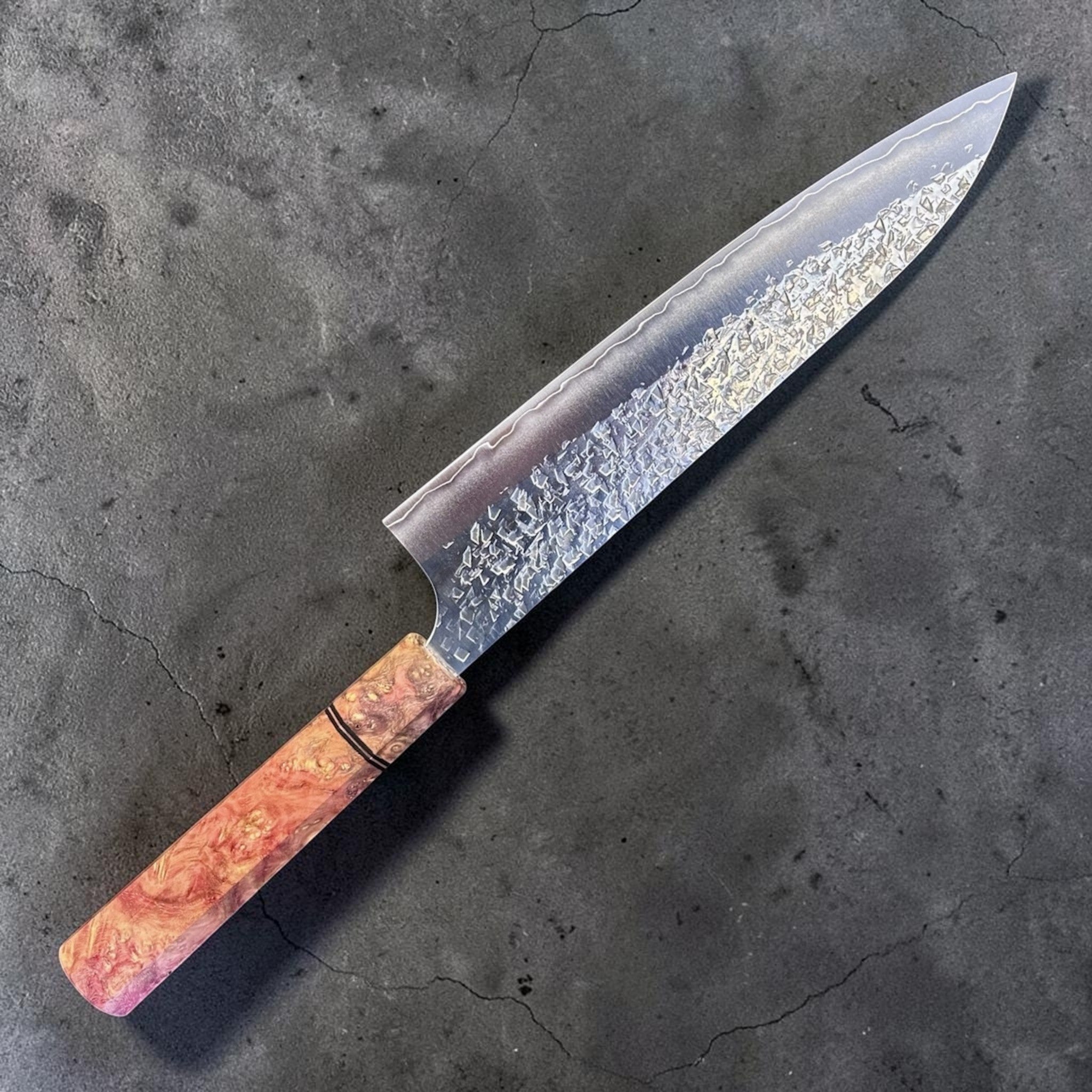
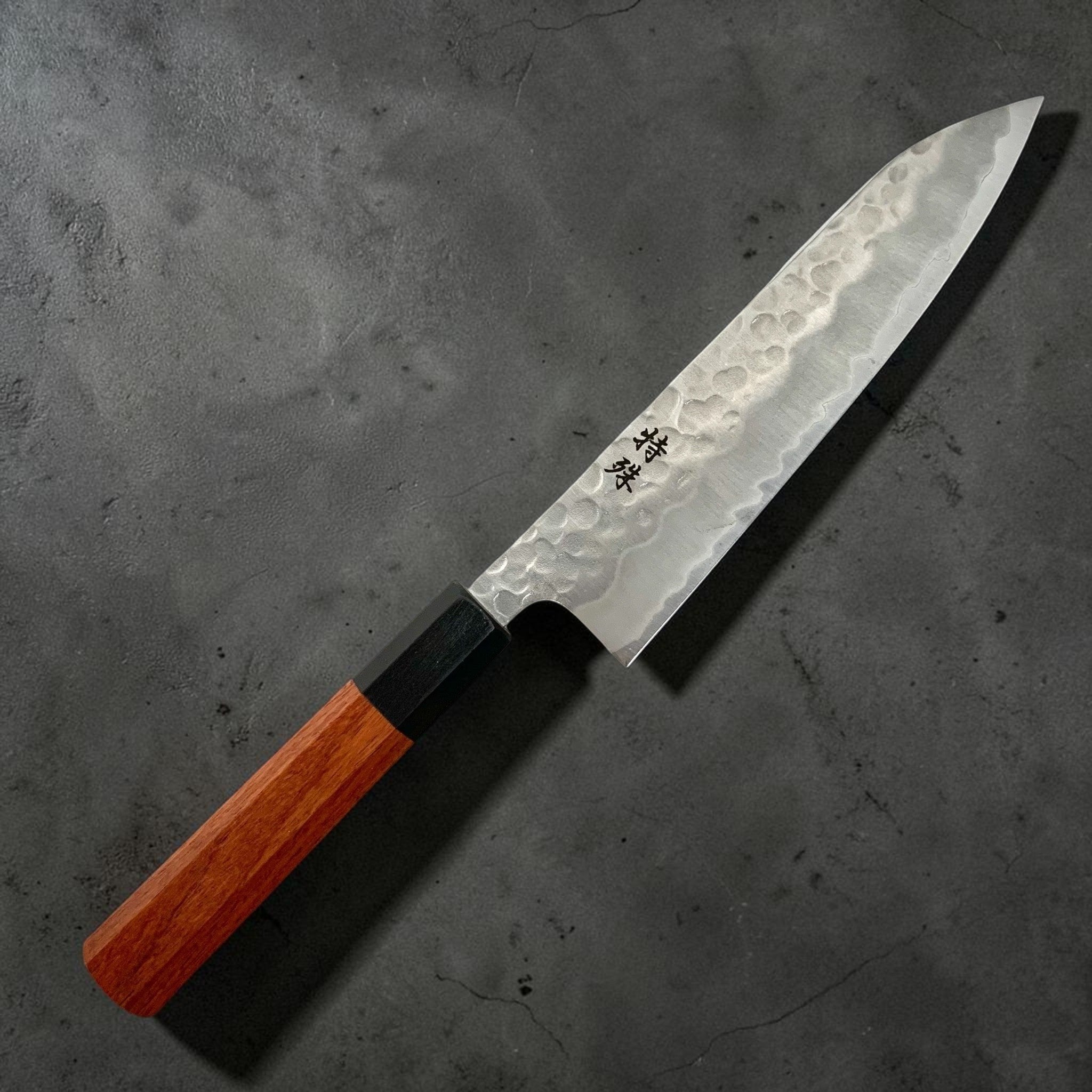
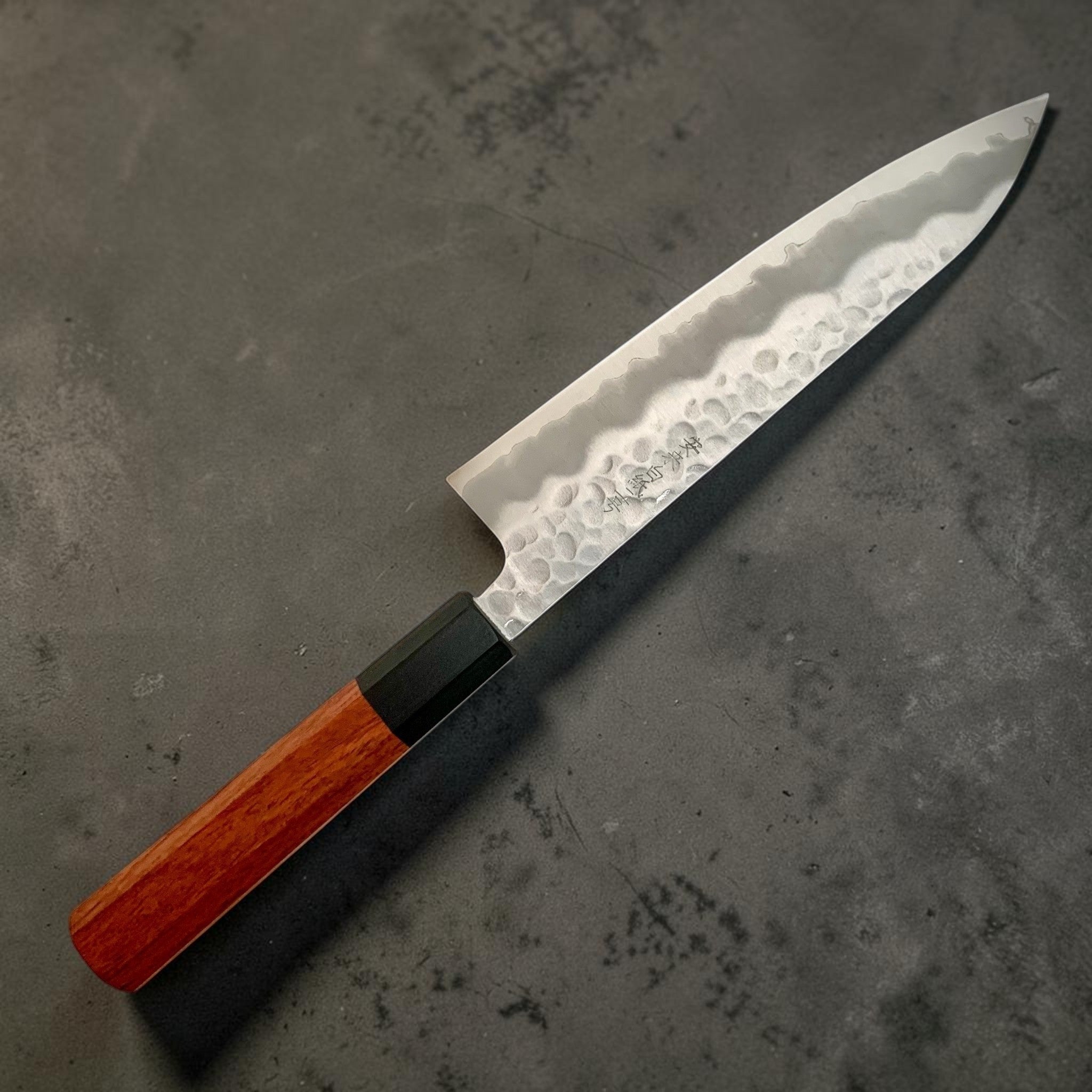

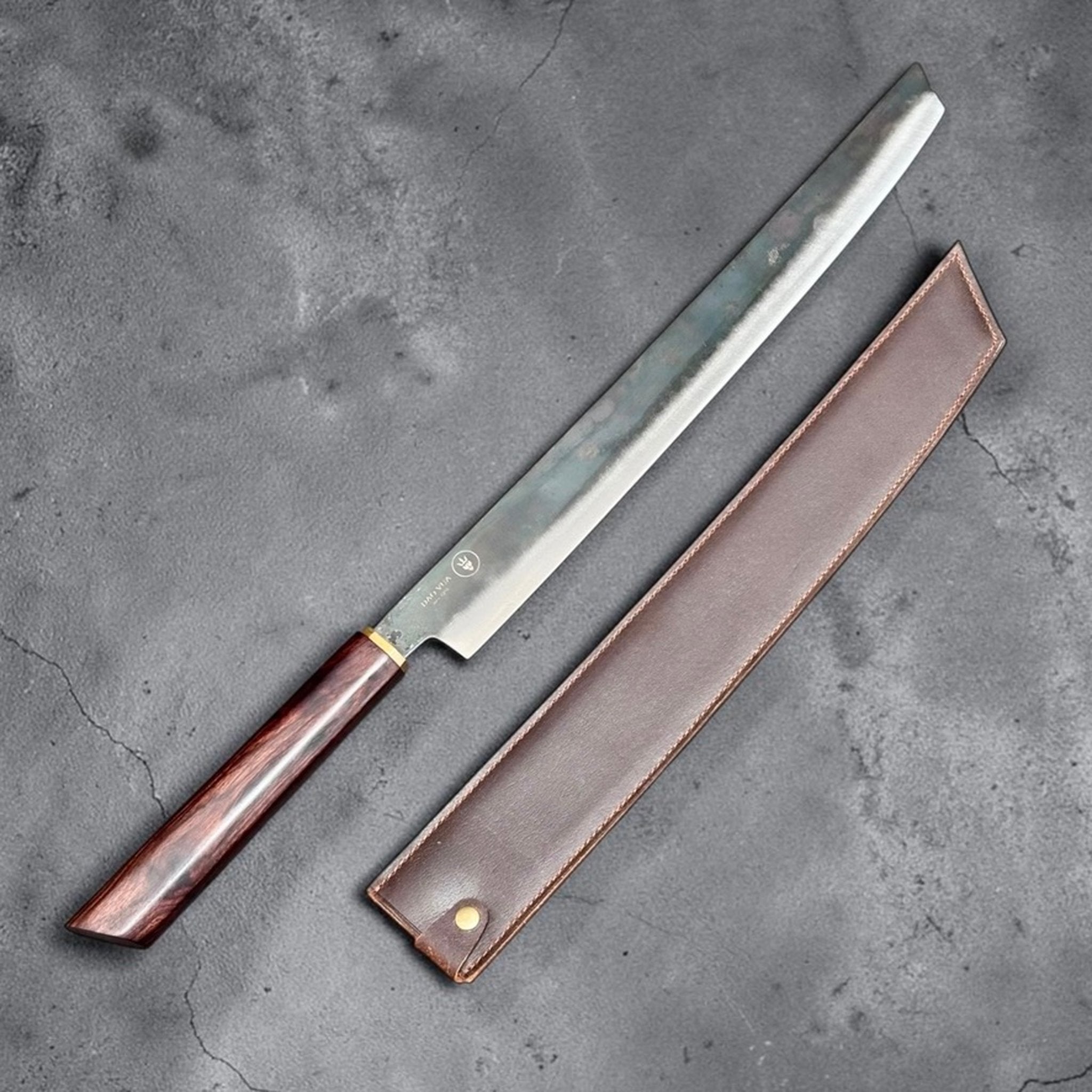
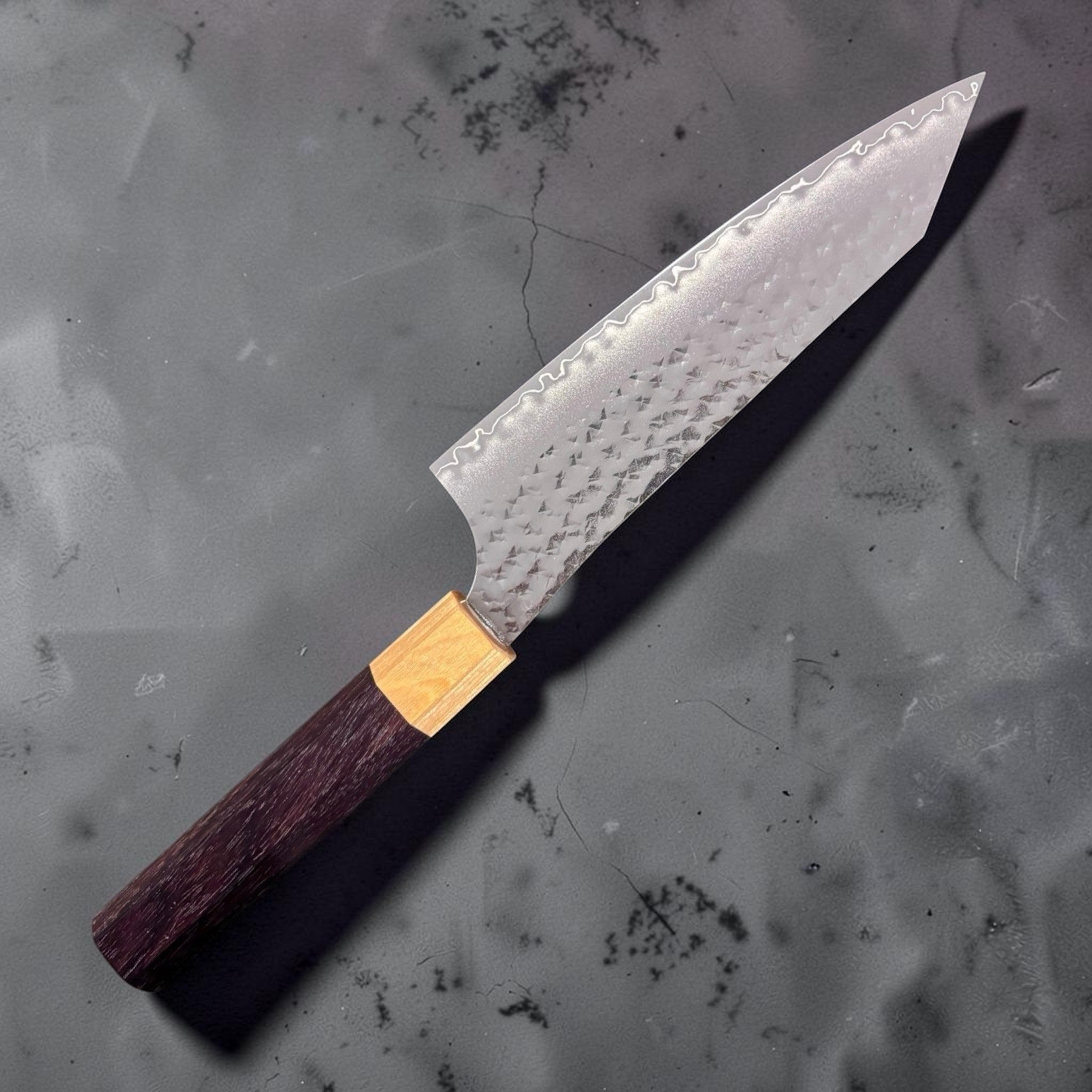
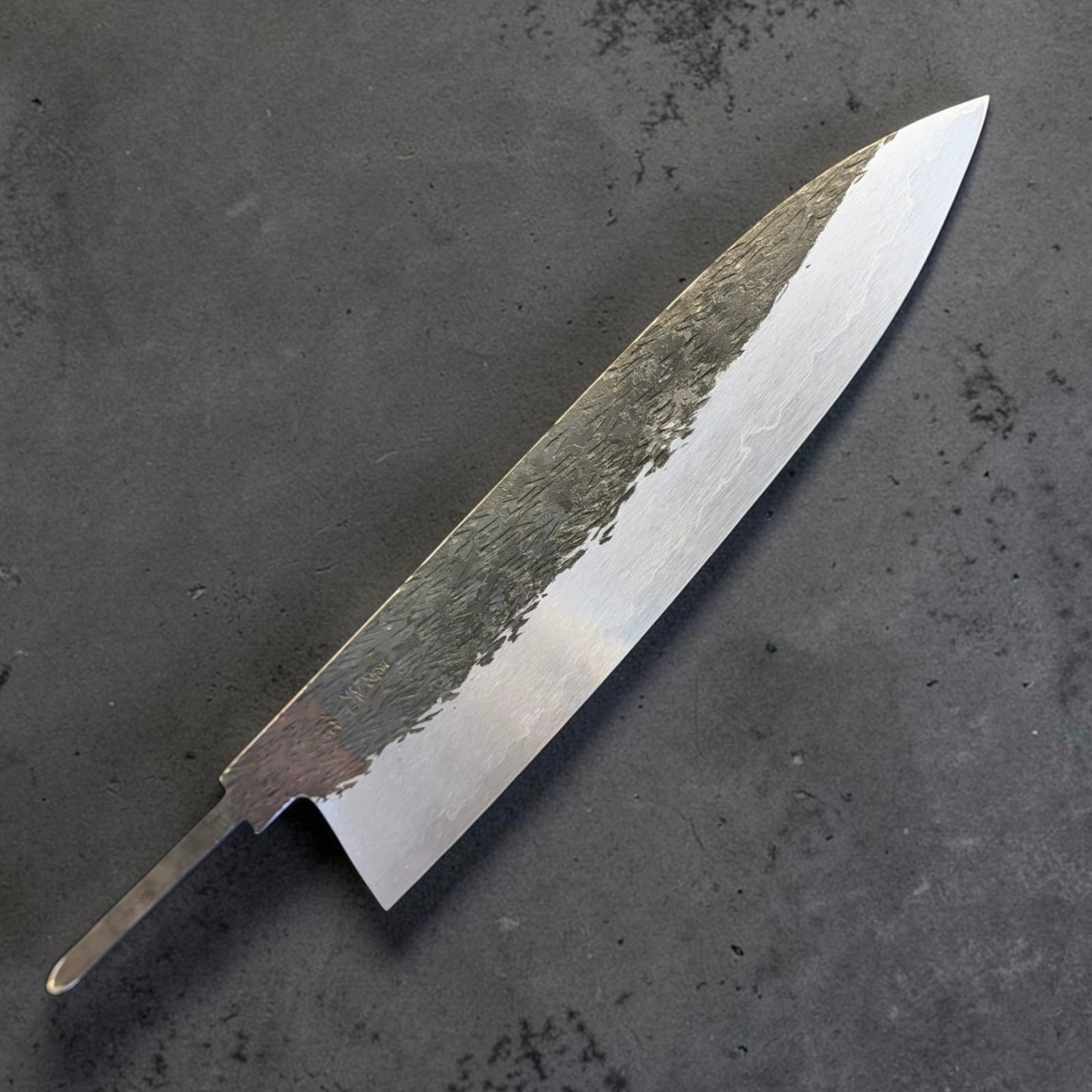
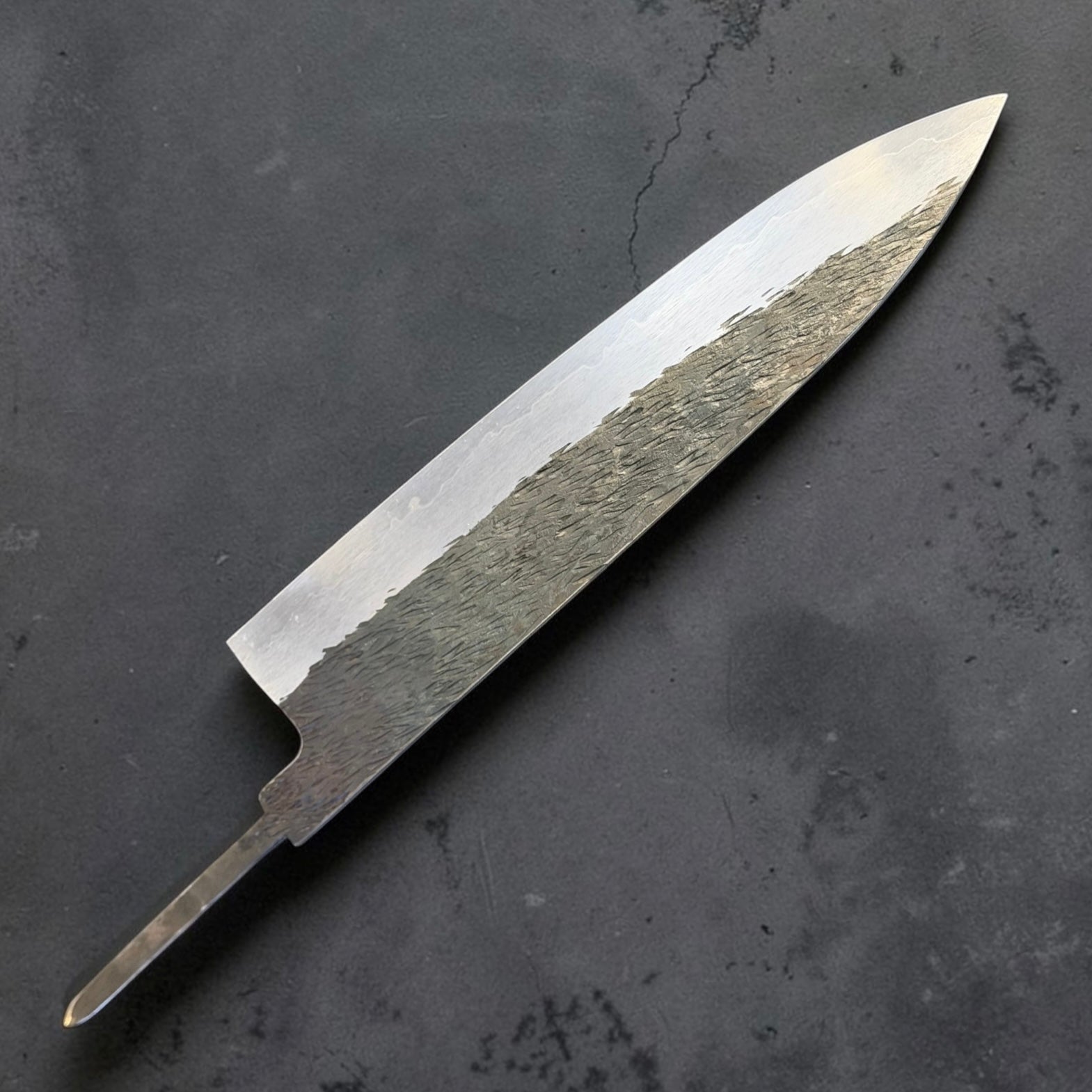
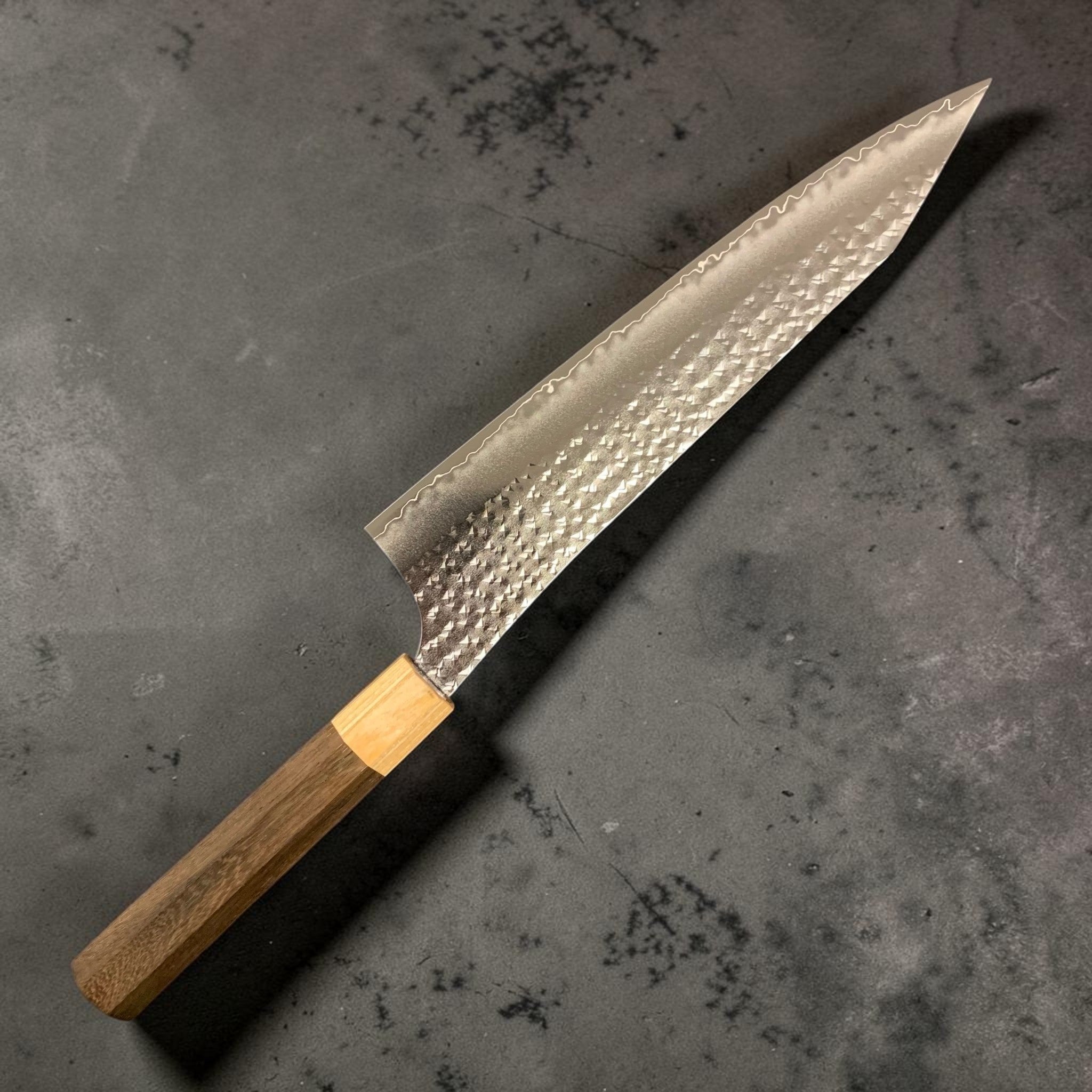
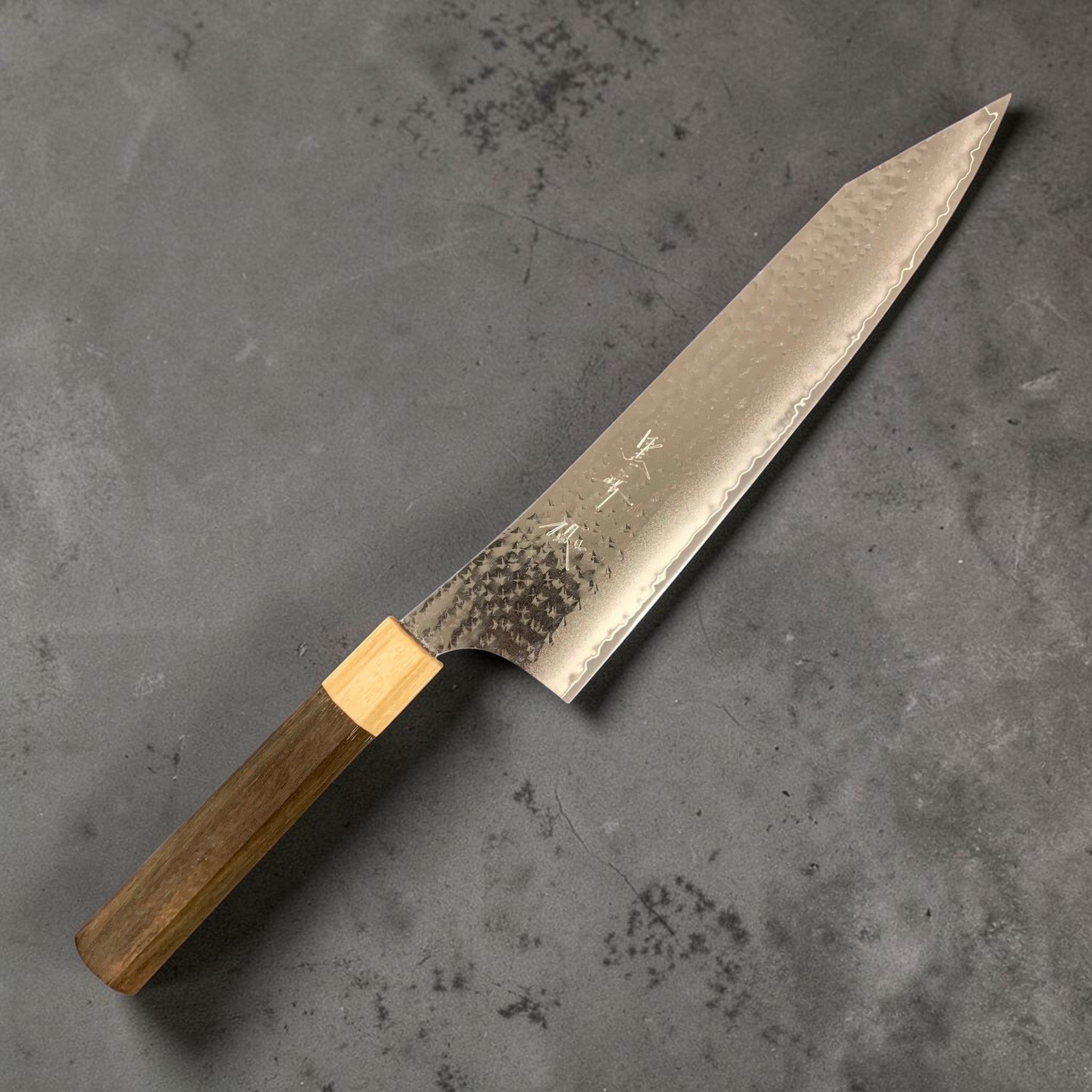
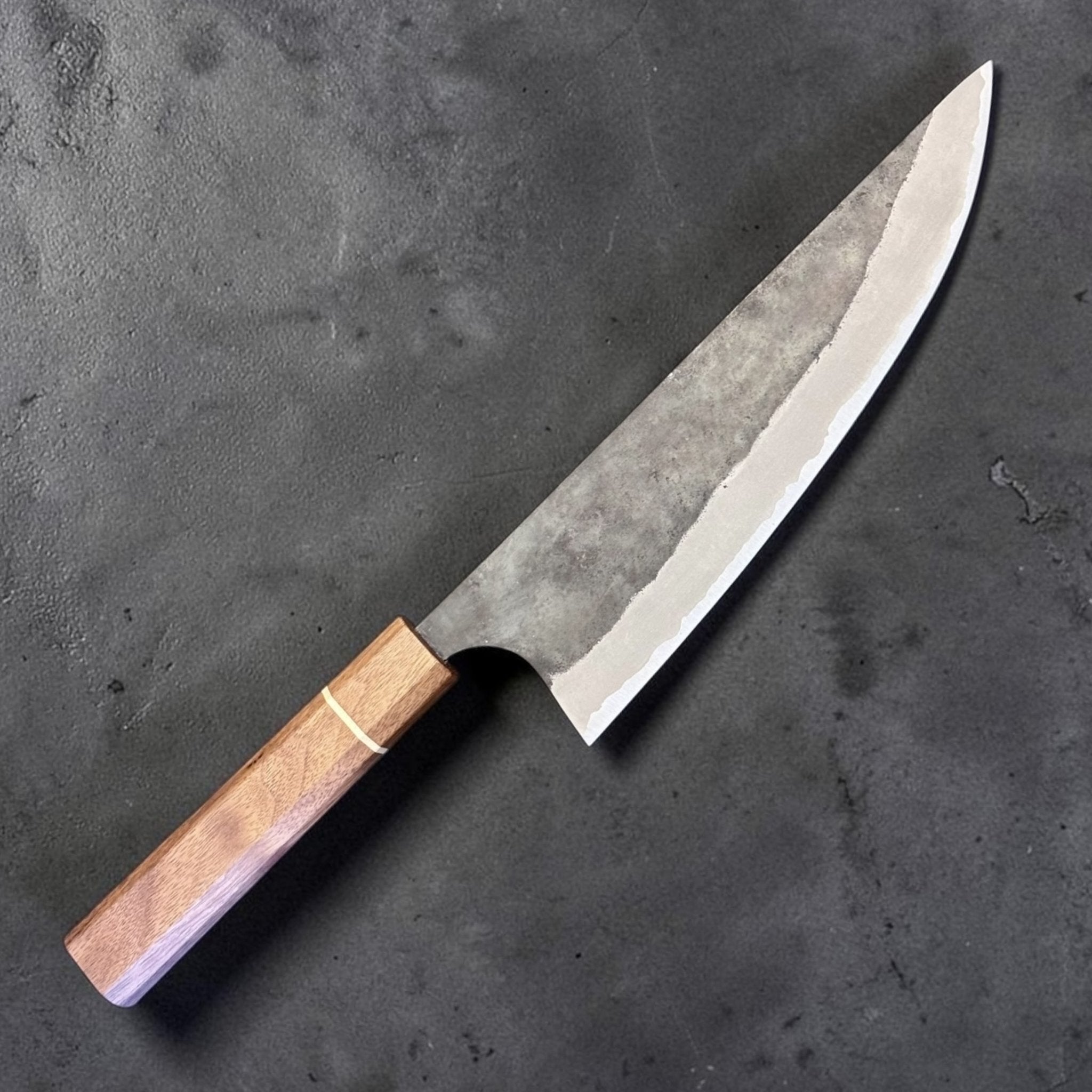
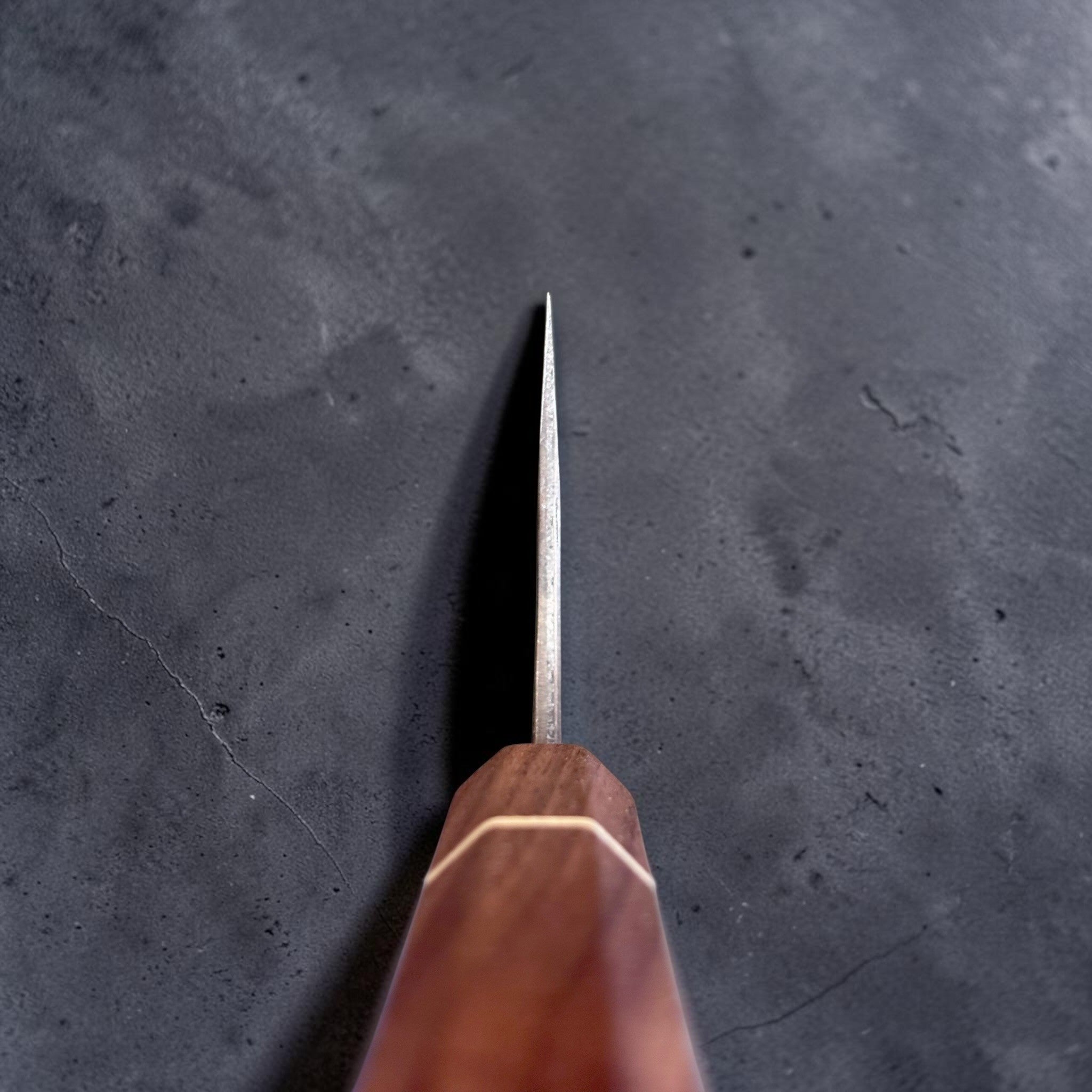
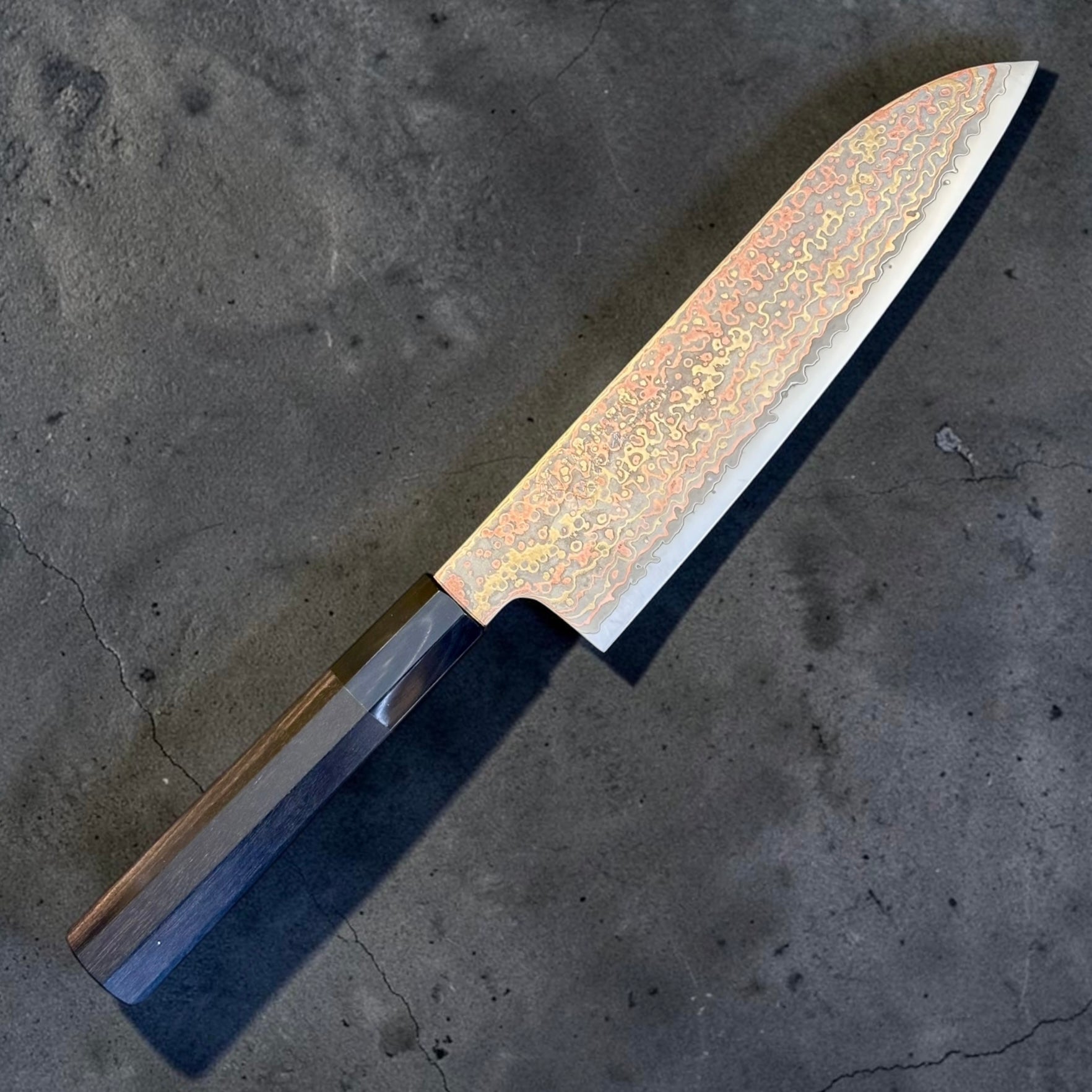
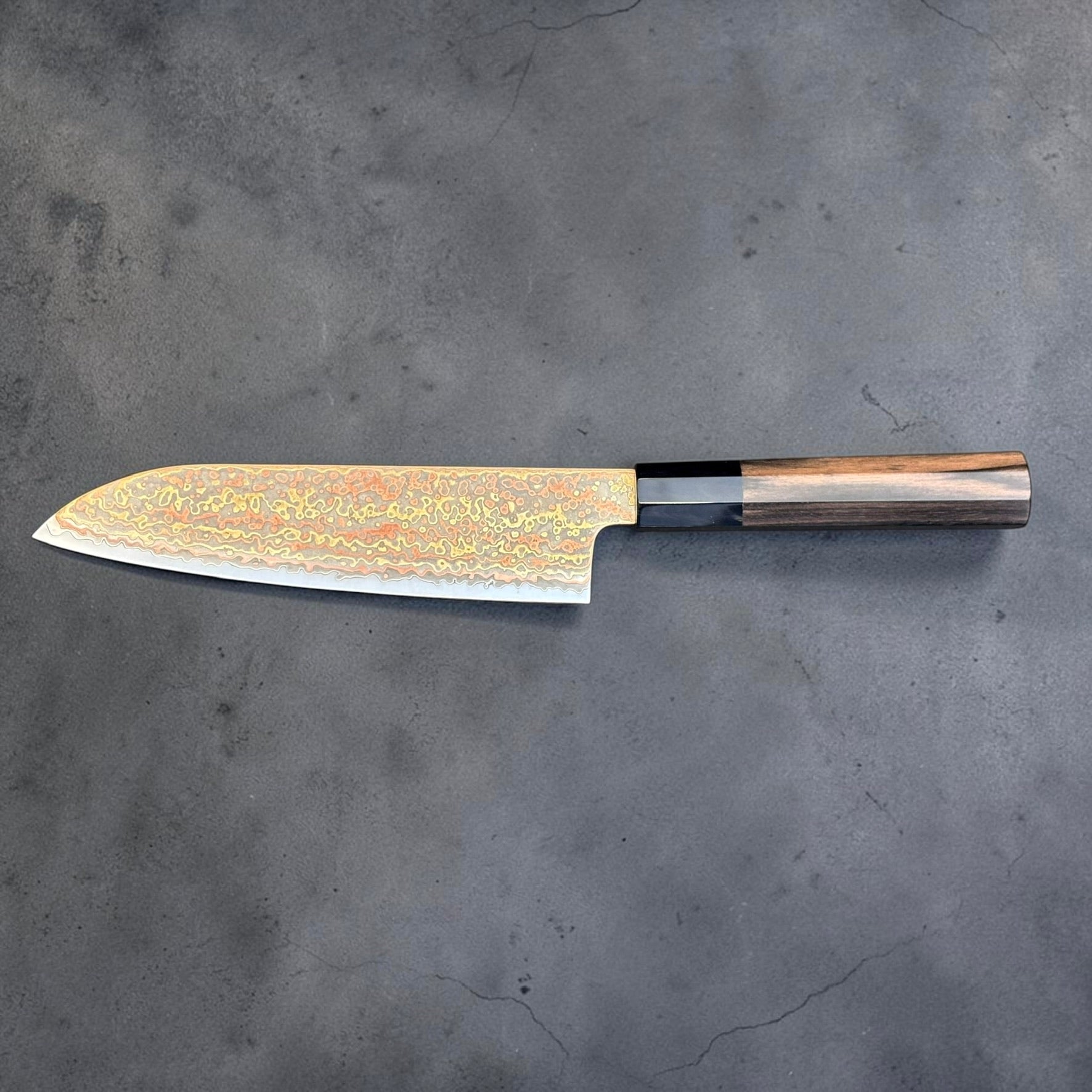
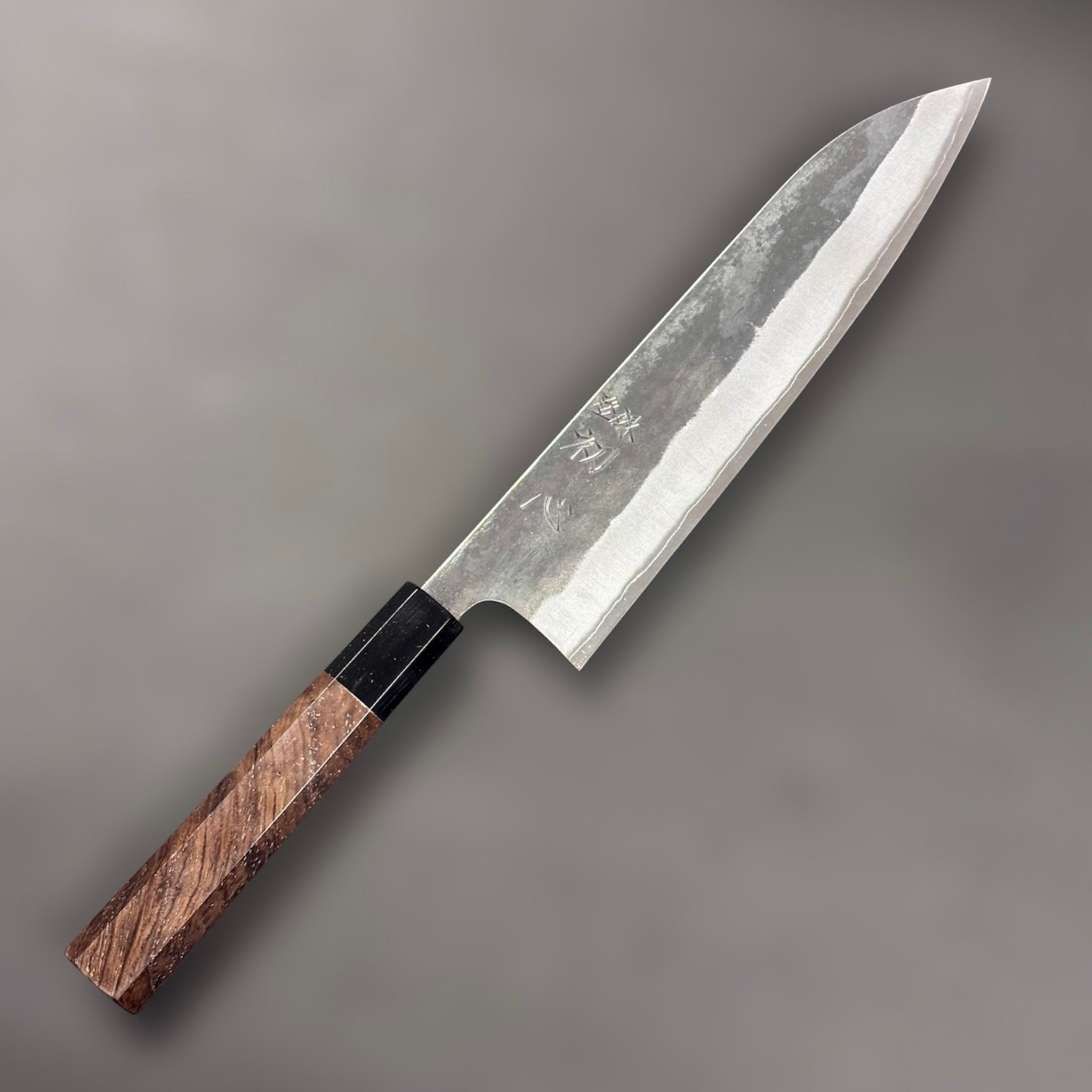
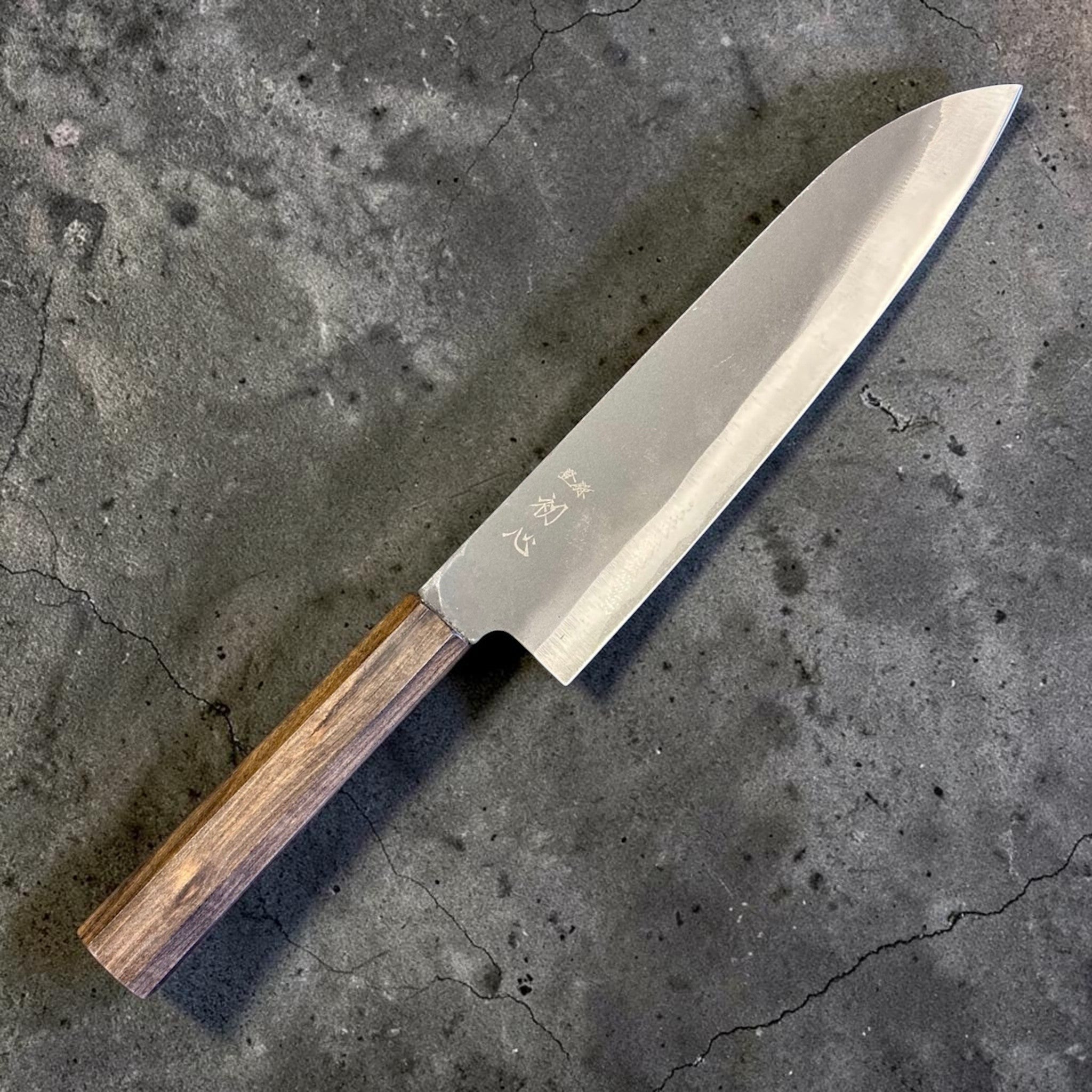
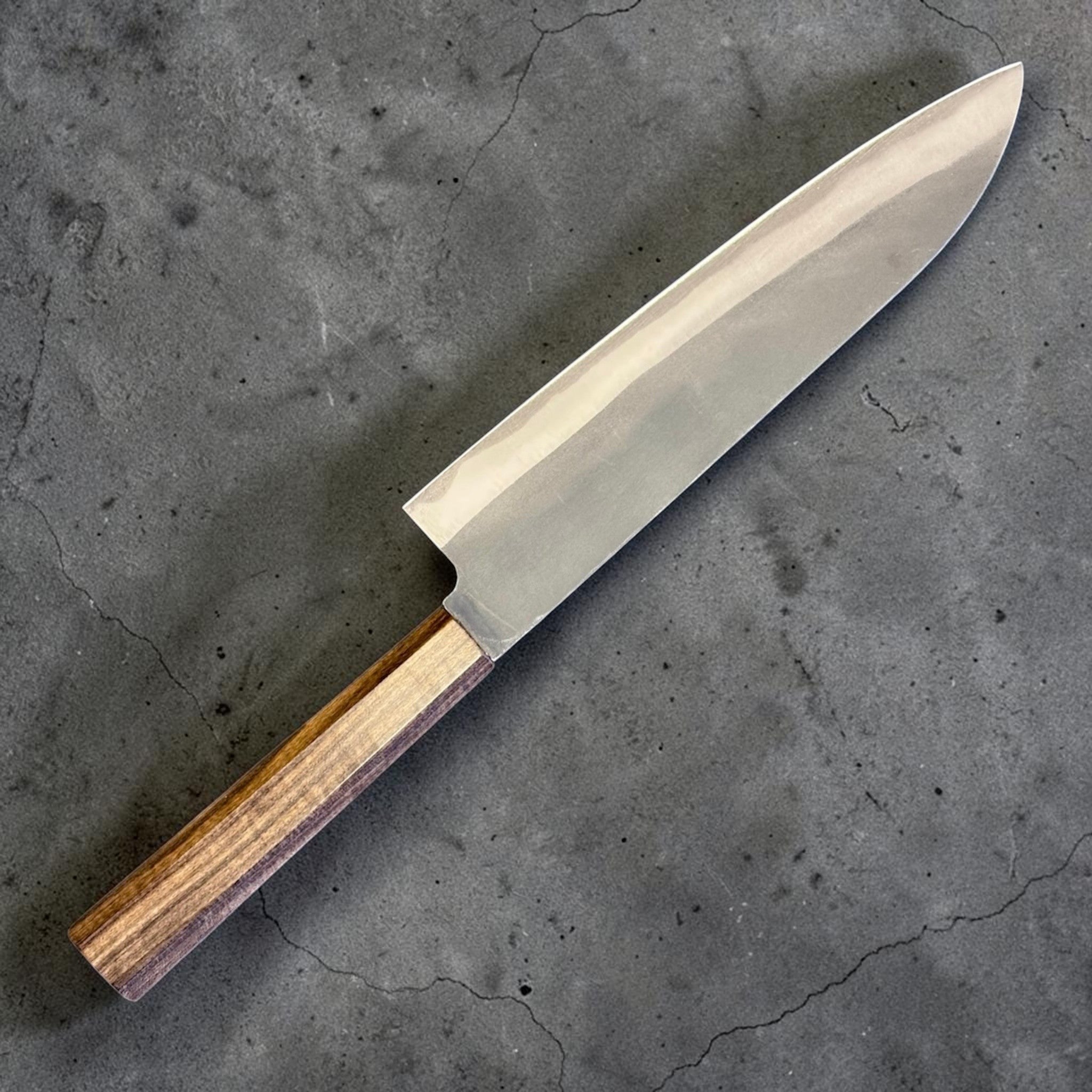
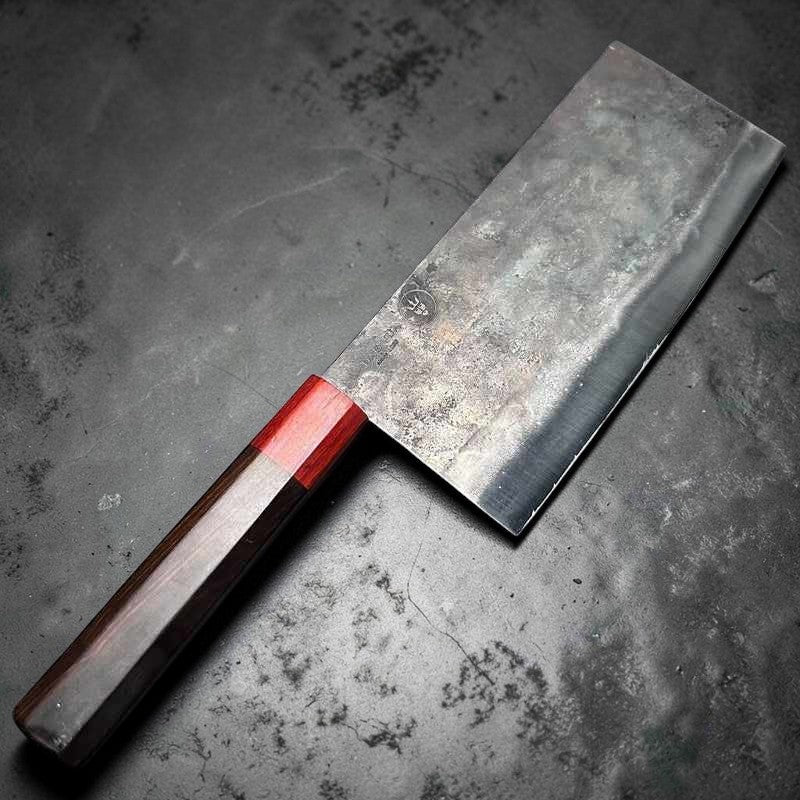
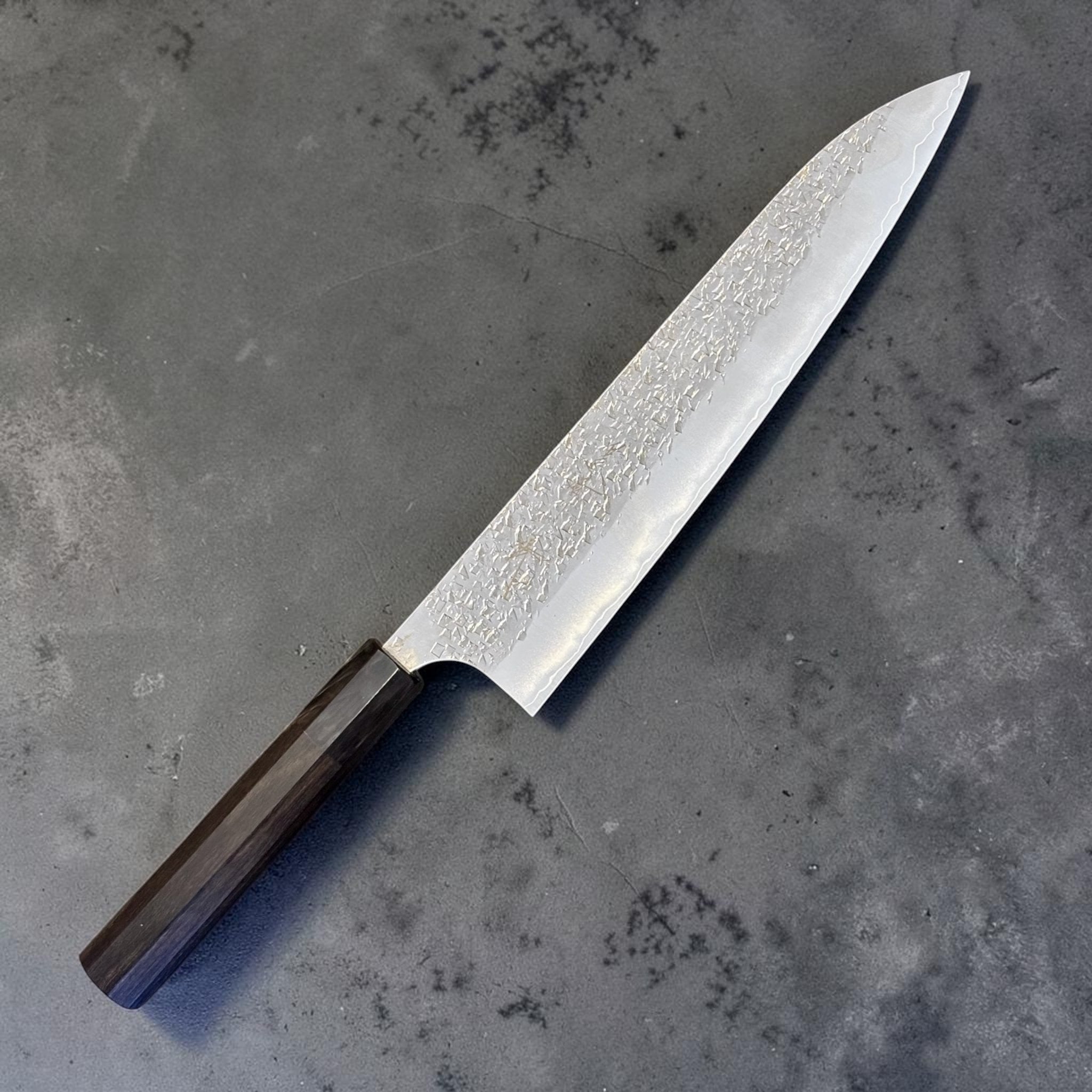
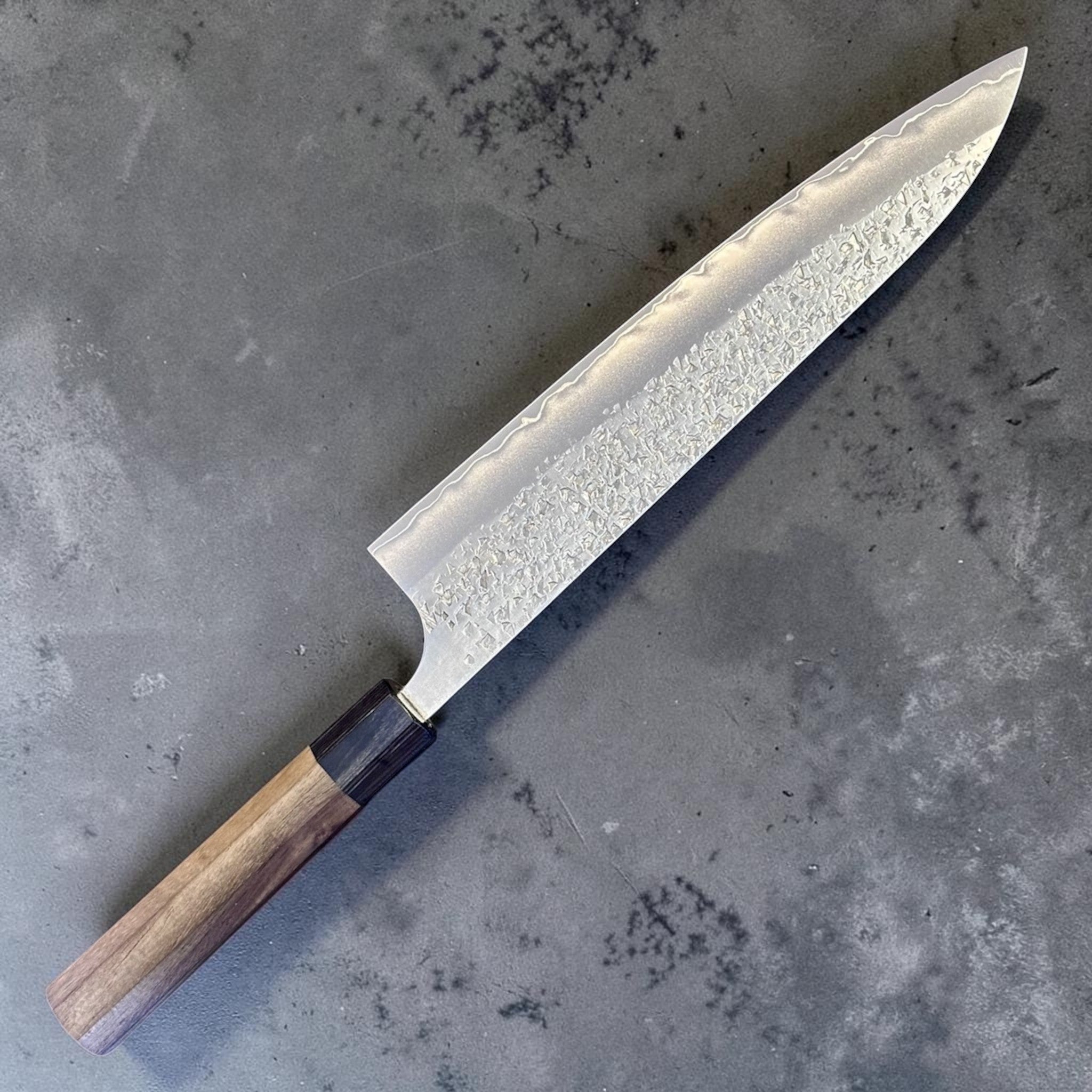
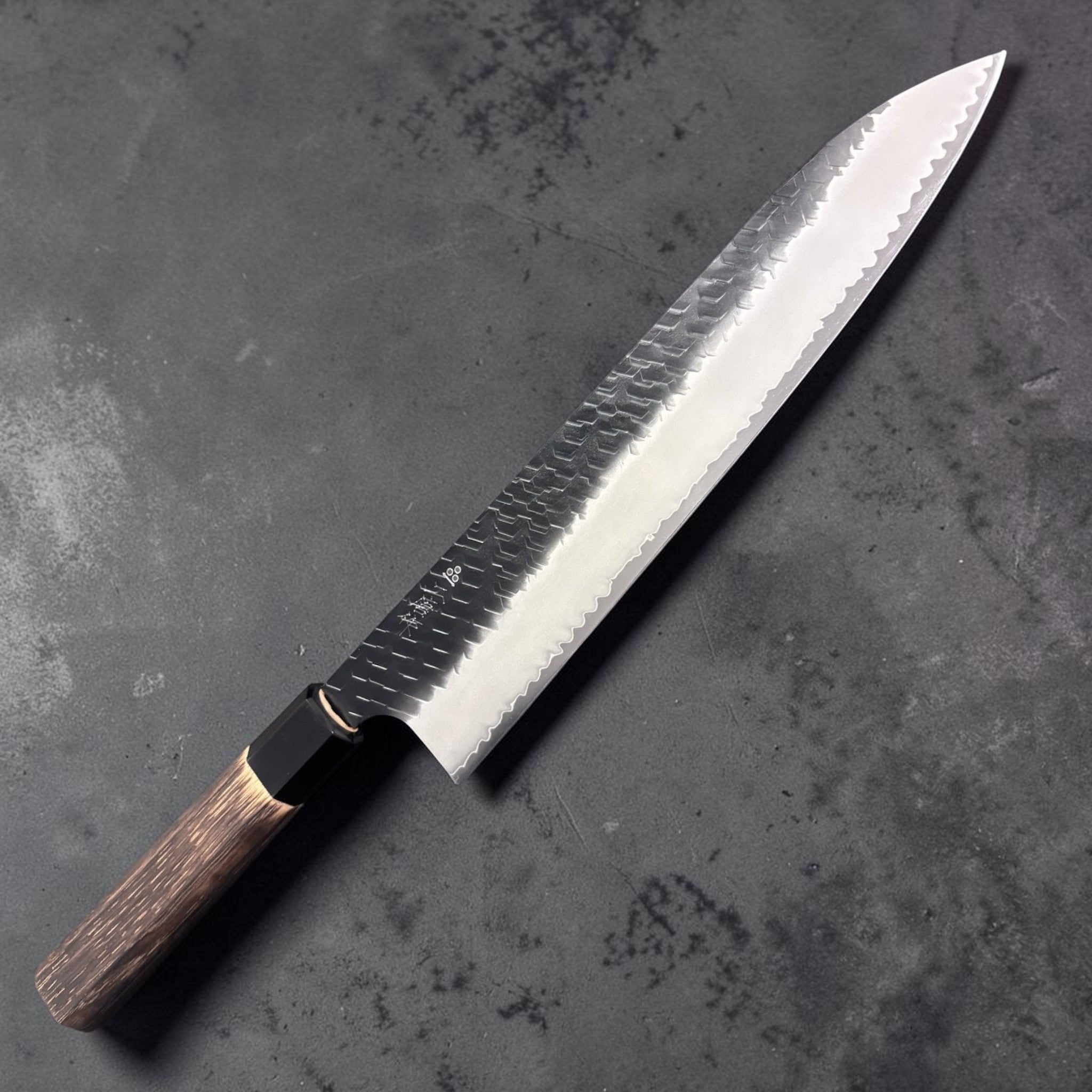
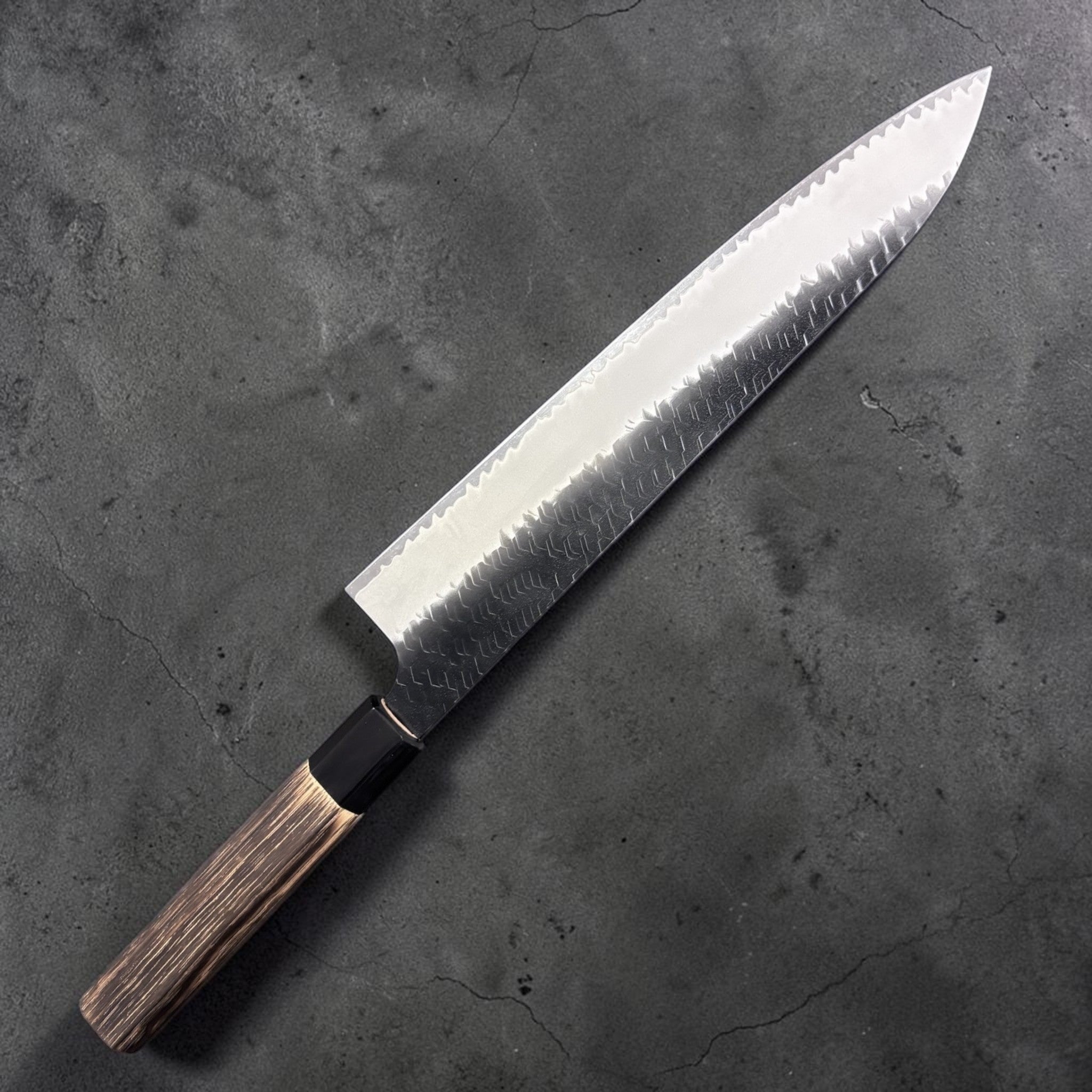
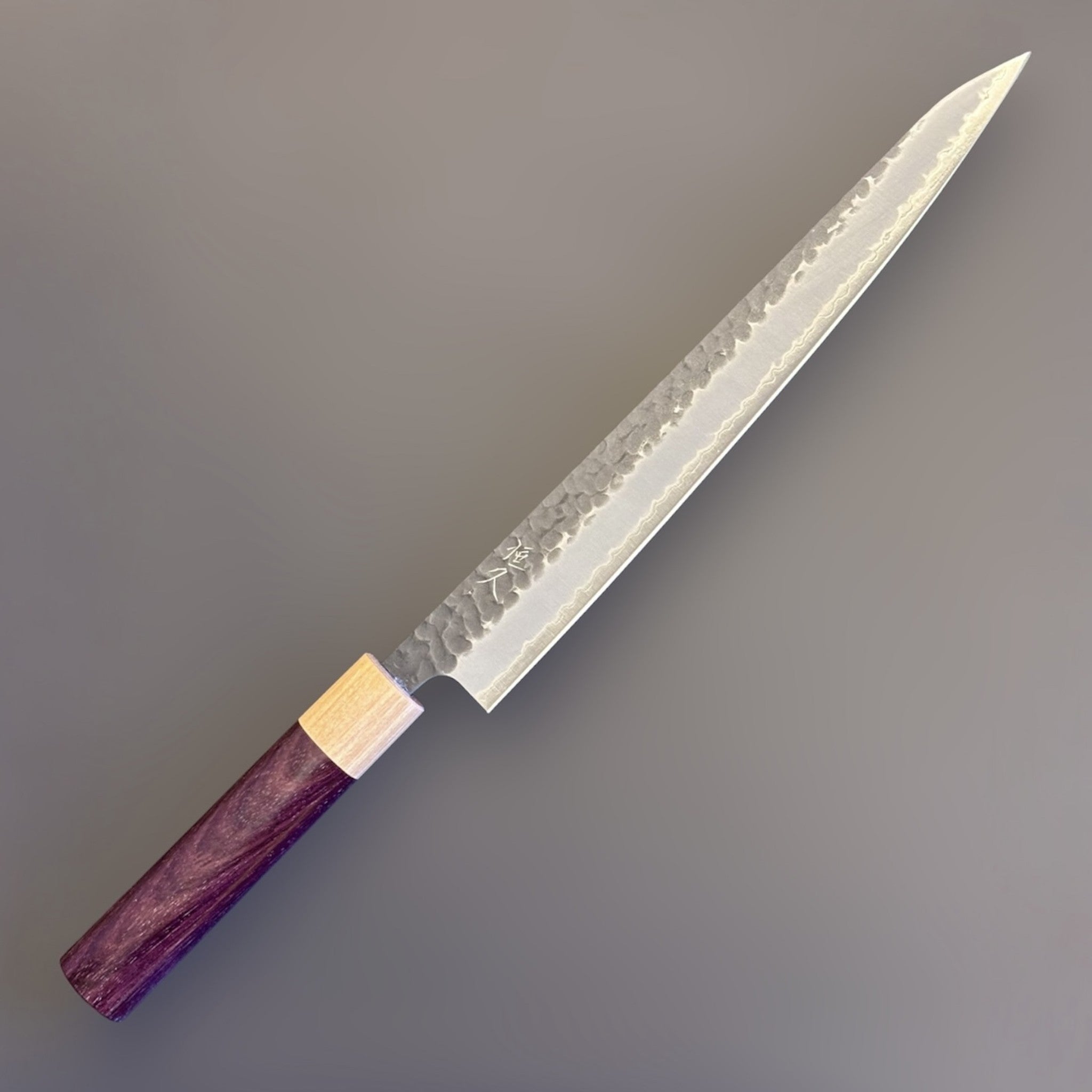
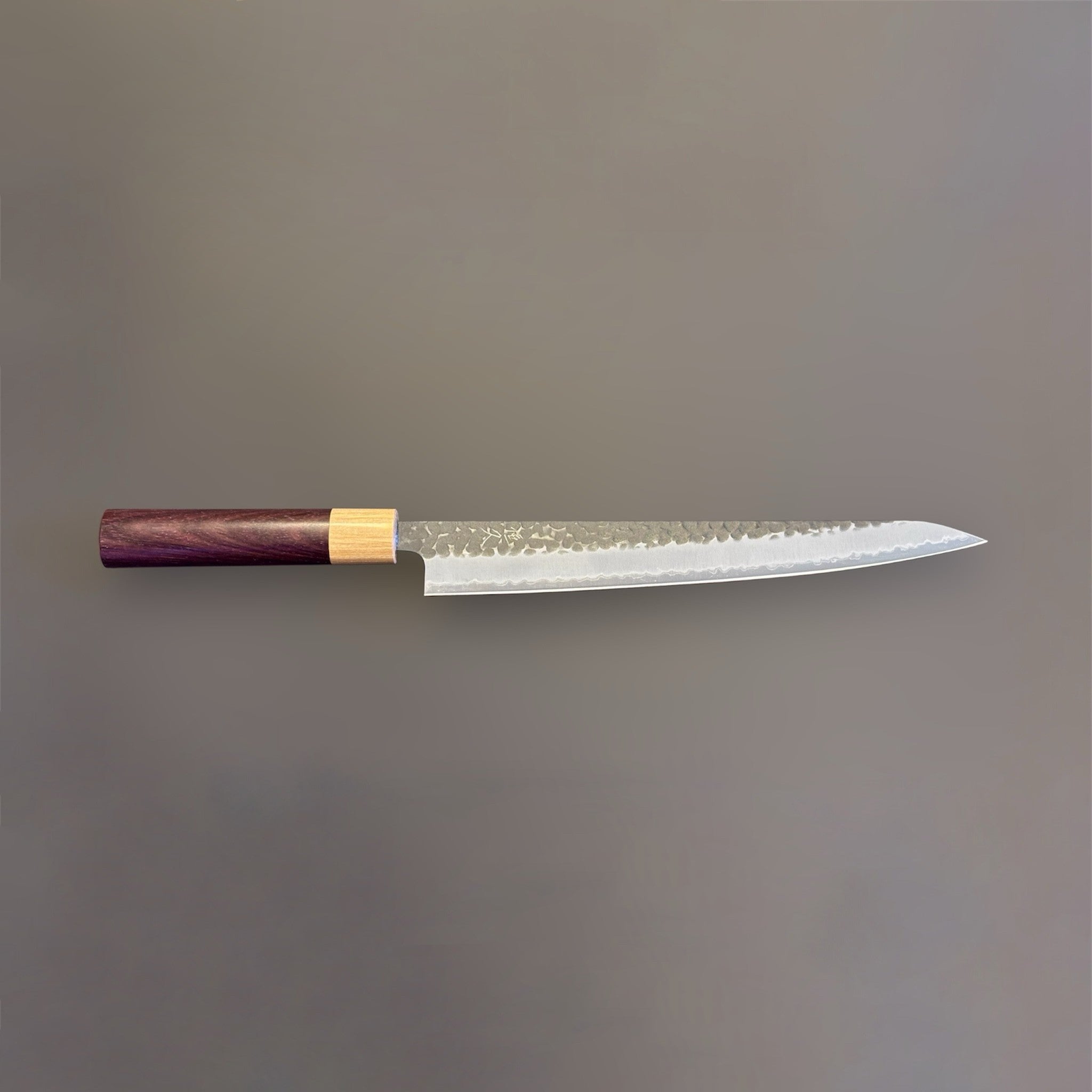
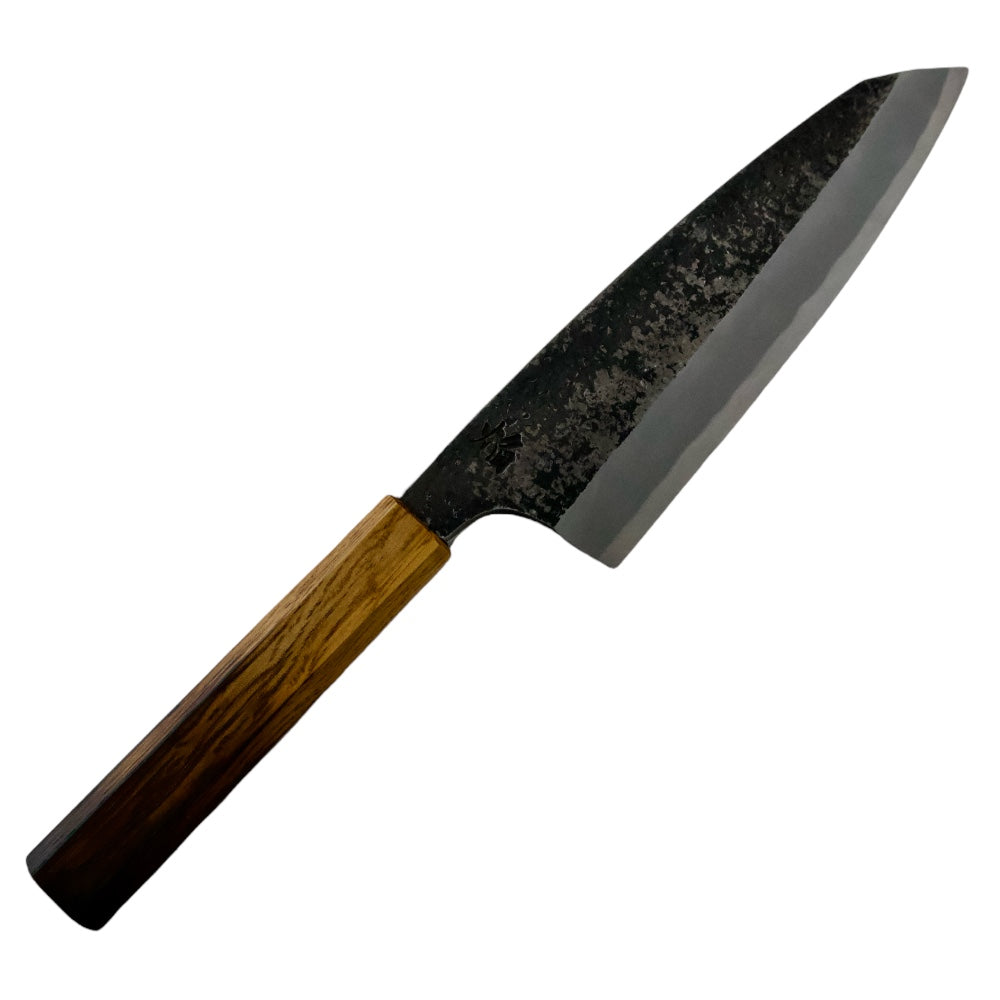
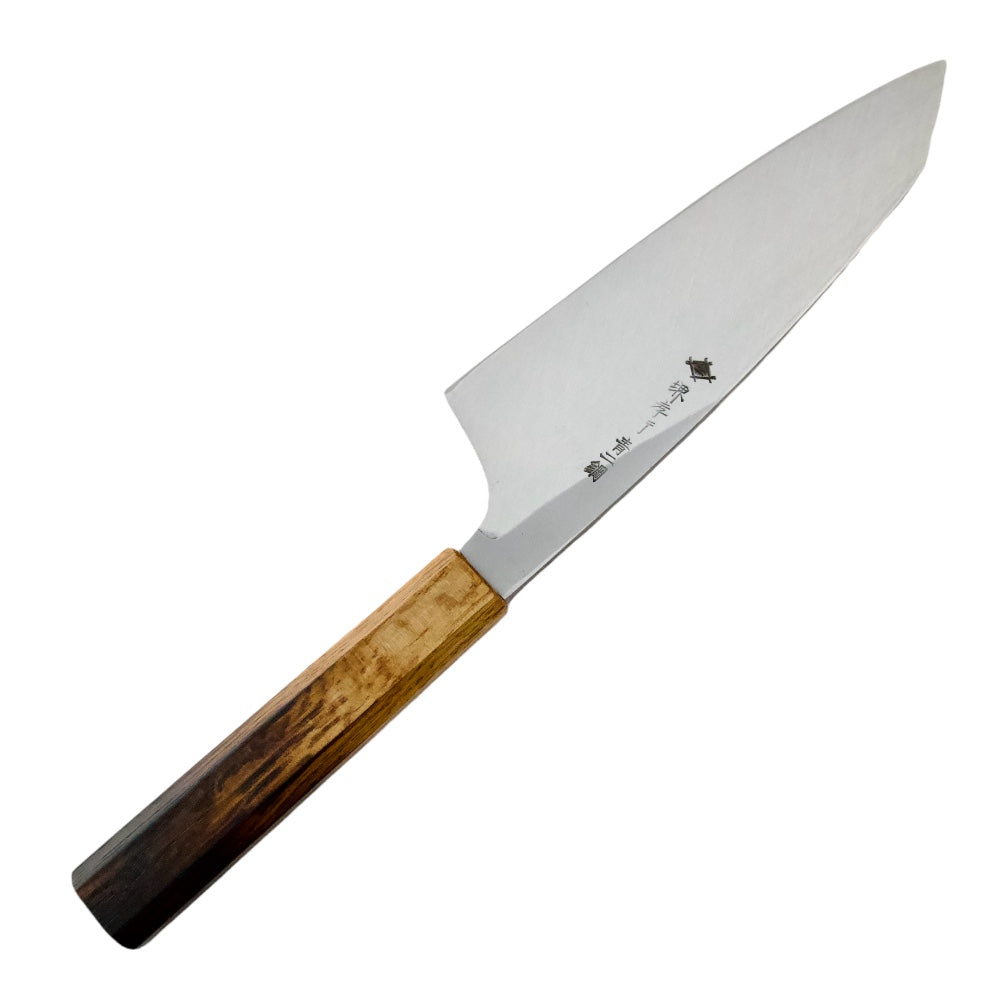
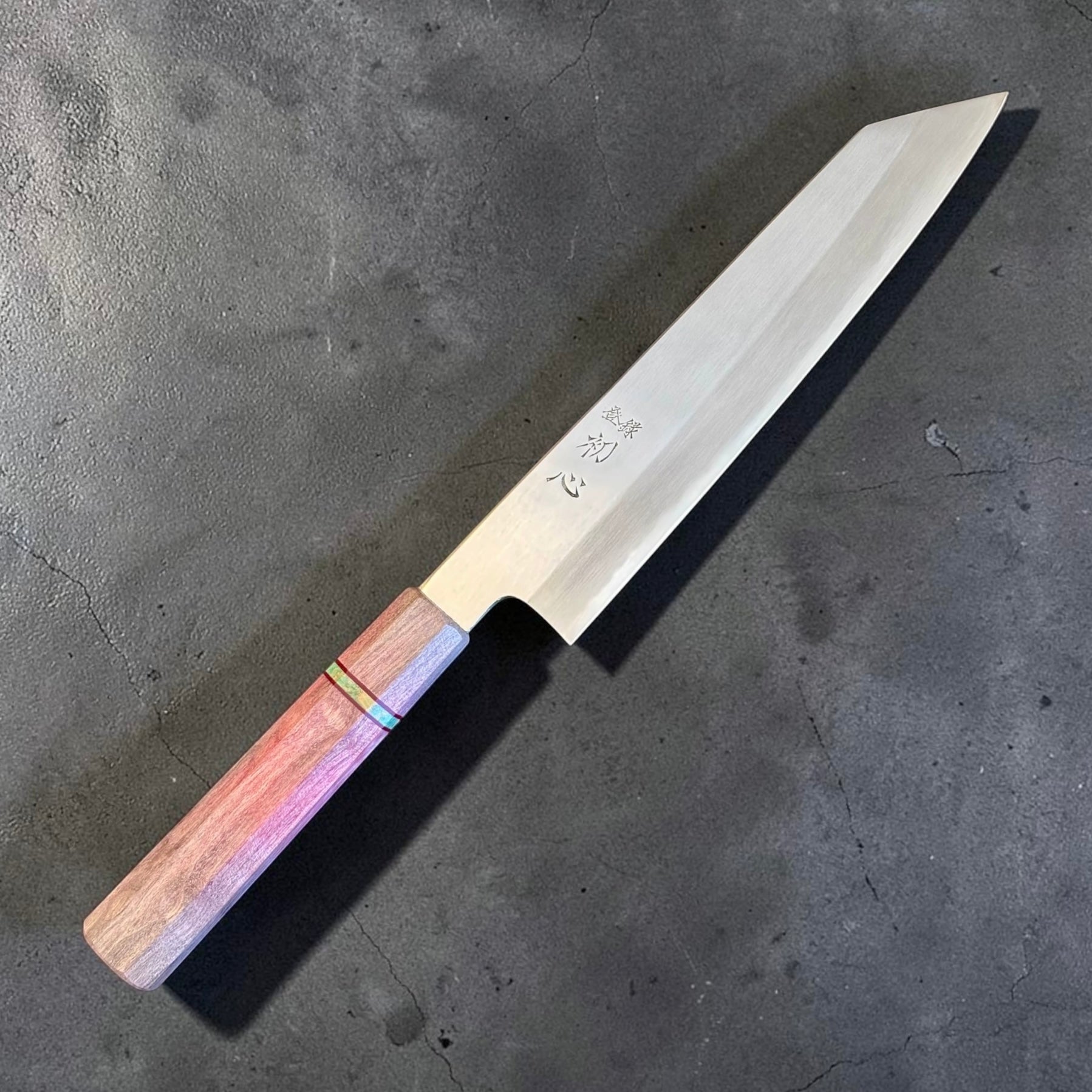
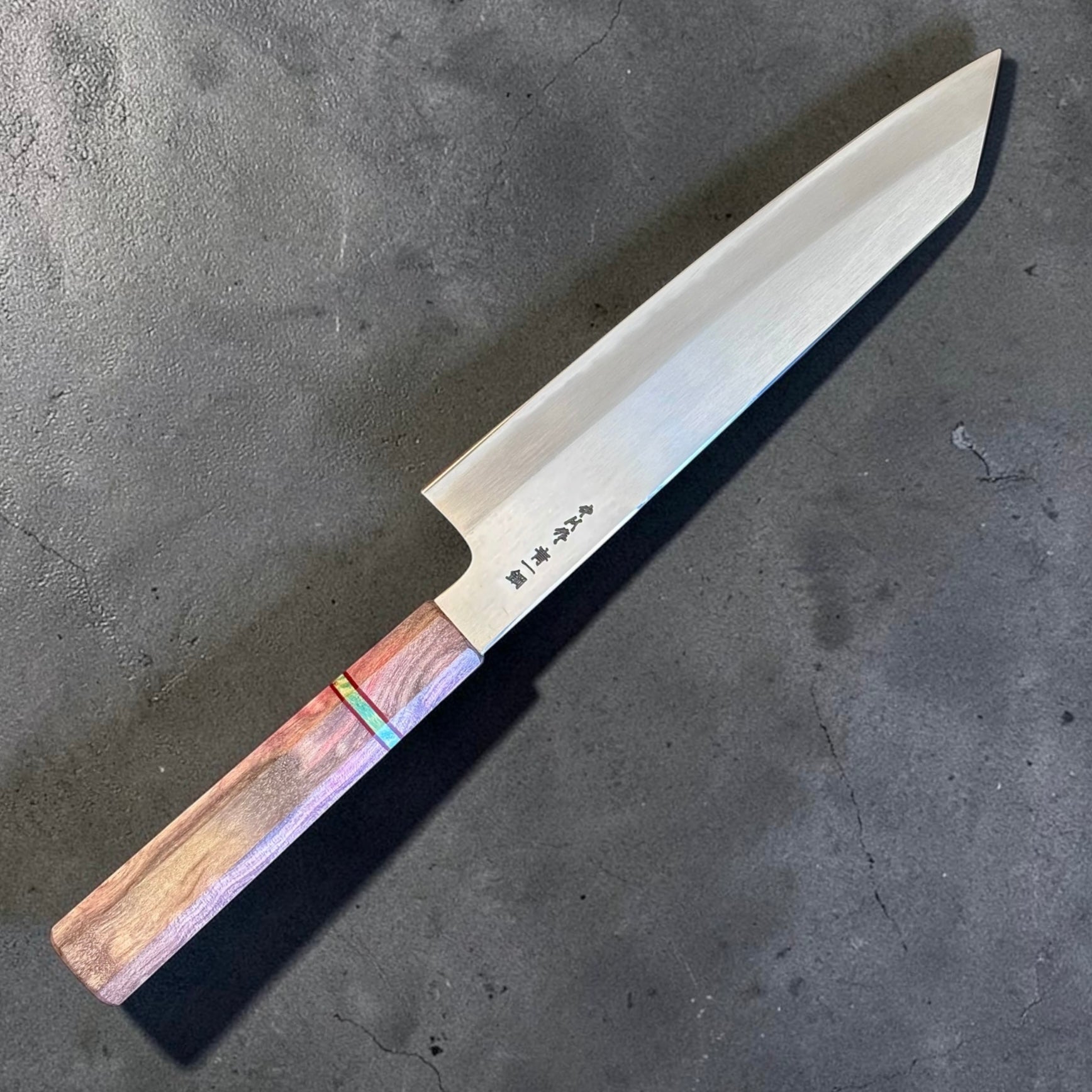
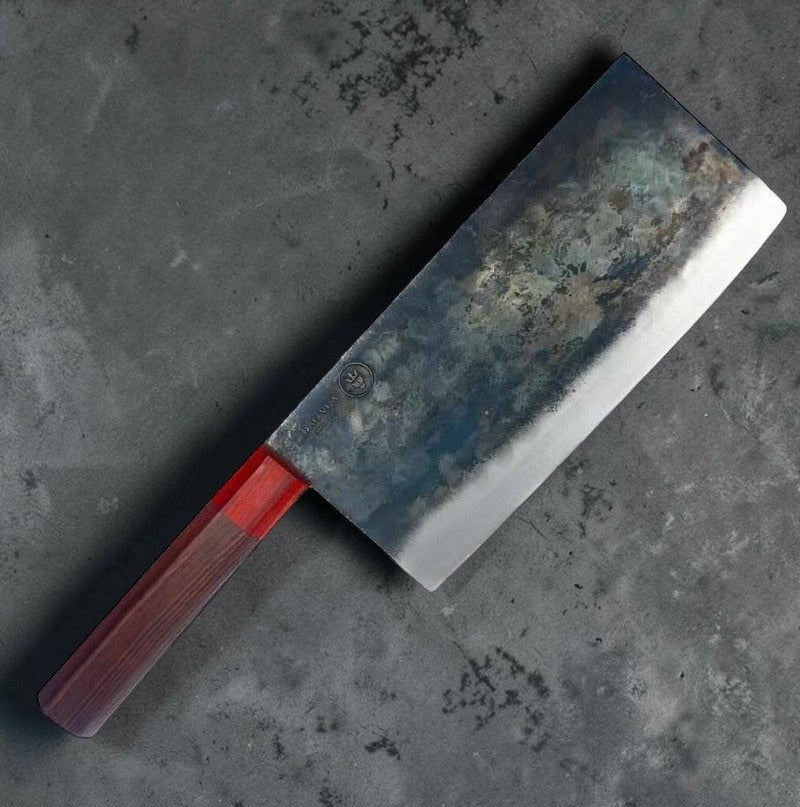
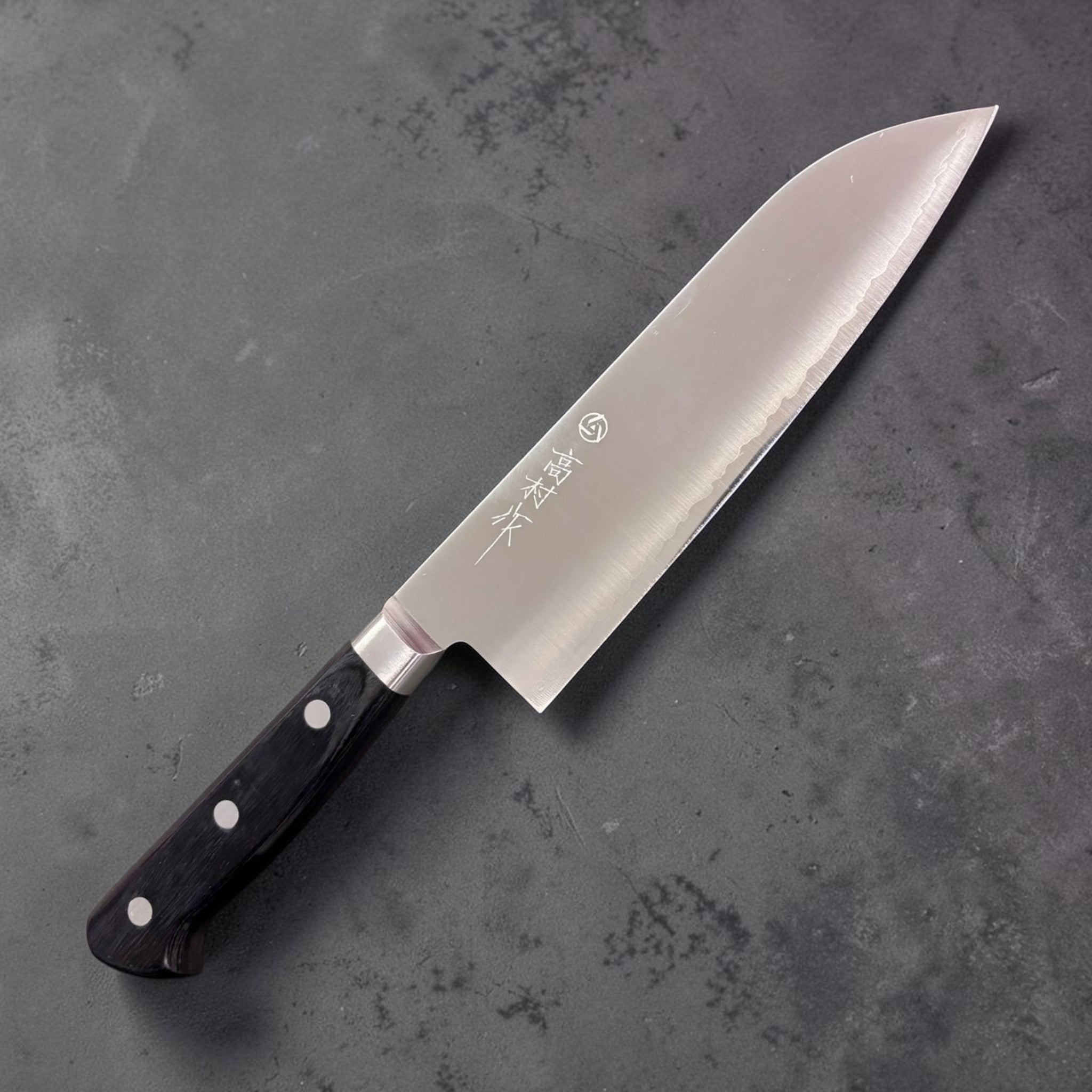
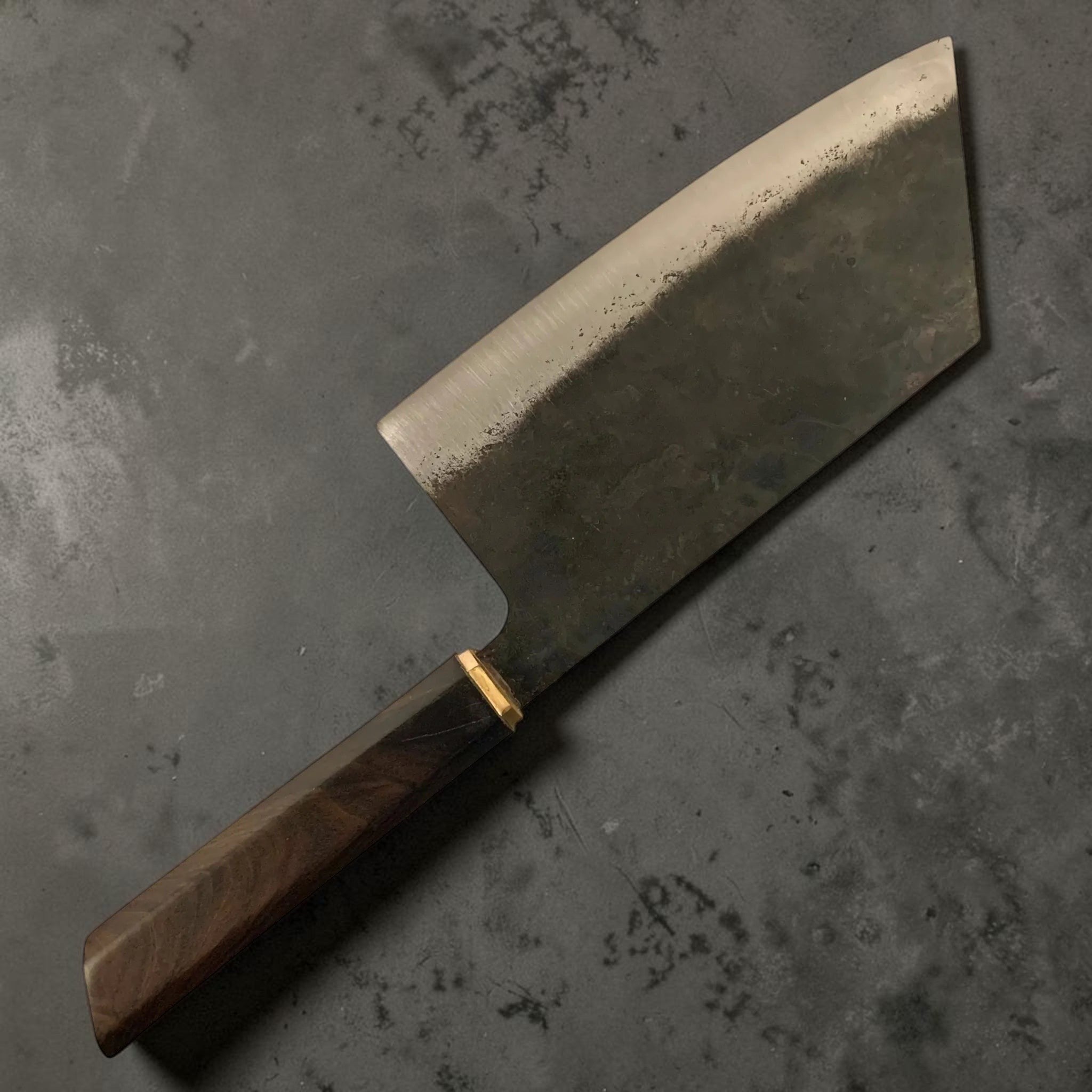
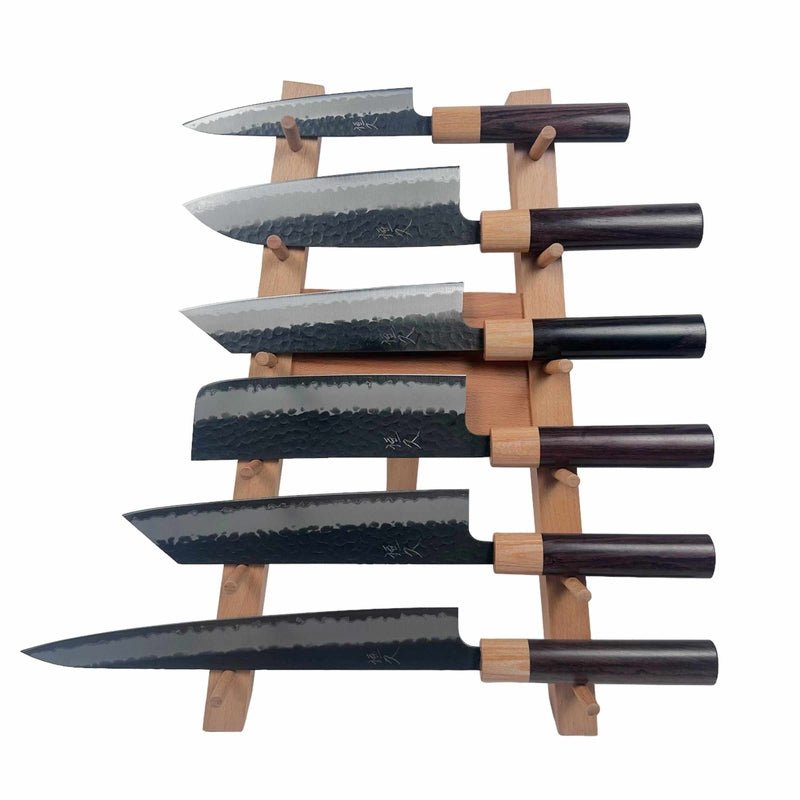
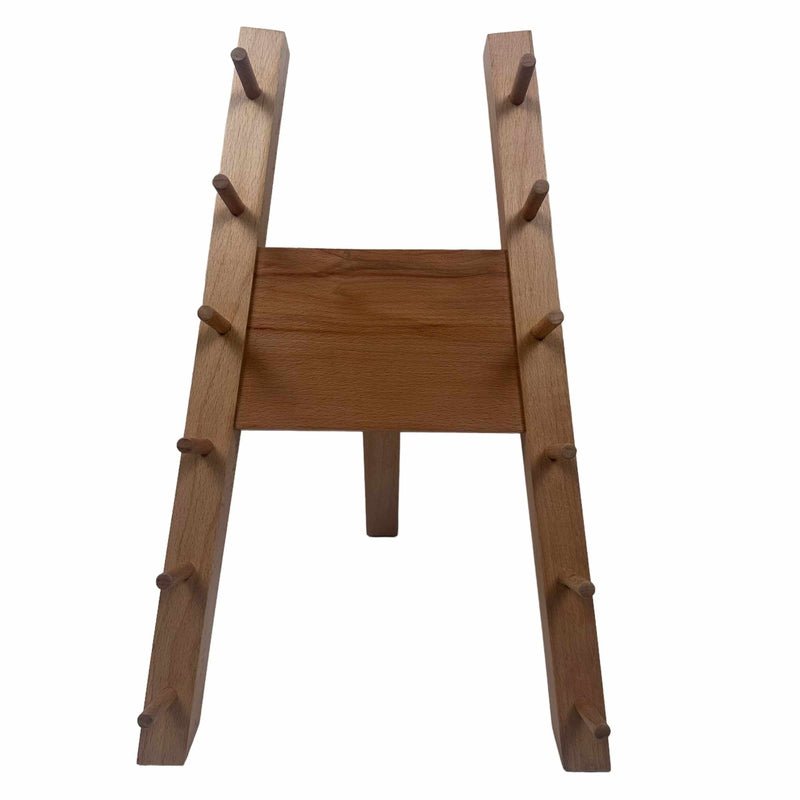
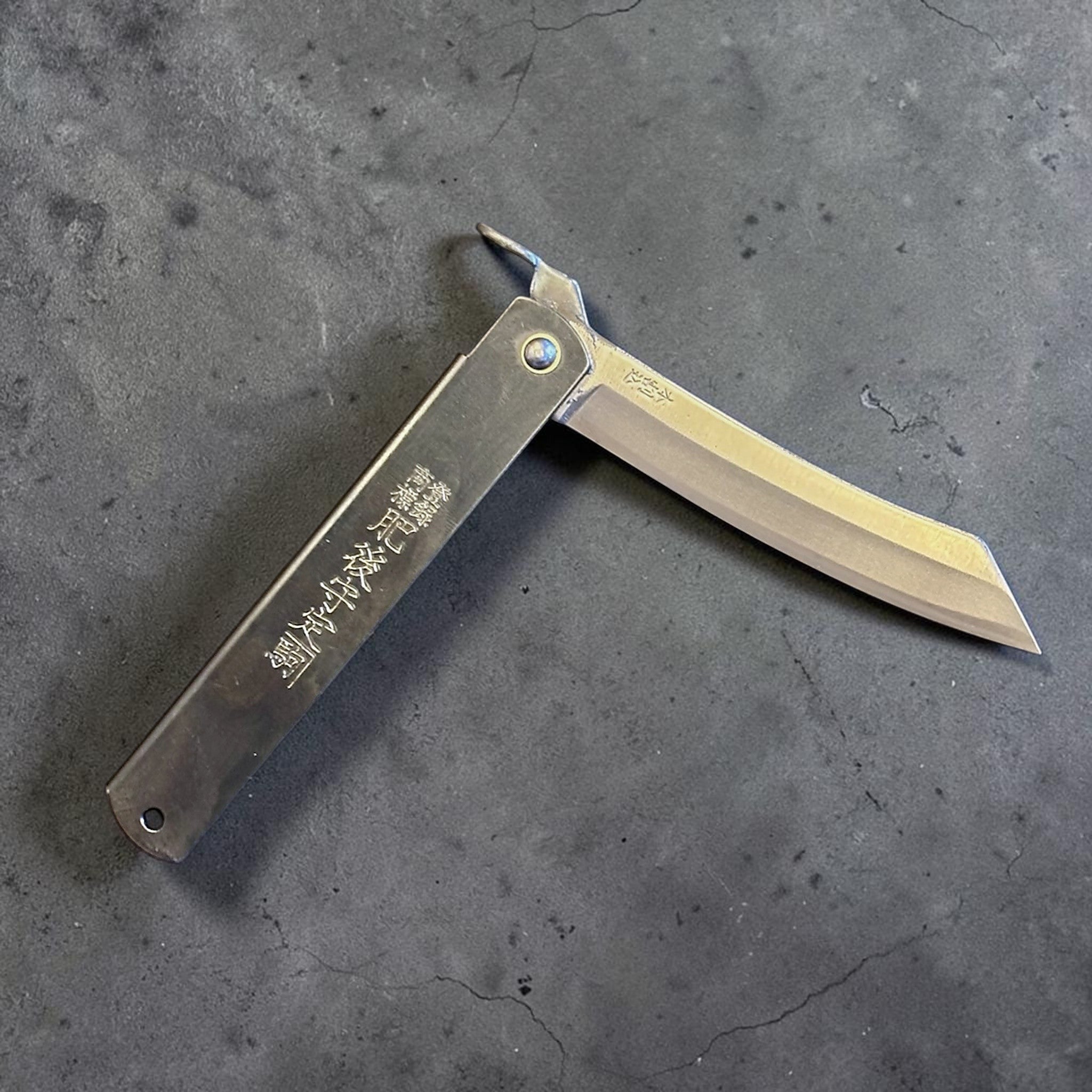
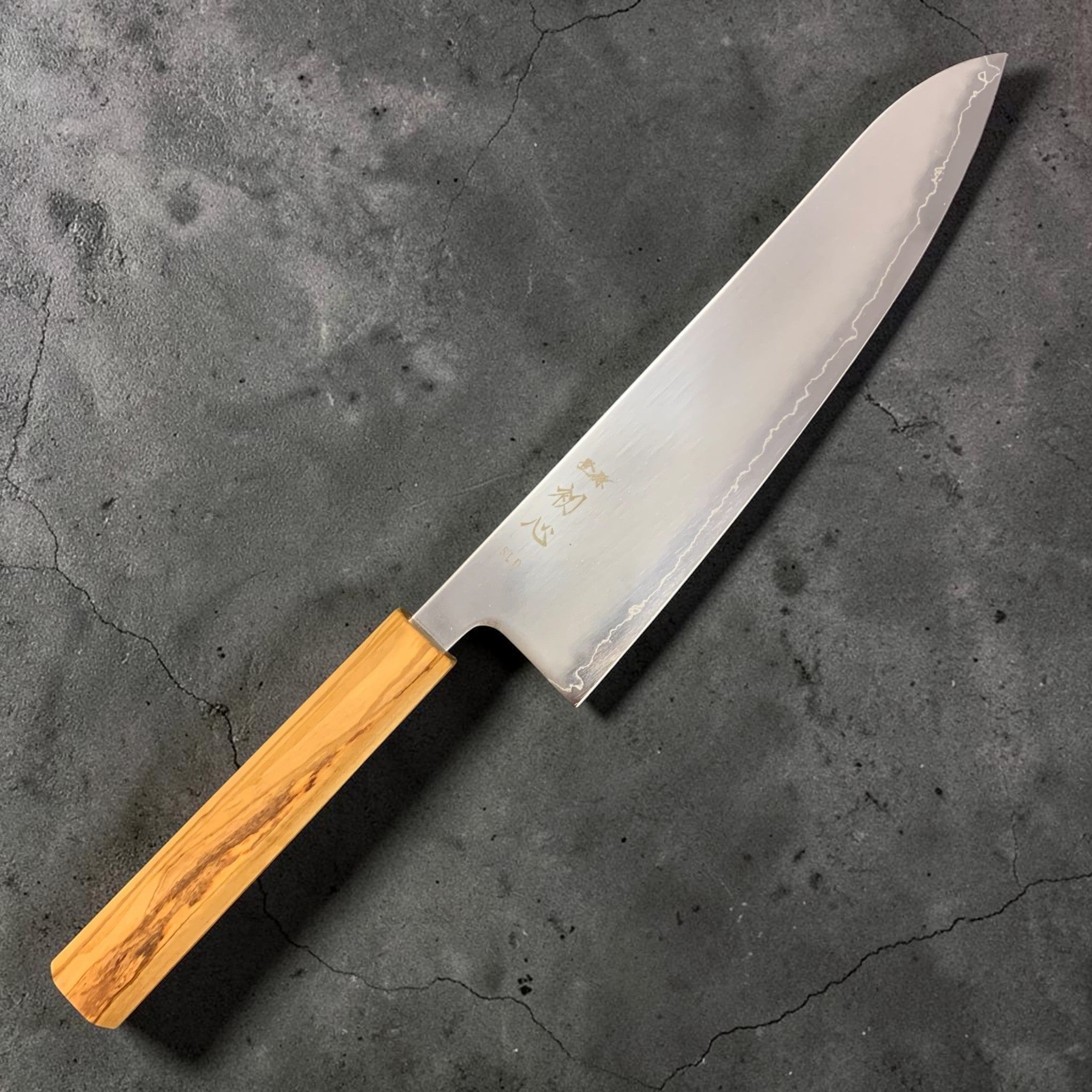
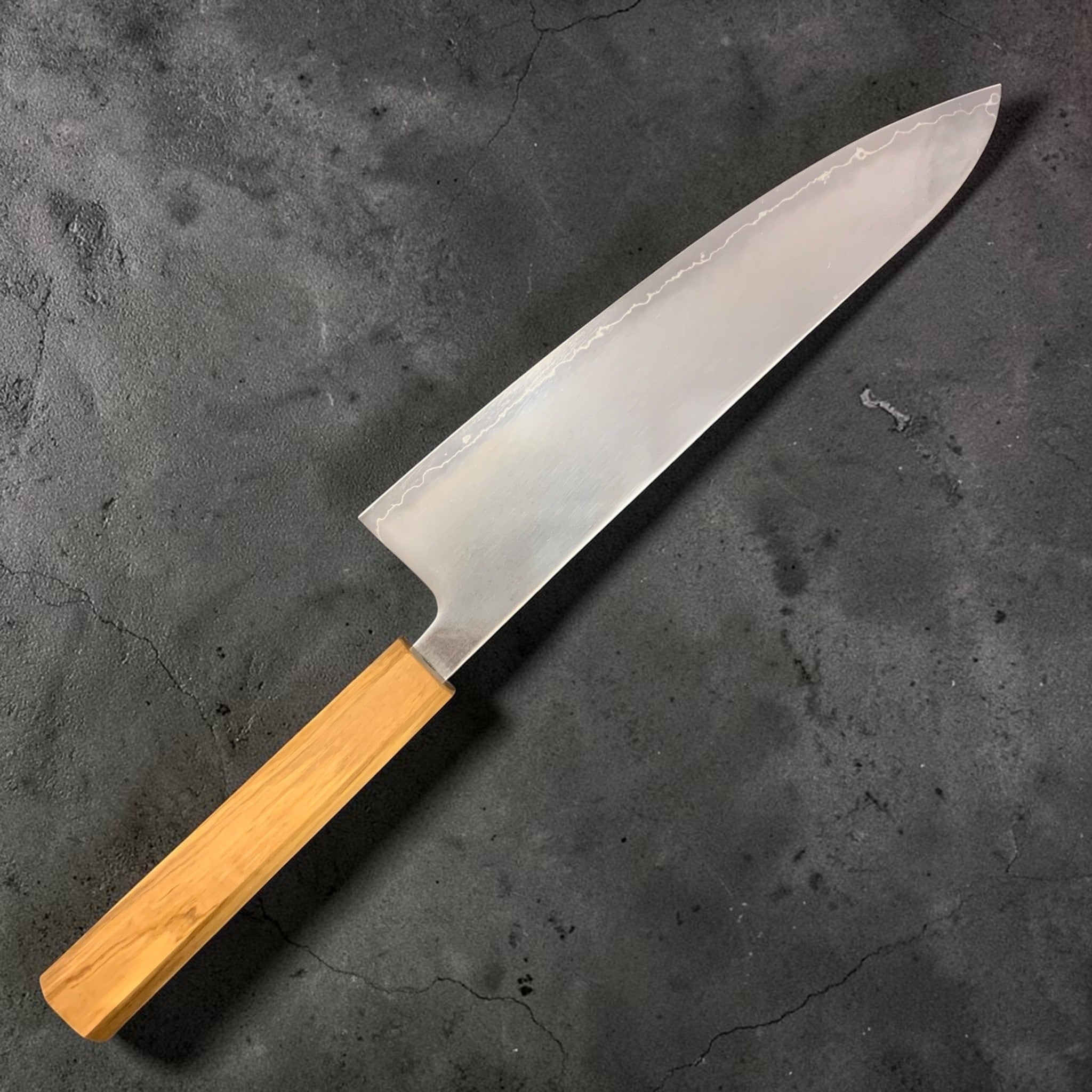
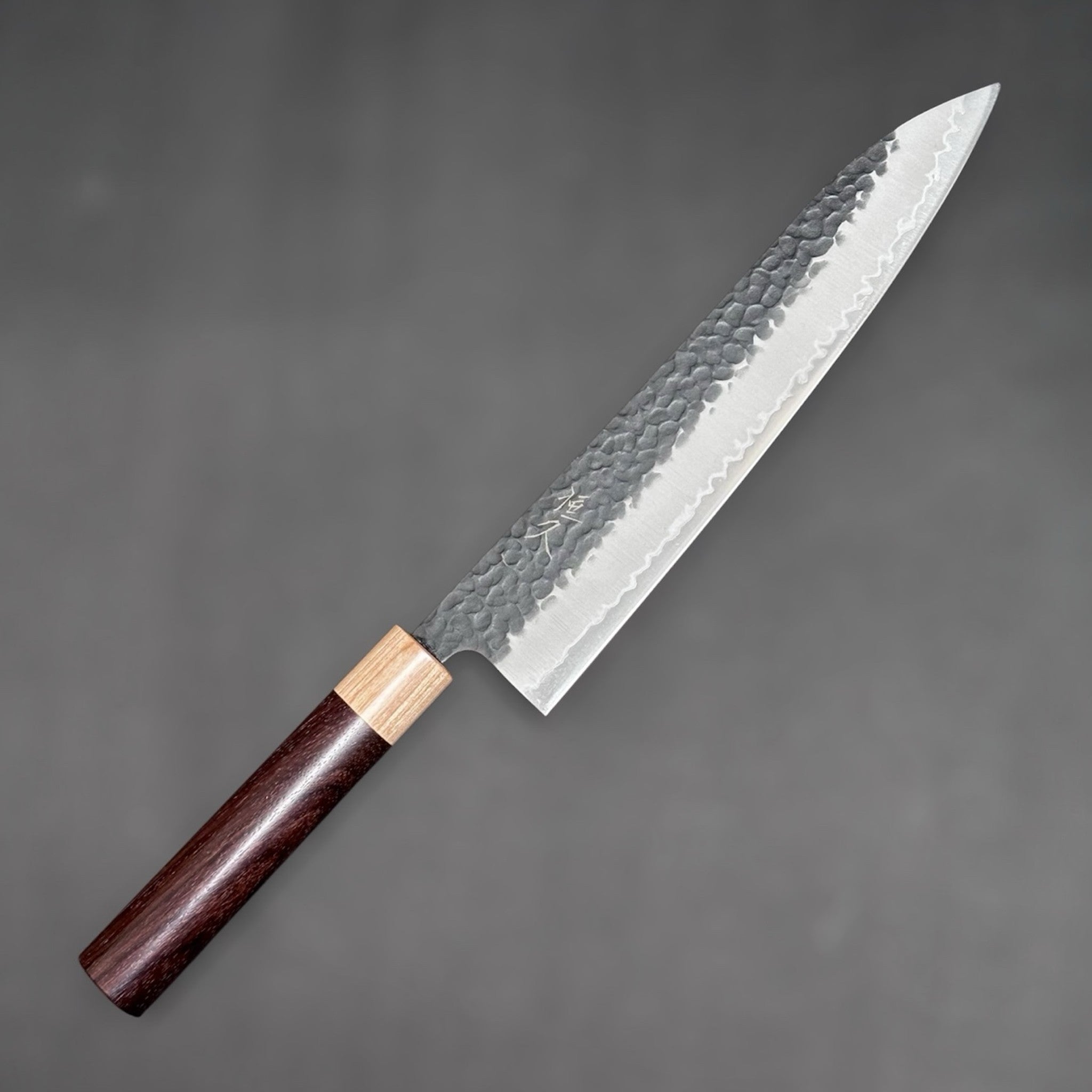
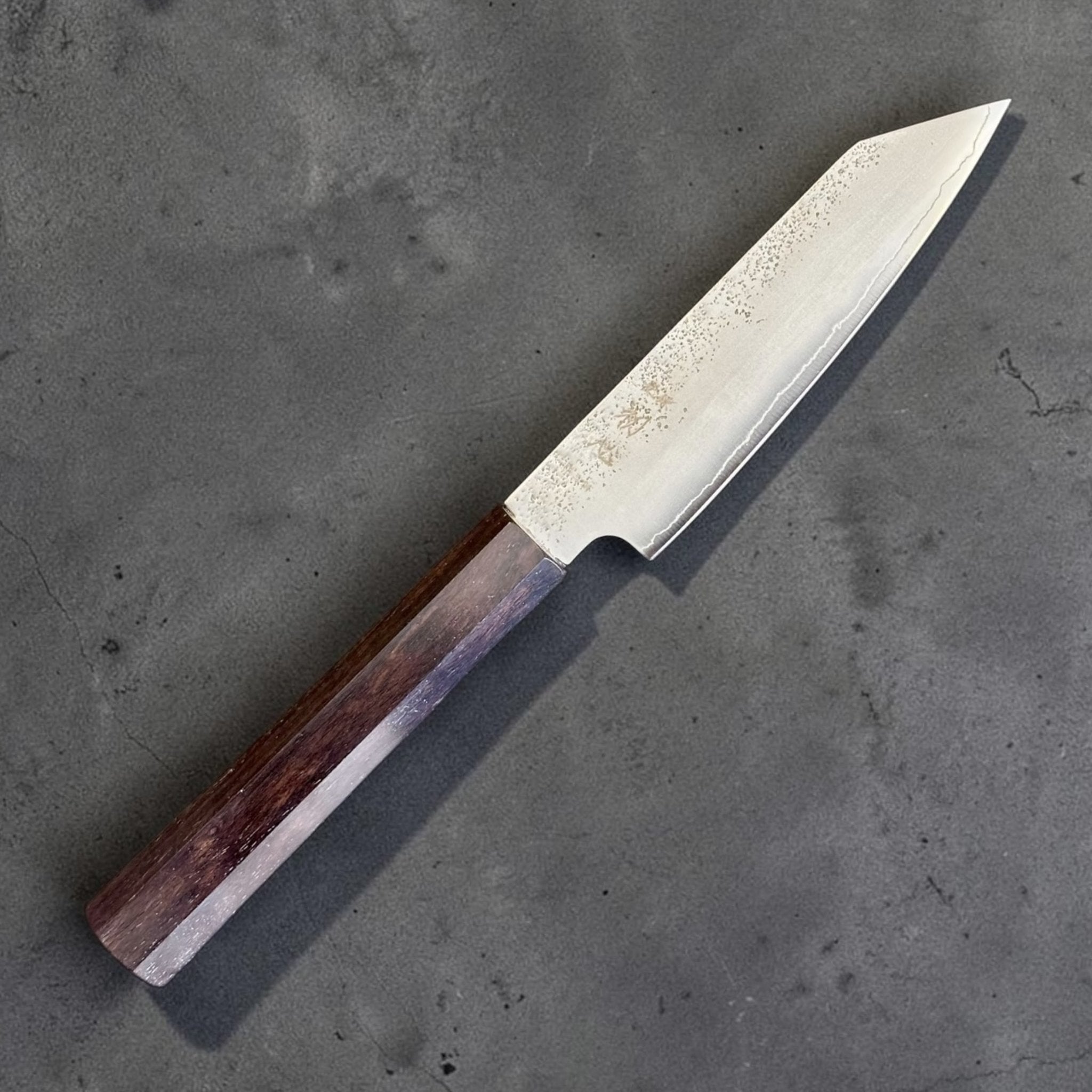
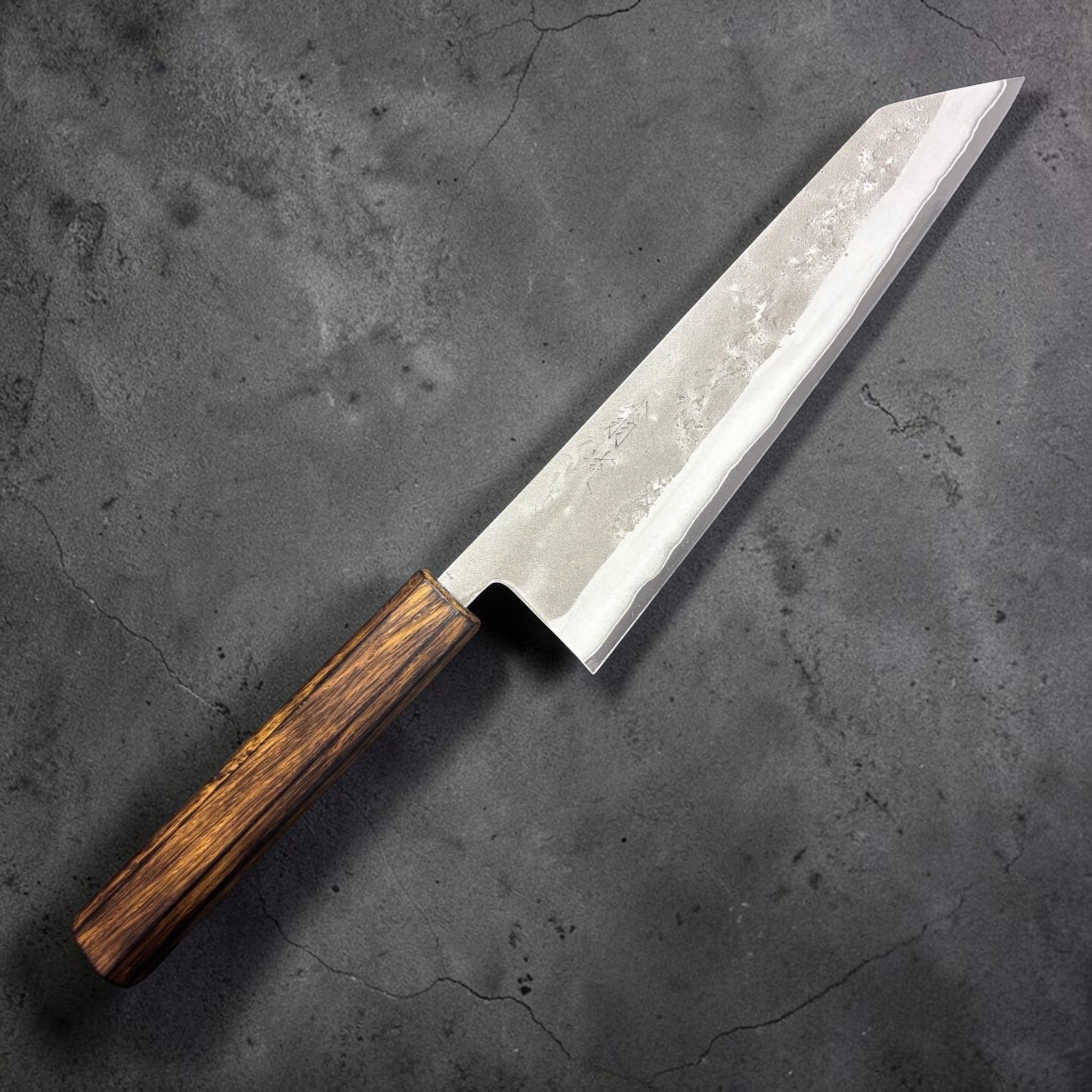
Shop Tokushu Knife’s full selection of Japanese kitchen knives, sharpening tools, cutting boards, knife storage, and related accessories. Use the filters to compare blade shape, steel, maker, length, handle, price, and availability.
Choosing a Japanese kitchen knife
What makes Japanese knives different from Western knives?
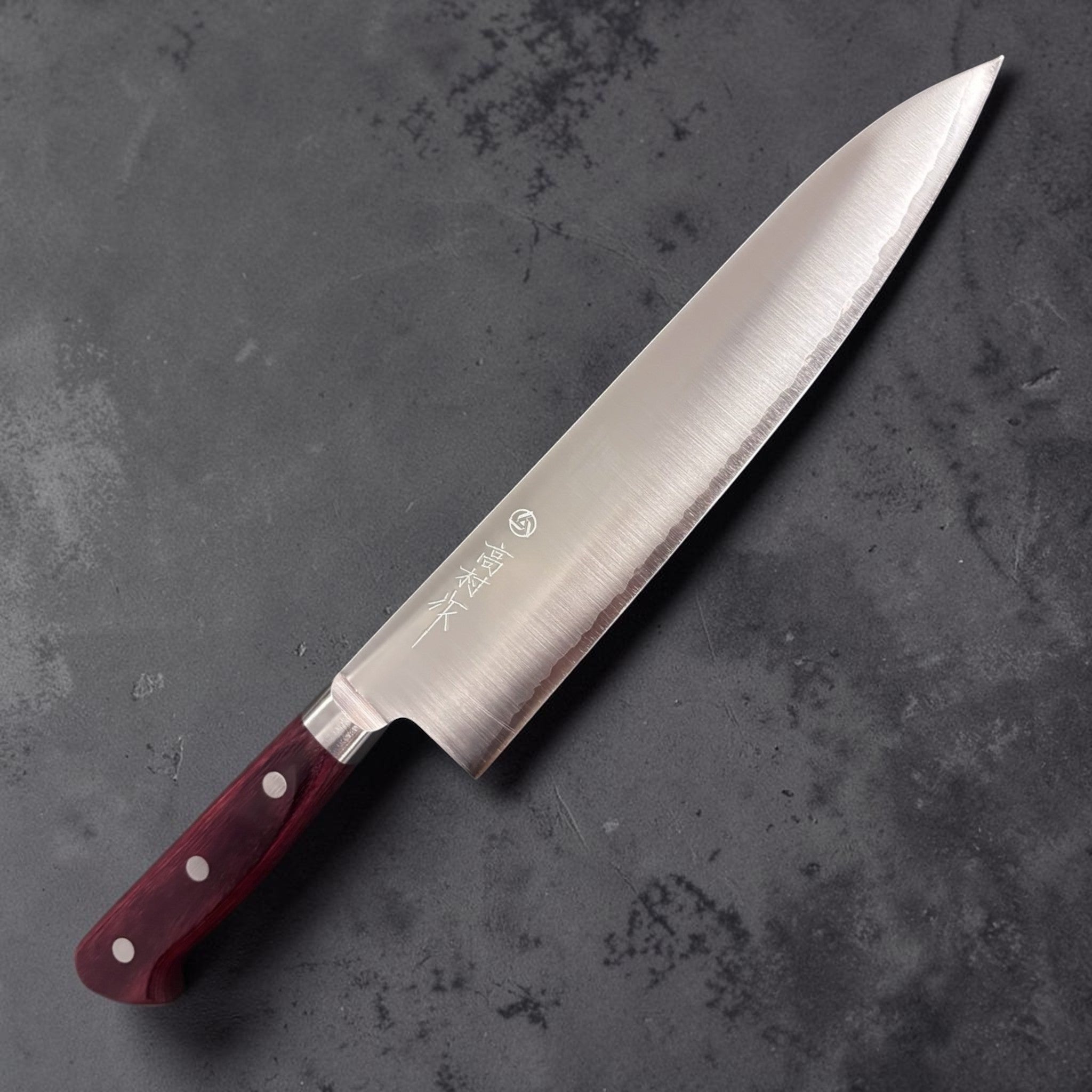
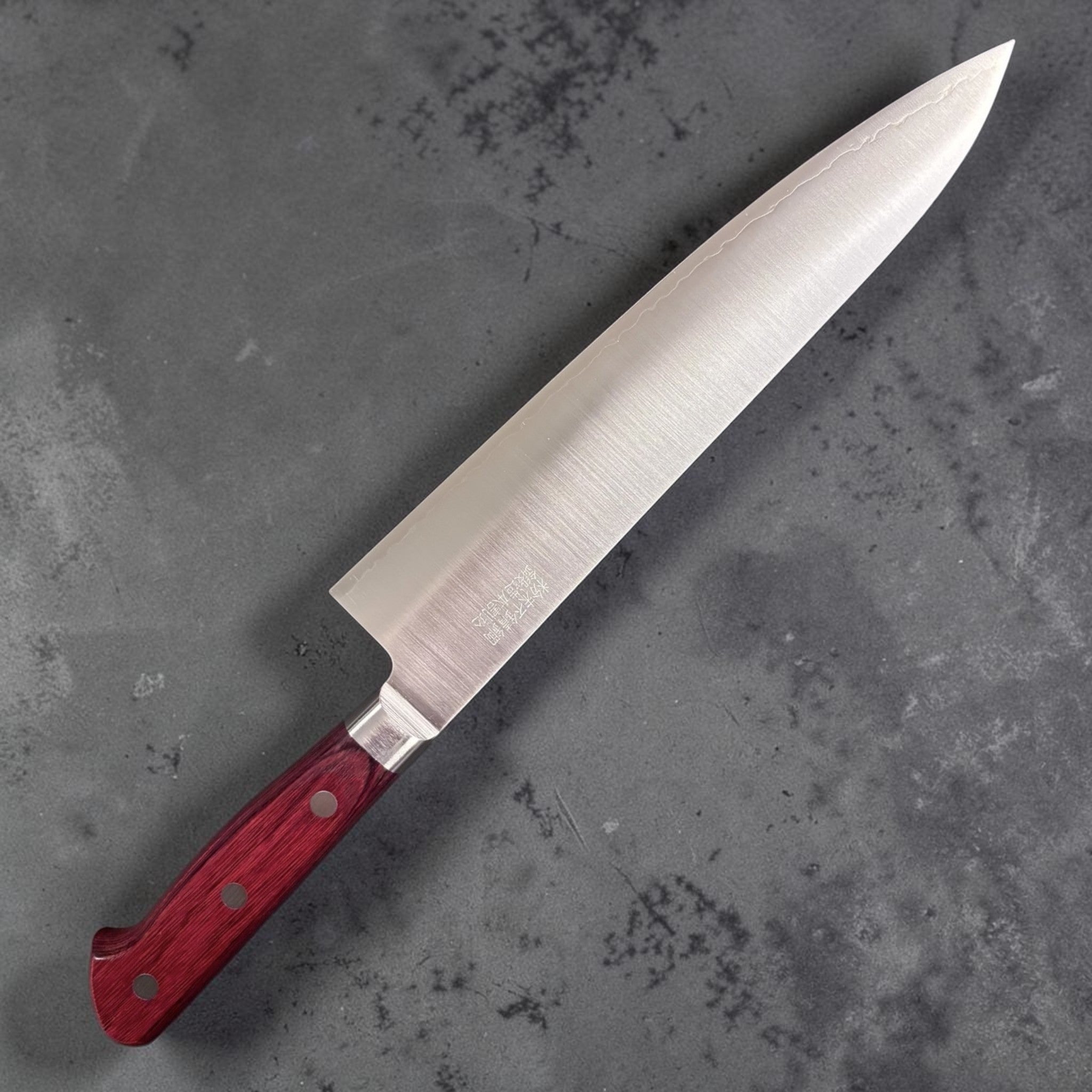
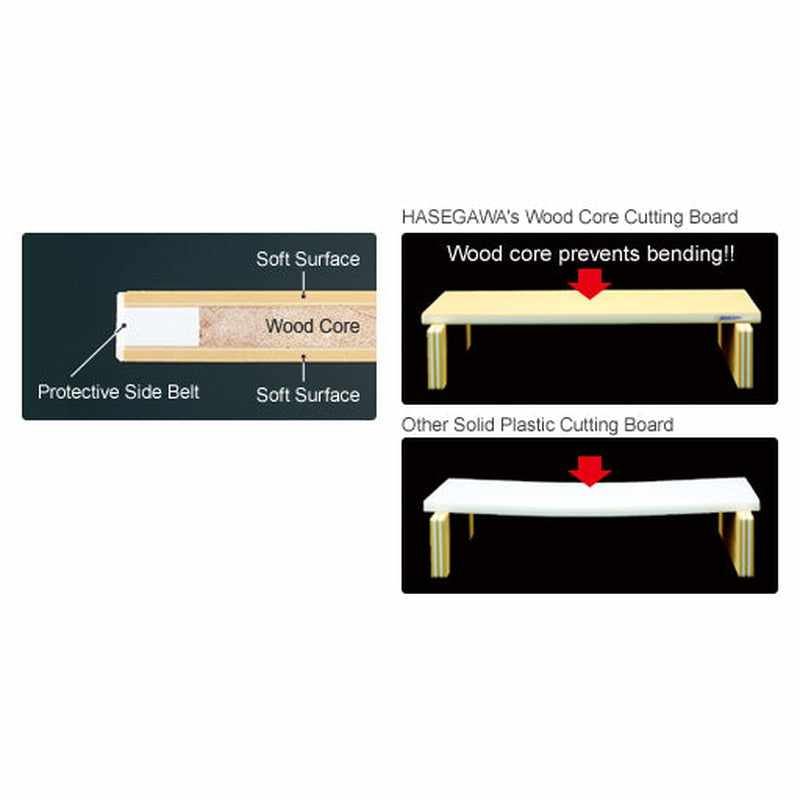
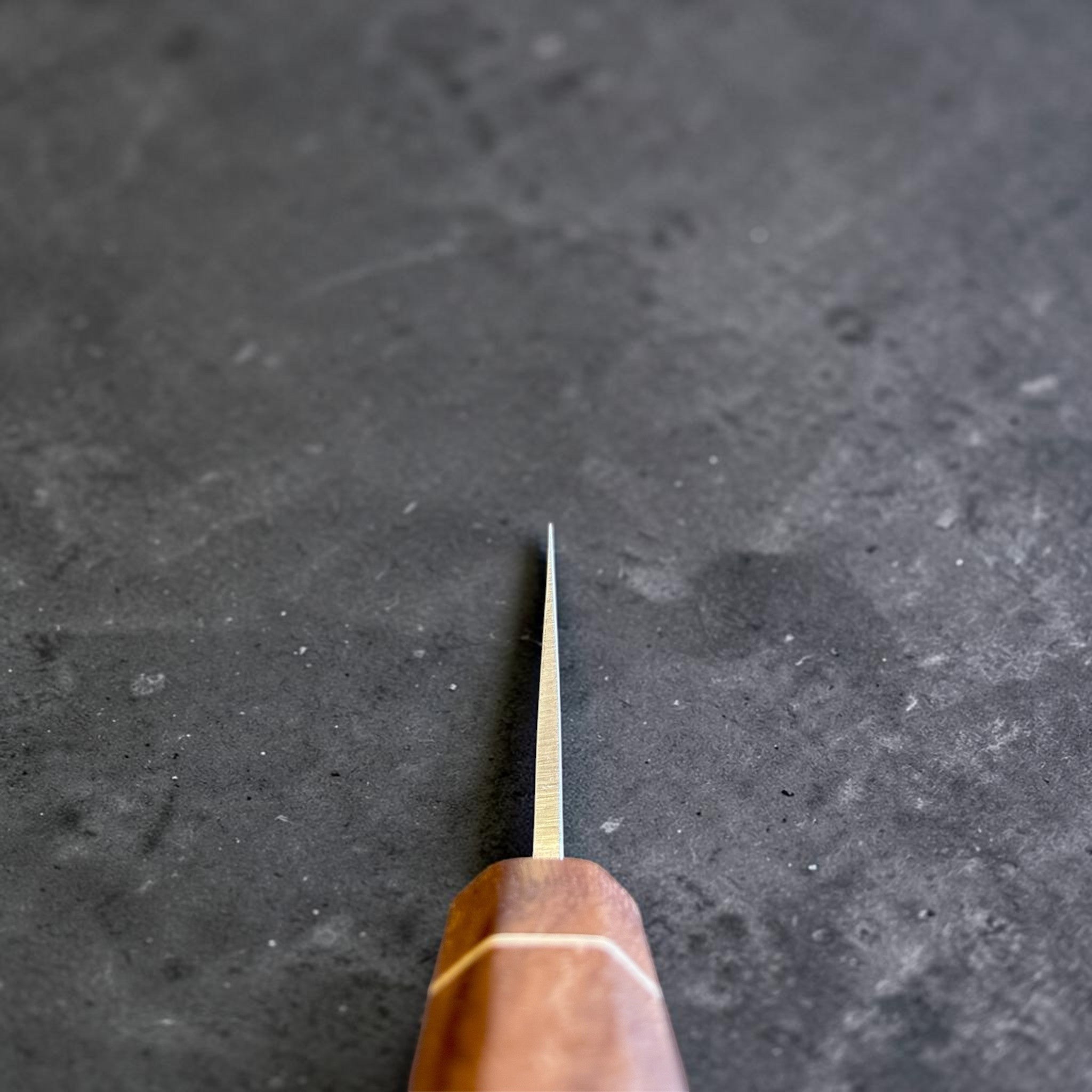
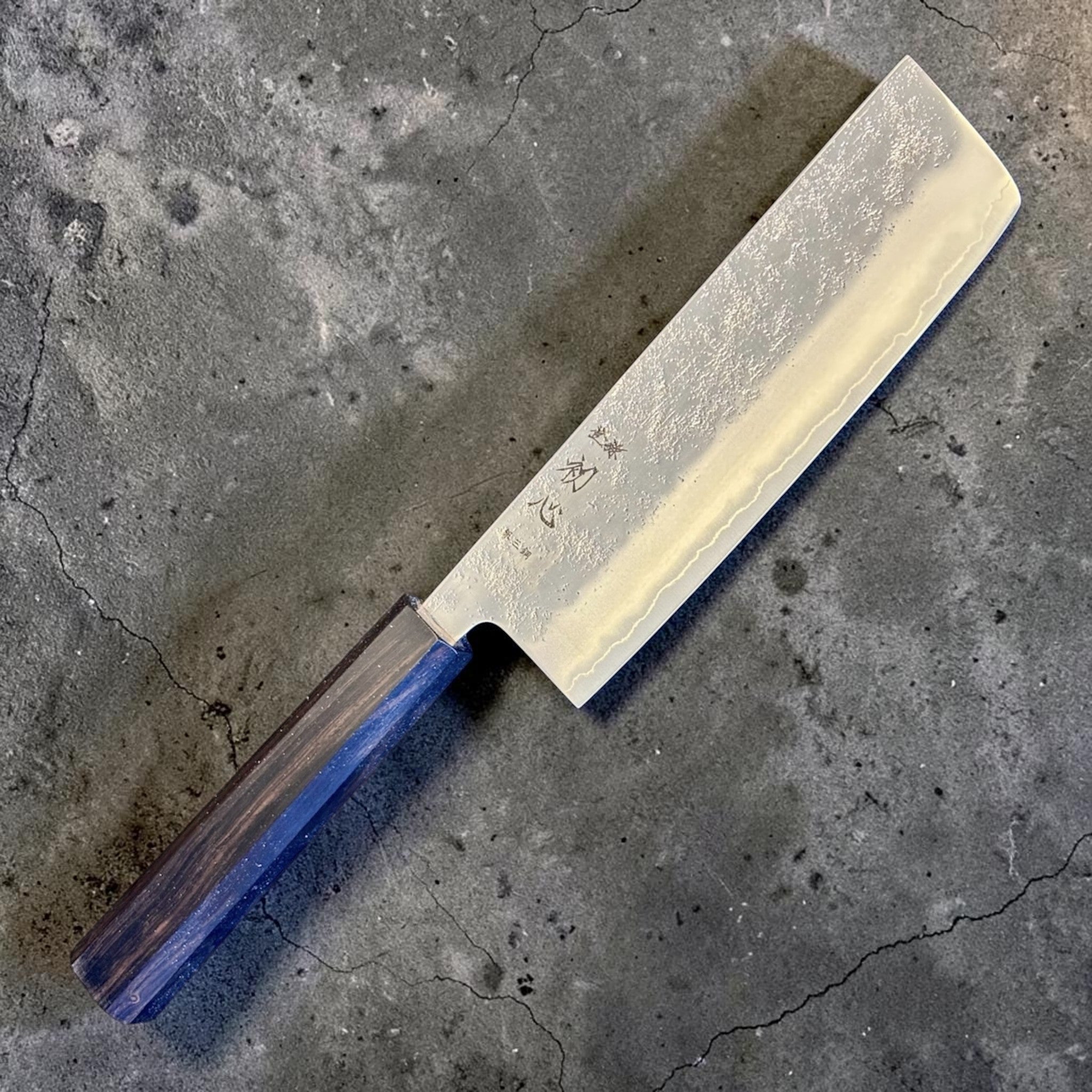
Japanese kitchen knives are often made from harder steel and ground thinner behind the edge. That gives them precise cutting performance, but they should be used on suitable cutting boards and handled with care to avoid chips.
What is a good first Japanese knife?
A 210 mm gyuto or a 165–180 mm santoku is a versatile starting point. Stainless steels such as VG-10 and SG2 are easier to maintain, while carbon steels require prompt cleaning and drying.
Do Japanese knives rust?
Carbon-steel blades can rust if left wet. Stainless and stainless-clad knives are more rust resistant, but every knife should be washed by hand and dried immediately after use.
How should a Japanese knife be sharpened?
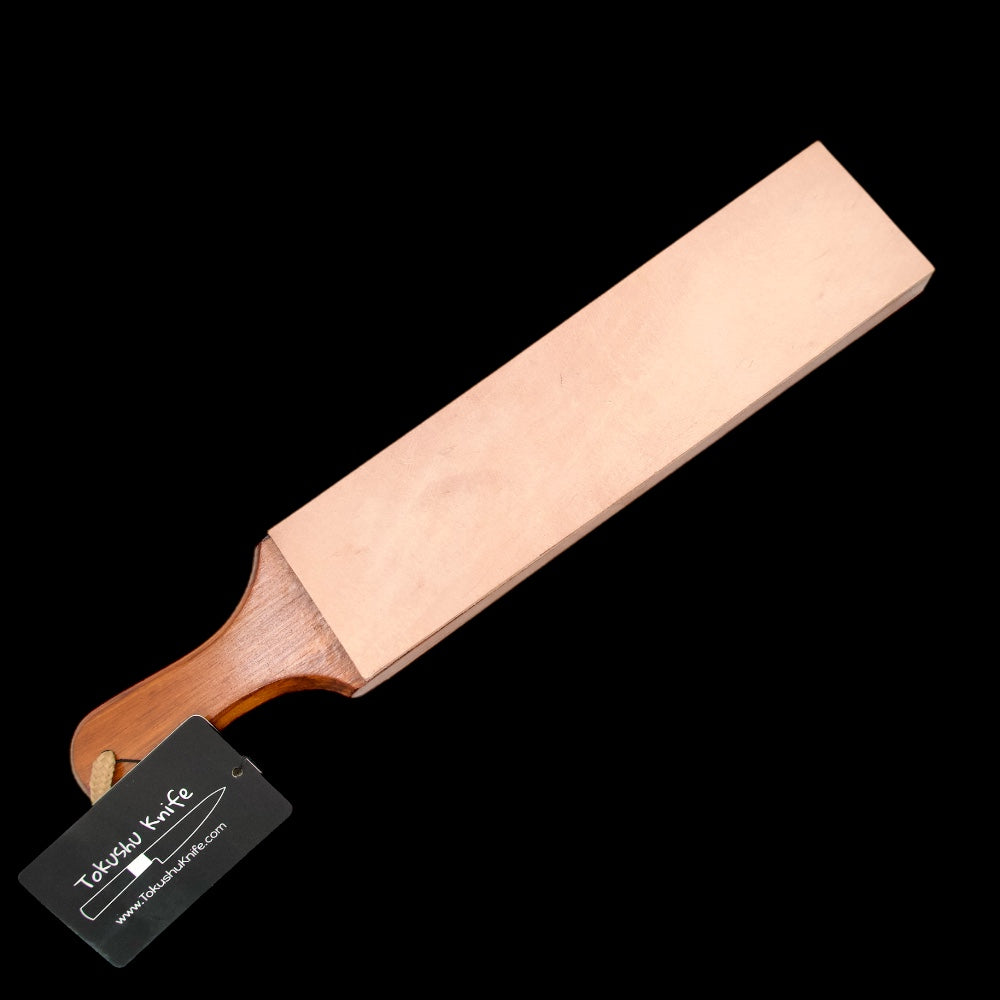
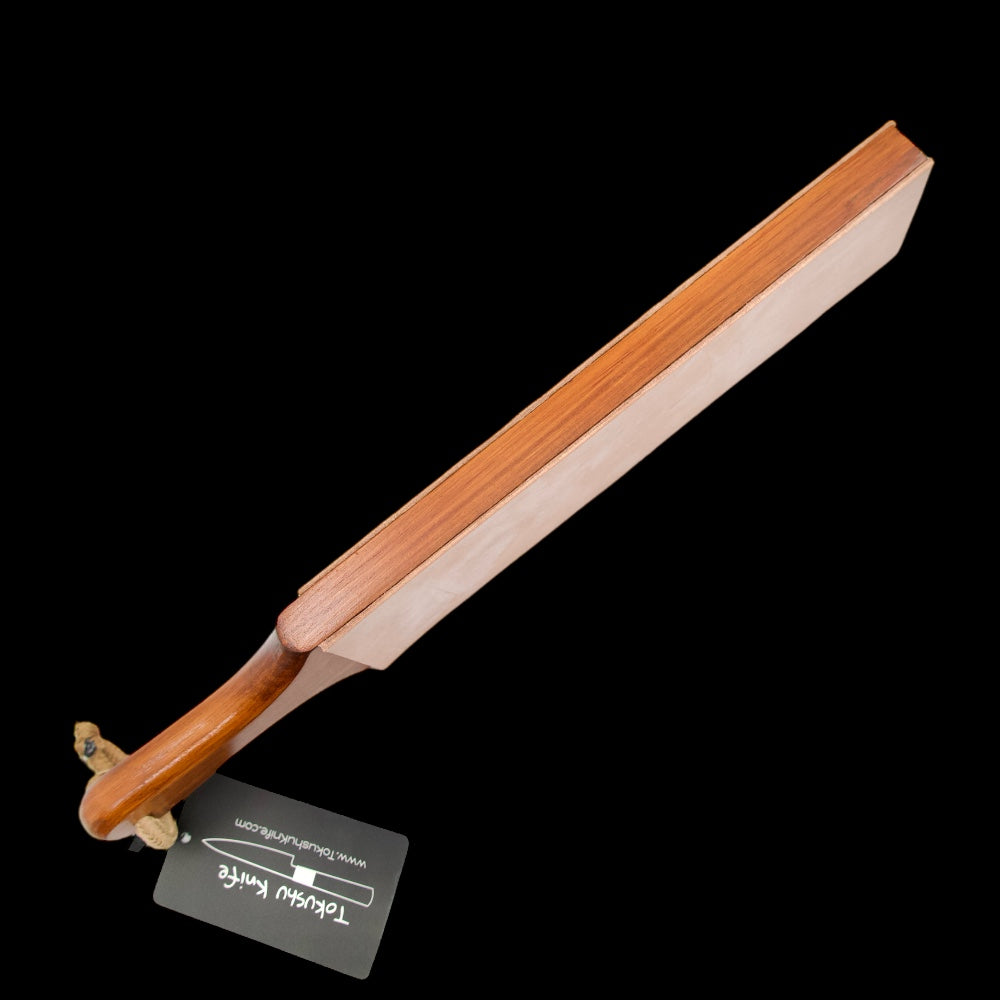
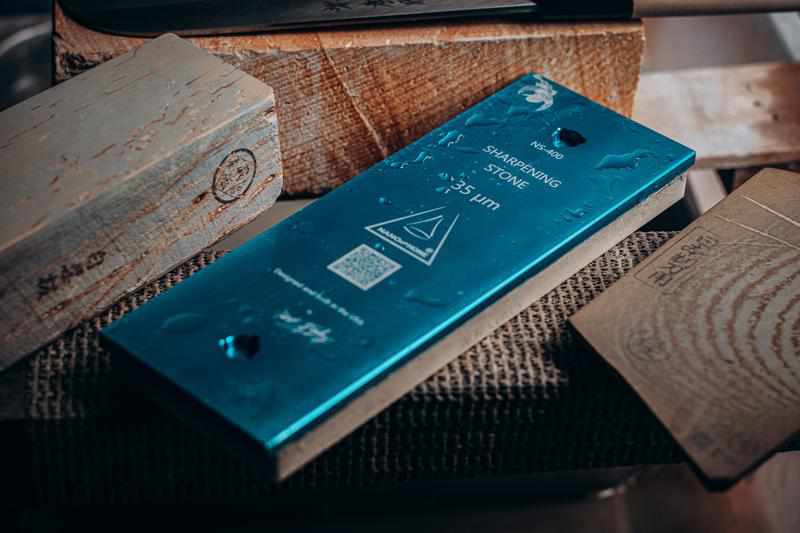
Use water stones or a qualified sharpening service. Avoid pull-through sharpeners on thin, hard Japanese blades. A leather strop can help maintain the edge between sharpenings.