




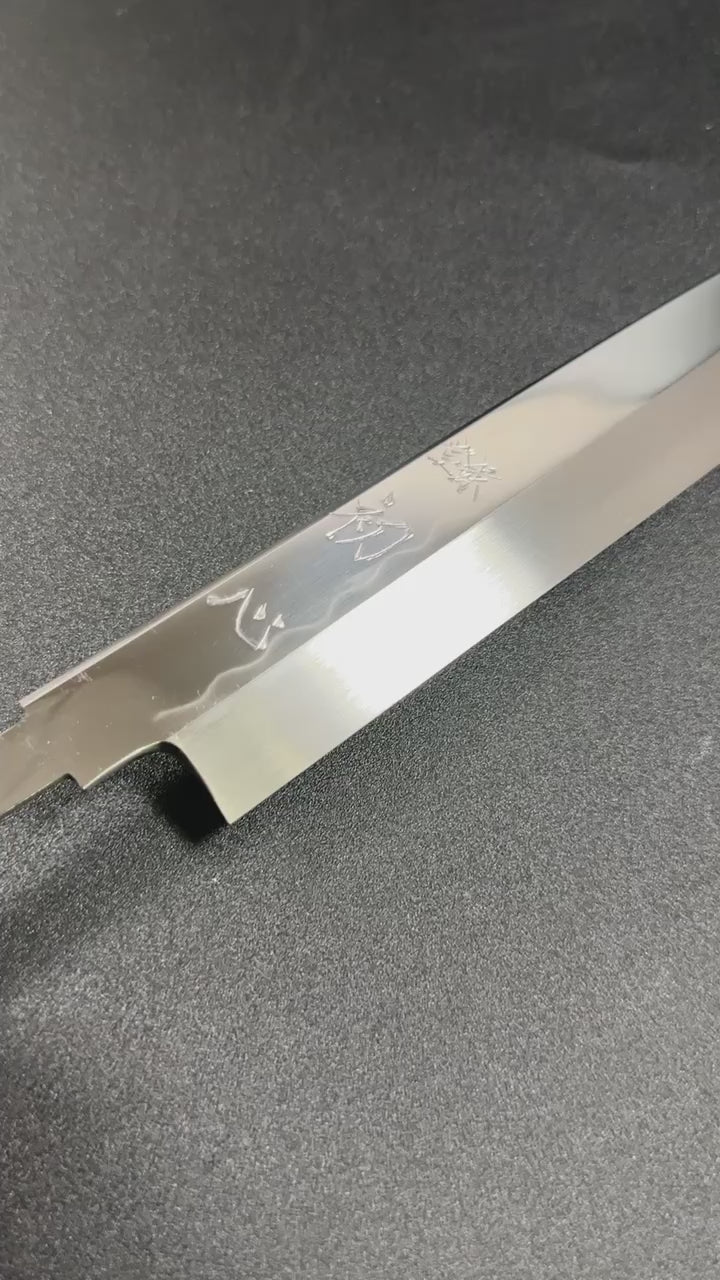
Honyaki Knives: Single-Steel Japanese Blades
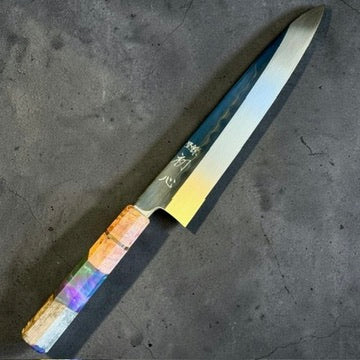
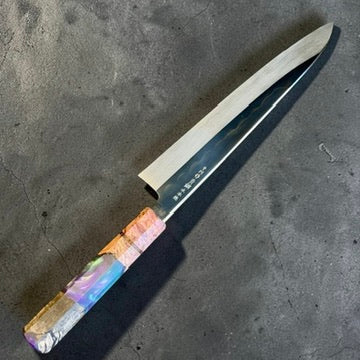
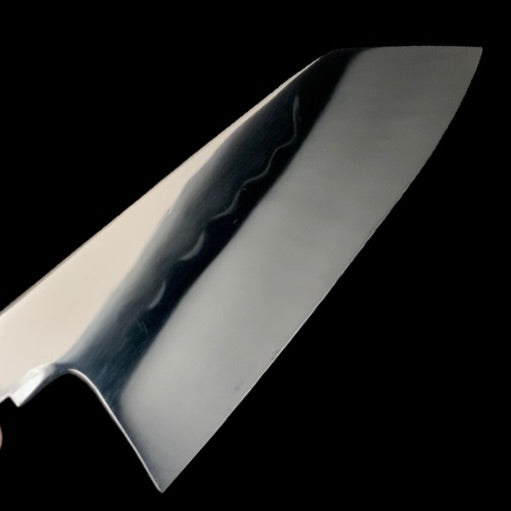
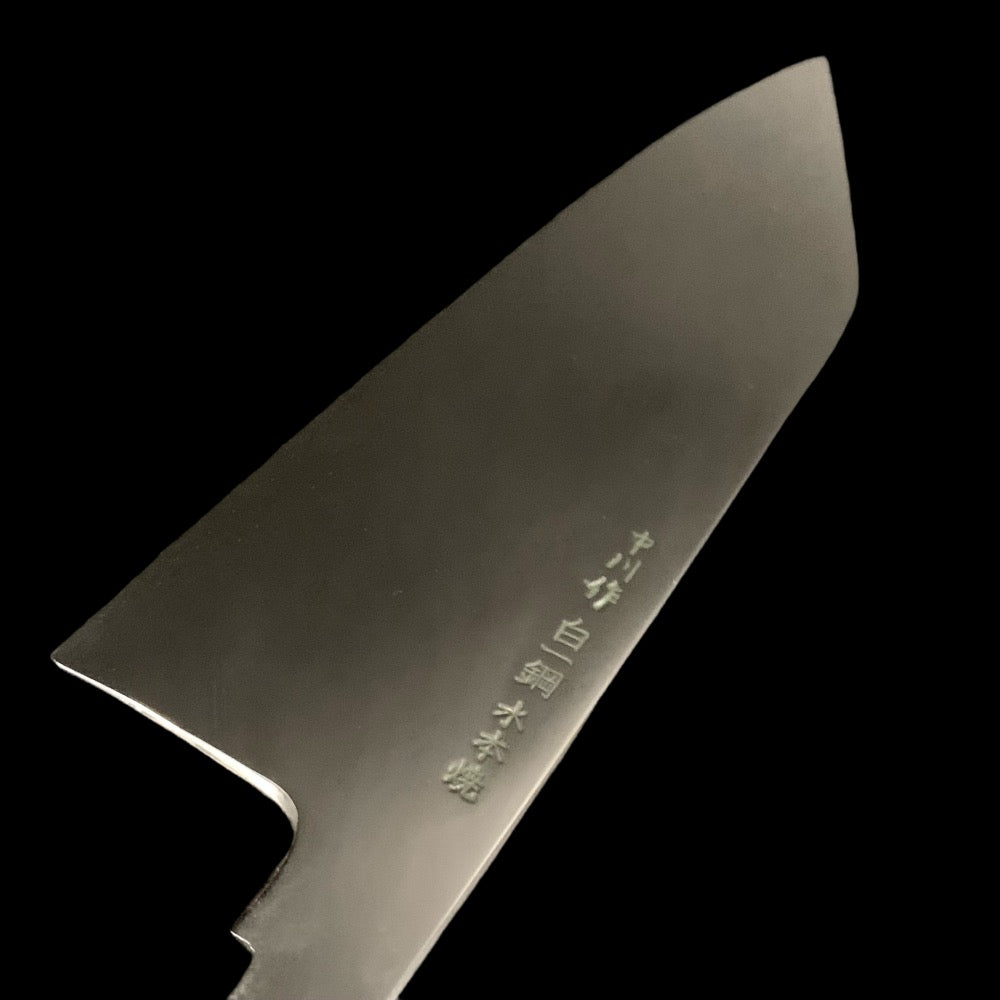
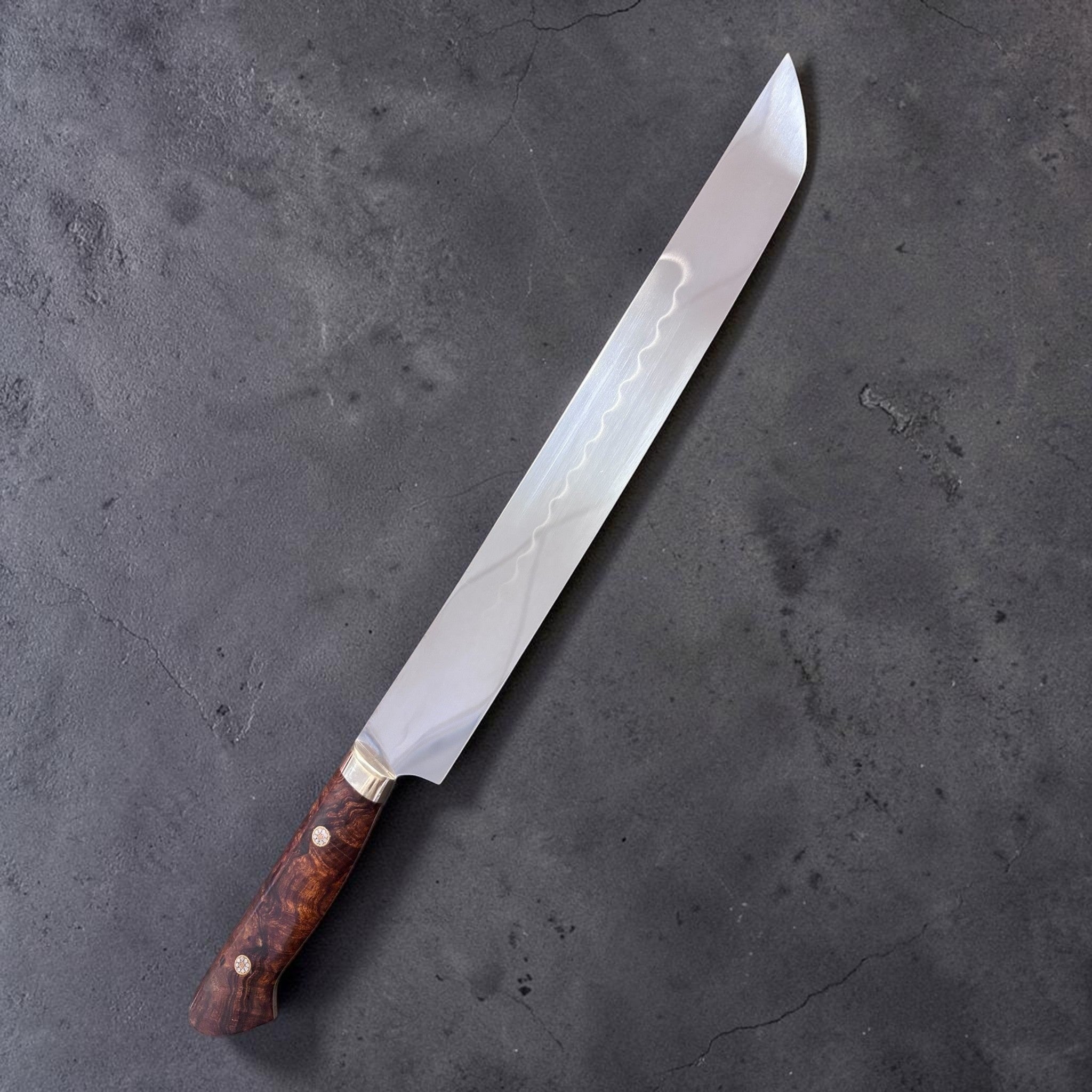
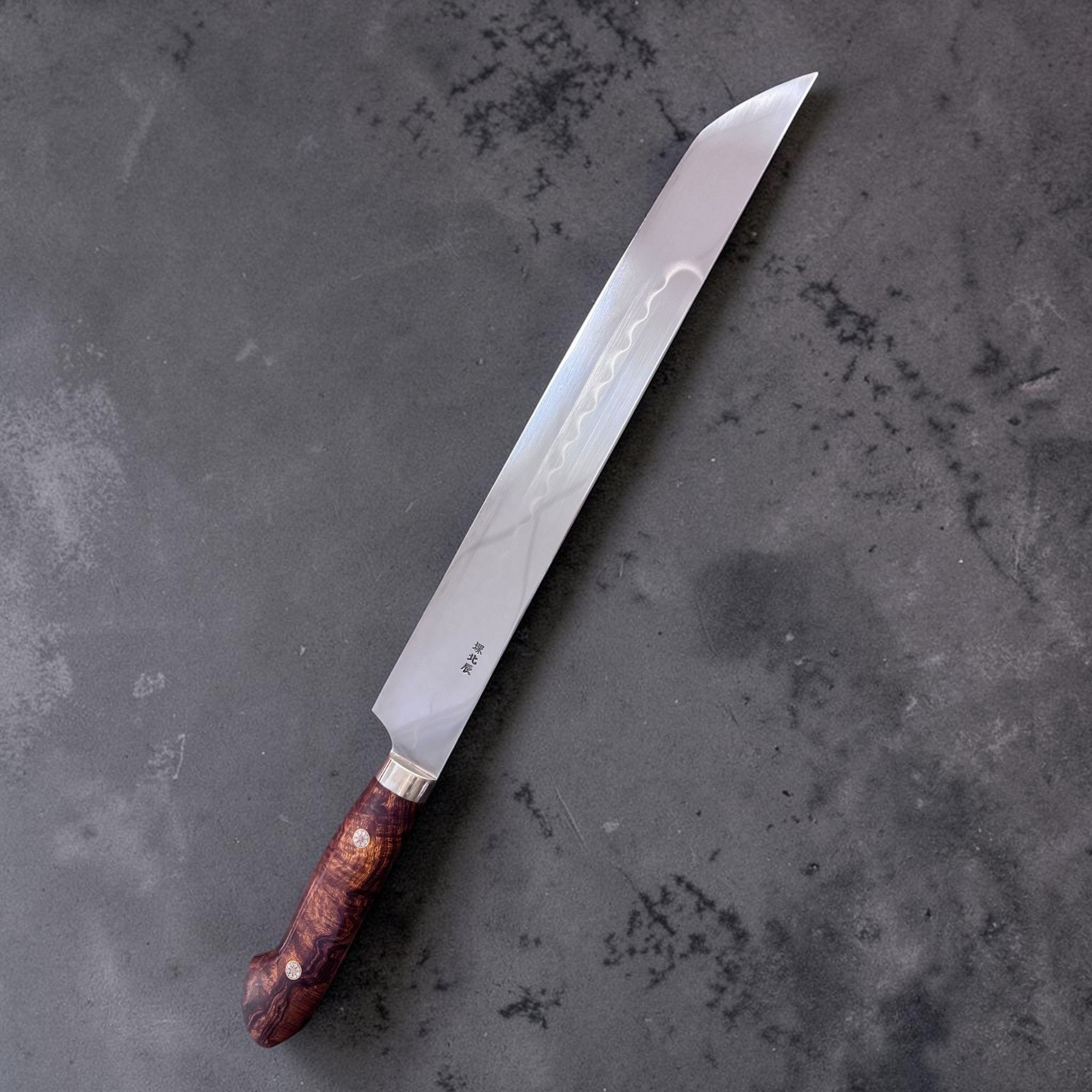
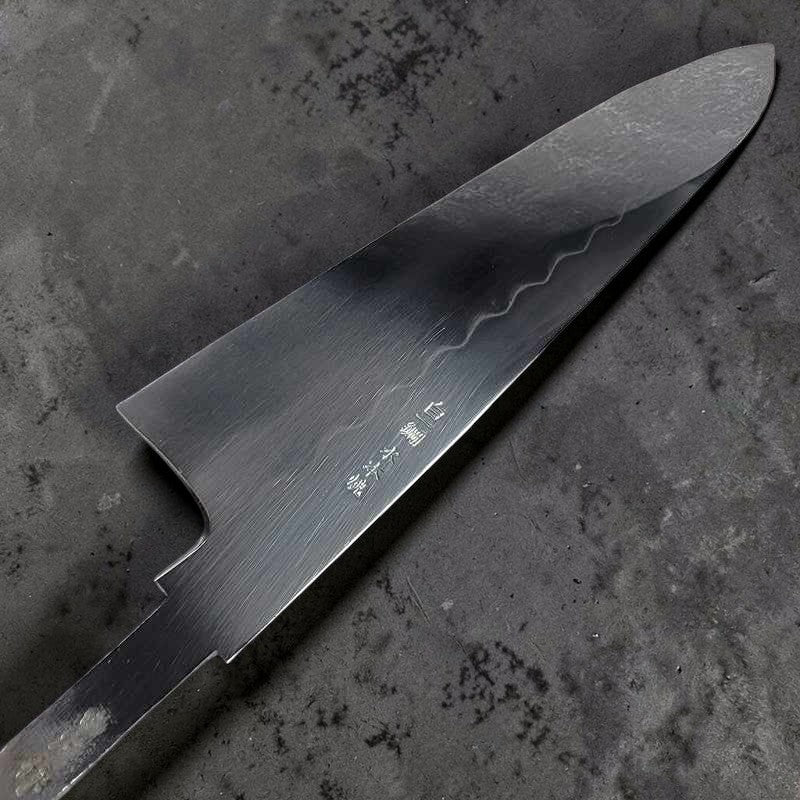
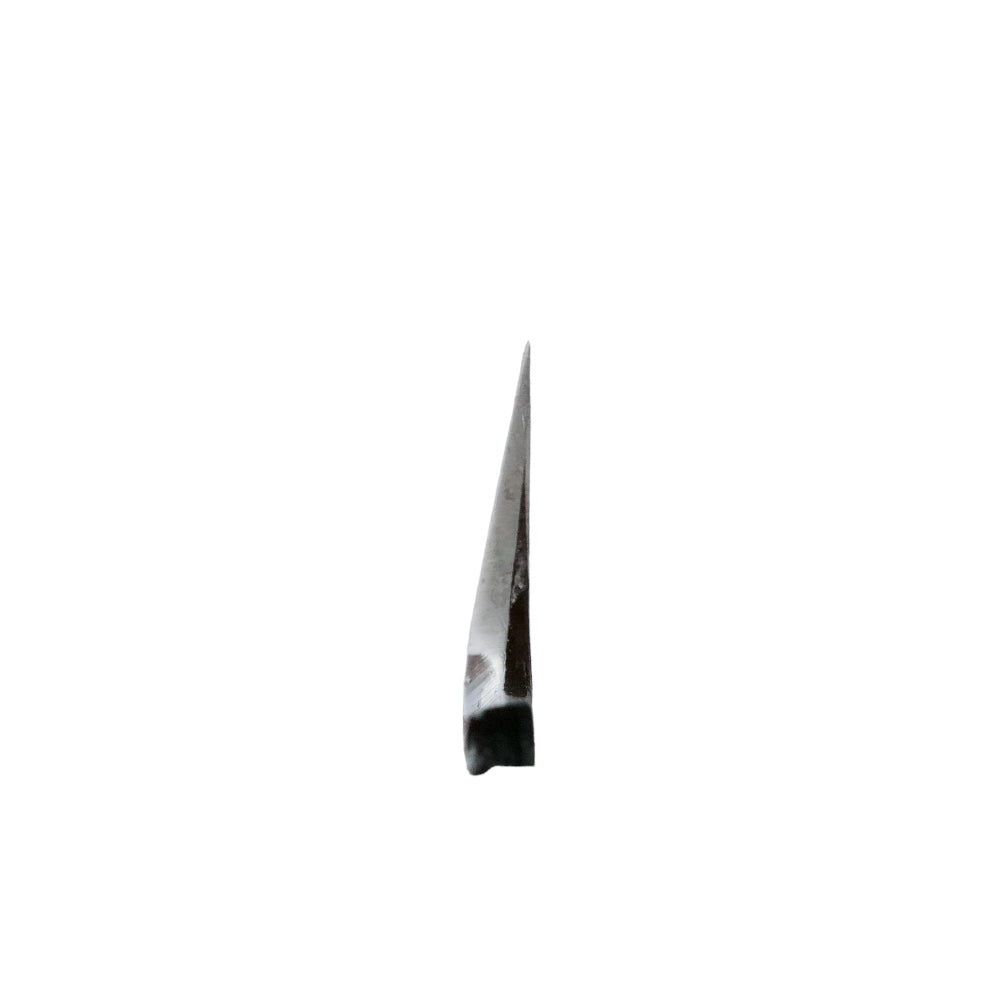
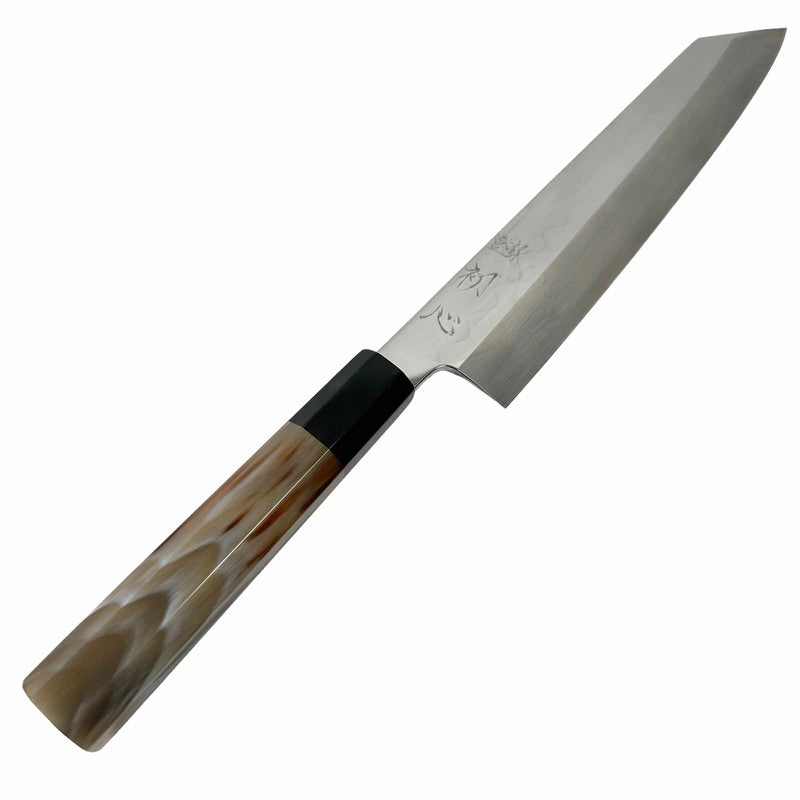
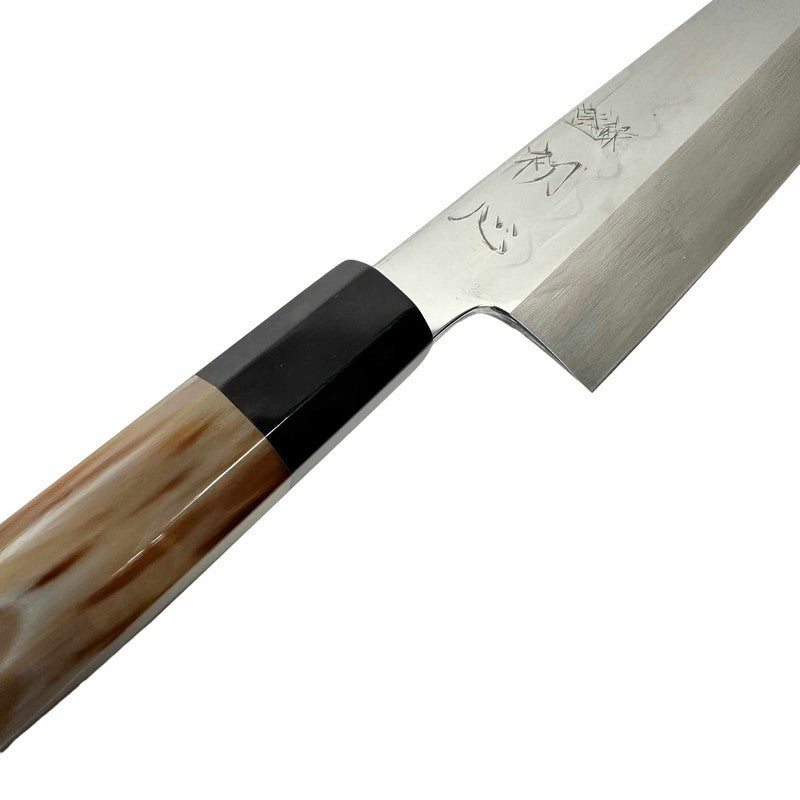
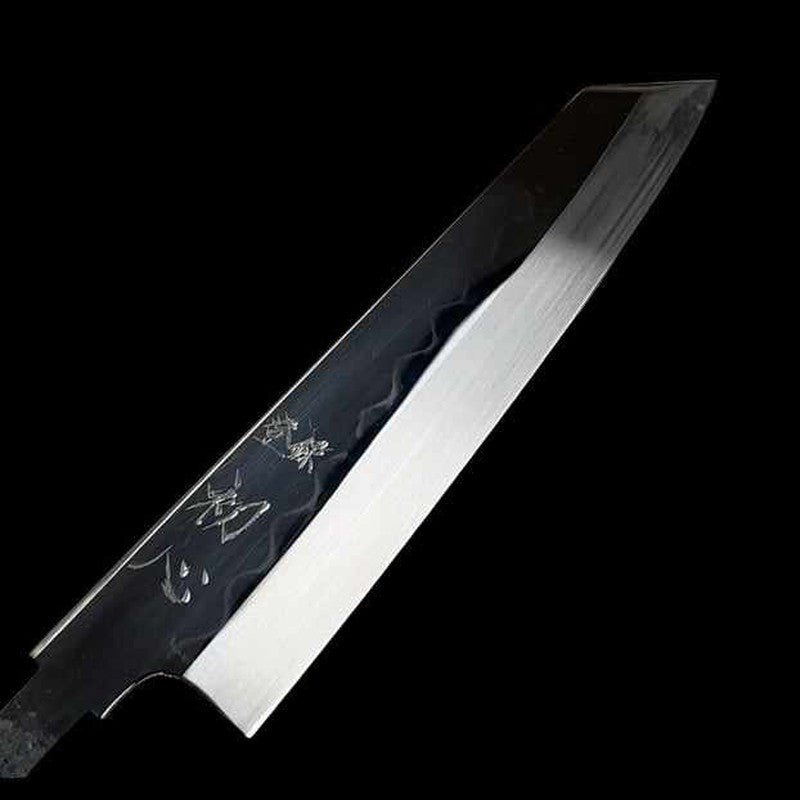
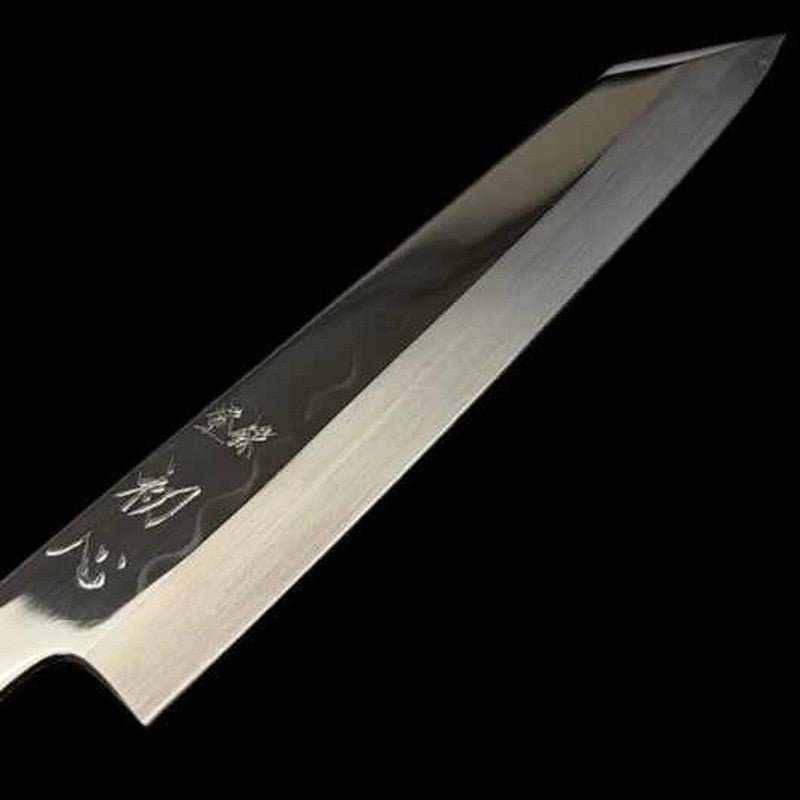
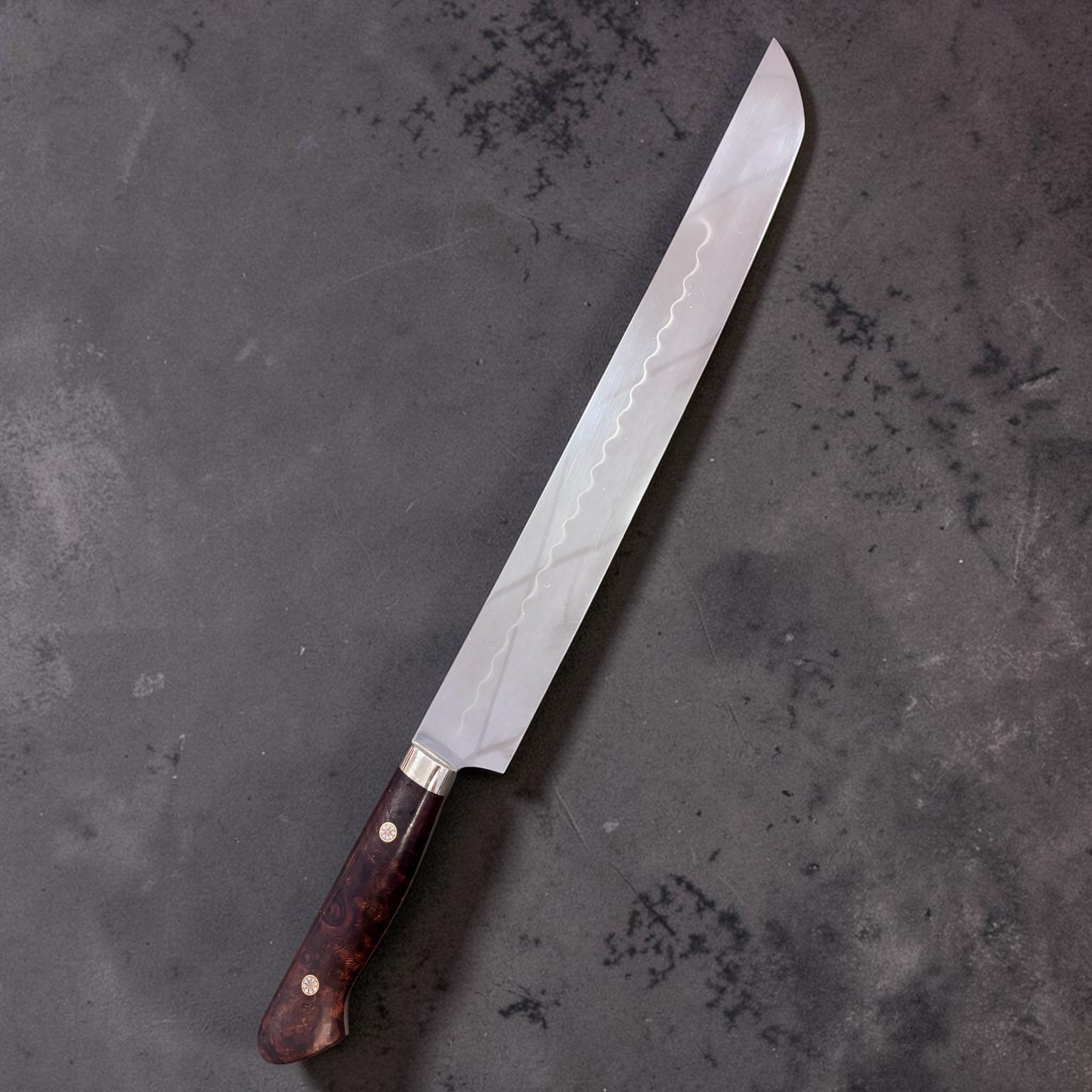
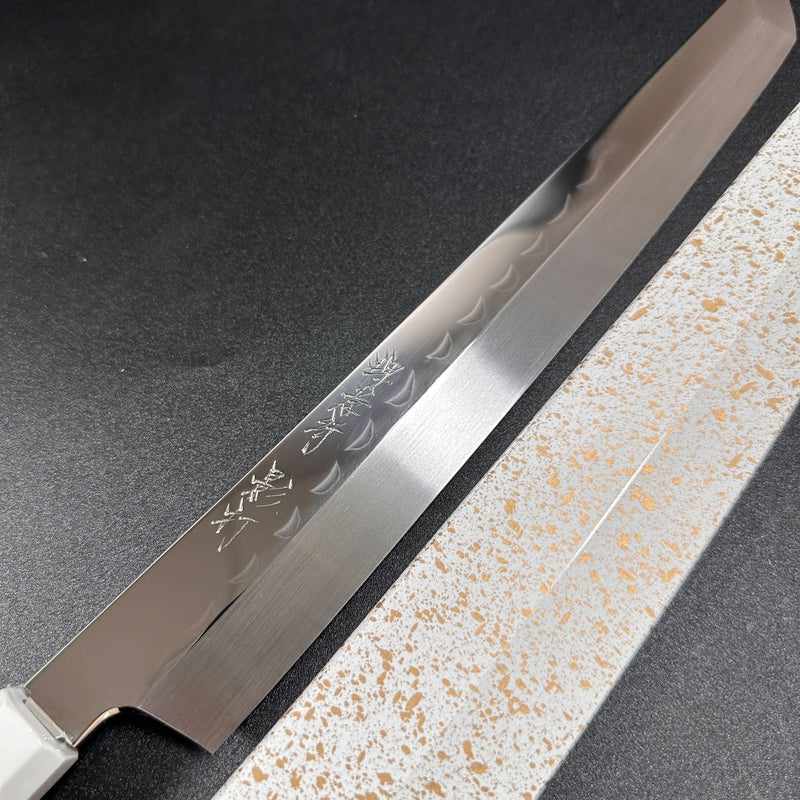
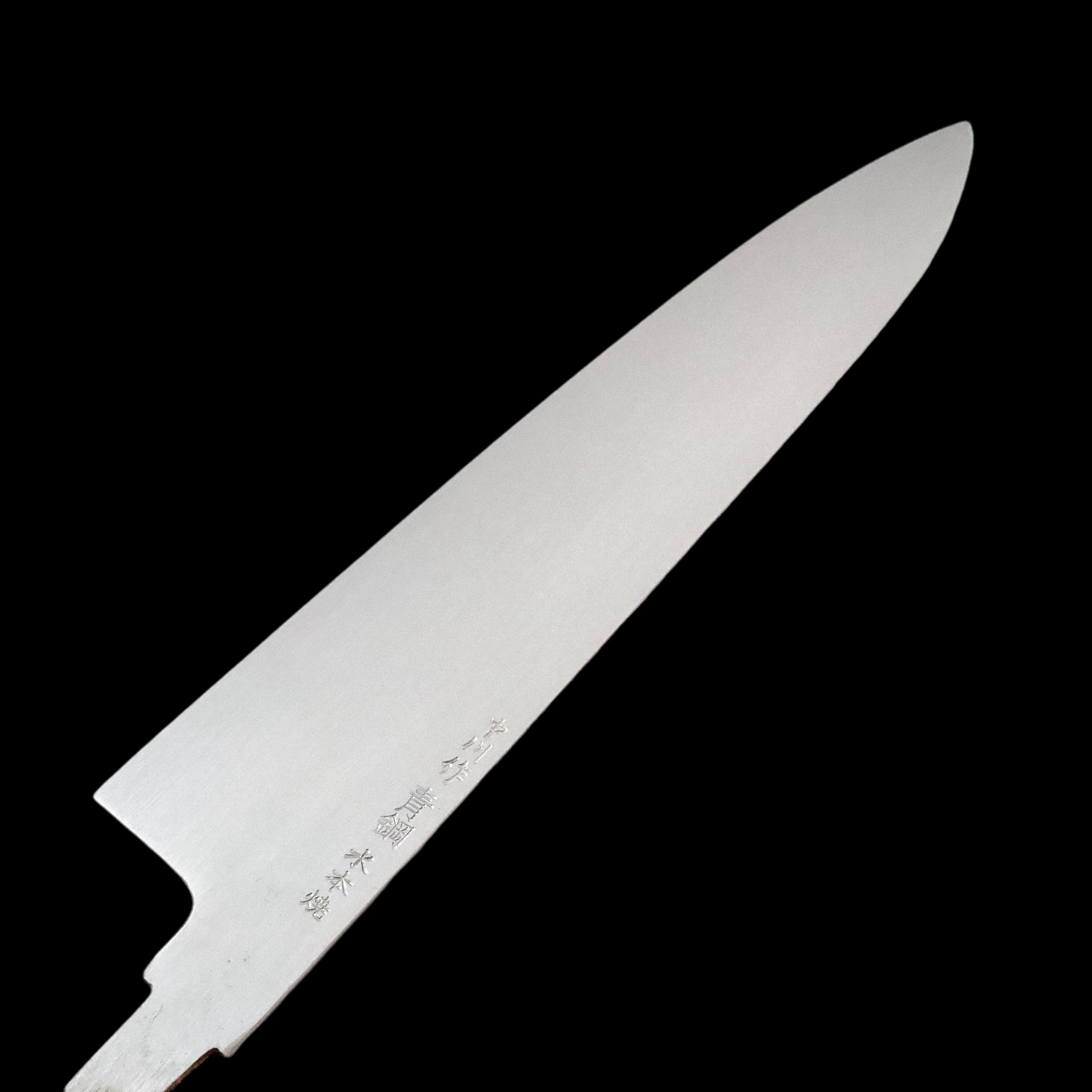
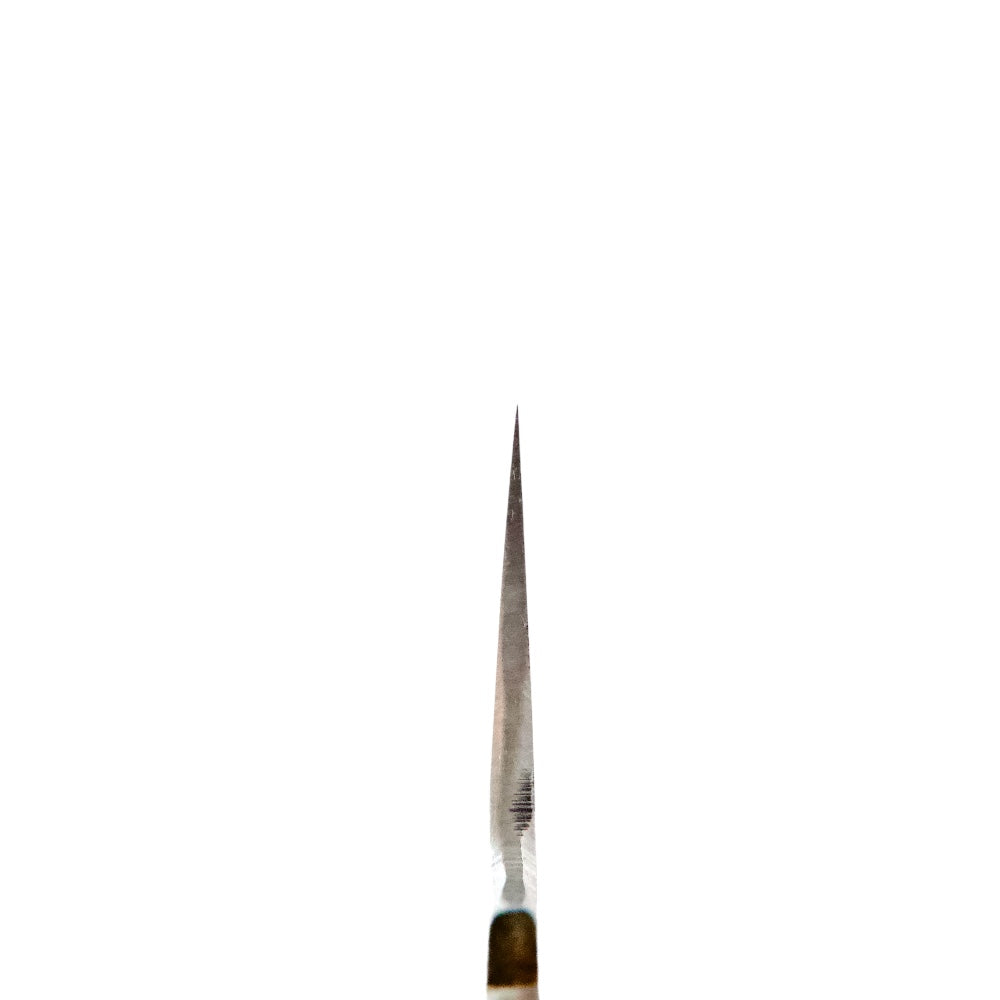
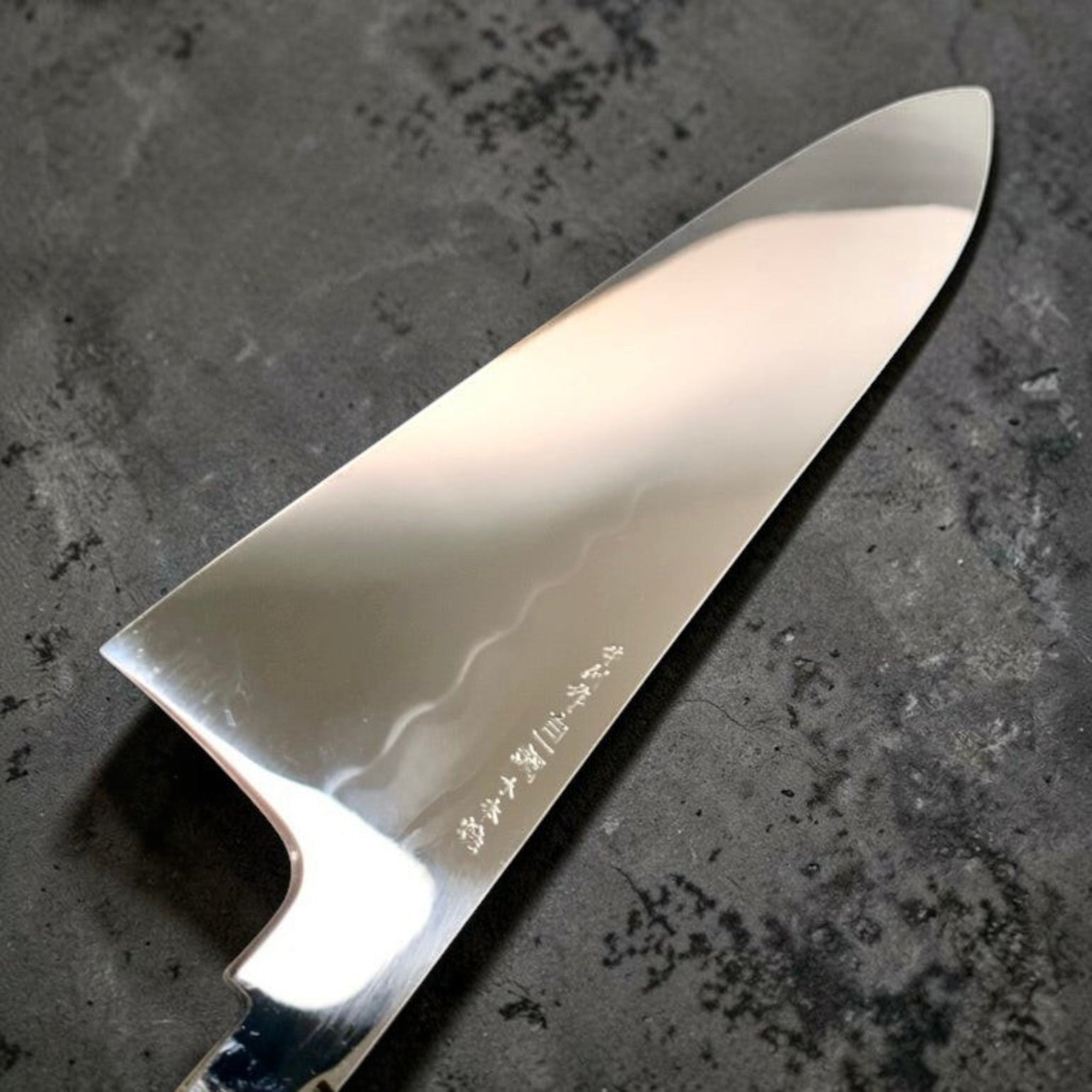
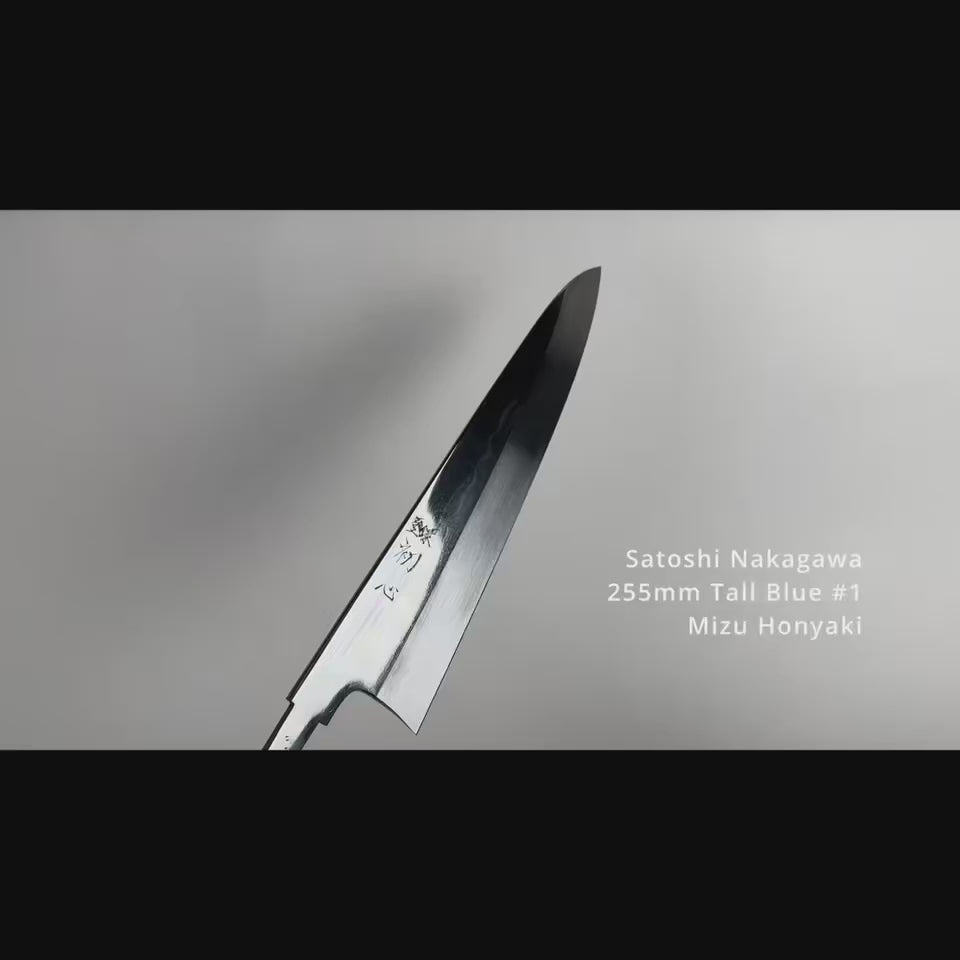
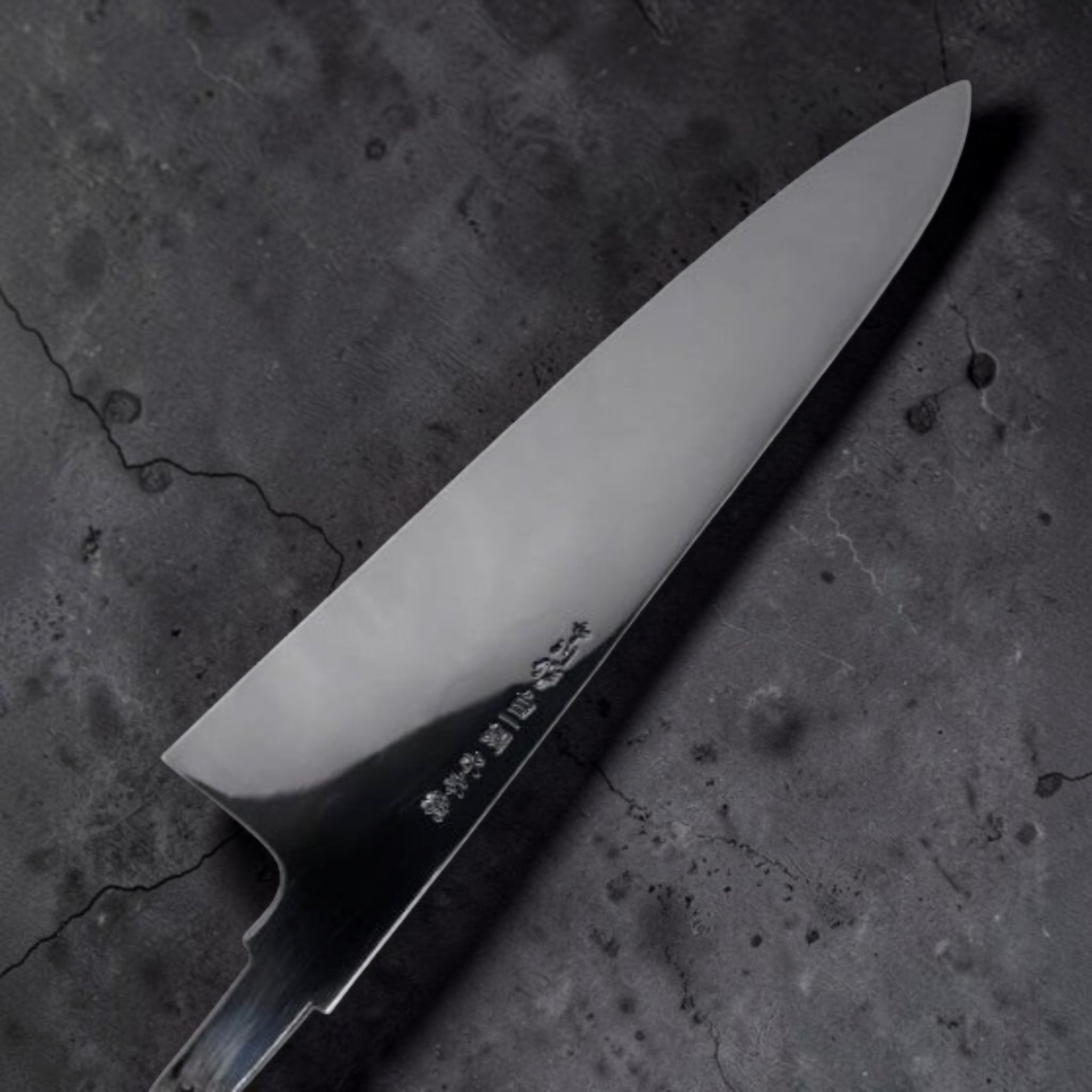
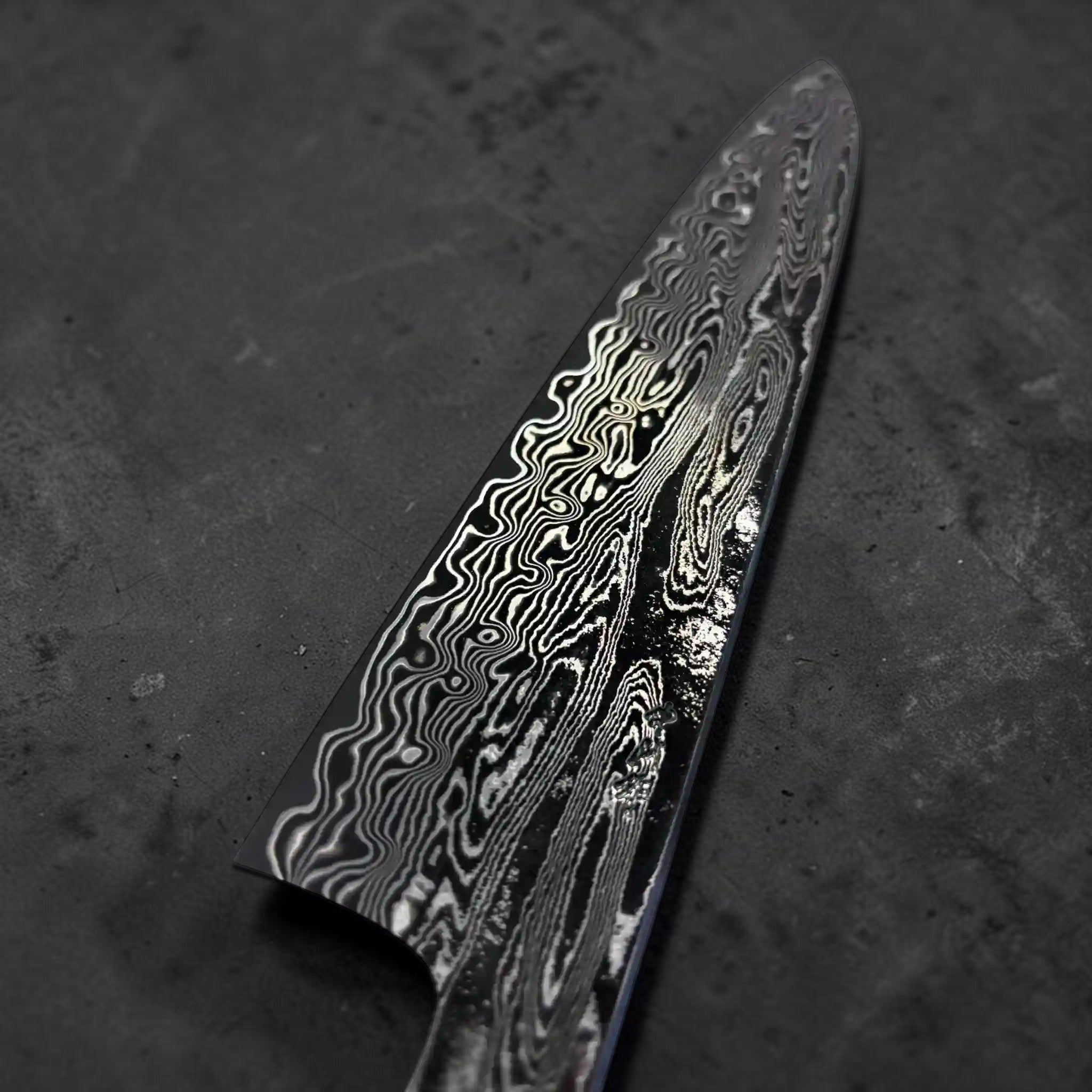
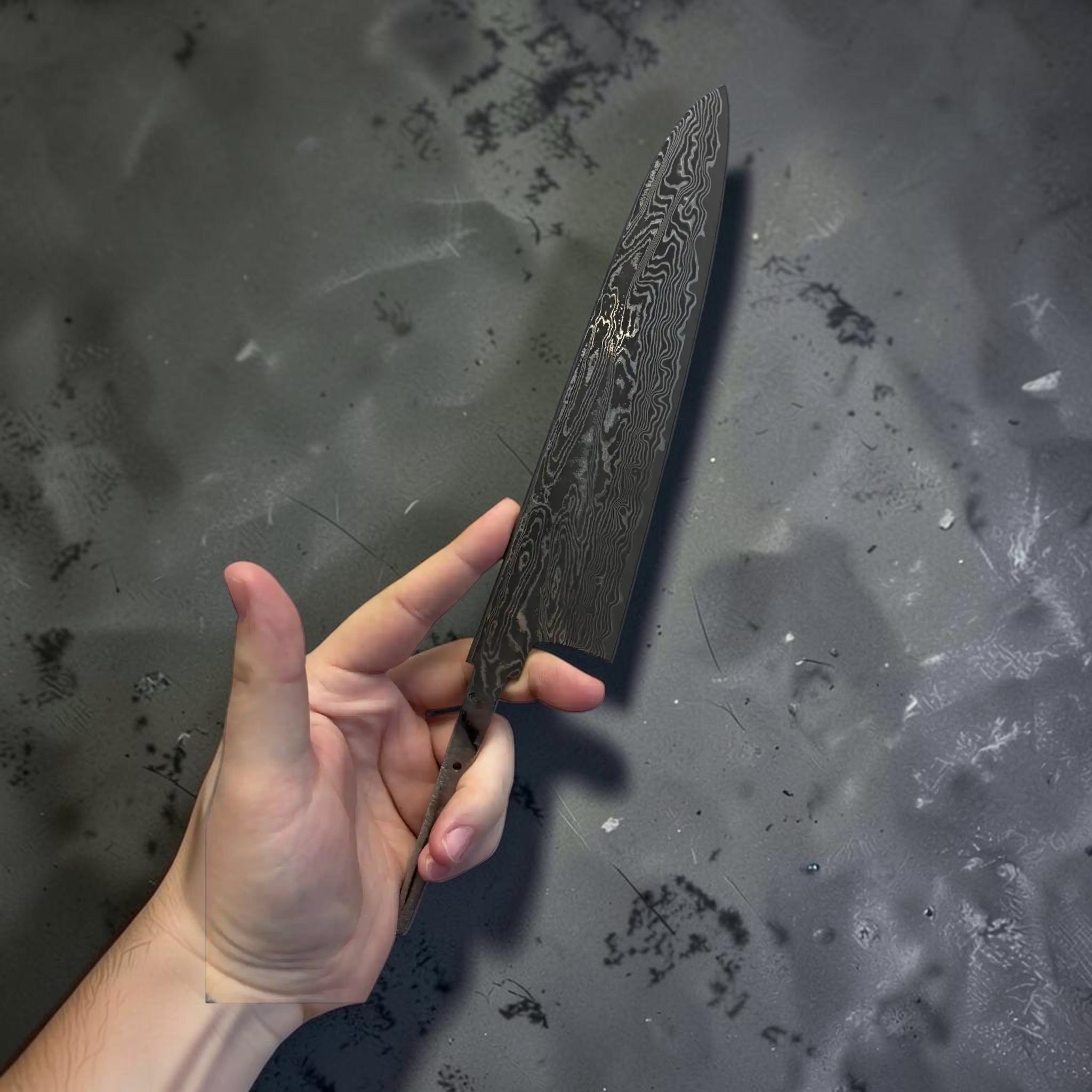
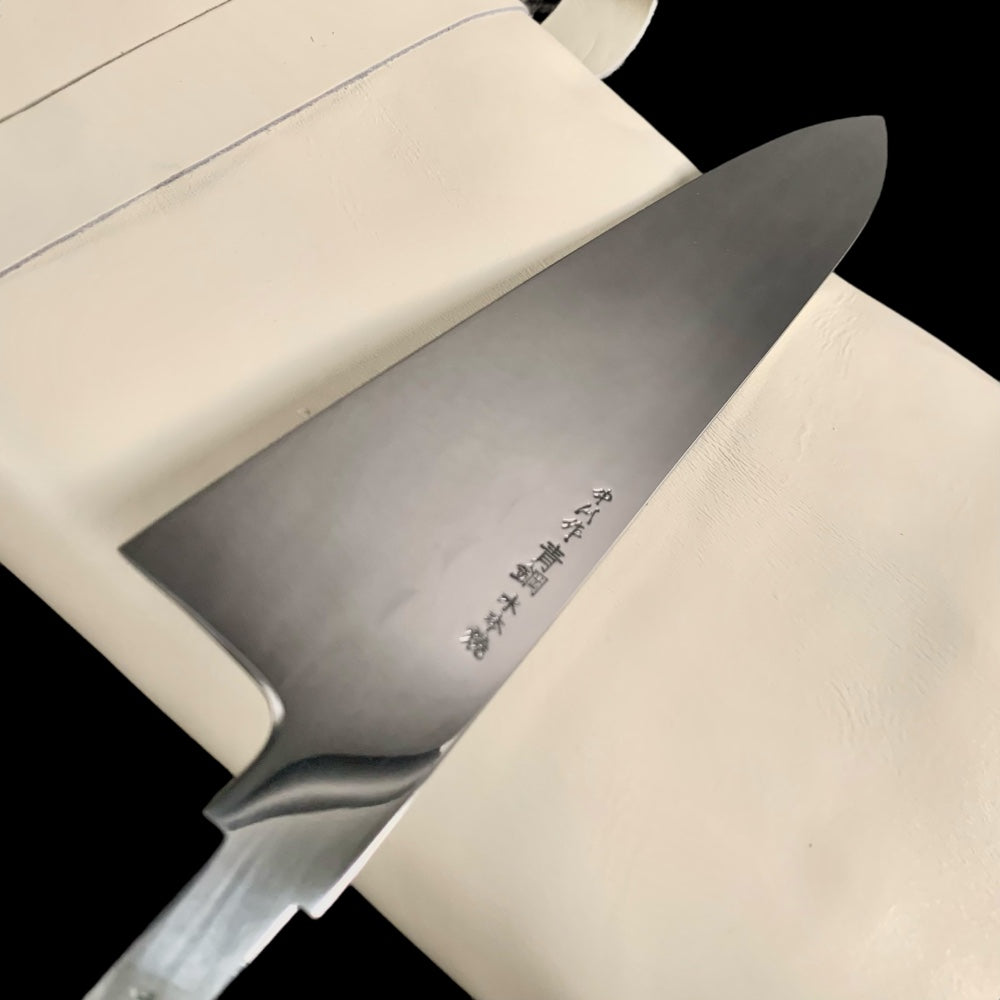
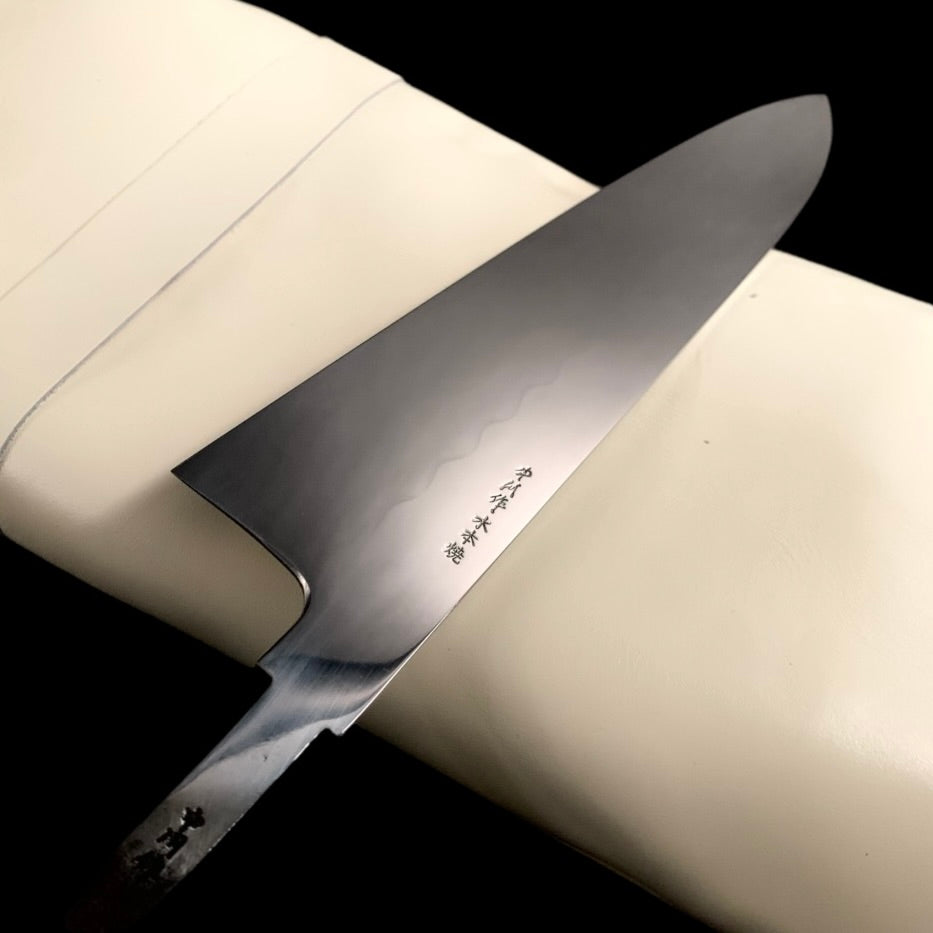
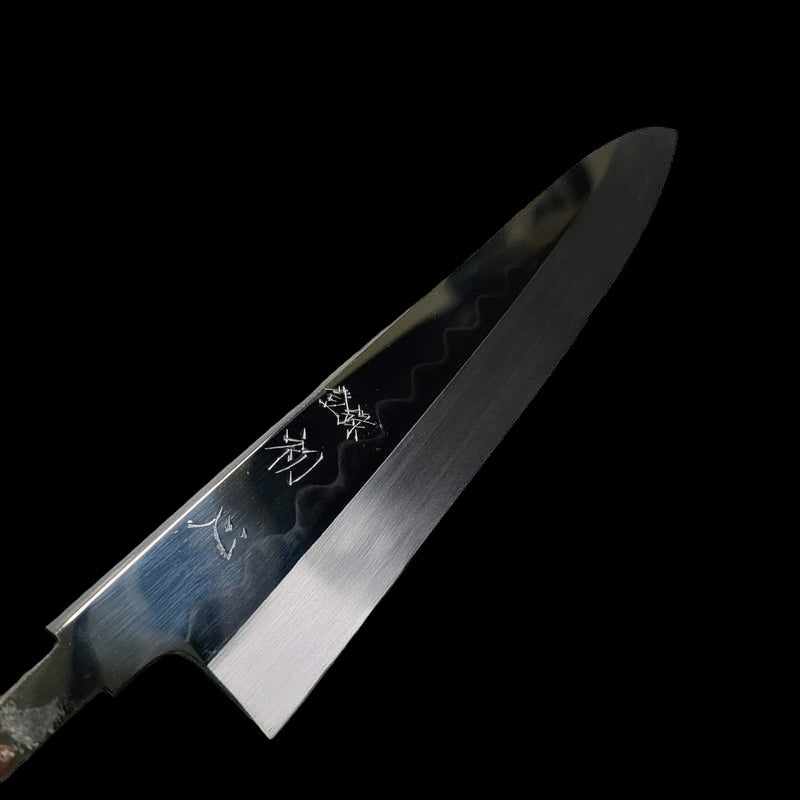
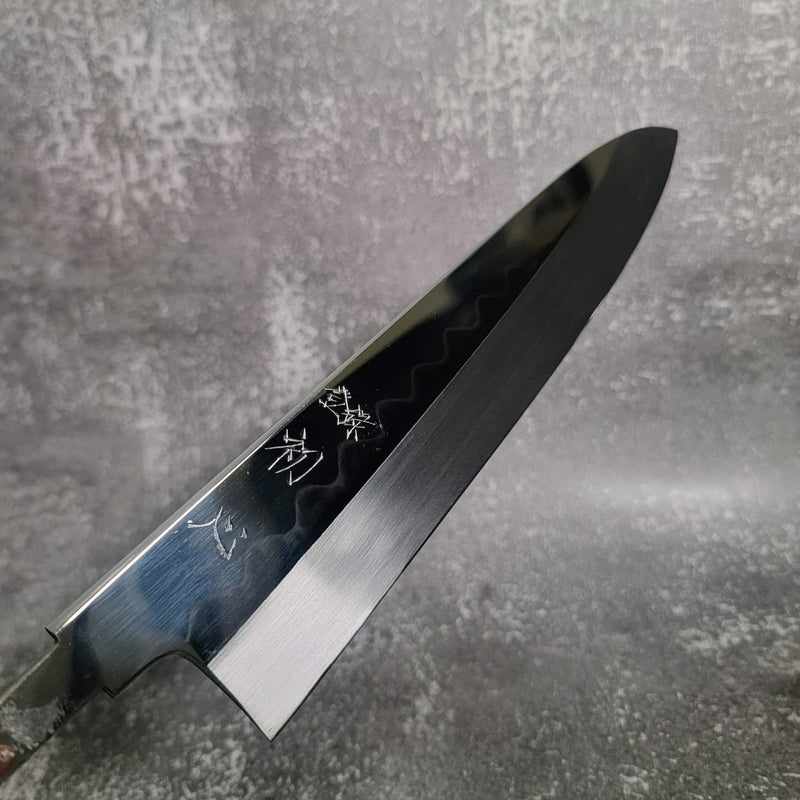
A Honyaki knife is forged from one piece of carbon steel rather than a hard core laminated to softer cladding. During heat treatment, the smith hardens the cutting edge while keeping the spine comparatively tougher. The boundary created by this differential hardening appears as the hamon, a visible temper line that differs from blade to blade.
What Does Honyaki Mean?
Honyaki is commonly translated as “true-forged.” For Japanese kitchen knives, the term describes monosteel construction and differential hardening. It does not guarantee a particular hardness, grind or level of performance. Those qualities depend on the maker, steel, heat treatment, blade geometry and final sharpening.
Mizu Honyaki vs. Oil-Quenched Honyaki
Mizu Honyaki means water-quenched Honyaki. Other Honyaki blades may be quenched in oil. The quenching medium is part of the smith’s heat-treatment process, but buyers should still compare the specifications and intended use of each knife instead of assuming that one label is automatically better for every cook.
Honyaki Gyuto and Honyaki Yanagiba
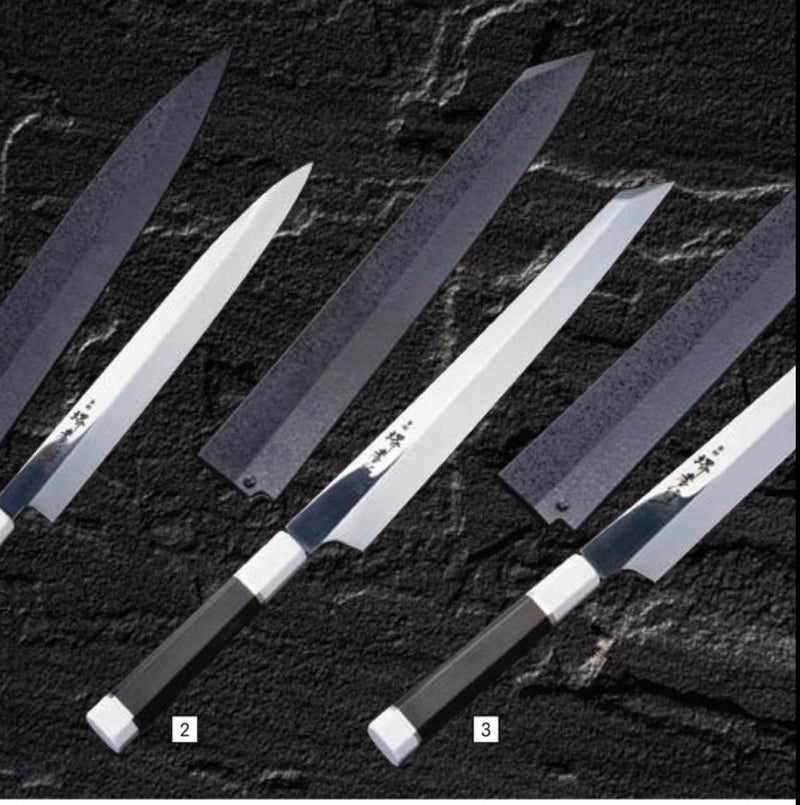
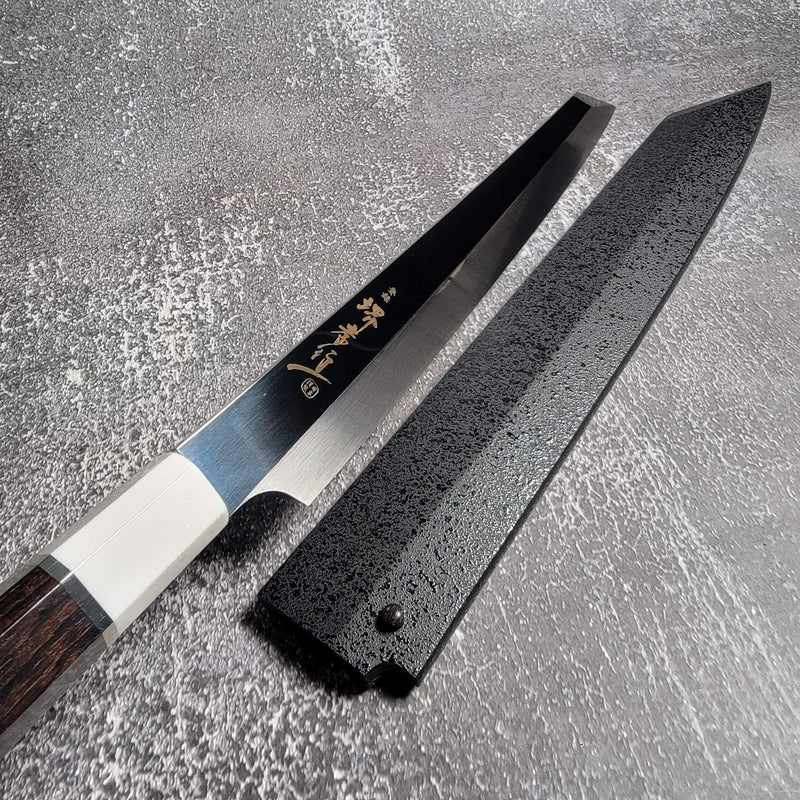
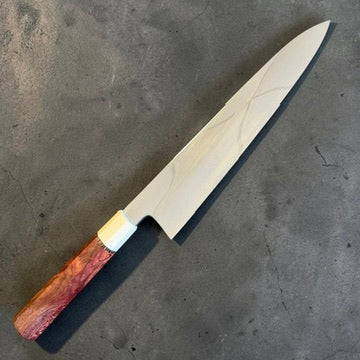
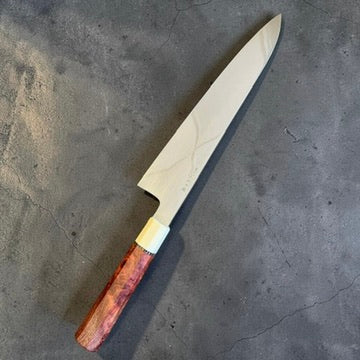
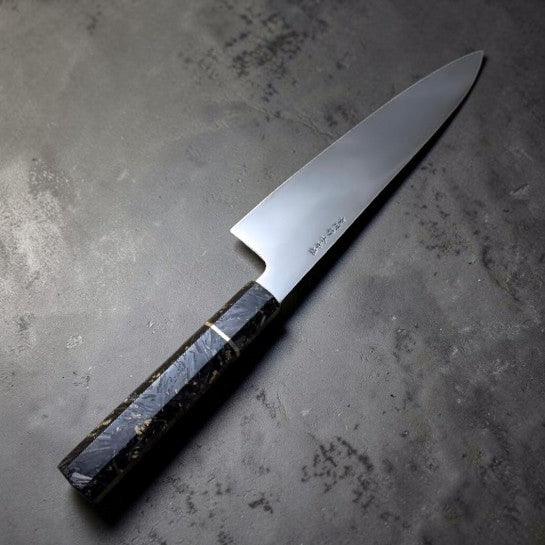
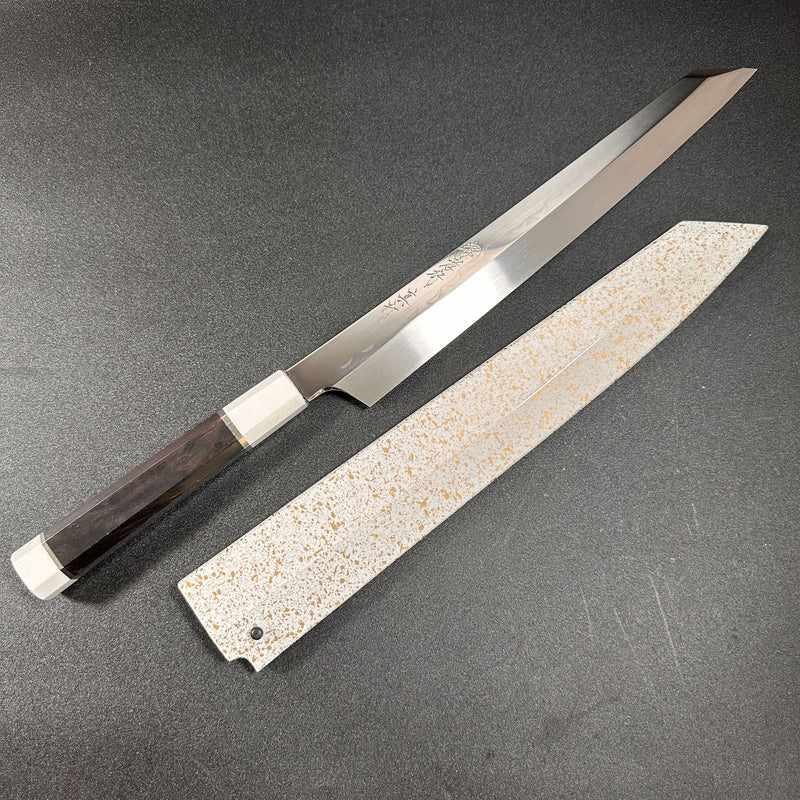
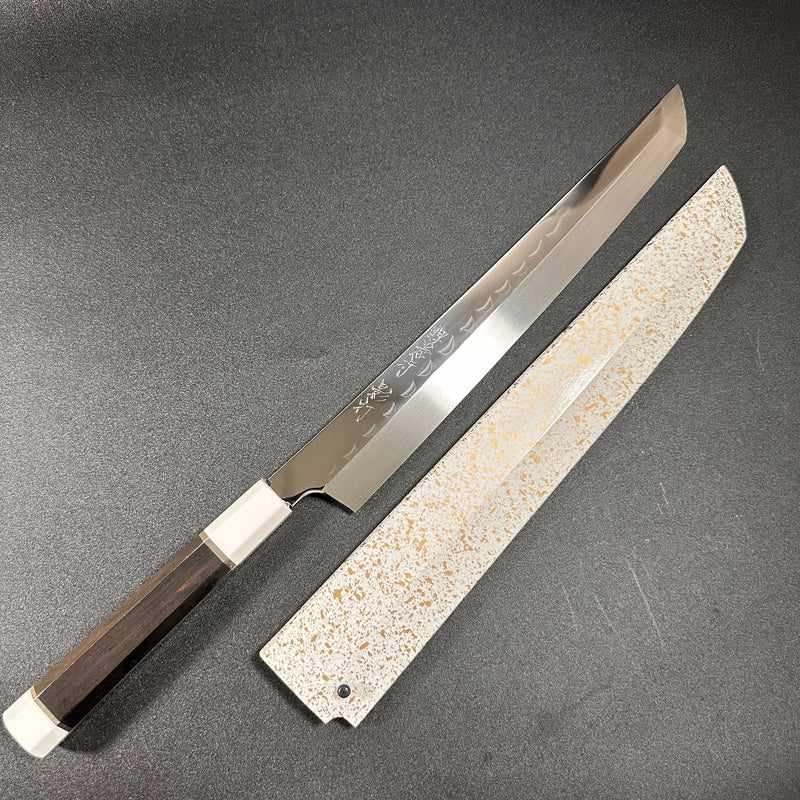
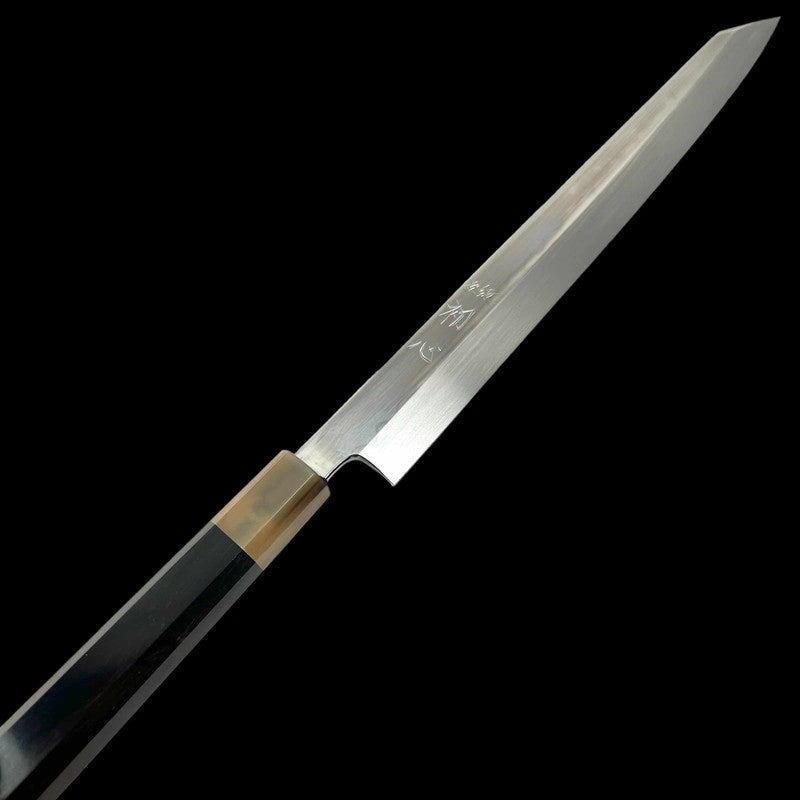
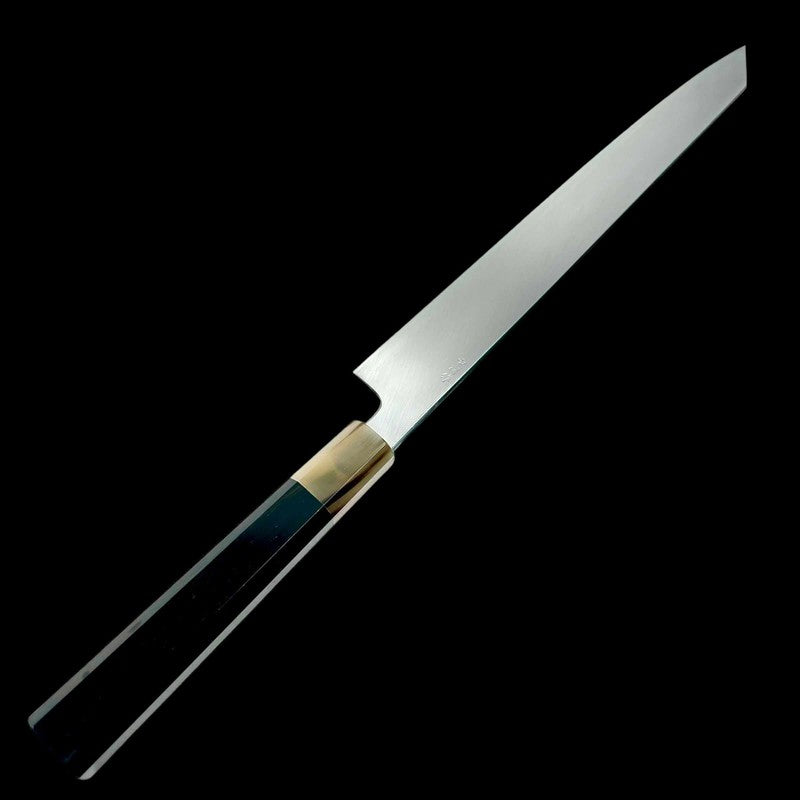
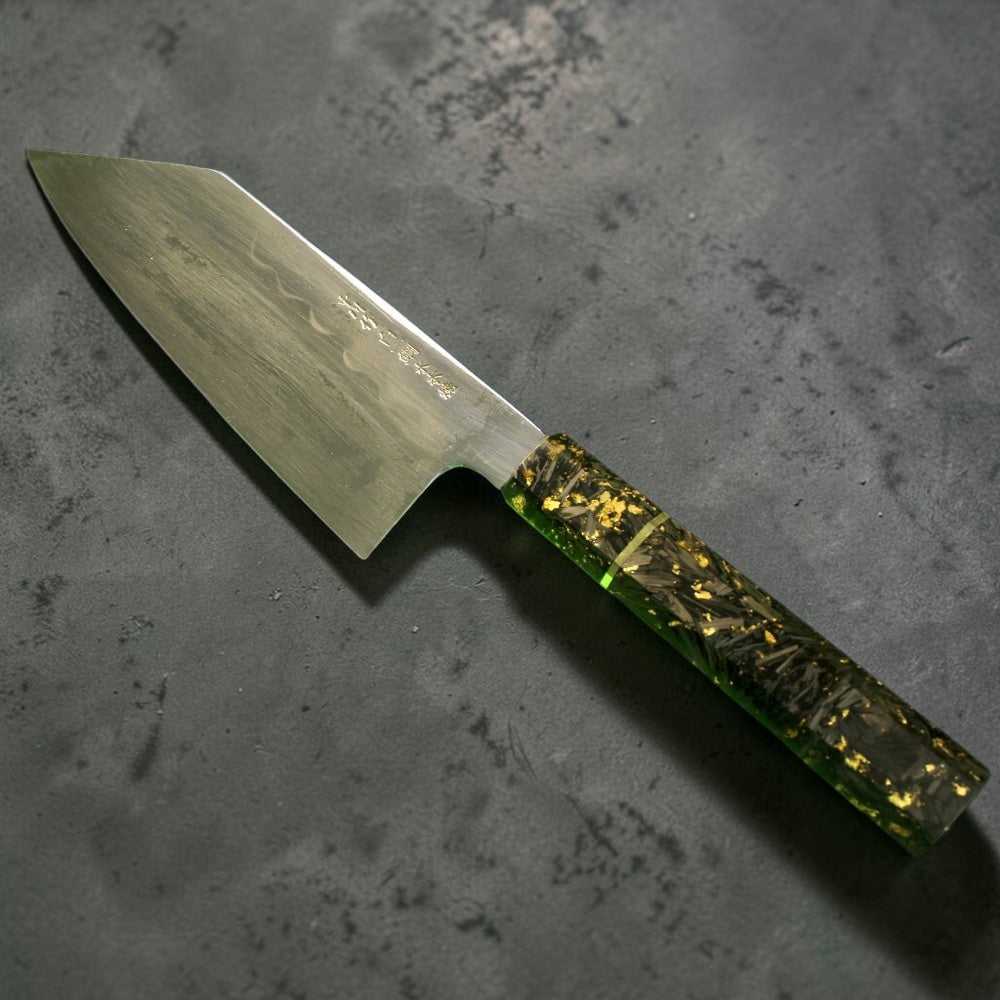
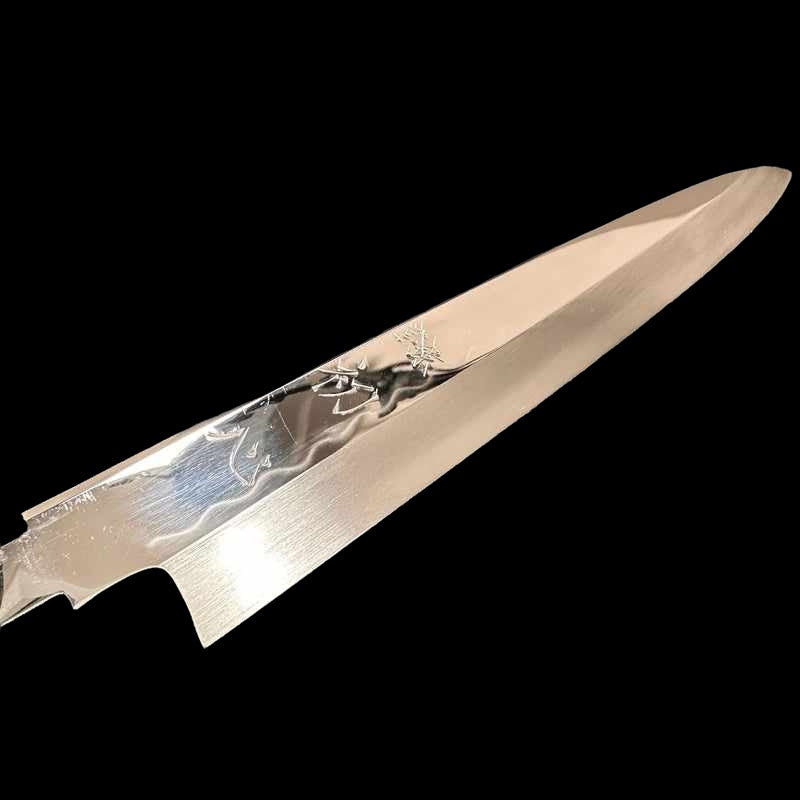
A Honyaki Gyuto is a versatile, usually double-bevel chef’s knife suited to vegetables and boneless proteins. A Honyaki Yanagiba is typically a single-bevel slicing knife designed for long, clean cuts through fish and other boneless proteins. The collection may also include Bunka, Kiritsuke and other profiles. Check each product page for its exact edge style, dimensions and recommended use.
How to Choose a Honyaki Knife
- Steel: Review the listed steel for each blade. White and Blue carbon steels have different compositions, but heat treatment and geometry remain just as important as the steel name.
- Maker and sharpener: Look for clearly credited work. Our collection includes blades forged by Satoshi Nakagawa and other named craftspeople when available.
- Profile and length: Choose a Gyuto for general preparation, a Yanagiba for specialized slicing, or another profile that matches your cutting style.
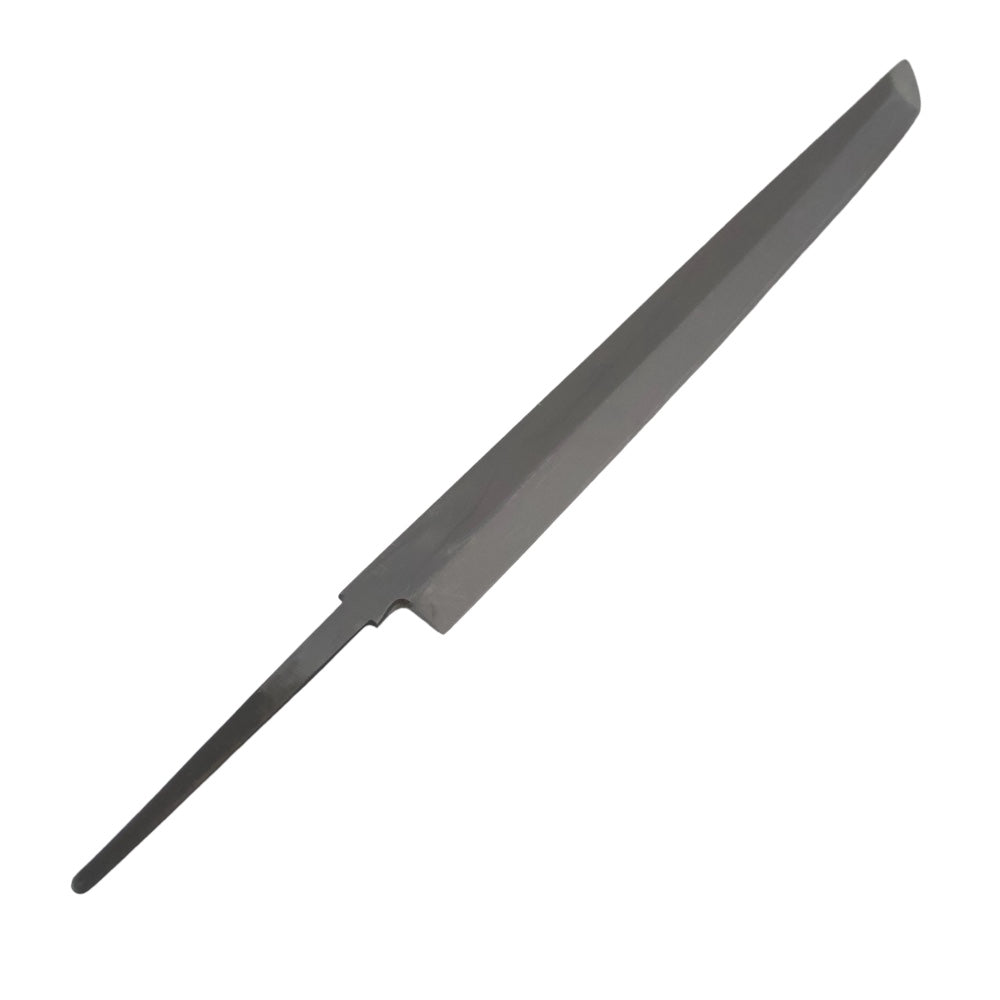
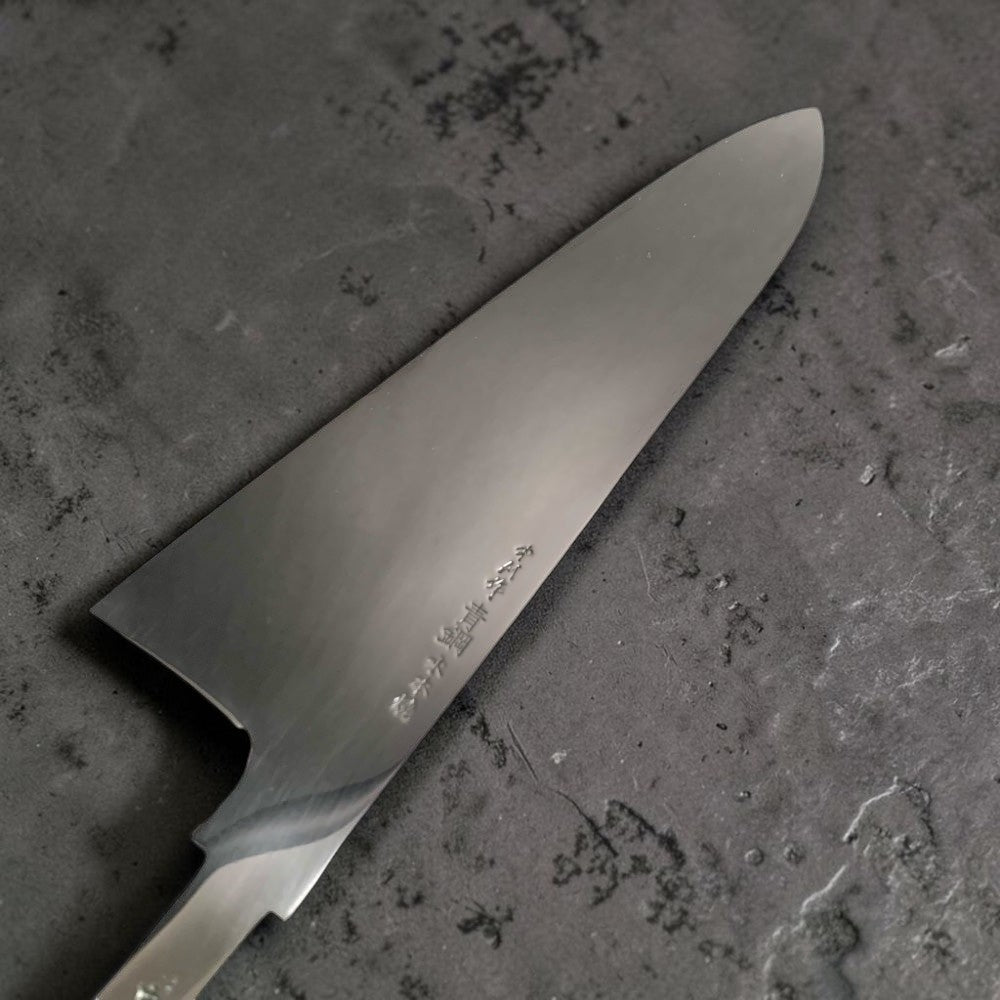
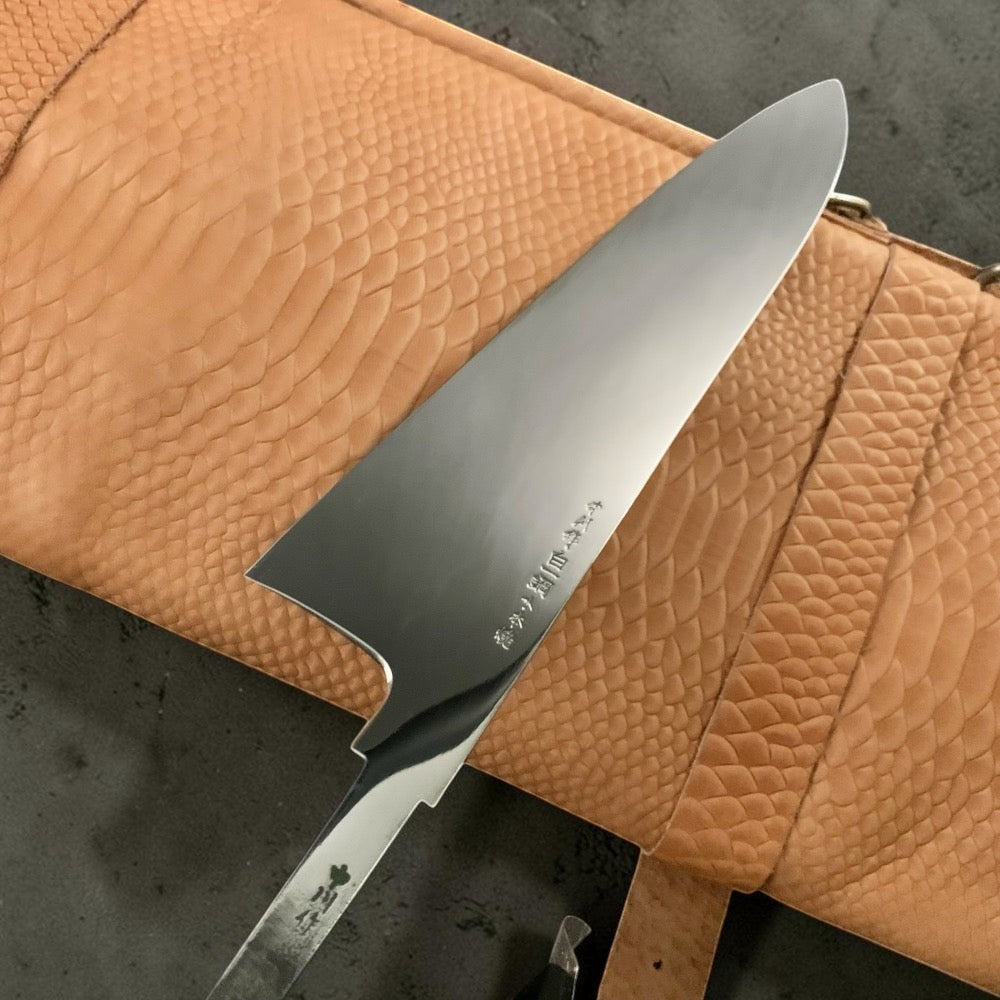
- Handle configuration: Some collector-grade blades are sold without a handle so the buyer can select a custom Wa handle. Confirm what is included on the individual listing.
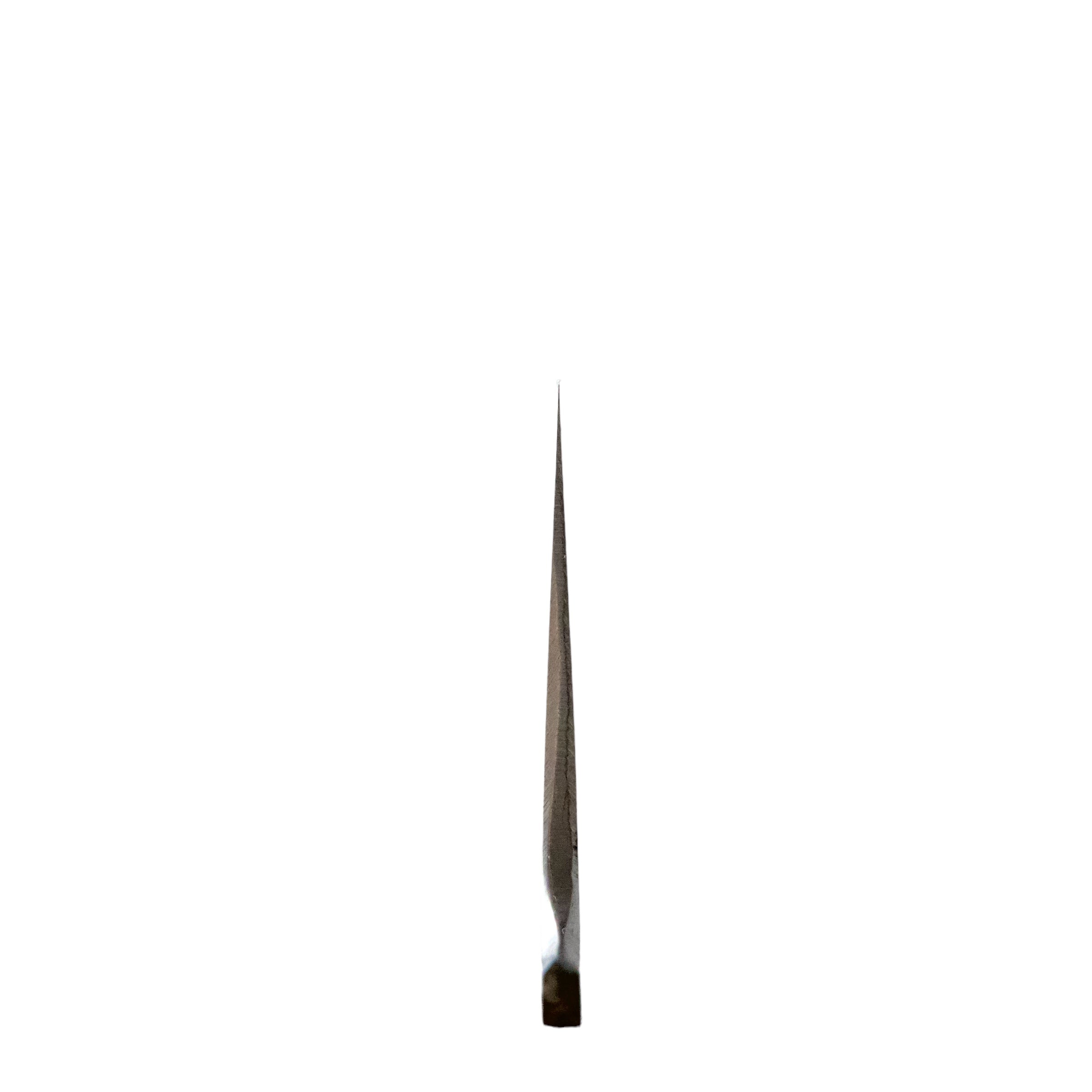
- Current specifications: Hardness, weight, thickness and grind vary. Use the measurements on the product page rather than applying one specification to every Honyaki knife.
Honyaki Knife Care
Most Honyaki kitchen knives use reactive carbon steel. Wash them by hand, dry them immediately and never place them in a dishwasher. Avoid bones, frozen food, hard impacts and twisting the edge. Use a suitable cutting board and sharpen with whetstones or a qualified professional. For longer storage, a light coat of food-safe knife oil can help protect the blade.
Is Honyaki Better Than San Mai?
Not automatically. Honyaki and San Mai describe different constructions. A well-made San Mai knife can outperform a poorly matched Honyaki for a particular user. Honyaki is best suited to buyers who value its monosteel construction, hamon, maker-specific craftsmanship and direct maintenance requirements. Cooks who want lower maintenance may prefer a stainless or stainless-clad knife.
Honyaki Knife FAQ
Why are Honyaki knives expensive?
Pricing reflects the demanding forging and differential heat-treatment process, along with the maker, steel, polishing, sharpening, dimensions, finish and handle. Compare the complete product specifications rather than rarity claims alone.
Does every Honyaki knife reach 64 HRC or higher?
No. Hardness varies by steel and heat treatment. Use the hardness stated on the individual product listing when that measurement is available.
What is the hamon on a Honyaki knife?
The hamon is the visible boundary associated with differential hardening. Its appearance can be revealed and refined through polishing, and each blade’s pattern is individual.
Are Honyaki knives suitable for beginners?
They can be, but they require disciplined carbon-steel care and appropriate cutting technique. Buyers seeking a forgiving, low-maintenance first Japanese knife will usually be better served by a stainless or stainless-clad blade.
Browse the current Honyaki collection and compare the maker, steel, profile, measurements, handle configuration and availability shown on each product page.