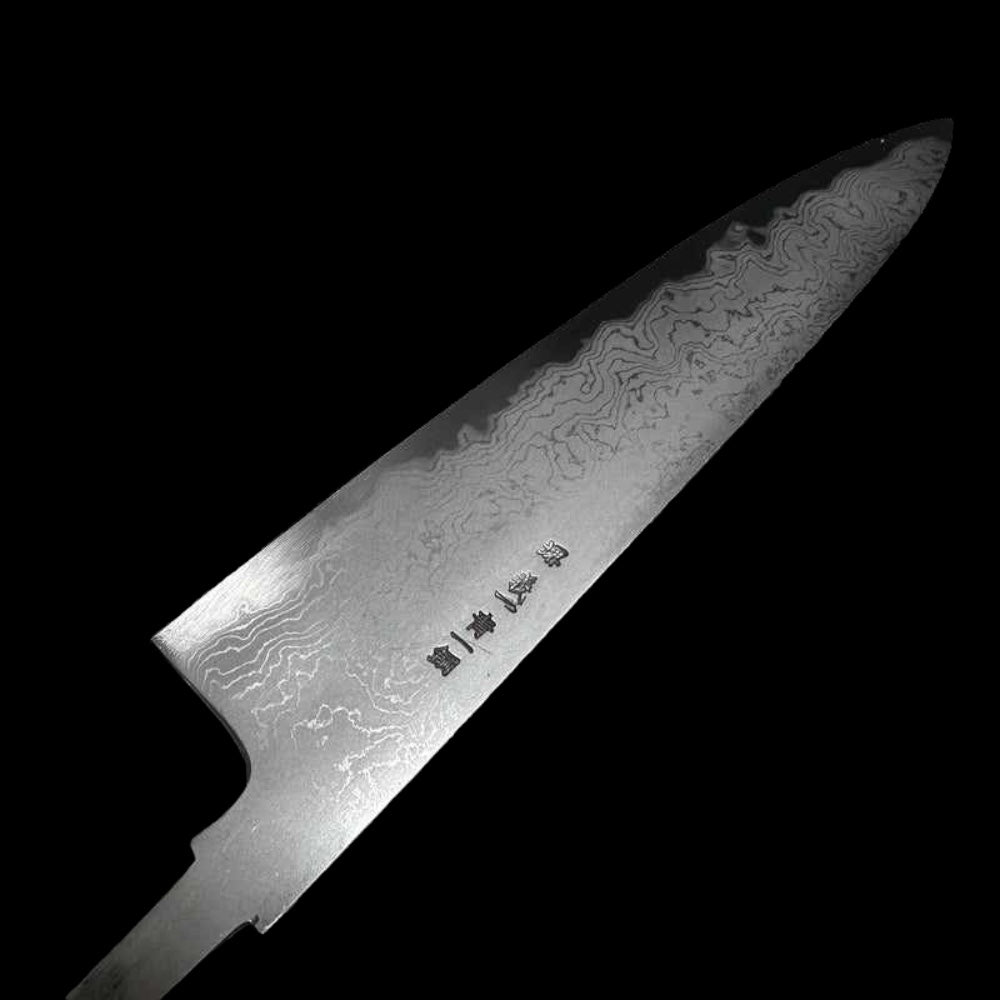
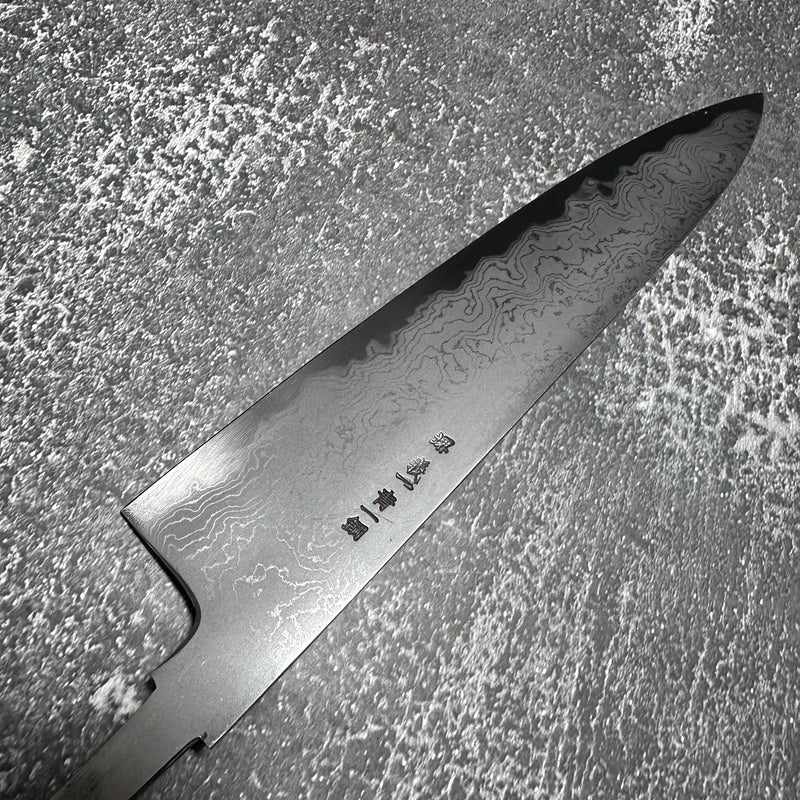
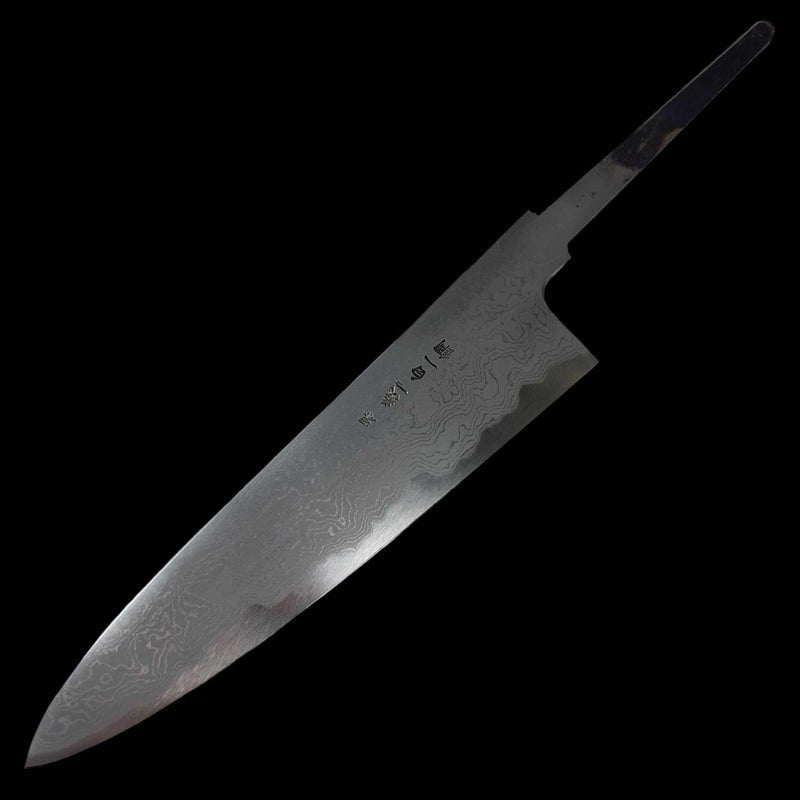
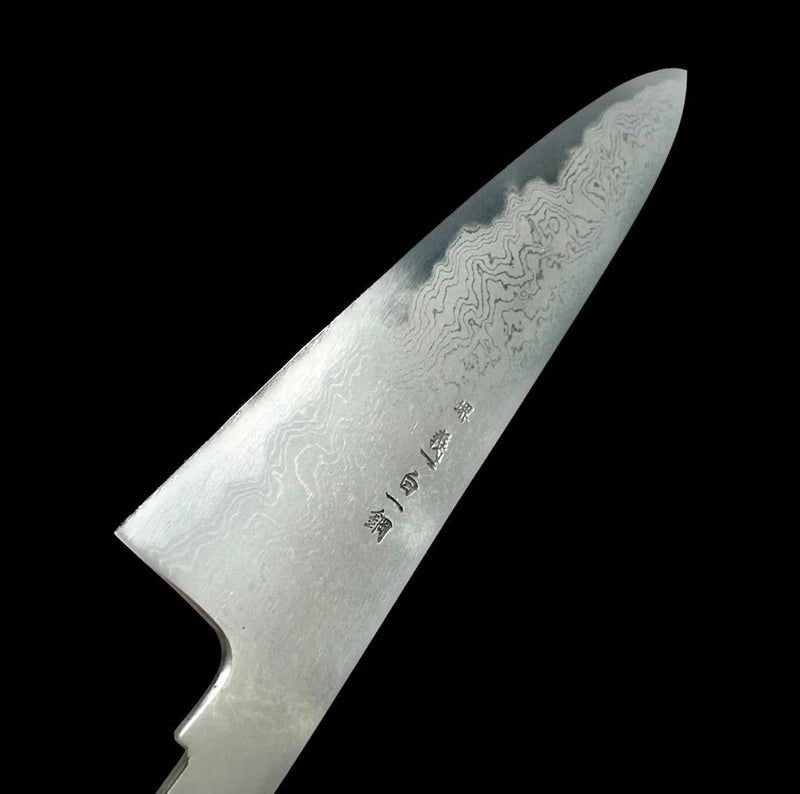
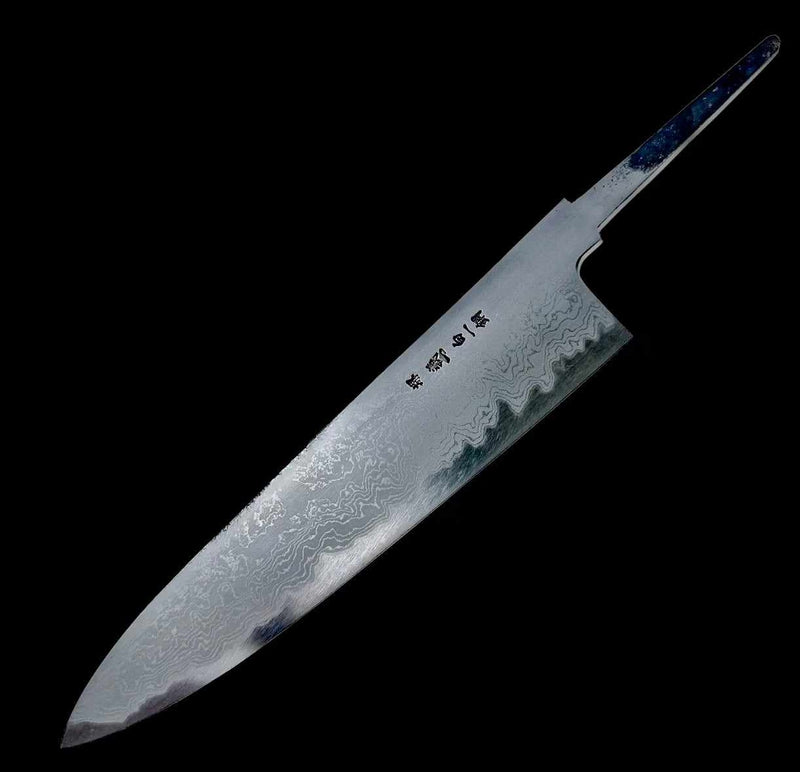
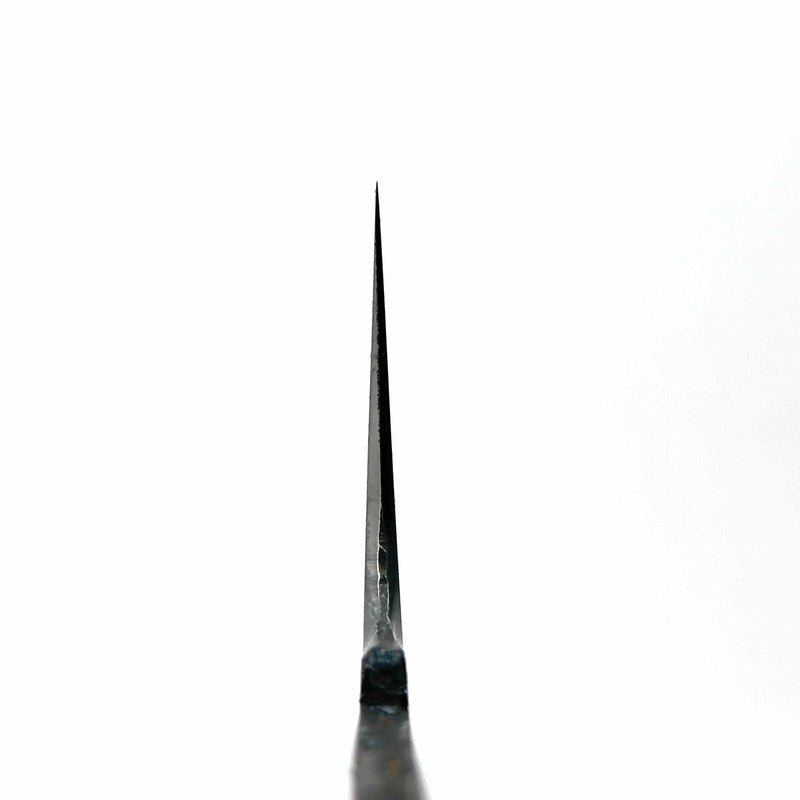
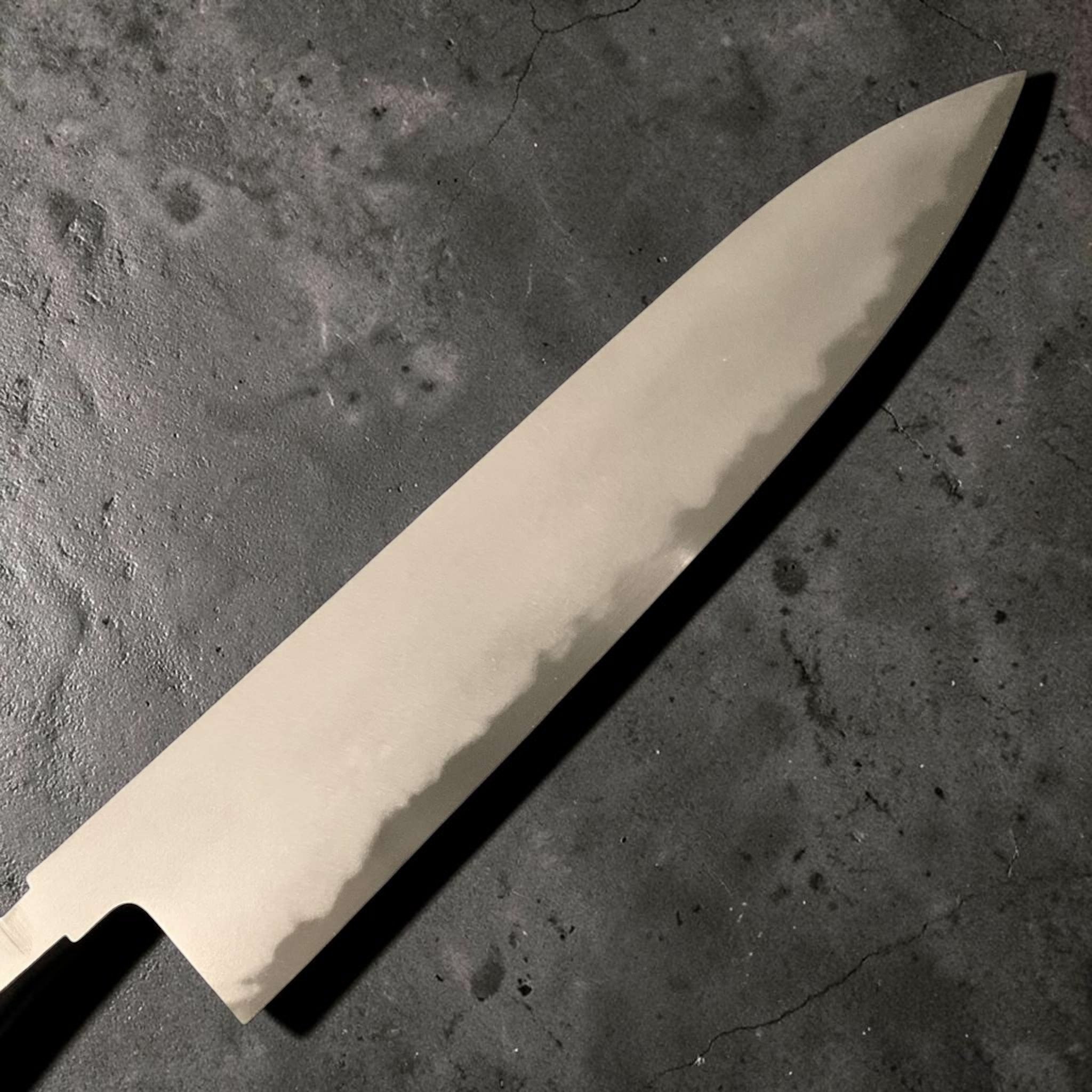
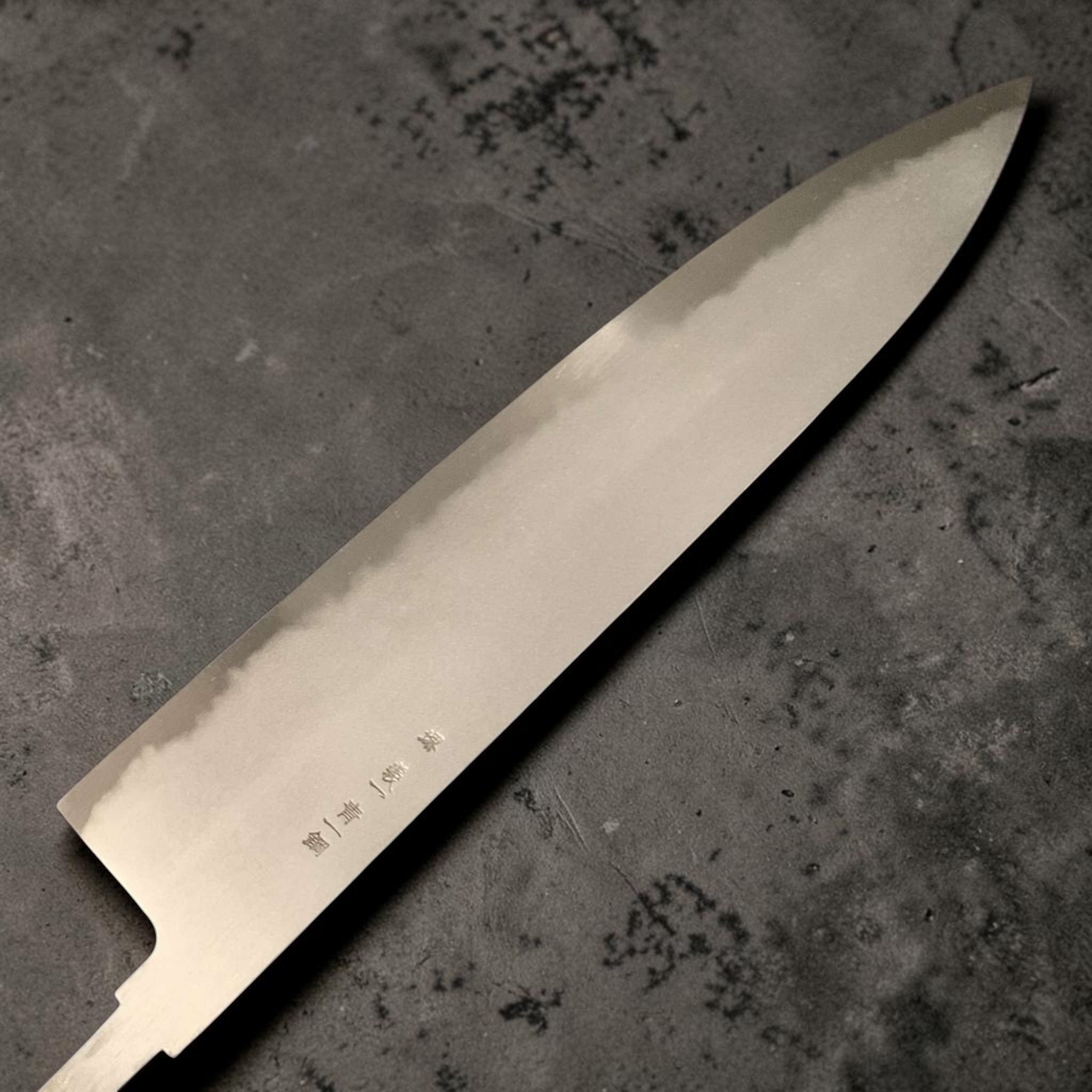
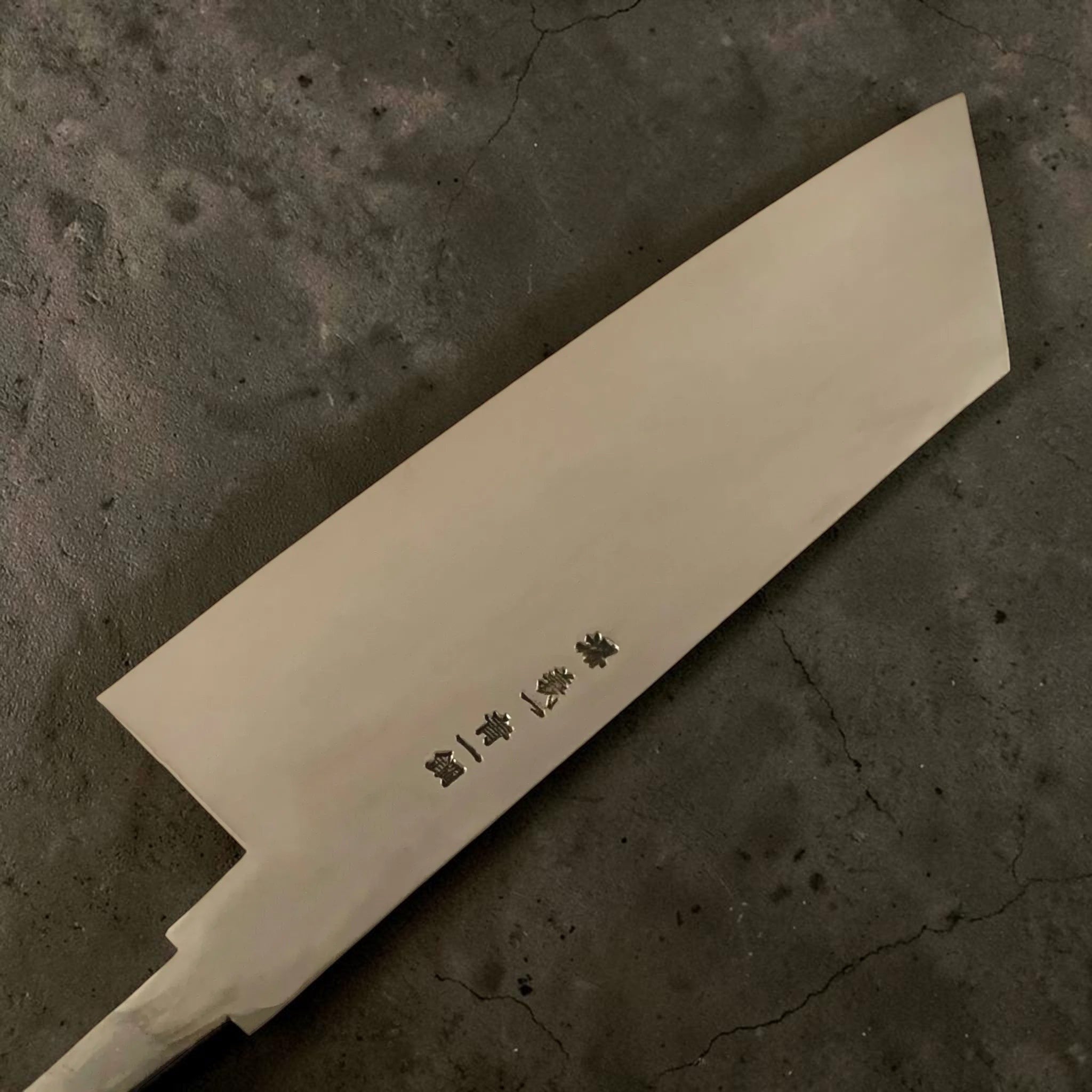
Explore Yoshikazu Tanaka knives forged in Sakai, Japan. Tokushu Knife’s current collection includes Blue #1 and White #1 carbon-steel Gyuto and Bunka listings in several finishes. Availability, blade measurements, finish, handle status, and final sharpening details vary by product, so use the individual listing as the authority for the knife you are considering.
About Yoshikazu Tanaka
Yoshikazu Tanaka is listed by the Sakai Forged Knives Traditional Craftsmen Association among its forging craftsmen. Konosuke’s official FM/Fujiyama page identifies Tanaka Uchihamono Seisakusho as the blacksmith workshop behind the Fujiyama line and states that Yoshikazu Tanaka has forged it since the series began.
Sakai knife production commonly separates forging from sharpening and finishing. That means knives forged by the same blacksmith can differ substantially according to the steel, sharpener, geometry, finish, and specifications commissioned for a particular batch. Tokushu therefore identifies product-specific details on each listing instead of treating every Yoshikazu Tanaka knife as identical.
What You Will Find in This Collection
- Blue #1 and White #1 carbon steel: Current Tokushu listings include both Aogami #1 and Shirogami #1 blades. Check the exact product page because steel and cladding differ by knife.
- Gyuto and Bunka profiles: Gyuto provide a versatile chef-knife profile, while Bunka offer a compact multipurpose shape with a pointed K-tip.
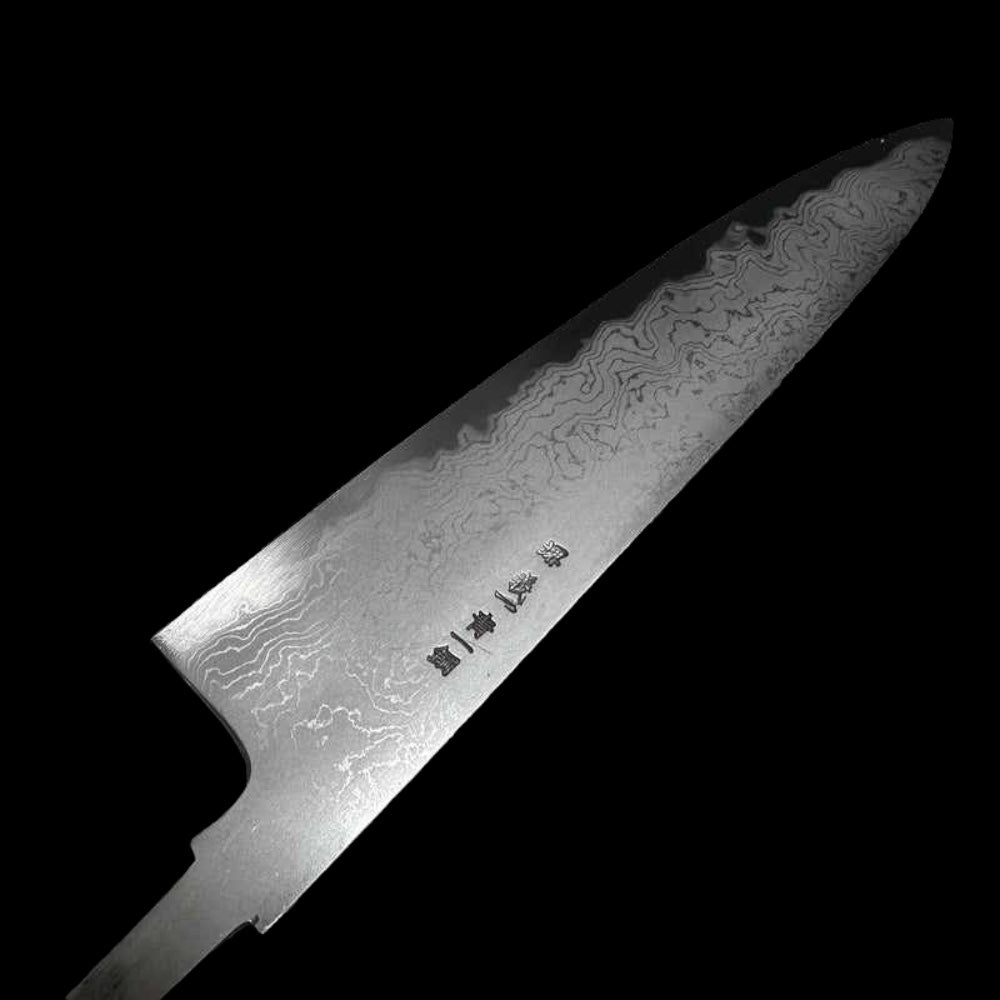
- Damascus and polished finishes: Finish varies by batch and does not by itself determine the knife’s cutting geometry or maintenance requirements.
- Blade-only listings: Several knives are sold without a handle. Confirm whether a handle or saya is included before ordering.
How to Choose a Yoshikazu Tanaka Knife
Choose the profile and size first
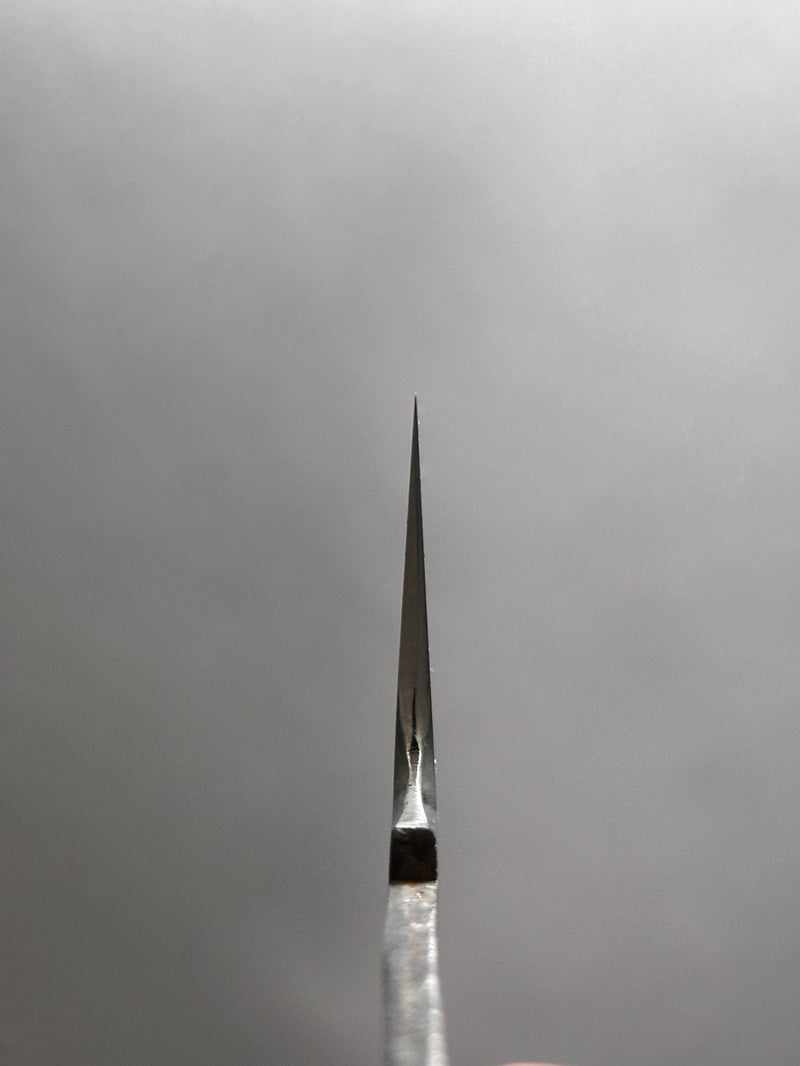
Select a Gyuto for broad chef-knife use or a Bunka for a shorter multipurpose profile. Compare the measured cutting edge, blade height, spine thickness, and weight on the individual product page rather than relying only on the nominal size in the title.
Confirm the steel and cladding
Blue #1 and White #1 are reactive carbon steels. They can take refined edges, but the exposed carbon steel must be cleaned and dried promptly. Check whether the knife uses iron, stainless, or another cladding because that affects day-to-day care.
Check the handle and finishing details
Do not assume that a handle is included. For blade-only products, choose a compatible wa handle and confirm fitting requirements. When the listing names a sharpener or finisher, treat that information as specific to that product rather than to every Tanaka knife.
Care for Yoshikazu Tanaka Carbon-Steel Knives
- Hand-wash and dry the blade immediately after use.
- Expect the exposed carbon steel to develop a patina; remove active rust promptly.
- Use a suitable wood or soft synthetic cutting board.
- Avoid bones, frozen food, twisting, and other hard impacts unless the exact product is designed for them.
- Sharpen with appropriate whetstones or use a qualified Japanese-knife sharpening service.
Frequently Asked Questions
Is this collection for Yoshikazu Tanaka or Shigeki Tanaka?
This page is specifically for Yoshikazu Tanaka of Sakai. Shigeki Tanaka and other makers who share the Tanaka surname are different blacksmiths and belong in their own collections.
Does Yoshikazu Tanaka forge Konosuke Fujiyama knives?
Konosuke’s official FM/Fujiyama page identifies Yoshikazu Tanaka as the Fujiyama blacksmith since the product’s inception.
Are all Yoshikazu Tanaka knives sharpened by the same person?
No assumption should be made across the entire collection. Sakai production separates forging and sharpening, and the sharpener or finisher can vary by line and batch. Follow the details stated on the exact product listing.
Do these knives include handles?
Some do and some do not. “No Handle” in a product title means the listing is for the blade without a fitted handle. Confirm the product photographs, specifications, and included items before purchase.
What if a Yoshikazu Tanaka knife is sold out?
The product cards show current availability. Sold-out listings may remain visible as references for specifications and future restocks.