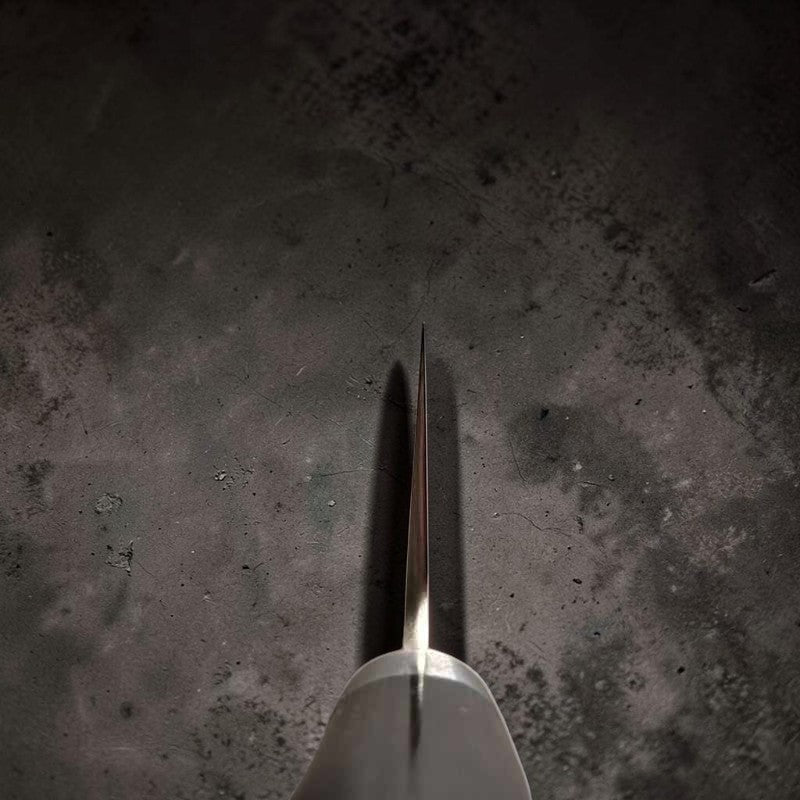
Takamura Knives: SG2/R2, VG10 and Chromax
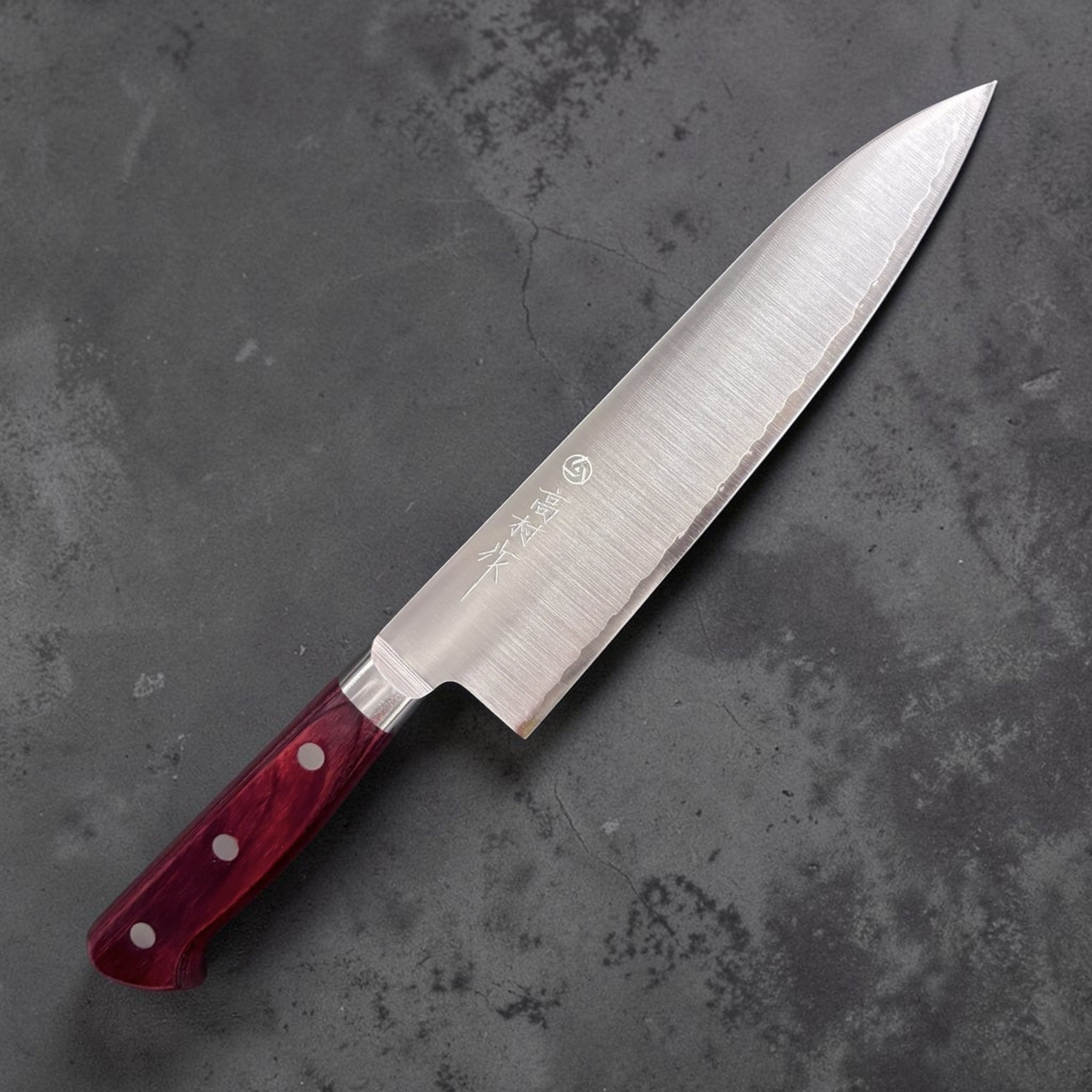
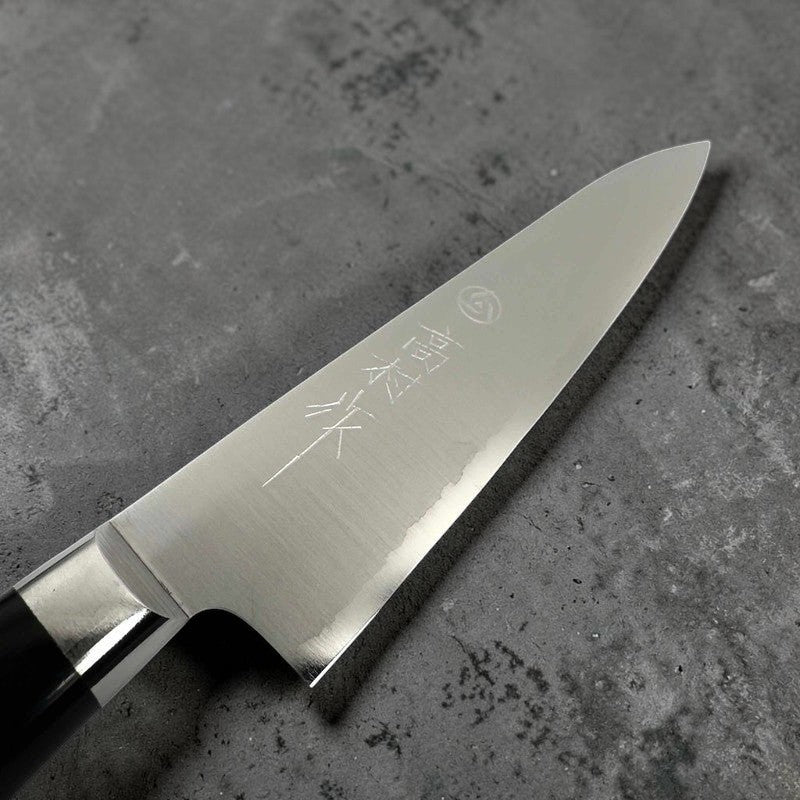
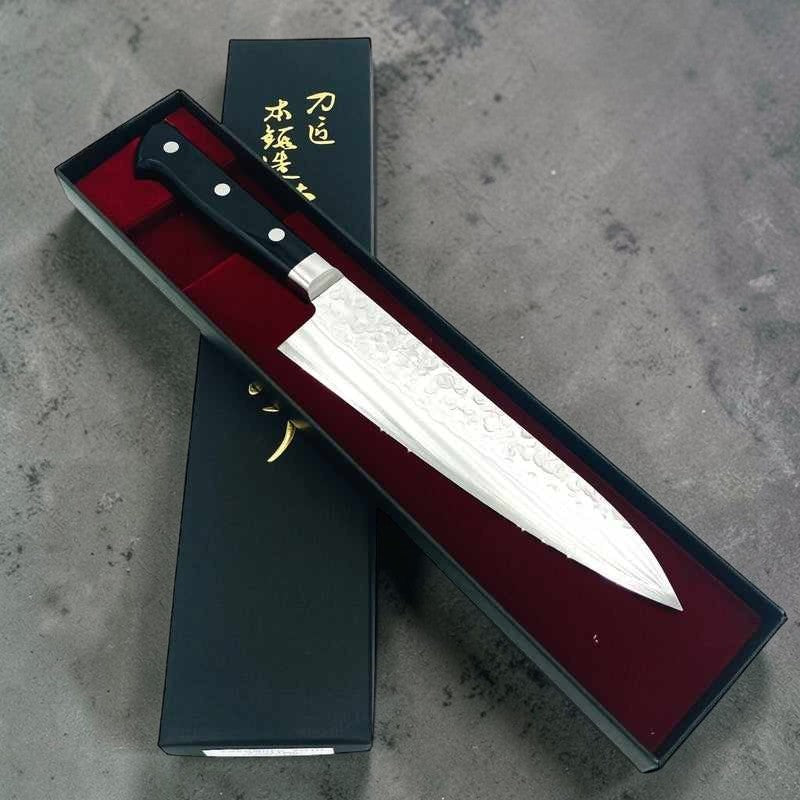
Takamura knives are made by Takamura Hamono in Echizen, Fukui, Japan. The workshop’s published history emphasizes control of forging, heat treatment and sharpening, along with its early adoption of stainless and powdered steels. This collection lets you compare Takamura’s thin-ground kitchen knives across the SG2/R2 Migaki, VG10, Chromax and occasional specialty lines. Availability changes, so use each product page for current stock and specifications.
Why Are Takamura Knives Called “Lasers”?
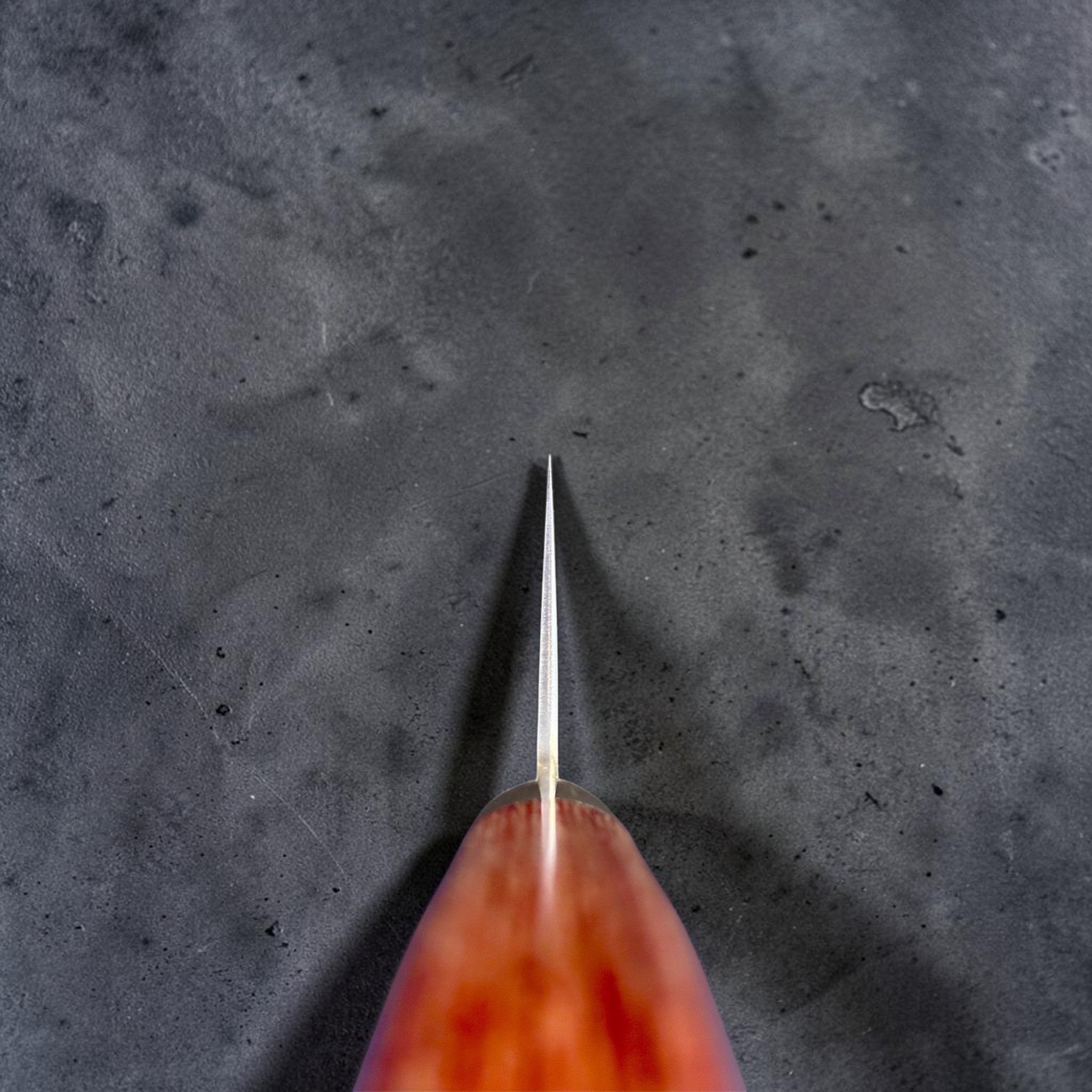
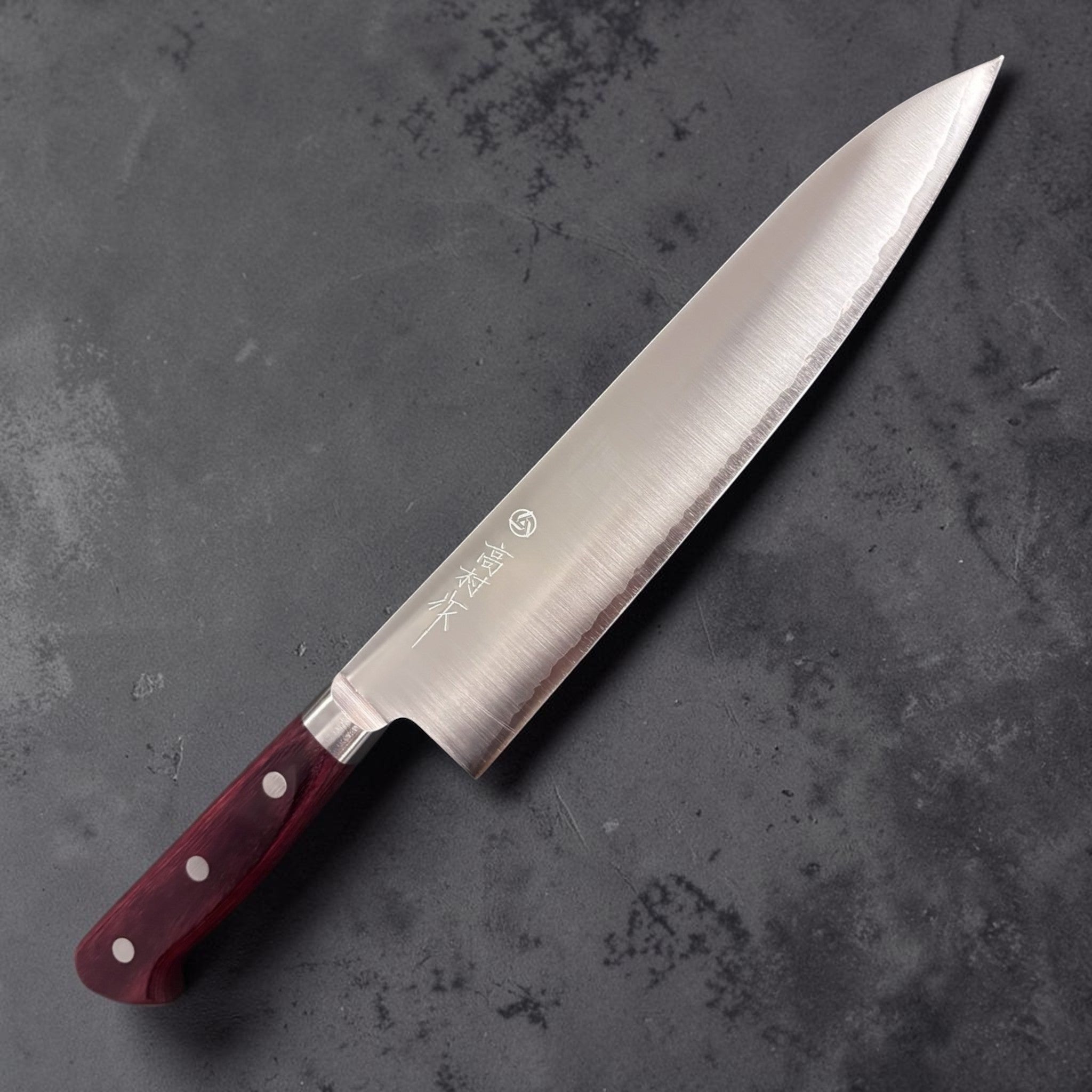
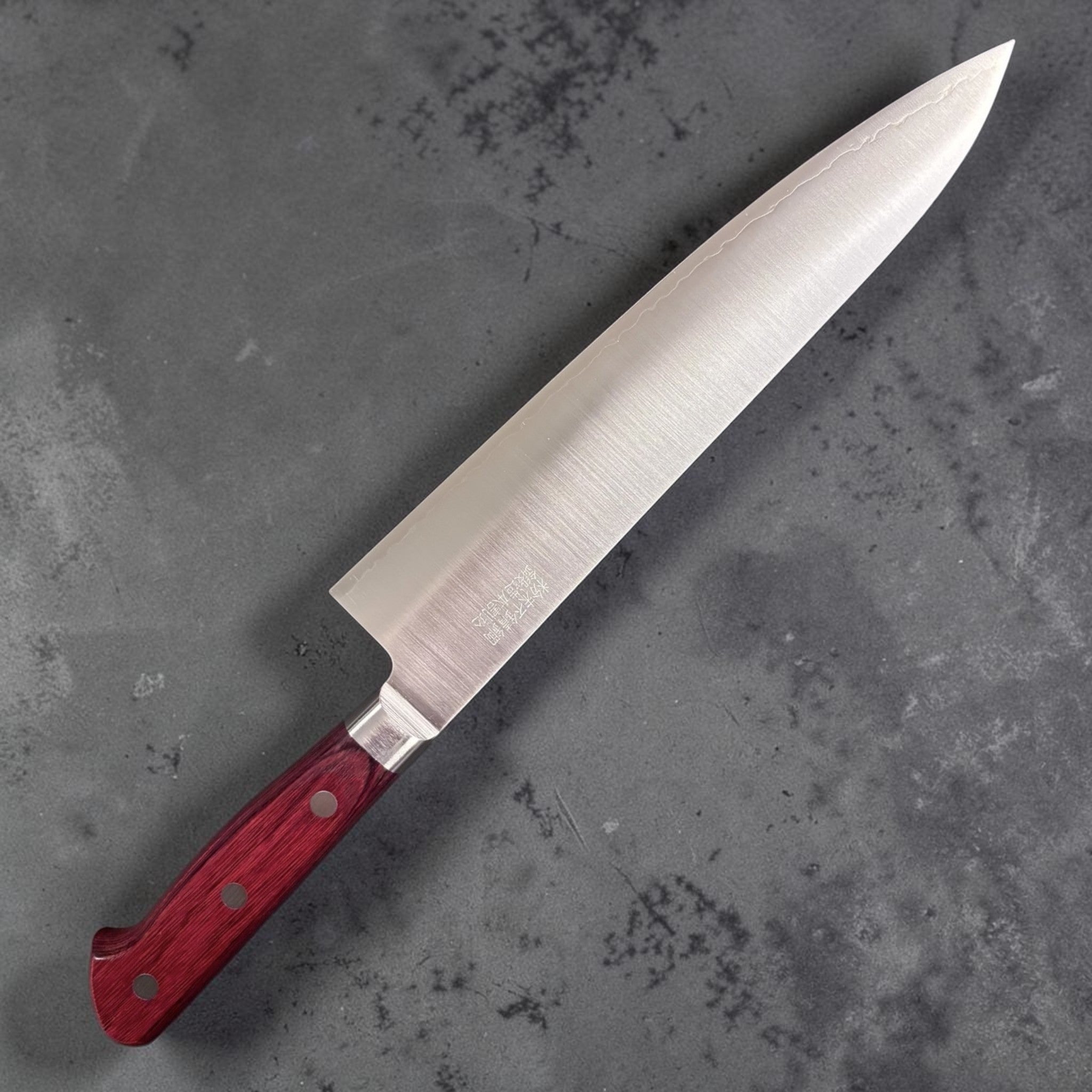
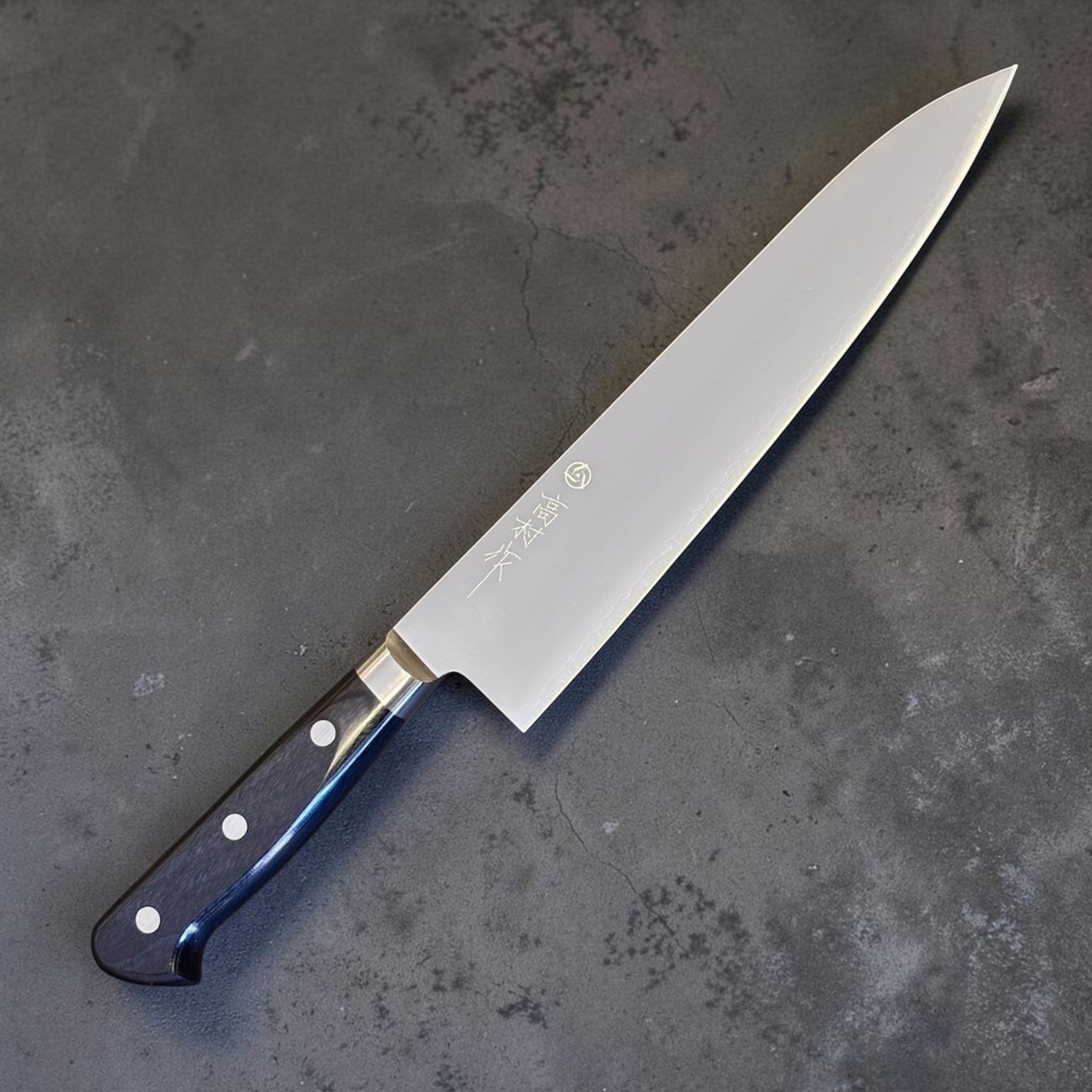
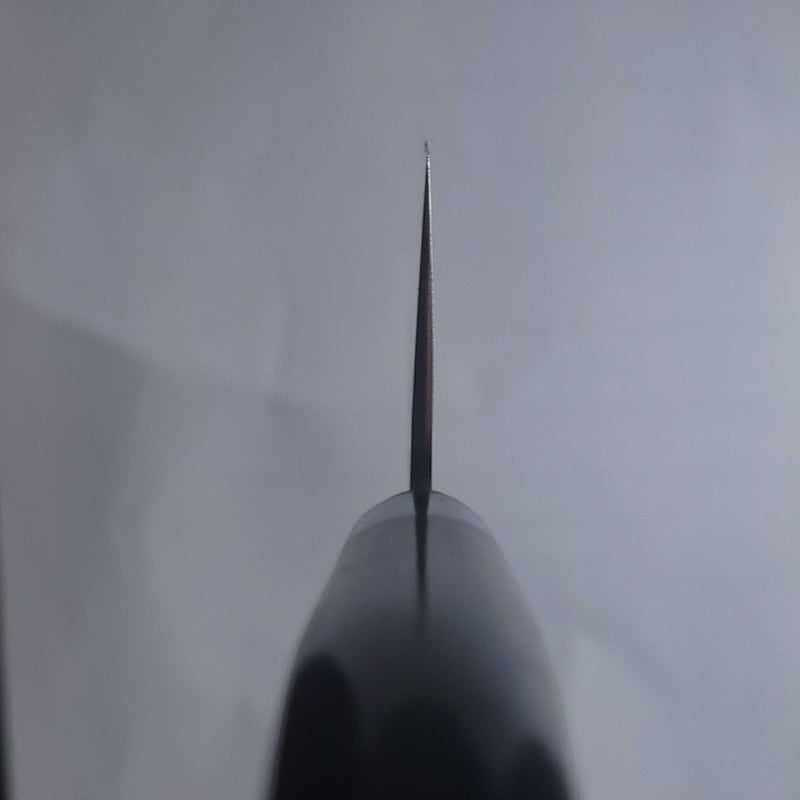
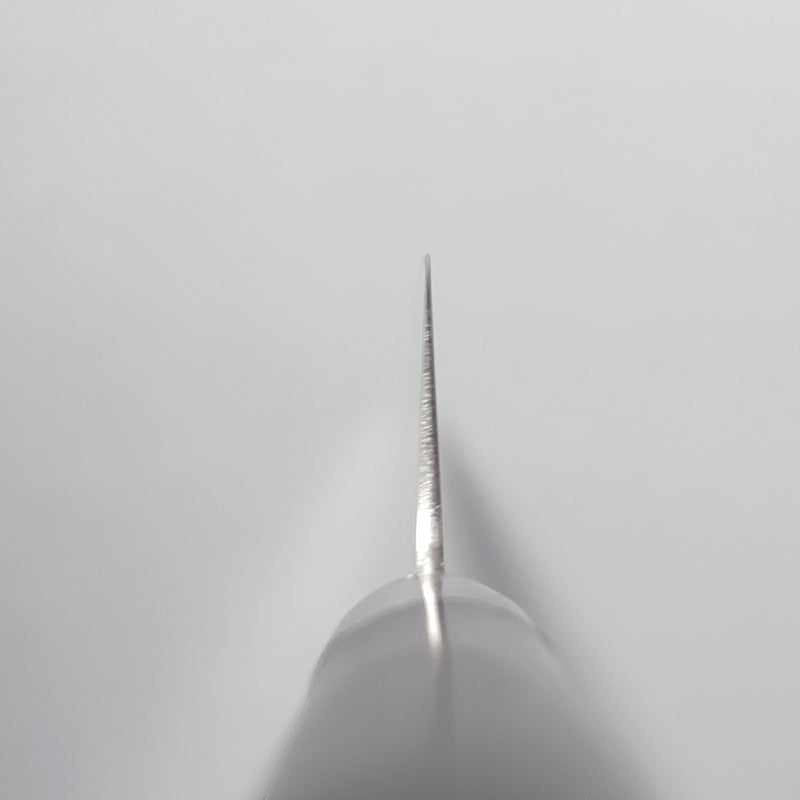
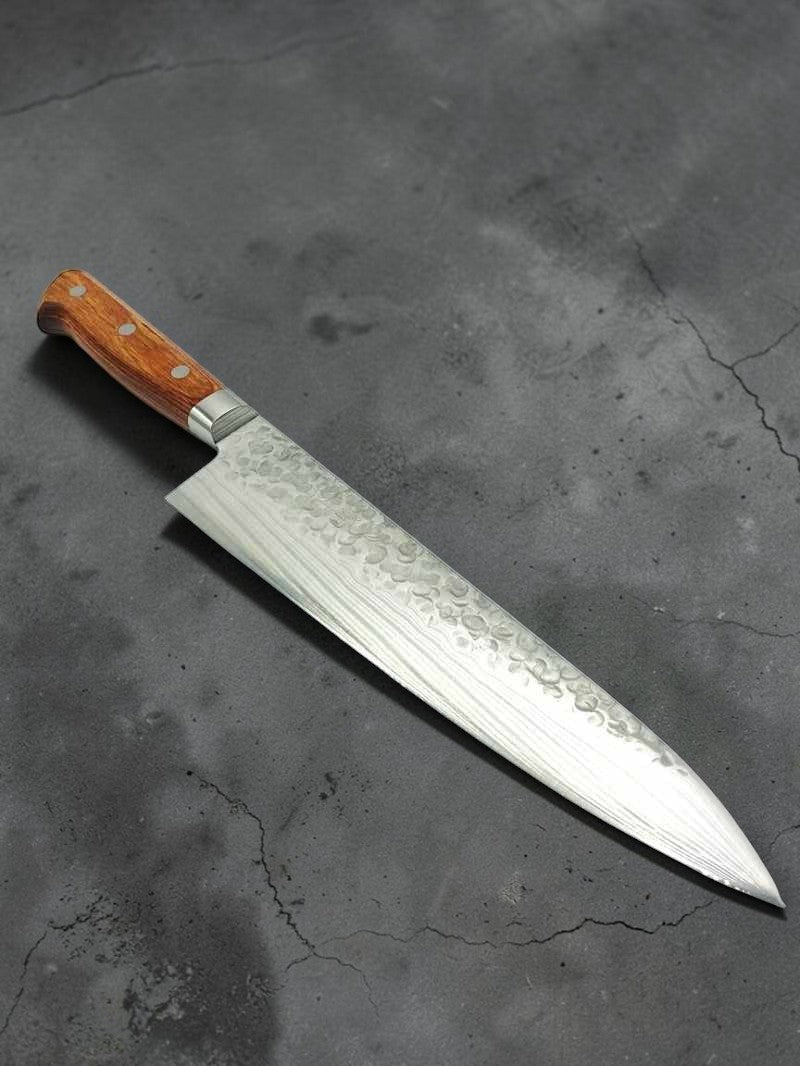
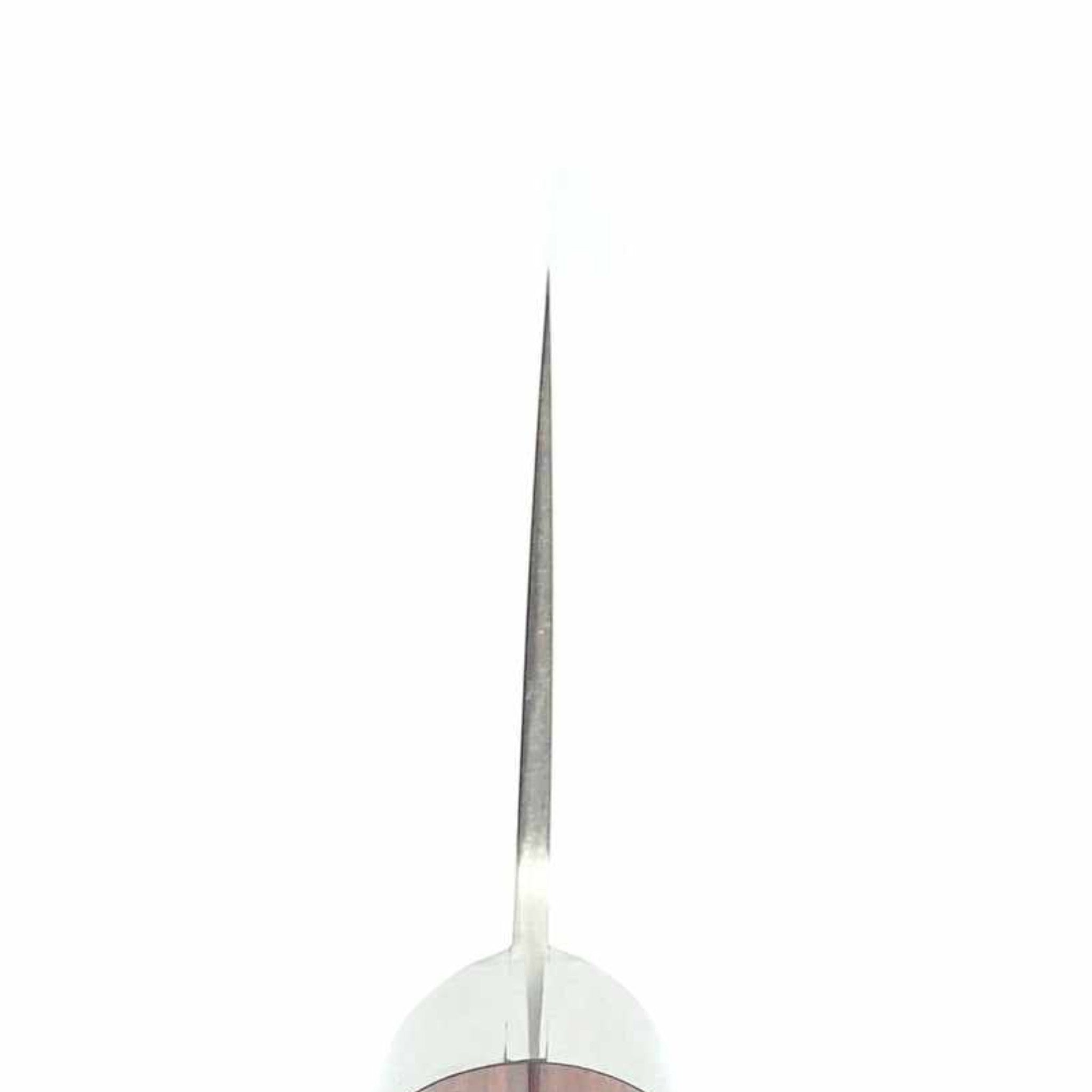
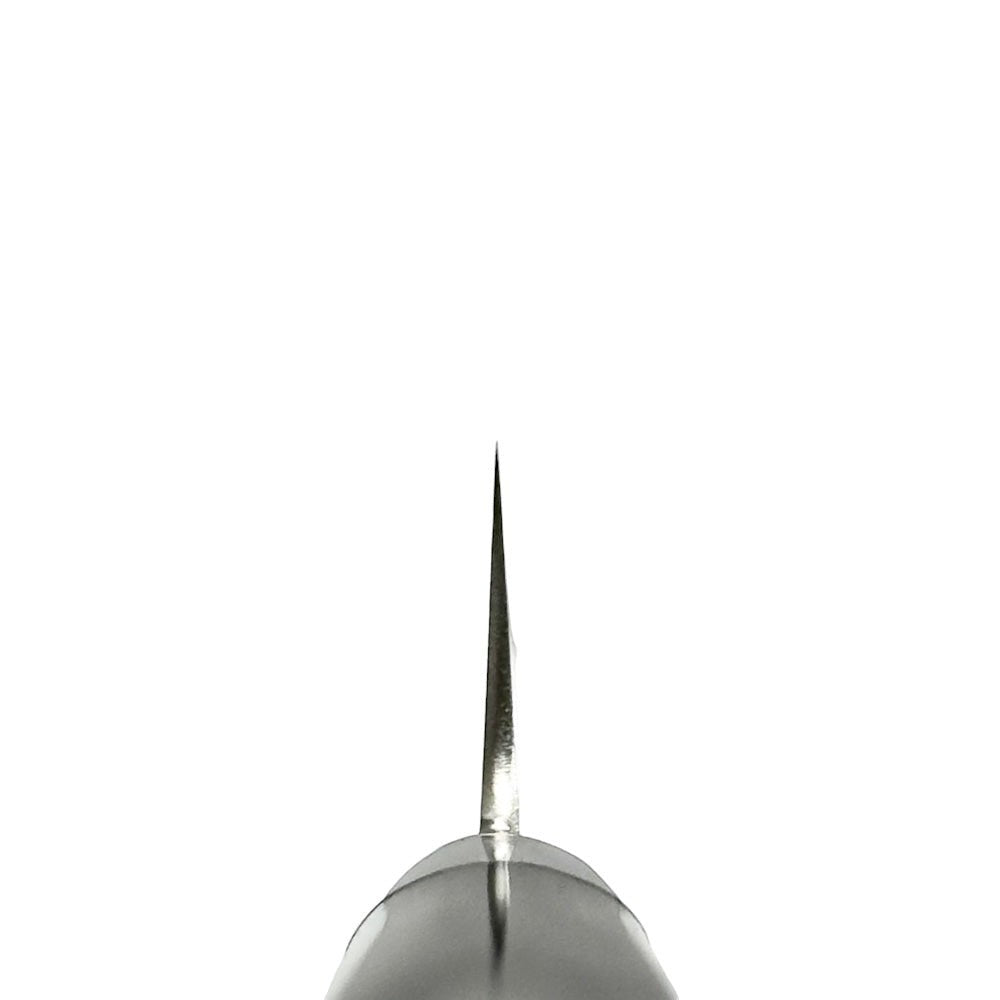
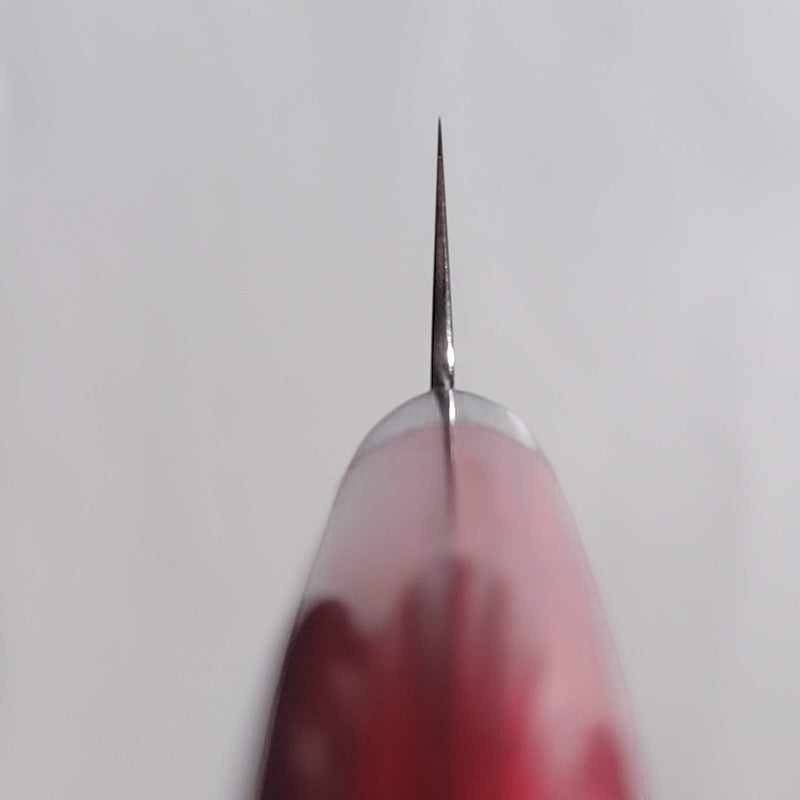
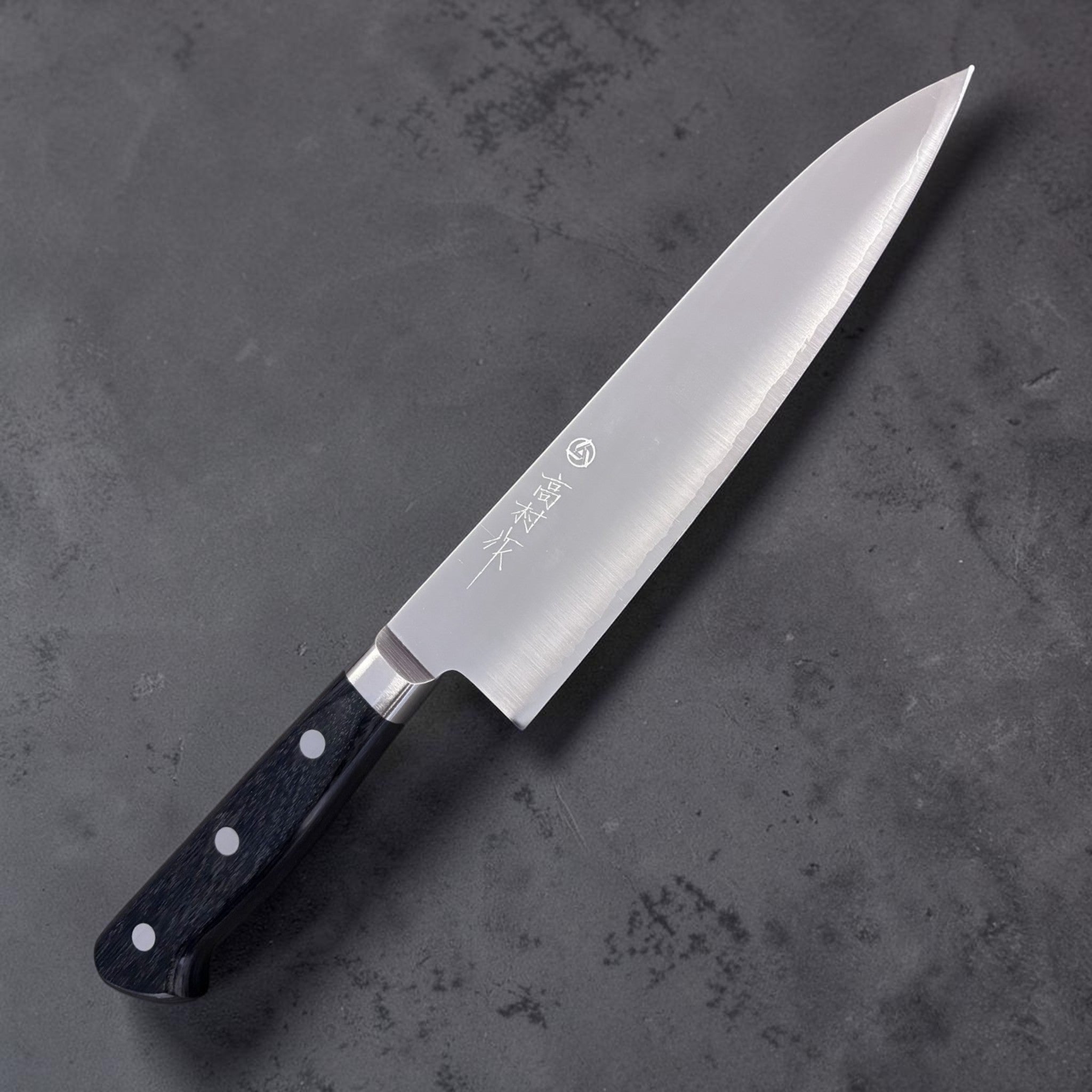
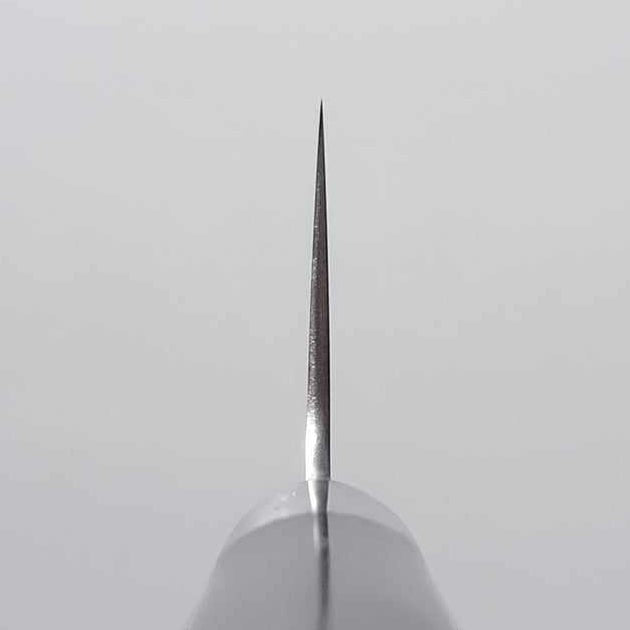
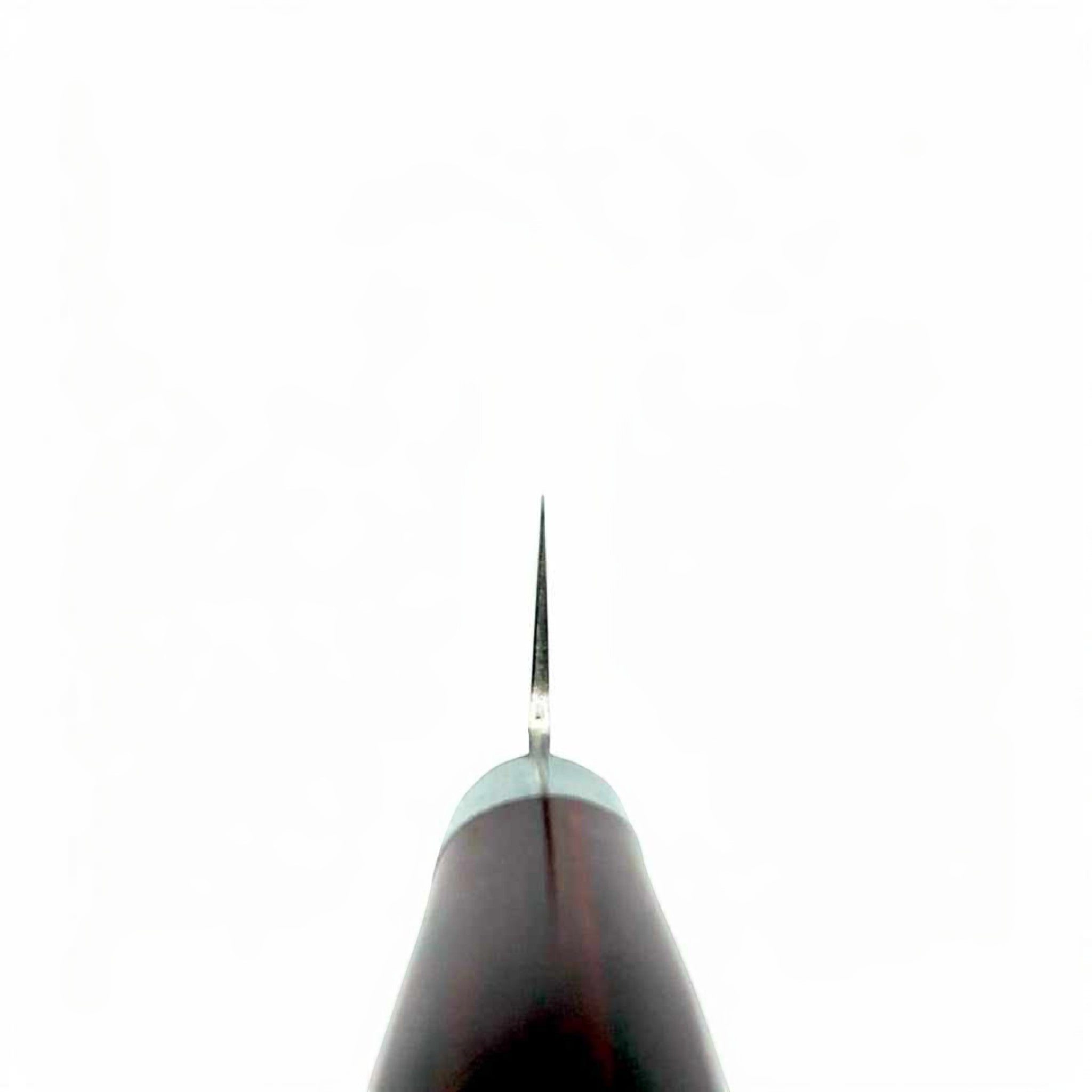
“Laser” is an informal knife-industry term for a blade with thin geometry and low cutting resistance. Takamura is known for this style, particularly in its Gyuto, Santoku and Petty profiles. The same thinness that makes these knives precise also means they should not be used on bones, frozen food or hard surfaces, and the edge should never be twisted through an ingredient.
Compare the Main Takamura Knife Series
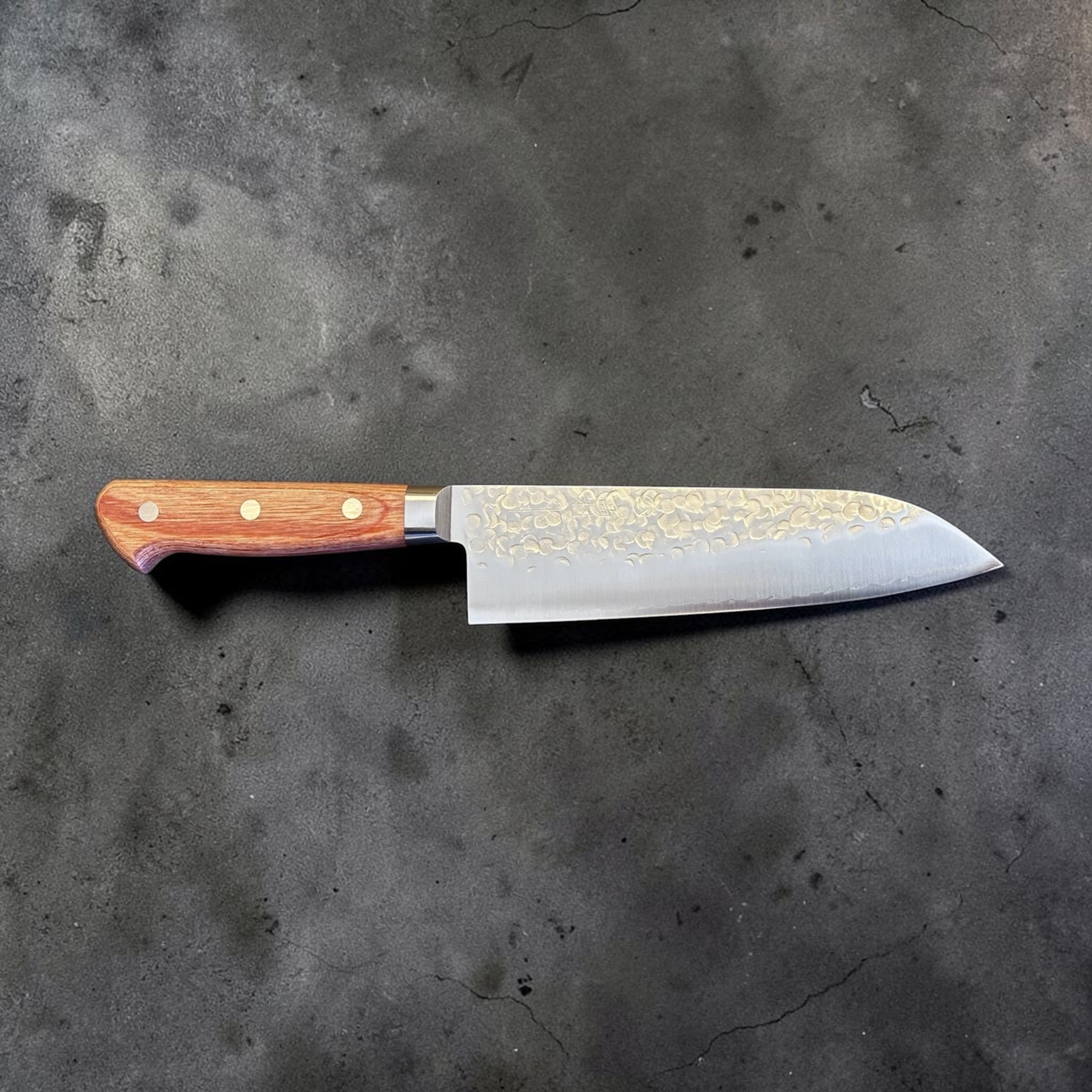
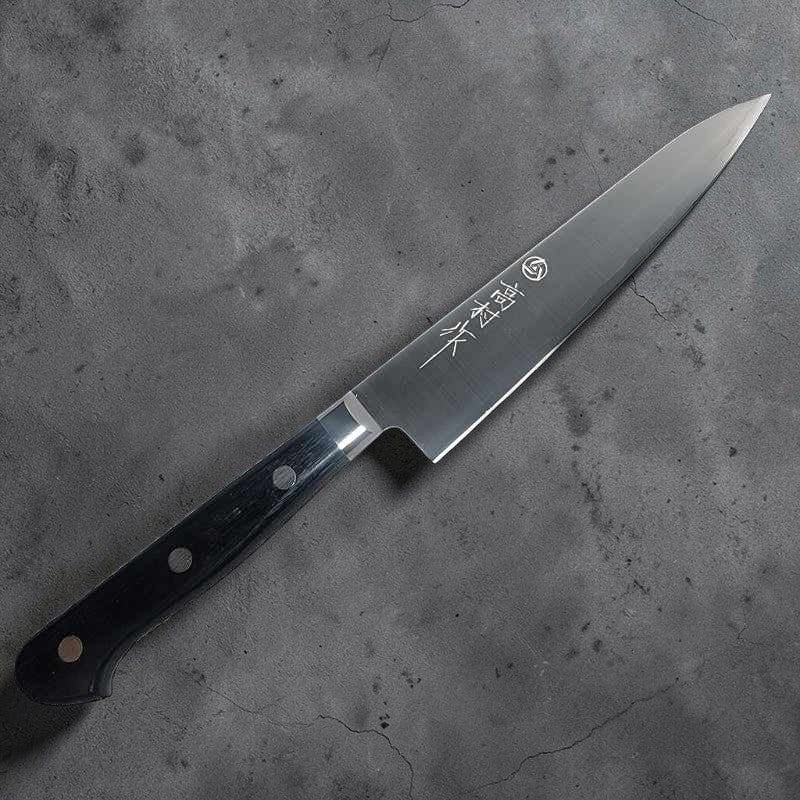
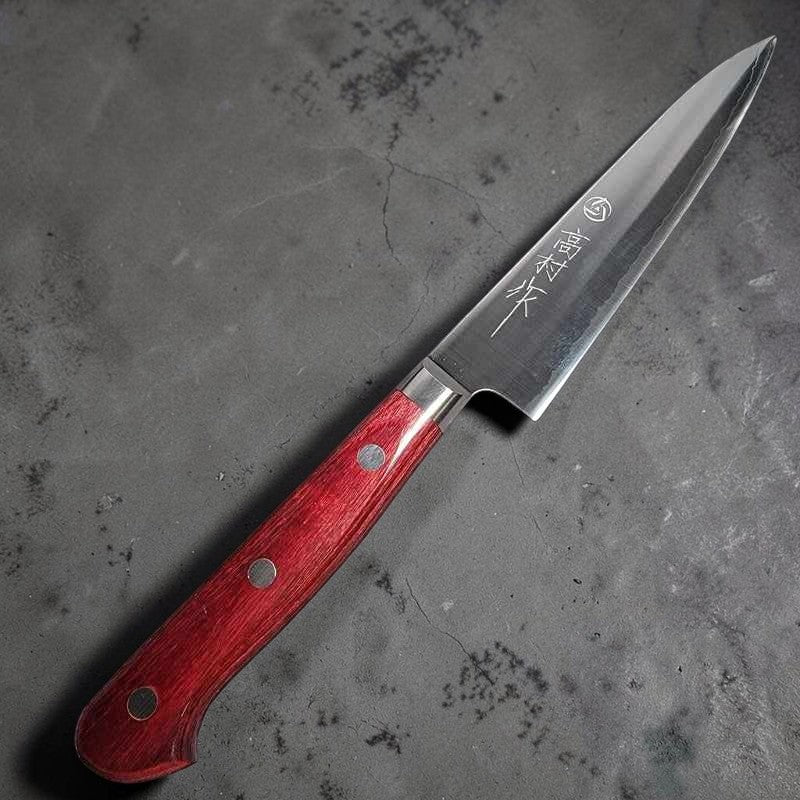
Takamura SG2 / R2 Migaki
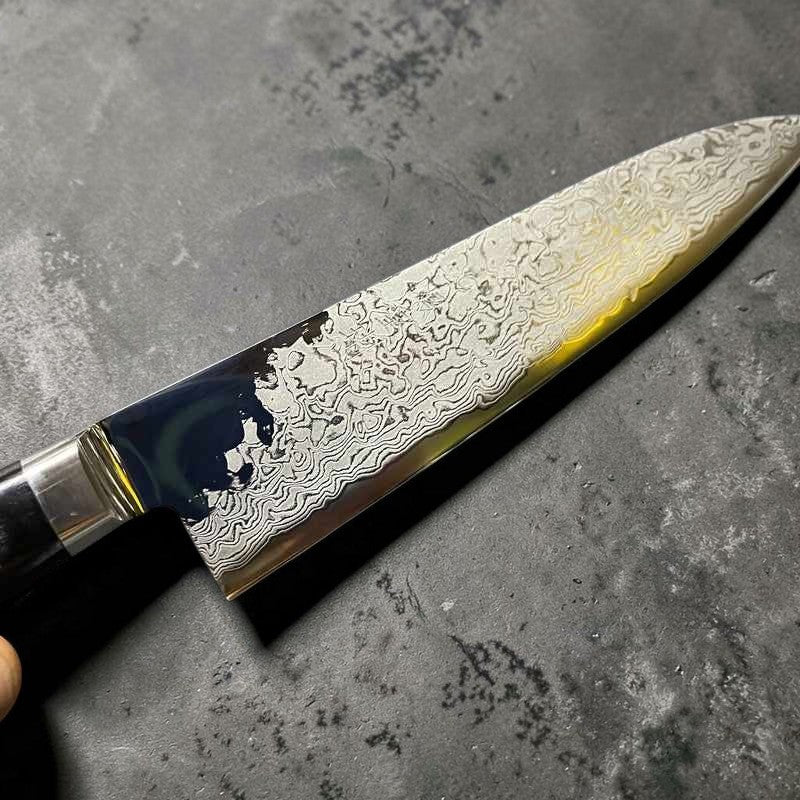
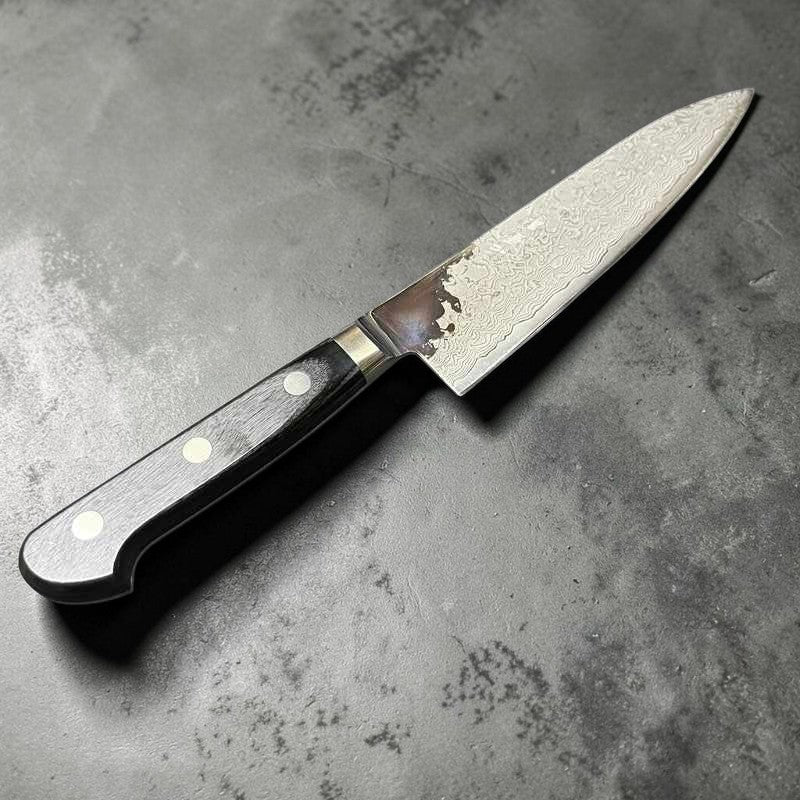
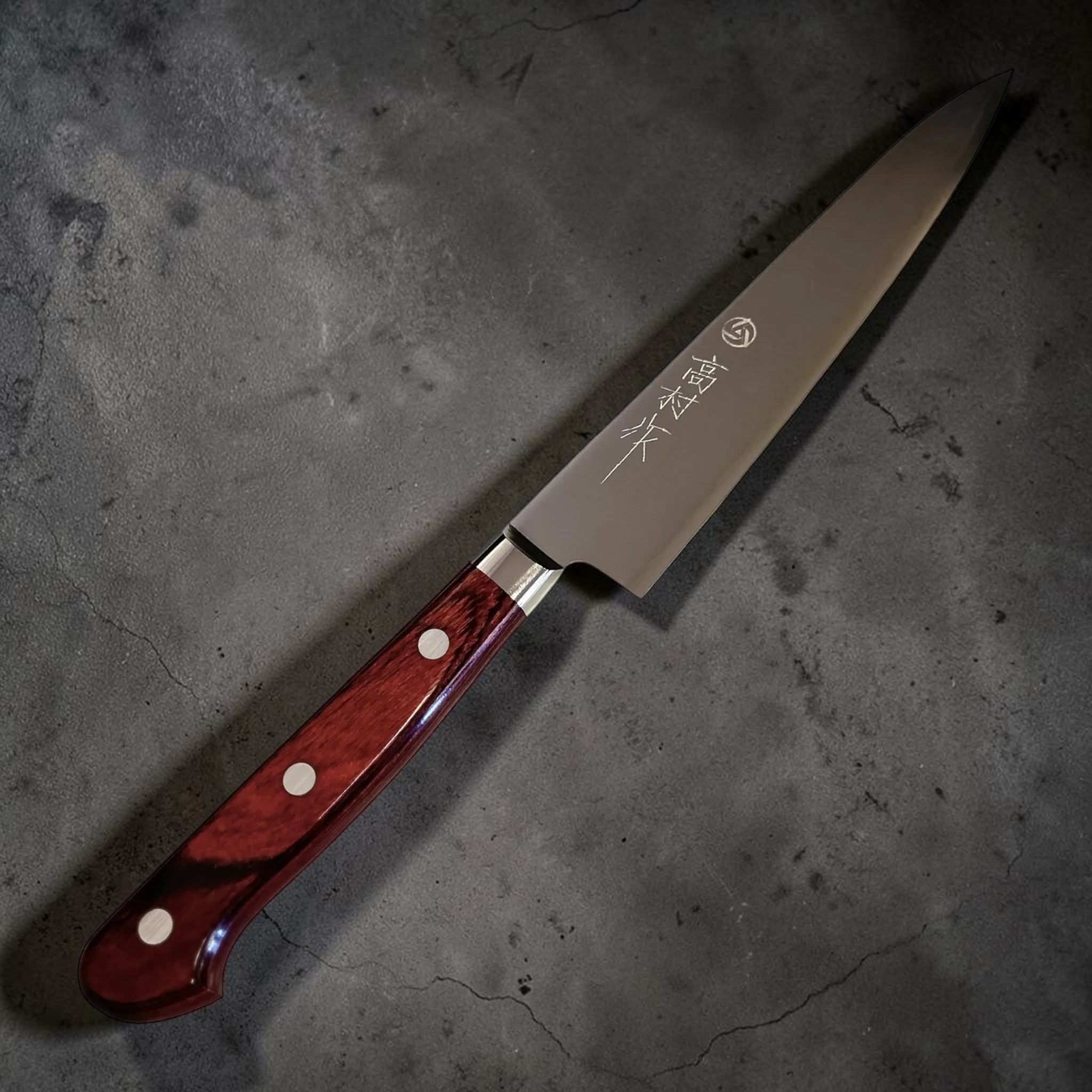
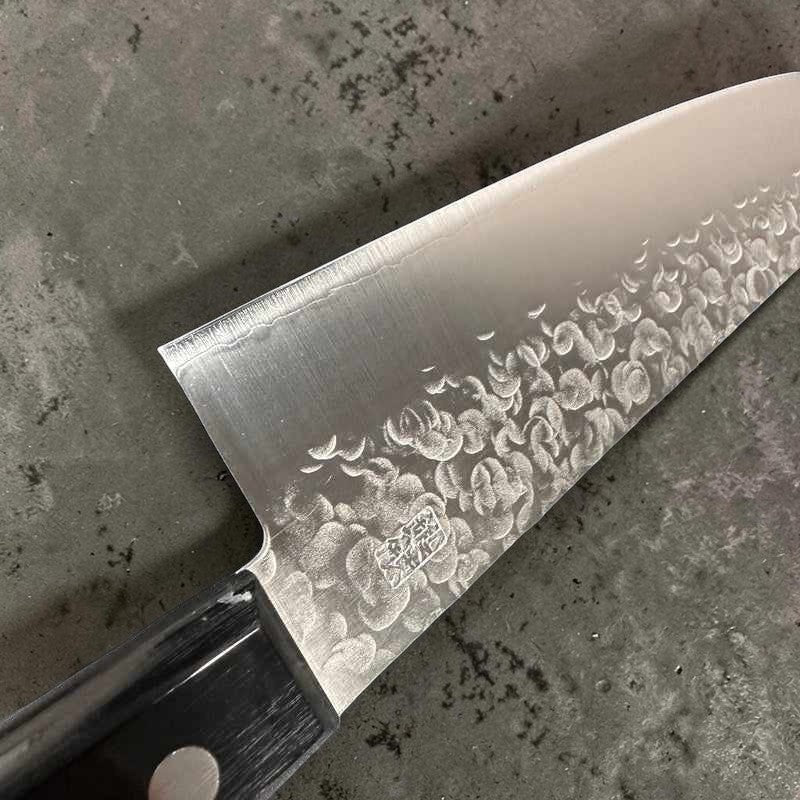
The polished Takamura SG2 Migaki line uses a powdered stainless blade steel. Takefu Special Steel describes Super Gold 2 as a powder-metallurgy steel designed to combine hardness, toughness, abrasion resistance and corrosion resistance. For buyers, the important point is the complete knife: Takamura’s thin grind, edge geometry, size and heat treatment work together with the steel. Compare the exact hardness and construction stated on each listing instead of applying one specification to every SG2 knife.
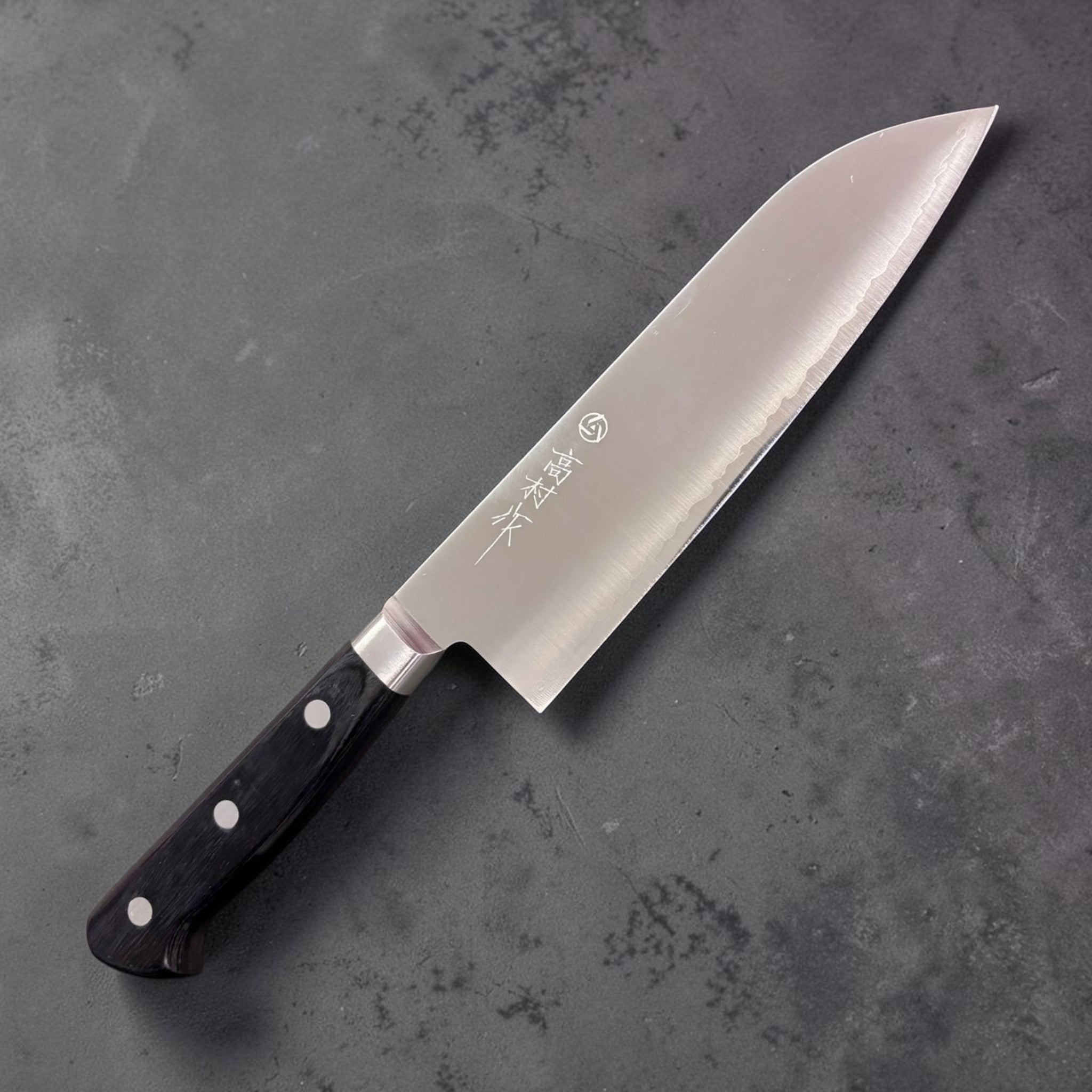
Takamura VG10
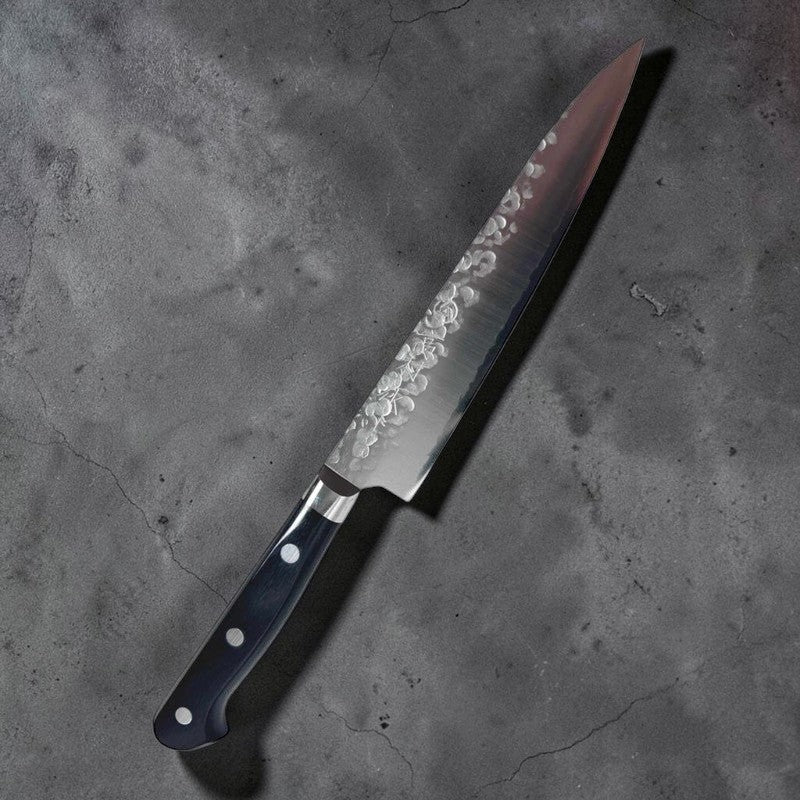
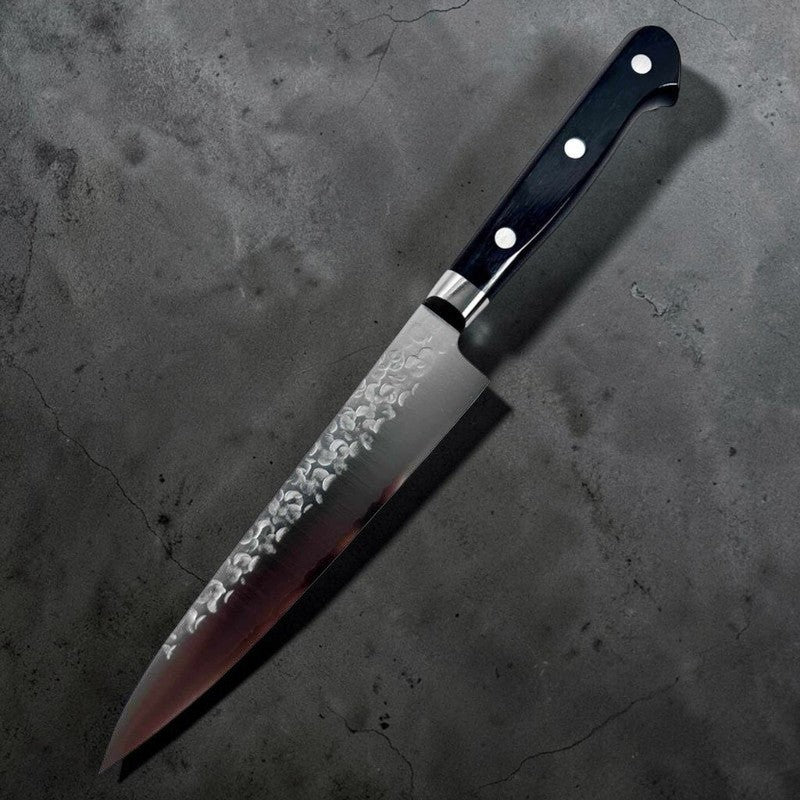
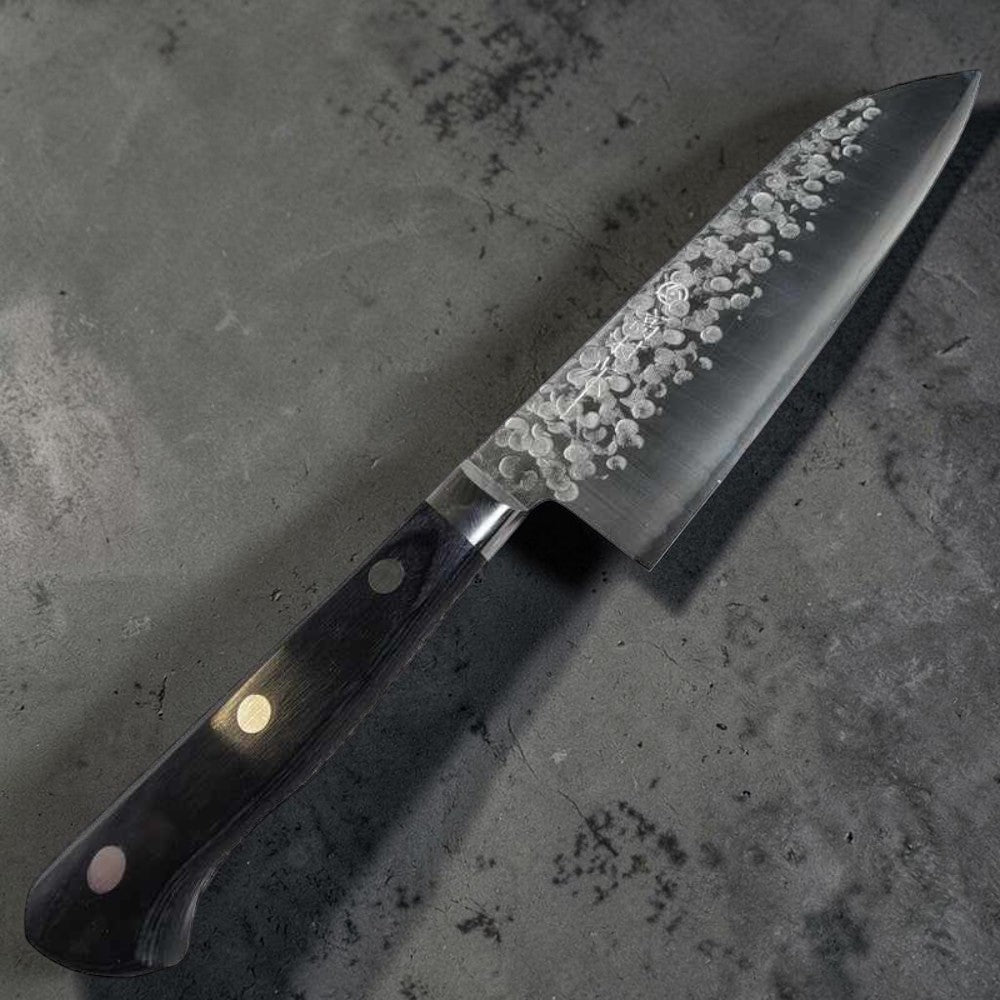
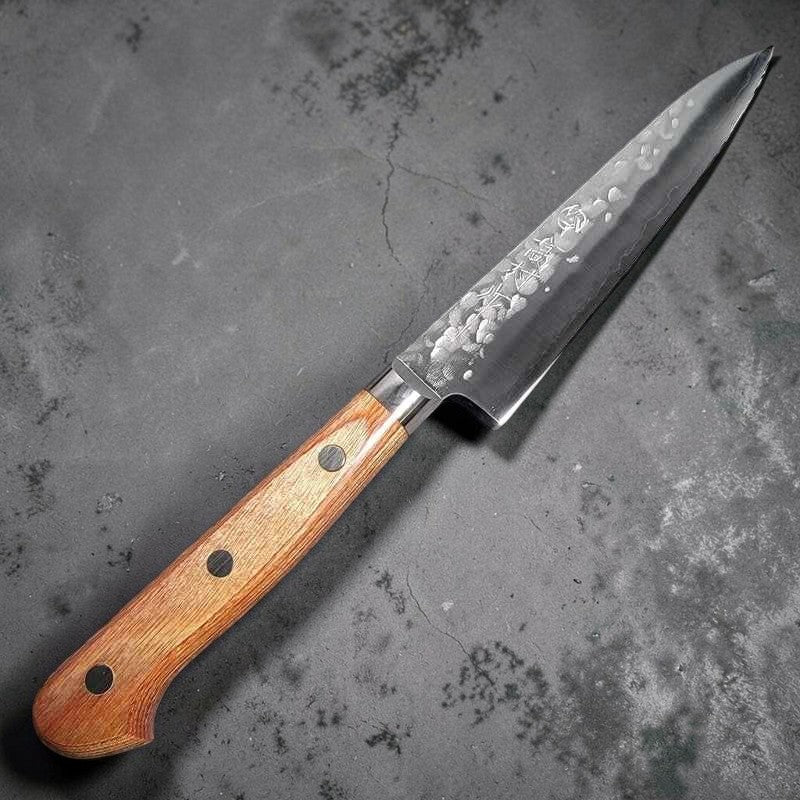
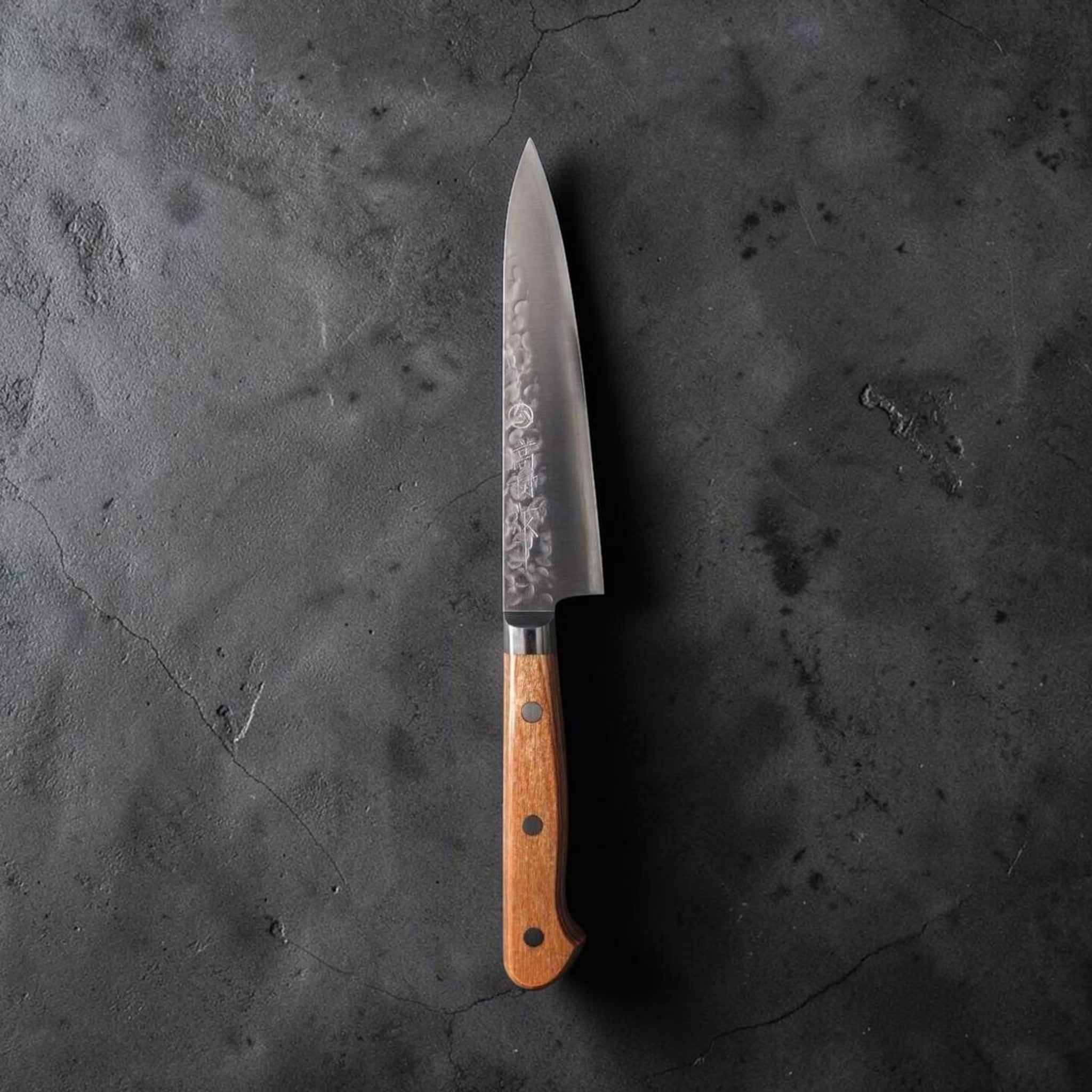
Takamura VG10 knives provide stainless construction in Migaki and Tsuchime finishes, depending on the model. They are a practical choice for cooks who want Takamura’s thin cutting geometry with straightforward corrosion care. VG10 is not automatically better or worse than SG2; the right choice depends on budget, sharpening preferences, profile and intended use.
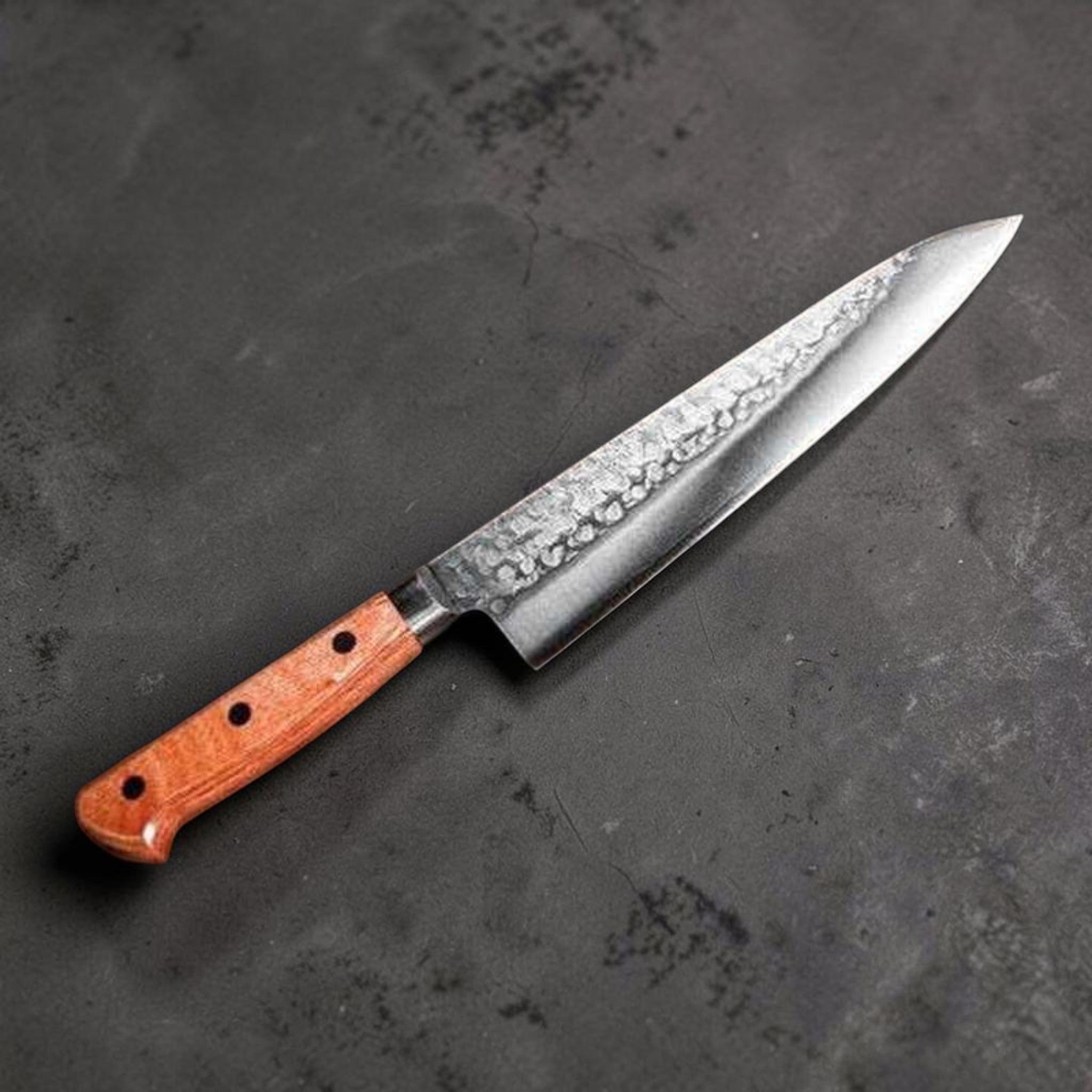
Takamura Chromax
Takamura Chromax uses a semi-stainless core with stainless cladding on the models in this collection. The exposed core at the edge can develop a patina and should be cleaned and dried promptly. Chromax is appropriate for buyers who accept slightly more reactive-steel care in exchange for a different sharpening and cutting experience. Check the individual product page for its stated hardness, finish and dimensions.
Which Takamura Profile Should You Choose?
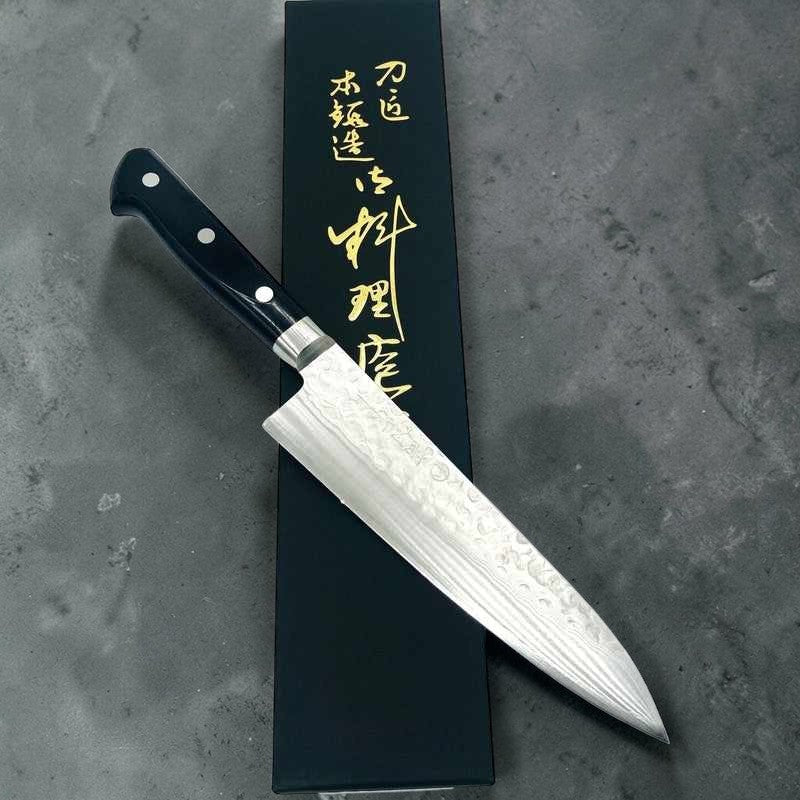
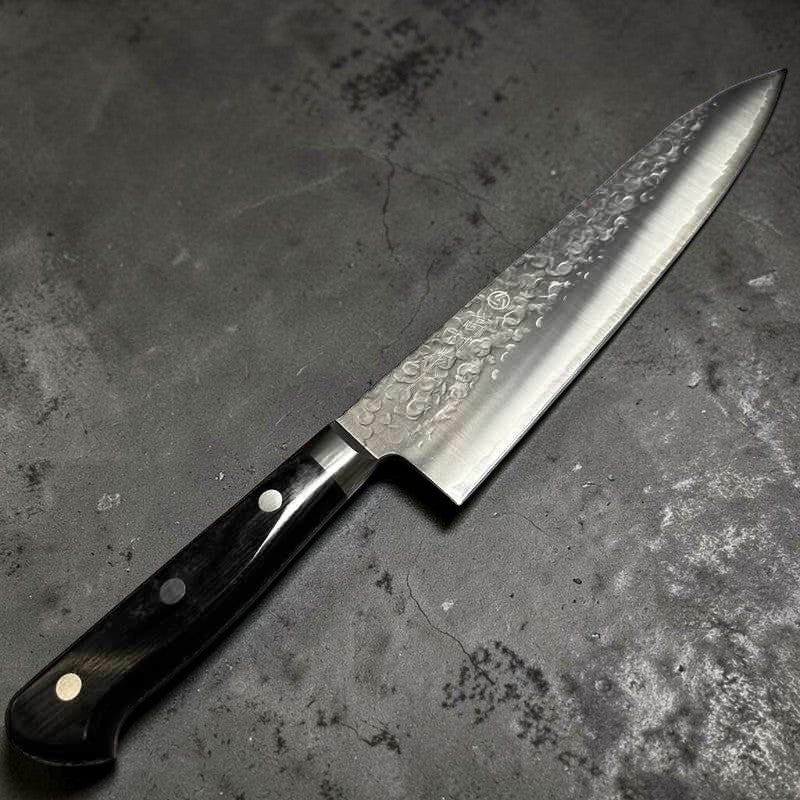
- Takamura Gyuto: A general-purpose chef’s knife for vegetables, herbs and boneless proteins. The 180 mm size favors maneuverability; 210 mm provides more cutting length.
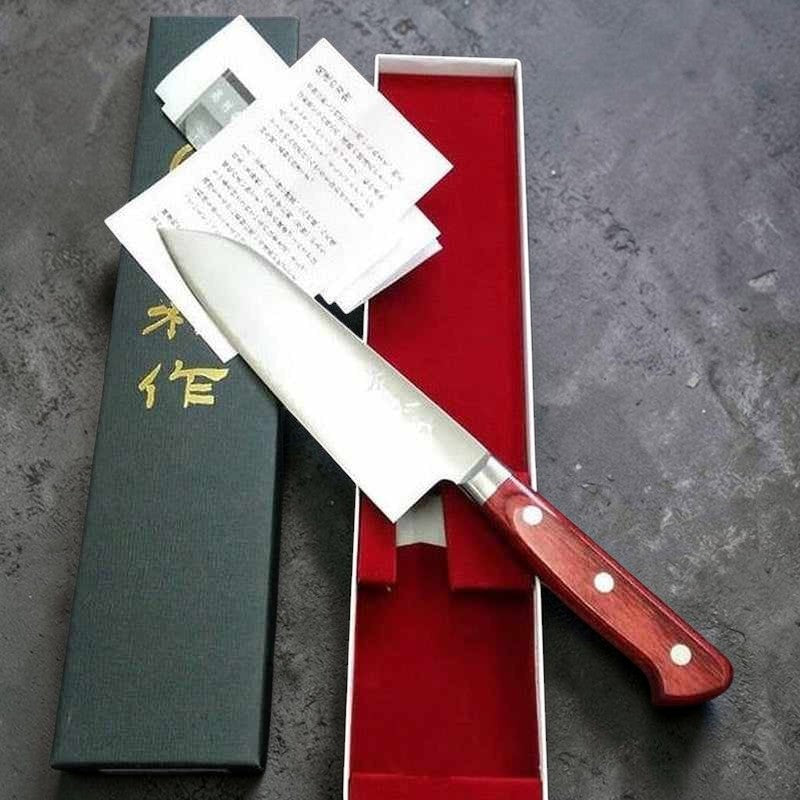
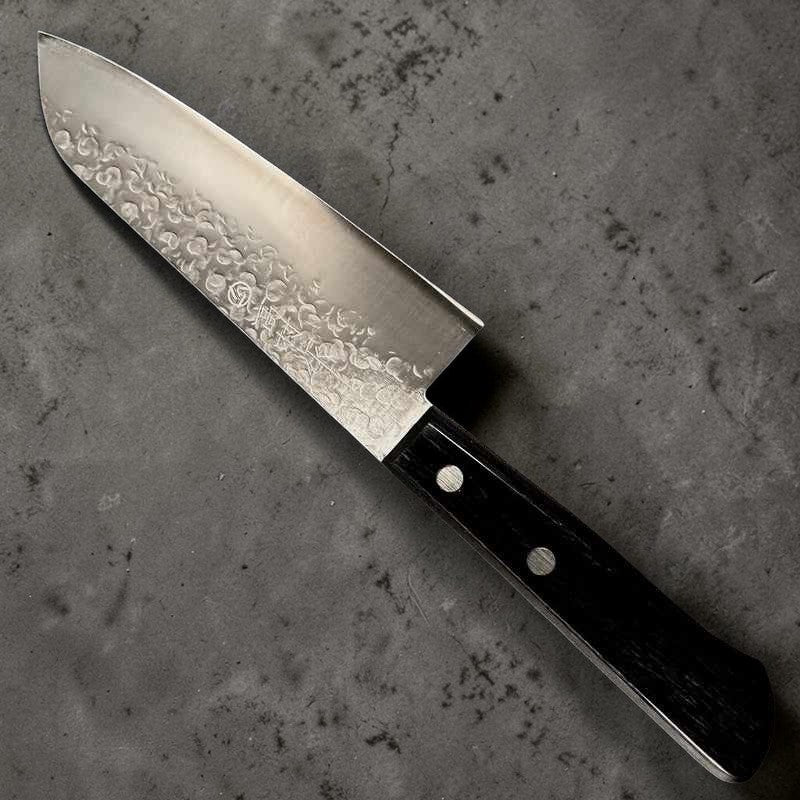
- Takamura Santoku: A compact all-purpose option, commonly offered around 170 mm, for cooks who prefer a shorter blade and flatter profile.
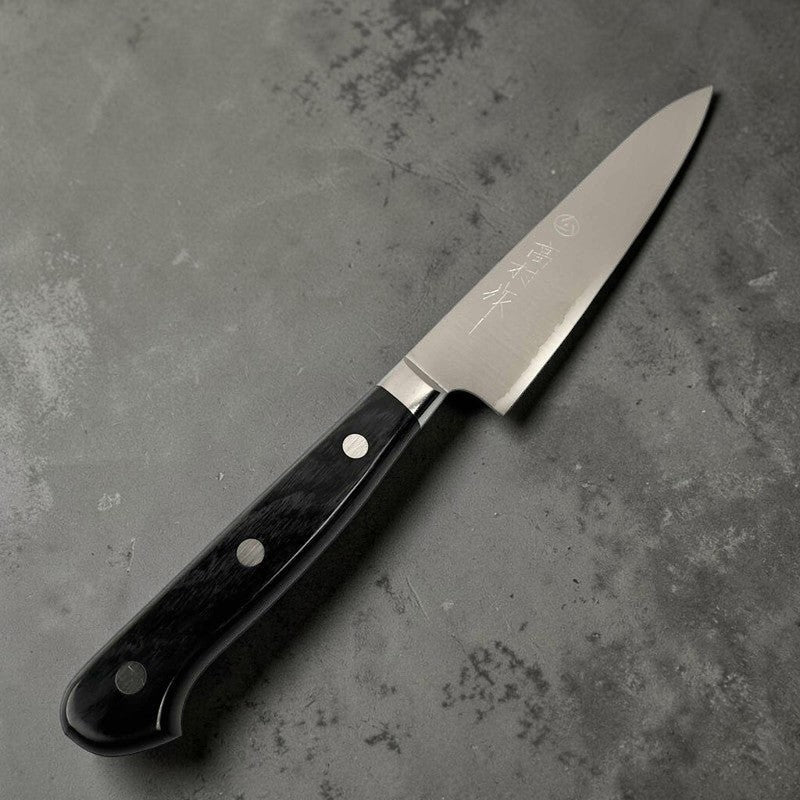
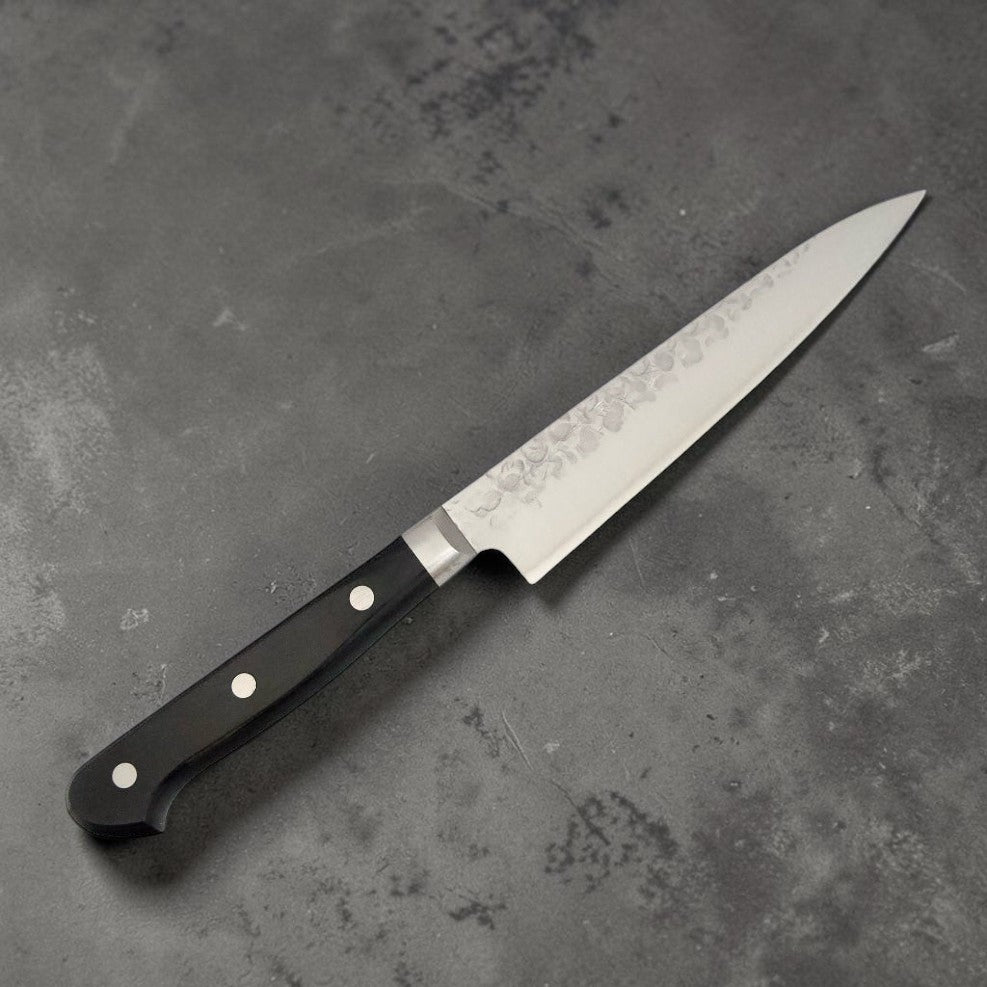
- Takamura Petty: A small utility knife for trimming, portioning and detailed board work. Check whether the selected length suits in-hand or board use.
- Takamura Uchigumo and specialty models: Less commonly available lines with distinct finishes or construction. Rely on the individual listing rather than assuming they share every specification with Migaki models.
Takamura SG2 vs. VG10 vs. Chromax
There is no universally best Takamura steel. Choose SG2/R2 when powdered stainless steel and edge retention are priorities; VG10 when you want stainless care and a more accessible entry into Takamura’s geometry; or Chromax when you are comfortable maintaining a semi-stainless exposed edge. In every case, profile, length, grind and technique affect the ownership experience as much as the steel name.
How to Care for a Takamura Knife
Hand-wash the knife, dry it immediately and never put it in a dishwasher. Use wood, rubber or another knife-friendly cutting surface. Avoid glass, stone, bones and frozen food. Maintain the edge with appropriate whetstones or a qualified sharpening service; do not use aggressive pull-through sharpeners on these thin blades. Chromax edges deserve extra attention because the exposed core can patina or rust if left wet.
Takamura Knife FAQ
Are R2 and SG2 the same Takamura series?
Retailers commonly use both R2 and SG2 when describing Takamura’s powdered-steel Migaki line. Tokushu Knife follows the current specification provided for each product, so review the individual title and steel details before purchasing.
Are Takamura knives suitable for beginners?
Yes, if the user understands thin Japanese knife geometry. A beginner should use a suitable board, avoid hard ingredients and lateral force, and learn proper hand-washing and sharpening habits.
Where are Takamura knives made?
Takamura Hamono identifies its workshop with Echizen’s knife-making tradition in Fukui Prefecture, Japan. The company describes integrated production focused on material selection, forging, heat treatment and sharpening.
Why are Takamura knives often sold out?
Availability depends on production and retailer allocation. We do not publish an unsupported batch size or schedule. Use the restock notification on the product you want and verify the live inventory shown on its page.
Primary References
- Takamura Hamono: company history and manufacturing philosophy
- Takefu Special Steel: Super Gold 2 powder steel
- Takefu Special Steel: original blade-steel categories
Browse the current Takamura collection and compare steel, profile, length, finish, inventory and the specifications stated on each product page.