
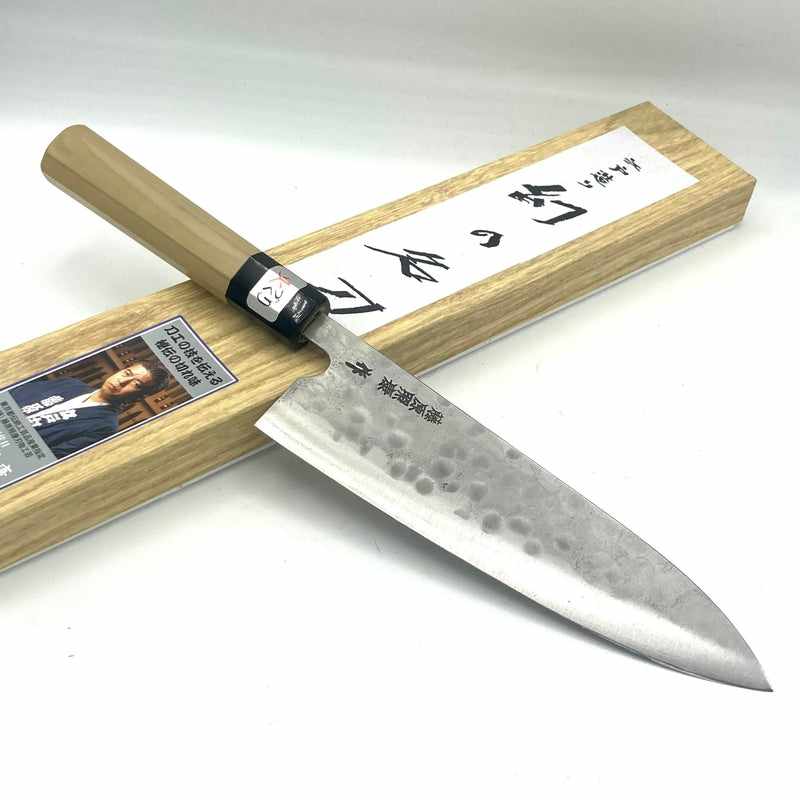
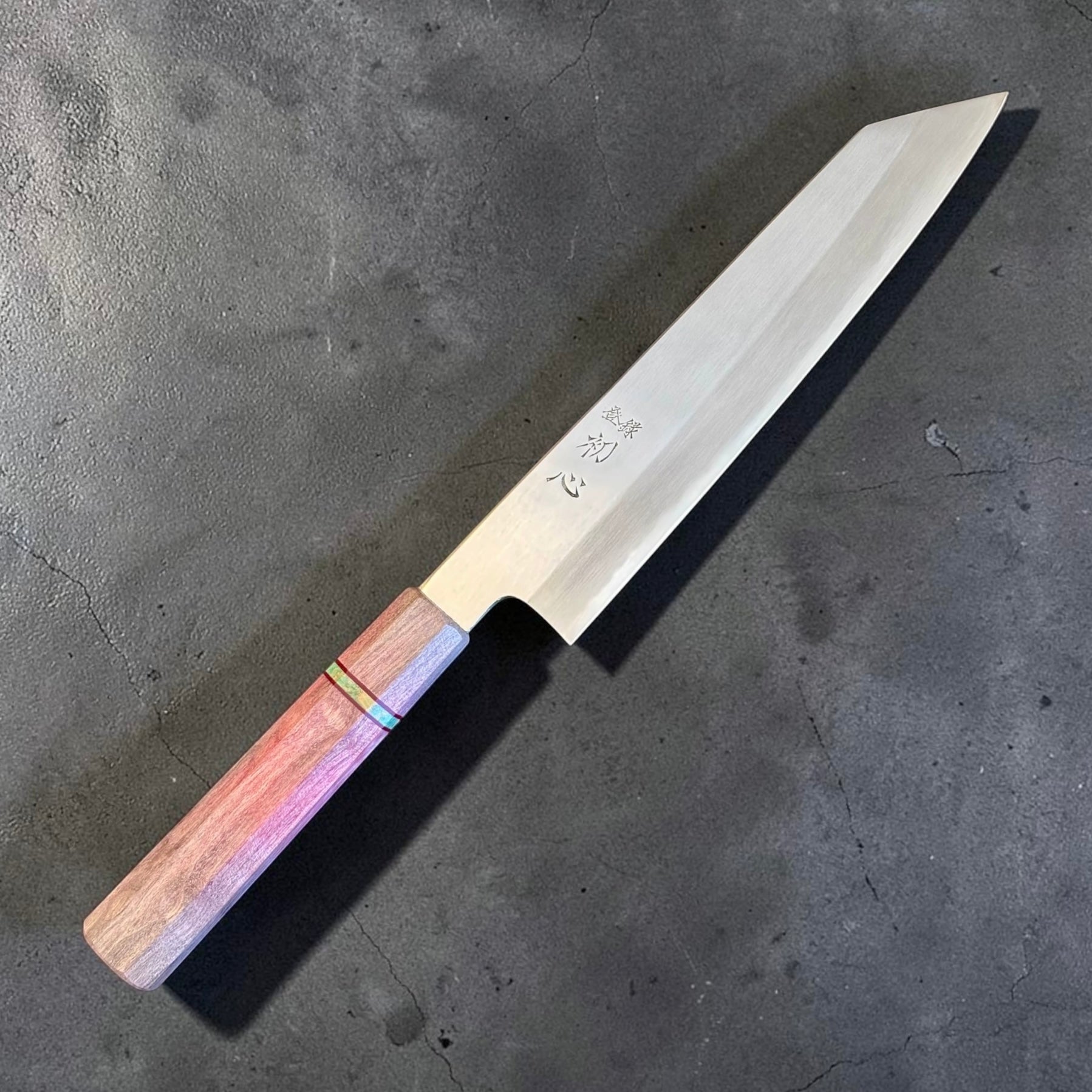
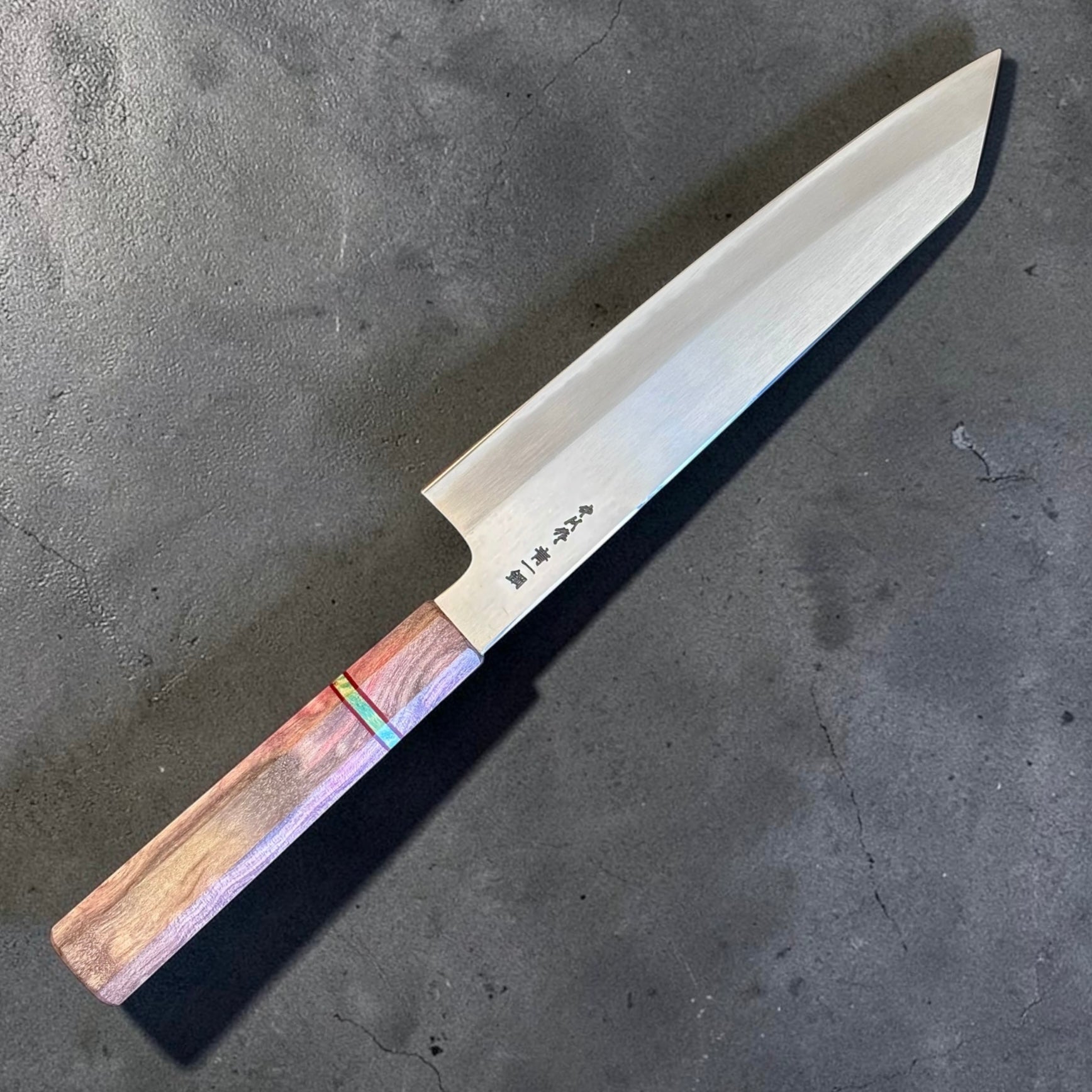
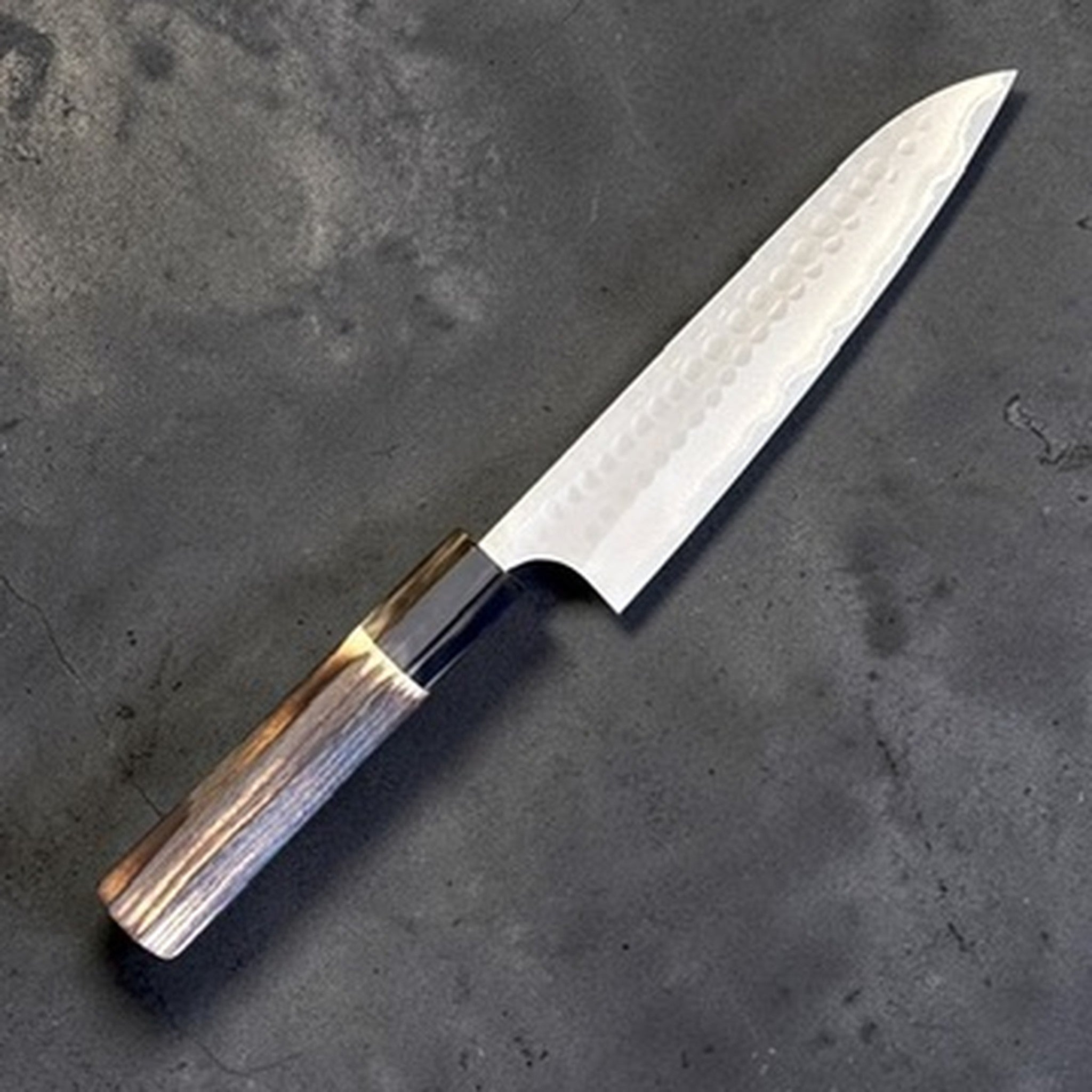
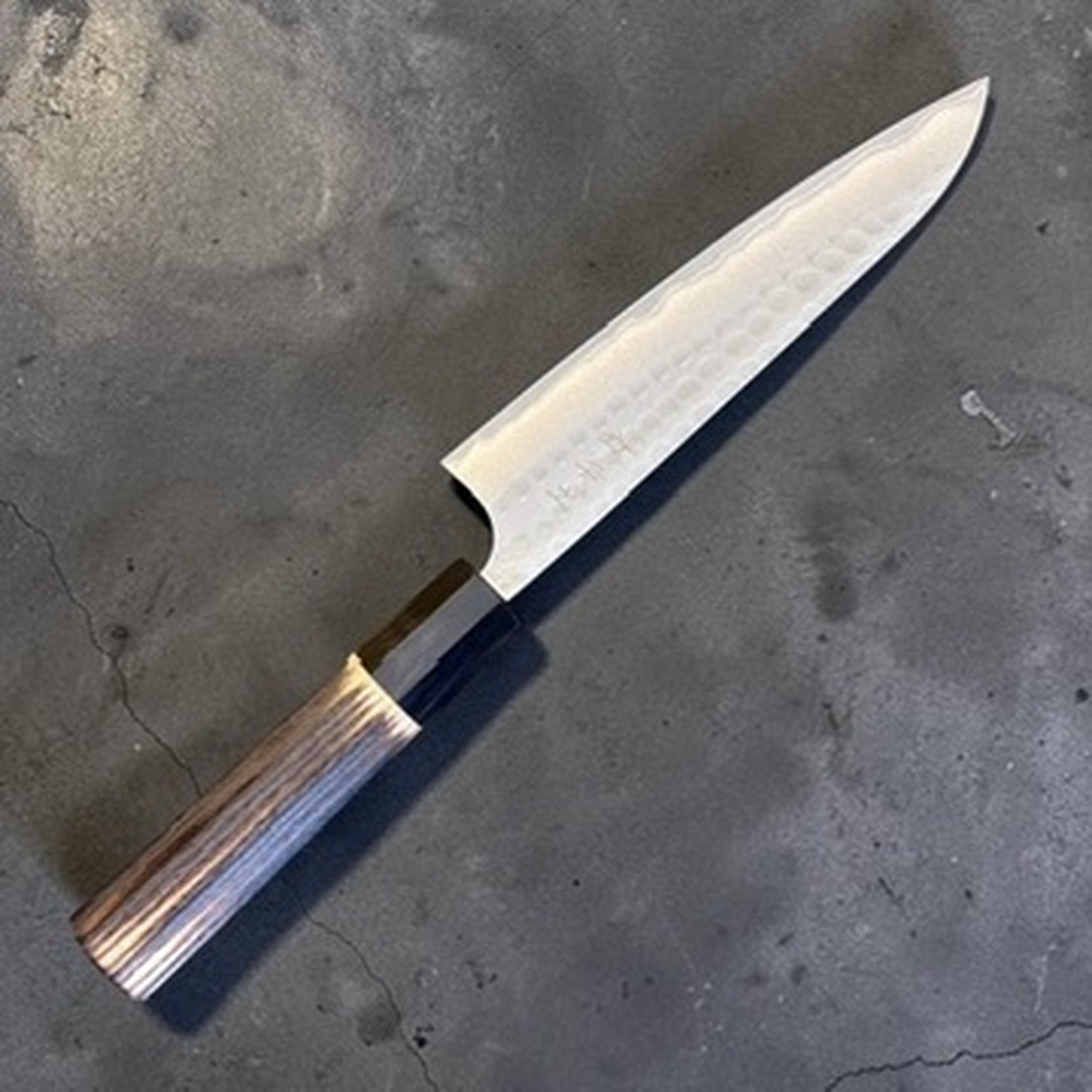
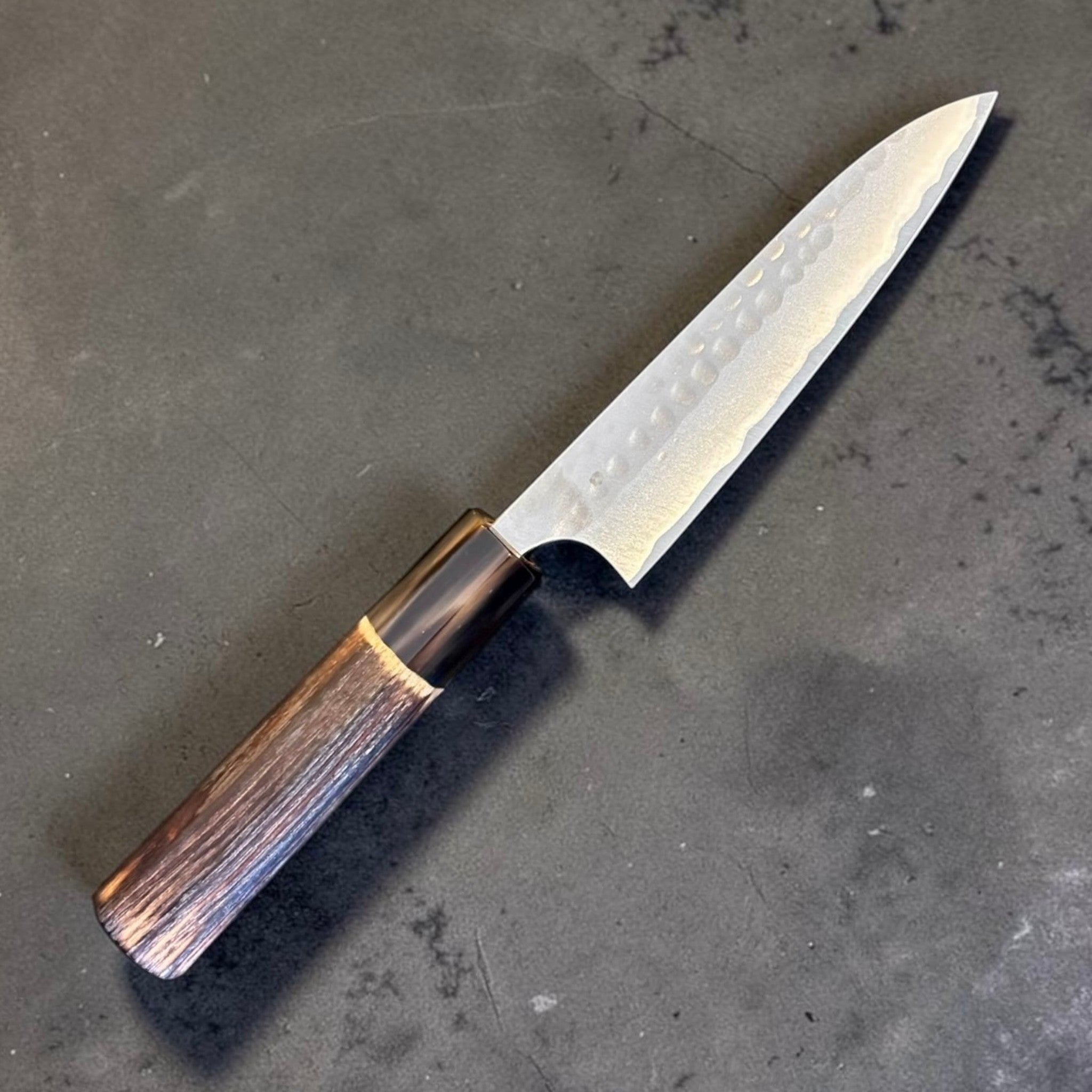
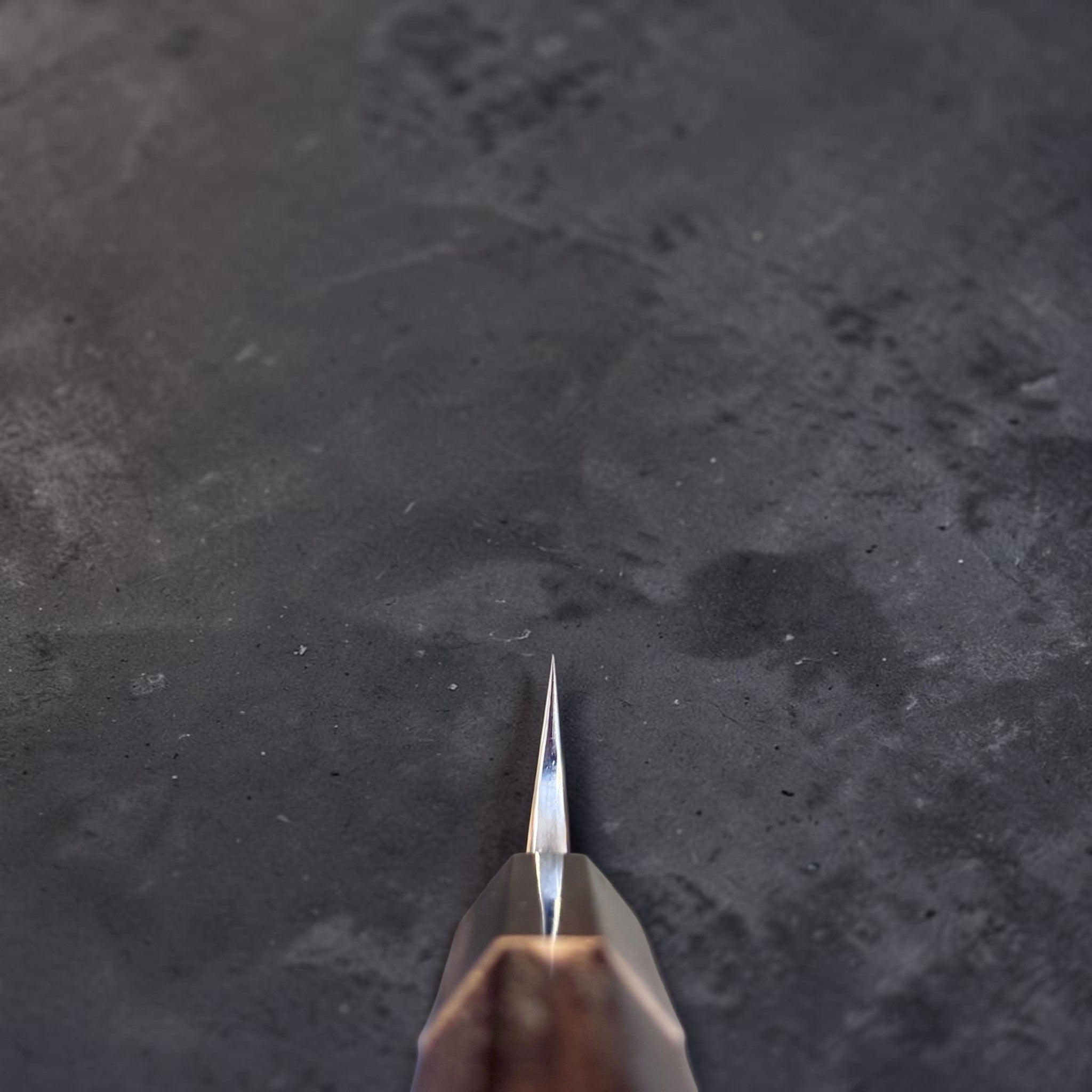
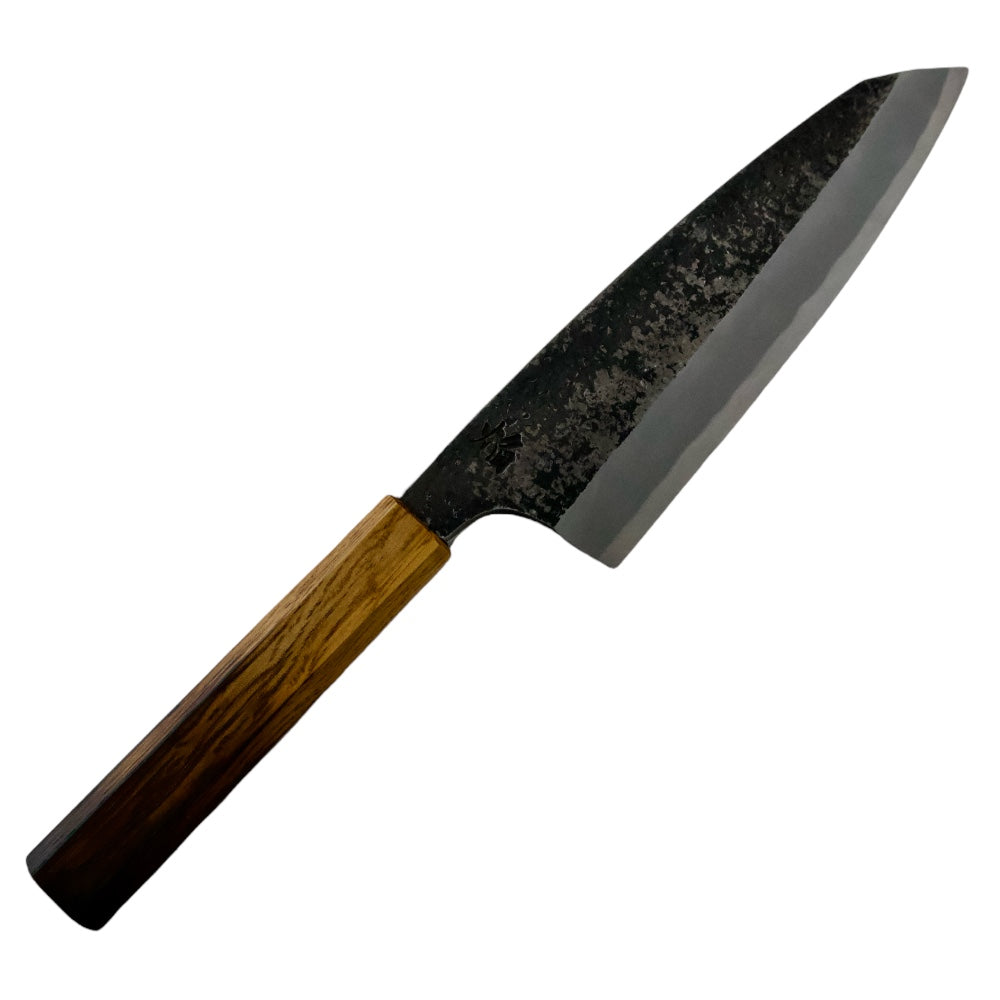
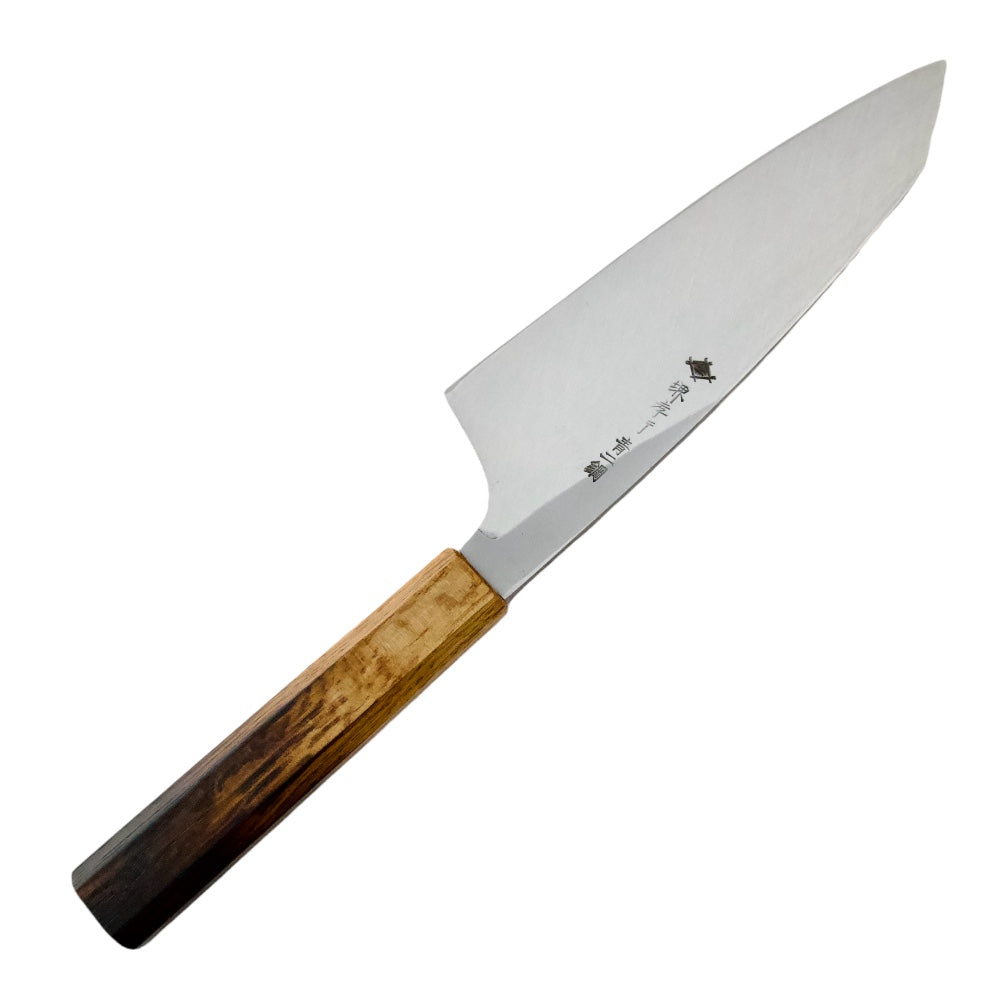
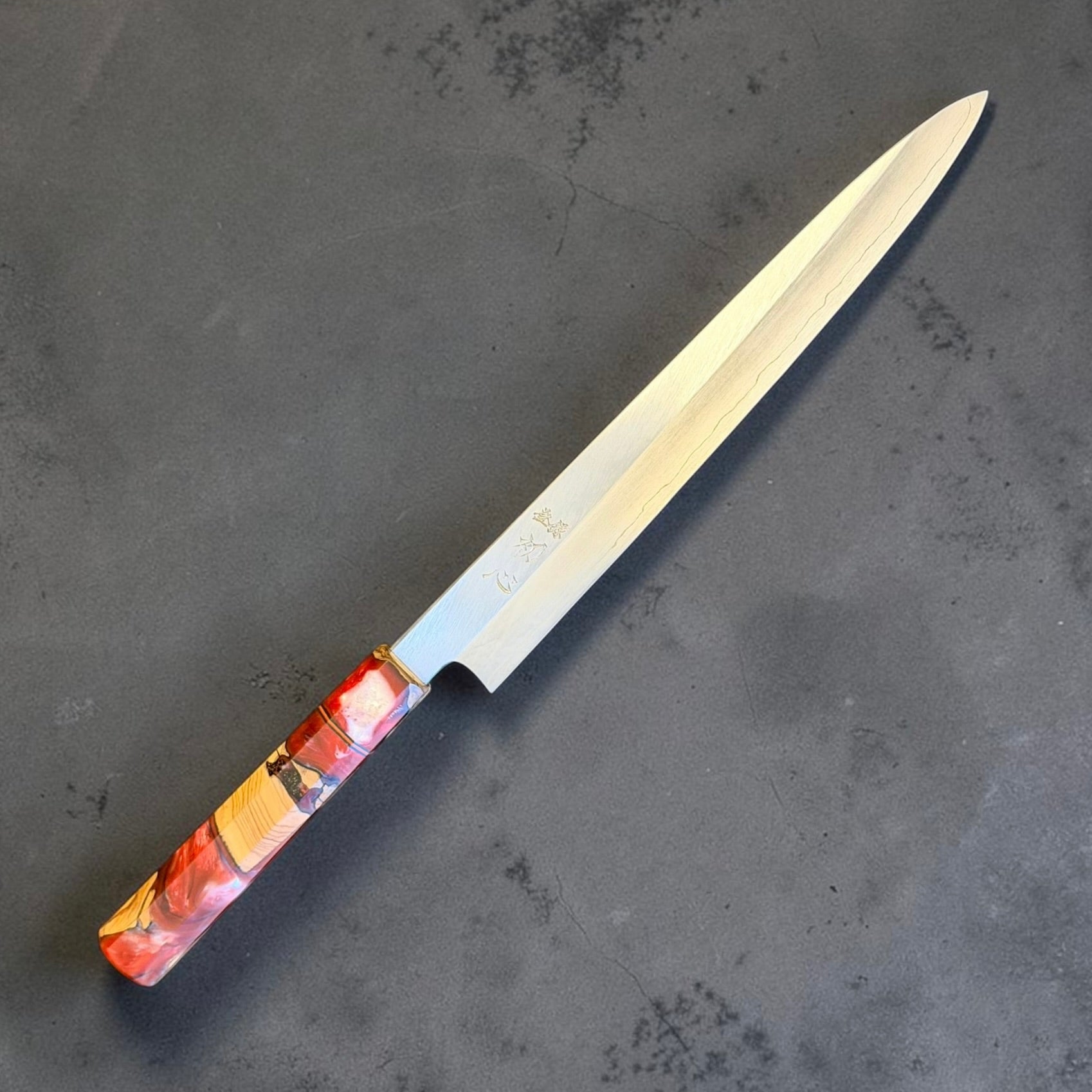
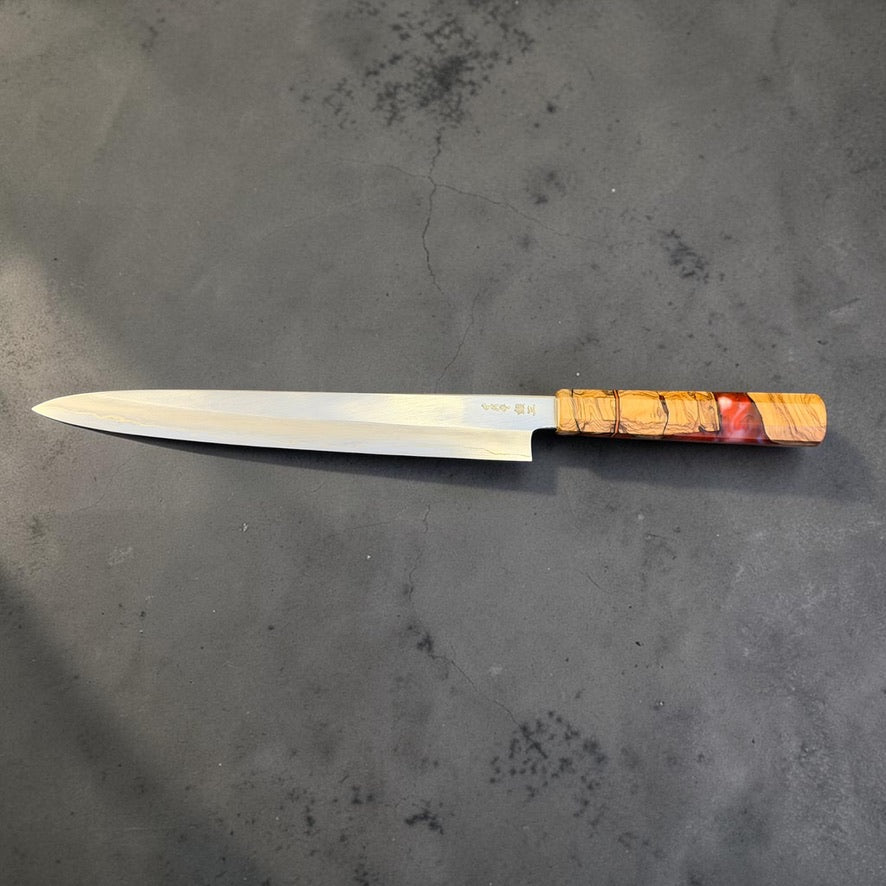
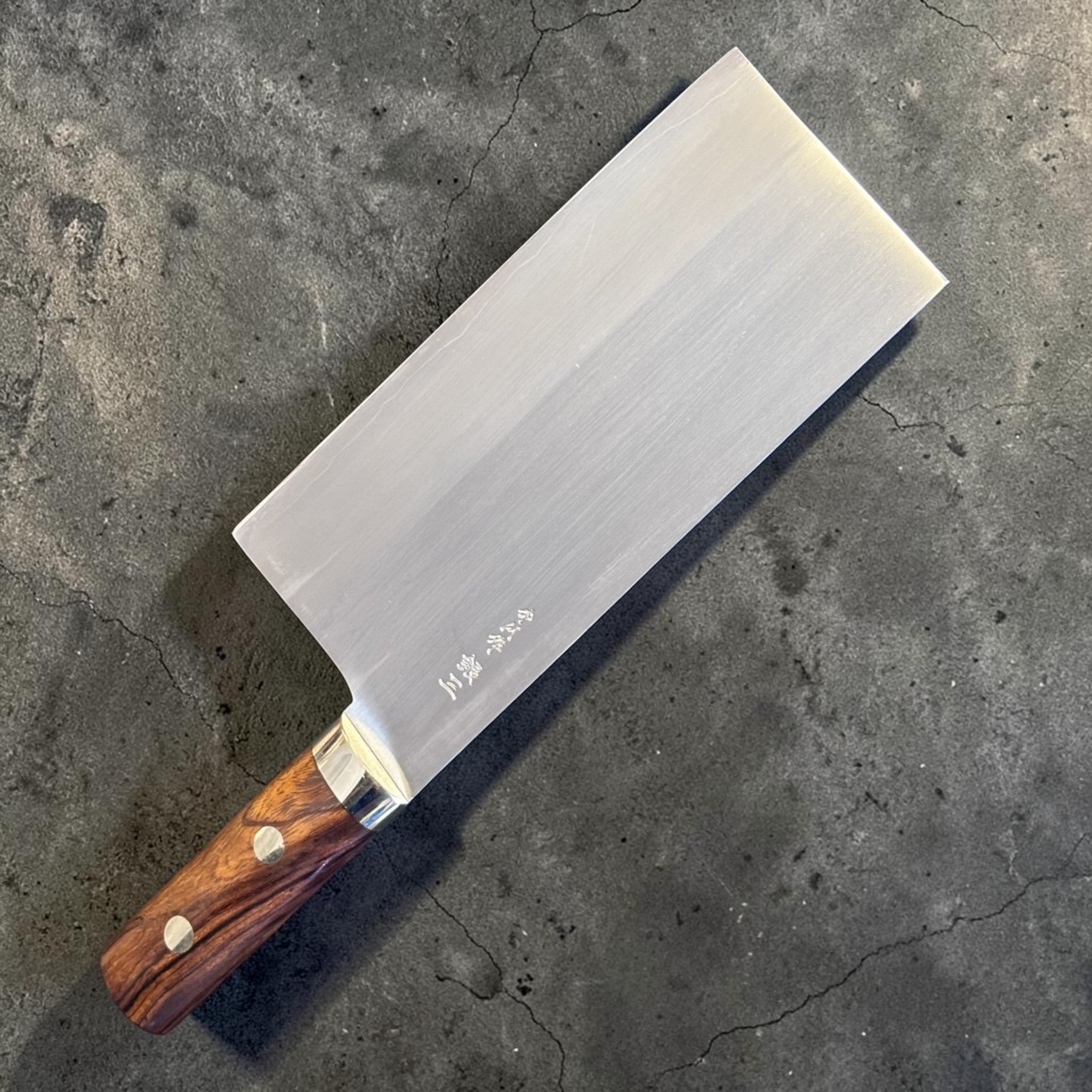
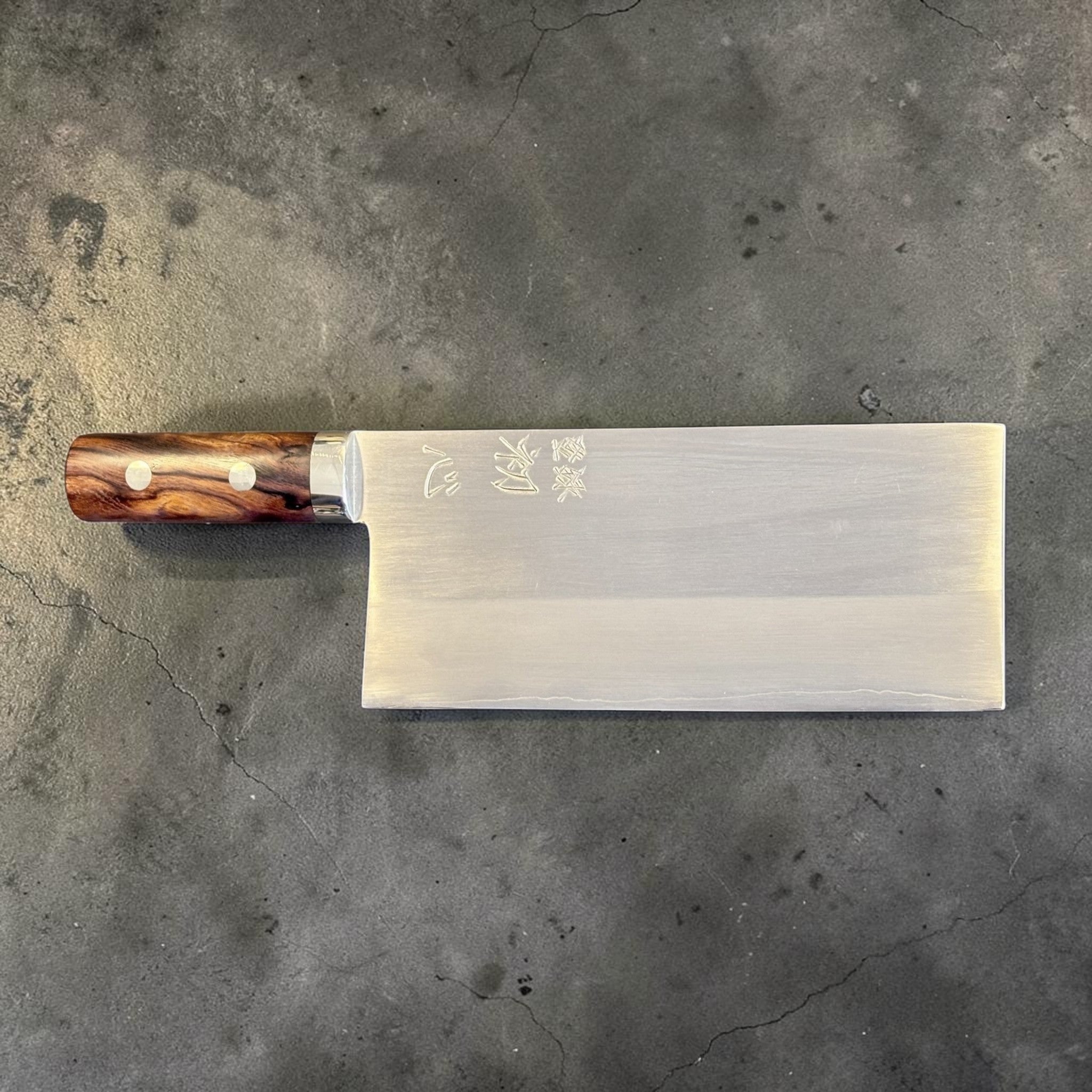
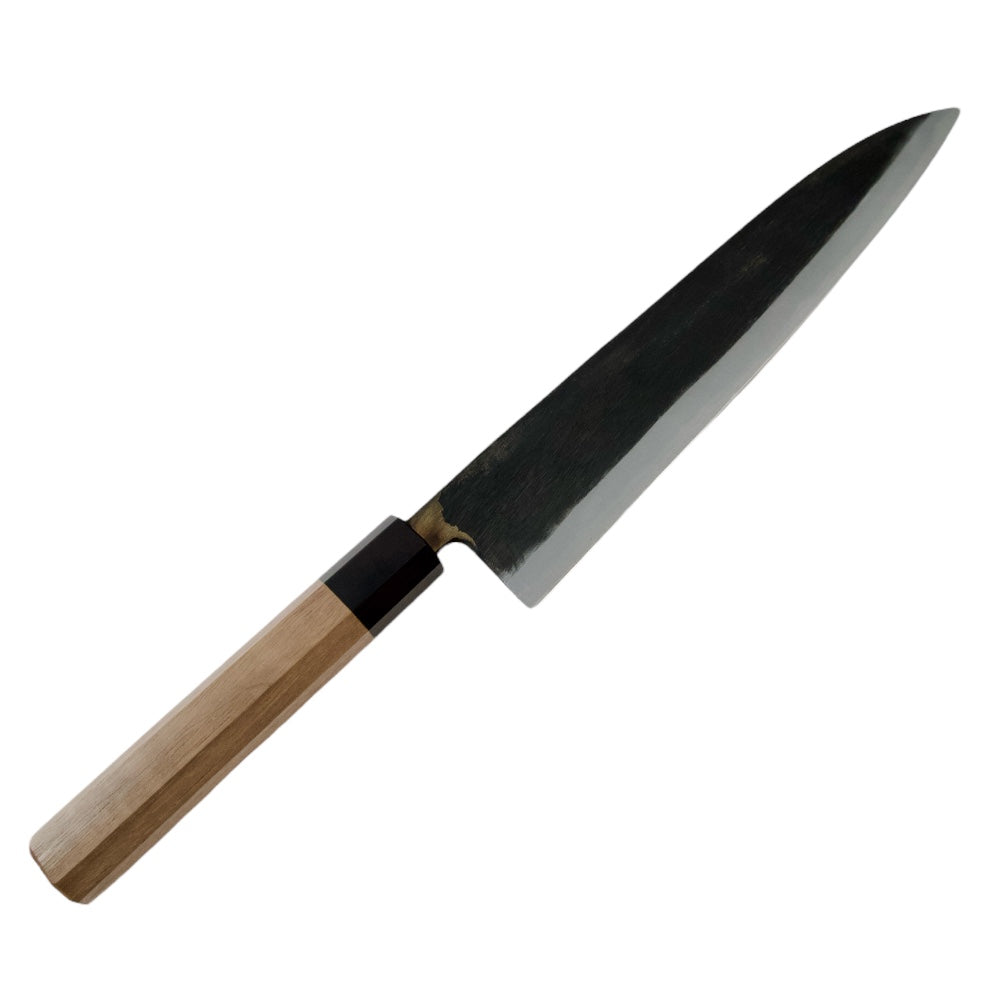
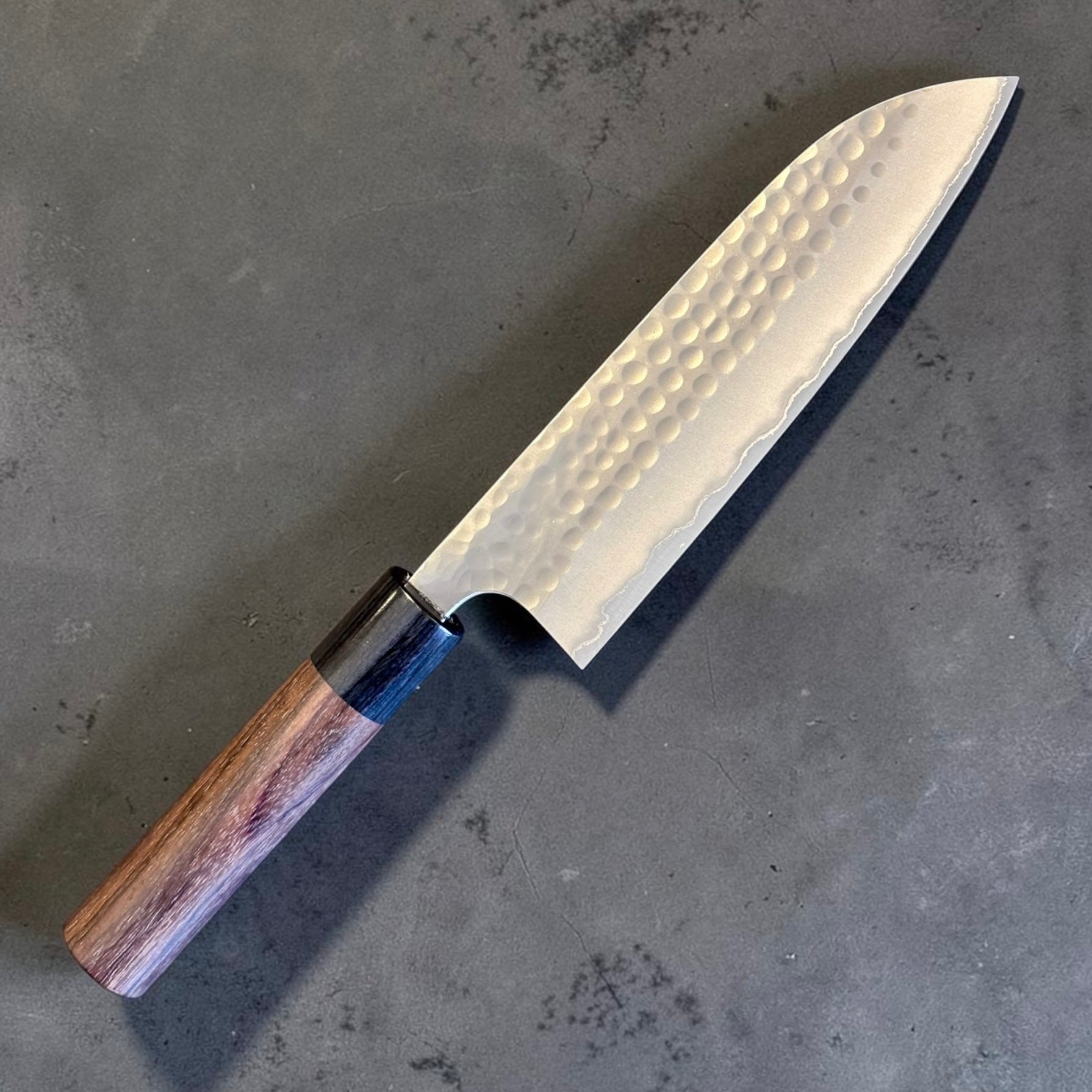
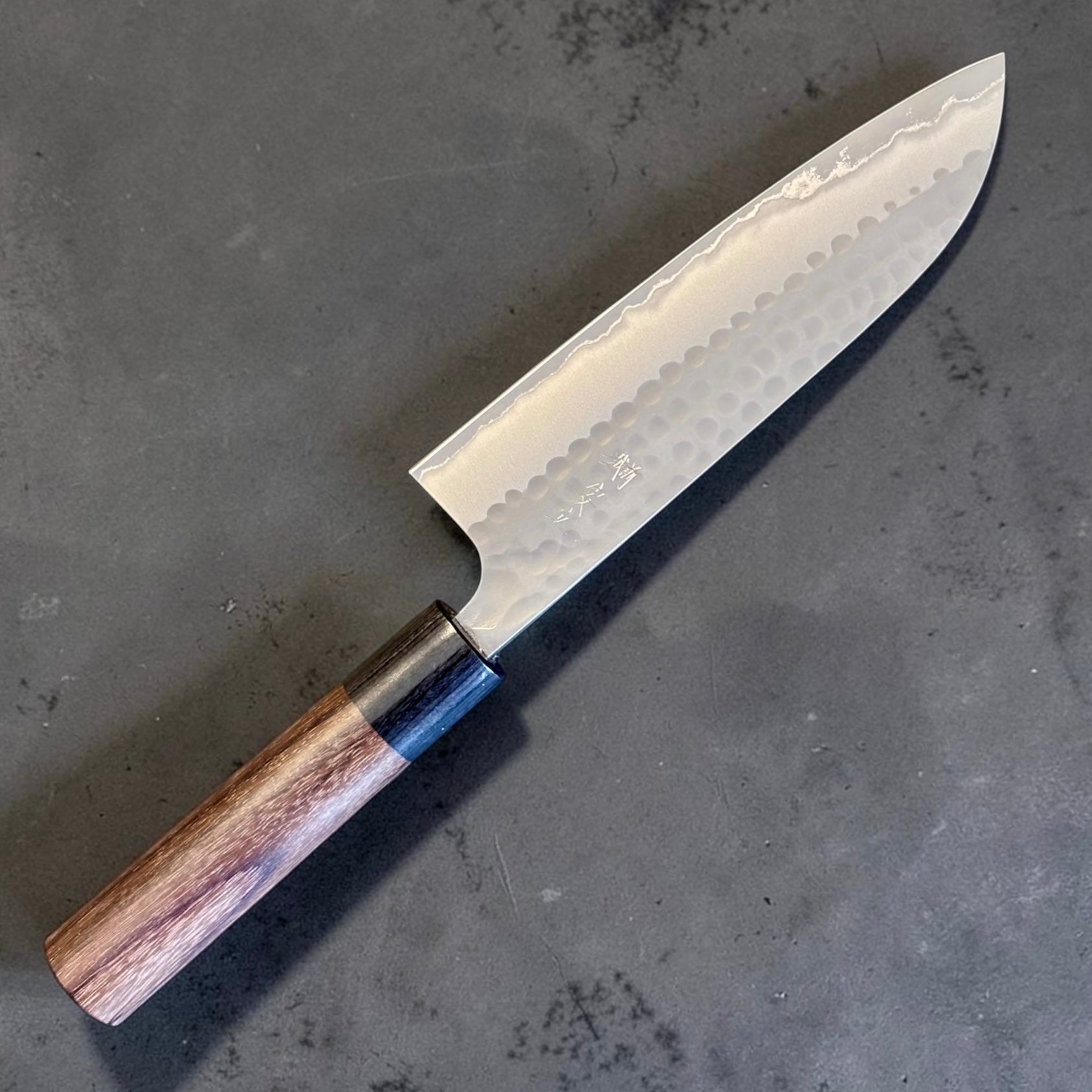
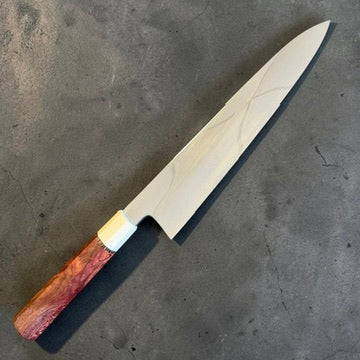
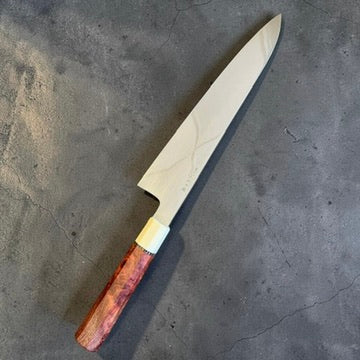
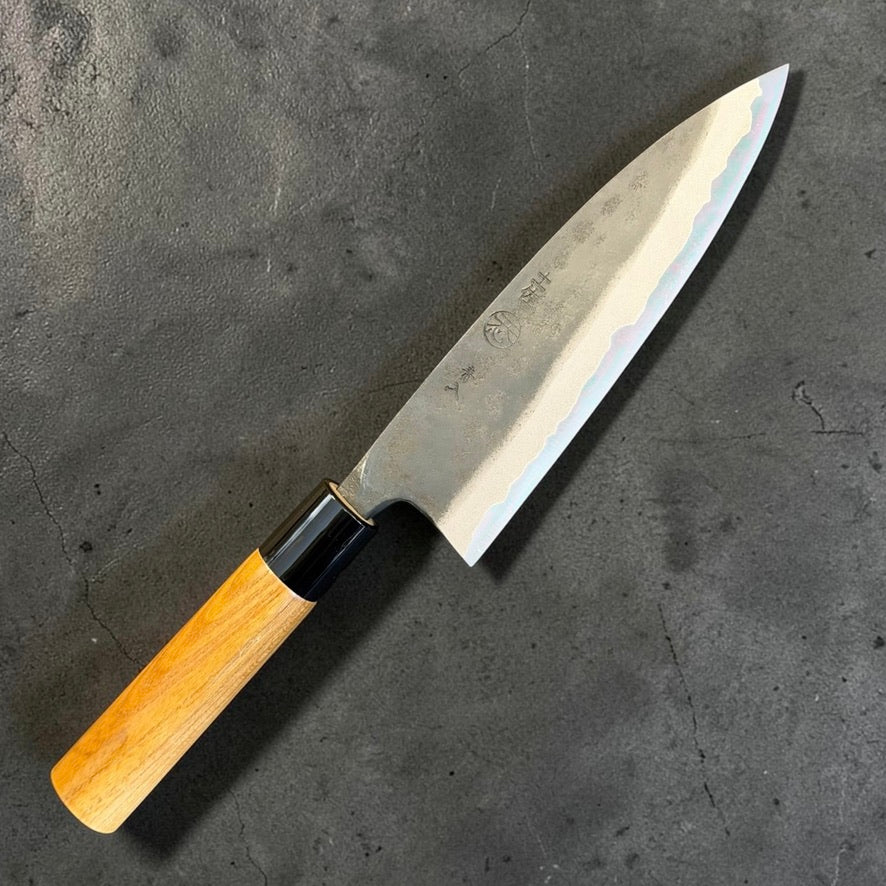
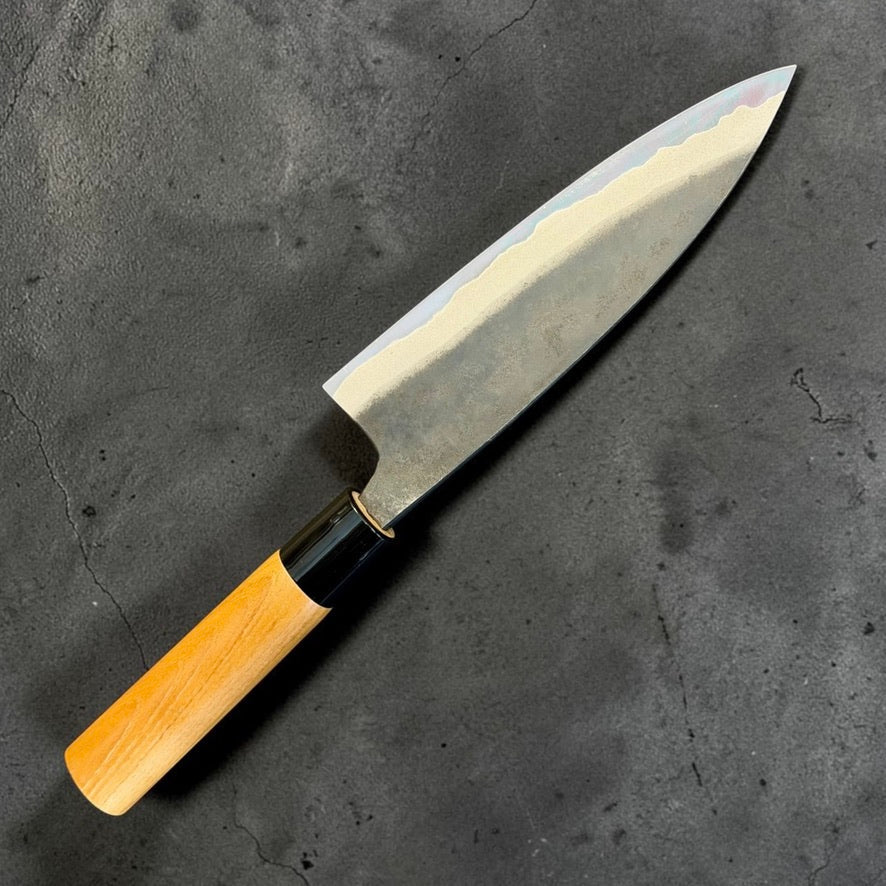
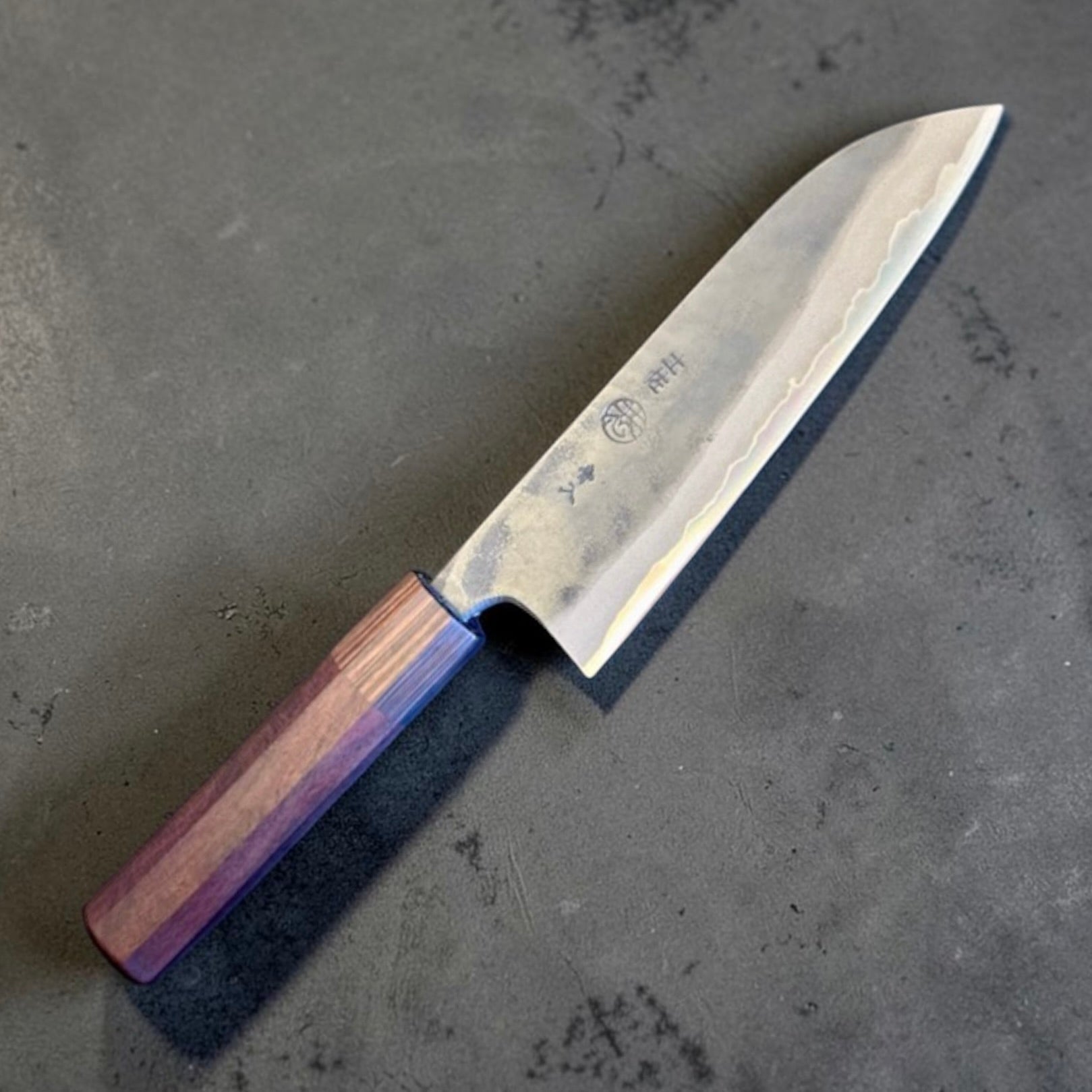
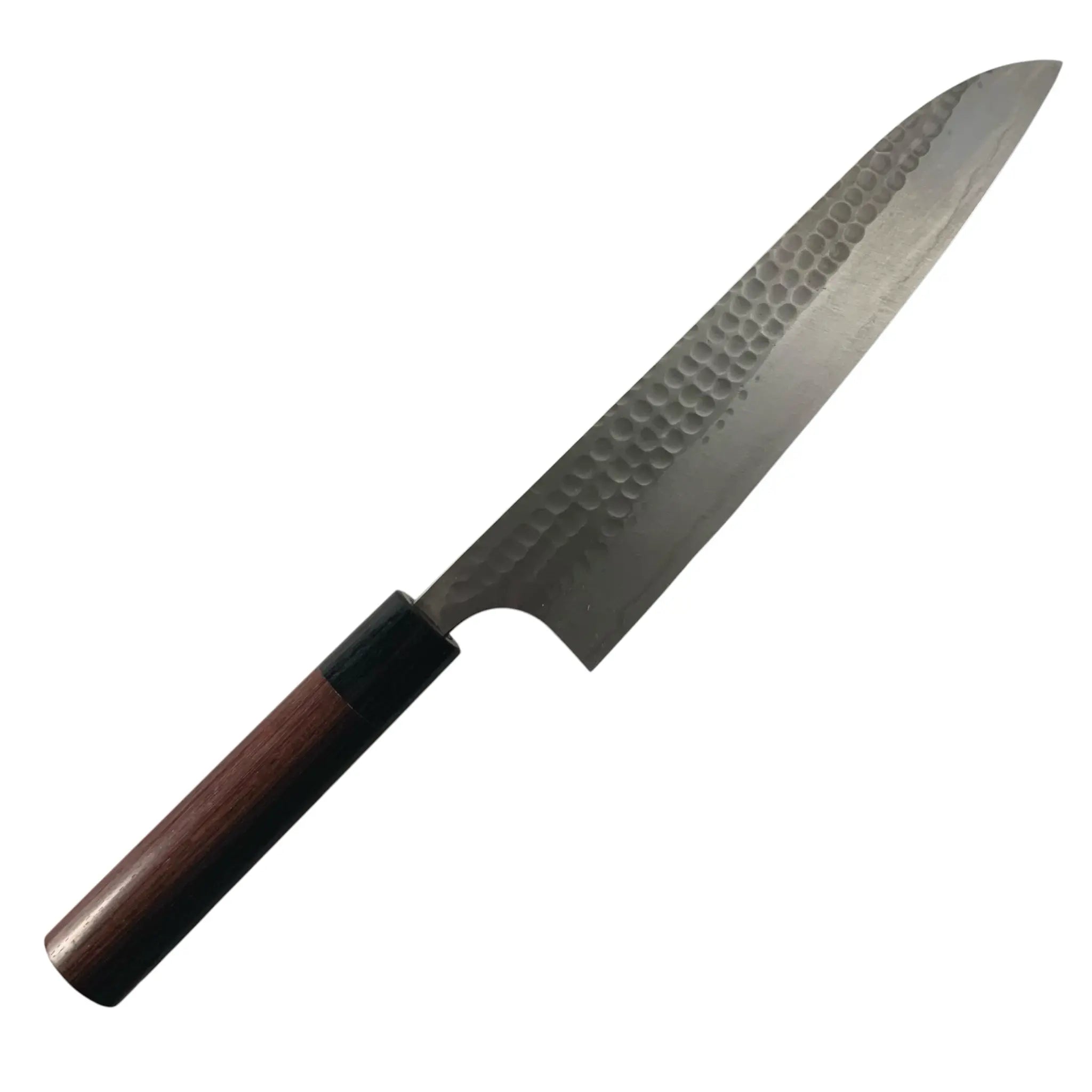
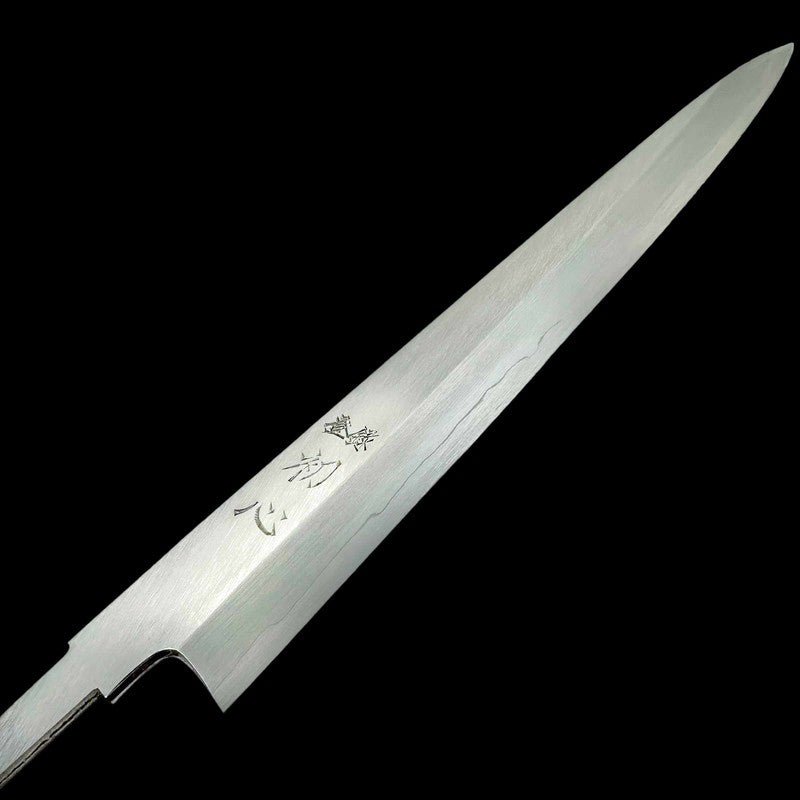
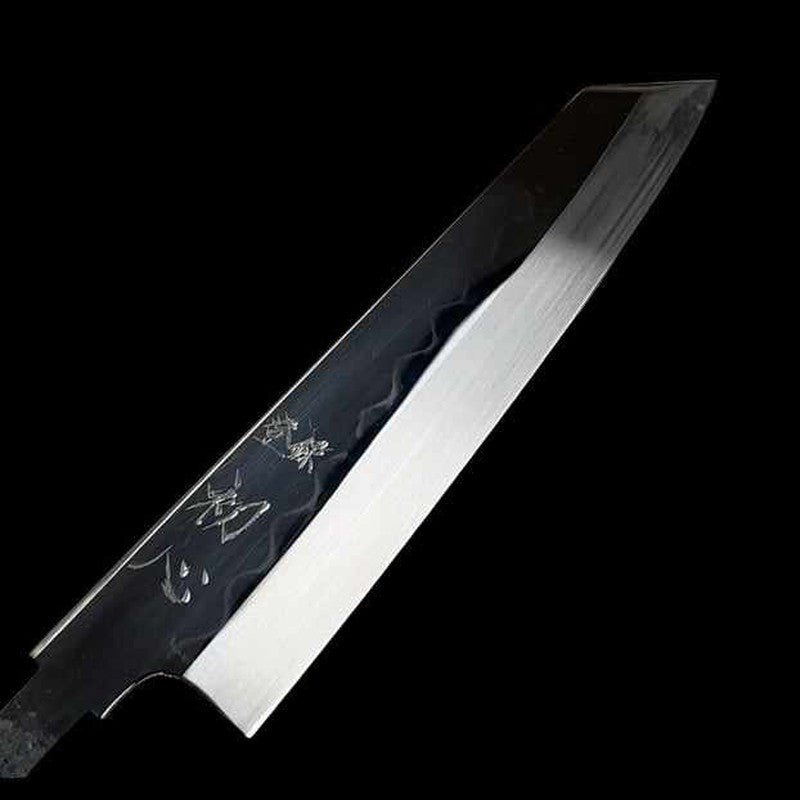
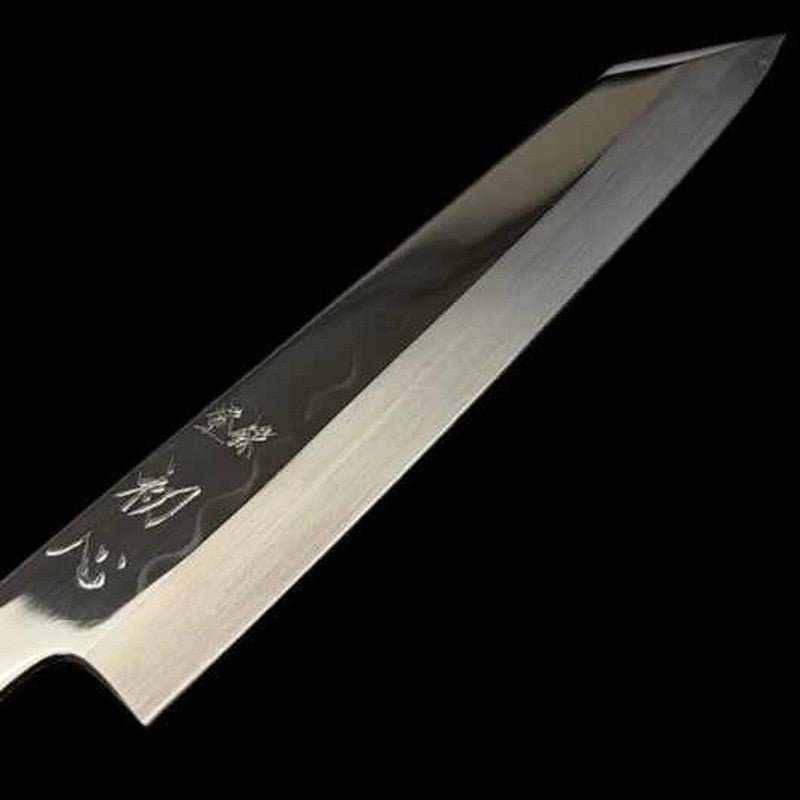
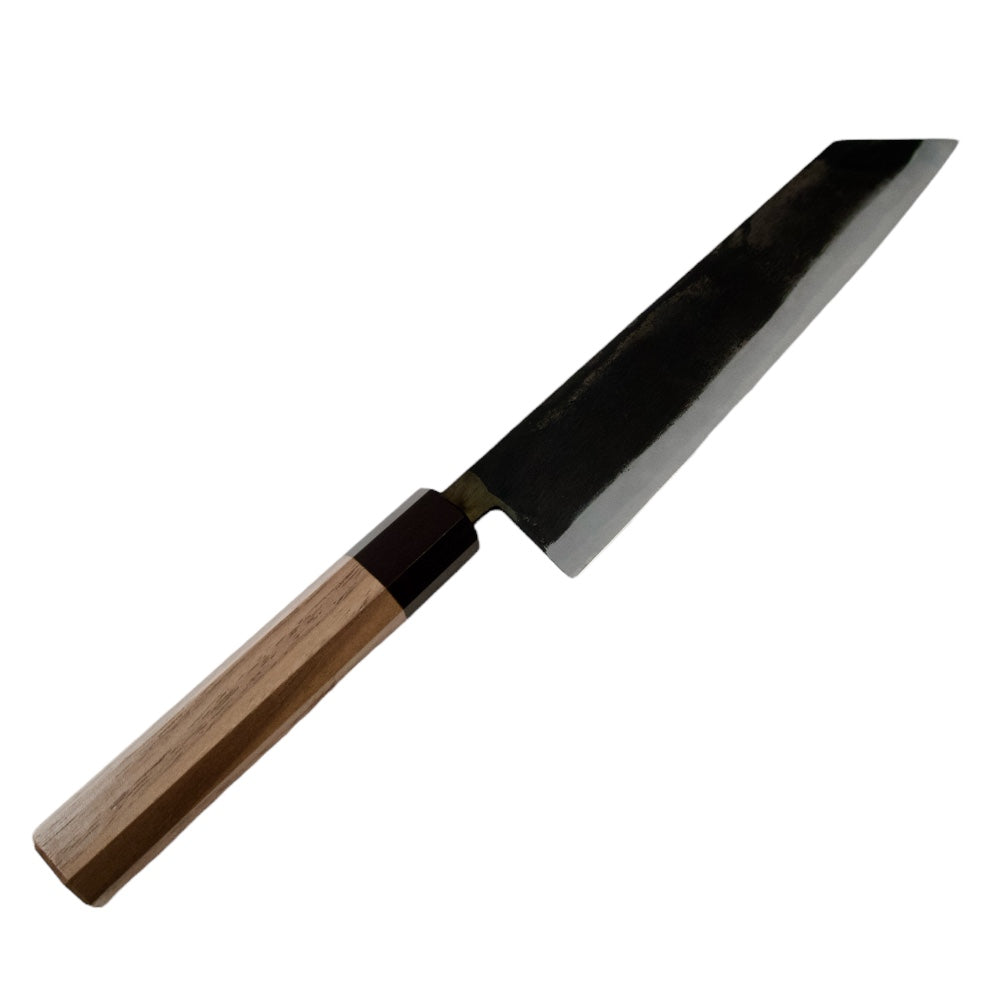

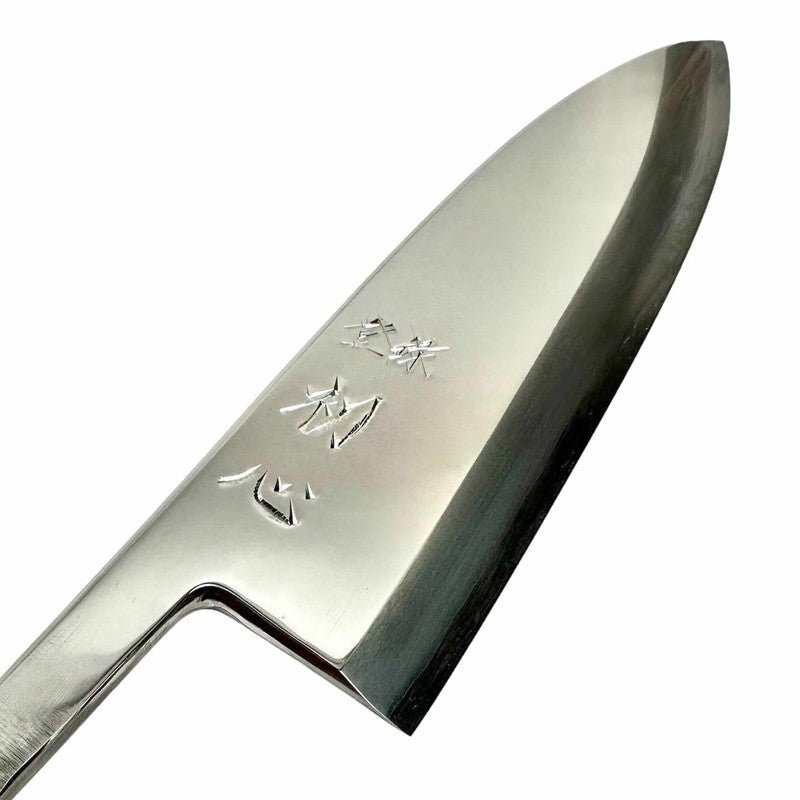
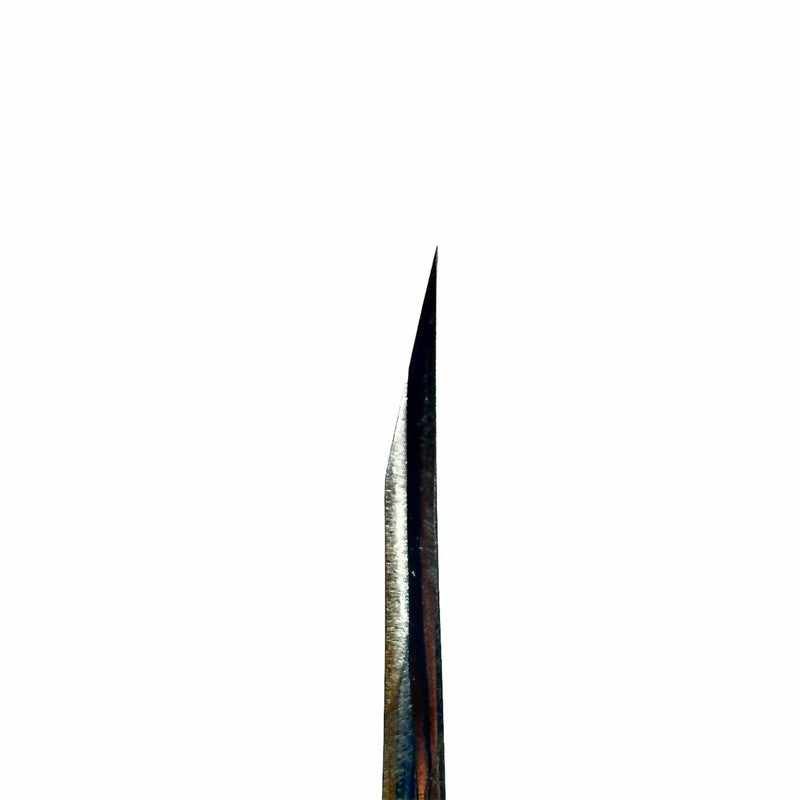
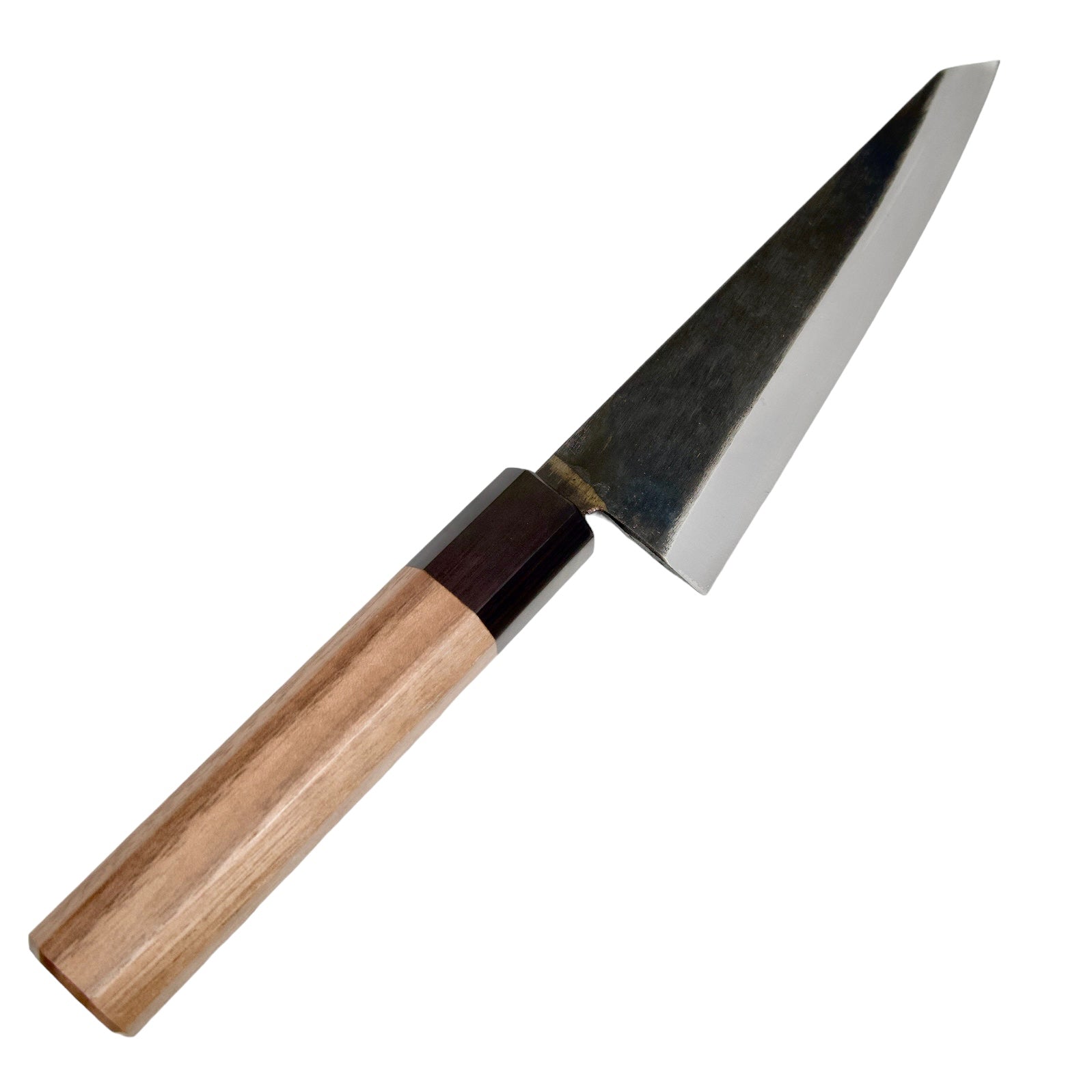
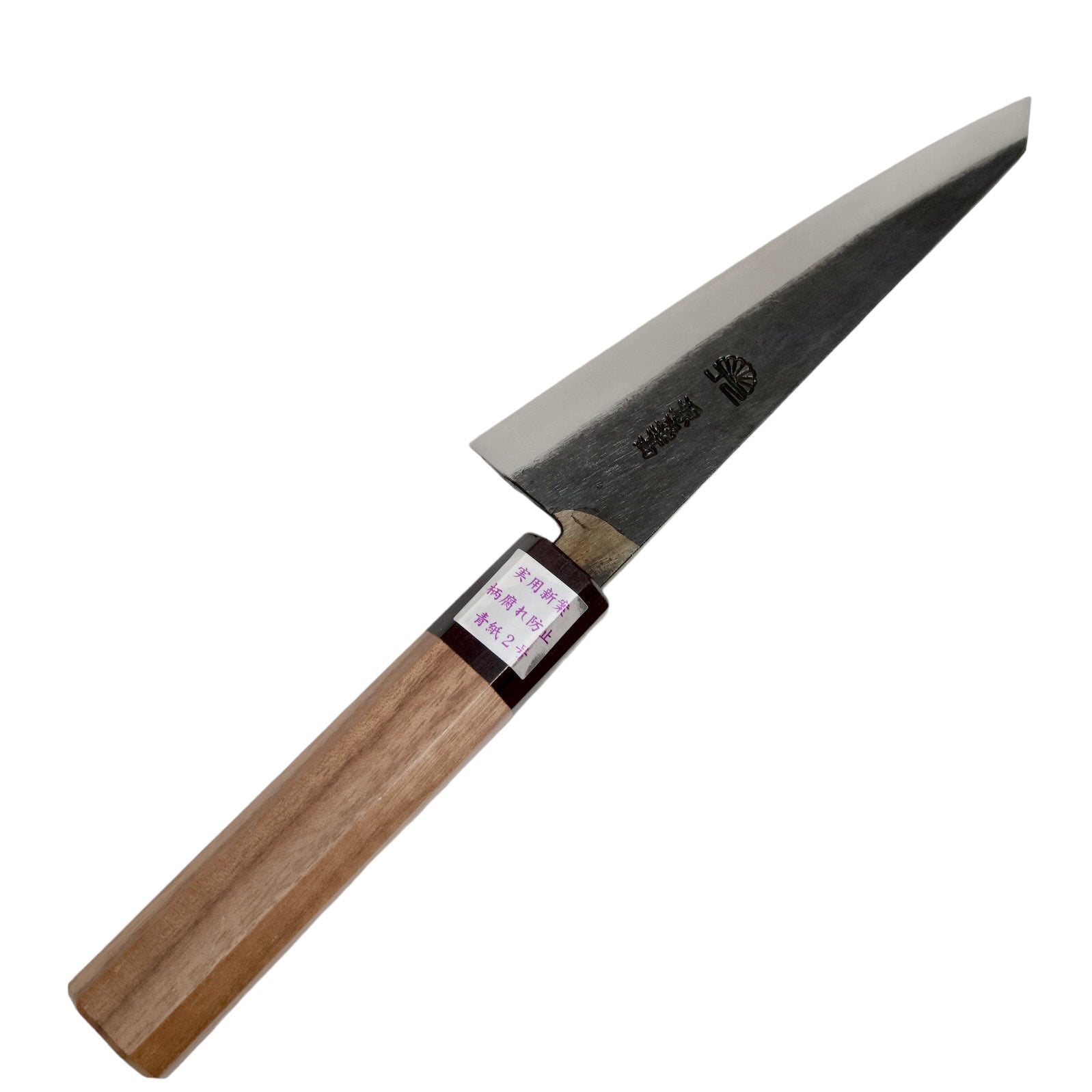
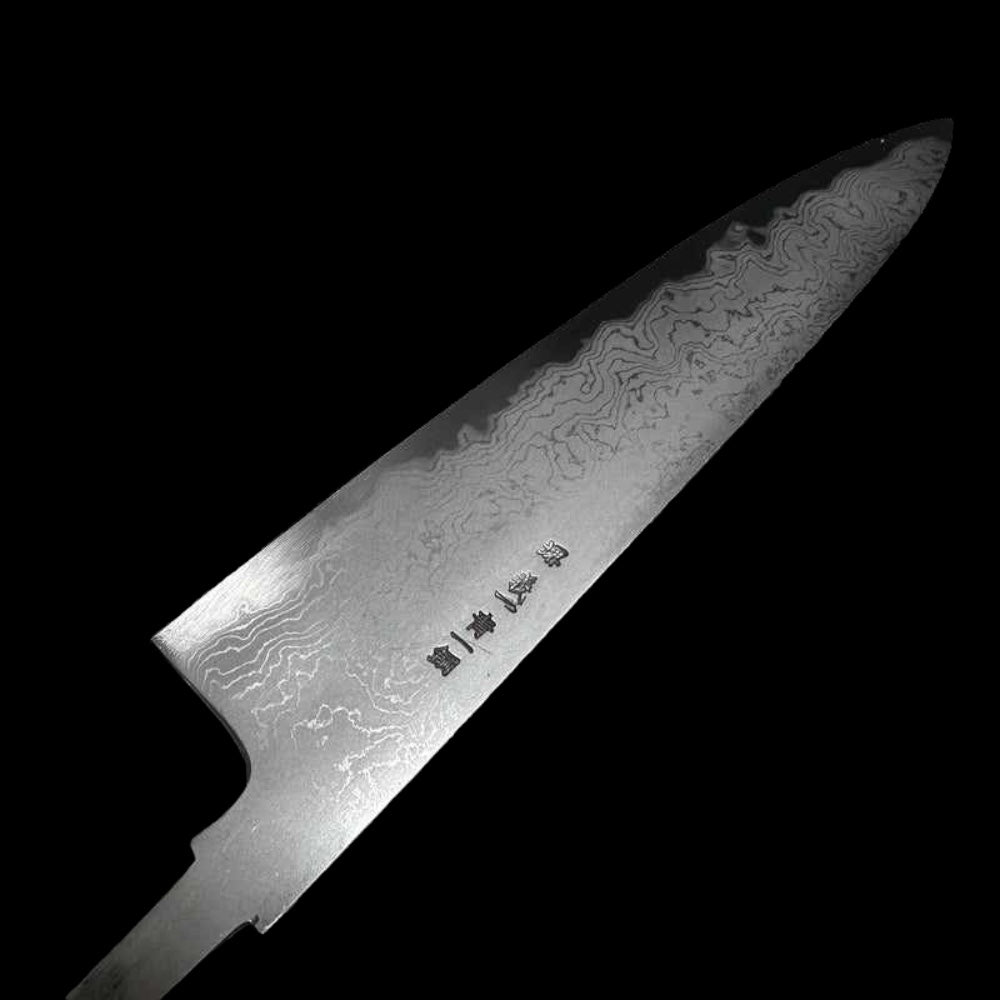
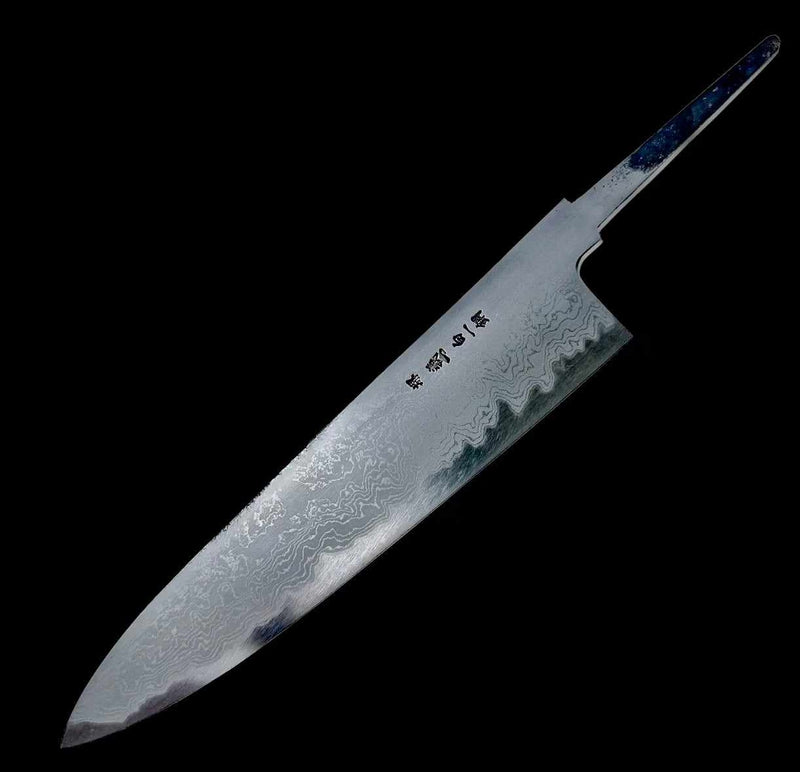
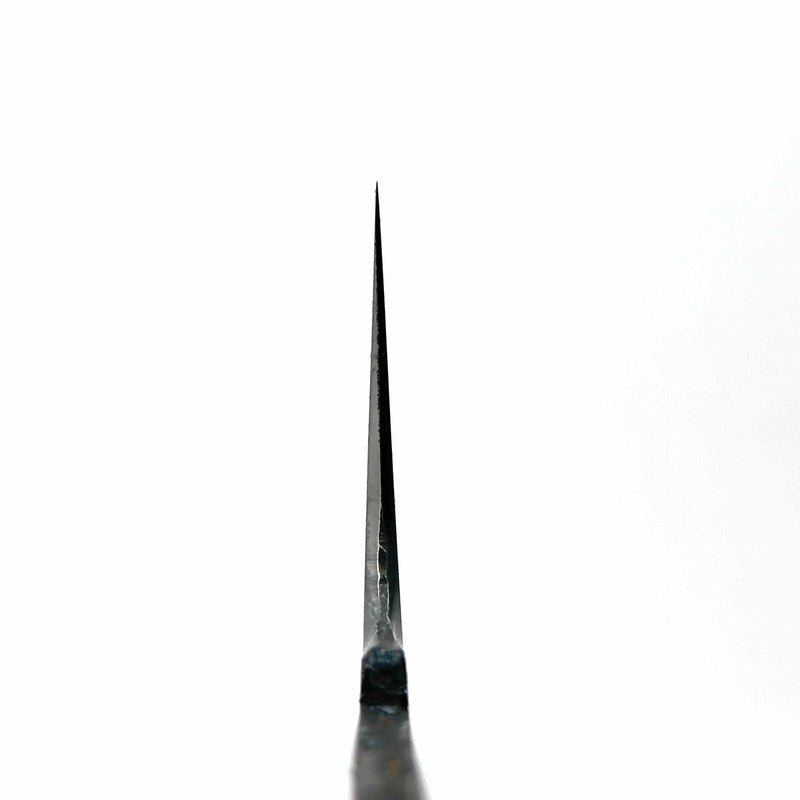

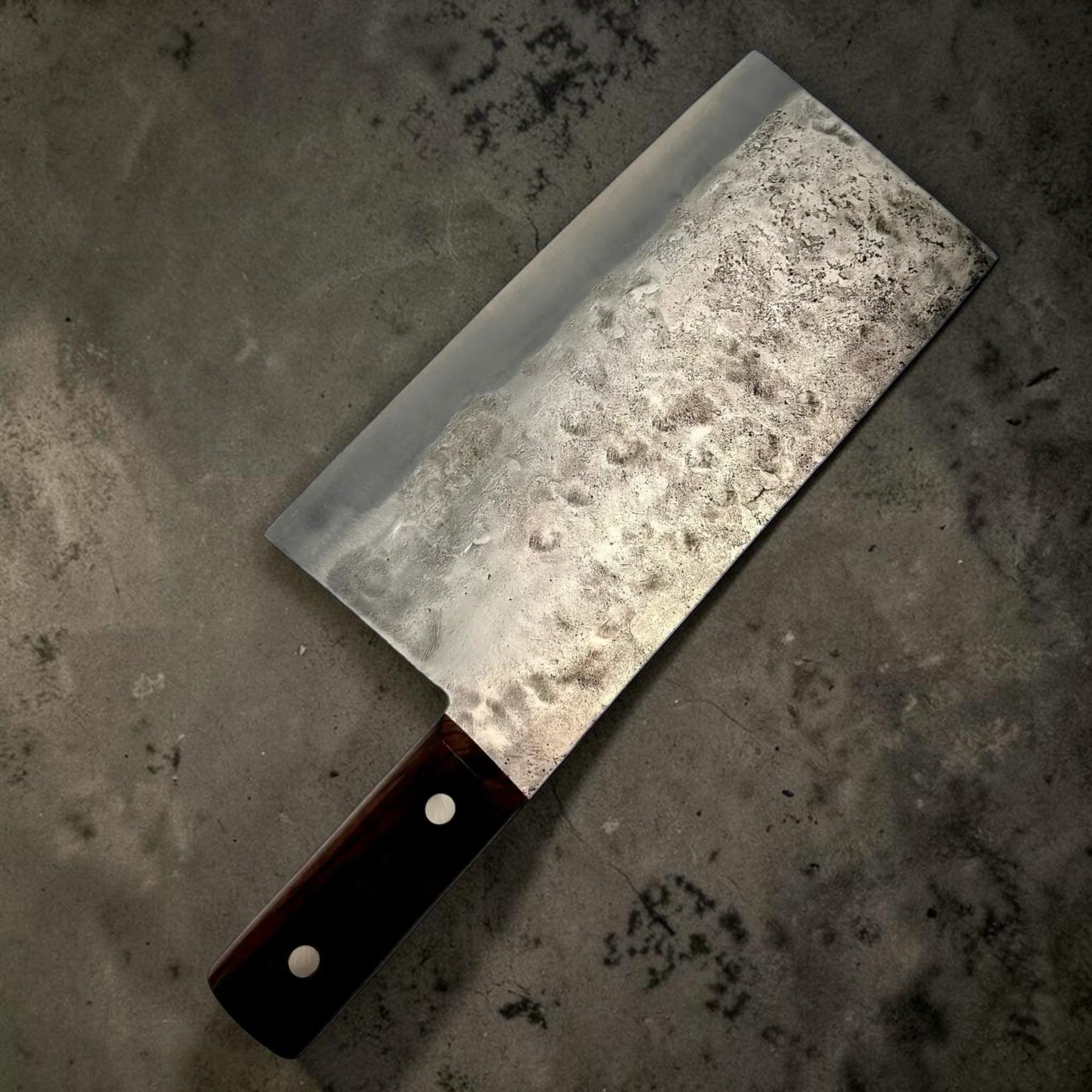
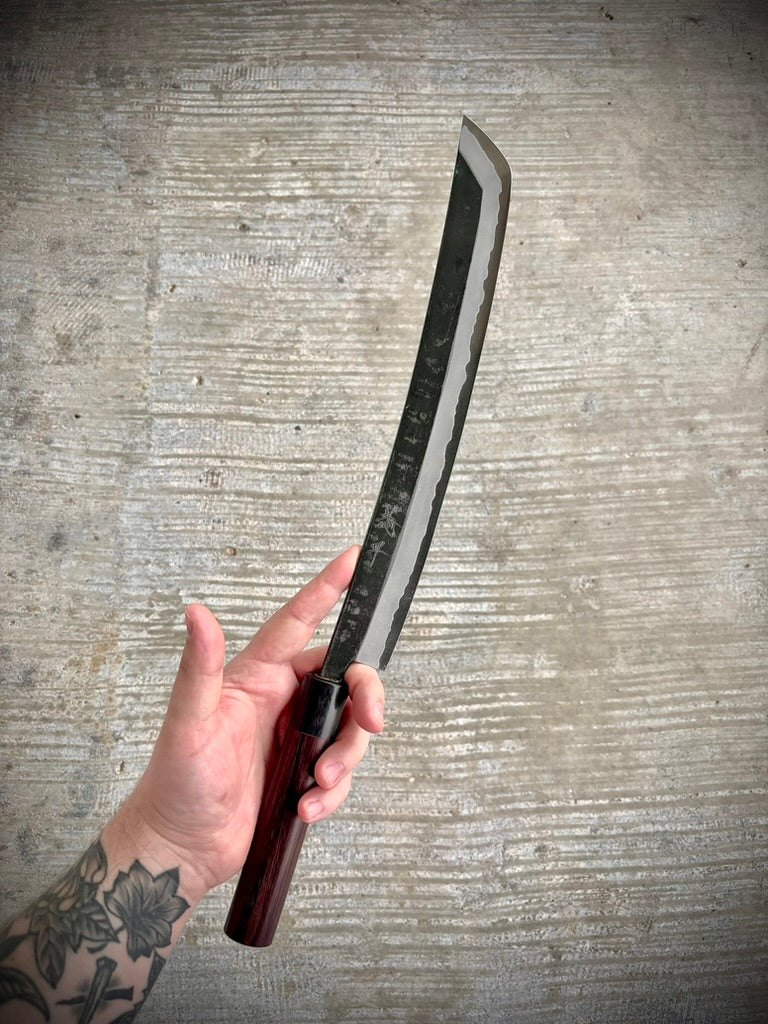
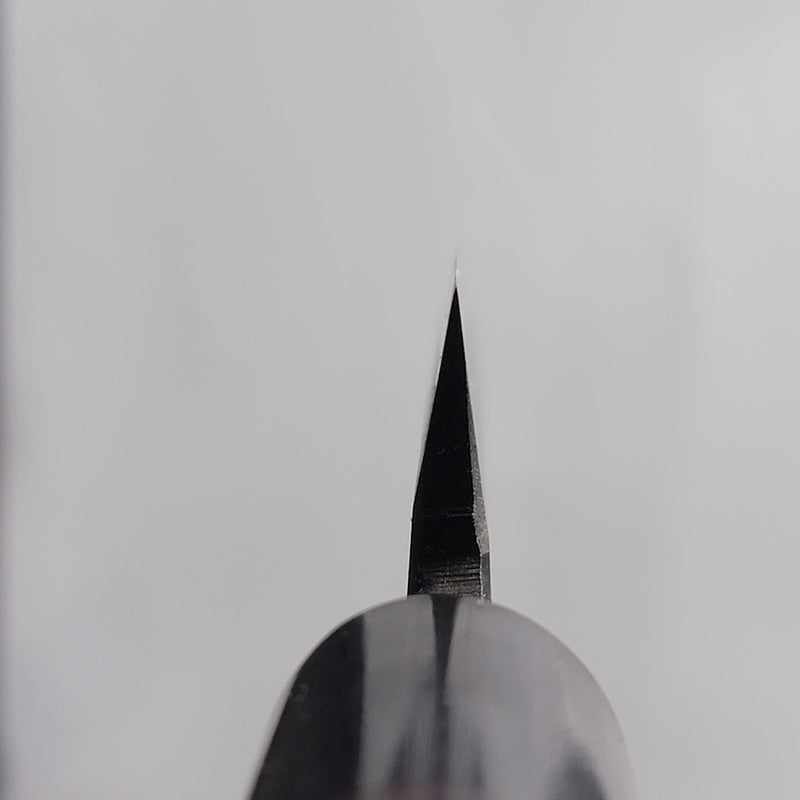
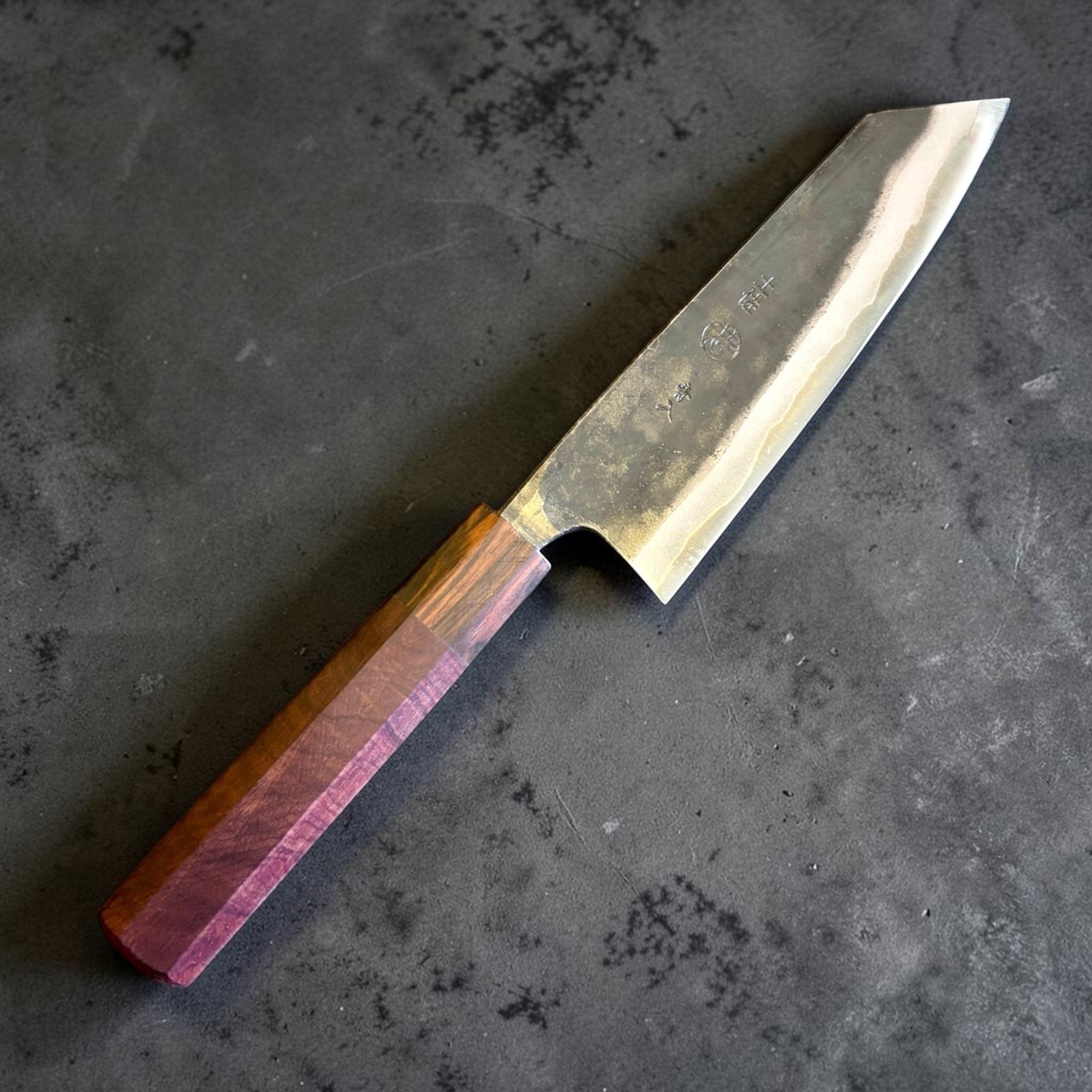
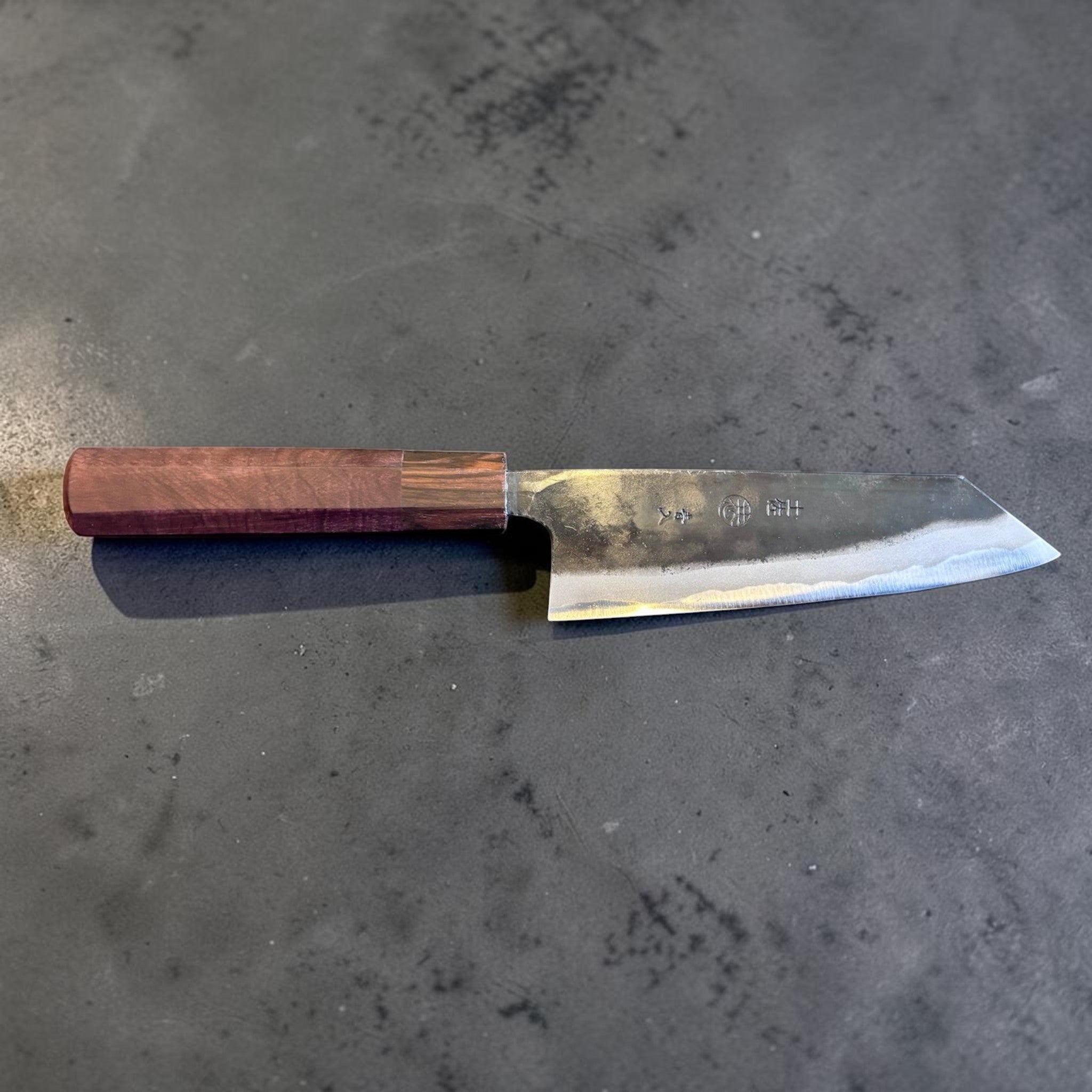
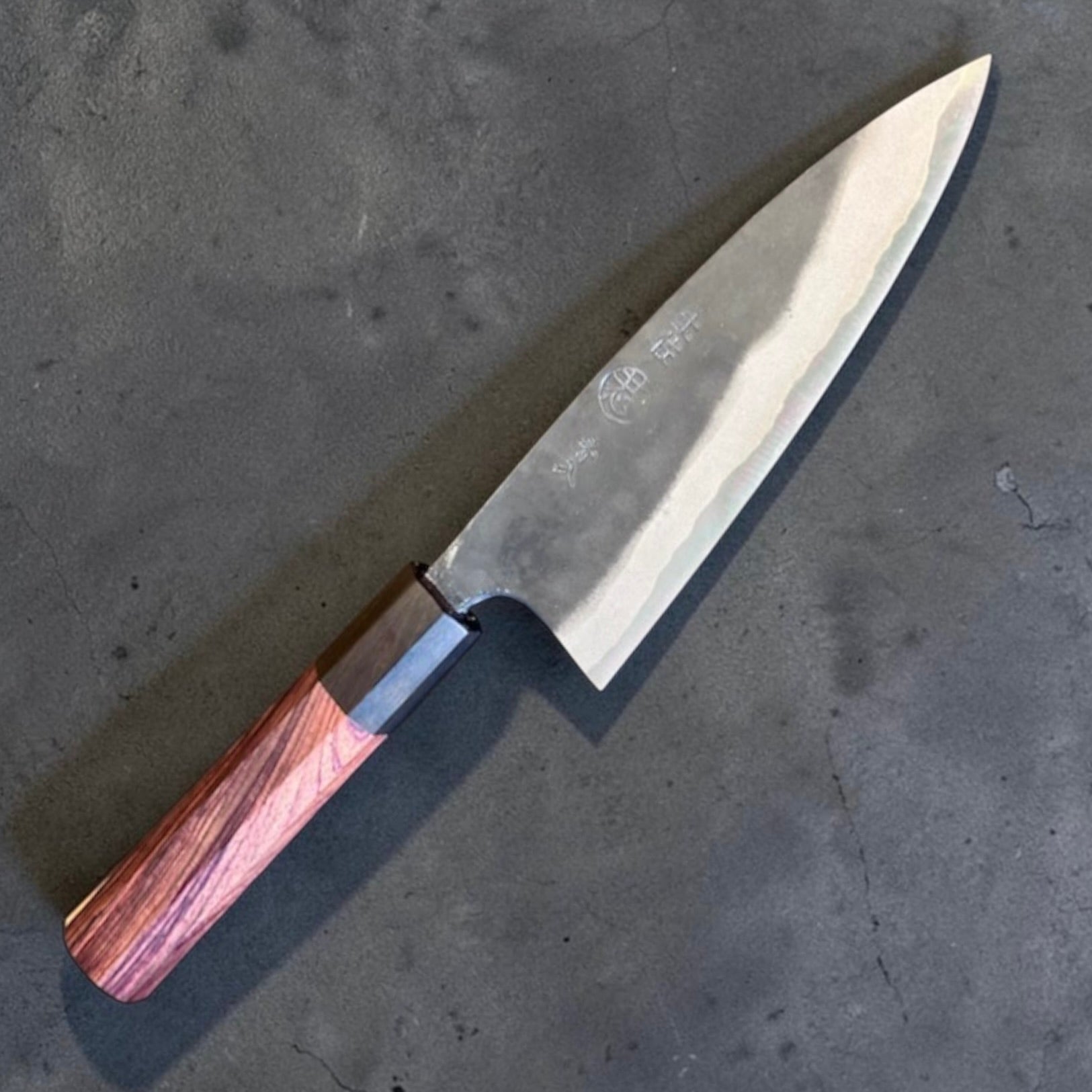
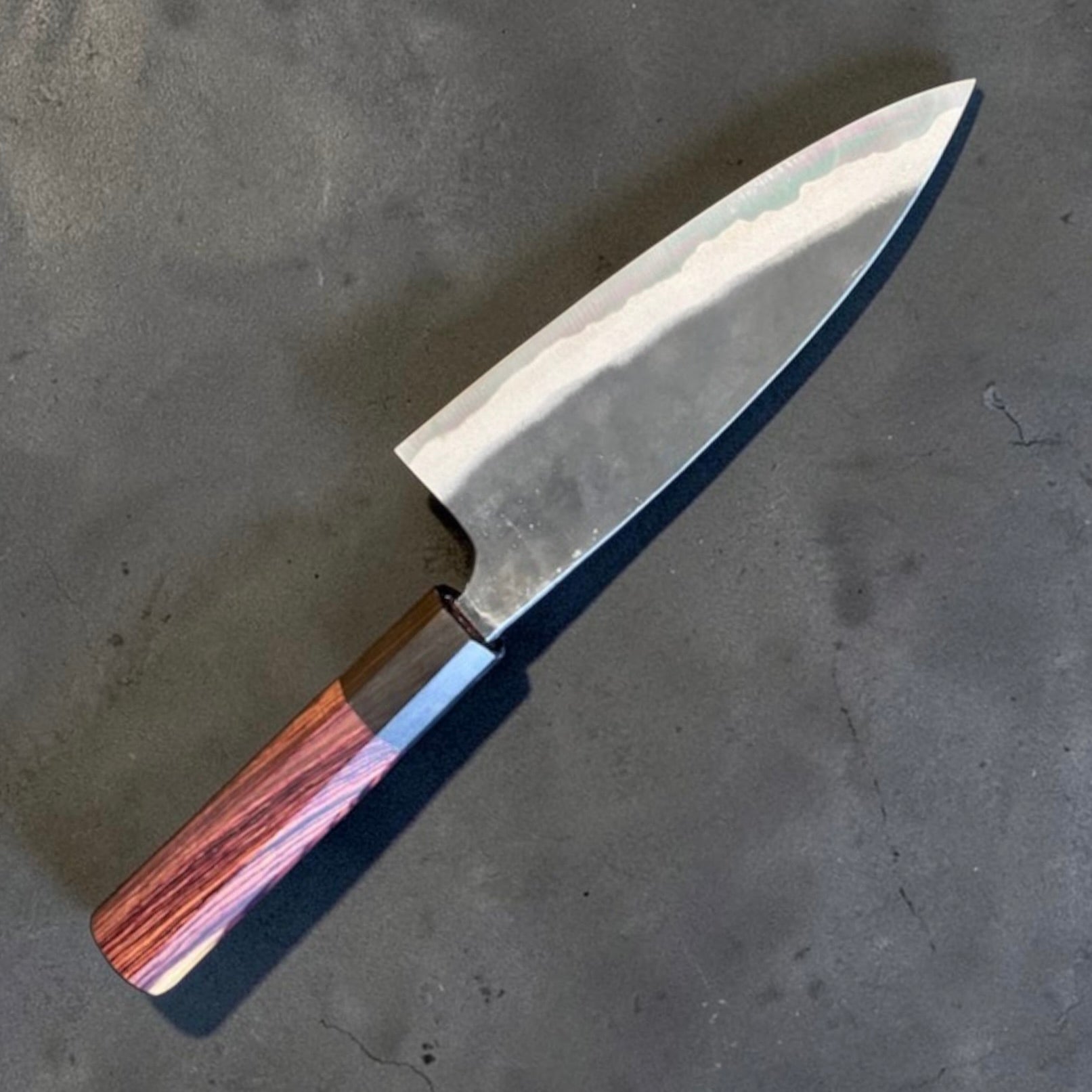
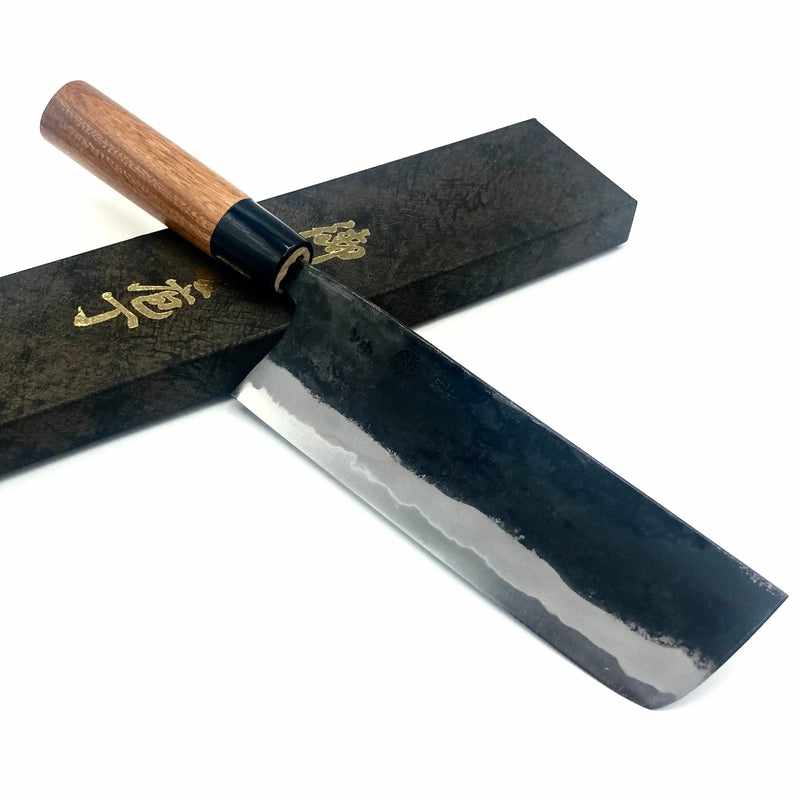

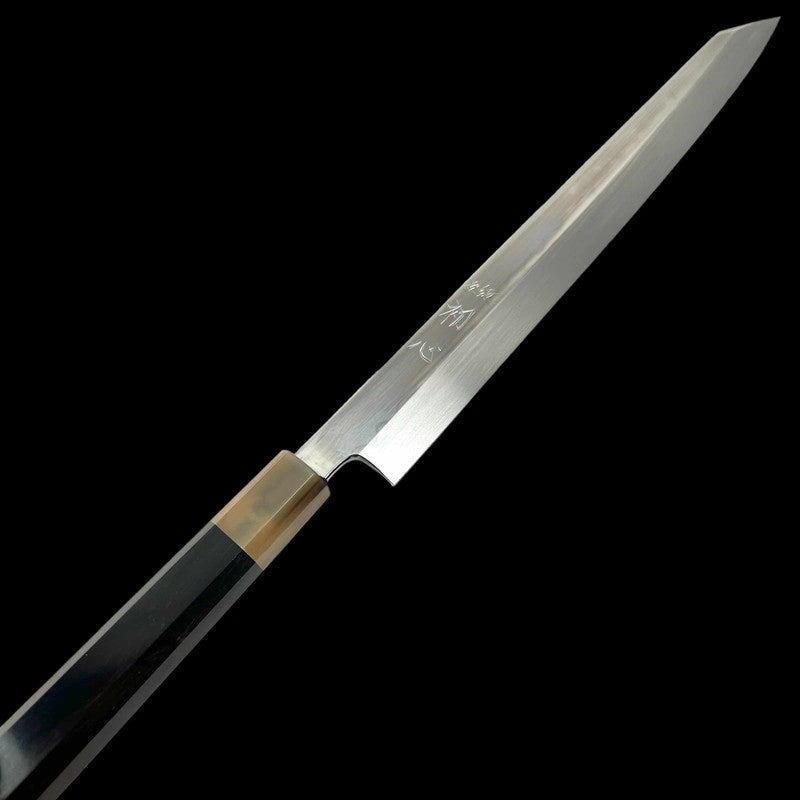
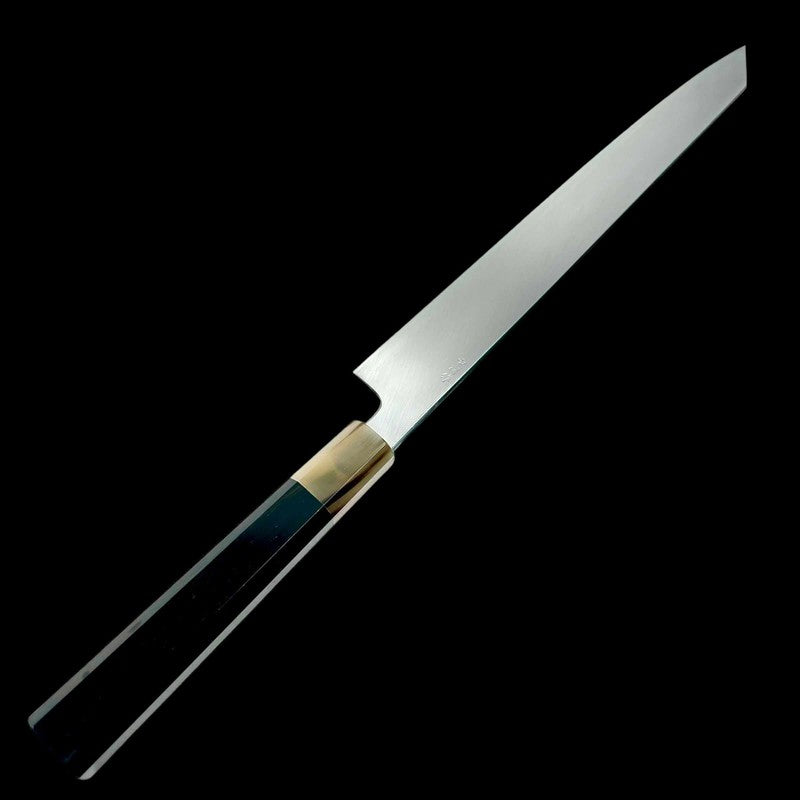
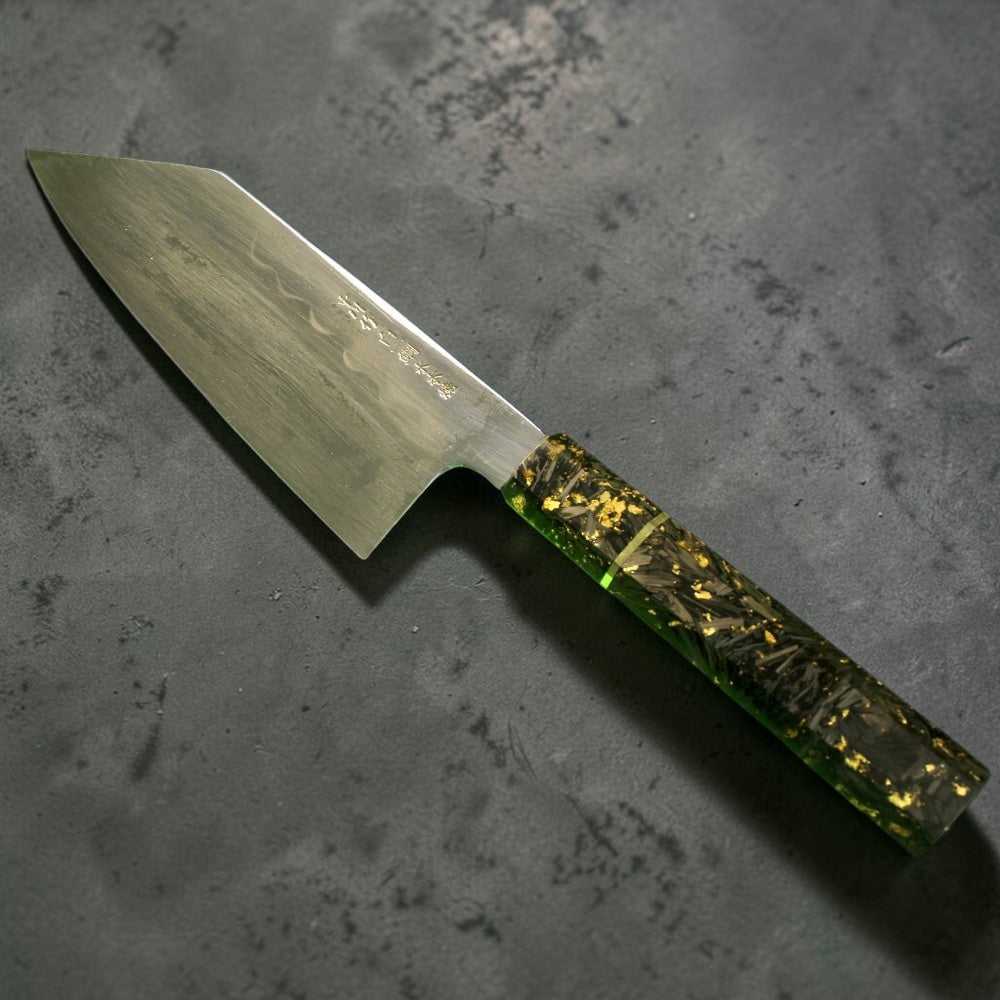
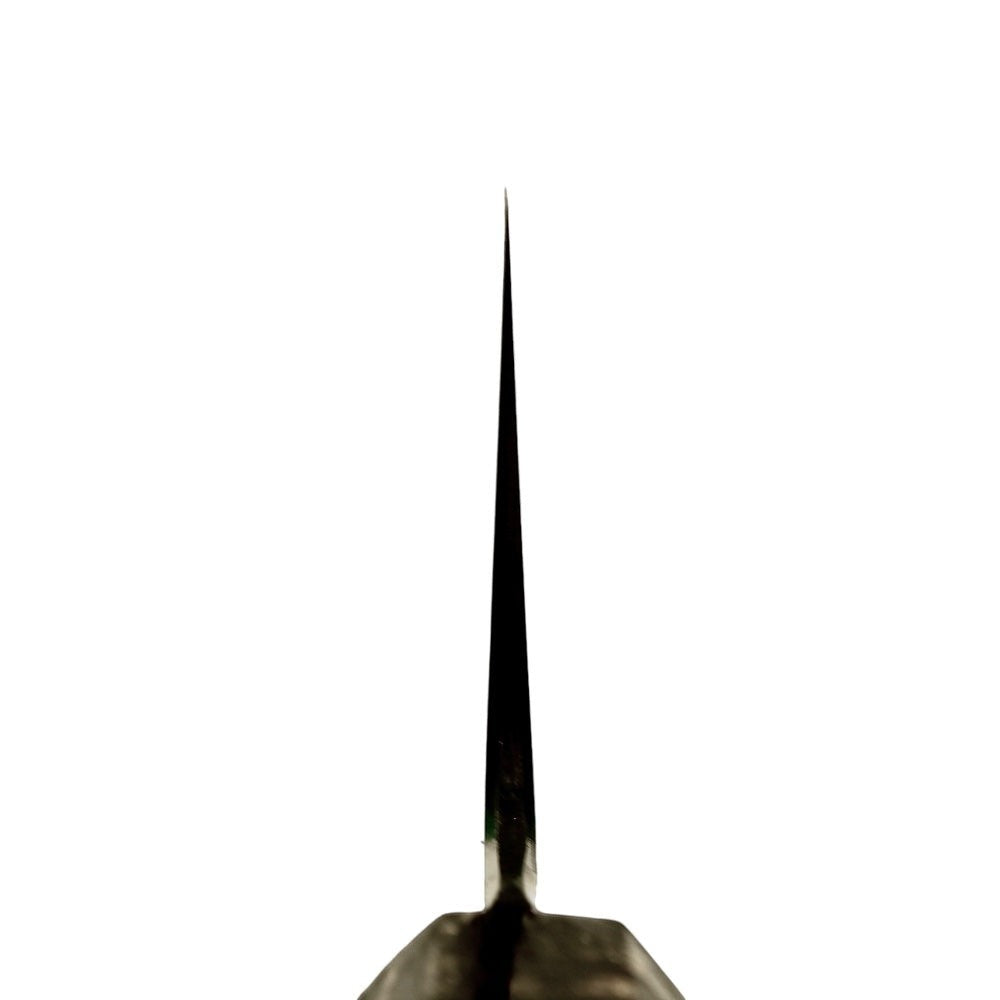
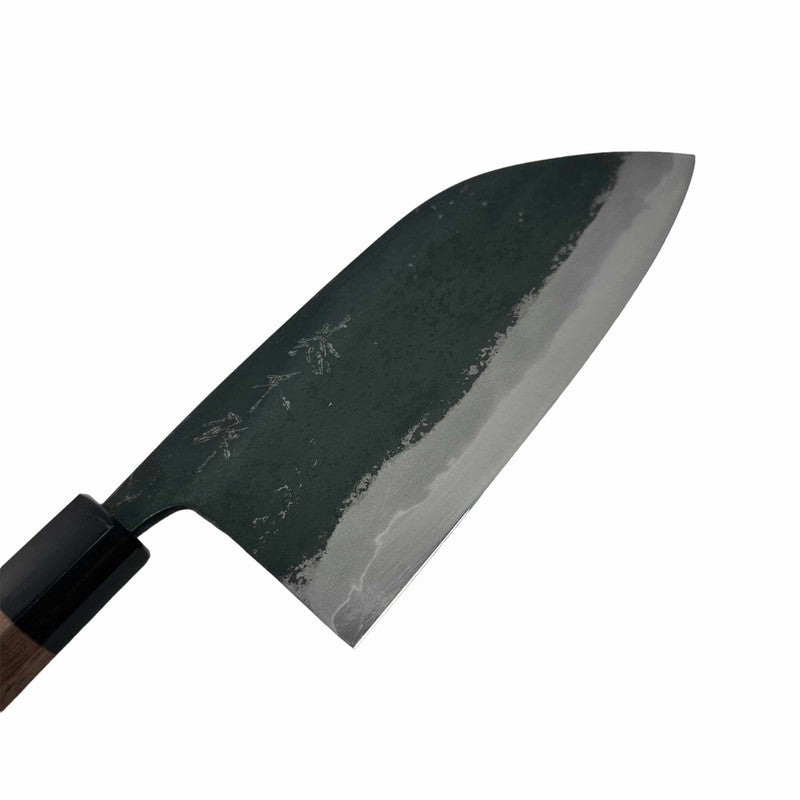
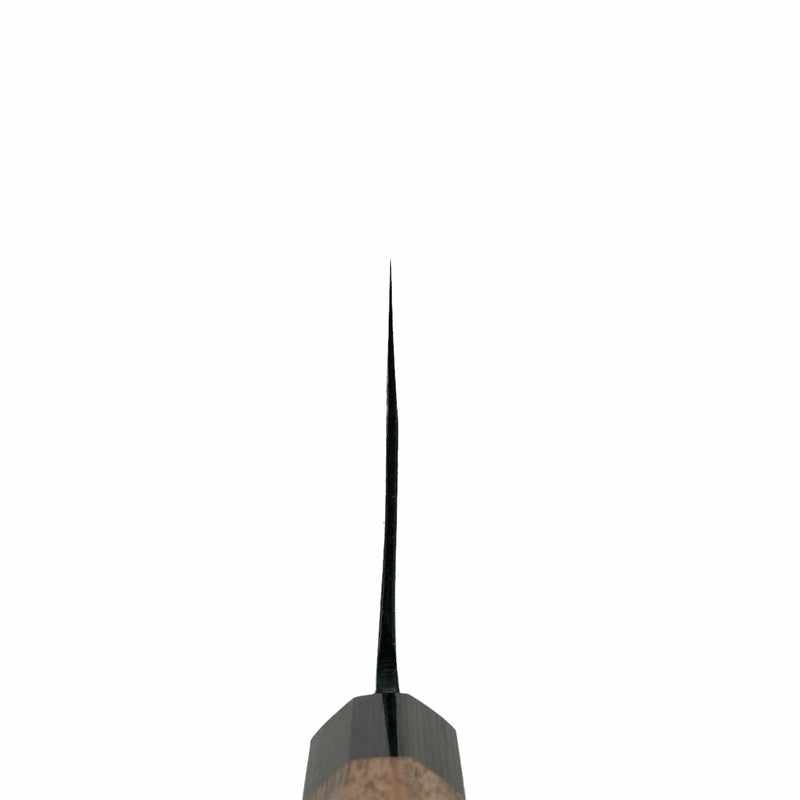
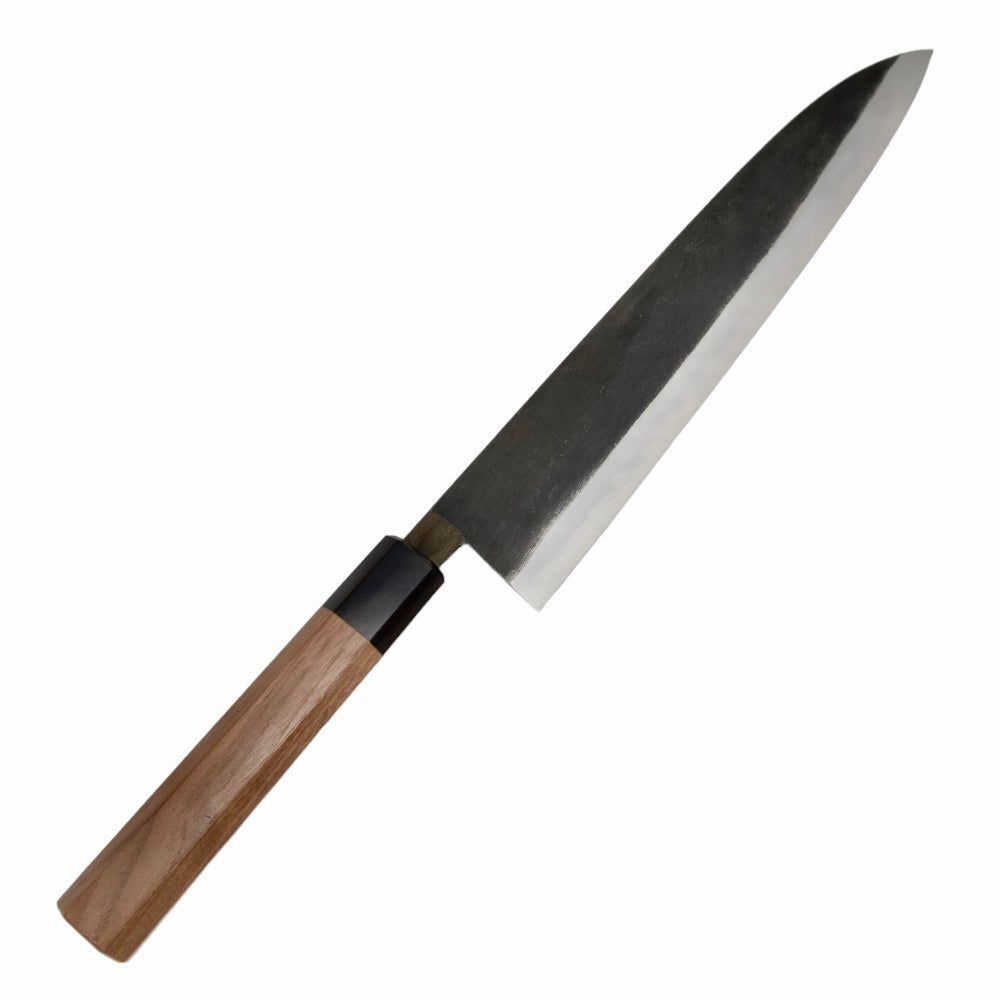
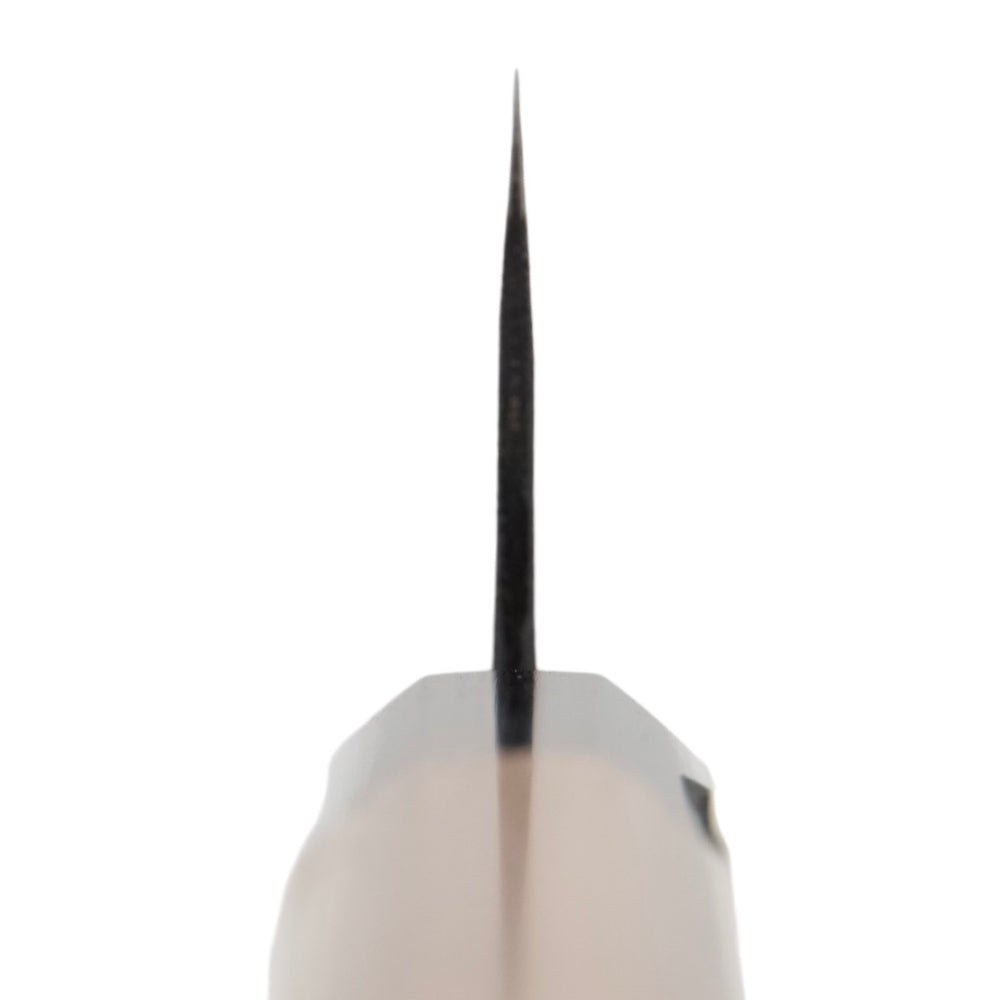
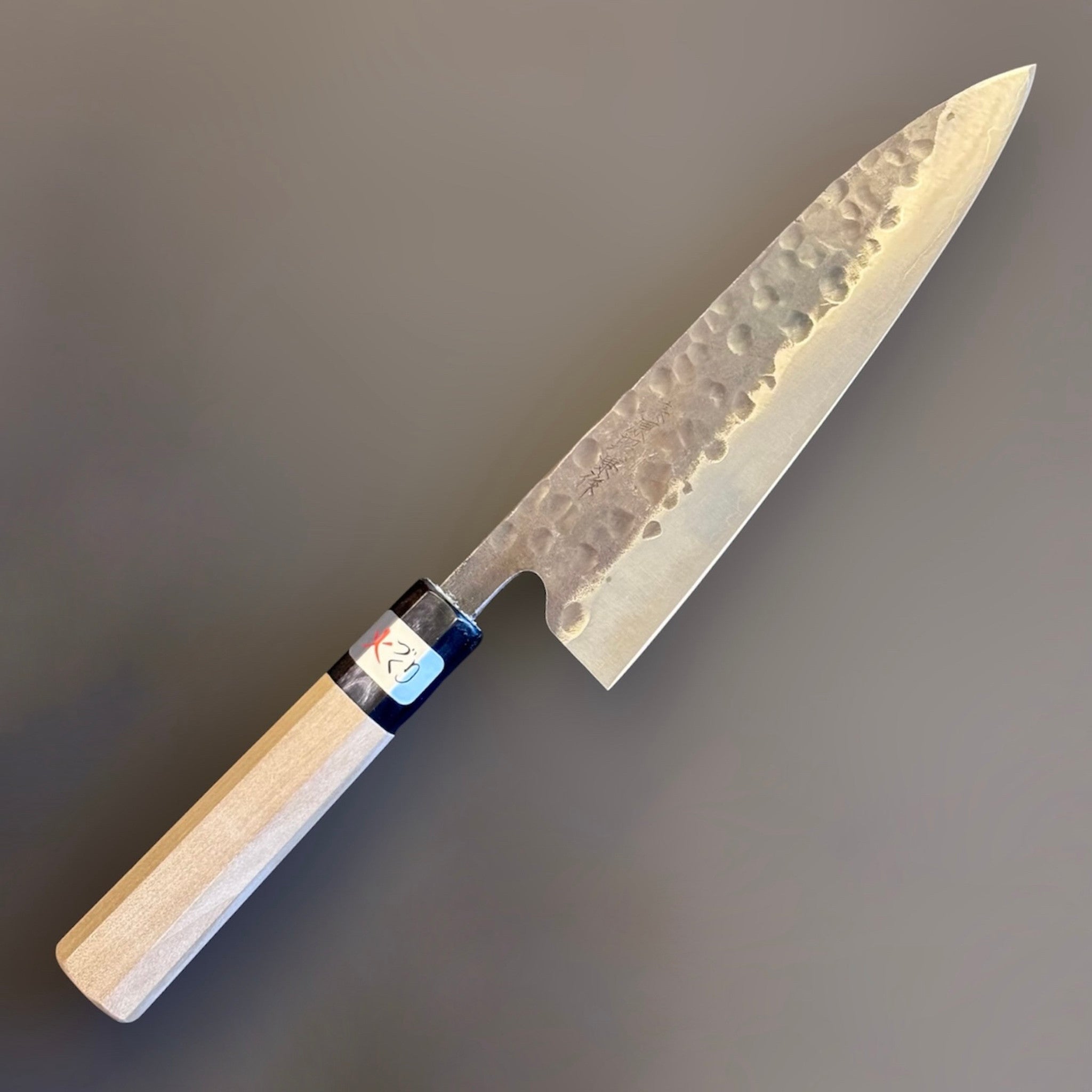
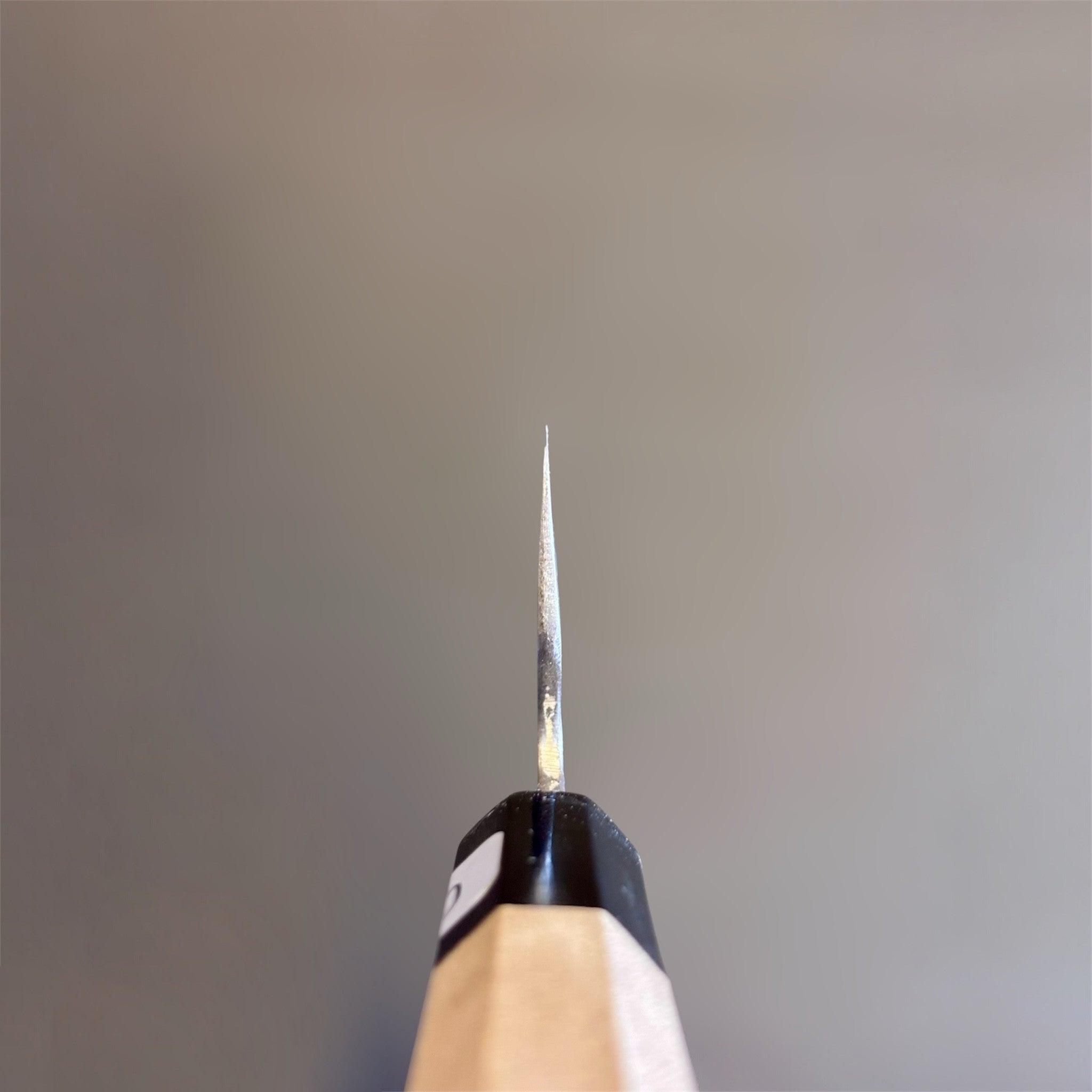
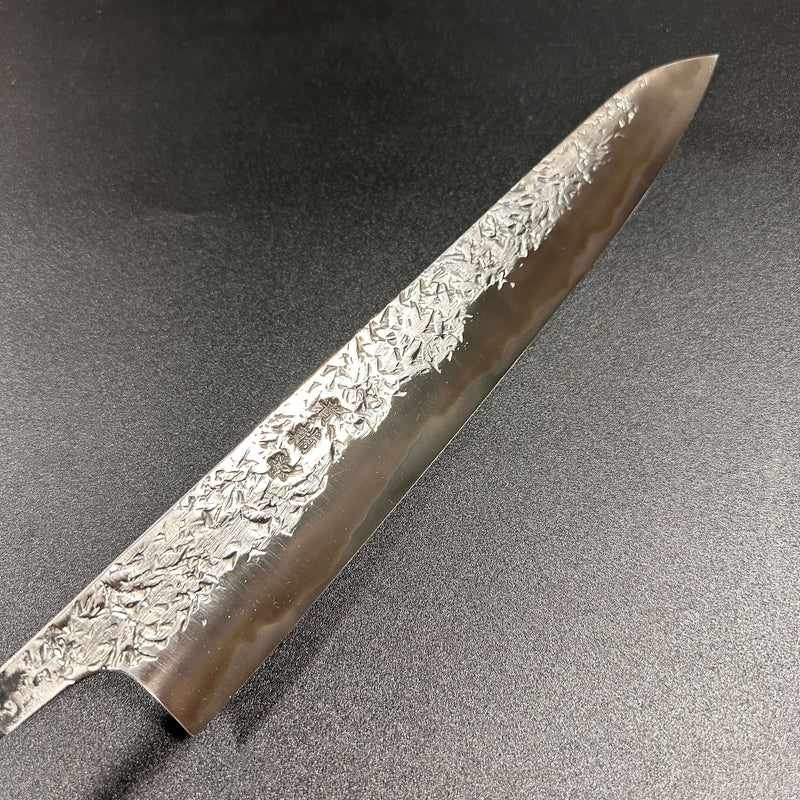
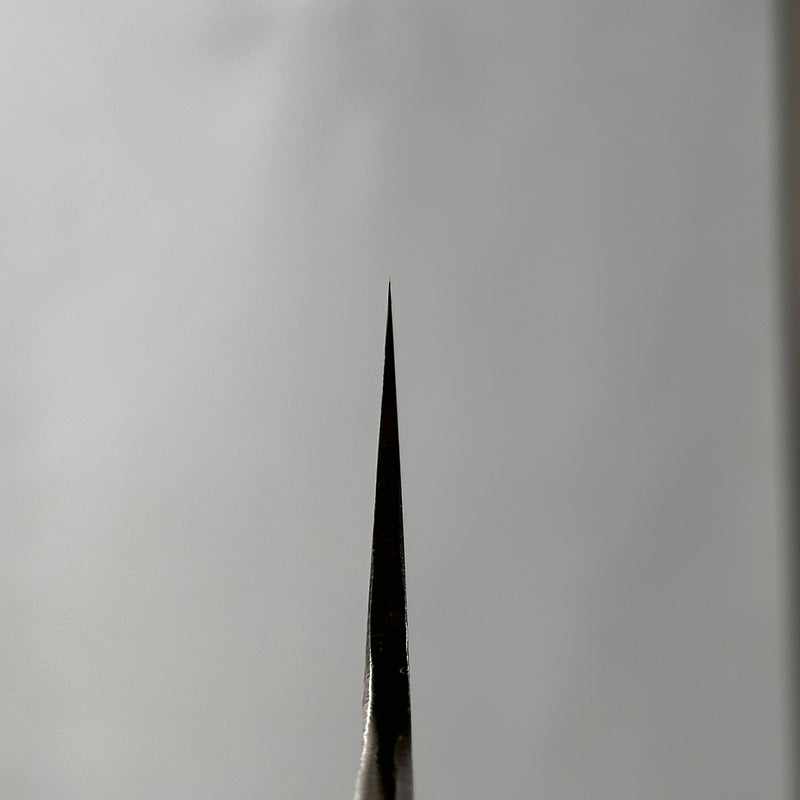
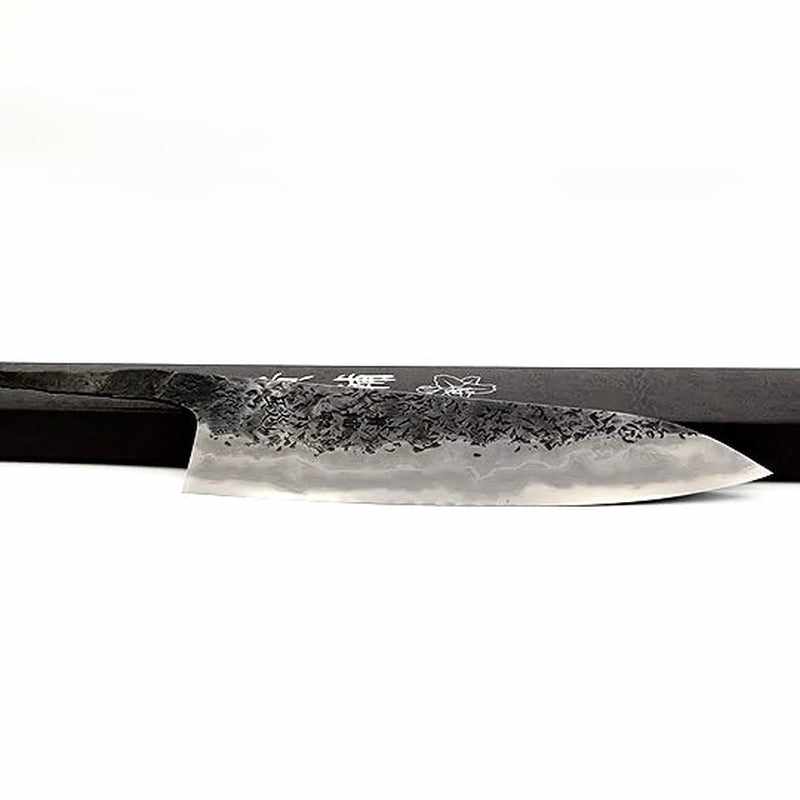
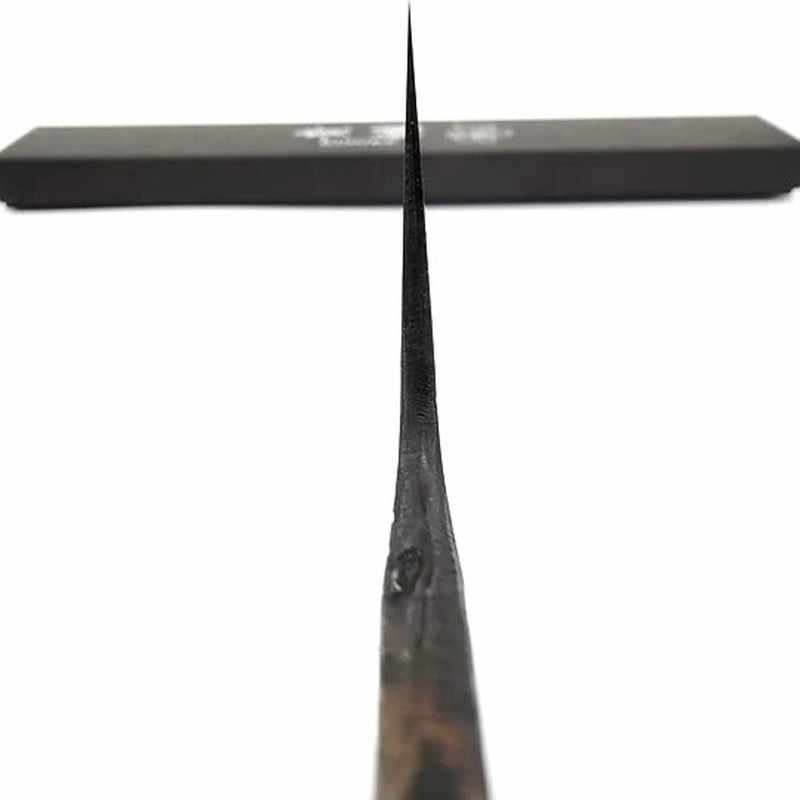
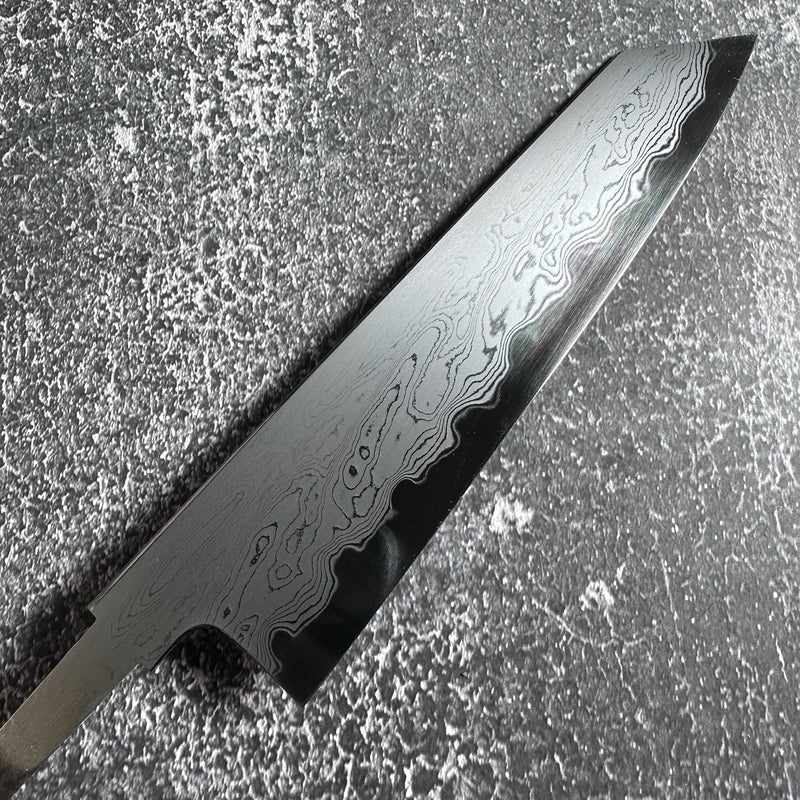
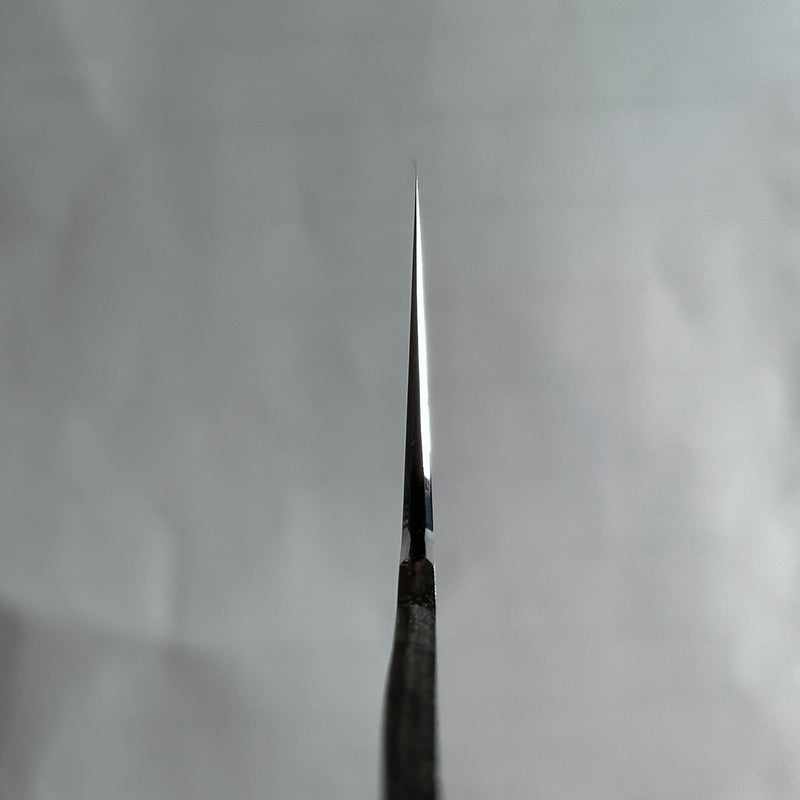
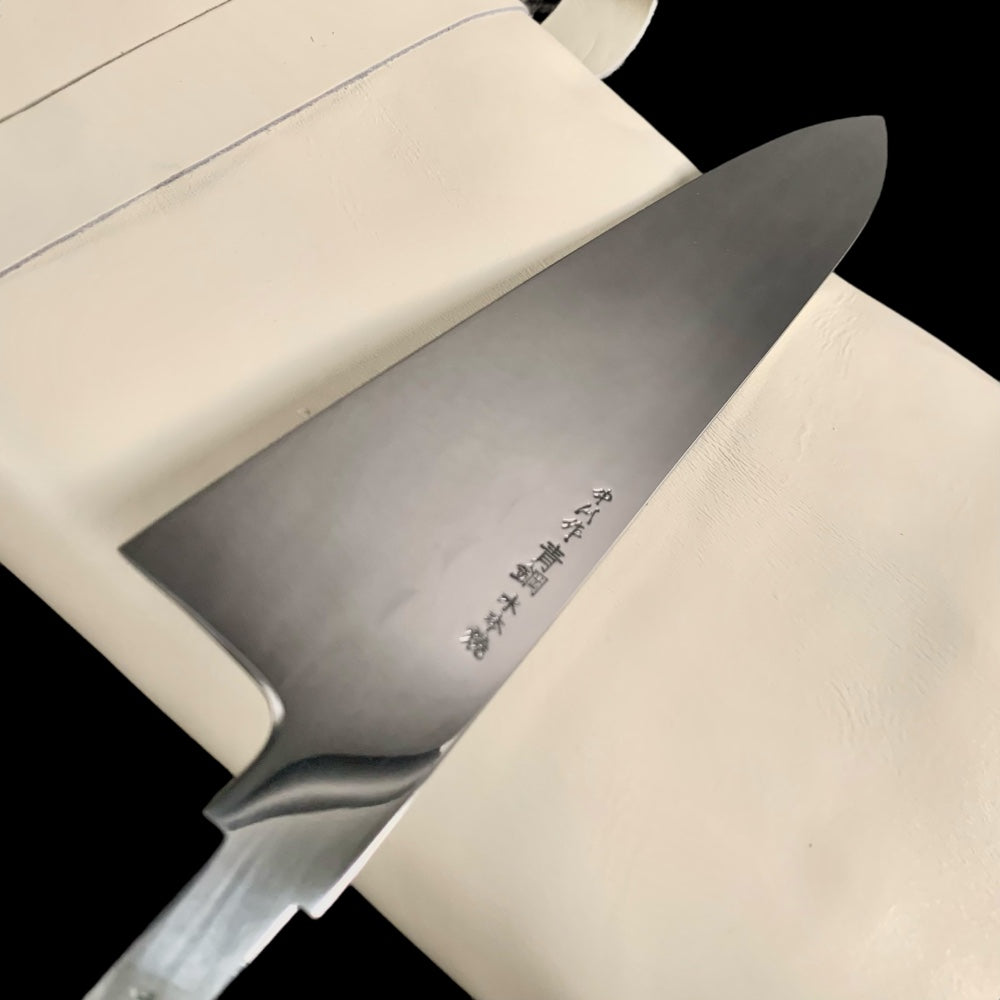


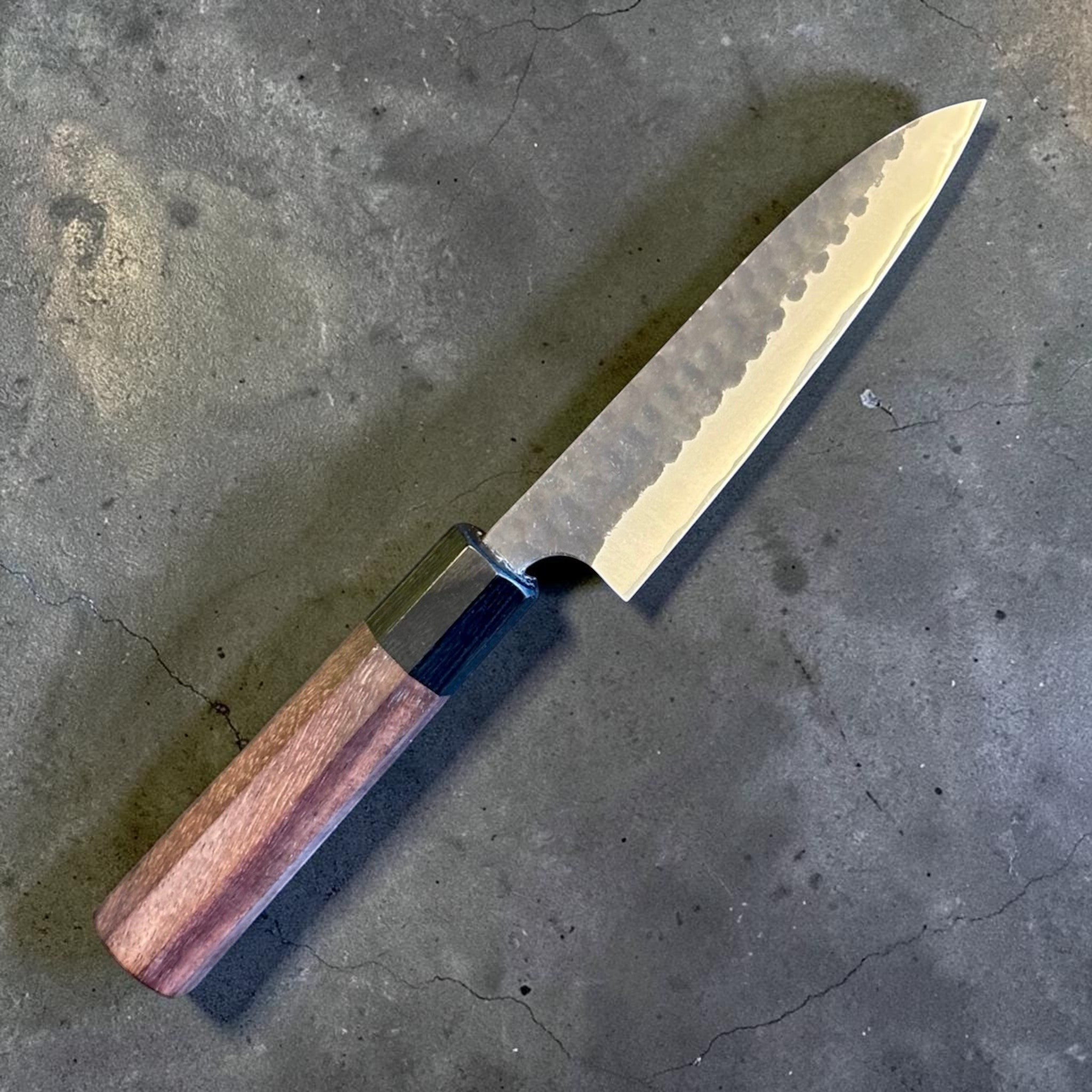
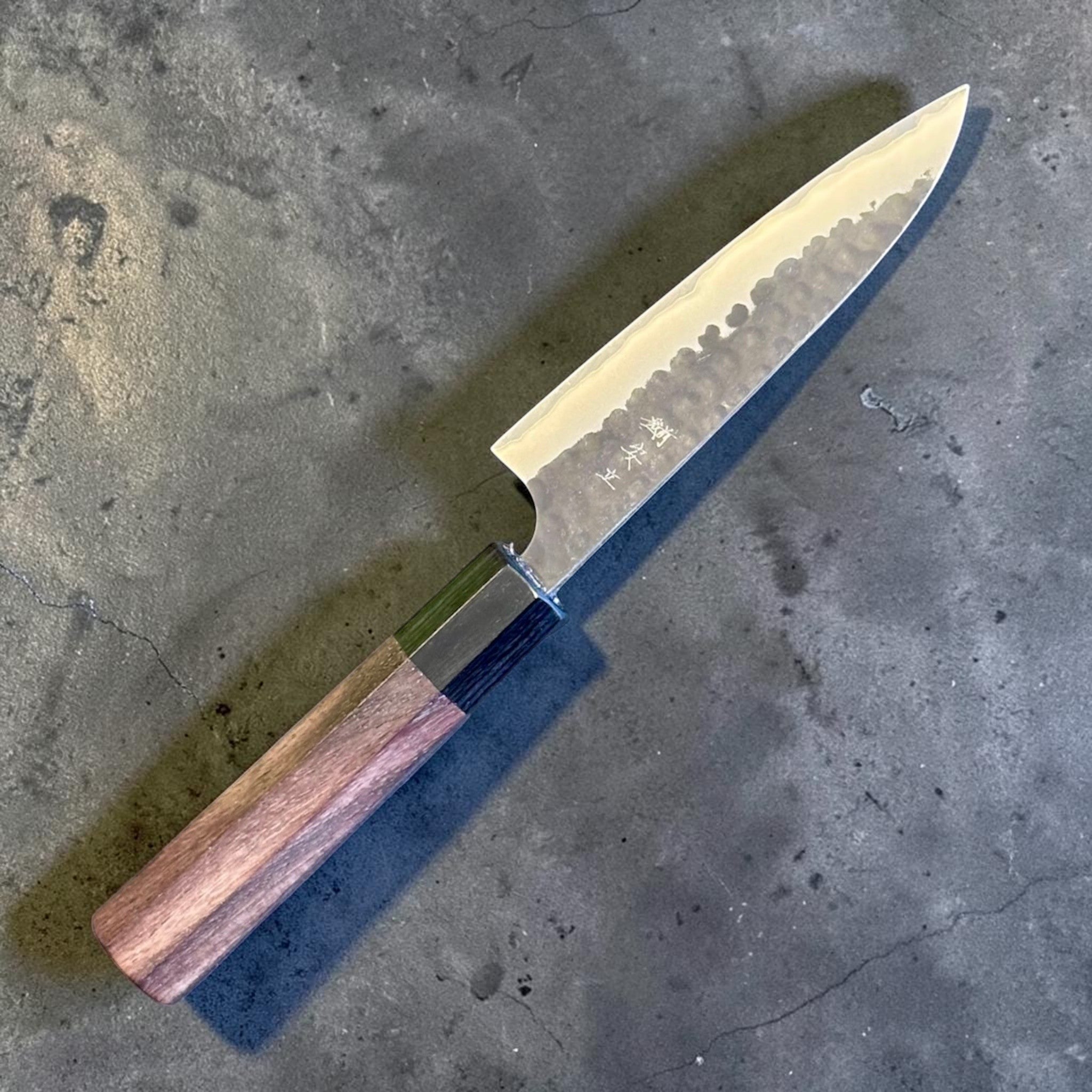
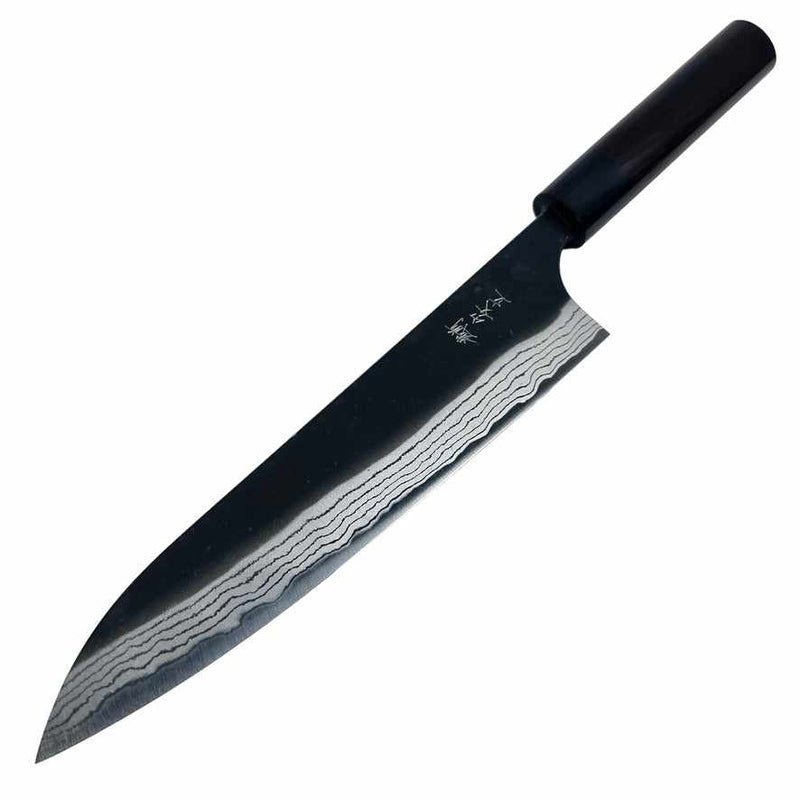
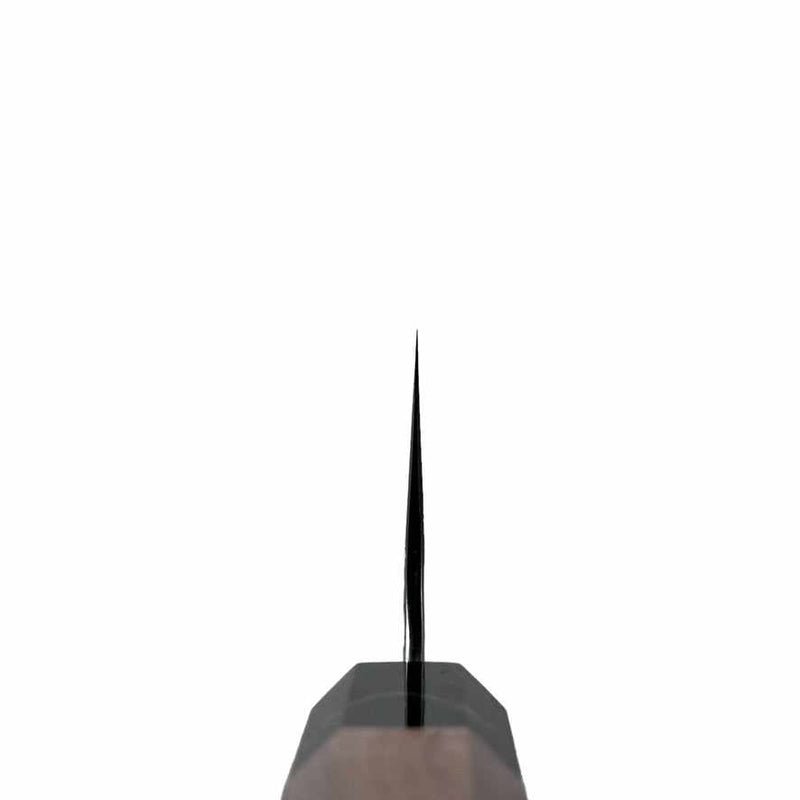


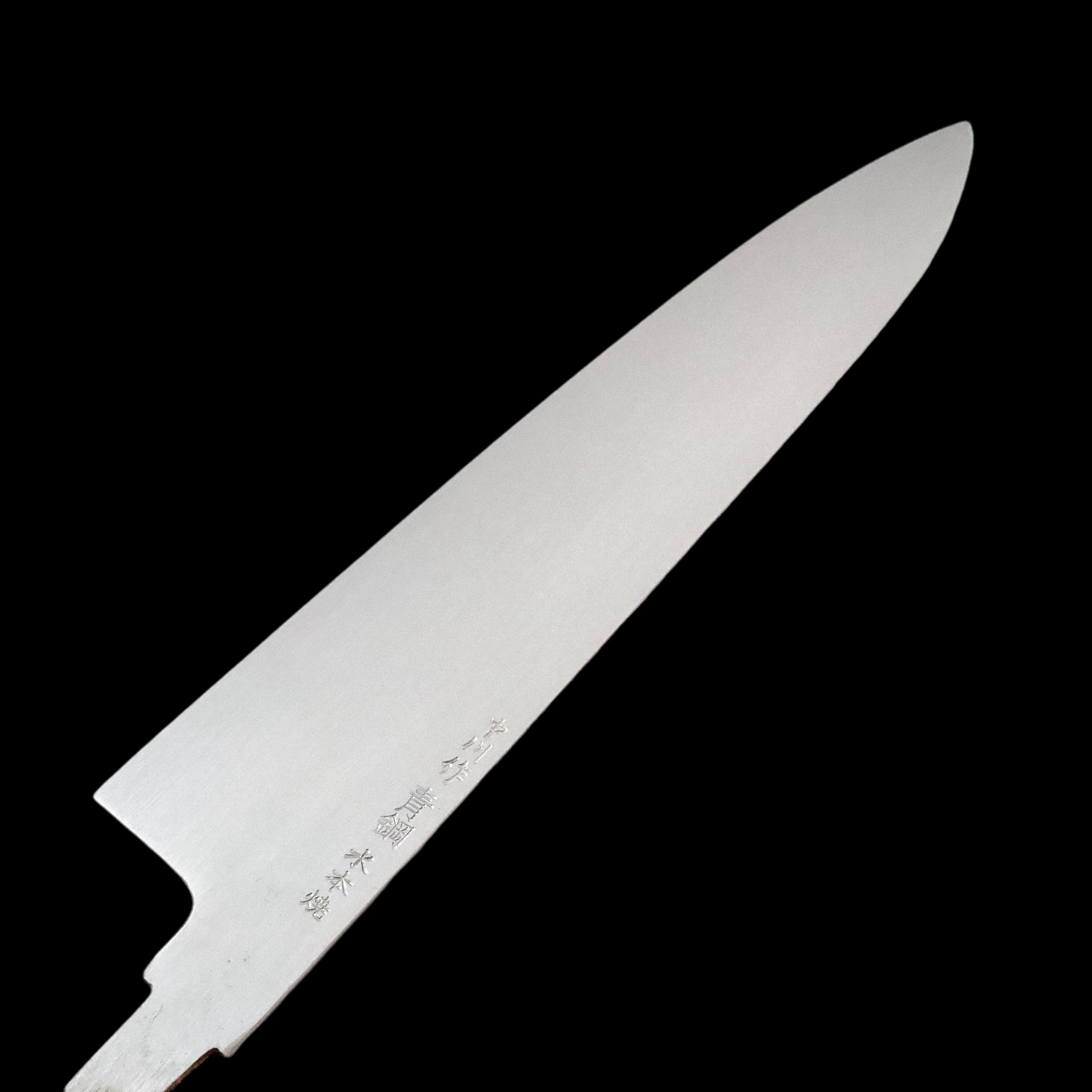
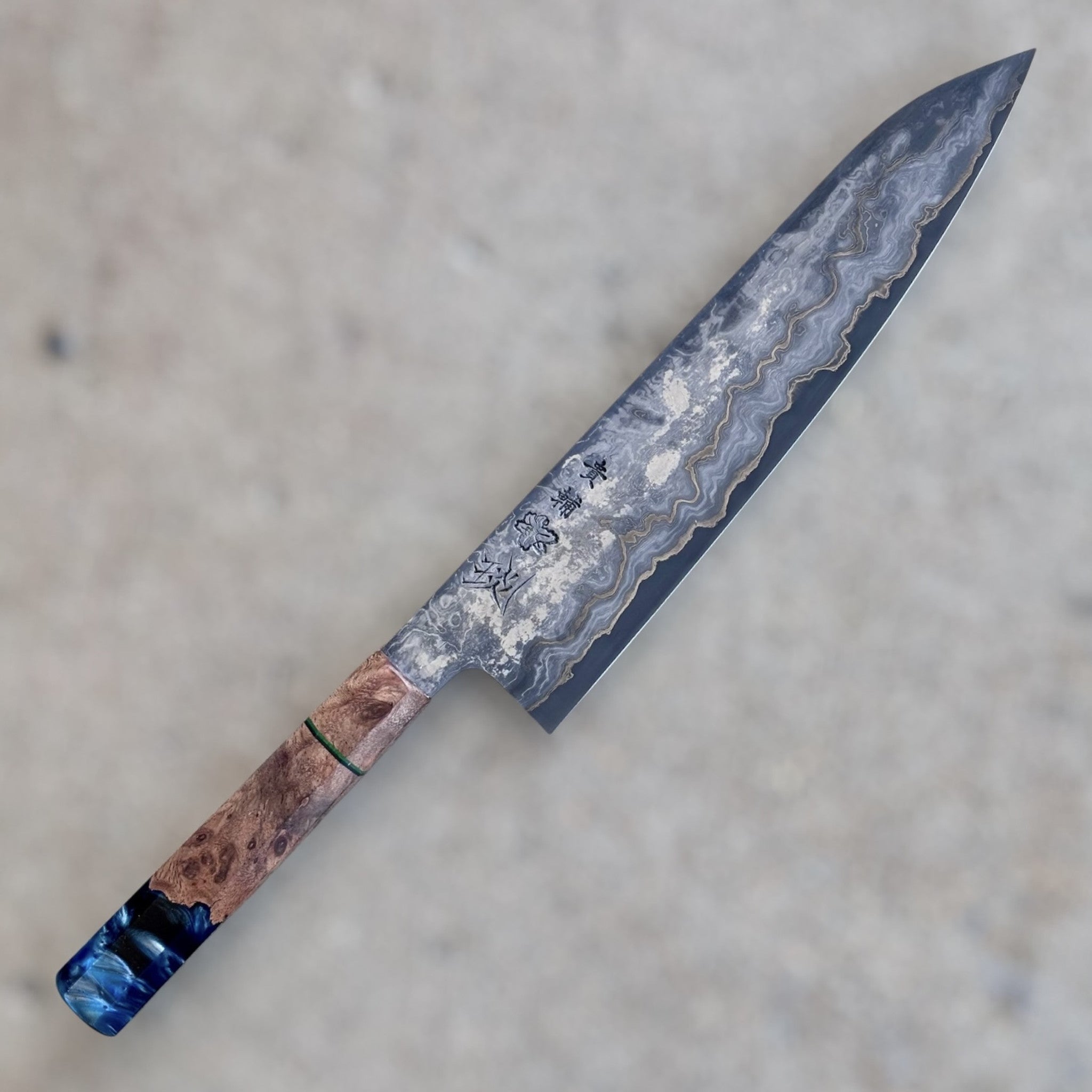


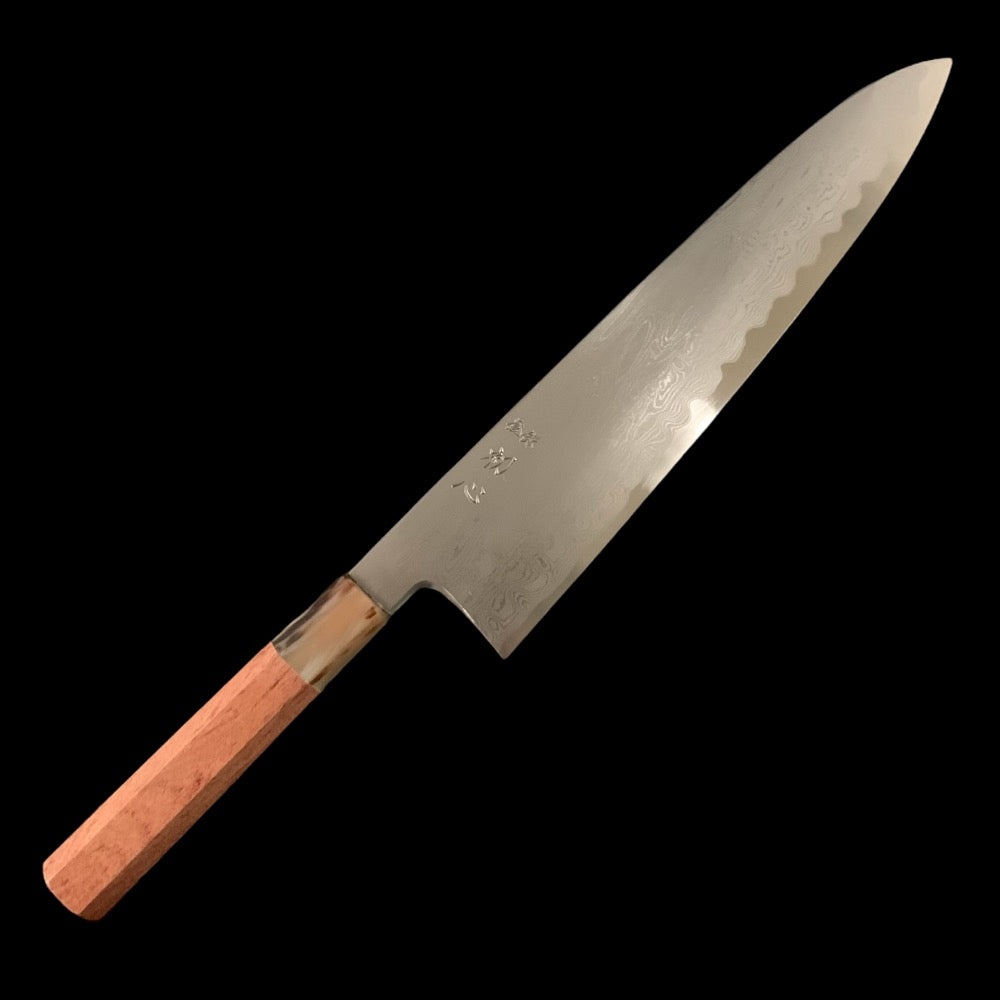
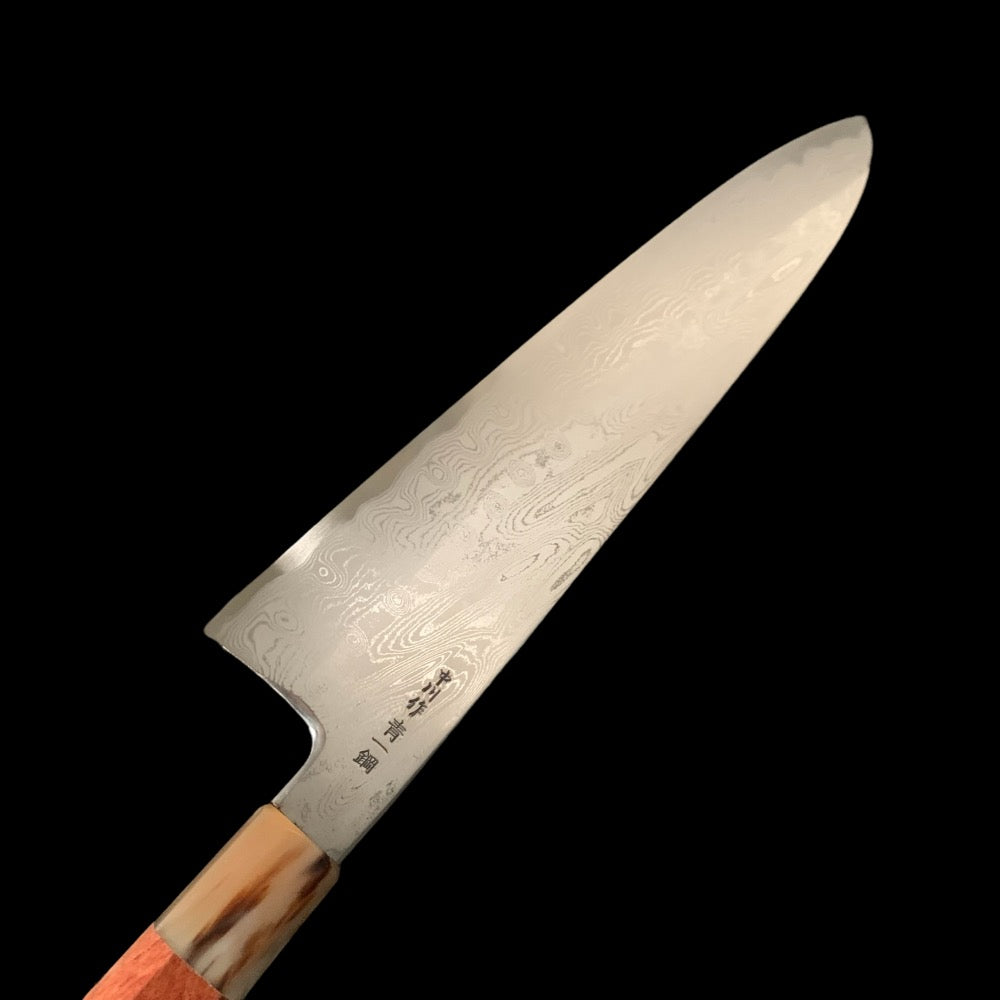
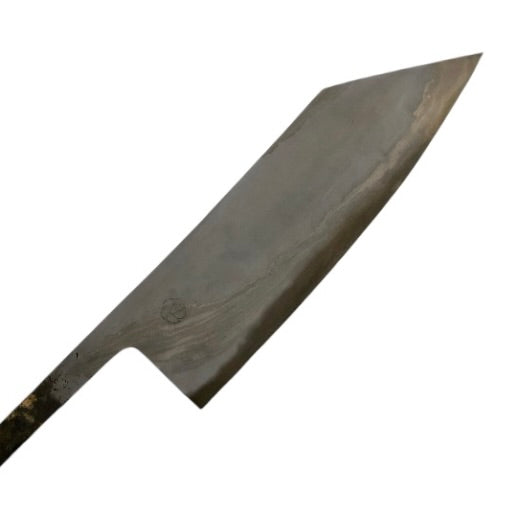
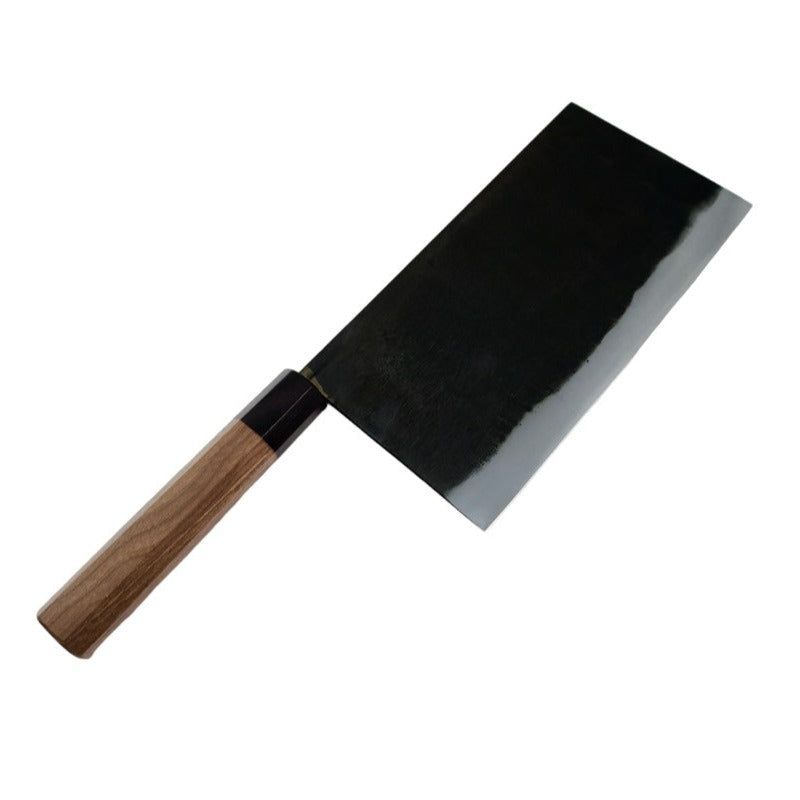


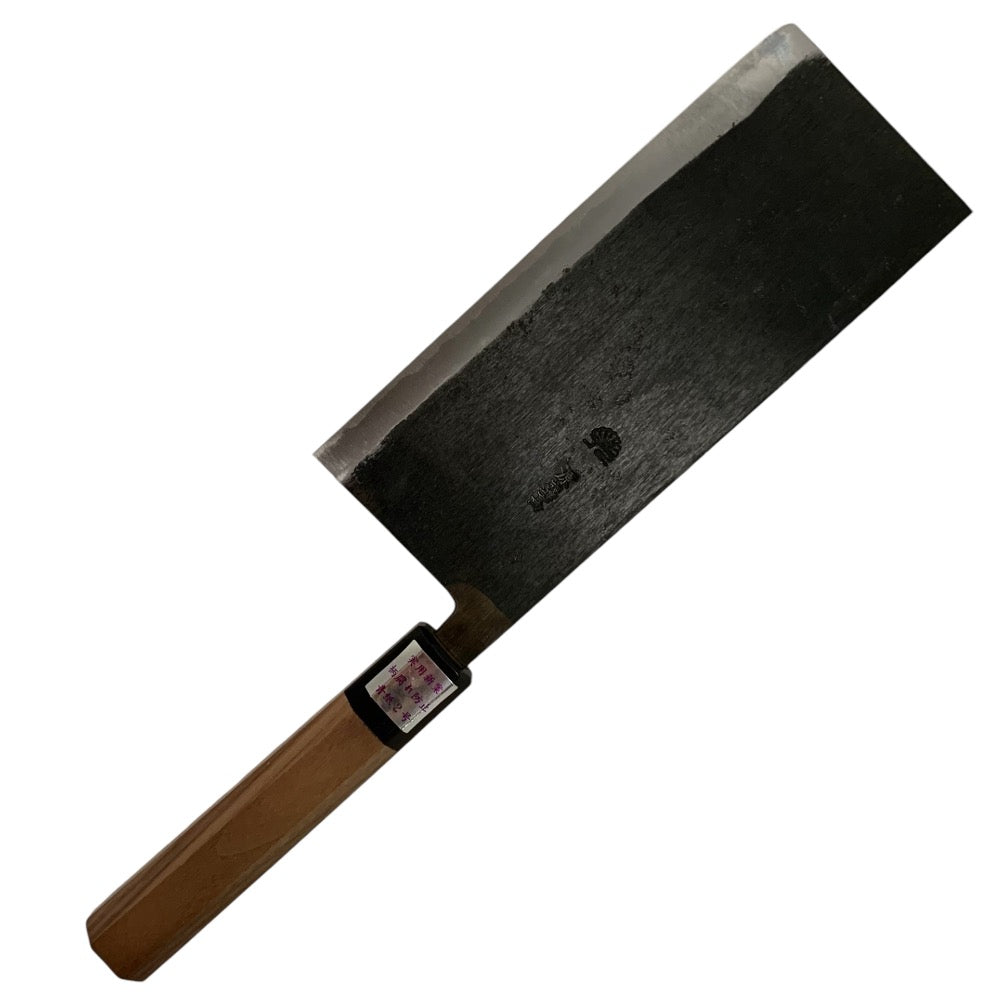
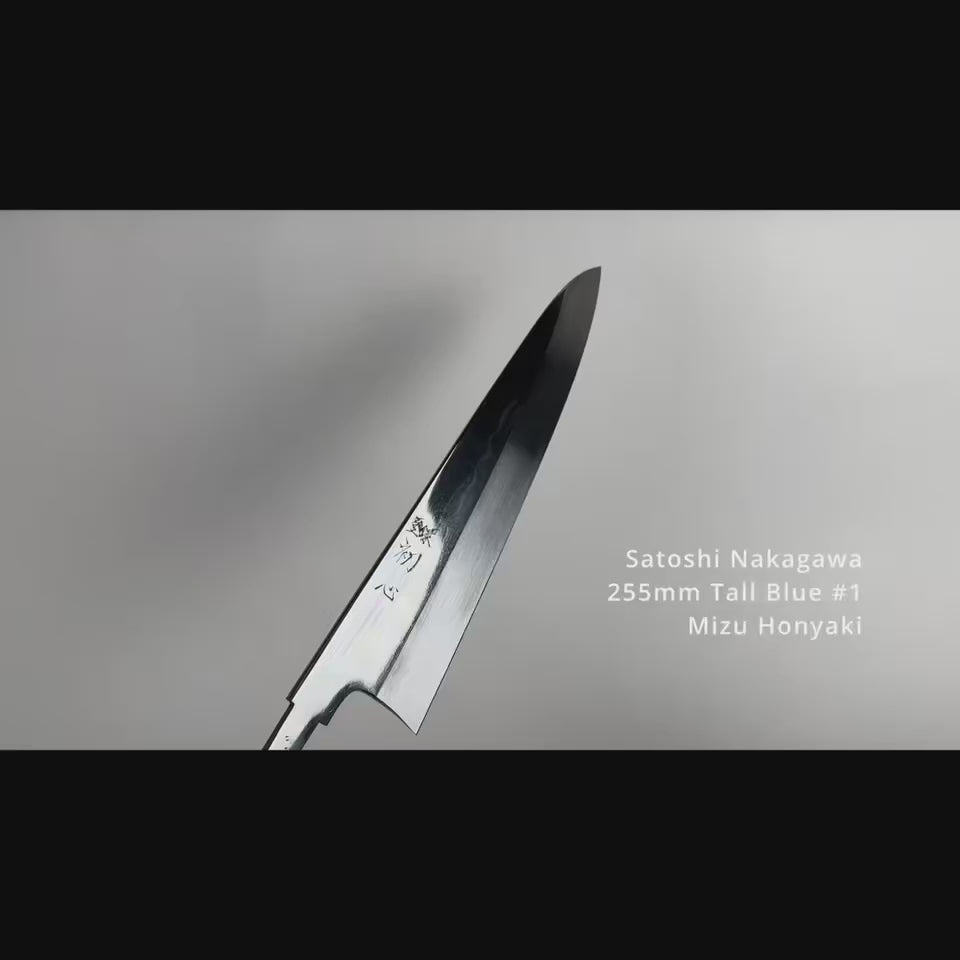
Shop Japanese kitchen knives organized by the blacksmith, forge, or maker named in Tokushu Knife’s current catalog. This collection brings together work associated with Satoshi Nakagawa, Yoshikazu Tanaka, Kisuke Manaka, Teruyasu Fujiwara, Itsuo Doi, Kyohei Shindo, Miyazaki Kajiya, Toru Tamura, Anryu, and Moritaka. Use the maker links and product filters to compare available blade profiles, steels, finishes, prices, and stock.
What Does a Japanese Knife Blacksmith Do?
The blacksmith forges the blade and controls its heat treatment, but the blacksmith is not always the only specialist involved. Sakai City’s official guide explains that Sakai knife production is traditionally divided among forging, sharpening, and handle fitting. That division matters when comparing Japanese knives: the blacksmith, sharpener, brand, and retailer may be different names, and each product page should identify the people and specifications that are known.
Shop Japanese Blacksmith Knives by Maker
- Satoshi Nakagawa knives
- Yoshikazu Tanaka knives
- Kisuke Manaka knives
- Teruyasu Fujiwara knives
- Itsuo Doi knives
- Kyohei Shindo knives
- Miyazaki Kajiya knives
- Toru Tamura knives
- Anryu knives
- Moritaka knives
Maker collections can include several knife shapes, steels, finishes, and collaborators. Check the individual product page for the exact blacksmith, sharpener, steel, construction, dimensions, handle, and current availability of the knife you are considering.
How to Choose a Blacksmith Knife
Choose the blade shape for your work
A Gyuto is a versatile chef’s knife, while a Santoku or Bunka offers a more compact all-purpose format. A Nakiri is designed around vegetable preparation, a Petty handles smaller detail work, and longer slicers are intended for clean cuts through proteins. The best maker cannot compensate for choosing the wrong profile for your kitchen.
Choose a steel you will maintain
Carbon steels can take a very keen edge but need prompt cleaning and drying. Stainless and semi-stainless steels reduce maintenance, although every knife should be hand-washed and dried after use. Use the product specifications rather than the maker name alone to confirm the steel and cladding.
Compare grind, heat treatment, and finish
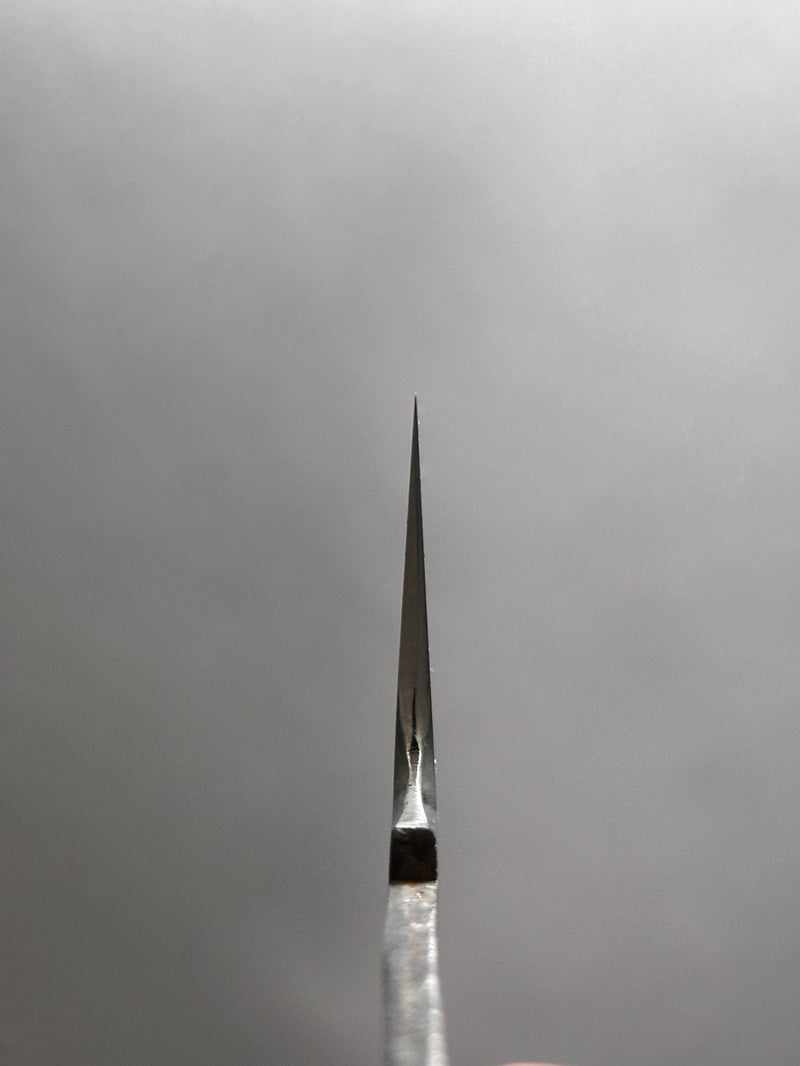
Cutting feel depends on more than hardness. Blade geometry, thickness behind the edge, heat treatment, sharpening, balance, and handle all affect performance. Honyaki, clad, kurouchi, nashiji, and polished finishes describe different construction or surface choices; none is automatically best for every buyer.
Blacksmith, Sharpener, and Brand: Why the Names Can Differ
Japanese knife production is not always a one-person process. In Sakai, specialist division of labor is a defining part of the craft. A product may name the blacksmith who forged and heat-treated the blade, the sharpener who established its final geometry, and a separate brand or workshop. Tokushu Knife identifies those roles when reliable product information is available instead of treating every label as the blacksmith.
Frequently Asked Questions
Are all knives in this collection made by one blacksmith from start to finish?
No. This collection groups products by named makers and forges, but production roles vary. Read the product page for the specific attribution and specifications of each knife.
Does the blacksmith alone determine how a knife cuts?
No. Forging and heat treatment are important, but the sharpener’s grind, the blade geometry, edge finish, profile, and handle also influence cutting performance.
Is carbon steel better than stainless steel?
Neither is universally better. Carbon steel is valued for sharpening response and edge potential, while stainless and semi-stainless options generally require less vigilance against corrosion. Choose according to your maintenance habits and intended use.
How do I know what is currently available?
Product cards and variant selectors show current availability. Sold-out knives may remain visible as a reference because many small-batch Japanese knives return irregularly.
Primary Craft Reference
For an official overview of Sakai’s forging, sharpening, and handle-fitting system, see Sakai City’s guide to traditional cutlery. Sakai City also publishes its current certified traditional craftspeople list.