










Moritaka Hamono: More Than 700 Years of Bladesmithing
Moritaka Hamono was Tokushu Knife’s first knife-making partner. That relationship is part of Tokushu’s own business history. For the maker’s history, Moritaka states that it has produced swords for more than 700 years, and a 2013 Japanese government profile documented the workshop in Yatsushiro, Kumamoto, as the 27th generation of the family craft.
The Tokushu Expert Take: Verify the Model, Not a Blanket Number
Moritaka’s official catalog currently lists both Aogami Super and Aogami #2 lines. Steel producer Proterial describes Aogami Super as an alloy steel containing tungsten, chromium, and vanadium to improve heat-treatment properties and wear resistance; it describes Aogami #2 as using tungsten and chromium for the same purposes. Because final hardness, grind, and geometry can vary by model and production, we do not assign one universal HRC value to every Moritaka knife. Check the individual product listing—or ask us—when a particular specification matters.
Moritaka Knives at a Glance
- Core steel: Aogami Super or Aogami #2, depending on the model.
- Construction: Moritaka describes a steel core with iron cladding; confirm the exact construction on each product listing.
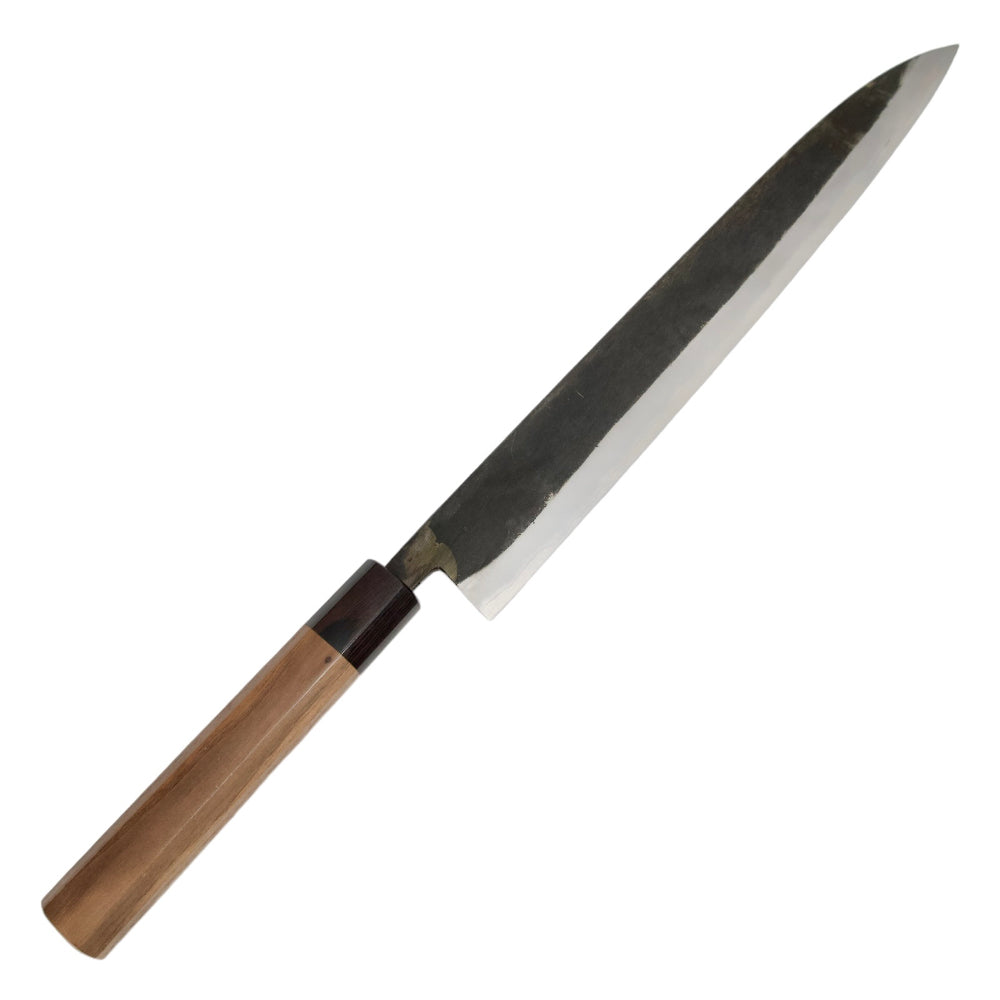
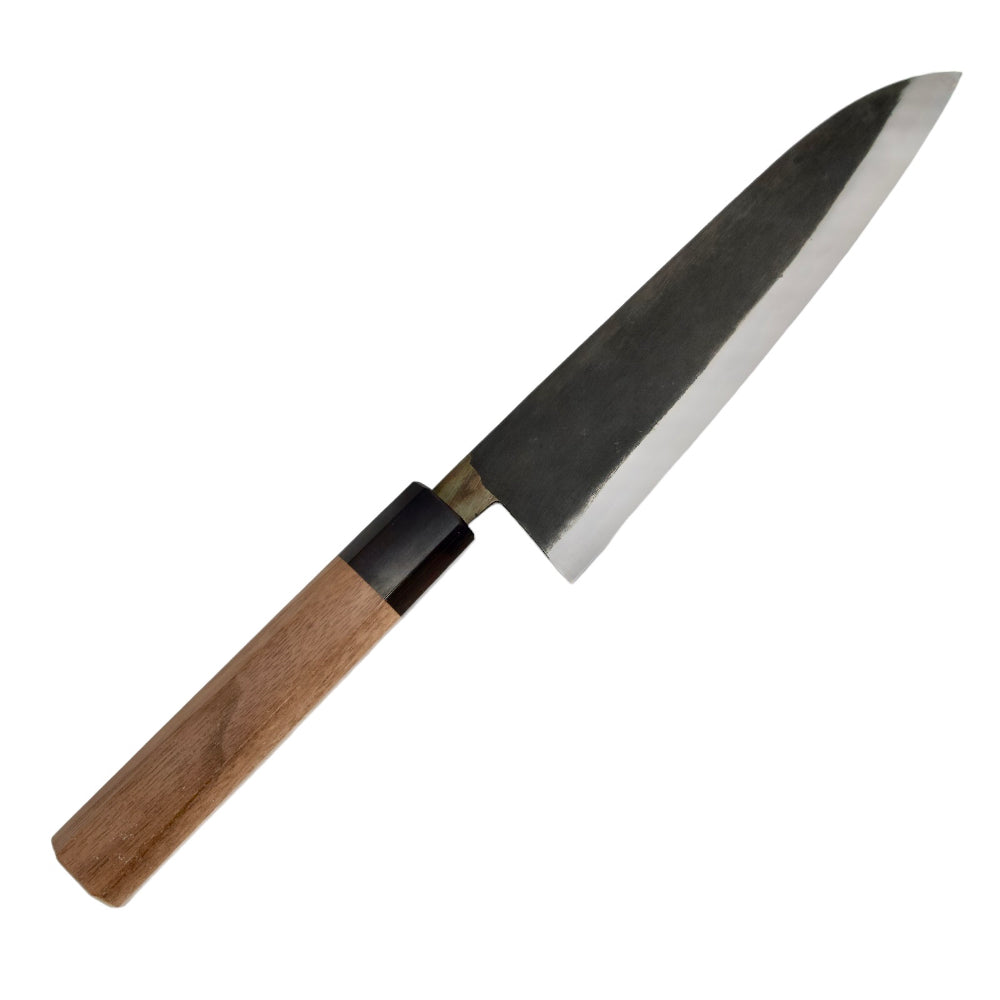
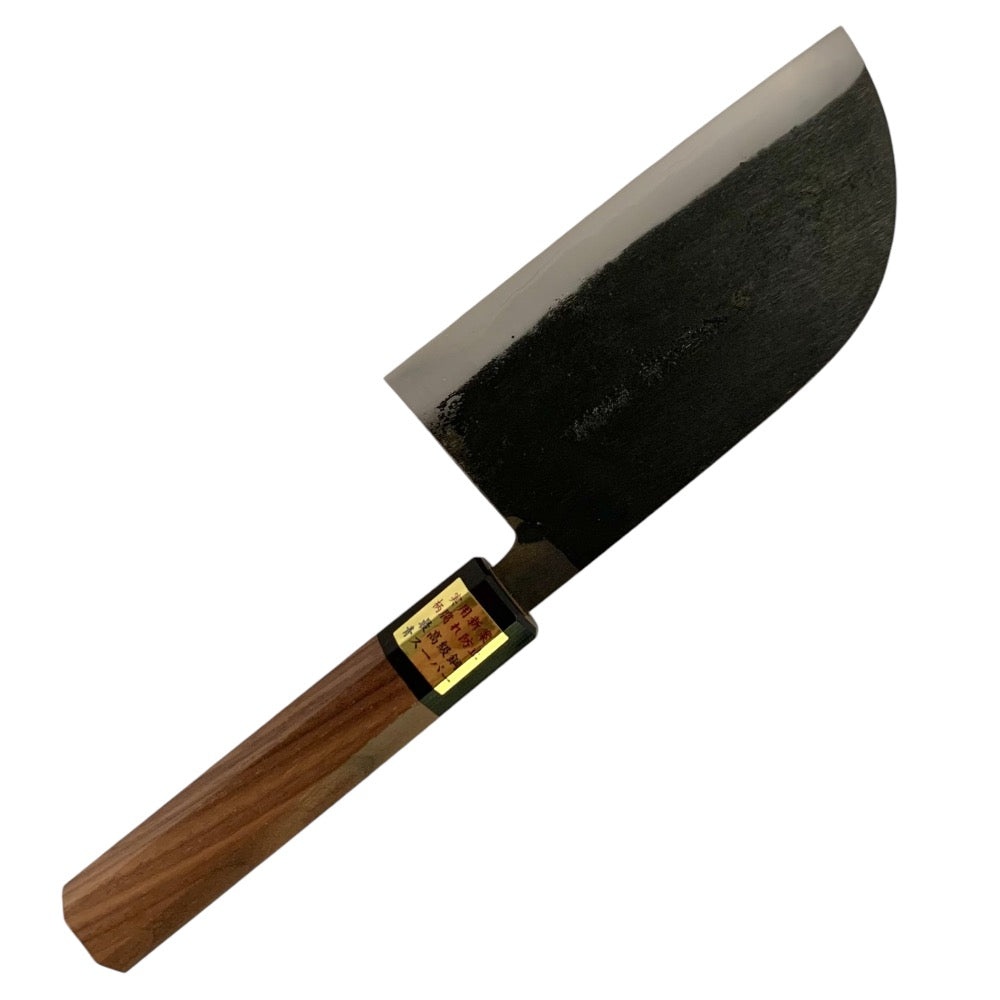
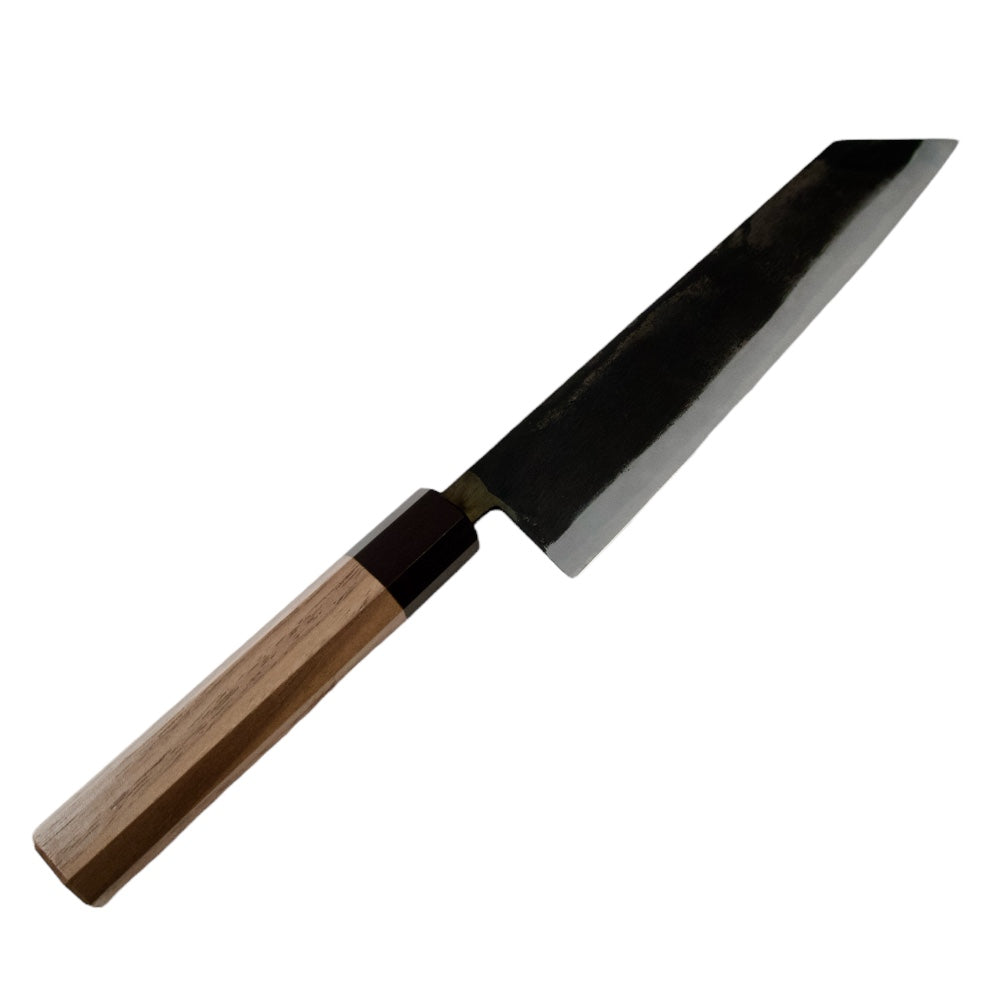
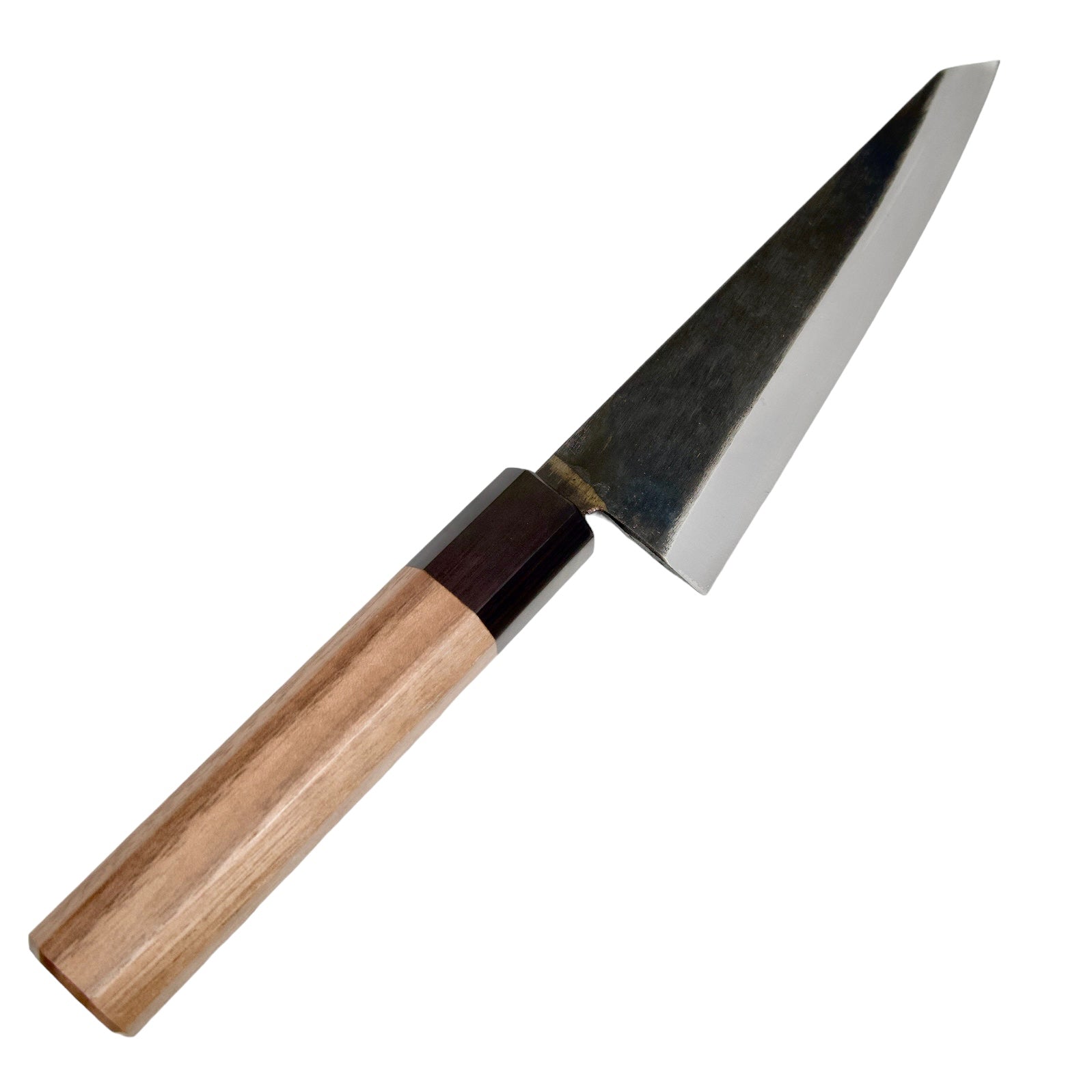
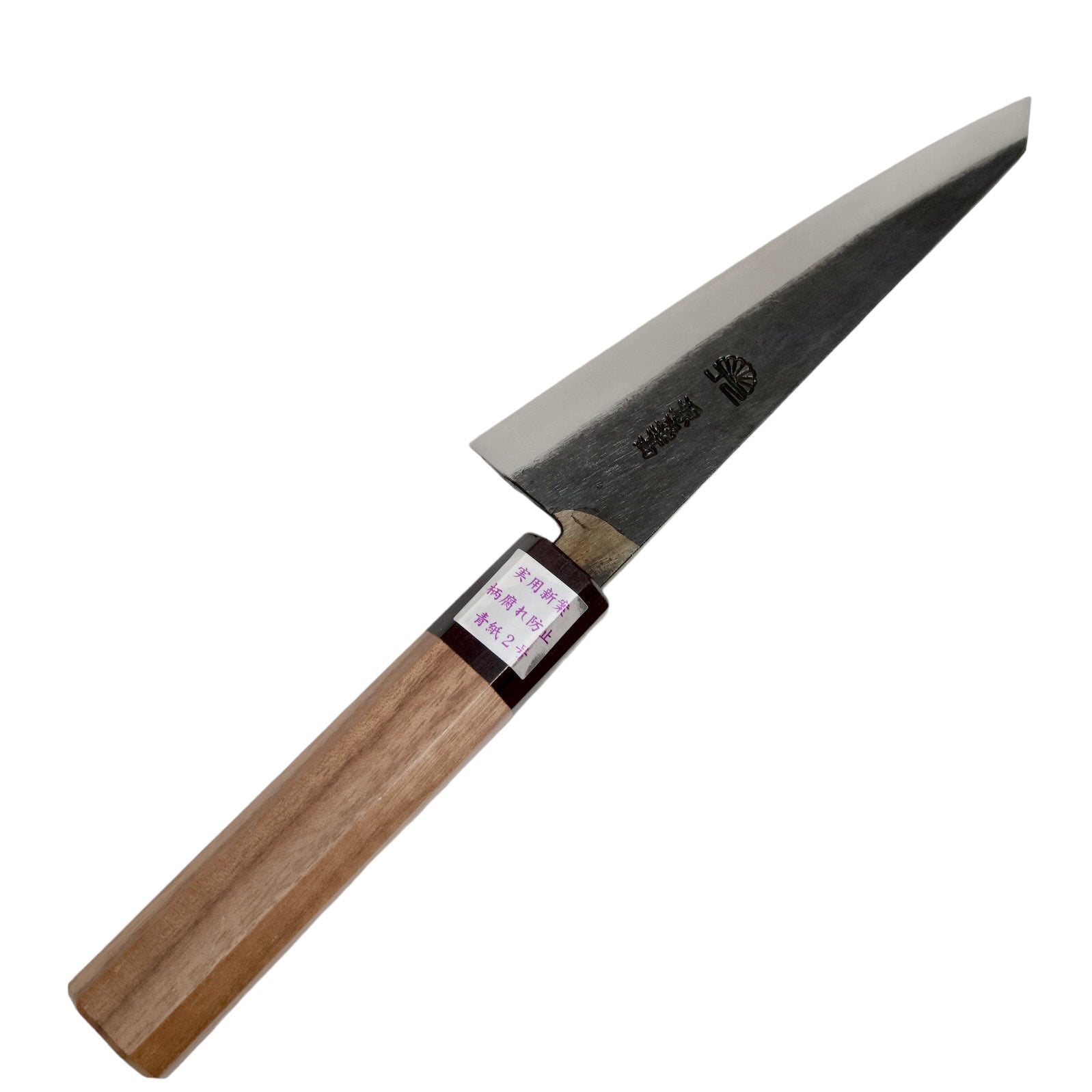
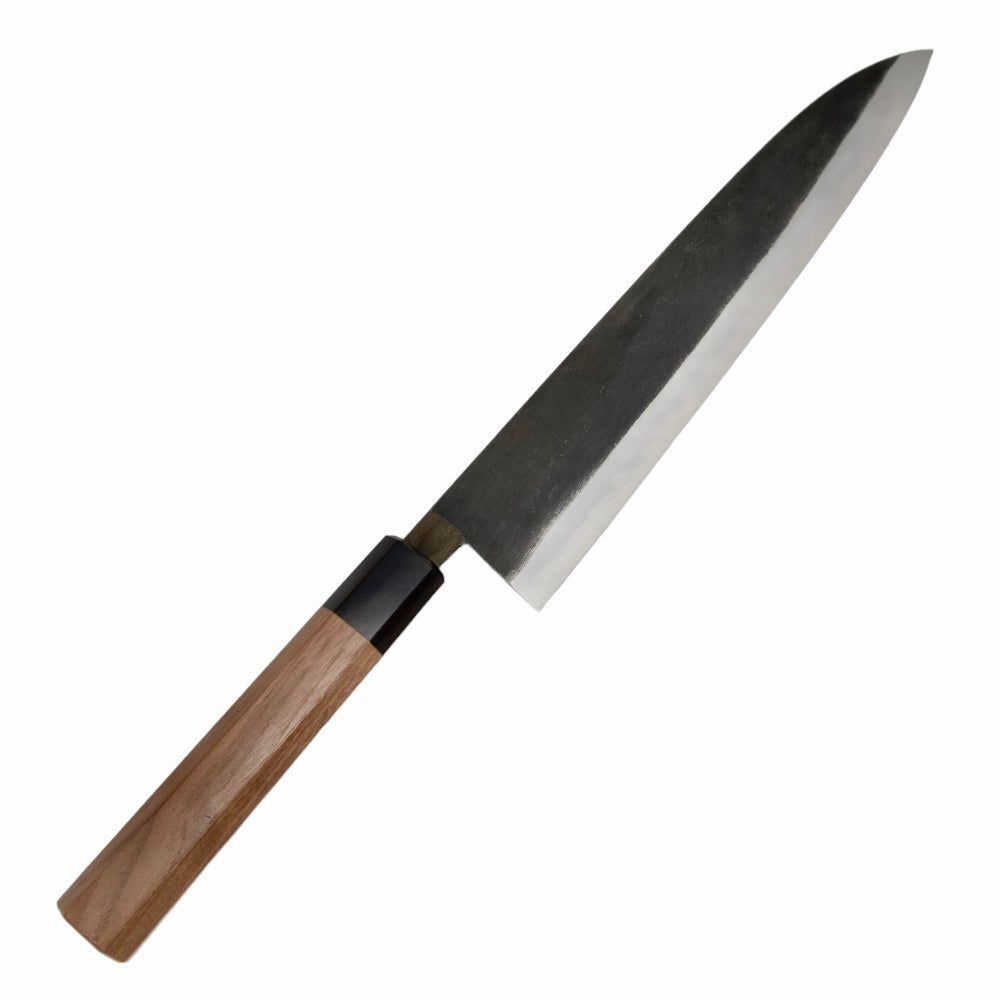
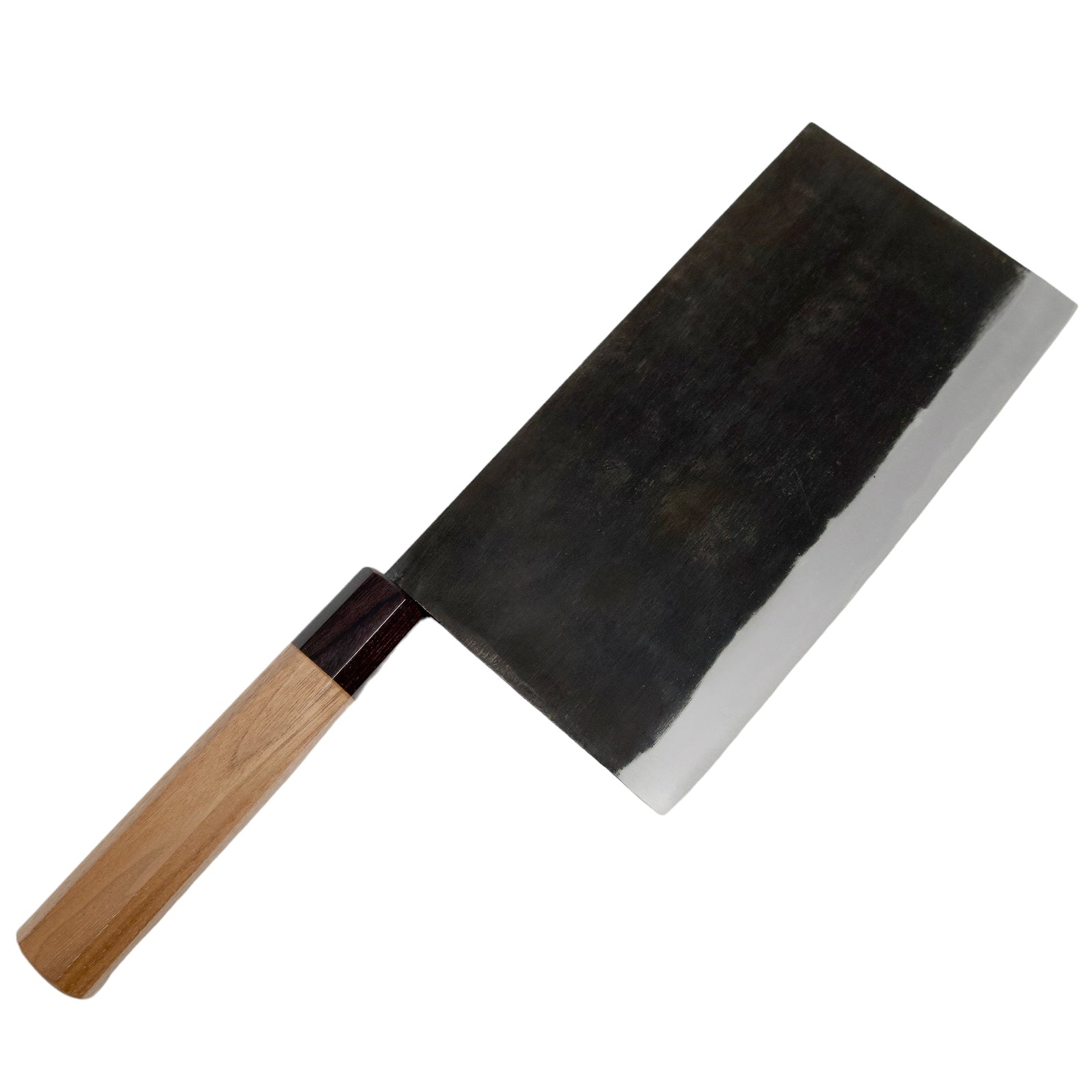
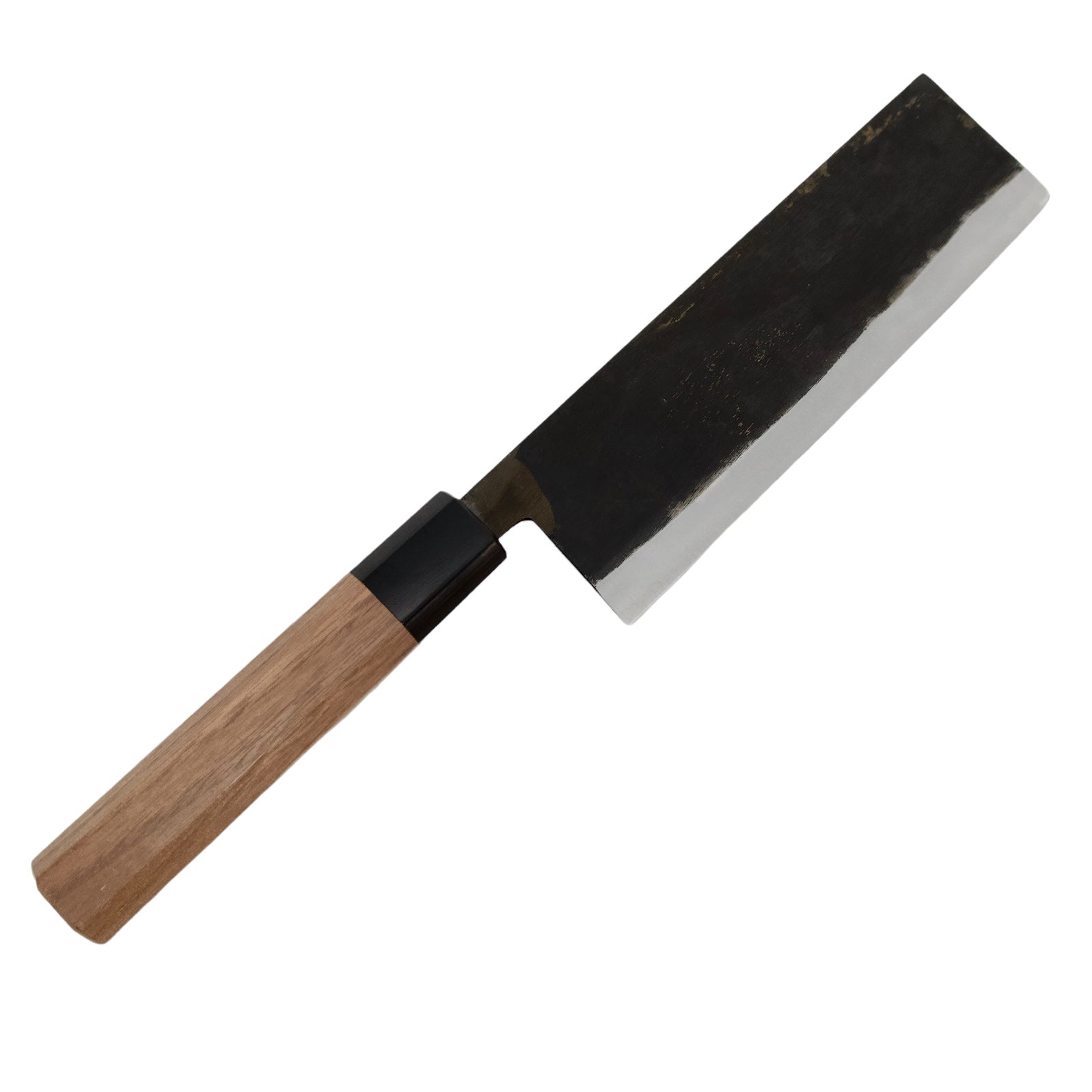
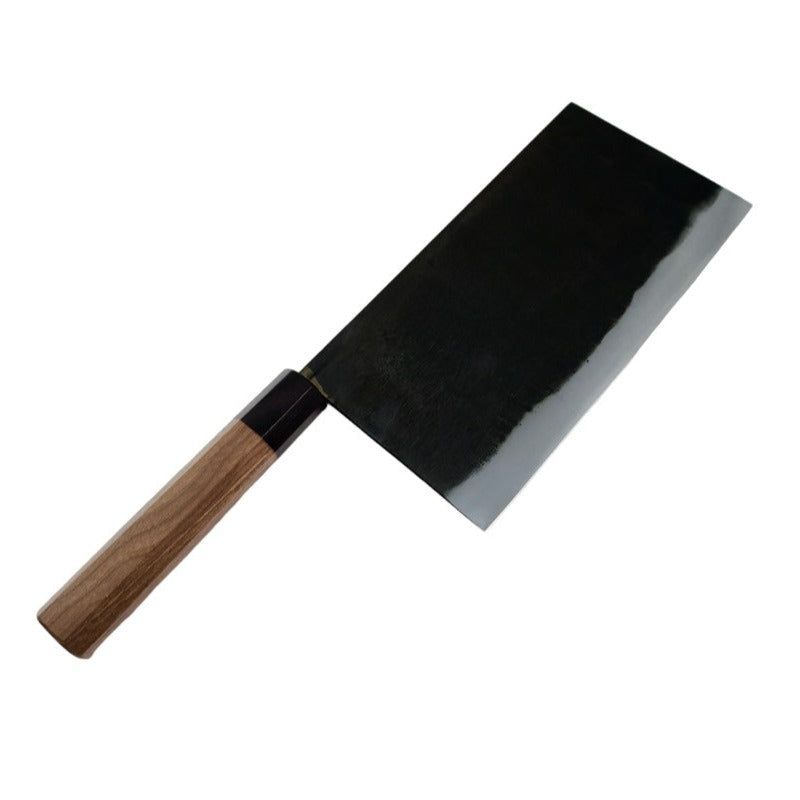
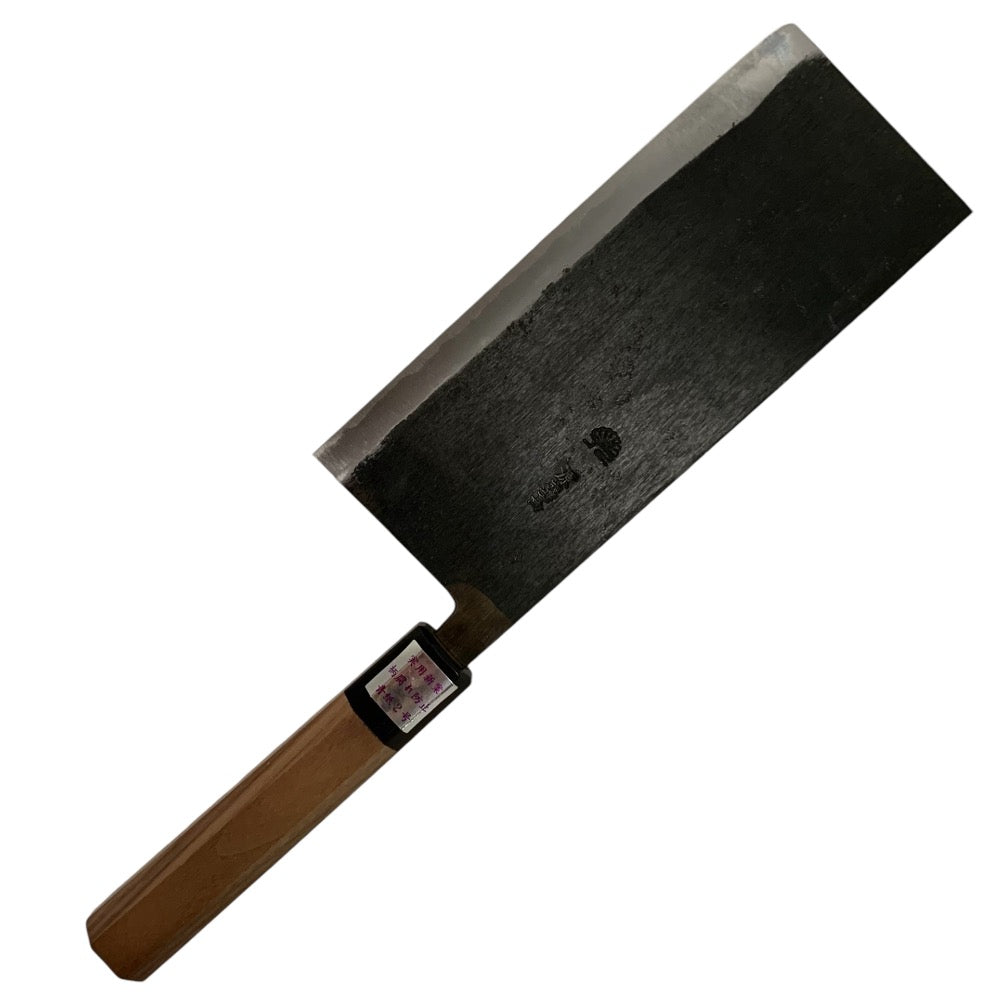
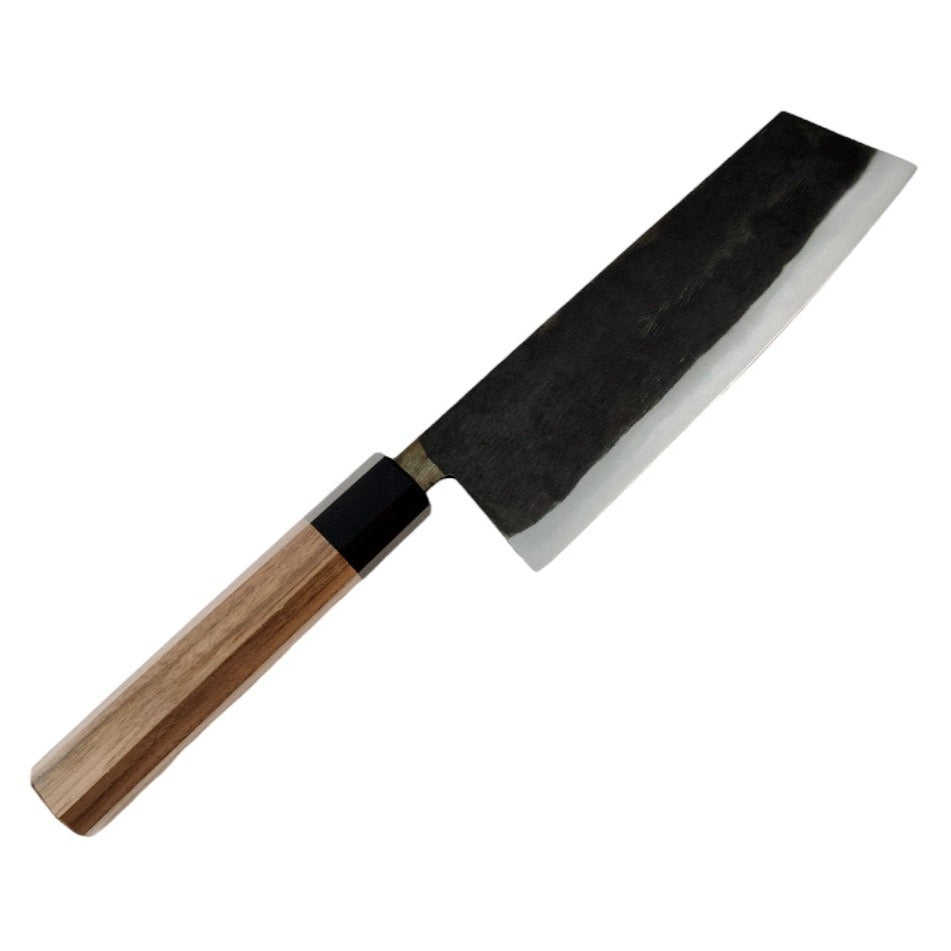
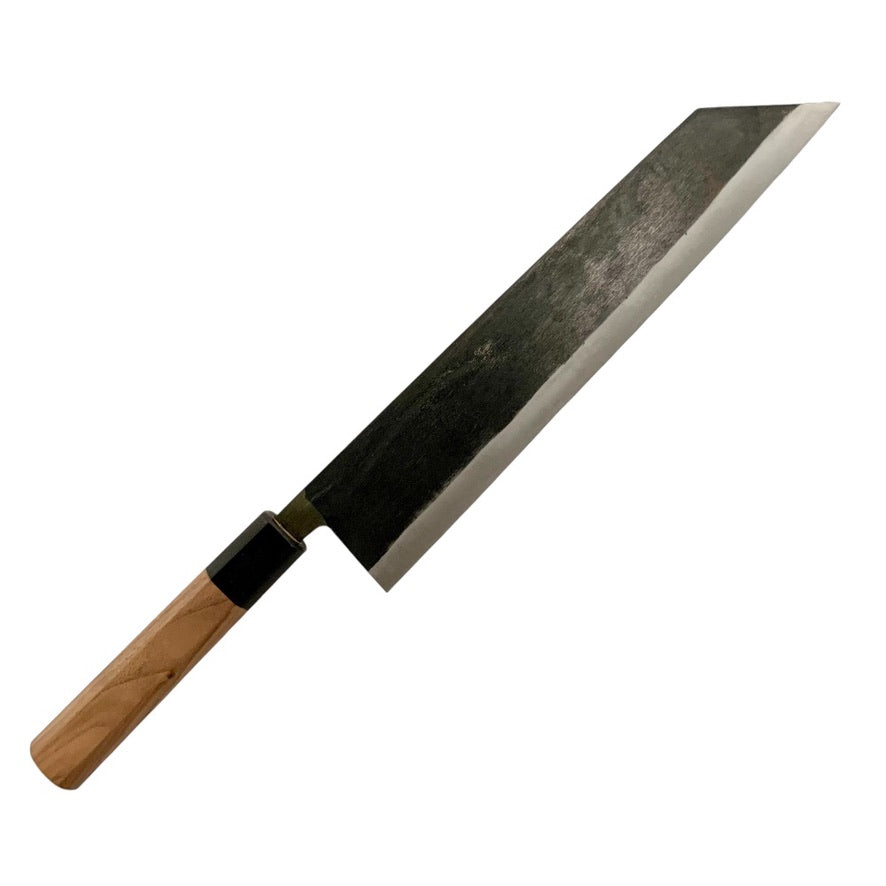
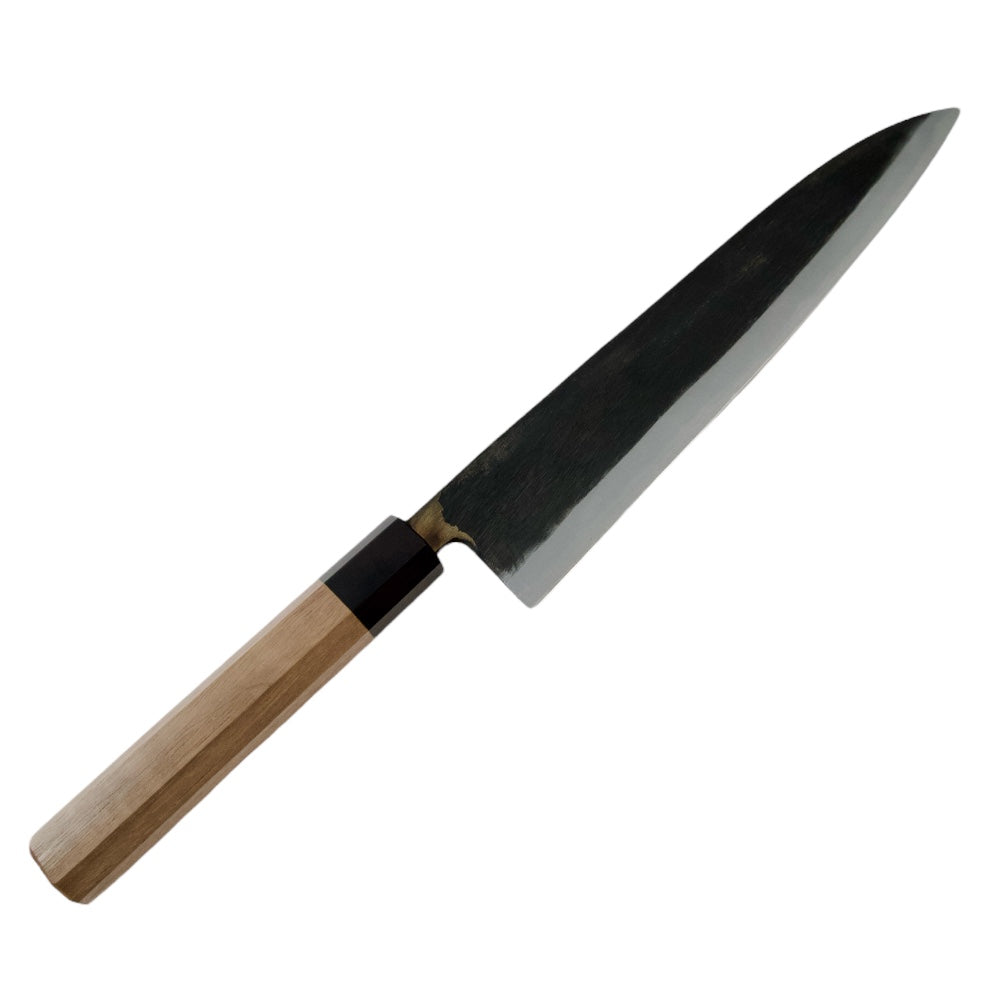
- Finish: Many knives in Moritaka’s official Aogami Super and Aogami #2 catalogs specify a rustic Kurouchi finish.
- Care: Wash and dry promptly, never use a dishwasher, and oil the blade before extended storage. Avoid frozen food and twisting the edge in hard ingredients.
What the Documented Features Mean
| Feature | What It Means When Choosing |
|---|---|
| Aogami Super or Aogami #2 | Moritaka offers both carbon-steel lines. Use the model-specific listing instead of assuming every knife uses Aogami Super. |
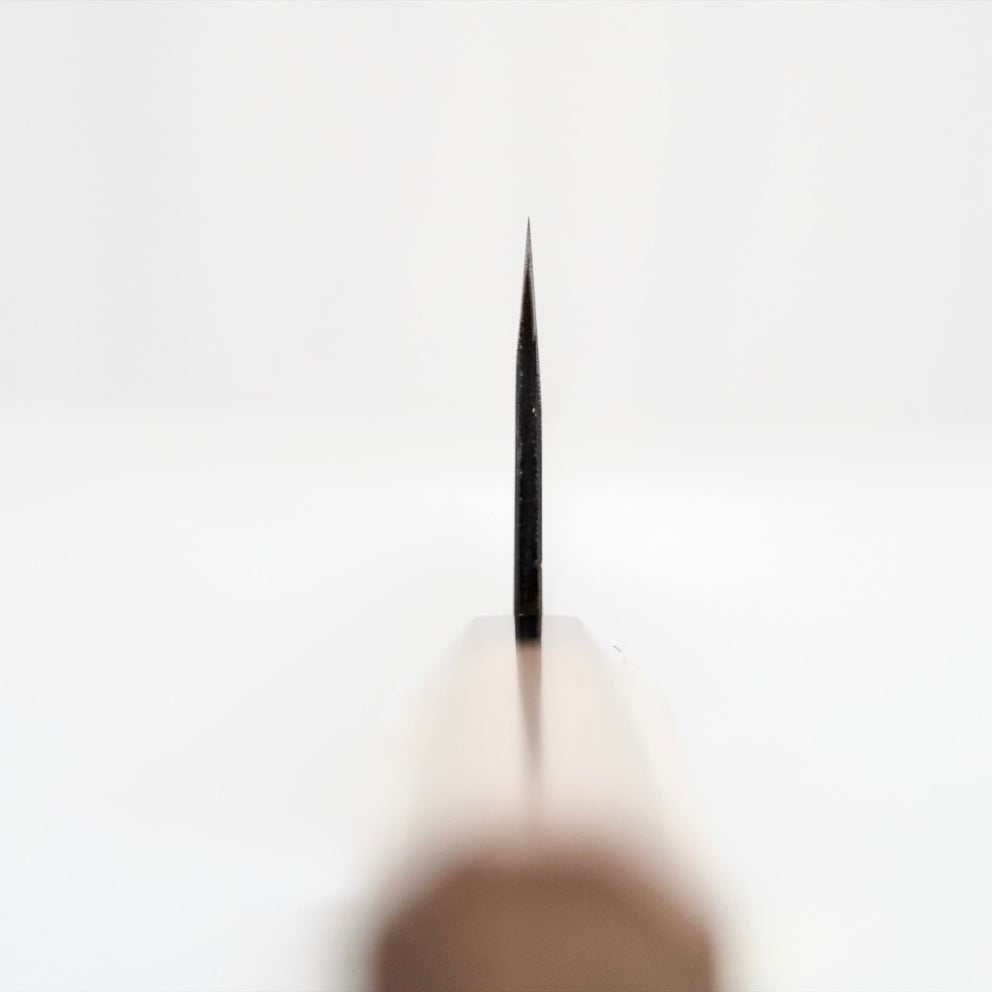
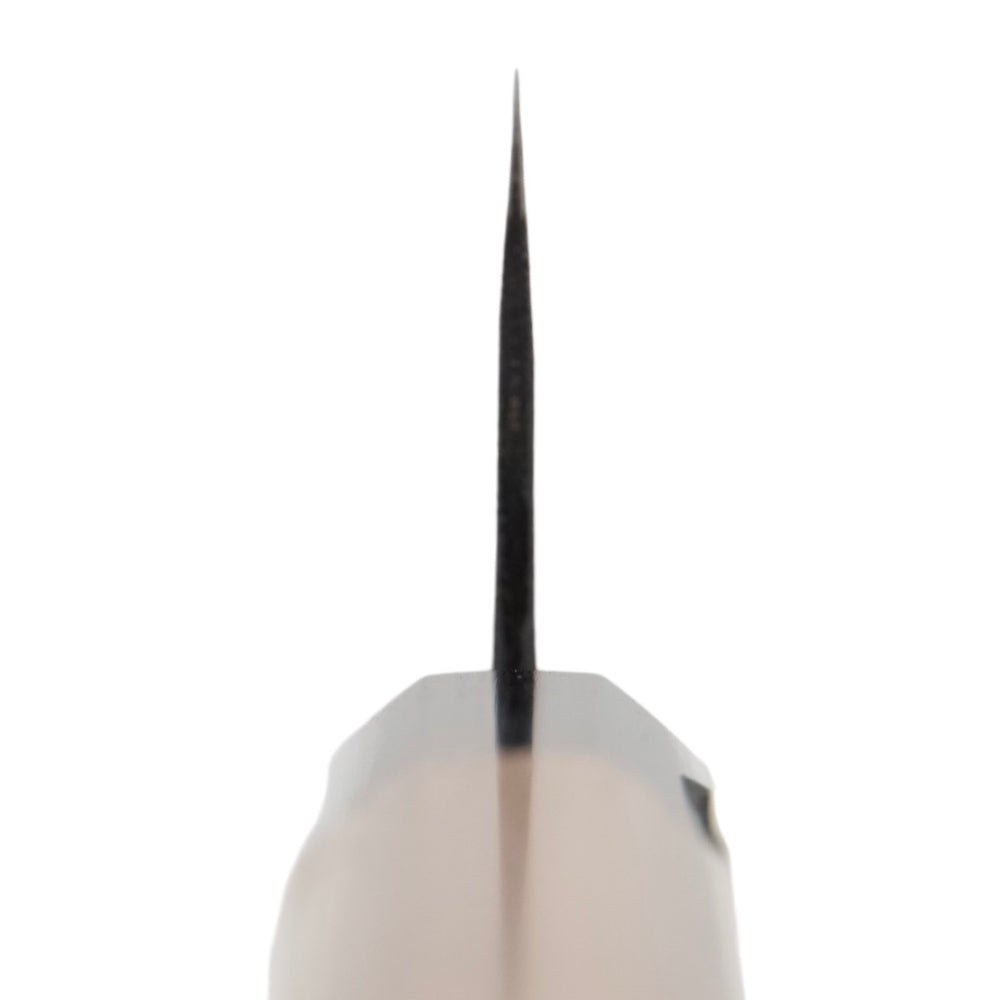
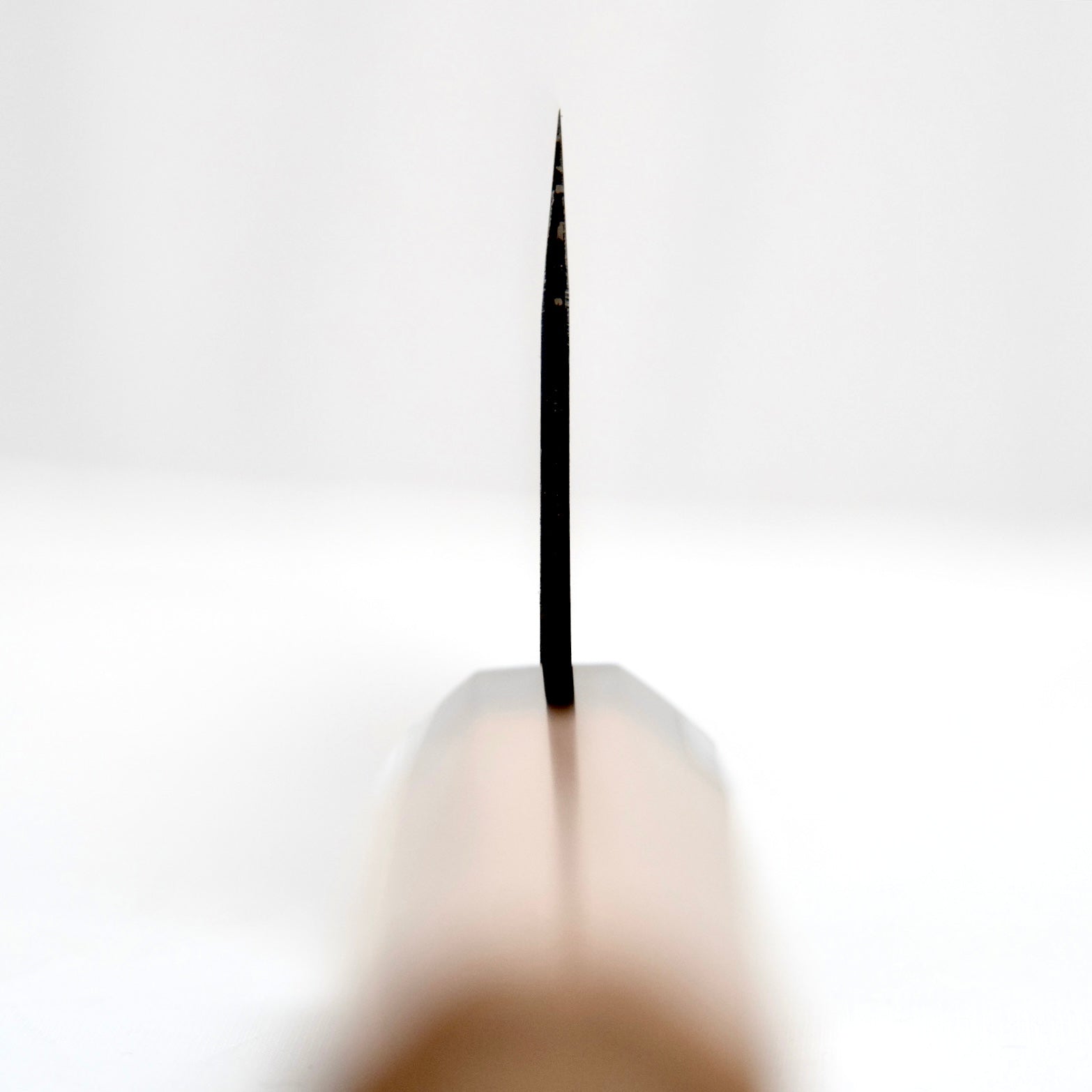
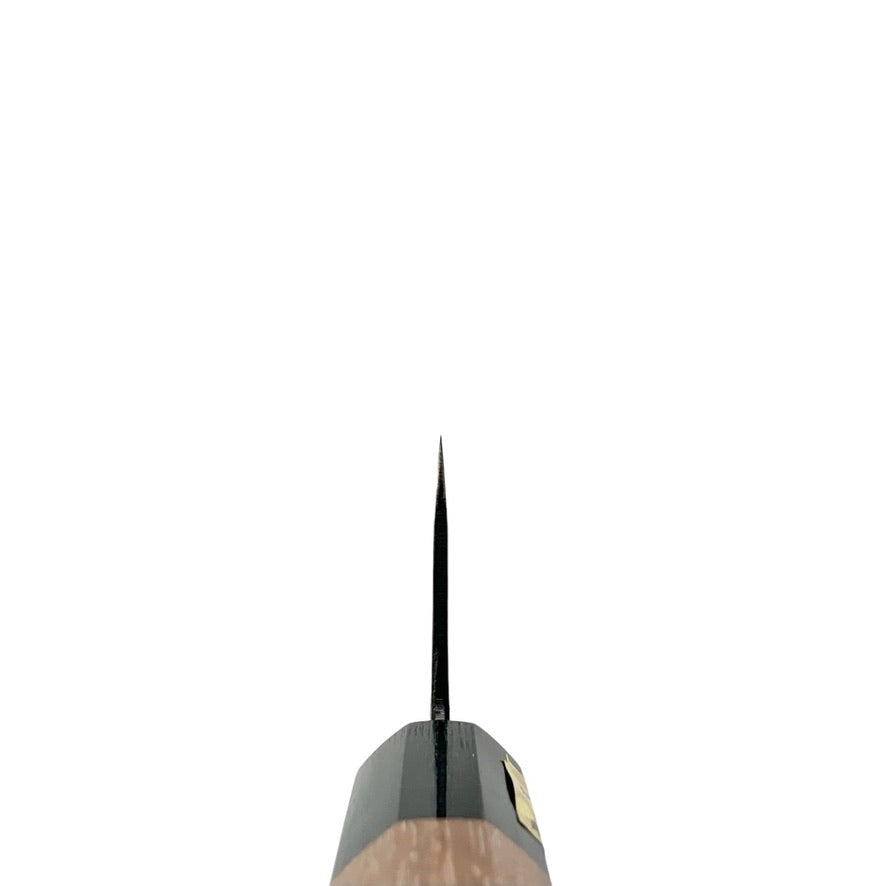
| Iron cladding | Moritaka says softer iron covers its hard steel cores to make sharpening more manageable. The blade remains reactive and must be kept clean and dry. |
| Kurouchi finish | Moritaka describes Kurouchi as an oxide film formed during hardening that helps resist rust. The black finish can gradually wear or change with use and sharpening. |
| Handcrafted variation | The maker notes that appearance and dimensions can vary slightly because its blades are handcrafted and its handles use natural wood. |
Which Moritaka Is Right for You?
For a general-purpose starting point, compare a Gyuto or Santoku. Moritaka describes its 210mm Gyuto as a multipurpose knife for meat, fish, and larger vegetables. A Nakiri provides a flatter profile for vegetable prep, while longer slicing profiles suit cooks who need more draw length. Always compare the listed blade length, steel line, grind, handle, and weight for the exact knife you are considering.
Frequently Asked Questions
How long has Moritaka Hamono made blades?
Moritaka states that it has produced swords for more than 700 years. A 2013 Japanese government profile described the company as a 27th-generation family bladesmith in Yatsushiro, Kumamoto.
Which steels does Moritaka use?
Moritaka’s current official catalog includes both Aogami Super and Aogami #2 knife series. Check the exact product listing because the steel is model-specific.
Can Moritaka knives rust?
Yes. Moritaka’s official care guidance says its steel-and-iron knives can rust without proper care. Wash and dry the blade promptly, store it dry, and apply a thin layer of food-safe oil before extended storage.
Are all Moritaka knives hardened to 65 HRC?
Moritaka’s current official online catalog does not publish one universal HRC value for every knife. Tokushu therefore uses model-specific hardness information only when it can be verified for that product.
Sources and Verification
- Moritaka Hamono official catalog and company introduction
- Moritaka Hamono official FAQ
- Moritaka Hamono official maintenance guidance
- Government of Japan: 700 Years of Precision Steel
- Proterial: Yasugi Specialty Steel blade-material guide
Written and fact-checked by Anthony Maciejewski, Tokushu Knife founder. Updated .