Skip to content

Cart

Your cart is empty

Santoku Knives

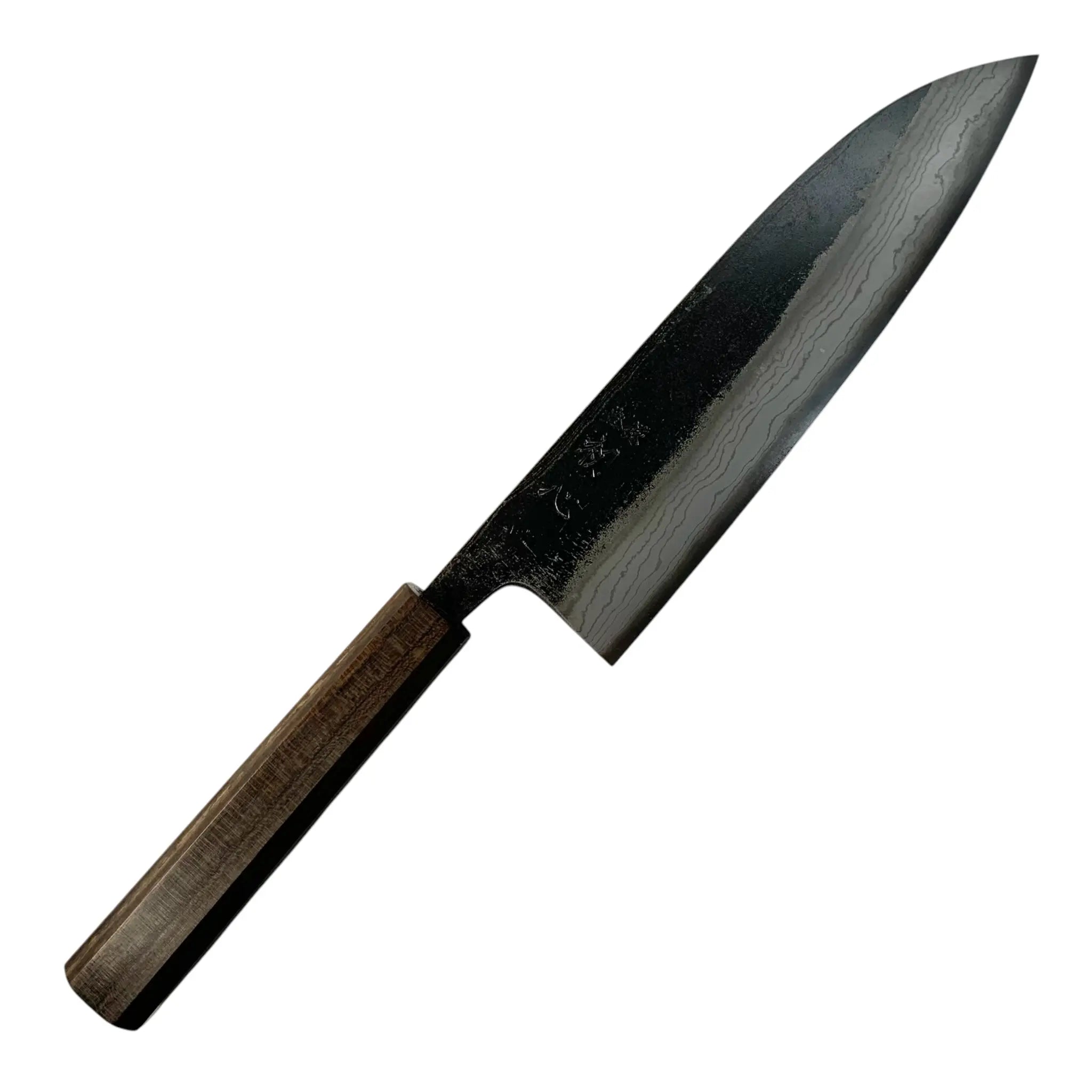
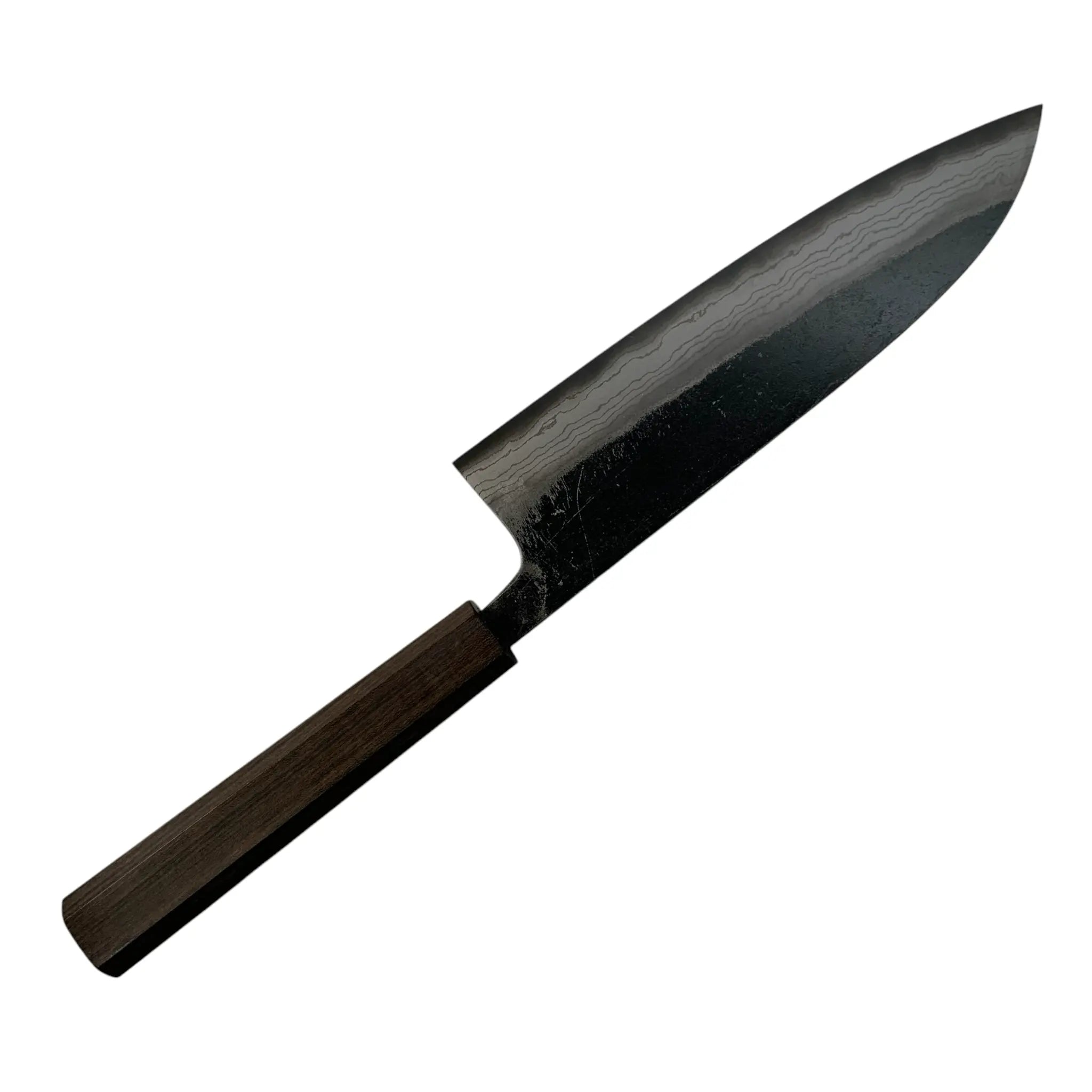
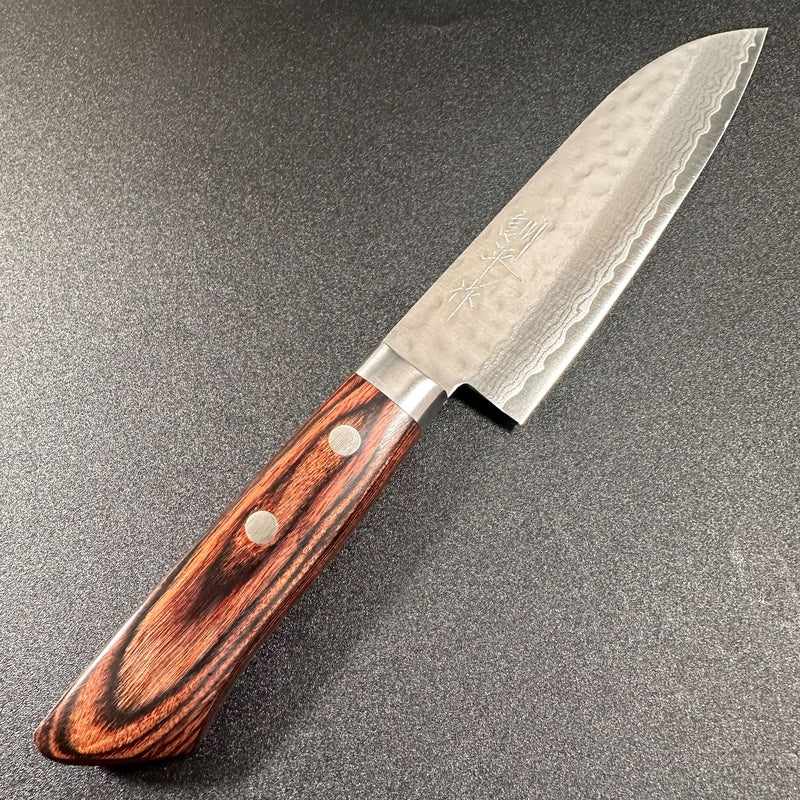
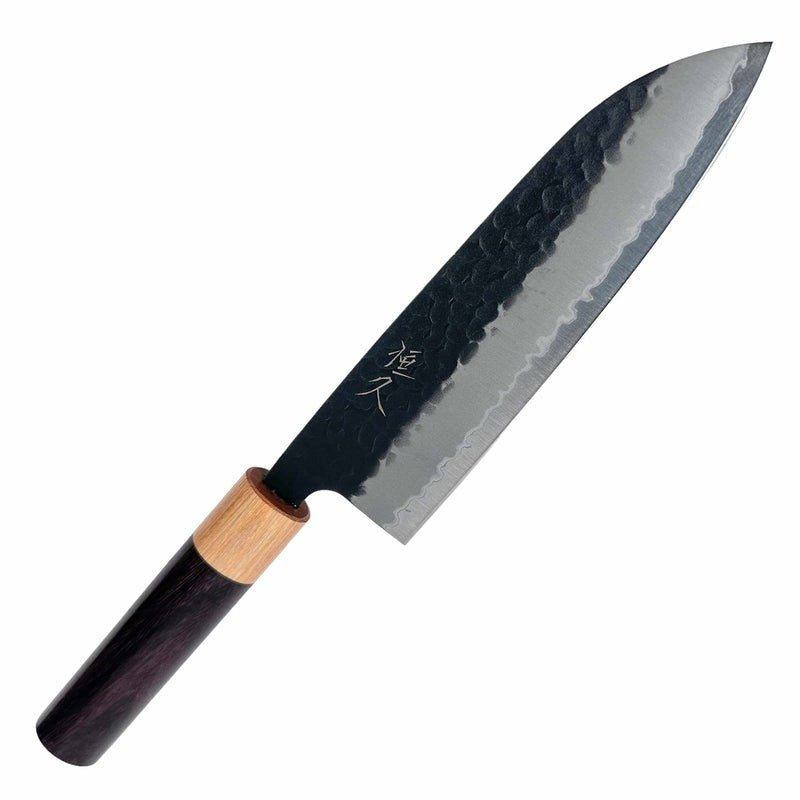
The Santoku (三徳包丁), meaning "Three Virtues," is Japan’s masterfully designed multipurpose kitchen knife. Excelling at slicing, dicing, and chopping—or alternatively, handling meat, fish, and vegetables—it is the ultimate daily driver for home cooks and professionals alike. Quick Guide to Santoku Knives: The Size Sweet Spot: Typically ranging from 165mm to 180mm, they are highly maneuvera. . . Continue

Sort by

56 products

Filters

Sold outTakamura VG-10 Tsuchime Santoku 170mmTakamura Tsuchime Vg-10 165mm Santoku Yo handle - Tokushu Knife
(5.0)
Sold outSave $70.00Masakage Kiri VG‑10 Damascus Santoku 165 mm, left‑side profile highlighting rippled Damascus pattern and two‑tone maple & purpleheart wa handle.Masakage Kiri VG‑10 Damascus Santoku 165 mm choil shot
Masakage Kiri Damascus Santoku 165mm Sale price$299.00 USD Regular price$369.00 USD
Sold outTetsujin Hamono Blue #2 Metal Flow 180mm Santoku - Handmade Japanese Knife | Tokushu Knife - Tokushu KnifeTetsujin Hamono Blue #2 Metal Flow 180mm Santoku - Handmade Japanese Knife | Tokushu Knife - Tokushu Knife
Sold outNigara Irodori Blue #2 Rainbow Damascus Santoku 180 mm with ebony and horn handle, full profile view showing the flowing multicolor damascus pattern across the blade.Nigara Irodori Blue #2 Rainbow Damascus Santoku 180 mm, choil hot showing the thin grind and distal taper from the ebony and horn handle toward the tip.
Sold outMakoto Kurosaki Coreless Damascus Santoku No HandleMakoto Kurosaki Coreless Tsuchime Damascus Santoku No Handle
Sold outMasakage Yuki Santoku 165mm (No Handle) - Tokushu KnifeMasakage Yuki Santoku 165mm (No Handle) - Tokushu Knife
Sold outAnryu Knives White #2 Kurouchi Santoku 165mm - Tokushu KnifeAnryu Knives White #2 Kurouchi Santoku 165mm - Tokushu Knife
Sold outHatsukokoro Shirahama  White #2 180mm Santoku No Handle Tokushu Knife.Hatsukokoro Shirahama  White #2 180mm Santoku No Handle Tokushu Knife.

Santoku Knives

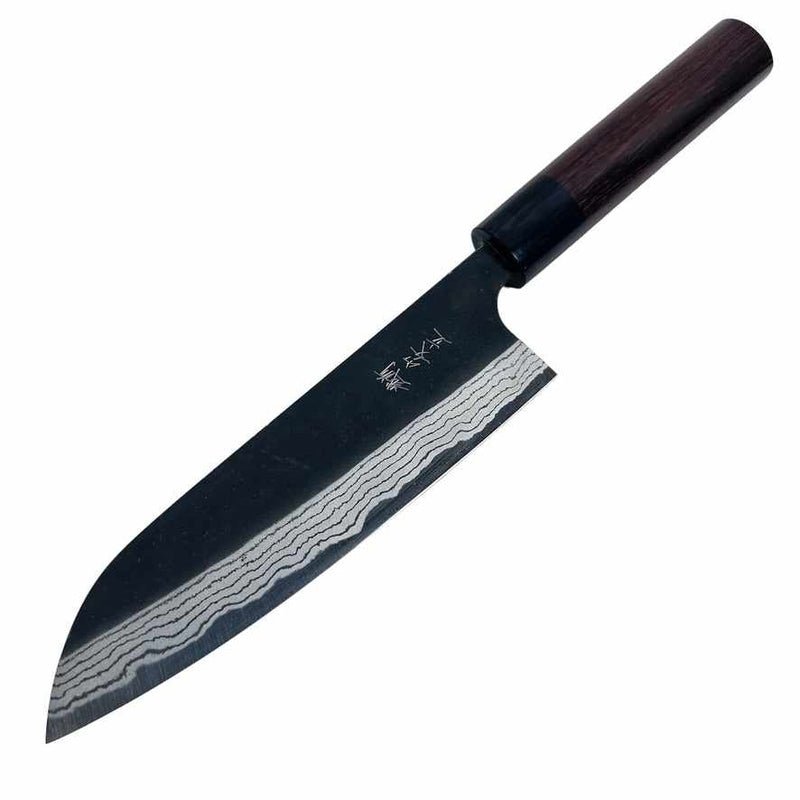
The Santoku (三徳包丁), meaning "Three Virtues," is Japan’s masterfully designed multipurpose kitchen knife. Excelling at slicing, dicing, and chopping—or alternatively, handling meat, fish, and vegetables—it is the ultimate daily driver for home cooks and professionals alike.

Quick Guide to Santoku Knives:

  • The Size Sweet Spot: Typically ranging from 165mm to 180mm, they are highly maneuverable and perfect for smaller cutting boards or tight kitchen spaces.
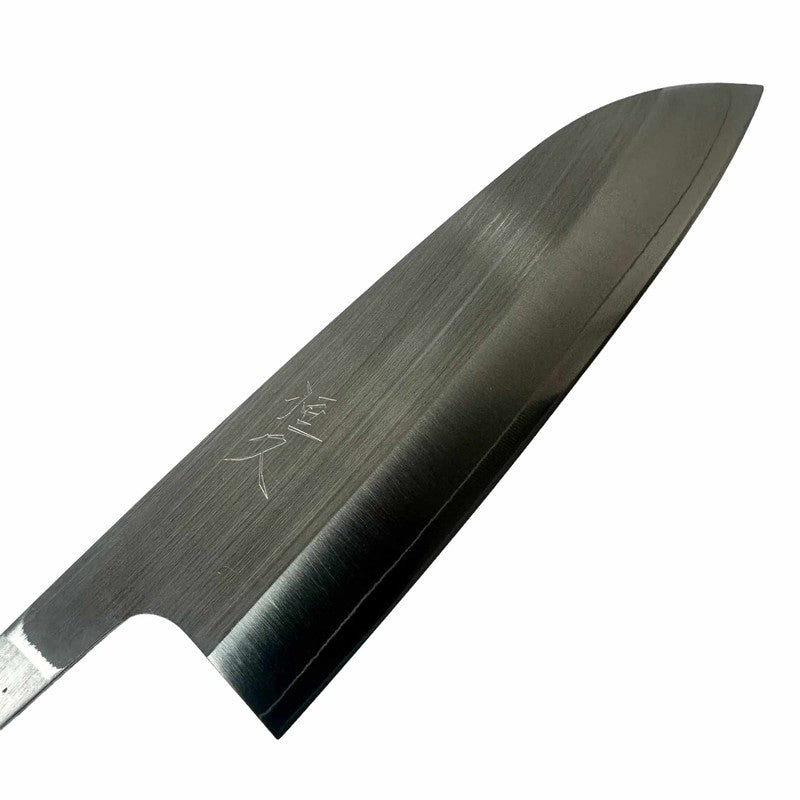
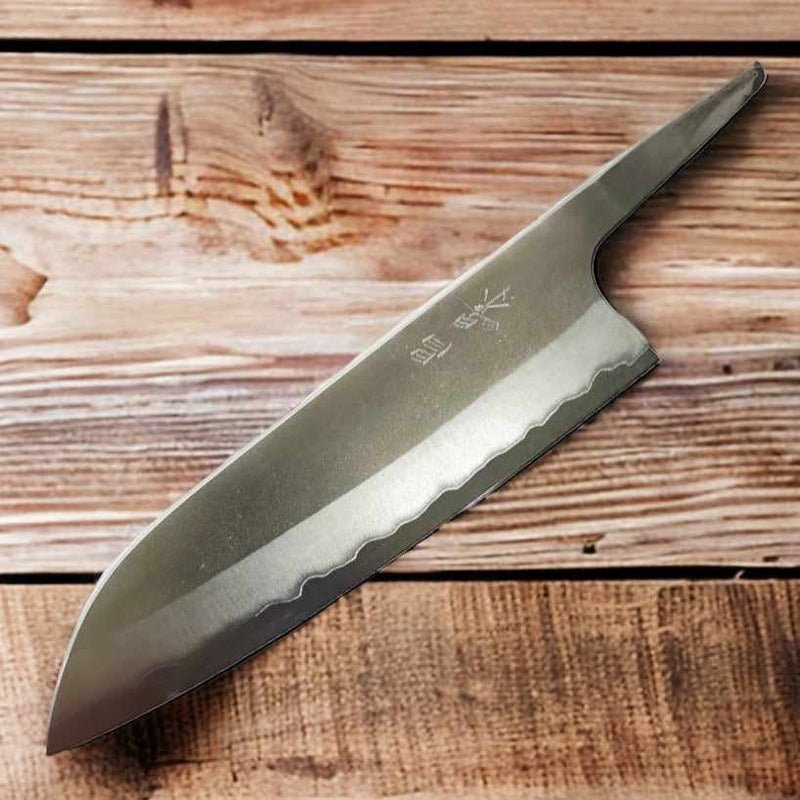
  • The Profile: Features a flat edge designed for crisp, clean up-and-down "push-cutting" (rather than the rocking motion of a Western knife).
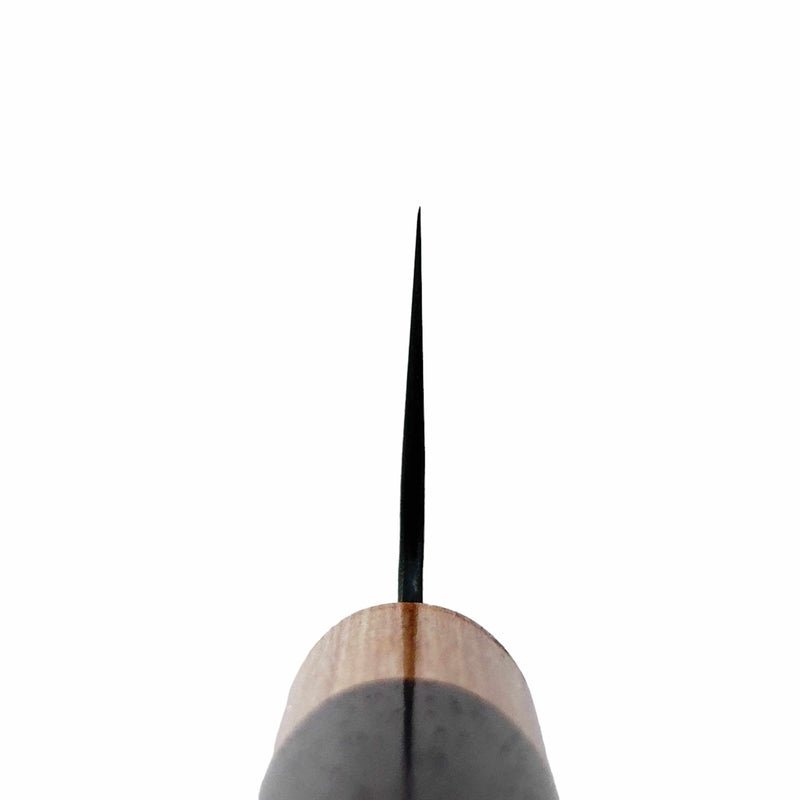
  • The Tip: The curved "sheepsfoot" tip drops down to the edge, making it safer to use and excellent for precise scoring.

The Tokushu Expert Take: Santoku vs. Gyuto

We are constantly asked which knife a beginner should buy first. If you have a smaller kitchen, prefer a lighter blade, and mostly chop vegetables and boneless proteins using an up-and-down motion, the Santoku is your best friend. If you process large cuts of meat or prefer a "rocking" chop, lean toward our Gyuto collection.

Best Santoku Knives: Our Top Recommendations

Style Steel & Maintenance Best For
Stainless "Laser" SG2 / VG10 (Low Maintenance) Home cooks who want extreme sharpness without worrying about rust.
Carbon Steel Workhorse Aogami / Shirogami (High Care) Enthusiasts wanting maximum "bite," easy sharpening, and a beautiful patina.
Stainless-Clad Carbon Carbon Core / Stainless Body The ultimate middle ground: elite edge retention with easy body care.

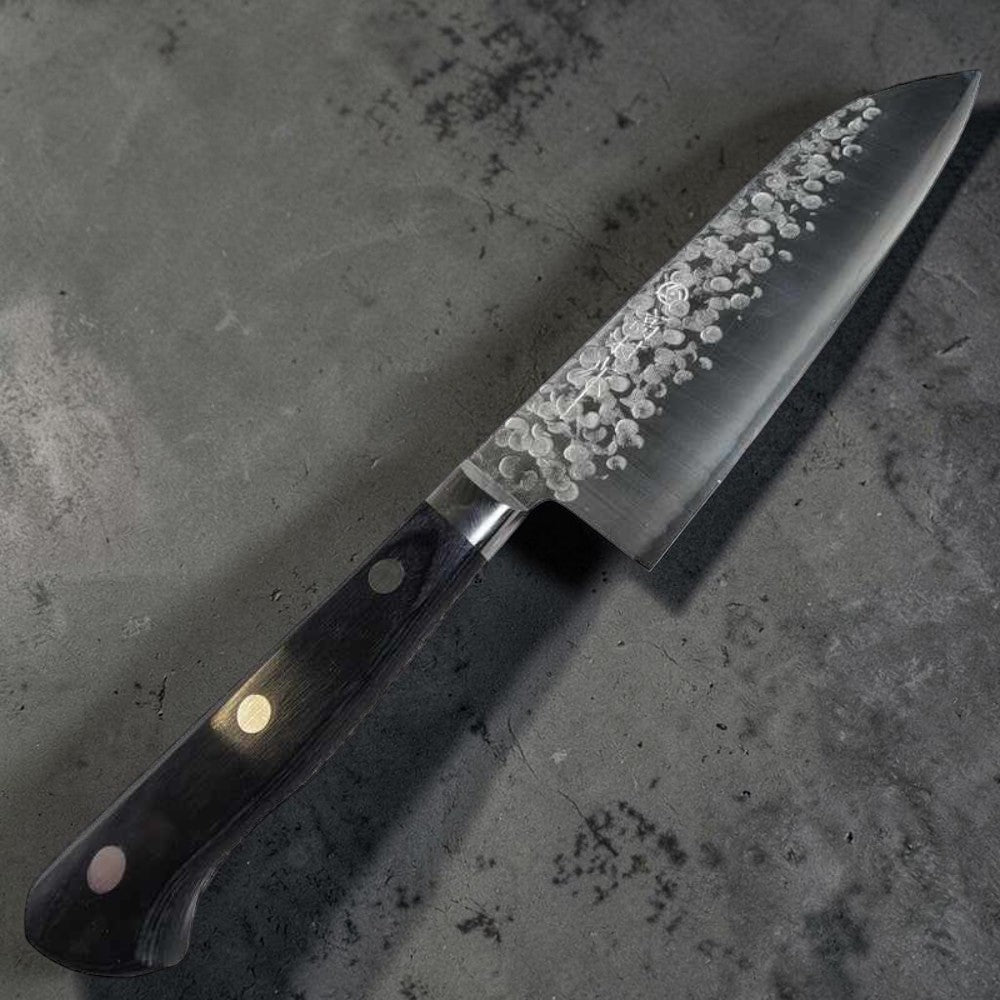
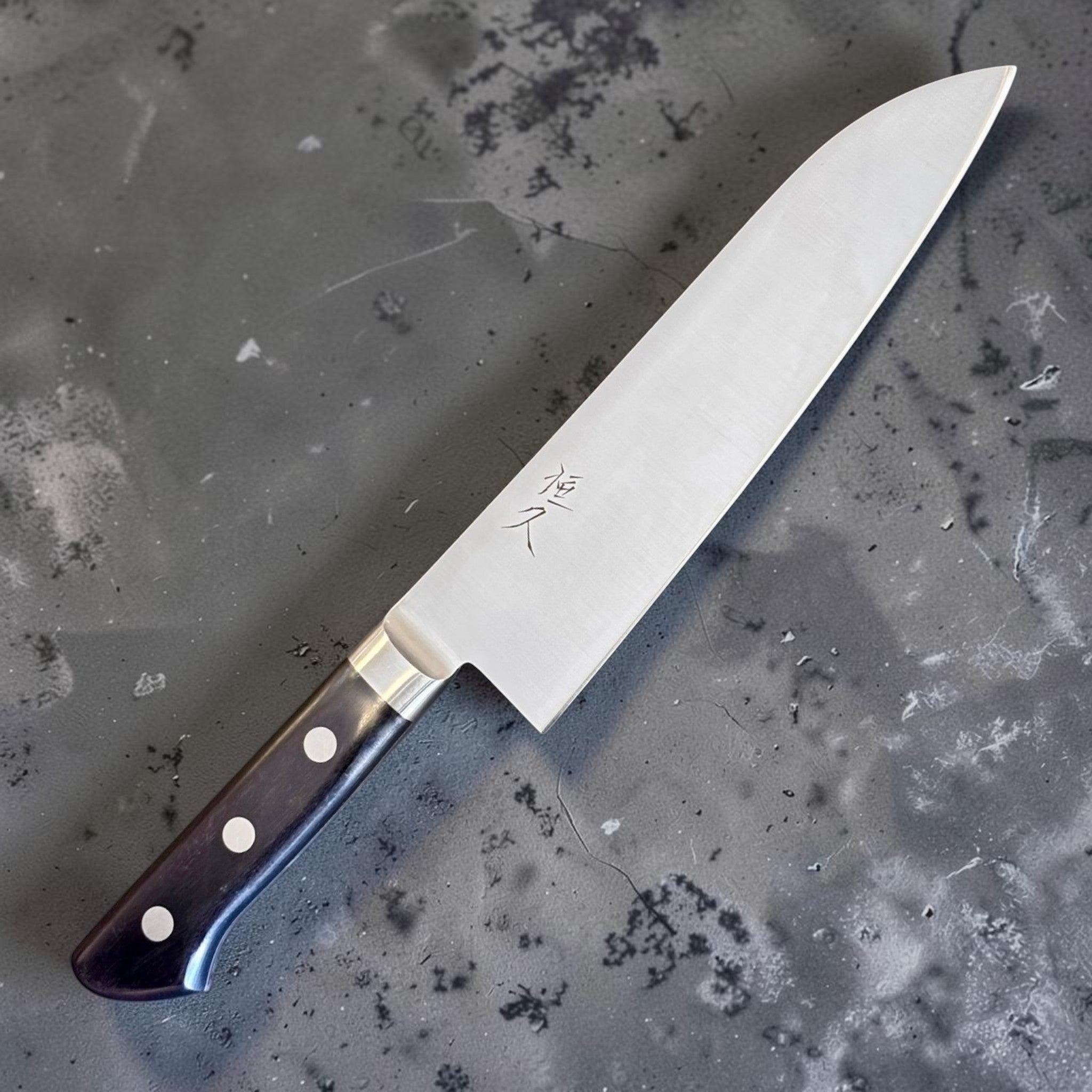
*Browse our full collection below, featuring masterpieces from Tsunehisa, Nigara Hamono, Yoshikane, and more.


Santoku FAQs

What size Santoku should I buy?

The industry standard is 165mm (about 6.5 inches). This length provides the perfect balance of agility and cutting surface. If you have larger hands or process slightly larger produce, a 180mm Santoku is a fantastic upgrade.

Can a Santoku cut meat?

Absolutely. While it excels at chopping vegetables, a Santoku will easily glide through boneless poultry, beef, and pork. However, you should never use a Japanese kitchen knife (including a Santoku) to cut through bones or frozen food, as the hard steel can chip.

How do I sharpen a Santoku?

Because of its relatively flat profile, the Santoku is actually one of the easiest Japanese knives to sharpen on a whetstone. We recommend maintaining the edge with a leather strop between whetstone sessions.