





Chinese Cleaver Knives
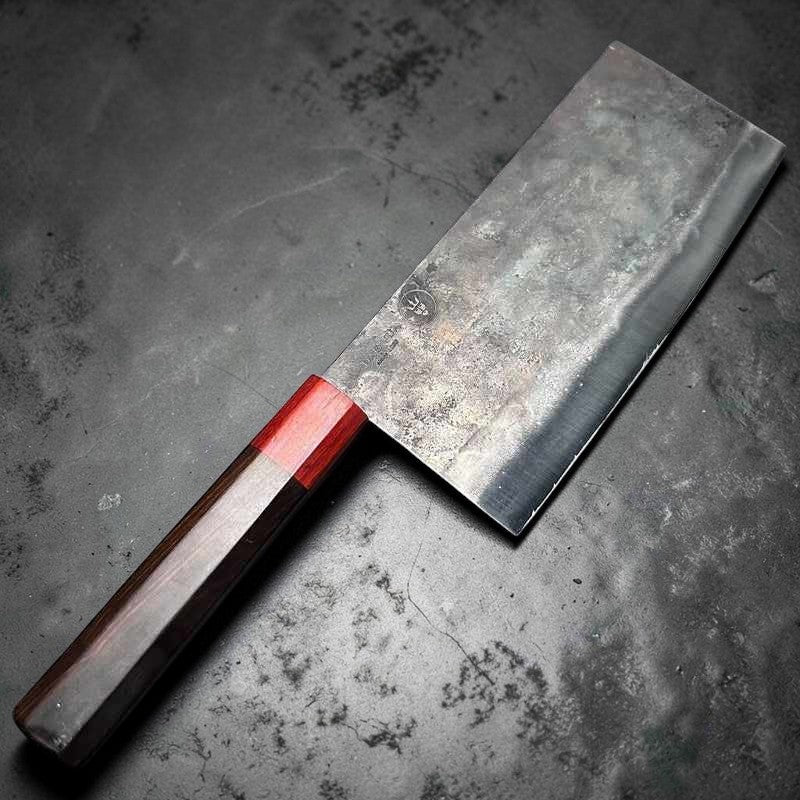
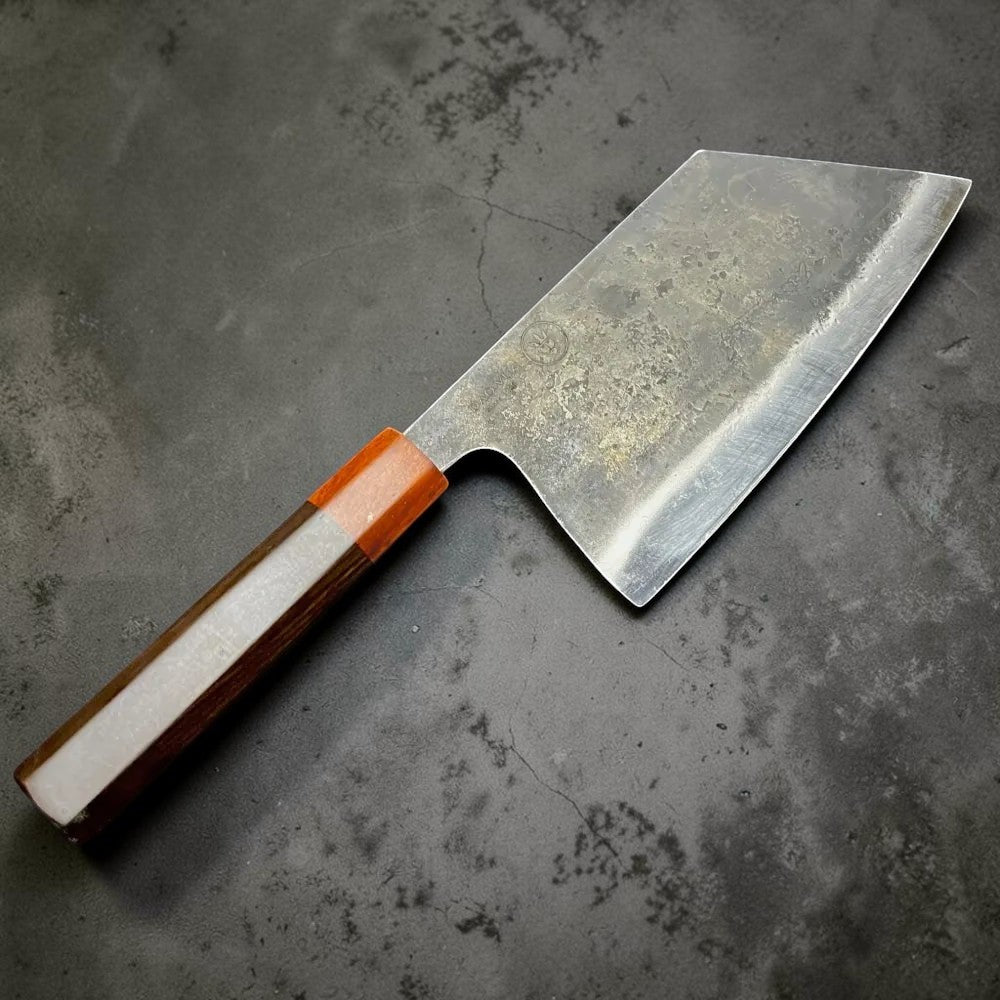
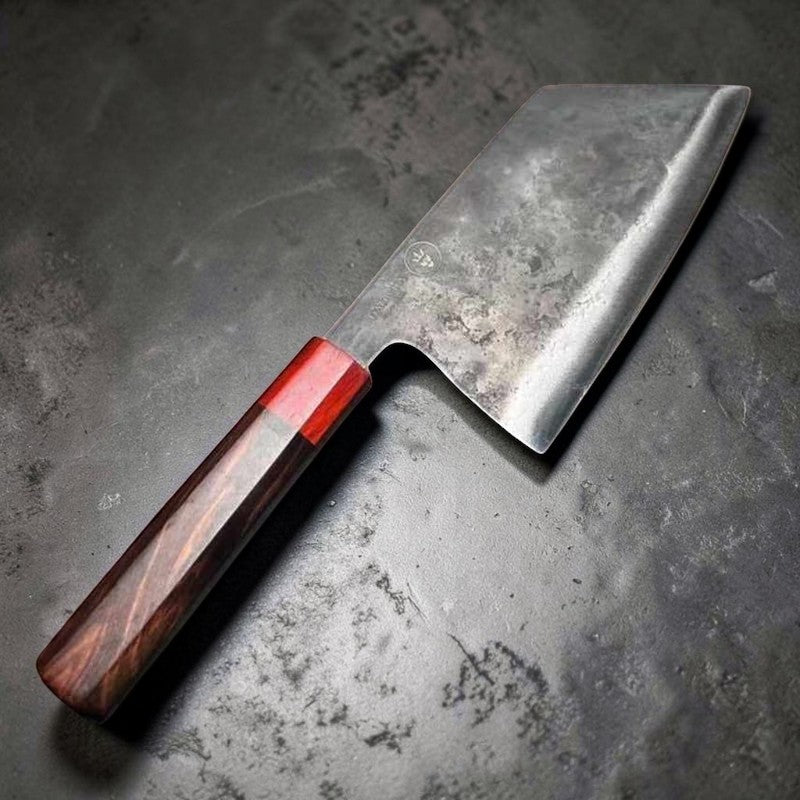
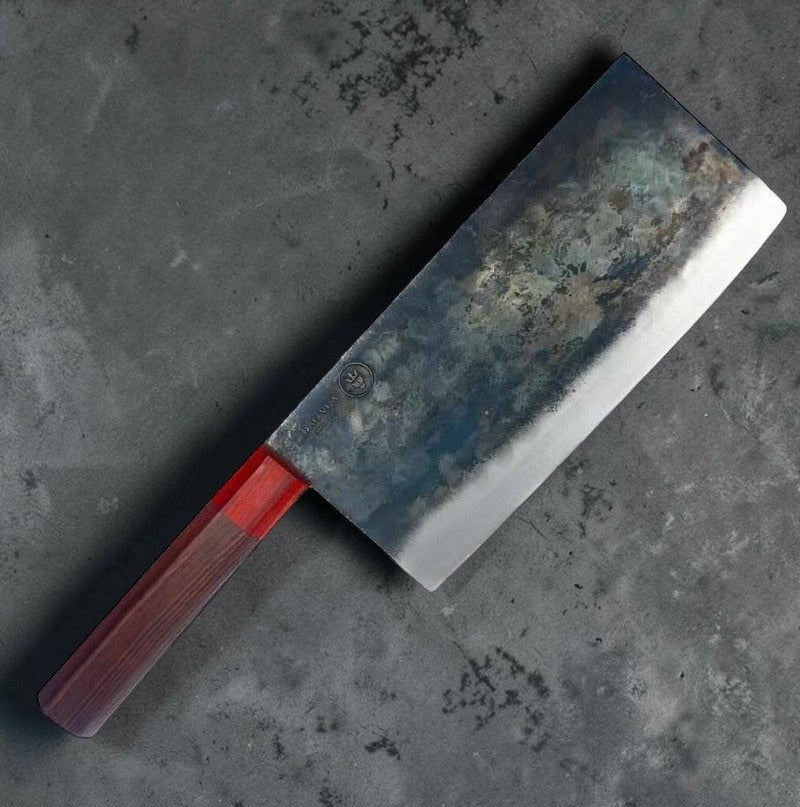
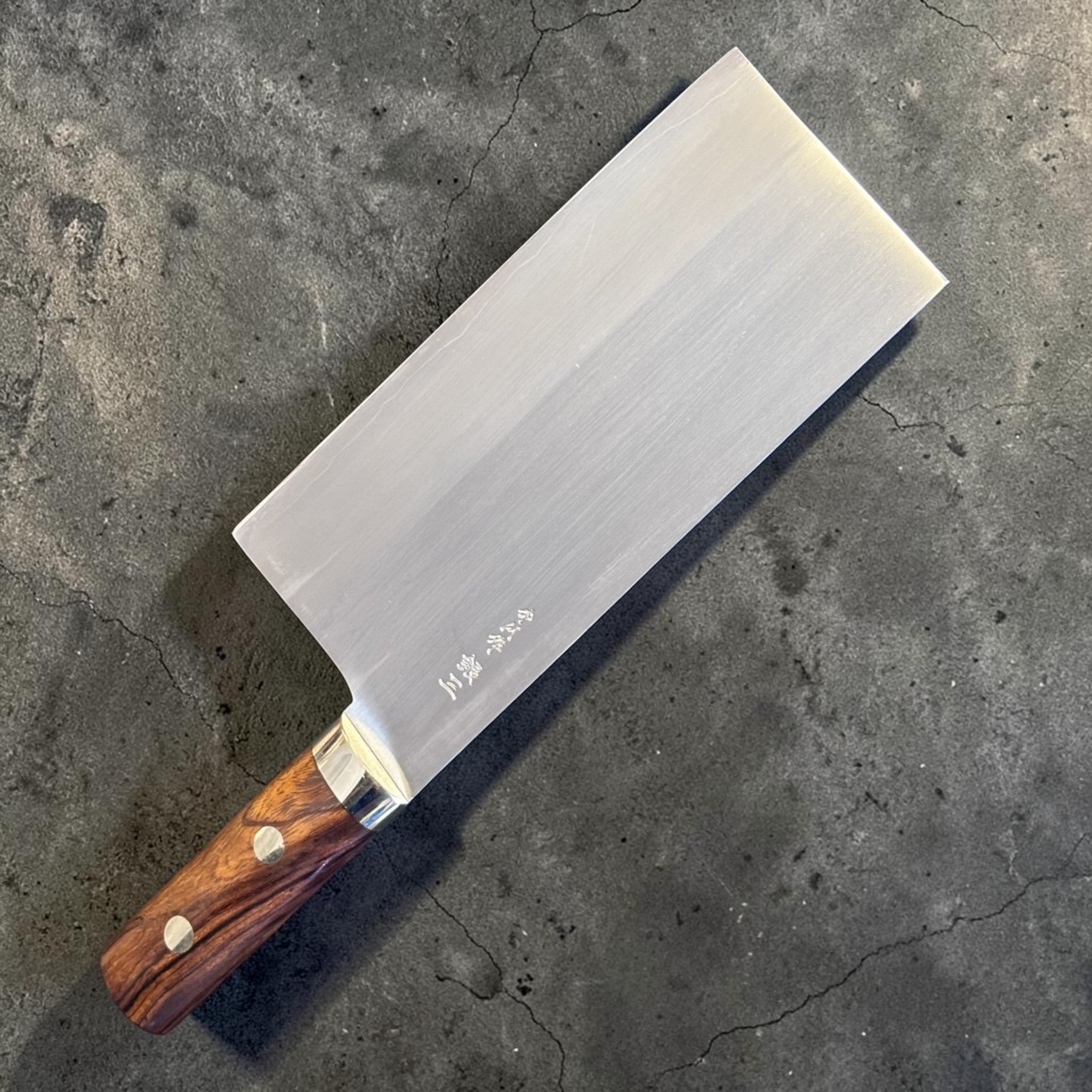
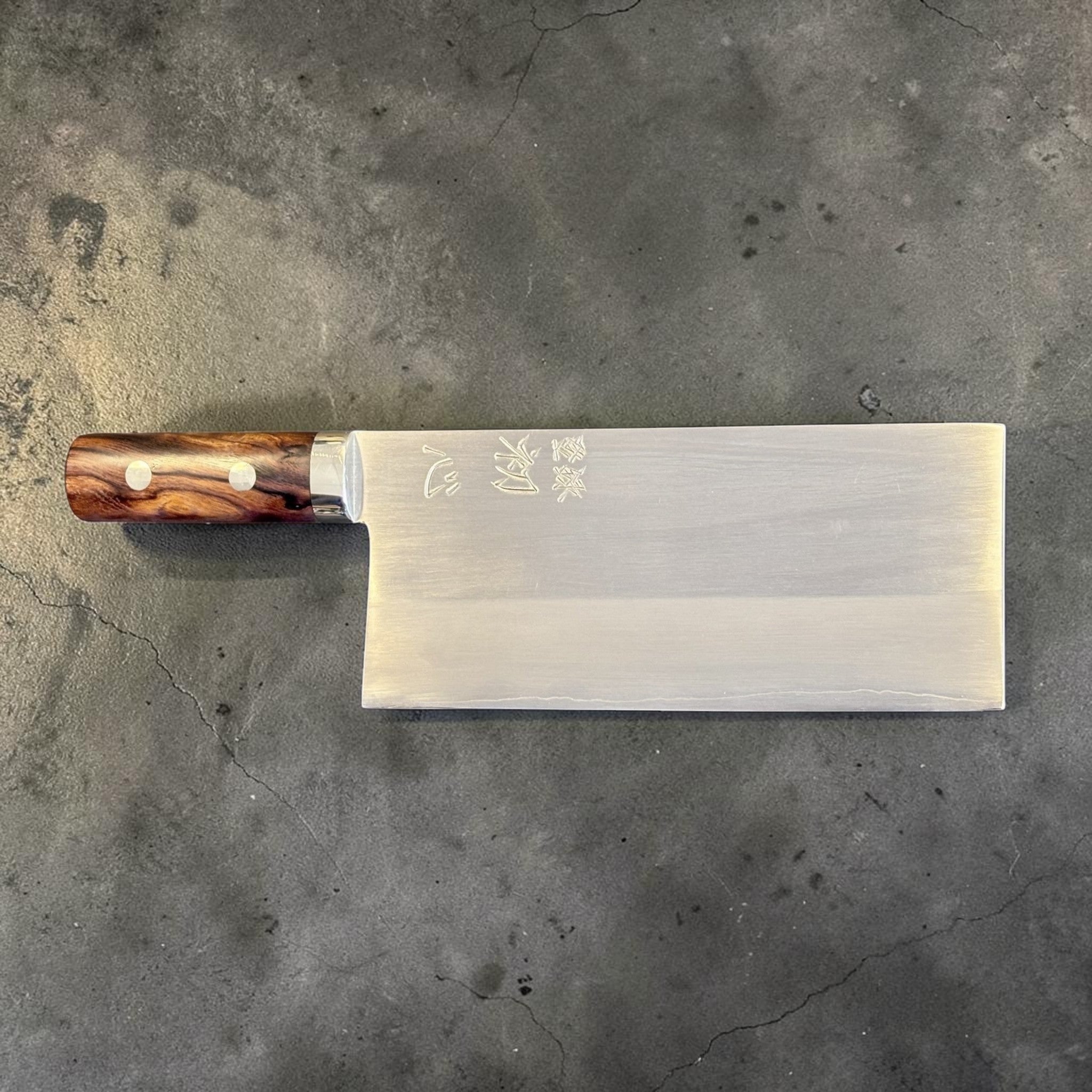
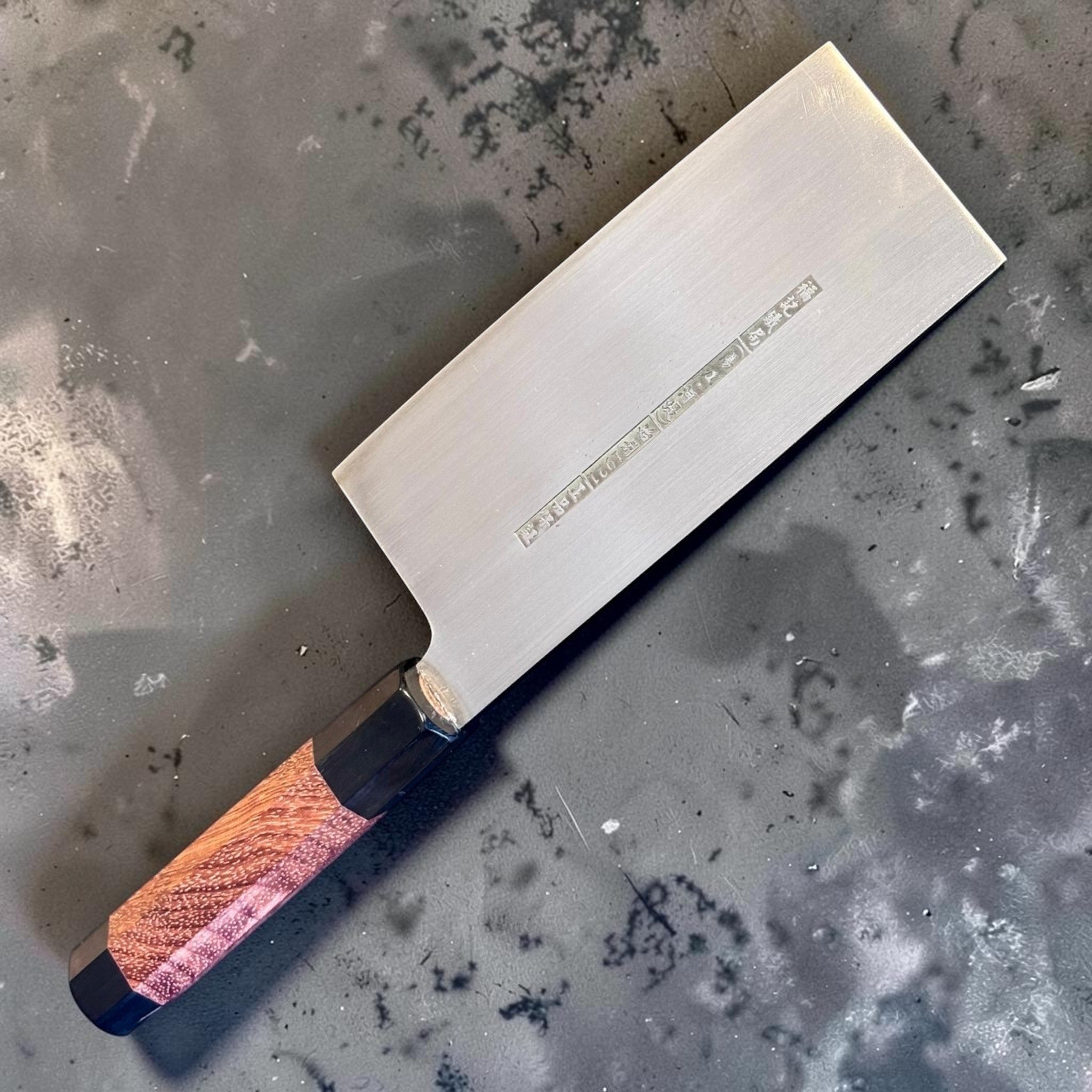
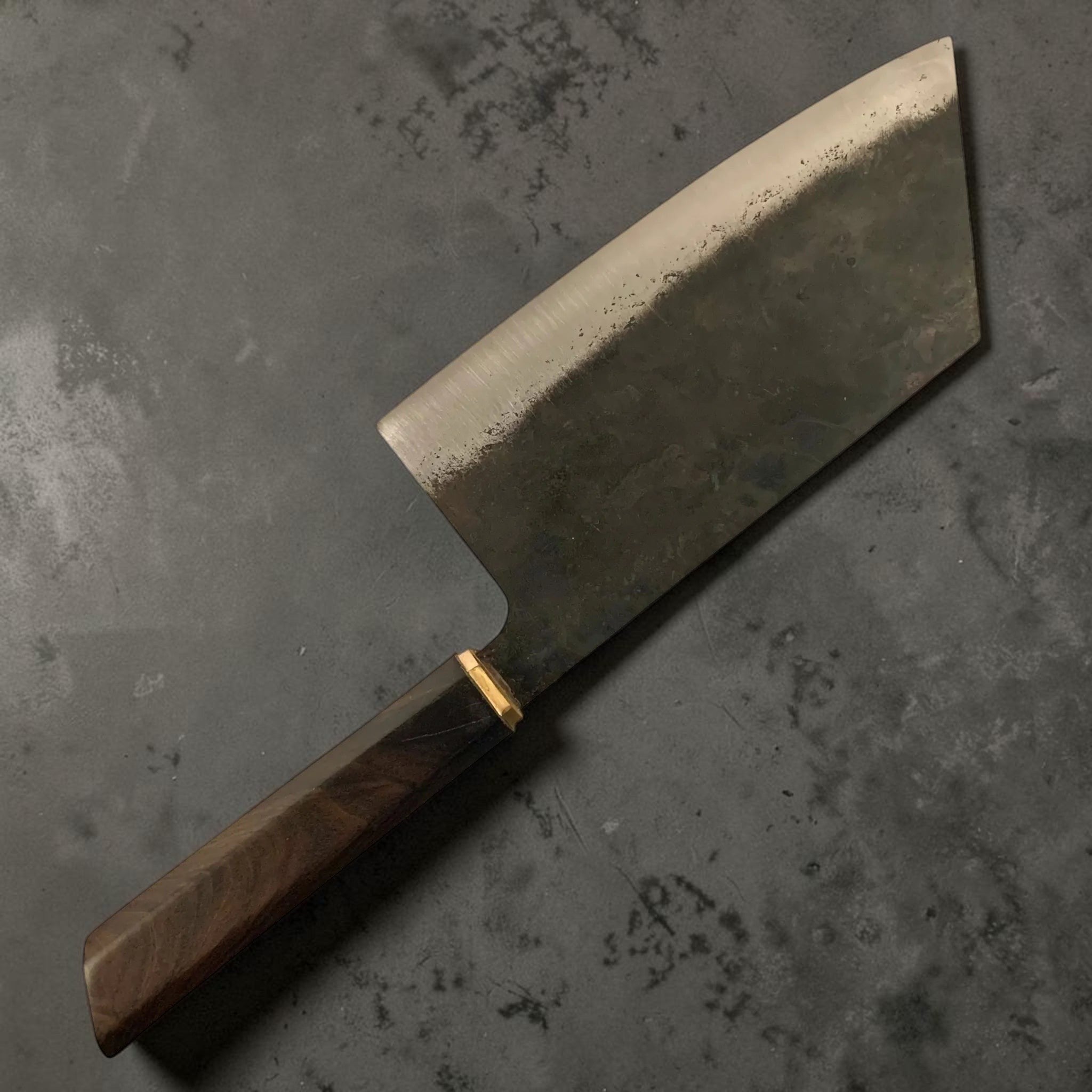
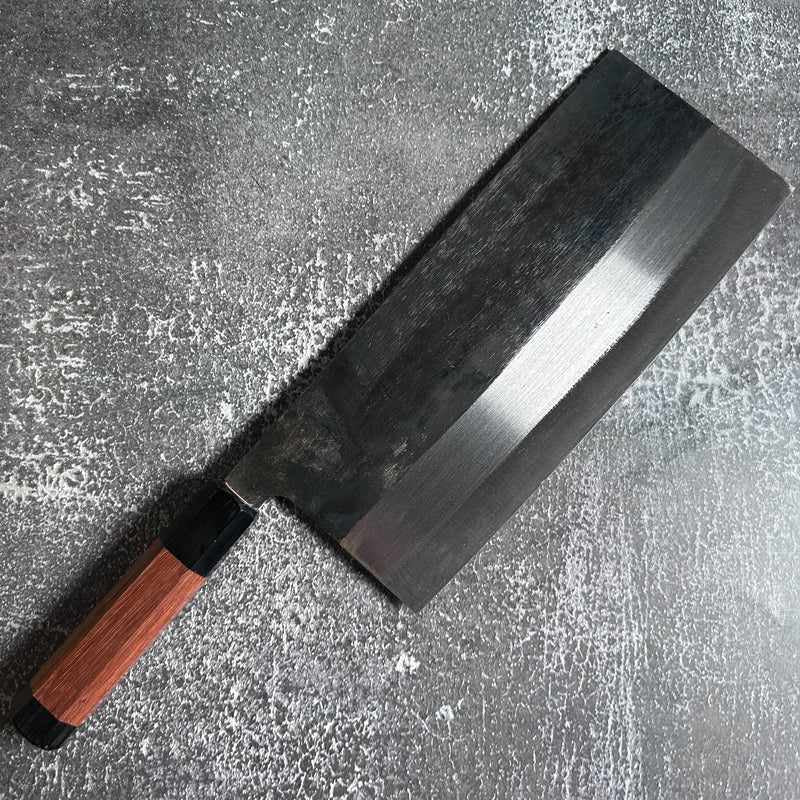
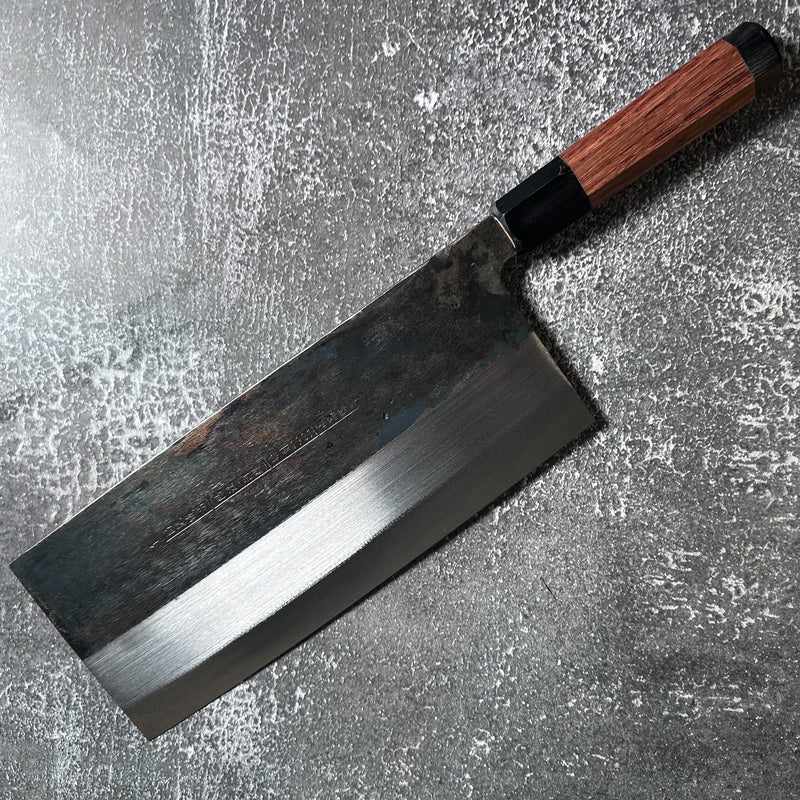
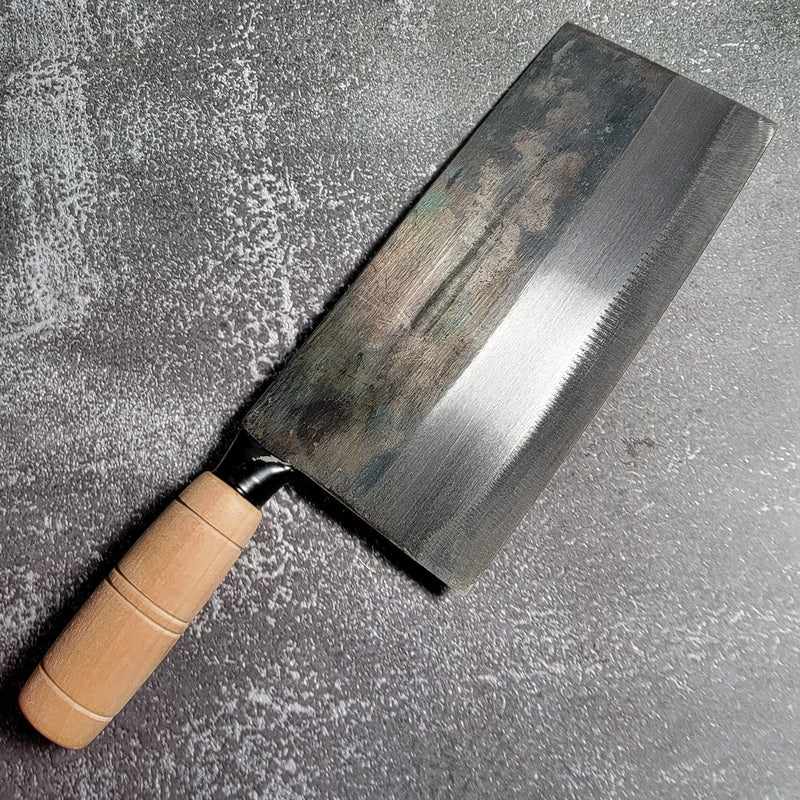
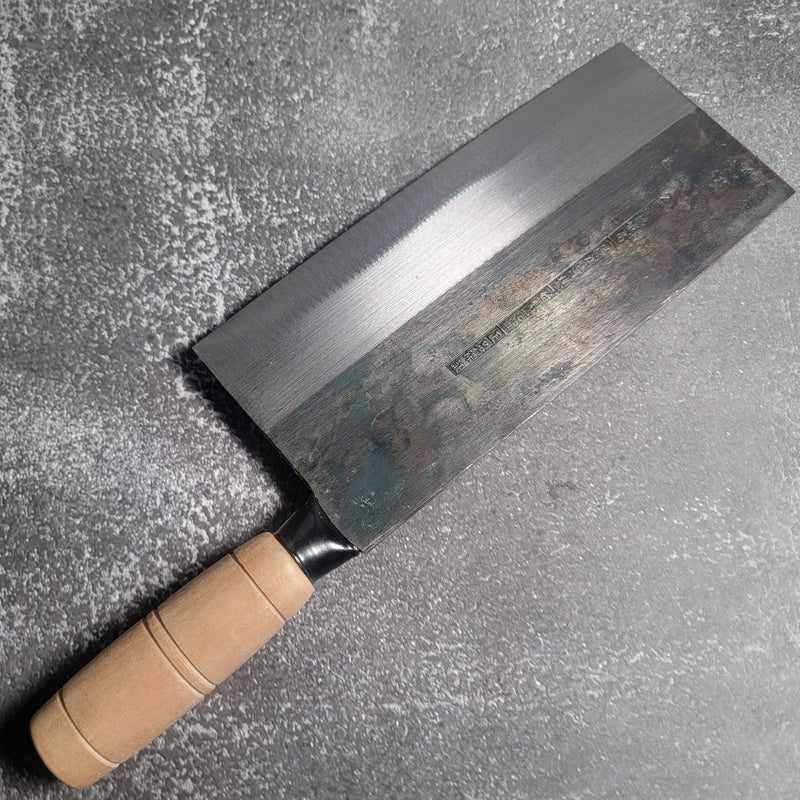
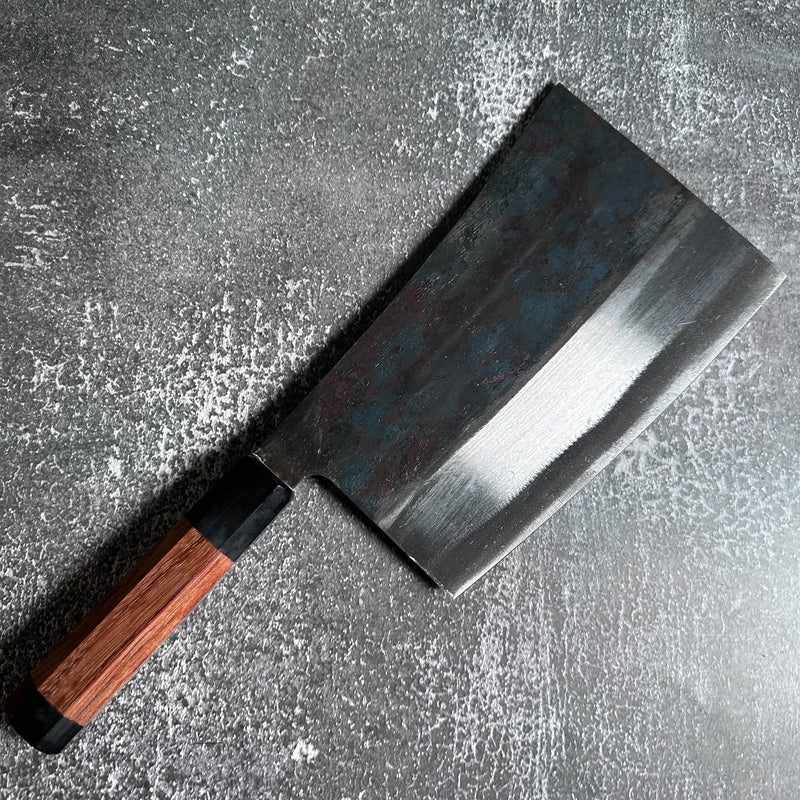
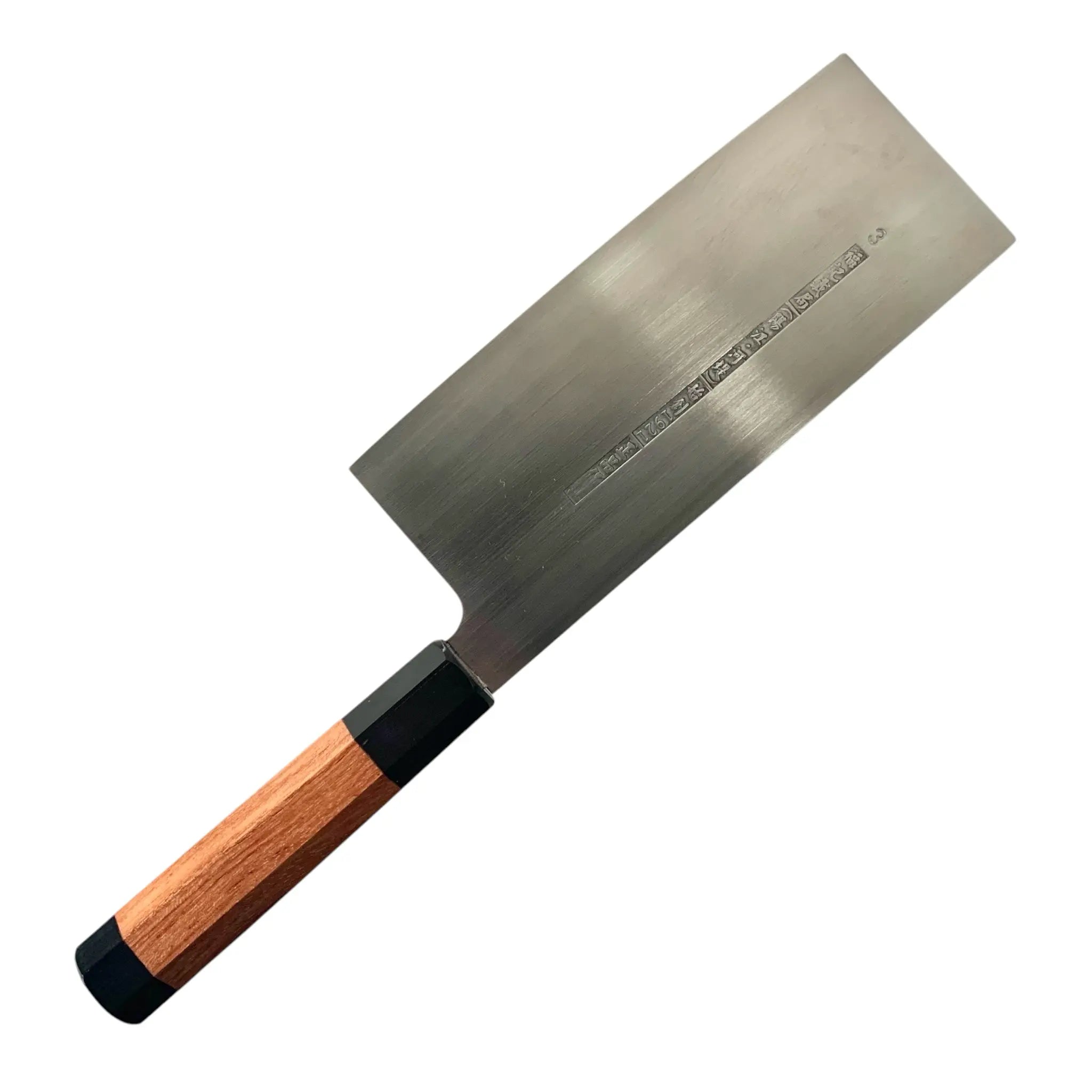
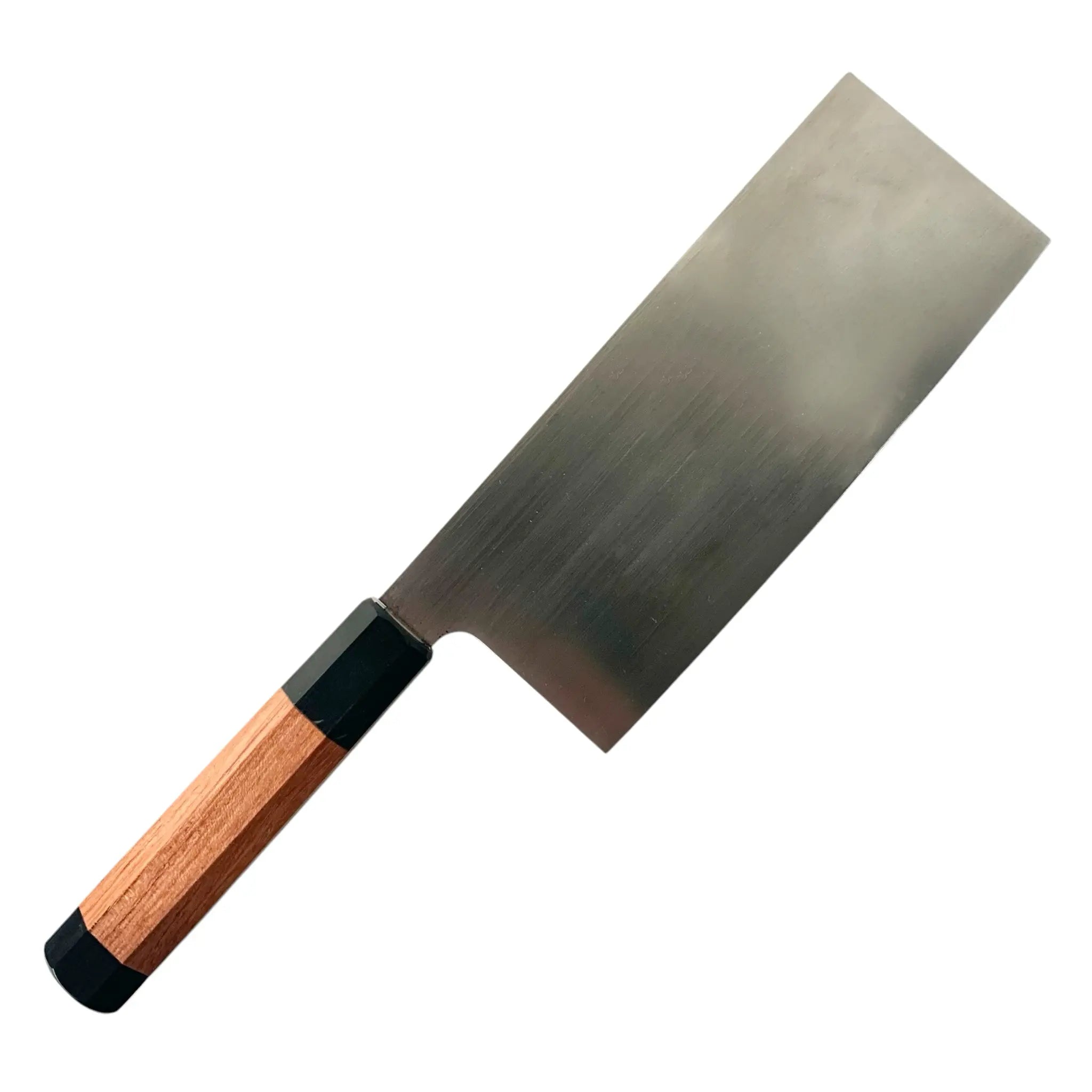
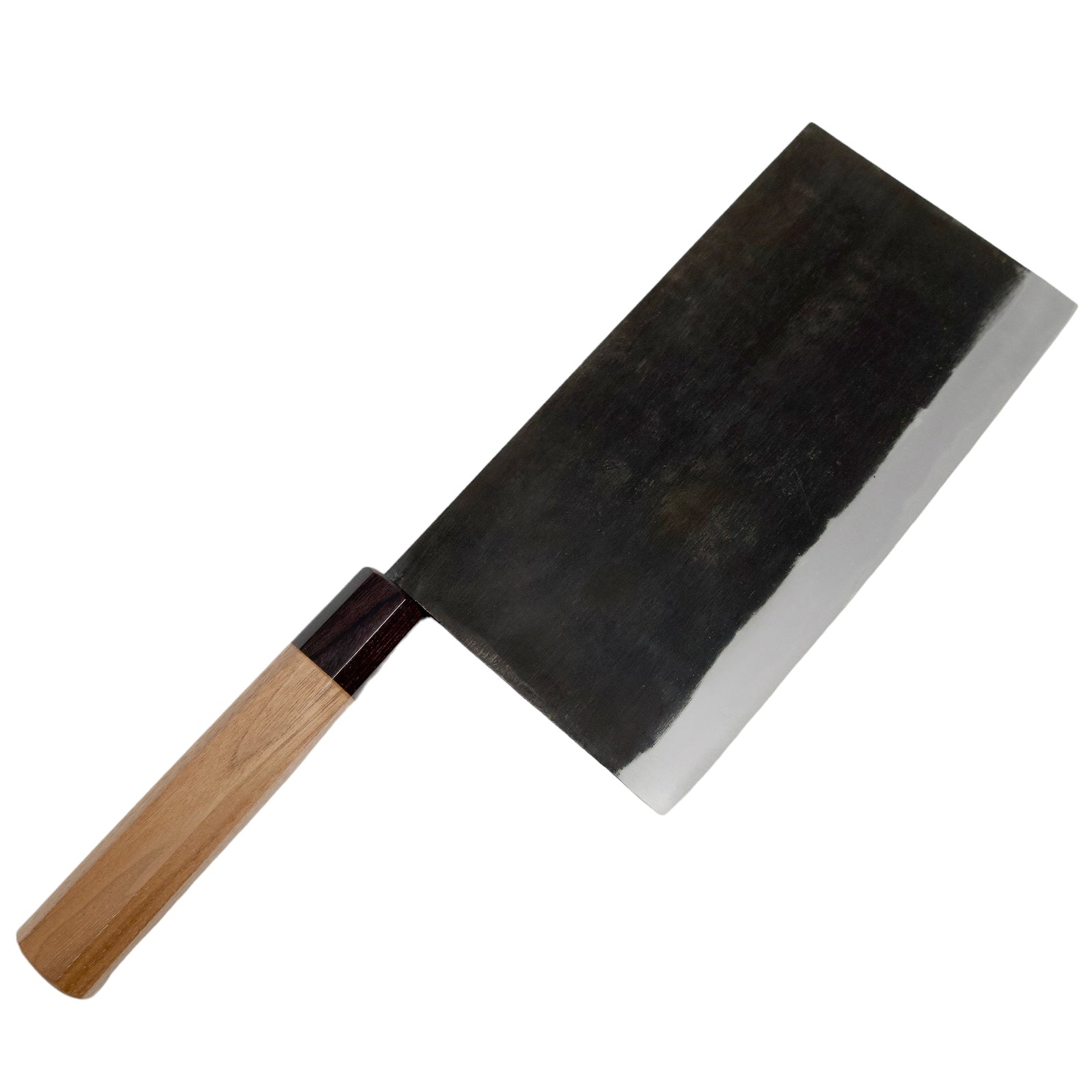
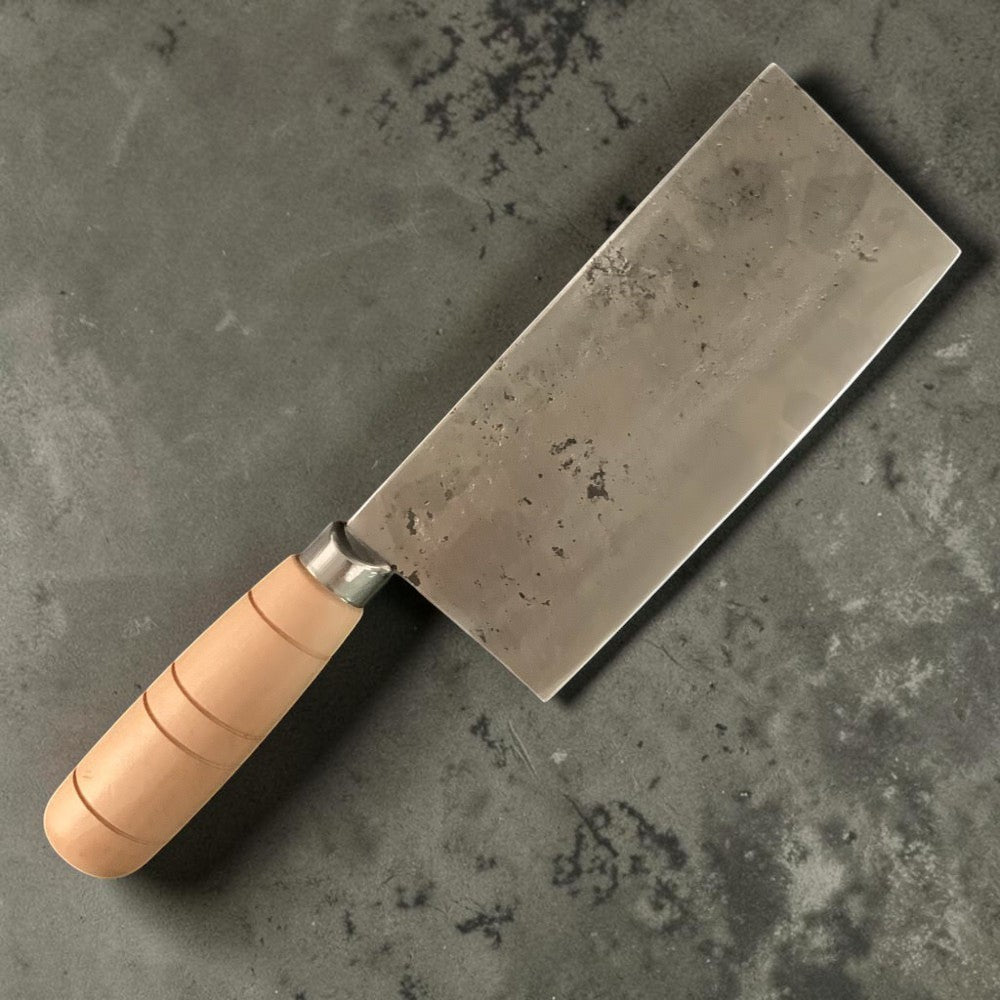
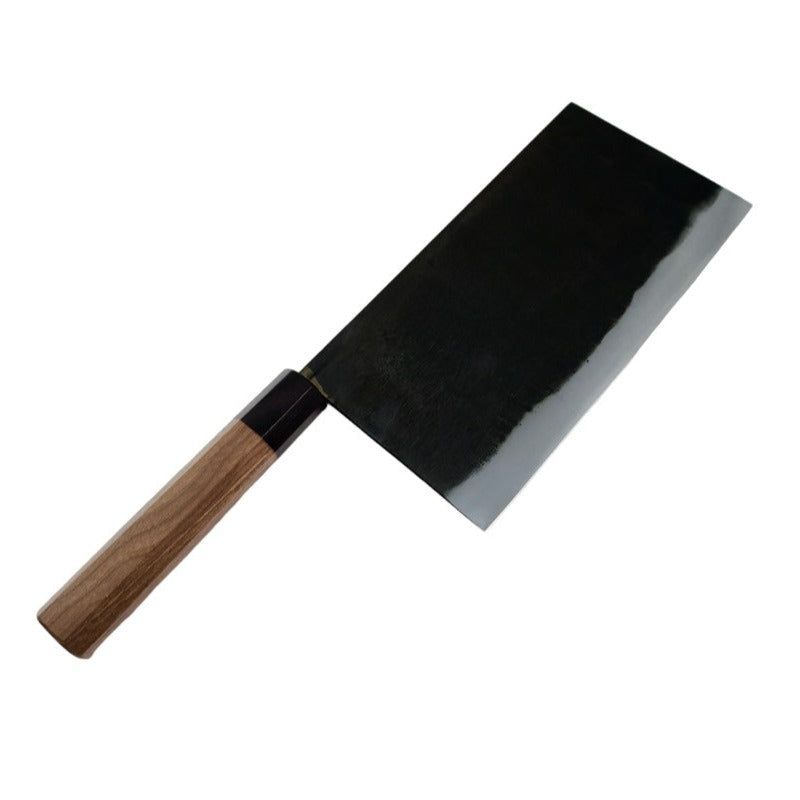
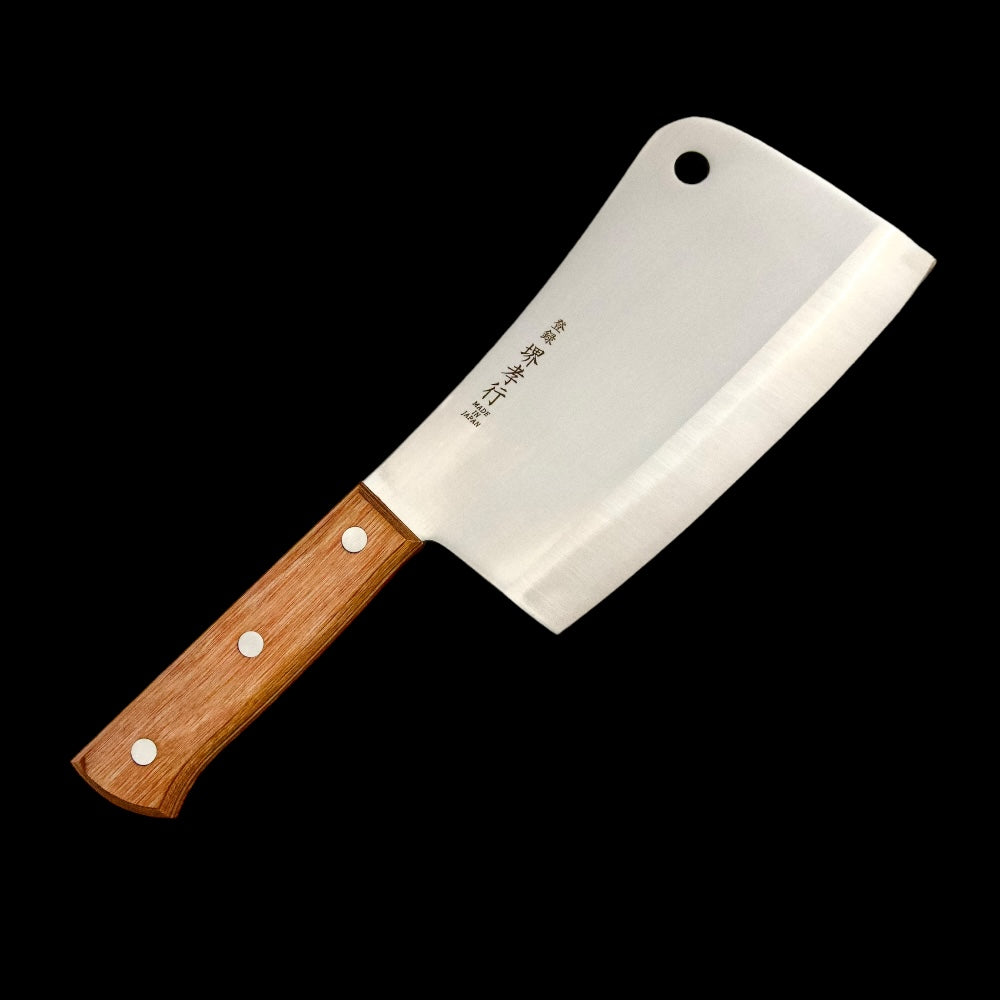
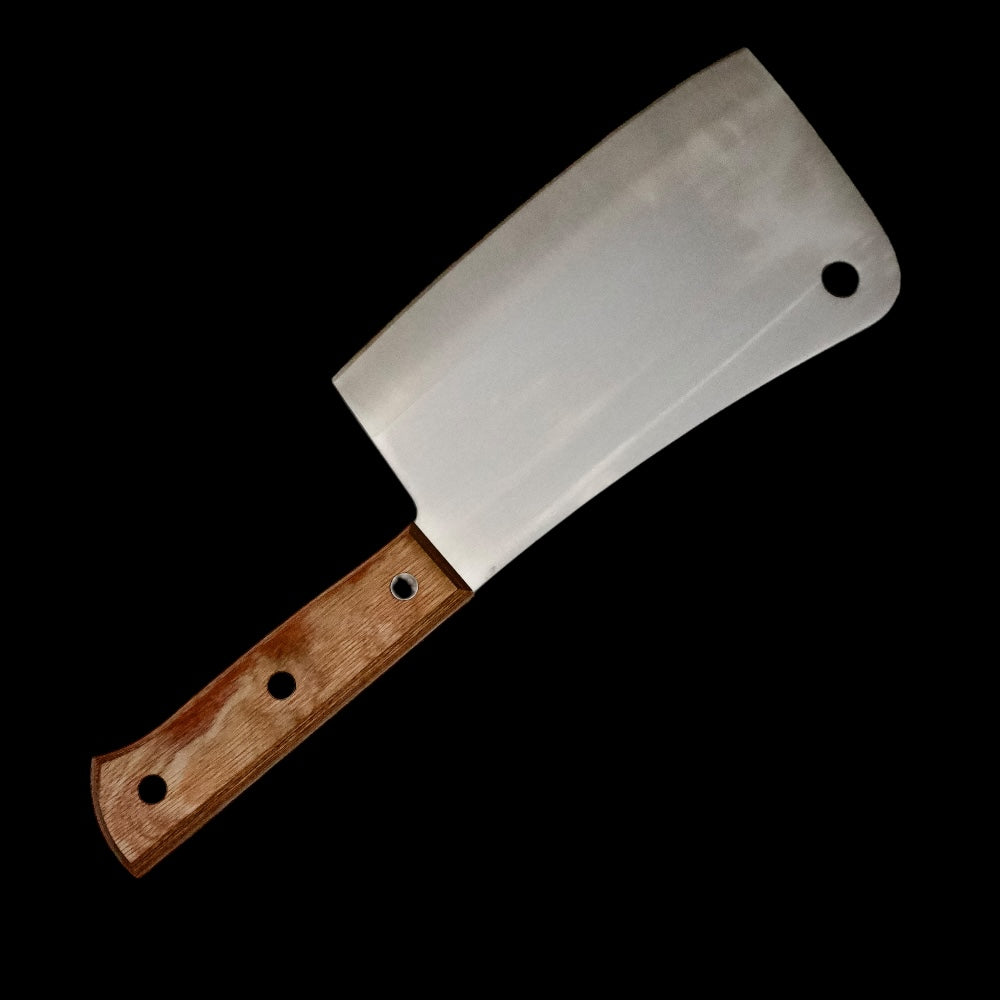
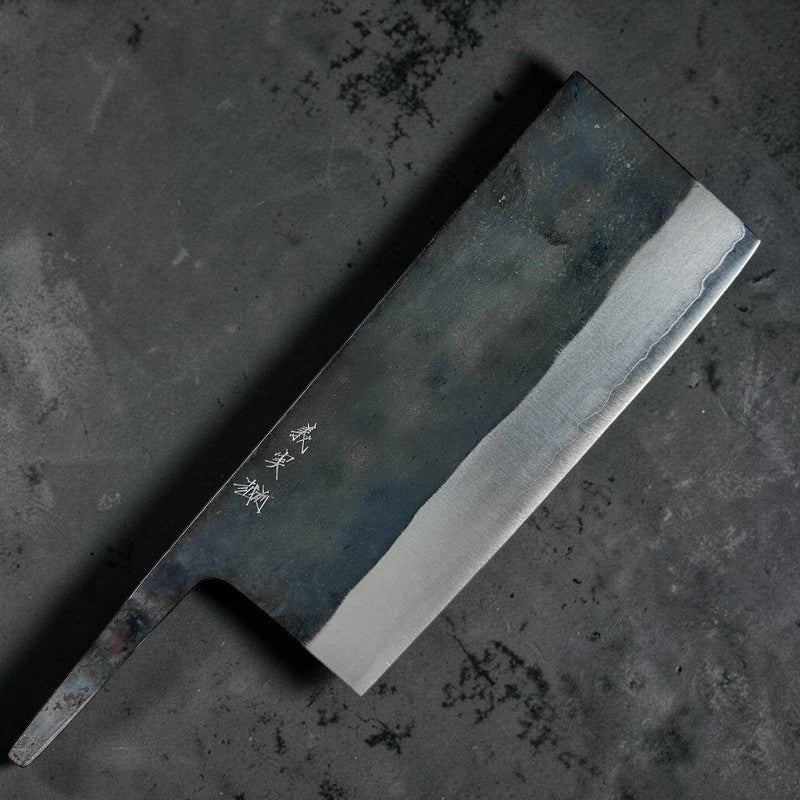
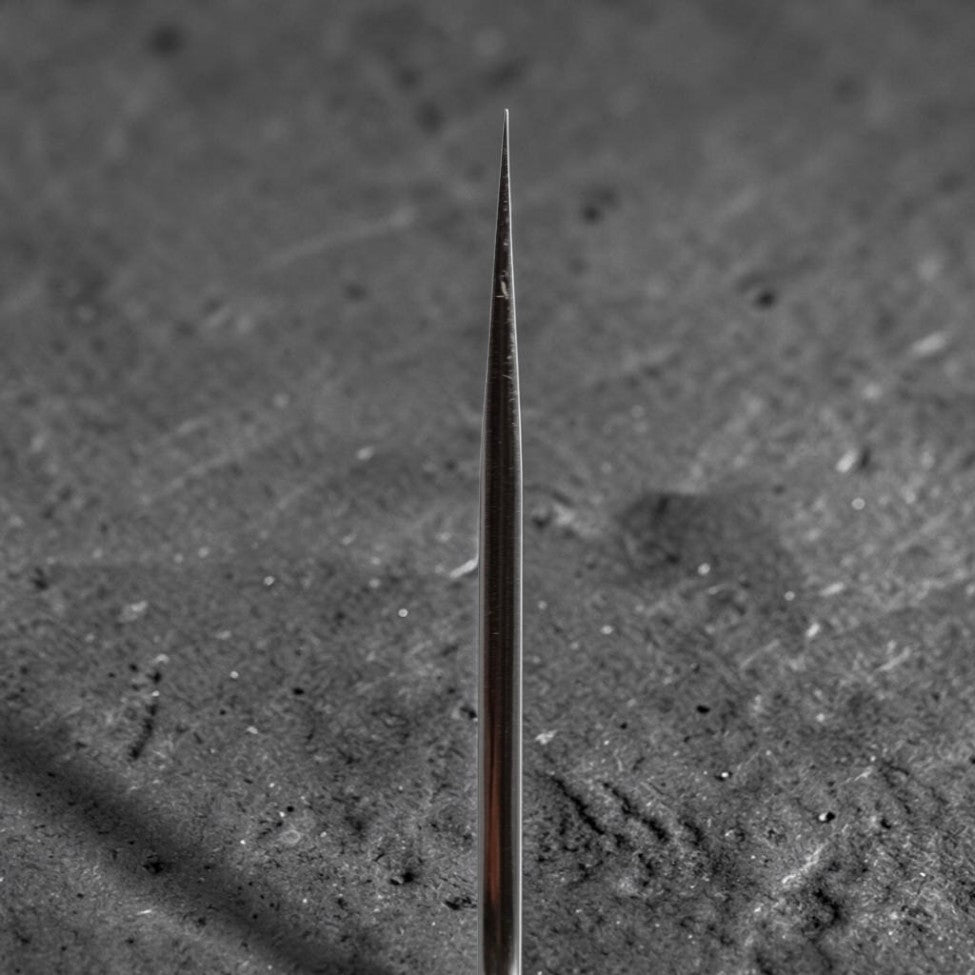
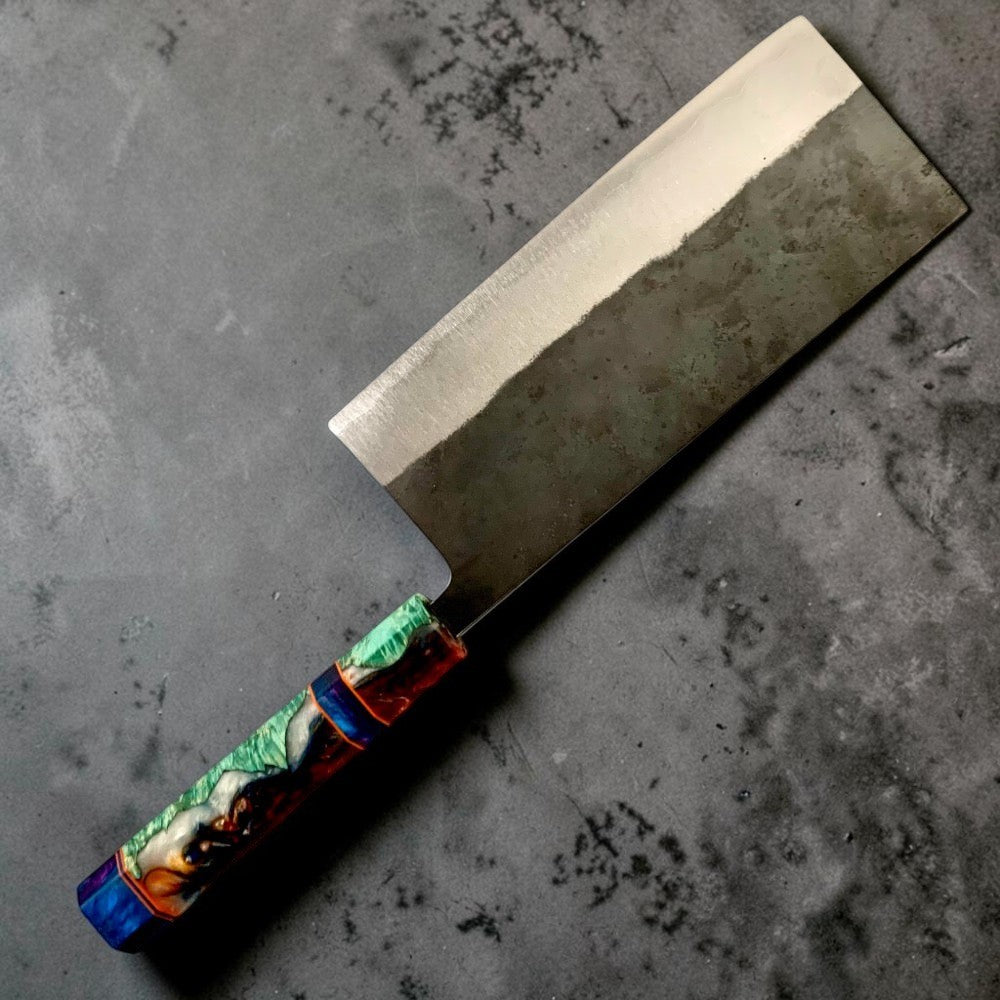
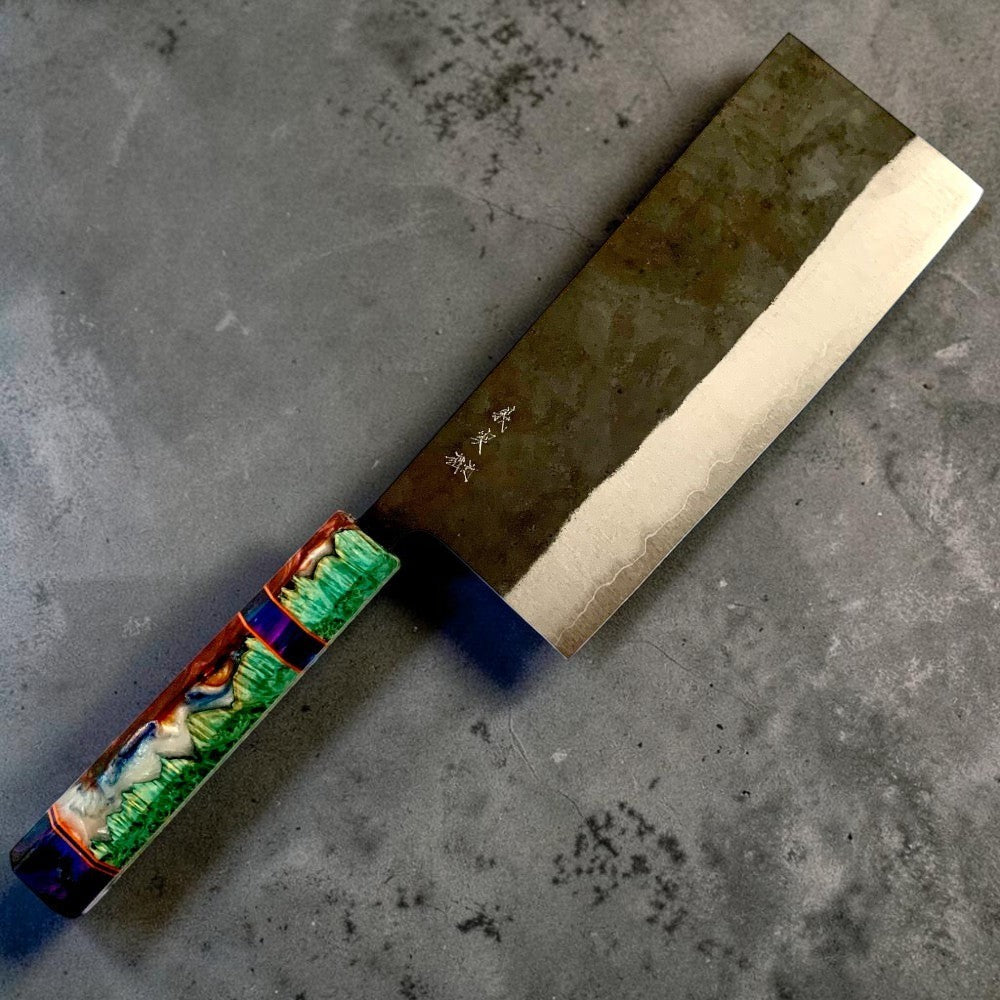
Shop Chinese-style cleavers for vegetable preparation, general kitchen work, and selected heavier cutting tasks. This collection includes thin Chinese vegetable cleavers, versatile Chinese chef knives, and heavier cleavers from makers such as Dao Vua, Fook Kee, and Japanese knife makers. Construction, steel, dimensions, country of origin, and intended use vary by model, so check the individual product page before choosing.
Vegetable Cleaver vs. Meat Cleaver
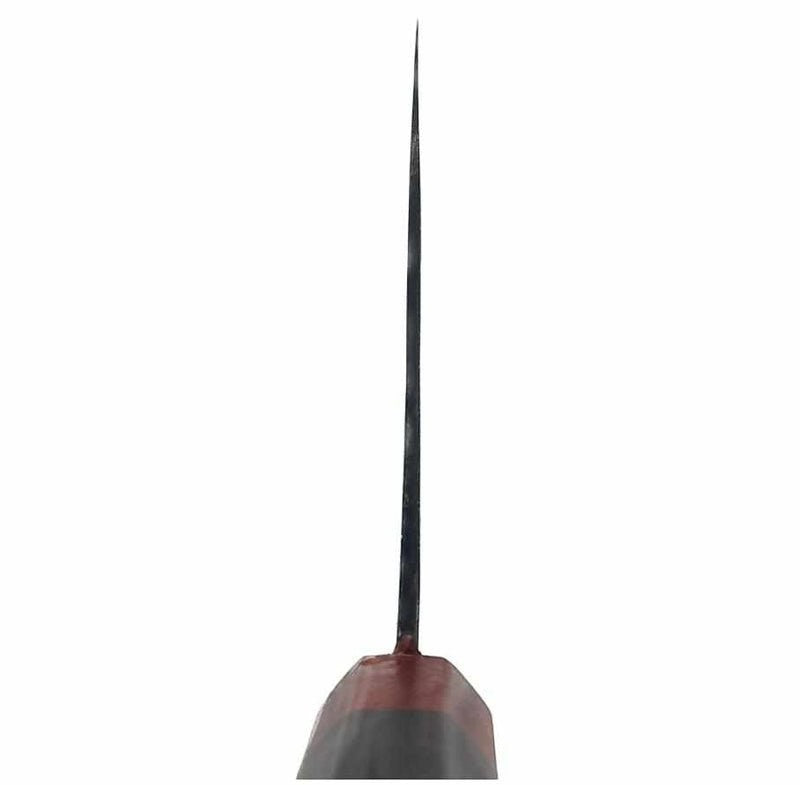
A Chinese vegetable cleaver is not automatically a meat or bone cleaver. Thin vegetable cleavers and Chinese chef knives are designed for slicing and chopping vegetables, herbs, and boneless proteins. Do not use a thin cleaver on bones, frozen food, or other hard materials.
Meat cleavers are generally heavier and thicker, but suitability still depends on the exact blade. Use a cleaver on bone only when its product description explicitly states that it is designed for that purpose.
How to Choose a Chinese Cleaver
- Start with intended use: Choose a thin vegetable cleaver for precise slicing and fast preparation. Choose a heavier model only when the listing confirms it is suitable for your cutting task.
- Compare the listed dimensions: Blade length, height, thickness, and weight differ considerably between models. Use the measurements on each product page rather than assuming every rectangular cleaver handles the same way.
- Choose the right steel: Carbon steel can sharpen easily and develop a patina, but it must be washed and dried promptly. Stainless and semi-stainless steels usually require less maintenance.
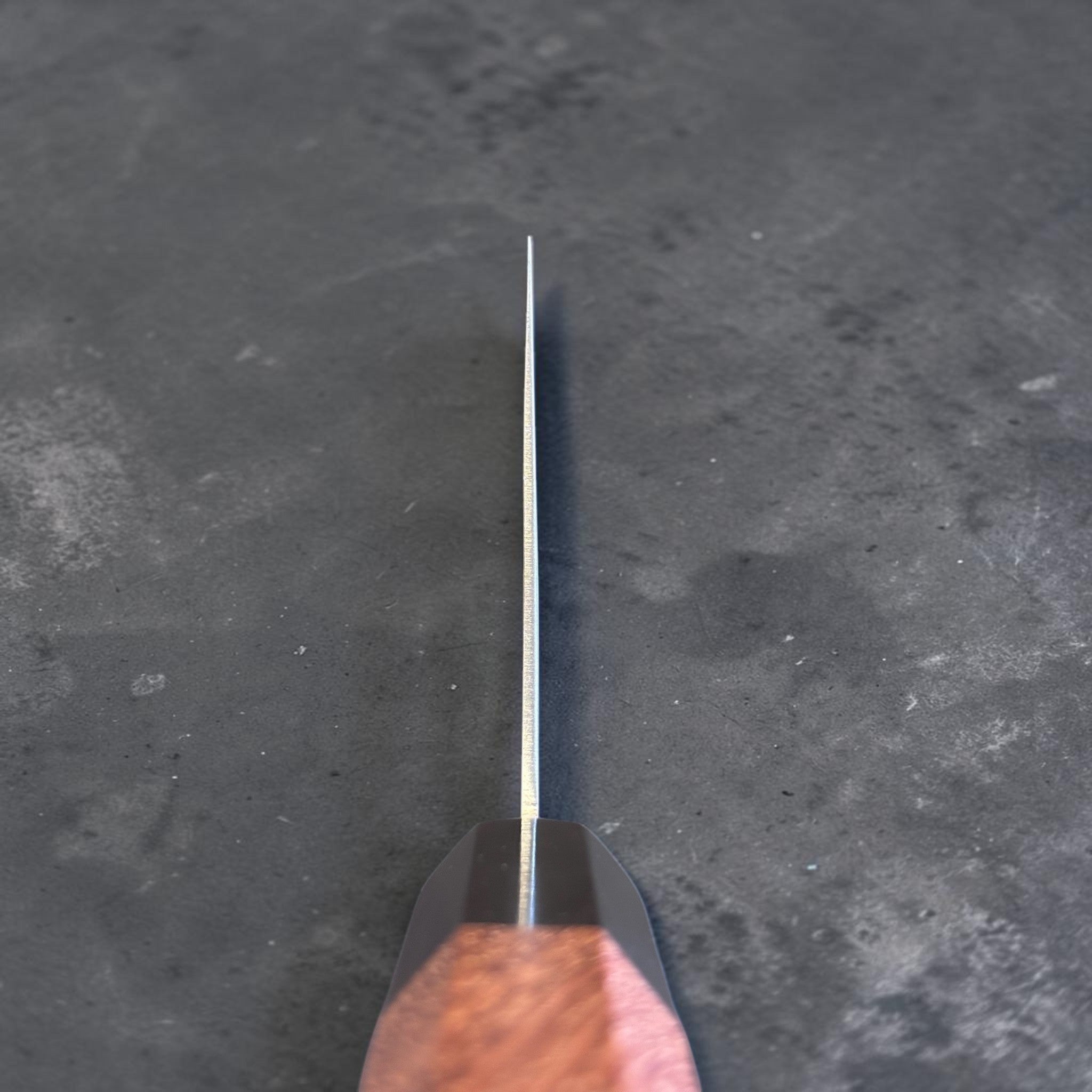
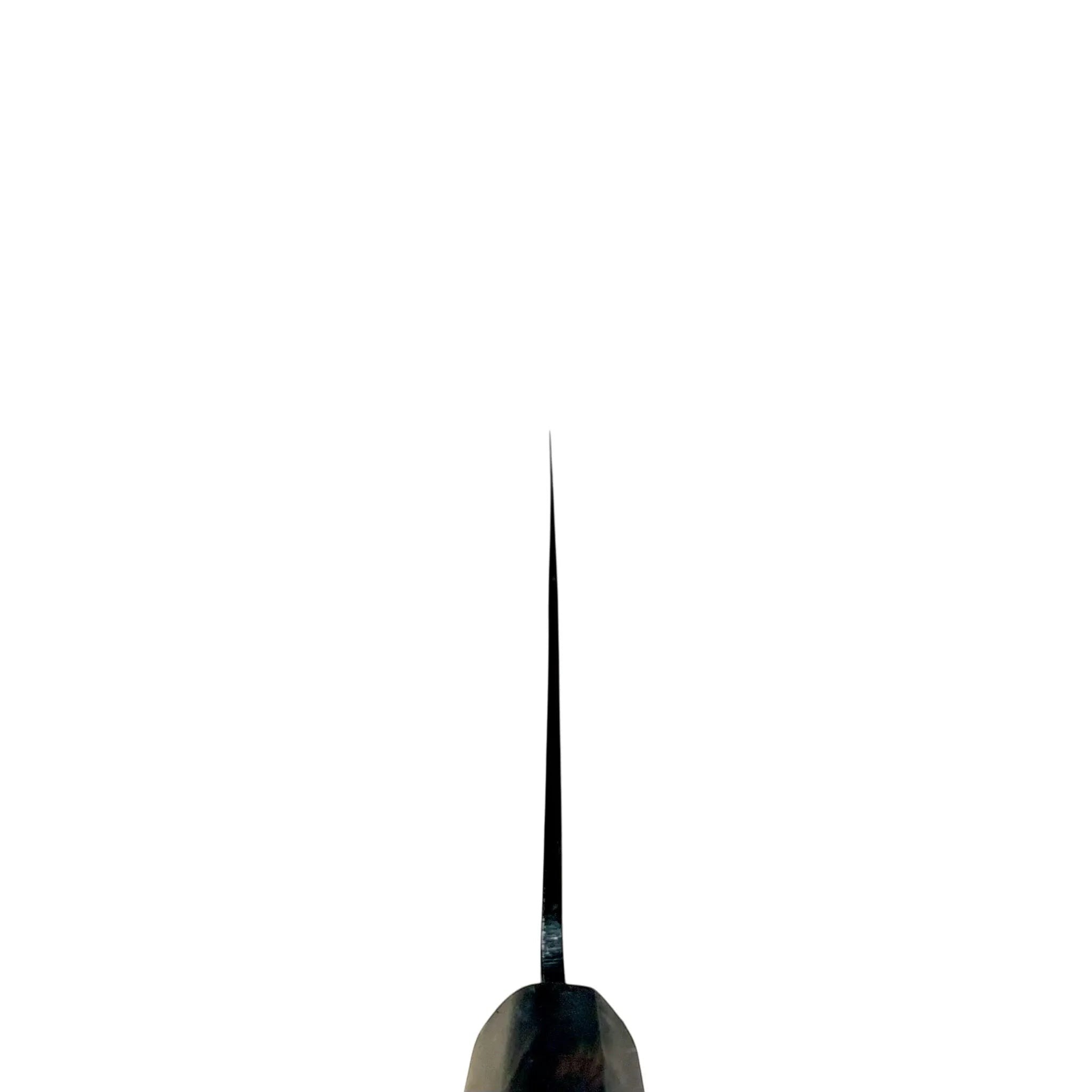
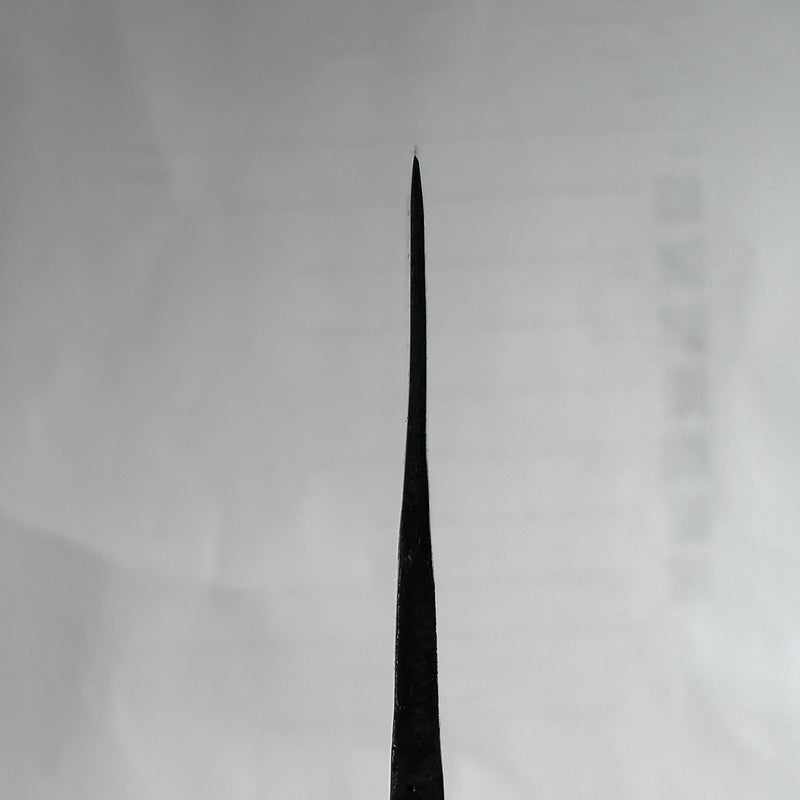
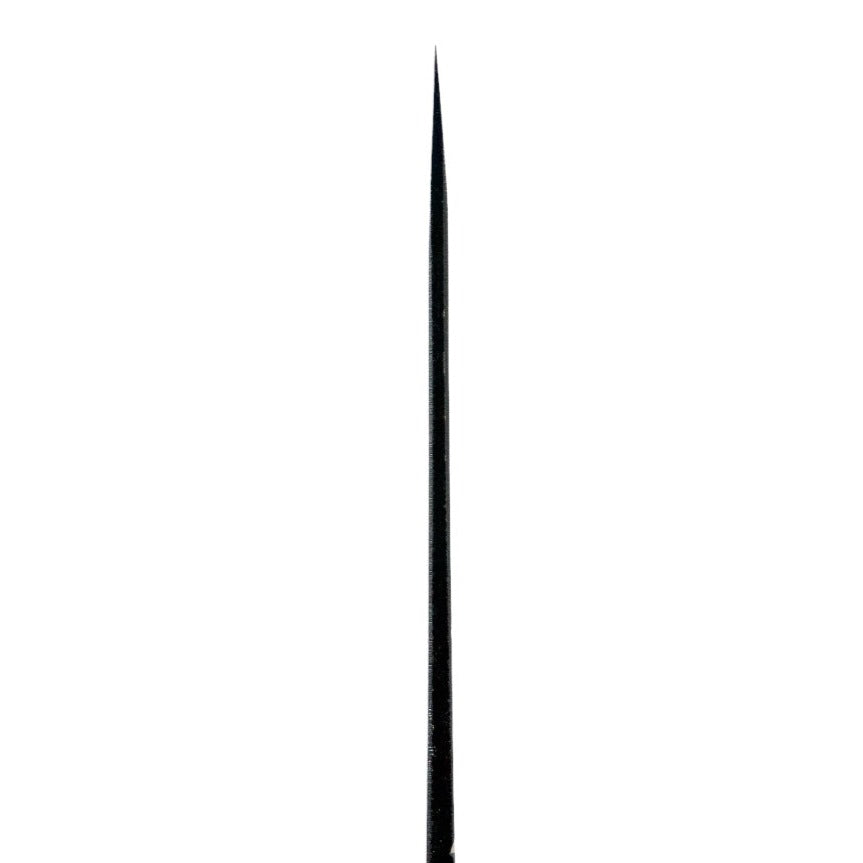
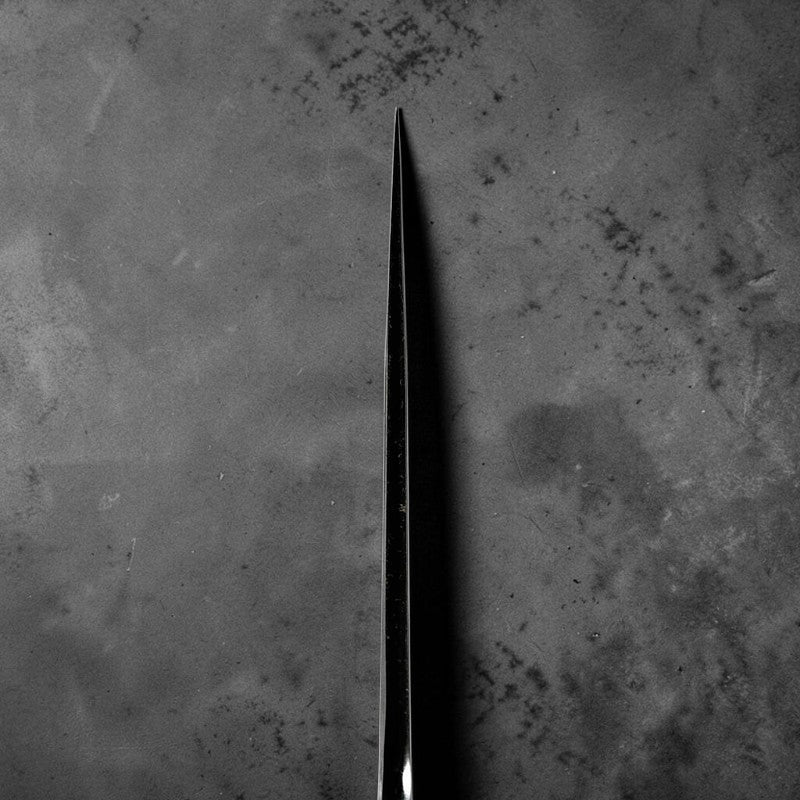
- Check the edge and construction: Thin, hard edges favor precise cutting but can chip when twisted or used against hard materials. Match the blade to your technique and cutting board.
Using and Caring for a Chinese Cleaver
The tall blade provides generous knuckle clearance and a broad surface for transferring prepared food. Cut on a suitable wood or soft synthetic board, avoid lateral twisting, and never use the sharpened edge to scrape the board. Hand-wash and dry the knife immediately after use.
See a Fook Kee Chinese Cleaver in Action
Chinese Cleaver, Nakiri, or Gyuto?
Choose a Chinese cleaver when you want a tall rectangular blade and broad food-transfer surface. A Nakiri is a lighter Japanese vegetable-knife profile, while a Gyuto has a pointed tip and a curved profile suited to a wider range of chef-knife techniques.
Frequently Asked Questions
Is a Chinese cleaver the same as a meat cleaver?
No. Many Chinese cleavers are thin kitchen knives intended for vegetables and boneless proteins. Meat cleavers are usually built more heavily. Always follow the intended use stated on the individual product page.
Can a Chinese cleaver cut bone?
Only use it on bone if the specific product listing explicitly says it is designed for bone. Never use a thin vegetable cleaver or Chinese chef knife for bone or frozen food.
Are all Chinese cleavers made in China?
No. “Chinese cleaver” describes a blade style, not a guaranteed country of origin. This collection includes knives from multiple makers and countries. Each product page identifies the maker and origin when available.
Should I choose carbon or stainless steel?
Choose carbon steel if you value easy sharpening and do not mind drying the blade immediately after use. Choose stainless or semi-stainless steel if lower maintenance is more important. The product description identifies the steel used in each knife.