
Filters
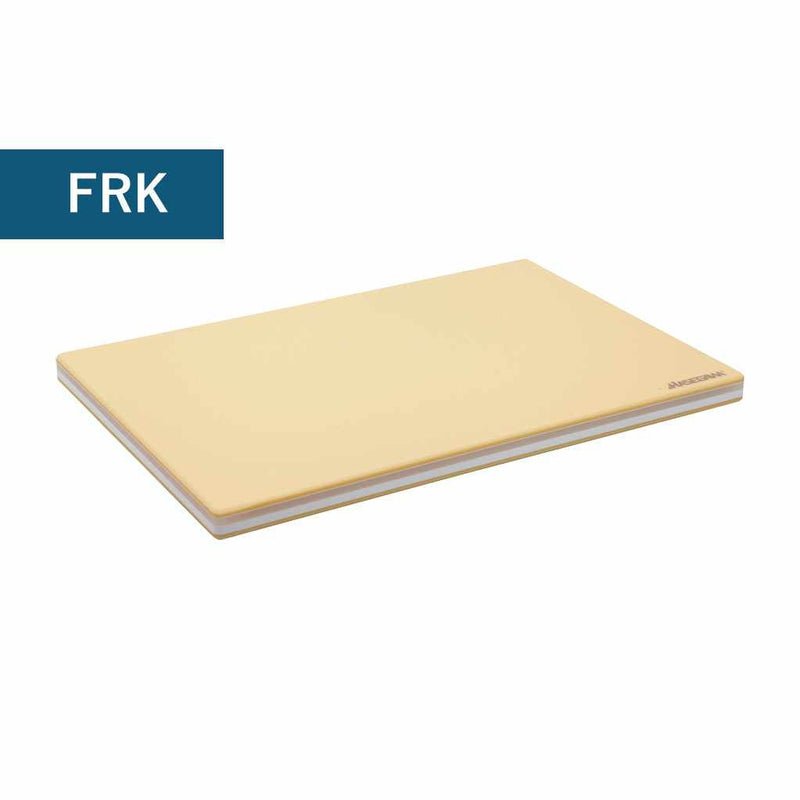
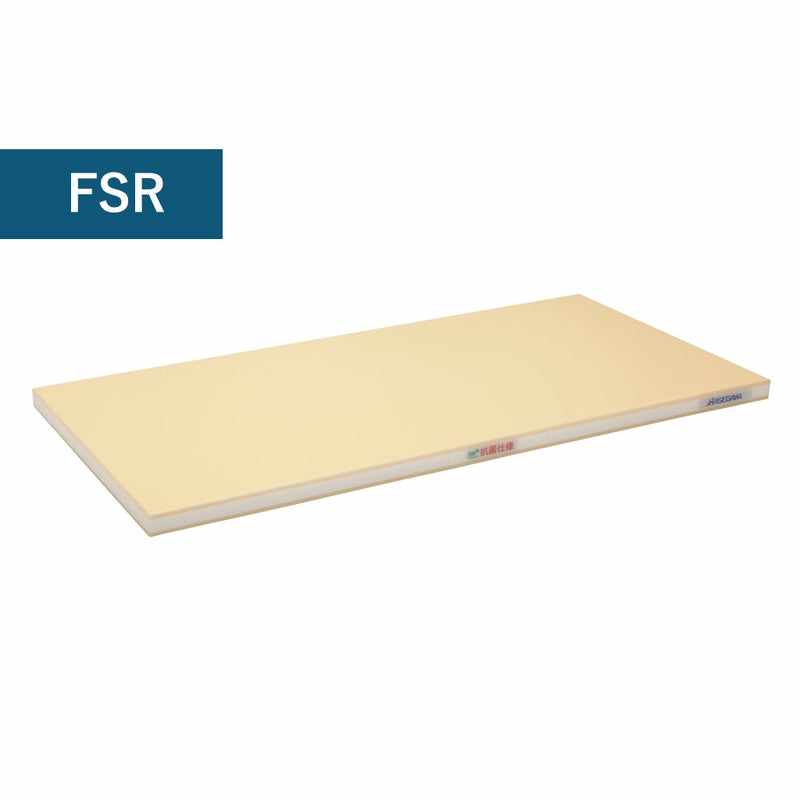
Hasegawa Pro Boards (Soft & PE)
Hasegawa Pro Cutting Boards represent the pinnacle of Japanese material science. Since 1955, the Hasegawa Corporation has utilized high-tech wood-core composites to solve the two biggest problems in professional kitchens: board warping and rapid knife dulling. Whether you are a Michelin-star chef or a home enthusiast, a Hasegawa board is the single most important accessory for protecting high-HRC Japanese steel.
Why Hasegawa is the Industry Standard for Japanese Knives
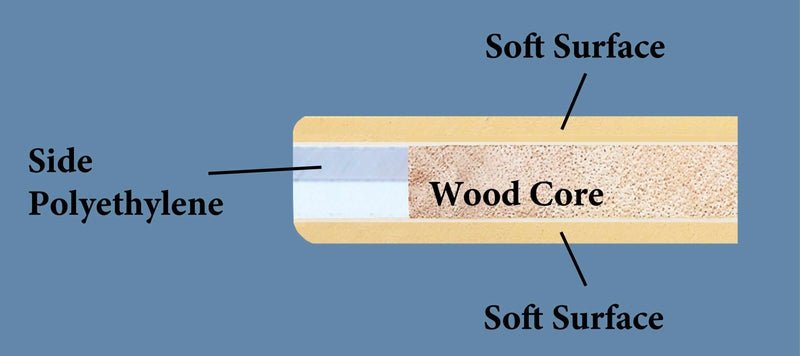
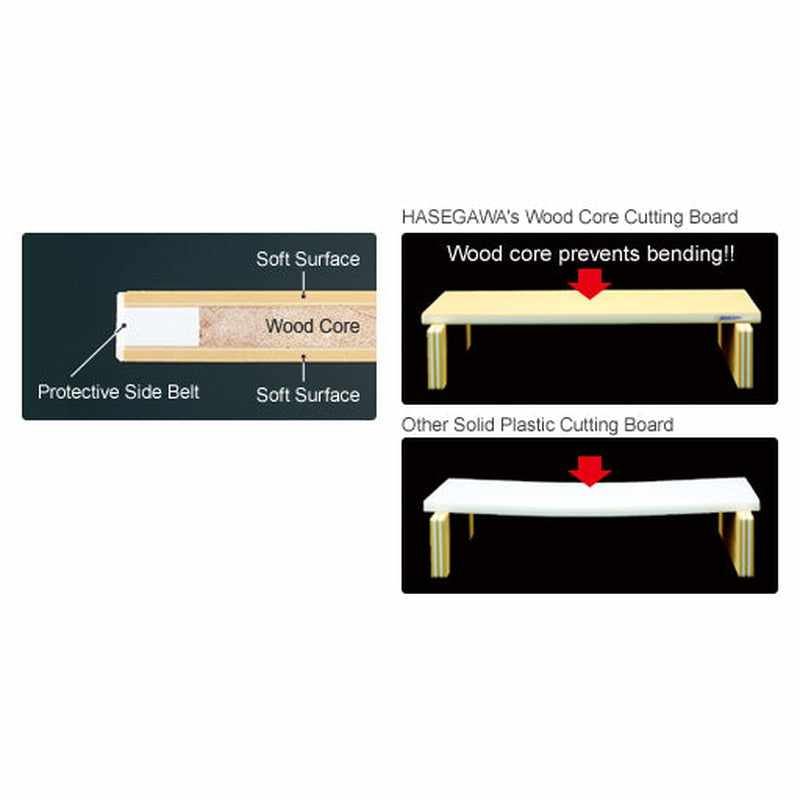
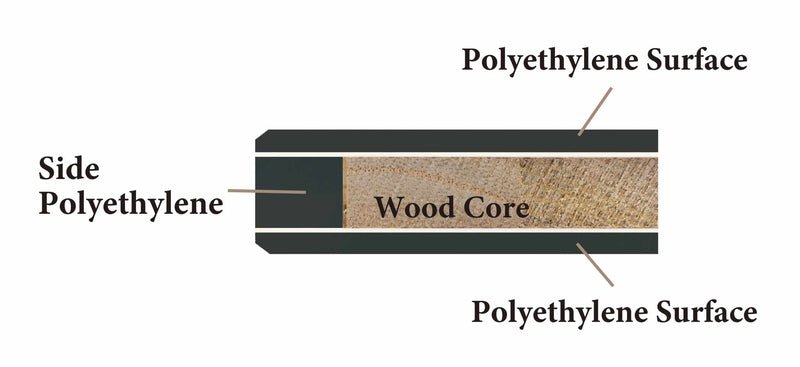
Unlike standard plastic or rubber boards, Hasegawa utilizes a patented wood-core construction. This ensures the board remains perfectly flat under high-temp sanitization while remaining up to 50% lighter than solid synthetic alternatives.
- Unrivaled Edge Retention: The soft surface "gives" under the pressure of a razor-thin edge, preventing micro-chipping on delicate Aogami Super or SG2 steels.
- SIAA Certified Hygiene: Every board is antibacterial and fully bleach-safe, meeting the strictest global food safety standards.
- Warp-Resistant Technology: The internal wood core provides a structural skeleton that prevents the "bowing" common in solid plastic boards after dishwasher cycles.
Soft FSR vs. Black PE: Which Series is Right for You?
As the leading Hasegawa dealer in the USA and EU, we curate only the high-performance professional series. Here is how to choose:
Hasegawa Pro-Soft (FSR/FRK)
The "Beige" Series: Features a high-friction Elastomer surface. It offers the most "bite" and the softest feel. Recommended for users of high-end Japanese knives who prioritize absolute edge longevity.
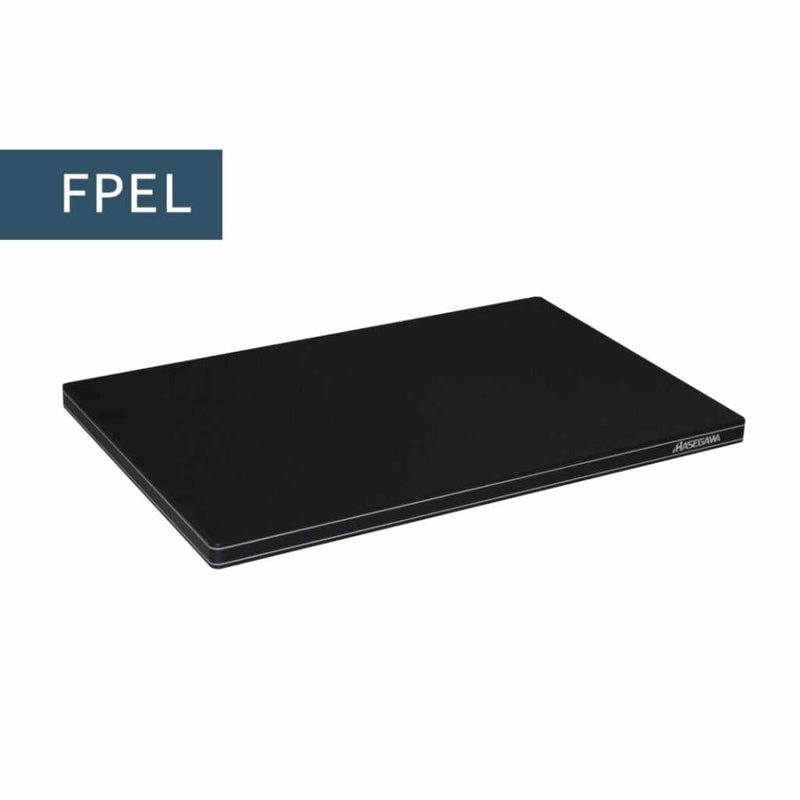
Hasegawa Pro-PE (FPEL)
The "Black" Series: Slightly firmer Polyethylene surface. The matte black finish provides incredible contrast for vegetable prep and hides stains better. Ideal for high-volume environments and general prep.
Hasegawa Size Guide: Matching Your Blade to Your Board
Selecting the correct dimensions is essential for a safe and efficient "mise en place."
- 210mm Gyuto / Santoku: Best on the 20″ × 12″ (FSR20-5030) or the 23.6″ × 11.8″ (FSR20-6030).
- 240mm+ Gyuto / Kiritsuke: Requires the 23.6″ × 13.8″ (FSR20-6035) or the expansive 31.5″ × 13.8″ (FSR25-8040).
- Petty & Paring Knives: Perfectly suited for the 15.4″ × 10.2″ (FRK20-3926) or 13.4″ × 9.1″ (FRK20-3423).
- Full Service Station: The 35.4″ × 17.7″ (FSR25-9045) is the "Industrial Standard" for professional lines.
Maintenance & Care Mastery
Hasegawa boards are professional tools. To keep them in peak condition, follow these Tokushu-approved tips:
- Sanitization: Use a commercial or home dishwasher. For stubborn stains or odors, a 1:10 diluted bleach soak is safe and effective.
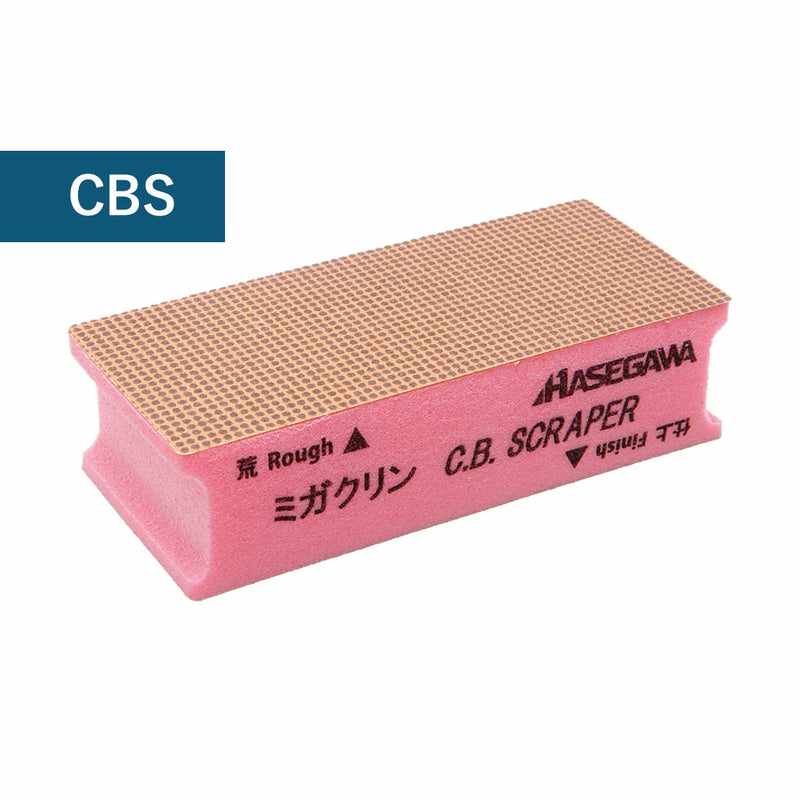
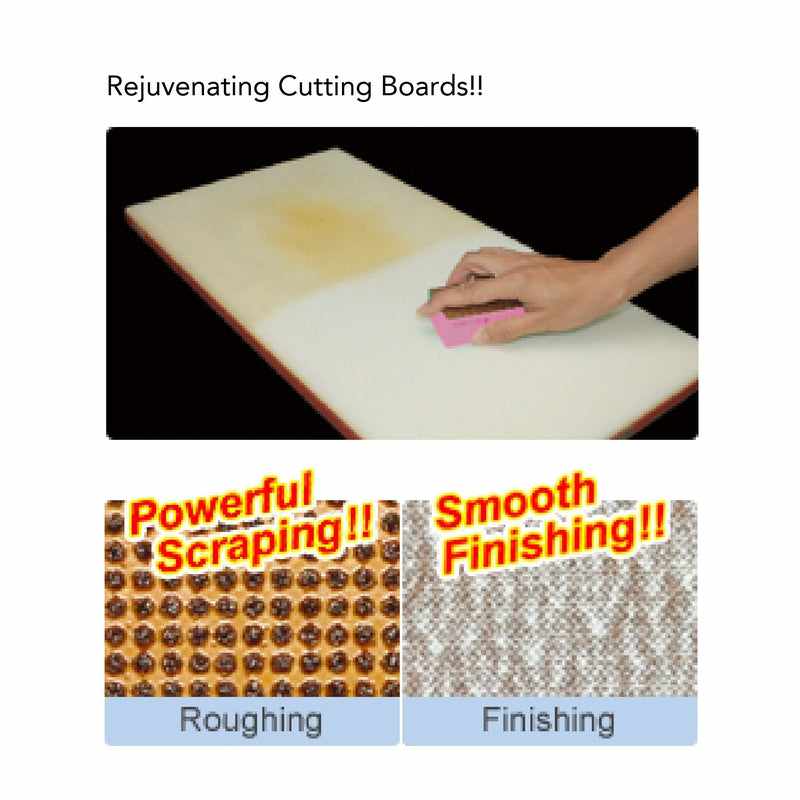
- Resurfacing: Because the surface is soft to protect your knife, it will show cut marks. This is intentional. Use a Hasegawa Scraper periodically to restore the surface.
- Storage: Store boards dry and flat. Avoid high-heat environments for extended periods when not in use.
Expert Demonstration: Hasegawa Pro Series Overview
Frequently Asked Questions
Q: Is Hasegawa better than end-grain wood?
A: For edge retention, they are comparable, but Hasegawa wins on hygiene. Unlike wood, Hasegawa is dishwasher-safe and completely non-porous, making it superior for handling raw proteins and commercial use.
Q: Why is my Hasegawa board showing cut marks?
A: This is a design feature. A board that doesn't show cut marks is harder than your knife, meaning your knife edge is losing the battle. The marks show the board is absorbing the energy to save your edge.
Q: Does the wood core make it heavy?
A: Quite the opposite. The specialized wood-core allows the board to be 30-50% lighter than solid rubber or plastic boards of the same size.
Upgrade to a Hasegawa Pro board today and experience the difference that proper material science makes for your Japanese cutlery collection.