Filters
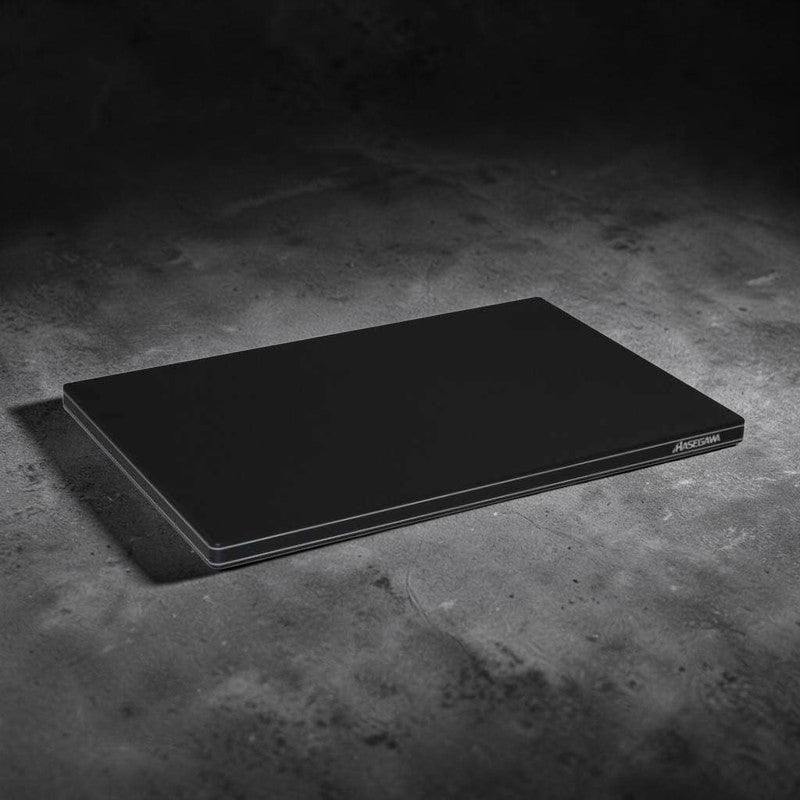
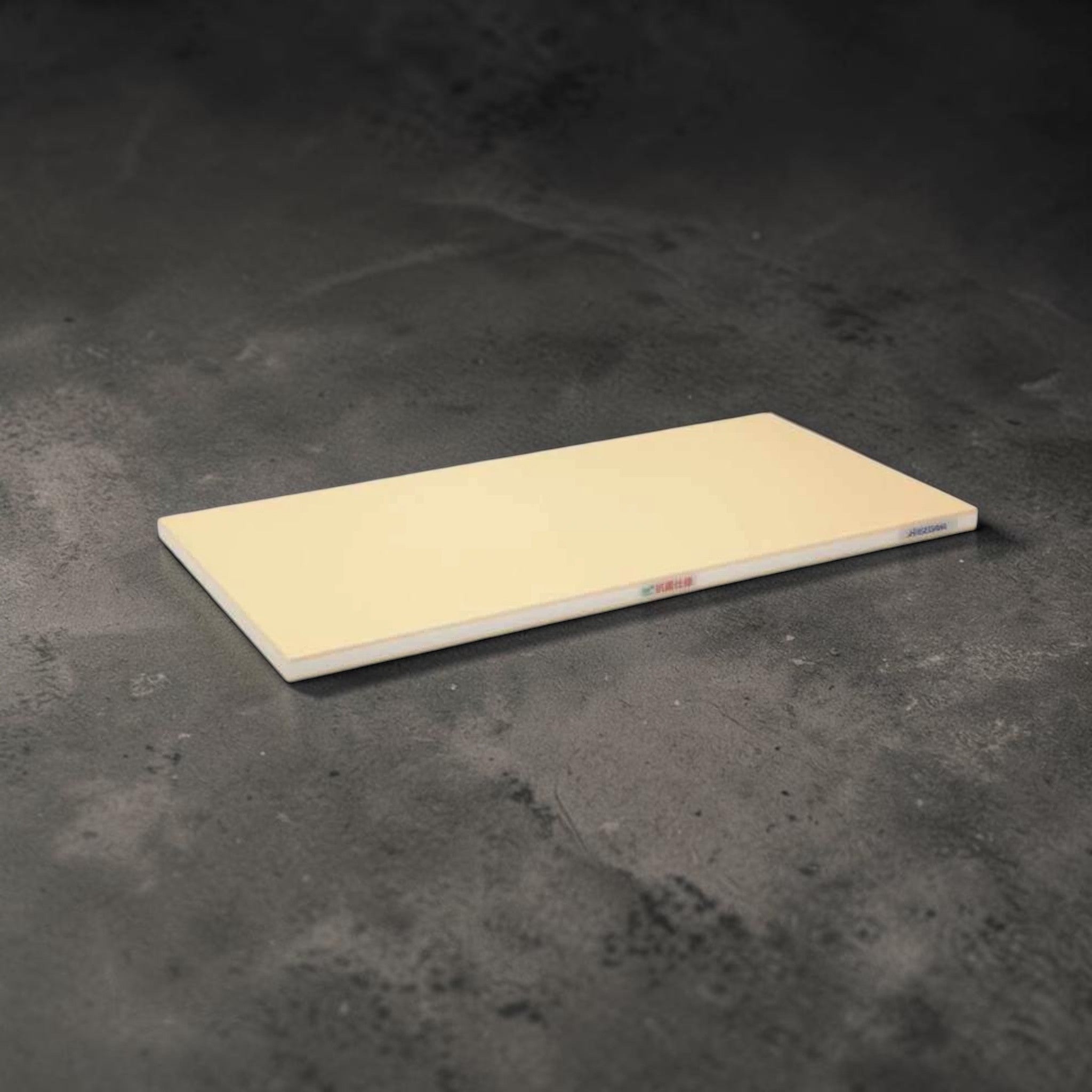
Hasegawa Cutting Boards: FSR, FRK & FPEL Series
Deep US inventory: Shop our in-stock selection of Hasegawa FSR, FRK and FPEL sizes with fast shipping across the United States.
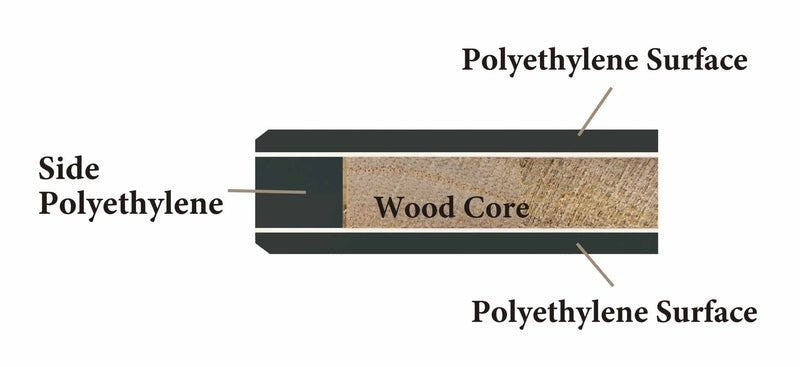
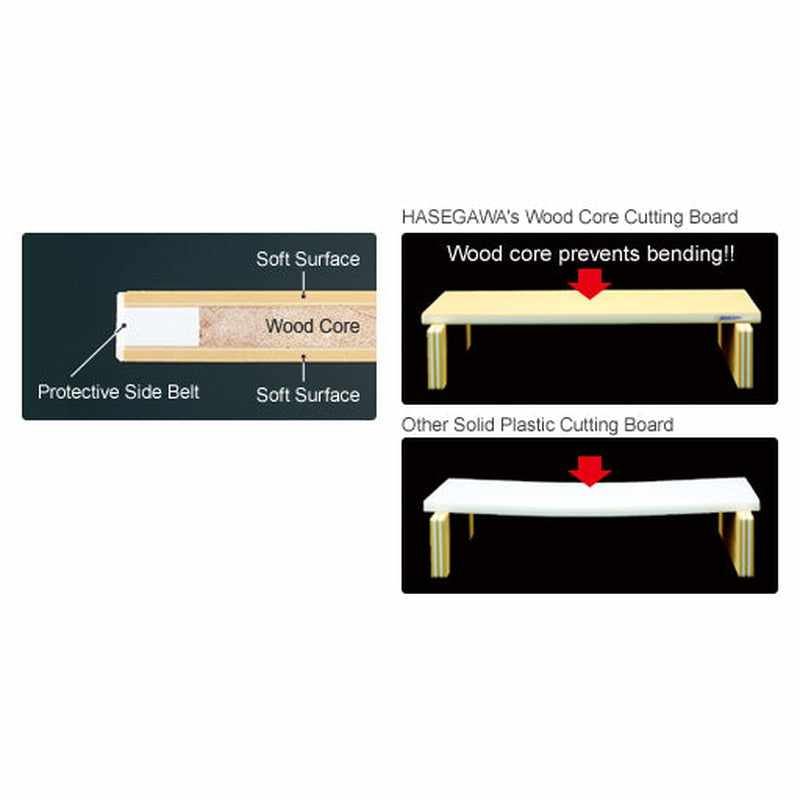
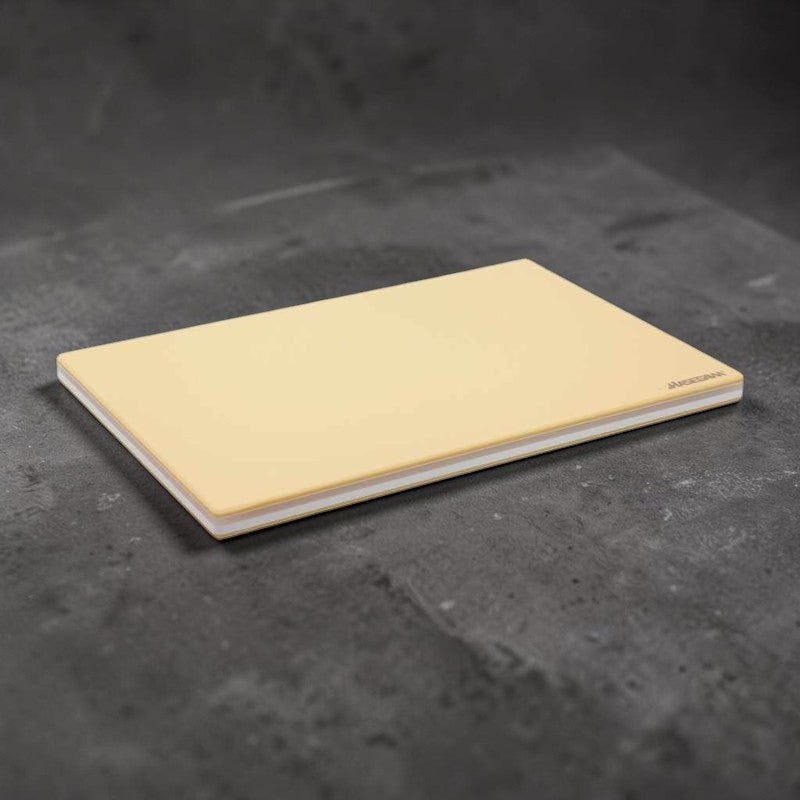
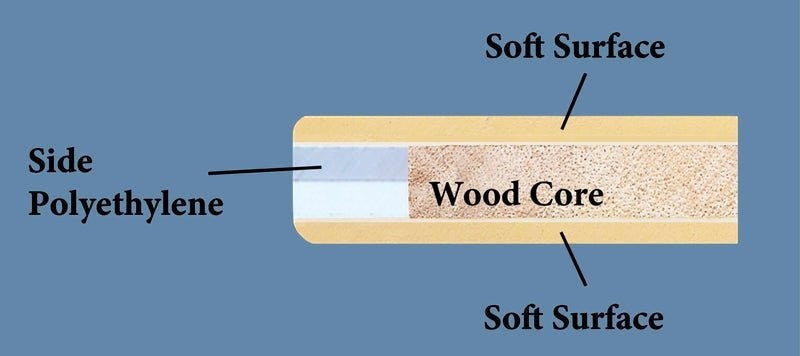
Hasegawa cutting boards are engineered in Japan to protect fine knife edges while providing a rigid, hygienic and easy-to-maintain prep surface. Their wood-core construction helps prevent warping and makes the boards 30–50% lighter than comparable solid synthetic boards. Compare the FSR, FRK and FPEL series below to choose the right size and cutting feel for your kitchen.
Why Choose a Hasegawa Cutting Board?
- Knife-friendly surface: The resilient surface gives slightly beneath thin Japanese knife edges, helping reduce premature dulling and micro-chipping.
- Rigid wood core: The sealed internal core keeps the board flat while reducing weight.
- Professional hygiene: Hasegawa boards are non-porous, bleach-safe and compatible with high-temperature sanitation according to the care guidance for each series.
- Made for Japanese knives: A stable, edge-friendly choice for carbon steel, SG2 and other thin, high-hardness blades.
FSR vs FRK vs FPEL: Which Hasegawa Series Is Best?
FSR Pro-Soft
The softest, most protective cutting feel in the range. Best for delicate Japanese edges, larger prep stations and professional kitchens.
FRK Pro-Soft Lite
A lighter, easy-to-handle option with a thermoplastic elastomer surface. Ideal for home cooks and chefs who want a practical daily board.
FPEL Pro-PE Lite Black
A slightly firmer soft-polyethylene surface with a black finish that provides strong ingredient contrast and resists visible staining.
Hasegawa vs Rubber Cutting Boards
Hasegawa boards are often compared with Japanese rubber cutting boards because both provide a resilient, knife-friendly cutting feel. Hasegawa uses engineered synthetic surfaces over a sealed wood core rather than solid natural rubber. The wood core makes the board lighter and more resistant to warping, while the surface material varies by series. If you prefer the softest feel, choose FSR; for a lighter everyday board, choose FRK; for a firmer black surface, choose FPEL.
Hasegawa Cutting Board Size Guide
- Petty and paring knives: FRK20-3423 or FRK20-3926.
- Santoku and 210mm gyuto: FSR20-5030, FSR20-6030 or a medium FRK board.
- 240mm gyuto and kiritsuke: FSR20-6035 or FSR25-8040.
- Large professional stations: FSR25-9040 or FSR25-9045.
Cleaning and Care
- Dishwasher use: Check the temperature guidance for your specific model and place the board securely so it cannot contact a heating element.
- Stains and odors: Hasegawa permits appropriate kitchen bleach sanitization; rinse thoroughly afterward.
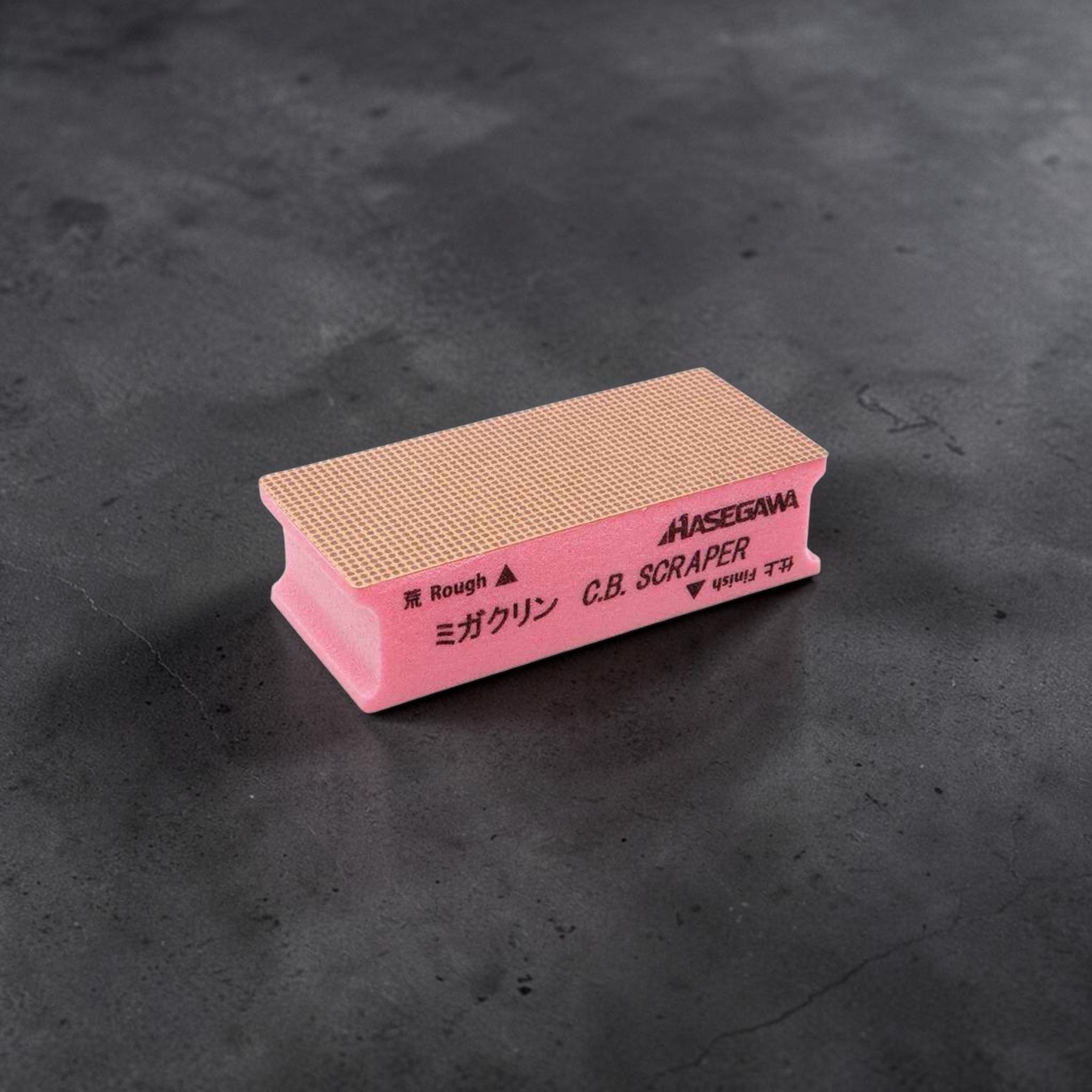
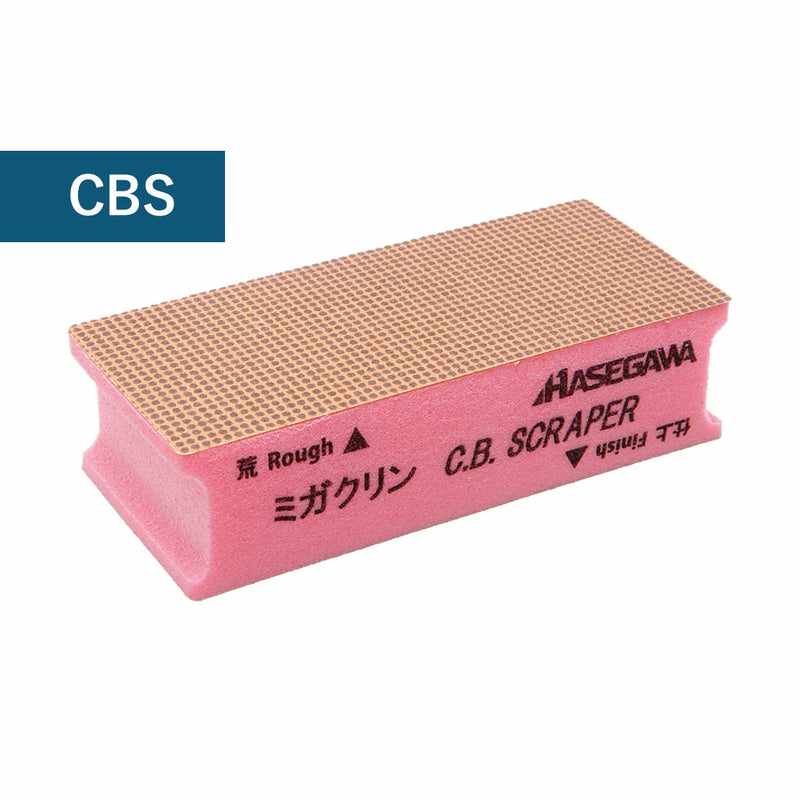
- Surface marks: Fine cut marks are normal on a knife-friendly board. Use the Hasegawa Cutting Board Scraper to refresh compatible surfaces.
- Storage: Clean and dry the board, then store it flat or upright with adequate airflow.
Frequently Asked Questions
Are Hasegawa cutting boards dishwasher safe?
Most professional Hasegawa wood-core boards are designed for high-temperature sanitation, but temperature limits vary by series. Follow the care instructions for the exact model and keep the board away from exposed heating elements.
Do Hasegawa cutting boards create microplastics?
Any synthetic cutting surface can wear over time. Use smooth, sharp kitchen knives, avoid aggressive sawing with serrated blades and heavy bone chopping, resurface compatible boards when necessary, and replace a board if it becomes deeply damaged.
Hasegawa or Asahi: which cutting board should I choose?
Both are respected Japanese options for protecting fine knife edges. Hasegawa’s sealed wood-core construction makes large boards lighter and highly resistant to warping, while many Asahi boards use a solid synthetic-rubber construction. Choose according to your preferred cutting feel, weight, size and cleaning routine.
Why does a Hasegawa board show knife marks?
A soft surface protects the knife by absorbing some of the cutting force. Light marks are expected and can usually be maintained with the proper Hasegawa scraper.